
Reviewed · GION & GEISHA WALKS
The Art of Geisha: Exclusive Show & Gion Walking Tour
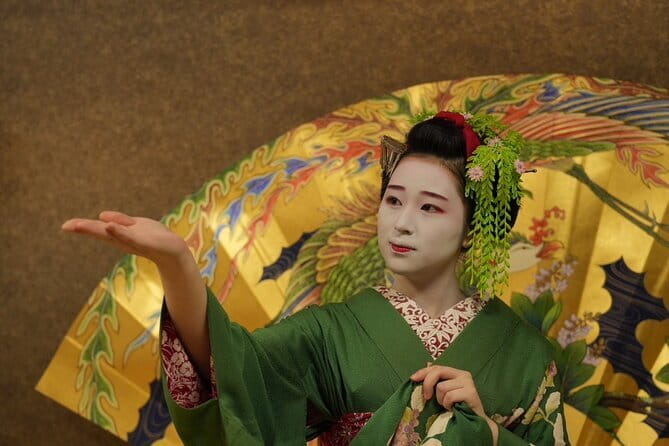
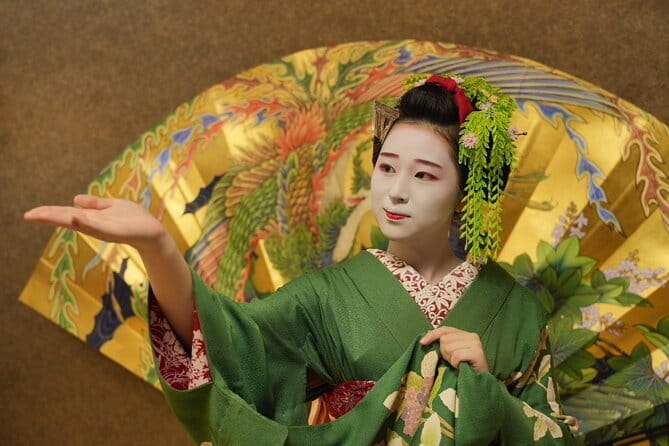
The heart of this Kyoto experience is a rare, close-up meeting with a maiko, an apprentice geisha, in Gion. You watch her perform traditional arts, share tea and snacks, ask questions, and test your own skill in a Japanese game.
I like the six-person limit, which keeps the meeting personal, and I like that the guide explains Gion before the show rather than dropping you into an unfamiliar tradition without context. Guides Ai and Yoshino are praised for making the history clear and the conversation easy.
The main caution is the short length. At roughly one to two hours, this is a focused cultural encounter, not a full afternoon tour of Kyoto. The $124.21 price is fair for a small-group maiko meeting, but it may feel high if you want a long walking tour or several sights.
In This Review
- Key points to know before you book
- Why this Gion experience feels different
- Walking into Gion with an English-speaking guide
- Meeting a maiko in a small group
- The performance, tea, snacks, and traditional game
- Asking questions without losing the cultural context
- How the $124.21 price measures up
- Timing, meeting point, and the end of the route
- Who will get the most from this experience
- Cancellation and practical booking notes
- My verdict: book it for access, not for a long tour
- FAQ
- Where does the tour start?
- What time does the tour begin?
- Where does the tour end?
- How long does the experience last?
- How many people can join?
- Is an English-speaking guide included?
- What is included in the price?
- Can children join the tour?
- Can I cancel for a full refund?
Key points to know before you book
- A maiko performs traditional arts and then speaks with the group.
- The group has a maximum of six people, though the final group may be smaller.
- Tea, snacks, and a Japanese game make the meeting interactive rather than purely observational.
- An English-speaking guide leads the Gion walk and interprets the conversation.
- The tour starts at 3:00 pm near the Statue of Izumo-no-Okuni.
- Children under six cannot join, and free cancellation is available up to 24 hours before the start.
Why this Gion experience feels different
Kyoto’s geisha districts are easy to admire from the outside. You can stroll along Gion’s lanes, see traditional wooden facades, and perhaps catch a glimpse of a maiko hurrying to an appointment. But a street sighting tells you very little about the work, training, and etiquette behind the appearance.
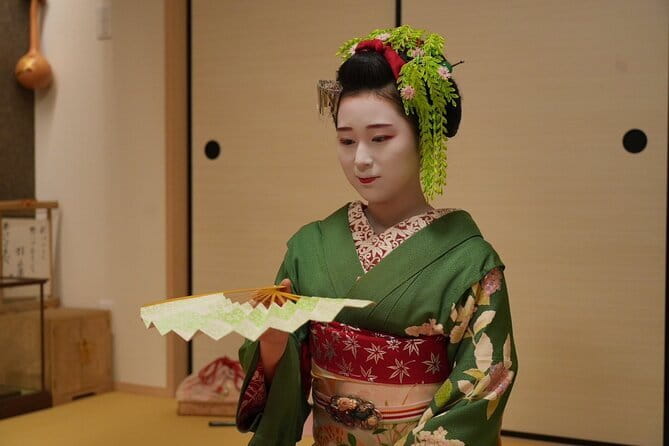
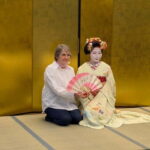
This experience gives you a more direct introduction. You do not simply watch someone pass by with a camera pointed in her direction. You meet a maiko in a set cultural setting, watch a performance, and have time to ask questions through the guide.
That difference matters. Geisha culture is private by nature, and a respectful arranged meeting offers more substance than trying to spot a maiko on the street. You get a chance to understand the person’s role and artistic training instead of treating the encounter as a photograph.
The format also avoids the stiffness of a formal theater show. Tea and snacks are served, the group can speak with the maiko, and the traditional game gives the meeting a light, human touch. One especially memorable part for many people is the chance to play against her. You might even win, though the result is not the point.
A few more Kyoto tours and experiences worth a look


Walking into Gion with an English-speaking guide
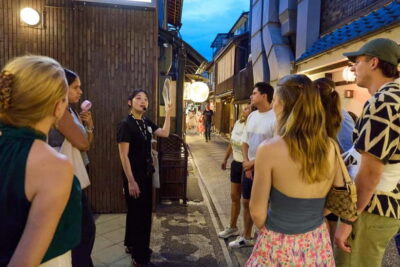
The tour begins at the Statue of Izumo-no-Okuni in Kawabatacho, in Kyoto’s Higashiyama Ward. The start time is 3:00 pm, so you can spend the morning and early afternoon visiting other parts of Kyoto before heading to Gion.
The walking portion introduces the district and its connection to geisha and maiko culture. The exact walking route is not fully specified, so you should think of this as a compact orientation rather than a long neighborhood tour.
That is still useful. Gion can seem like a collection of pretty lanes until someone explains what you are looking at and how the district functions. A guide can help connect the streets, tea houses, performers, and traditions, giving the later meeting more meaning.
Ai and Yoshino are two guides specifically praised for their warm manner and strong command of Kyoto’s history. Ai is described as friendly and helpful, while Yoshino is praised for explaining Gion, maiko, and geiko traditions clearly. Guide quality matters here because the maiko conversation may require interpretation and cultural explanation.
Keep your expectations realistic. This is not advertised as a full architectural tour, restaurant walk, or broad survey of Kyoto. The neighborhood walk is there to prepare you for the main event.
Meeting a maiko in a small group
The group size is capped at six people. That is one of the strongest features of the experience.
A large audience would change the mood. Questions would be harder to ask, the performance would feel less personal, and the maiko would have to divide her attention among too many people. With six or fewer, you have a reasonable chance to see clearly and take part in the conversation.
Some bookings may have fewer people. A few past groups had only one to four guests, but you should treat that as good fortune rather than a promise. The official maximum is six.
The meeting is especially useful for people who have wondered how a maiko differs from a fully established geisha or geiko, what training involves, and how traditional arts fit into the work. The provided information identifies a maiko as an apprentice geisha, and the experience gives you a chance to ask about that path directly.
Do remember that this is a cultural meeting, not a casual celebrity encounter. Let the guide manage the conversation, listen carefully, and ask questions that show respect for the tradition. The small group helps create that tone.
The performance, tea, snacks, and traditional game
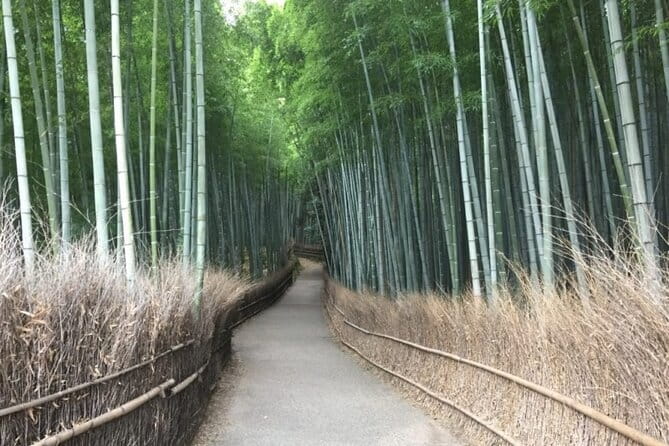
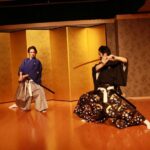
The maiko performance is the centerpiece. You watch her present traditional arts, with the guide helping explain what you are seeing.
The show is not described as a long stage production, so do not book it expecting a full evening of dance and music. Its strength is intimacy. You are close enough to appreciate the preparation, movement, costume, and control involved in the performance.
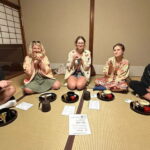
Tea and snacks are included. These small additions make the setting more relaxed and give the group a natural pause before the question period. They also help the experience feel connected to Japanese hospitality rather than structured only as a presentation.
Then comes the game. You get the chance to play against the maiko in a traditional Japanese activity. This is a welcome change from simply sitting in silence and watching. It gives you something to do and often breaks the ice between the group and the performer.
The game also reveals a useful truth about cultural experiences: participation can help you remember details better than a lecture. You may not recall every explanation about Gion, but you are likely to remember the moment you tried to beat the maiko.
Asking questions without losing the cultural context

The question period is one of the best reasons to choose this tour instead of a standard performance. You can ask about the maiko’s training, daily work, arts, and place in Kyoto’s traditional entertainment culture.
The English-speaking guide plays an important role. Some questions may need careful interpretation, and the guide helps prevent small language or cultural gaps from getting in the way. This is where Ai or Yoshino can add real value, translating not just words but context.
A good question period depends on the group. If six people attend, everyone should keep questions concise so the conversation remains balanced. If you have a particular interest, prepare two or three questions before arriving.
You should also accept that some subjects may not receive a simple answer. The world of geisha and maiko has its own rules and privacy. The experience offers access, but not unlimited access to private life.
That balance is part of what makes the meeting worthwhile. You are given a respectful window into a normally private profession, not a staged claim that every mystery will be explained.
Other walking tours we've reviewed in Kyoto






How the $124.21 price measures up
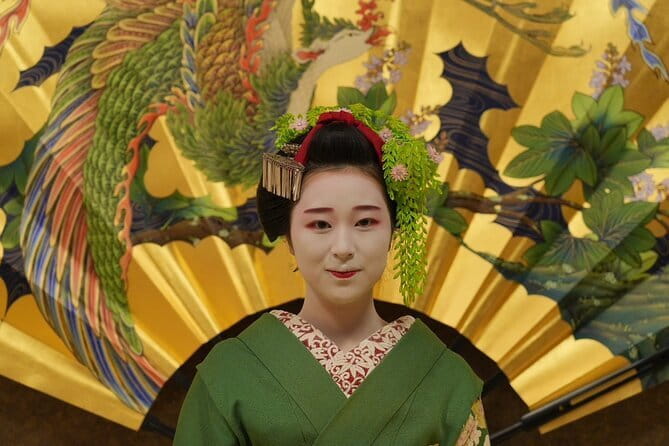
At $124.21 per person, this is not a budget walk through Gion. You are paying for a small group, an English-speaking guide, a live maiko performance, tea, snacks, interpretation, and the chance to ask questions.
The group limit is important when judging the price. A six-person experience costs more than a crowded cultural show, but you are buying time and access, not just a seat. The question period and traditional game add value that a standard stage performance may not provide.
I would consider the price reasonable for someone who has specifically wanted to meet a maiko. It is also a strong choice for a first visit to Kyoto if this cultural tradition is near the top of your list.
The value is weaker for someone mainly interested in walking Gion’s streets. You can explore the neighborhood independently, and this tour includes only a short visit of about one to two hours. If your goal is photography, architecture, or a broad look at Kyoto, spend your money elsewhere.
The experience also includes only the listed tea and snacks. Additional fees are not specified, so check the final booking details before paying if you need a complete breakdown of possible costs.
Timing, meeting point, and the end of the route
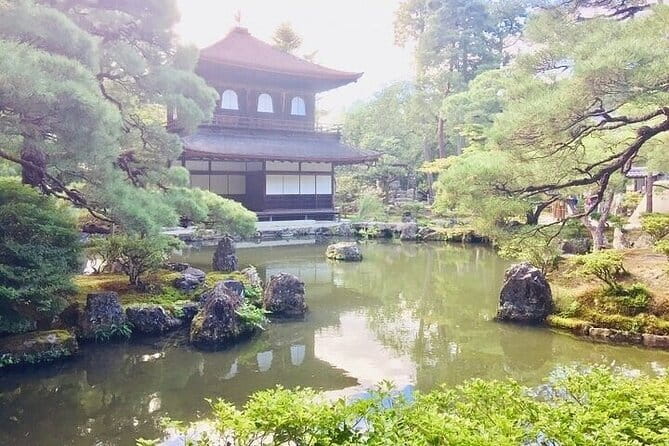
The tour begins at the Statue of Izumo-no-Okuni, at Kawabatacho, Higashiyama Ward, Kyoto, 605-0076. It ends at 535 Morishitacho, Higashiyama Ward, Kyoto, 605-0836.
The start time is fixed at 3:00 pm. Plan to arrive early, especially if you are unfamiliar with the Gion area. The tour is near public transportation, but the supplied details do not identify a specific station or give exact walking directions from one.
A mobile ticket is provided, which keeps check-in simple. Confirmation arrives at booking time, so you can save the details on your phone and have the meeting point ready before you set out.
The one-way route is useful. You do not necessarily finish at the same spot where you began, so look at the ending address when planning dinner or your next stop. The experience is short enough to fit into a larger Kyoto day, but the 3:00 pm start means you should leave enough time to cross the city without rushing.
Who will get the most from this experience
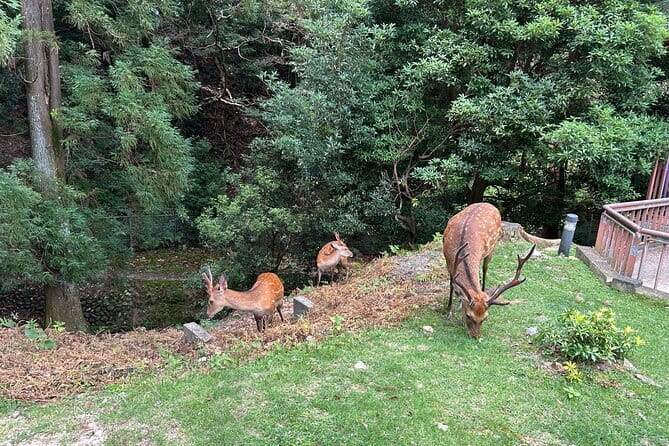
I would recommend this tour most strongly to:
- First-time Kyoto visitors who want cultural context, not only sightseeing.
- People with a long-standing interest in maiko and geisha traditions.
- Couples and small families with older children.
- Anyone who prefers conversation and participation to a large stage show.
- Visitors who want a short afternoon activity that fits around other plans.
It can also suit solo visitors, since the six-person limit makes it easier to speak with the guide and join the game.
The tour is less suitable if you want a long walking route, a full evening performance, or a completely independent experience. It is also not open to children under six.
Photography rules and specific performance details are not provided, so do not assume that every moment can be photographed or recorded. Follow the guide’s instructions and treat the performance as a cultural meeting first.
Cancellation and practical booking notes
You can cancel for a full refund if you do so at least 24 hours before the local start time. Cancellations or changes made less than 24 hours before the experience are not accepted for a refund.
Most people can participate, and the tour is near public transportation. The maximum group size is six, but the exact makeup of your group is not guaranteed. The provider is GuideMe Japan.
My verdict: book it for access, not for a long tour
Book this experience if meeting a maiko is a priority and you want more than a quick glimpse on a Gion street. The small group, live performance, tea, questions, and game give you several ways to connect with the tradition.
I especially like the way the tour combines a short Gion introduction with a personal meeting. Guides such as Ai and Yoshino appear to make a real difference, helping you understand what you see and keeping the conversation friendly.
Skip it if you mainly want a cheap neighborhood walk or a long theatrical production. At $124.21, the value rests on the intimate encounter. For a person who has always hoped to see a maiko perform and speak with her, that focused access can make this one of Kyoto’s most memorable afternoon activities.
FAQ
Where does the tour start?
It starts at the Statue of Izumo-no-Okuni in Kawabatacho, Higashiyama Ward, Kyoto, 605-0076, Japan.
What time does the tour begin?
The tour starts at 3:00 pm.
Where does the tour end?
It ends at 535 Morishitacho, Higashiyama Ward, Kyoto, 605-0836, Japan.
How long does the experience last?
The experience lasts approximately one to two hours. The listed Gion portion is one hour.
How many people can join?
The tour has a maximum of six participants.
Is an English-speaking guide included?
Yes. An English-speaking tour guide is included.
What is included in the price?
The package includes the geisha show, Japanese tea and snacks, and an English-speaking tour guide.
Can children join the tour?
Children under six years old cannot join.
Can I cancel for a full refund?
Yes. You can cancel at least 24 hours before the local start time for a full refund. Changes or cancellations made less than 24 hours before the start are not accepted for a refund.
More Shows & Entertainment in Kyoto




More Walking Tours in Kyoto
More Gion & Geisha Walks in Kyoto
More tours in Kyoto we've reviewed








Gion & Geisha Walks, compared.
 ★ 4.7Kyoto Geisha Walking Tour: Gion District & Hidden GemsFrom $252 hours
 ★ 4.7Kyoto: Gion Geisha District Walking Tour – Stories of GeishaFrom $202 hours
 ★ 4.9Best of Kyoto: Gion, Geisha, Pagodas & CobblestonesFrom $242 hours
 ★ 4.5Night Walk in Gion: Kyoto’s Geisha DistrictFrom $211h 40m
 ★ 5.0Kyoto Night Foodie Tour in Gion (9+ dishes + 6 Sake tastings)From $163
 ★ 5.0Kyoto Gion Geisha District Walking Tour – The Stories of GeishaFrom $25