
Reviewed · WORKSHOPS
Kyoto: Traditional Mini Umbrella Making Workshop
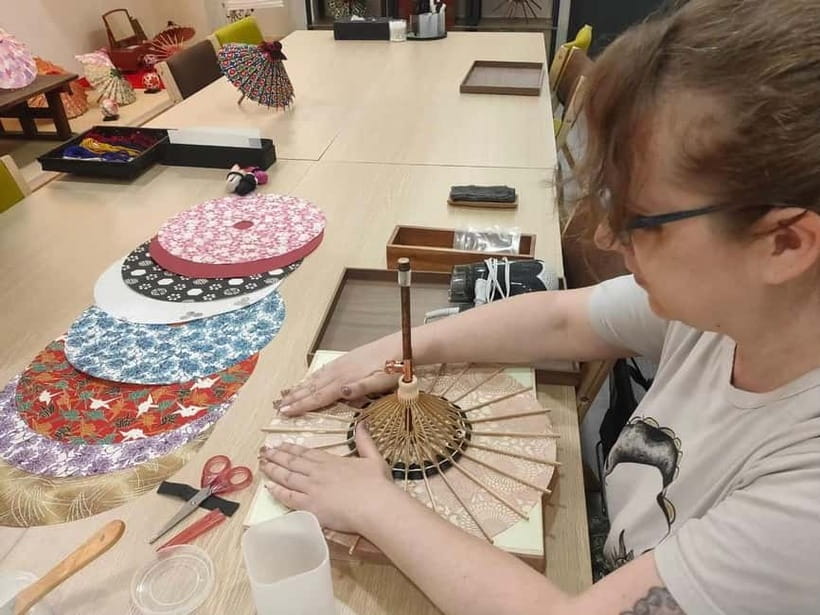
Kyoto’s traditional umbrella craft is small enough to fit on your table, but it demands real care. At this 90-minute Wagasa workshop, you assemble a mini Hime Wagasa with genuine Japanese materials inside a central Kyoto shop decorated with umbrellas and traditional lighting. I like the hands-on work and the chance to make a useful-looking keepsake rather than simply buy one. I also like that your finished umbrella comes with a bamboo stand, box, and carry bag.
The main consideration is detail. A mini umbrella is not a quick coloring project, and several people found that it required steady attention. The instructors, including Ai Takenaka, are patient and helpful, but you still need to follow each step carefully. Children under six are not permitted, and younger children who attend with a group may need close adult help.
In This Review
- Key details at a glance
- A traditional Kyoto craft in miniature
- Finding the shop near Shijo Kawaramachi
- What happens during the 90 minutes
- Choosing your design and making it personal
- The instructors make the difference
- Is $70 a fair price?
- Who should book this workshop?
- A useful souvenir, not just a photo opportunity
- Practical planning tips for your Kyoto day
- Should you book the Kyoto Mini Umbrella Workshop?
- FAQ
- How long does the traditional mini umbrella workshop last?
- How much does the workshop cost?
- Where is the workshop located?
- What languages are available?
- What is included in the price?
- Can I take the umbrella home?
- Can a craftsman finish the umbrella for me?
- Are children allowed to participate?
- Can I cancel the booking?
Key details at a glance
- A 90-minute craft session: You spend enough time to assemble a personal umbrella without giving up a full day of sightseeing.
- A central Shijo Kawaramachi location: The shop is two minutes north of the famous intersection, close to one of Kyoto’s main shopping areas.
- Genuine Japanese materials: You work with the parts used to create a traditional-style Wagasa, guided by Japanese and English-speaking instructors.
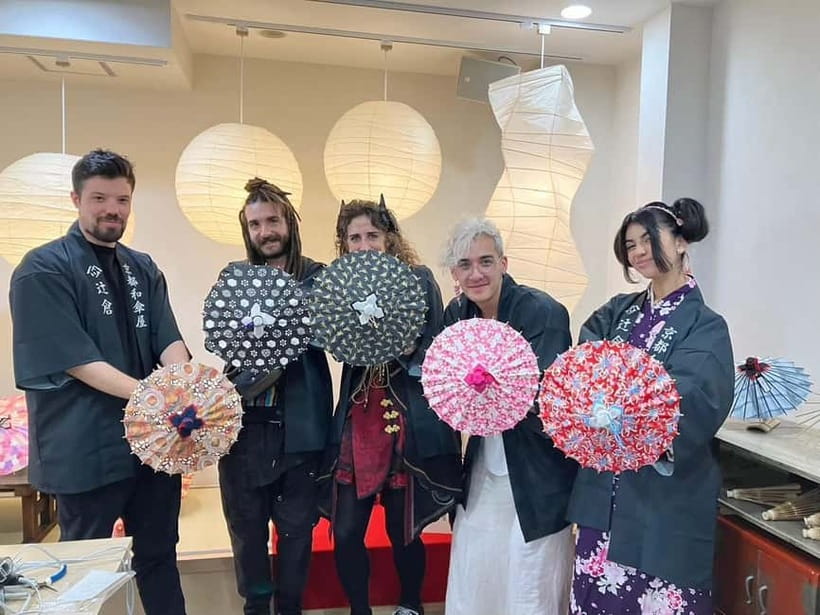
- A display-ready souvenir: Your Hime Wagasa comes with a bamboo stand, decorative box, and carry bag.
- A patient teaching style: Ai Takenaka and the workshop team guide you through the small, precise stages of the craft.
- An optional finishing service: A craftsman can add final touches for an extra fee if you want a more polished result.
A traditional Kyoto craft in miniature
Japanese umbrellas, called Wagasa, are known for their bamboo frames, paper coverings, and careful handwork. They are not the same as the lightweight plastic umbrellas sold at convenience stores throughout Japan. A Wagasa is made to be admired as well as used, and its shape reflects a long tradition of Japanese design.
This workshop focuses on a miniature Hime Wagasa. The smaller scale makes the activity practical for visitors, yet the process still gives you a feel for the patience behind the full-sized craft. You are not simply decorating a ready-made object. You shape and assemble the pieces, then leave with something that carries your own choices.
I like this kind of Kyoto activity because it gives you a closer look at local artistry without requiring specialist skills at the start. You get an object to take home, but the better souvenir is the understanding of how much care goes into a traditional umbrella.
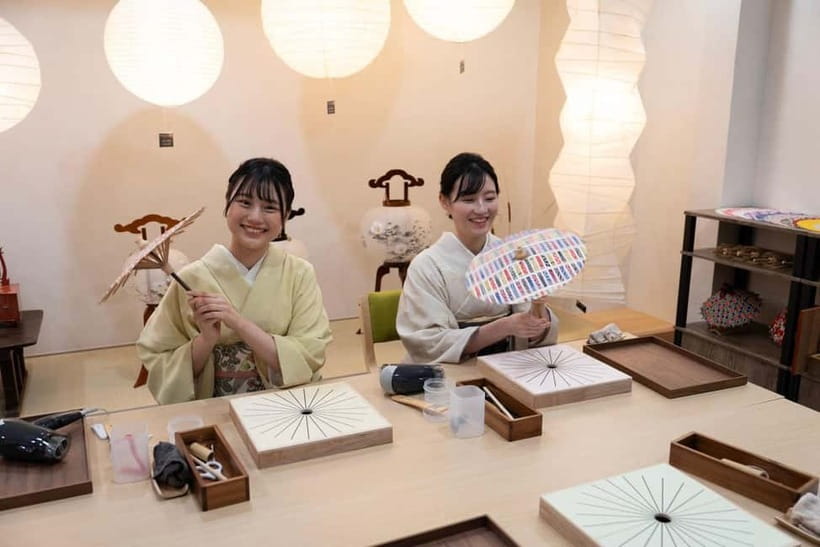
The workshop takes place at Kyoto’s oldest umbrella shop, according to the experience description. The setting is arranged with authentic umbrellas and traditional lighting, so the room itself helps explain the appeal of the craft. You are surrounded by the finished form before you begin making your own.
A few more Kyoto tours and experiences worth a look


Finding the shop near Shijo Kawaramachi
The meeting point is in central Kyoto, two minutes’ walk north of the Shijo Kawaramachi intersection. This is a useful location if you are already shopping or sightseeing in the area. You do not need to set aside a remote half-day trip just to reach the workshop.
The central address also makes the activity easy to pair with other plans. You might schedule it between visits to nearby shops, or use it as a quieter break from the busy streets around the intersection. The exact starting times vary, so you need to check availability when choosing a session.
Allow enough time to arrive calmly. Craft work is more enjoyable when you are not rushing through the door, especially since the first steps involve listening to instructions and getting familiar with the materials.
The workshop is wheelchair accessible. Smoking, alcohol, drugs, and explosive substances are not allowed, which is hardly a surprise in a room containing delicate craft materials, but it is worth knowing before you arrive.
What happens during the 90 minutes
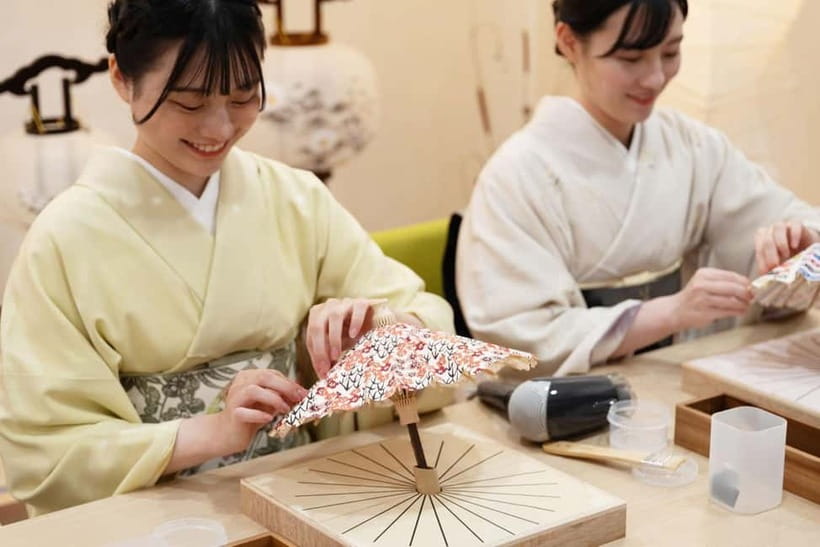
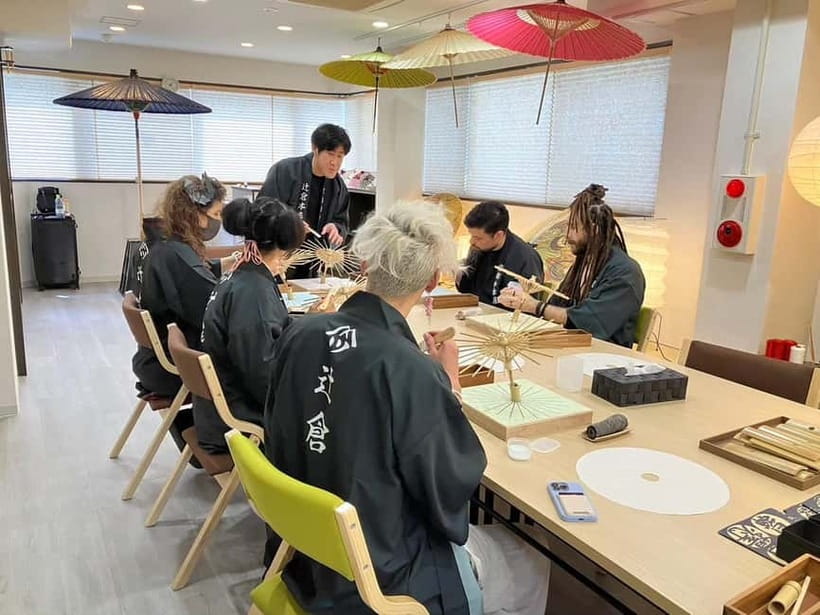
The session begins in a calm workshop filled with Japanese umbrellas and traditional lighting. This introduction matters because it places your project in context. You can see the style you are about to recreate, rather than treating the activity as a generic souvenir class.
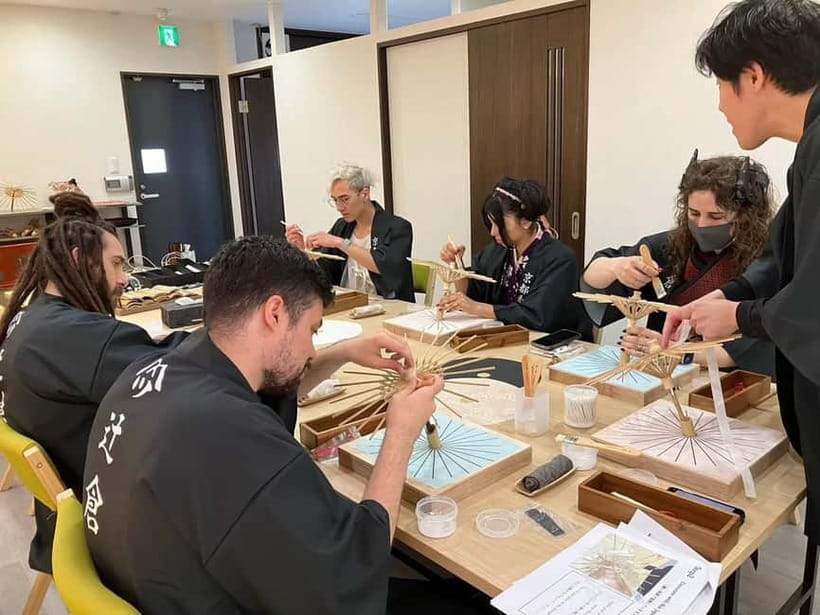
An instructor then leads you through the construction of the mini umbrella. Japanese and English are available, and the teaching style is practical. Ai Takenaka has been singled out for being friendly and helpful, while other instructors are described as patient, warm, and clear in their guidance.
You work through the parts one stage at a time. The supplied details do not give a fixed step-by-step schedule, so I would not expect a formal lecture on every period of Japanese umbrella design. The focus is on making the object, understanding the techniques, and receiving help when a small adjustment is needed.
This is where the workshop earns its time. The work calls for attention, and you cannot simply rush toward the finished photograph. You shape and assemble the components, gradually turning separate materials into a miniature umbrella.
Several people found the concentration enjoyable. The task gives your mind something specific to do, which can be a welcome change after a day of temples, signs, shopping streets, and train schedules. If you prefer fast activities with lots of movement, the careful pace may feel slow. If you enjoy making things, it is likely to be the best part.
Choosing your design and making it personal
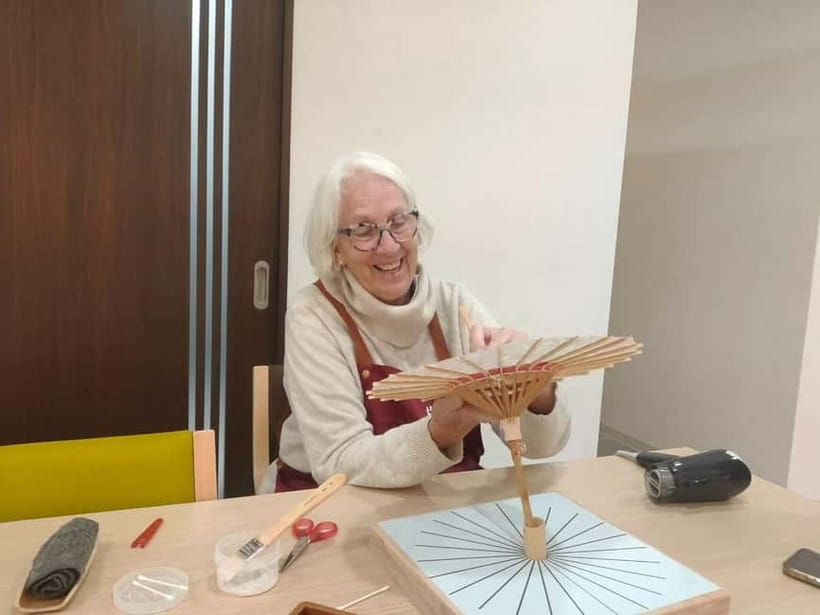
The workshop lets you create a unique mini umbrella that reflects your personal style. The available information does not specify the exact range of colors or patterns, so you should not book expecting a particular fabric or motif unless the provider confirms it before your visit.
That flexibility is part of the appeal. A shop-bought souvenir records where you went, but a handmade Wagasa also records the choices you made. It can become a personal reminder of Kyoto, or a gift for someone who values Japanese design and handmade objects.
The umbrella is described as a symbol of happiness, which gives the finished piece a natural role as a present. The bamboo stand makes it easier to display at home instead of hiding it in a cupboard. The decorative box and carry bag also help with presentation and transport.
I would still pack it carefully. The carry bag is included, but a handmade mini umbrella is a delicate craft item, not a disposable trinket. Keep the box where it will not be crushed during the rest of your Japan trip.
The instructors make the difference
Craft workshops can be frustrating when the teacher demonstrates once and leaves you to struggle. That is not the approach described here. The instructors guide you through each stage and help you find the best way to handle the materials.
Ai Takenaka is named as one of the instructors and has been praised for a friendly, helpful manner. Other sessions have been led by craftsmen described as patient, warm, and informative. The teaching is available in Japanese and English, which makes the technical parts easier to follow for international visitors.
You should still expect to concentrate. The instructor can show you how to proceed, but your umbrella will reflect your own hands. Small differences are part of the charm, though anyone seeking a perfectly finished item may prefer the optional professional finishing service.
For an additional fee, a craftsman can add final touches to your mini umbrella. This is useful if you want the most polished result, if the item is intended as an important gift, or if you would rather leave the final details to an expert. The extra charge is not included in the $70 price, so ask about it before agreeing.




Is $70 a fair price?
The cost is $70 per person for 90 minutes. That is more than you would pay for a mass-produced souvenir, so the value depends on what you want from the activity.
You are paying for more than the finished mini umbrella. The price includes all materials, instruction, the bamboo stand, a decorative box, and a carry bag. You also receive access to a traditional craft setting and direct help from artisans who work with the materials.
I see the price as reasonable for someone who values a guided cultural activity and a keepsake with a story. It is less compelling if you only want the cheapest souvenir or if you are mainly interested in sightseeing. In that case, browsing Kyoto’s shops may serve you better.
The workshop also gives you a compact experience. At 90 minutes, it does not take over your day, and the central location reduces transport time. That improves the value for a short Kyoto visit, when every hour matters.
Reserve now and pay later is available, so you can hold a place without paying immediately. You can also cancel up to 24 hours in advance for a full refund. Those terms are useful when your Kyoto schedule includes weather-sensitive plans or changing train arrangements.
Who should book this workshop?
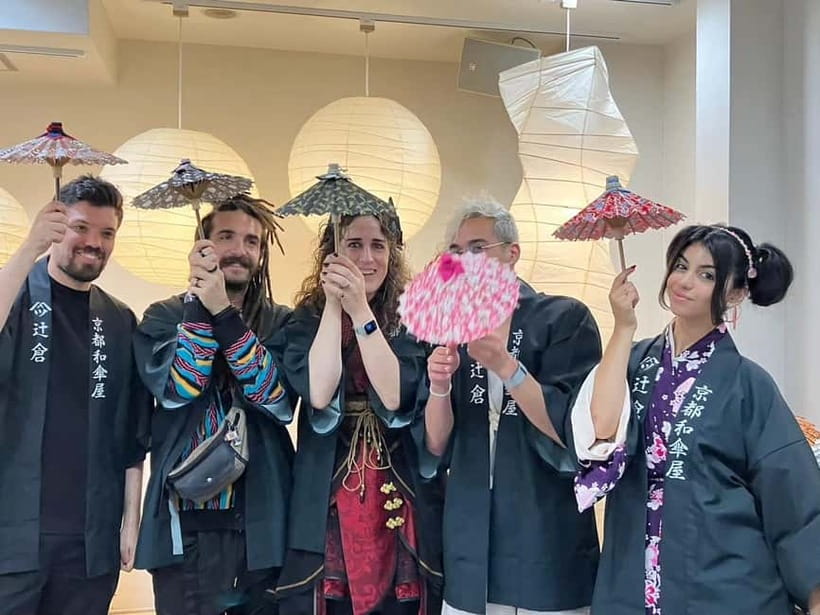
I would recommend it to adults, couples, families with children aged six and over, and anyone who likes practical cultural experiences. It also works well for people who want a meaningful gift from Kyoto but do not have room in their luggage for a large object.
The activity can suit mixed-age groups, but young children may need close support. One large group included five children between three and nine years old, yet the stated rule says children under six are not suitable. Treat that restriction as the guide for booking, and do not assume a very young child can take part just because an older group managed it.
It is also a good fit for visitors who feel they have seen enough temples for one day. You sit, focus, and make something. That change of pace can refresh you without taking you far from central Kyoto.
I would be more cautious about booking if you dislike detailed manual work, want a completely self-guided activity, or expect to make a full-sized working umbrella. This is a mini Wagasa workshop, and the satisfaction comes from careful assembly rather than scale.
A useful souvenir, not just a photo opportunity
Many Kyoto activities produce a memory that disappears into your phone. This one gives you a physical reminder of the afternoon. The bamboo stand is an especially useful inclusion because it turns the umbrella into a display piece.
The decorative box and carry bag make the result suitable for gifting. You can give the Wagasa to a friend or family member as a symbol of happiness, or keep it as a small piece of Japanese craft at home.
The handmade nature also means the final object may not look factory-perfect. That is not a flaw. The point is that you took part in the process, with an instructor helping you handle the materials and correct mistakes along the way.
If you want to make the gift as polished as possible, consider the optional craftsman finishing service. If you enjoy seeing your own handiwork, leave the final character of the umbrella in your hands.
Practical planning tips for your Kyoto day
Book a starting time that leaves room for an unhurried arrival at the central Kyoto meeting point. The workshop lasts 90 minutes, but you may also want a few minutes afterward to pack the box and carry bag securely.
Wear something that lets you work comfortably. The supplied information does not list a dress code, so there is no need to prepare special clothing. Still, careful craft work is easier when you are comfortable and not distracted by a tight schedule.
If you are visiting with children, check the age rule closely. Children under six are not suitable, and the activity requires attention to detail. Older children may enjoy it, but an adult should be ready to help if the process becomes fiddly.
Think about the umbrella as part of your luggage plan. The carry bag is included, which helps, but the object remains delicate. Keep the decorative box and bamboo stand together so the display setup is ready when you return home.
Should you book the Kyoto Mini Umbrella Workshop?
Book it if you want a hands-on Kyoto experience, enjoy patient craft work, and value a souvenir that you made yourself. The central location, English instruction, included display stand, and 90-minute length make it easy to fit into a busy sightseeing plan.
Skip it if you want a fast activity with little concentration or if the $70 price feels high for a small object. The size is part of the practical appeal, but it also means you are paying for the lesson and the craftsmanship, not for a large umbrella.
For most visitors who enjoy Japanese design, I think the workshop is a strong choice. You leave with a miniature Wagasa, a bamboo stand, and a better sense of why traditional umbrella making demands such care. That is a fair trade for an hour and a half near Shijo Kawaramachi.
FAQ
How long does the traditional mini umbrella workshop last?
The workshop lasts 90 minutes.
How much does the workshop cost?
The price is $70 per person.
Where is the workshop located?
It is in central Kyoto, two minutes’ walk north of the Shijo Kawaramachi intersection.
What languages are available?
Instruction is available in Japanese and English.
What is included in the price?
The price includes all materials for making a Hime Wagasa, a bamboo umbrella stand, a decorative box, and a carry bag.
Can I take the umbrella home?
Yes. You take home your finished mini umbrella along with the bamboo stand, decorative box, and carry bag.
Can a craftsman finish the umbrella for me?
Yes. You can pay an additional fee for a craftsman to add finishing touches to the mini umbrella.
Are children allowed to participate?
Children under six are not suitable for this activity. The workshop requires attention to detail, so older children may need adult assistance.
Can I cancel the booking?
You can cancel up to 24 hours in advance for a full refund. Reserve now and pay later is also available.
More Workshops & Classes in Kyoto


More tours in Kyoto we've reviewed









Workshops, compared.
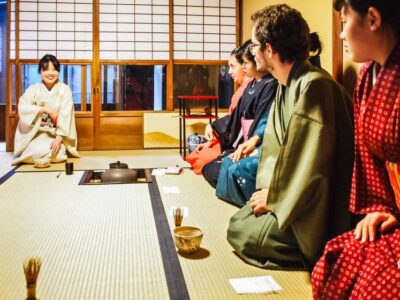 ★ 4.3Kyoto: 45-Minute Tea Ceremony Lesson ExperienceFrom $2245 min
 ★ 5.0Ramen Cooking Class at Ramen Factory in KyotoFrom $131
 ★ 4.9Kyoto: Ramen Cooking Class at a Ramen Factory with SouvenirFrom $1271h 30m
 ★ 4.9Kyoto: Samurai Class, Become a Samurai WarriorFrom $70
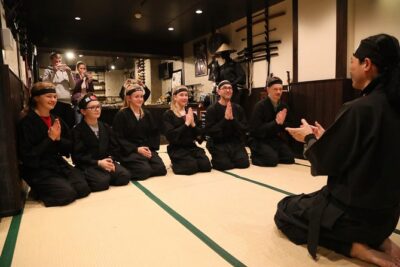 ★ 5.0Ninja 1-hour Hands-on Lesson by Japanese master in Kyoto -EntryFrom $80
 ★ 5.0Kyoto: Ramen, Gyoza, and Onigiri Cooking ClassFrom $901h 30m