
Reviewed · SAMURAI & KENDO EXPERIENCES
Kyoto: Samurai Class, Become a Samurai Warrior
The best part of this Kyoto class is that you do not just watch a sword show. You put on samurai clothing, handle a practice sword, and learn the careful sequence behind a bow, a draw, a strike, and a return to the scabbard. The focus is Kembu, a stylized sword dance built around control, posture, and respect.
I like the mix of hands-on practice and cultural explanation. I also like the small group limit of 10, which gives the instructor room to correct movements and help with costume changes. The main consideration is that this is a choreographed introduction, not combat training. You also need to arrive ready to move, with no large bags and no option to sit in as an observer.
In This Review
- Key points
- What This Kyoto Samurai Class Really Teaches
- Arriving at the Samurai Kembu Theater
- The Four-Minute Introduction Before You Train
- Dressing as a Samurai
- Learning the Bow, Draw, and Strike
- The Difference Between Samurai Combat and Kembu
- The Photo Session and Small Souvenirs
- Choosing the 10-Minute or 30-Minute Performance
- How the Class Works for Families
- Who Will Get the Most From It
- Is $70 a Fair Price?
- Timing, Clothing, and Booking Advice
- Should You Book the Kyoto Samurai Class?
- FAQ
- Where does the samurai class take place?
- How long does the activity last?
- Is the class taught in English?
- What will I learn during the class?
- Is the performance included?
- What is included in the price?
- Can children take part?
Key points
- Kembu rather than wild sword swinging: Learn controlled movements tied to a traditional performance art.
- A full costume photo session: Dress in samurai clothing and take home memorable images from the class.
- A clear step-by-step lesson: Practice bowing, drawing the sword, striking, and showing respect to an opponent.
- A performance option: Add a 10-minute or 30-minute Kembu show with commentary from a sword dance instructor.
- Useful keepsakes: Take home a traditional tenugui towel and a completion certificate.
- Convenient Kyoto location: Meet at Samurai Kembu Theater in Higashiyama, near Sanjo and Hanamikoji.
What This Kyoto Samurai Class Really Teaches
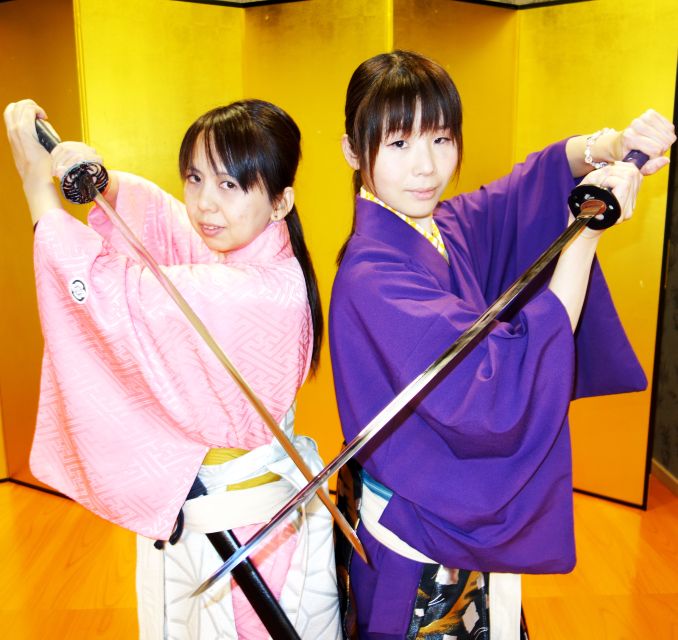
The title may suggest martial arts training, but the session is better understood as a short cultural lesson in samurai movement and Kembu performance. You learn how a sword is handled with ceremony, not simply how to swing it.
That difference matters. The class places weight on the bow before training, the way you draw the sword, and the controlled return to its protective scabbard. Each movement has a set rhythm. You are learning discipline through the body, with the sword acting as an extension of posture and balance.
A brief four-minute film introduces the basics before the practical work begins. This helps you understand the vocabulary and purpose of the lesson before you are dressed and asked to copy the movements.
The instructors teach in English and Japanese. The class is designed for beginners, and the teaching style is patient, clear, and often funny. You should expect corrections and repeated practice, but not a harsh military atmosphere. The goal is to help you feel the shape and timing of Kembu.
A few more Kyoto tours and experiences worth a look
Arriving at the Samurai Kembu Theater
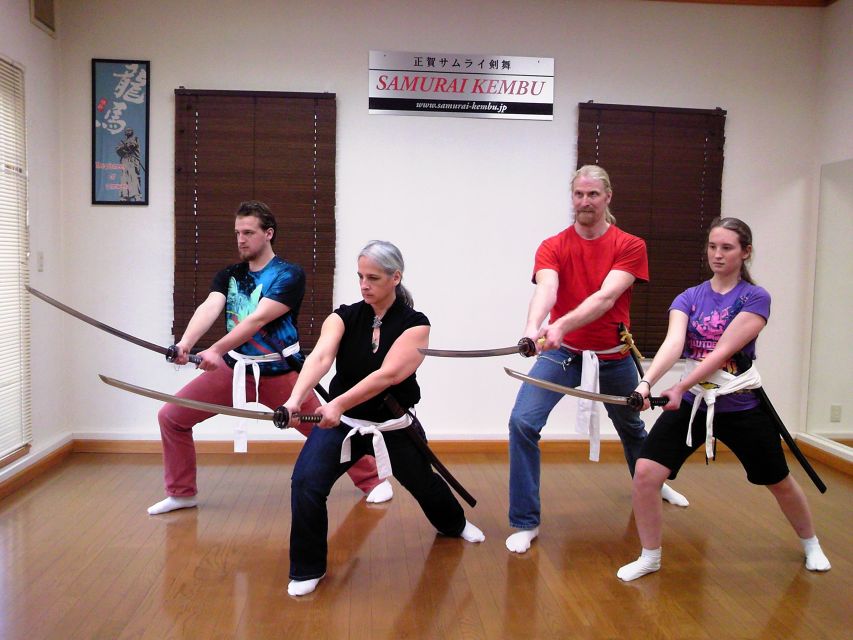
The meeting point is the Samurai Kembu Theater at 35-7 Sanchome, Higashiyama-ku, in the B1F Gozan Building. The address is written as Higashi-iru, Sanjo-hanamikoji, Kyoto 605-0005.
This is a central Kyoto location, but you should allow time to find the building and the basement theater. The activity ends at the same place, so you do not need to arrange transport from a second location. Hotel pickup and drop-off are not included.
There is no waiting room, and people without appointments cannot wait inside the room. That makes punctuality important, especially if you are traveling with family members or coordinating several bookings.
Leave large luggage and travel bags at your accommodation. The room has no space for them. Small personal items may still need to be managed during costume changes and practice, so arrive lightly packed.
The Four-Minute Introduction Before You Train
The short opening film gives you the basic idea of samurai technique and Kembu. It is not a long lecture, which keeps the activity moving, but it gives the physical lesson some context.
This brief introduction is useful because the movements can look simple from the outside. A bow, a sword draw, or a strike may seem easy until you try to perform each part in the correct order. The film helps explain why the class is built around precision and form.
The historical material is presented as a practical lead-in rather than a full seminar on Japan’s warrior class. If you want an academic study of samurai society, this will feel light. If you want enough background to understand the lesson and performance, the opening works well.
Dressing as a Samurai
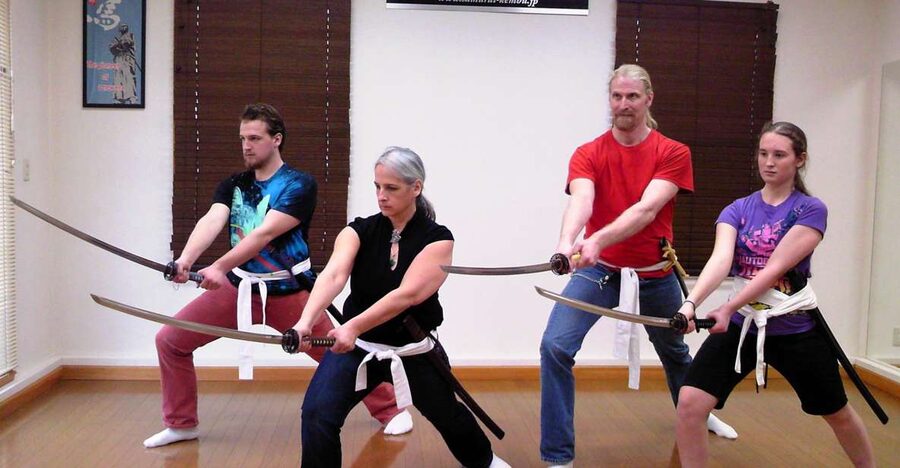
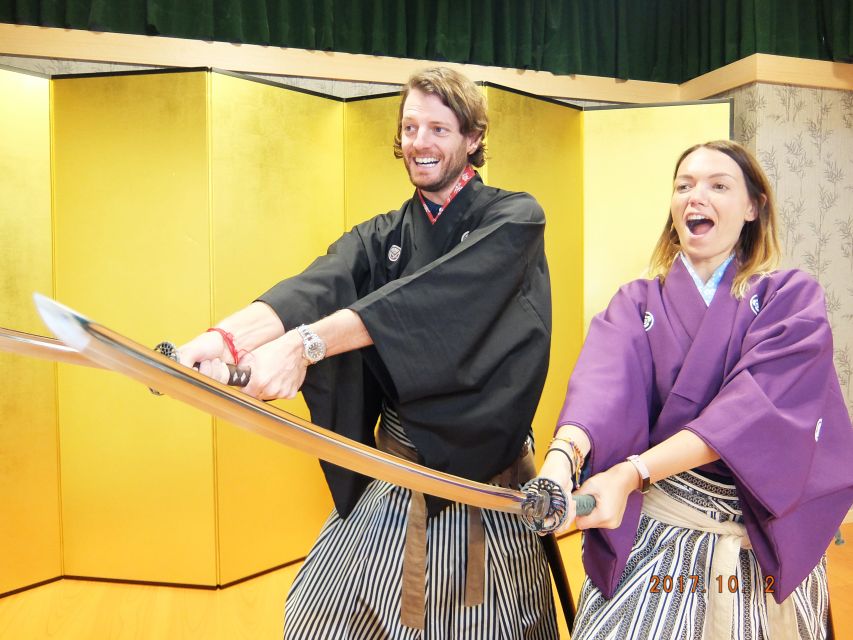
After the introduction, you change into samurai clothing. This is one of the most popular parts of the activity, and it adds more than a costume joke to the session.
The clothing changes how you move. The layers, fit, and combination of garments make you more aware of posture and footwork. One particularly observant approach to the clothing is the explanation of its fabric, cut, and arrangement, which gives the costume a cultural role instead of treating it as a disposable photo prop.
Wear clothes suited for exercise and movement. A single hoodie or tights are not suitable for costume changes. This is practical advice, not a dress code for appearance. You need clothing that can be changed easily and will not restrict your arms or legs.
The costume also makes the photo session more worthwhile. You are not simply holding a sword in ordinary street clothes. You get a chance to pose in the full outfit, creating a clear souvenir of the activity.
Learning the Bow, Draw, and Strike
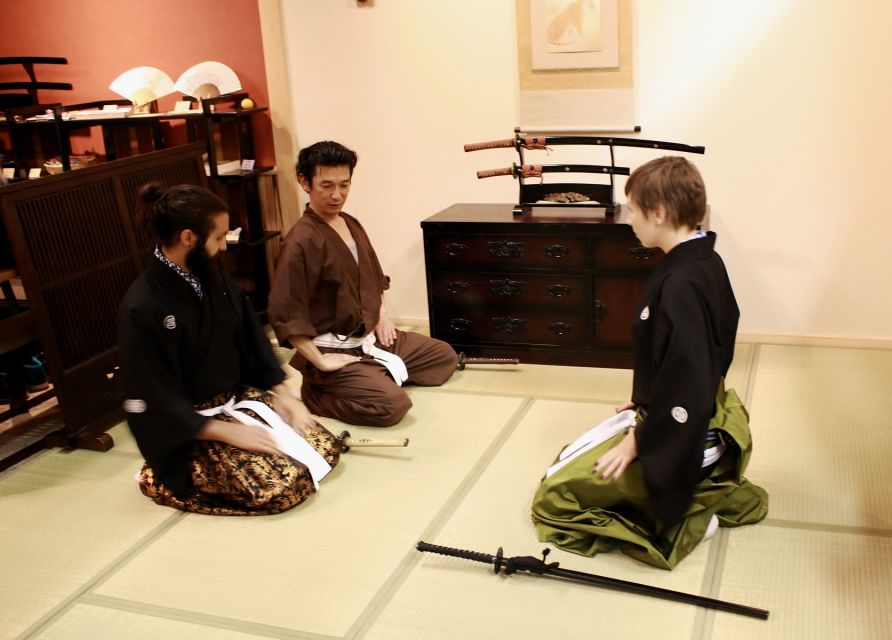
The lesson begins with the correct way to bow to the sword. That opening gesture sets the tone for everything that follows. Respect for the object, the instructor, and the person opposite you is built into the lesson.
You then learn how to draw the sword and place it back into the scabbard. The sequence calls for concentration because the motion must be controlled. You are not rushing through a theatrical flourish.
Next comes a series of stylized strikes and other Kembu movements. The instructor demonstrates first, then guides the group through practice. The pace is suitable for beginners, but you should still expect to repeat the same motion several times.
This is where the small group size helps. With no more than 10 participants, the instructor can watch the room and offer corrections. The class is active and interactive, so there is no observation-only option. If you book, you are expected to take part.
The experience can feel surprisingly physical. You are working on balance, timing, posture, and coordination at the same time. The movements are not presented as random swordplay, and that makes the lesson more satisfying for anyone interested in martial arts, dance, or Japanese culture.
A few more Kyoto tours and experiences worth a look



The Difference Between Samurai Combat and Kembu
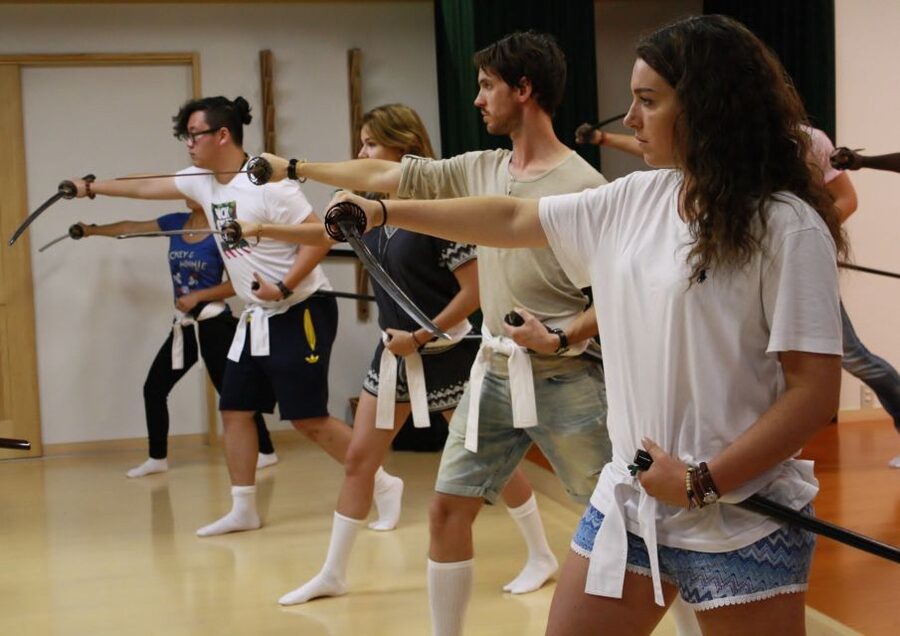
It is worth setting expectations clearly. Kembu is a traditional sword dance and performance art. This class introduces its stylized movements and the discipline behind them, but it does not turn you into a trained swordsman in 90 minutes.
The sword work is taught with safety in mind, and you must follow the instructor’s directions. Weapons or sharp objects from outside are not allowed, and the activity has strict rules against alcohol and drugs. Smoking, food, fireworks, and explosive substances are also prohibited.
The respectful format is part of the value. You learn how to face an opponent, bow, and handle the sword with control. That gives you a better sense of the ceremony and discipline associated with the art than an action-focused demonstration alone.
I especially like this distinction because it prevents the class from becoming a theme-park sword fight. The fun is still there, but it is tied to movement, etiquette, and presentation.
The Photo Session and Small Souvenirs
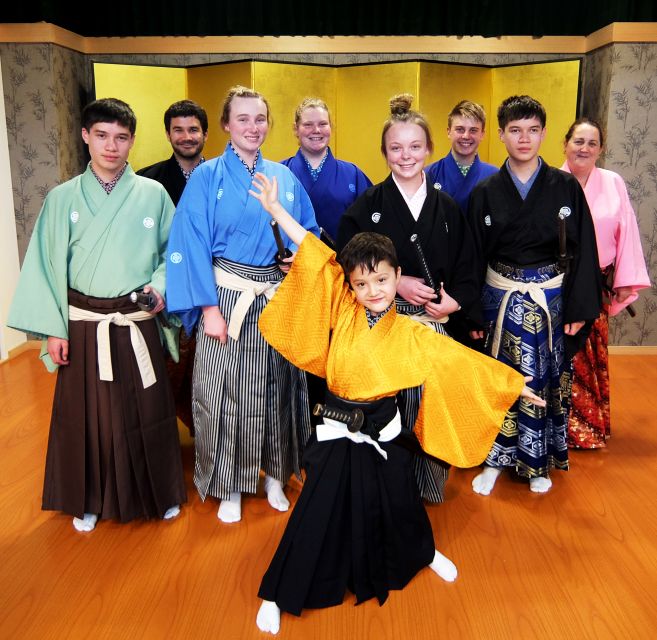
The photo session comes after you have learned the basic movements and while you are still dressed as a samurai. You can expect a short, organized shoot rather than a long professional portrait appointment.
The timing works well. By this point, you know how to hold the sword and stand in the costume, so your photos can show some of the technique you have just practiced. You receive photos as part of the activity, creating an easy memory to share with family and friends.
The included tenugui towel is another nice touch. A tenugui is a traditional Japanese towel, lightweight and useful, rather than a bulky souvenir. You also receive a completion certificate after respectfully bowing to the instructor.
The certificate is playful, but it gives the class a definite finish. Children and teenagers may enjoy having something physical to mark the experience, while adults may appreciate it as a small reminder of an unusual afternoon in Kyoto.
Choosing the 10-Minute or 30-Minute Performance
Depending on the option you book, you may see a 10-minute or 30-minute performance. The show can take place before or after the class, so check the selected option and timing when you book.
The performance gives you a fuller view of what Kembu can look like when performed by a trained artist. After practicing basic movements yourself, you can see the difference between beginner instruction and polished sword dance.
Commentary from a sword dance instructor helps explain the technique and the tradition passed through generations. The show is not just a quick flourish with a katana. It gives the lesson a broader frame and shows how posture, rhythm, fan movements, and sword work can come together on stage.
If you are deciding between options, the longer performance is likely the better value for someone who wants more cultural context and stage presentation. The shorter option may suit a tightly planned Kyoto day or a family that wants the hands-on lesson without adding much time.
Some versions may also include fan dance, so read the chosen option carefully. The core class remains the main event, but the performance format can vary.
How the Class Works for Families
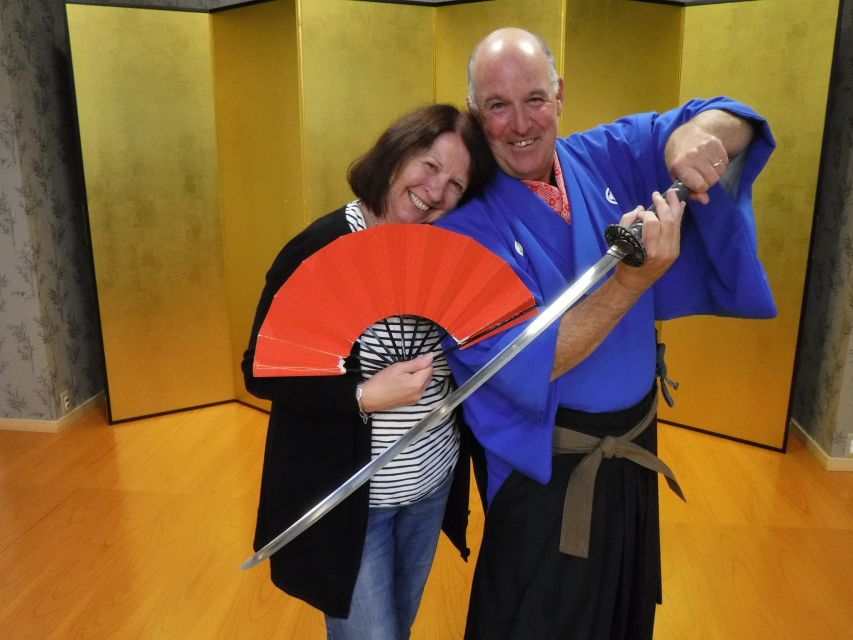
This experience can suit families, and an 11-year-old has been part of a successful family group. The lesson is interactive and easy to understand, with clear instructions and plenty of movement.
Children under 4 are not suitable for the activity. For participants between 5 and 10, prior martial arts experience or some experience learning a structured activity is desirable because the lesson takes place with adult participants.
That age note is important. This is not a separate children’s workshop with a loose play format. Younger children need to listen, follow directions, and stay engaged while adults work through the same movements.
Teenagers are a strong match. The costume, sword practice, and photo session offer enough variety to hold attention, while the cultural material gives the activity more substance than a simple dress-up stop.
Who Will Get the Most From It
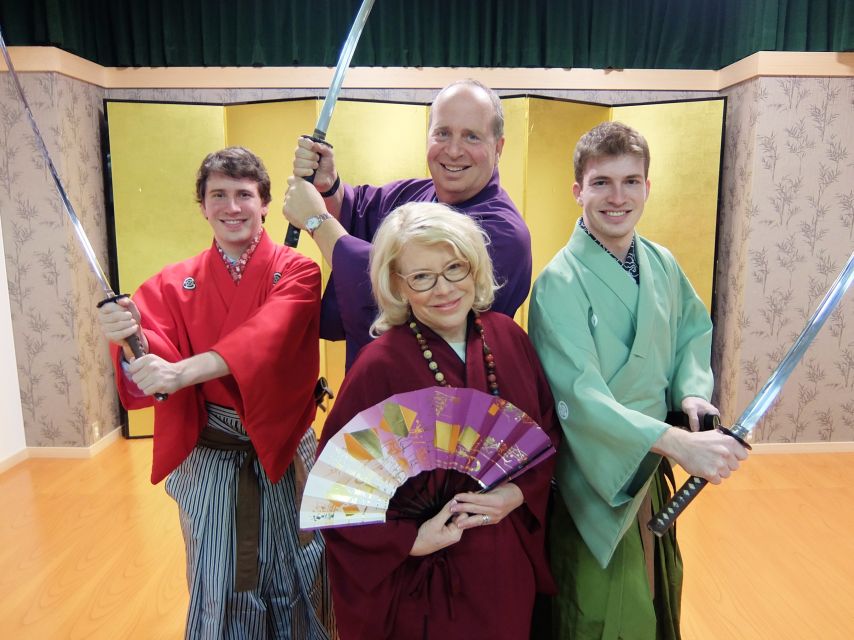
I would recommend this class to you if you want an active Kyoto experience that fits into half a day and gives you something to do, not just something to see. It works especially well for people interested in martial arts, Japanese performing arts, costumes, photography, or family activities.
It is also a good choice if you have already visited temples and gardens and want a different side of Kyoto. The session takes you indoors and asks you to participate in an art form rather than simply admire architecture.
You may be less satisfied if you want serious combat instruction, a long lecture about samurai history, or a private lesson. The class is designed for a small shared group, and the training is an introduction to Kembu.
The instructors are a major part of the experience. Their demonstrations, humor, patience, and corrections shape the session. One instructor, Hisyo, has competed at a national level, placing third in a recent competition. You may not have the same teacher, but the activity is led by trained performers who know how to work with beginners.
Is $70 a Fair Price?
At $70 per person, this is not the cheapest cultural activity in Kyoto. The value depends on what you want from the outing.
You are paying for more than a short sword demonstration. The price includes instruction in English or Japanese, costume use, hands-on practice, a photo session, a tenugui towel, and a completion certificate. The longer performance option adds still more content.
For a 1.5 to 2-hour activity, the cost is reasonable if you value participation and a structured lesson. You receive an experience that combines theater, movement, cultural explanation, and a physical souvenir. It also offers a clear plan, which can be useful on a busy Kyoto itinerary.
The price is harder to justify if you mainly want a photo in costume or a brief look at a sword show. In that case, the hands-on training and performance may be more than you need. I would choose the longer option when the difference in price fits your budget, since the performance helps explain what you have practiced.
Food and drinks are not included, but the activity is short enough to pair with a meal in Higashiyama before or after.
Timing, Clothing, and Booking Advice
The session lasts about 1.5 to 2 hours, with starting times varying by date. Build in extra time to reach the basement theater and avoid arriving rushed.
Wear flexible clothing that allows easy changing. Do not arrive in a single hoodie or tights, and do not bring large luggage. Pets are not allowed.
Only booked participants can enter. If you need an additional chaperone, contact the provider in advance rather than assuming someone can wait inside. If the participant’s name differs from the reservation, notify the provider before the day of the activity.
You can cancel up to 24 hours before the start time for a full refund, and the reserve-now, pay-later option keeps your schedule flexible. If you need to cancel, you must do it yourself through GetYourGuide.
Should You Book the Kyoto Samurai Class?
Book it if you want an upbeat, hands-on introduction to Japanese sword dance, especially if you like the idea of dressing up, learning a set of movements, and seeing a skilled performance afterward.
I would choose the longer show for a first visit to Kyoto, and I would plan this as a family or small-group activity rather than a serious martial arts lesson. The best moments come from the details: bowing before the sword, learning the draw, feeling how much control a simple strike demands, and then watching a master perform the same art with precision.
Skip it if you want a quiet museum-style experience or actual sword-fighting instruction. For everyone else, the combination of practice, costume, photos, and Kembu performance makes this a memorable use of two hours in Kyoto.
FAQ
Where does the samurai class take place?
The class begins and ends at Samurai Kembu Theater, Kyoto dojo, at 35-7 Sanchome, Higashiyama-ku, in the B1F Gozan Building, Kyoto 605-0005.
How long does the activity last?
The activity lasts about 1.5 to 2 hours. Starting times vary, so check availability for the date you want.
Is the class taught in English?
Yes. The instructors teach in English and Japanese, and an English-speaking instructor is included.
What will I learn during the class?
You learn how to bow before the sword, draw it, replace it in its scabbard, perform stylized strikes, and show respect to an opponent. The class introduces Kembu, the traditional sword dance art.
Is the performance included?
A performance is included depending on the option you choose. The available performance may last 10 or 30 minutes and includes commentary from a sword dance instructor.
What is included in the price?
The price includes instruction, the photo session, a traditional Japanese tenugui towel, and a completion certificate. Food, drinks, and hotel pickup and drop-off are not included.
Can children take part?
Children under 4 cannot take part. For children between 5 and 10, prior martial arts experience or experience learning something in a structured class is desirable because the lesson is conducted with adults.
More Workshops & Classes in Kyoto
More Samurai & Kendo Experiences in Kyoto
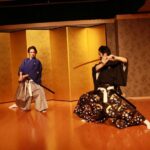
More tours in Kyoto we've reviewed






Samurai & Kendo Experiences, compared.
 ★ 5.0Kyoto Samurai ExperienceFrom $119
 ★ 4.9Kyoto: Kendo and Samurai Experience with Uniform and GearFrom $1032 hours
 ★ 4.5Skip the lines Basic Ticket at SAMURAI NINJA MUSEUM KYOTOFrom $28
 ★ 5.0Ninja 1-hour Hands-on Lesson by Japanese master in Kyoto -EntryFrom $80
 ★ 4.8Kyoto: Ninja Weapon Forging ExperienceFrom $1482h 30m
 ★ 4.5Kyoto: Samurai Kenbu Traditional Sword Dancing ShowFrom $321 hour