
Reviewed · WORKSHOPS
Kyoto: Urushi Lacquer Factory Tour with Chopstick Workshop
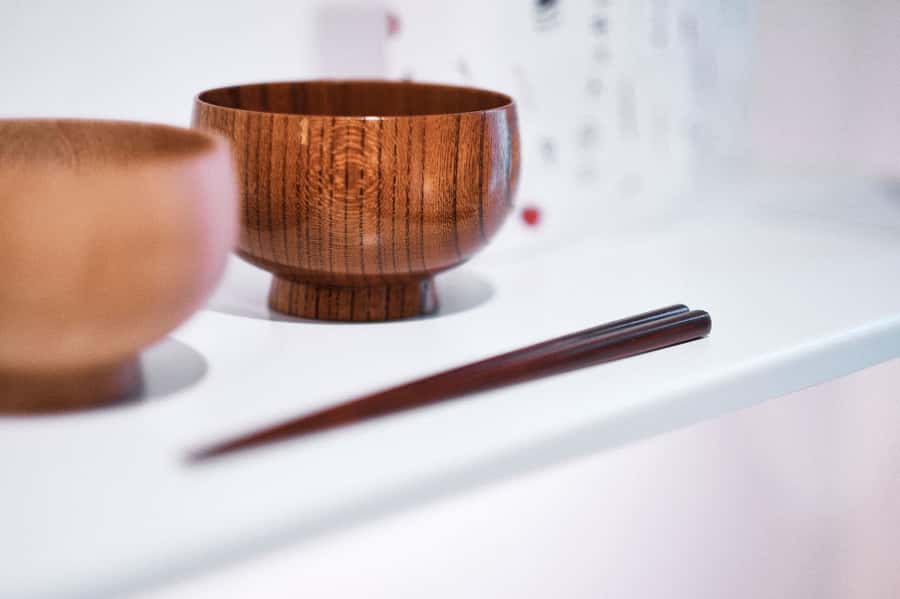
Kyoto’s urushi lacquer is more than a shiny finish. It is a careful craft tied to Japanese culture, and this small factory tour lets you see the work behind it. You’ll enter a private production area, learn how lacquer is refined, and then use it yourself on a pair of chopsticks. The surprise is seeing urushi on modern goods such as surfboards, skateboards, and bicycles.
I like the small group size, limited to five people, because it gives you room to ask questions. I also like the way the visit joins history with a real task: you do not just watch a demonstration, you leave with chopsticks you have worked on.
The main drawback is the short format. The tour lasts 90 minutes, with about 30 minutes for the factory visit and one hour for the workshop, so it is an introduction rather than a full course in lacquerware. You also need to arrive by public transport, and the factory cannot take large luggage.
In This Review
- Key points at a glance
- Inside Tsutsumi Asakichi Urushi in Kyoto
- Why urushi lacquer deserves your attention
- The 30-minute factory tour
- The store and urushi on modern products
- One hour with the fuki-urushi technique
- What makes the souvenir worthwhile
- How the $96 price compares
- Timing, transport, and group size
- Who should book this factory visit
- My practical verdict on the experience
- Should you book it?
- FAQ
- Where does the Kyoto urushi lacquer tour begin?
- How long does the experience last?
- What time does the tour start?
- Is an English guide available?
- How many people can join?
- Do I get to keep the chopsticks?
- What should I wear?
- Is the tour accessible to everyone?
Key points at a glance
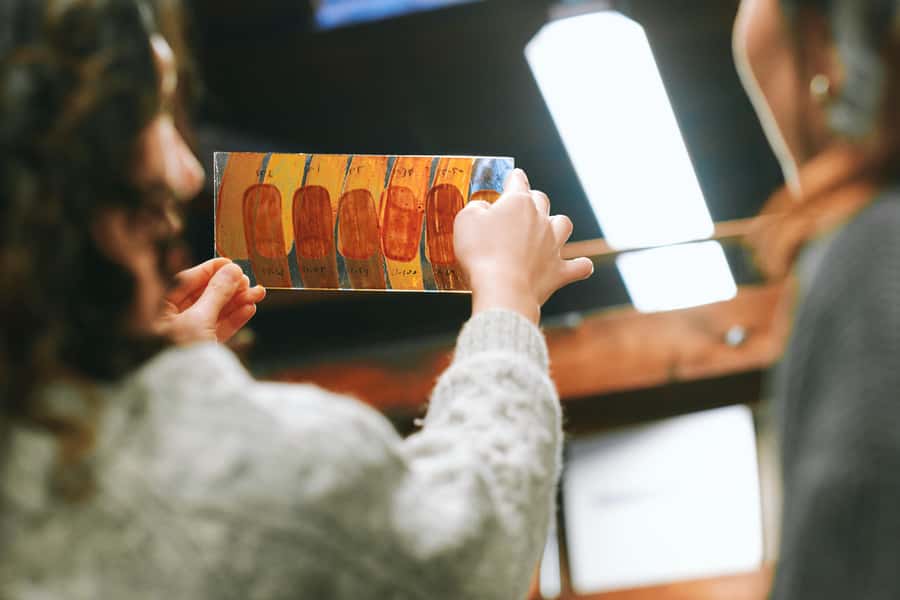
- See urushi being refined: Enter a private part of Tsutsumi Asakichi Urushi and learn how raw lacquer becomes a usable material.
- Meet a living Kyoto craft tradition: The tour explains why urushi matters in Japanese culture and why its makers are working to preserve it.
- Find lacquer in unexpected places: The shop displays modern uses on surfboards, skateboards, bicycles, and other goods.
- Make a useful souvenir: Apply lacquer to chopsticks with the traditional fuki-urushi technique and take them home.
- Keep the group personal: A maximum of five participants makes questions and hands-on help easier.
- Allow 90 focused minutes: The experience begins at 10:00 a.m. when scheduled and returns to the same factory shop.
Inside Tsutsumi Asakichi Urushi in Kyoto
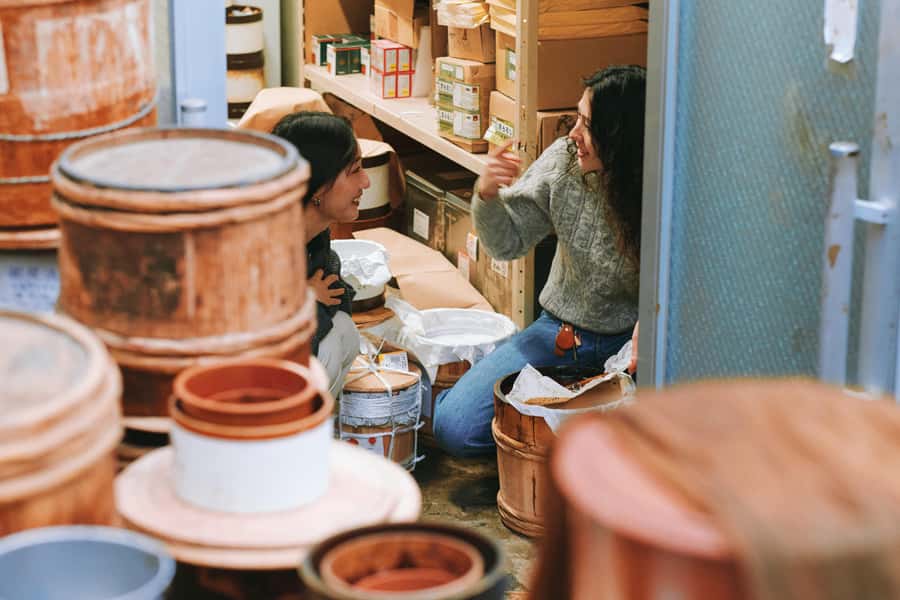
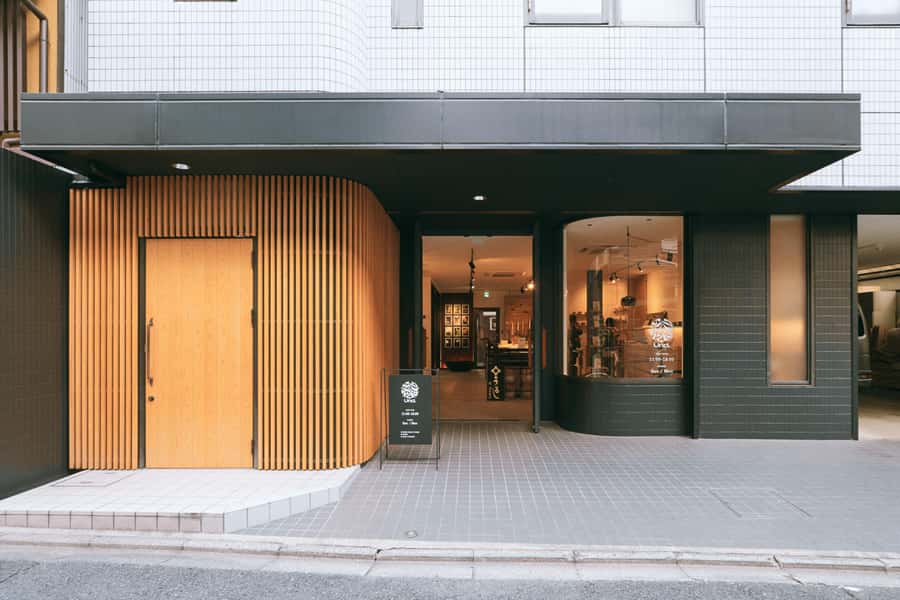
The experience begins at the Tsutsumi Asakichi Lacquerware Shop, where you check in at the reception desk. From there, you enter the private area of the factory rather than simply browsing a retail display.
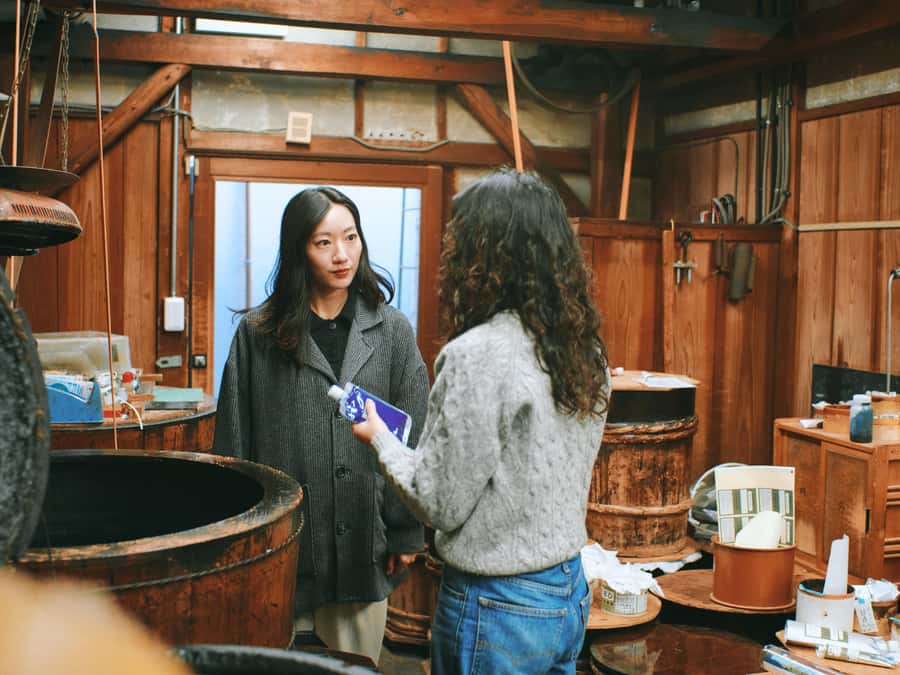
That change matters. In a shop, lacquerware can look finished and mysterious. In the factory, you get a better sense of the work behind the surface. The first half hour focuses on the factory, its background, and the process of refining Japanese urushi lacquer.
You’ll have an English or Japanese live guide. Mayu has led this experience in English and is described as taking time to explain the process clearly and answer many questions. The factory’s third-generation head also takes part in the tour, helping connect the technical work with the family’s history and the larger place of urushi in Japan.
The exact balance between guide and owner may vary, but you should expect a personal explanation rather than a large group presentation. With no more than five participants, you can ask about the stages of production, the uses of lacquer, and the reasons this craft still matters.
A few more Kyoto tours and experiences worth a look


Why urushi lacquer deserves your attention
Urushi is often treated as a decorative detail, but this tour presents it as a material with a long cultural role in Japan. You learn about the history of the factory and the importance of preserving urushi culture, not just the final appearance of a lacquered object.
That context makes the workshop more meaningful. When you later put lacquer on chopsticks, you have already seen that the material requires care and skill. Your small piece of work will not match the finish of a trained craftsperson, but you will understand more about why the process takes time and patience.
The visit also gives you a useful correction to the idea that traditional craft must stay frozen in the past. Tsutsumi Asakichi Urushi shows urushi on surfboards, skateboards, and bicycles. These examples make the talk feel current and help explain how a traditional material can find new uses.
For me, this is one of the strongest parts of the experience. If you have little interest in buying a standard souvenir, seeing lacquer applied to modern sports and transport goods gives the factory a wider purpose. It shows the owner looking for ways to keep urushi relevant.
The 30-minute factory tour
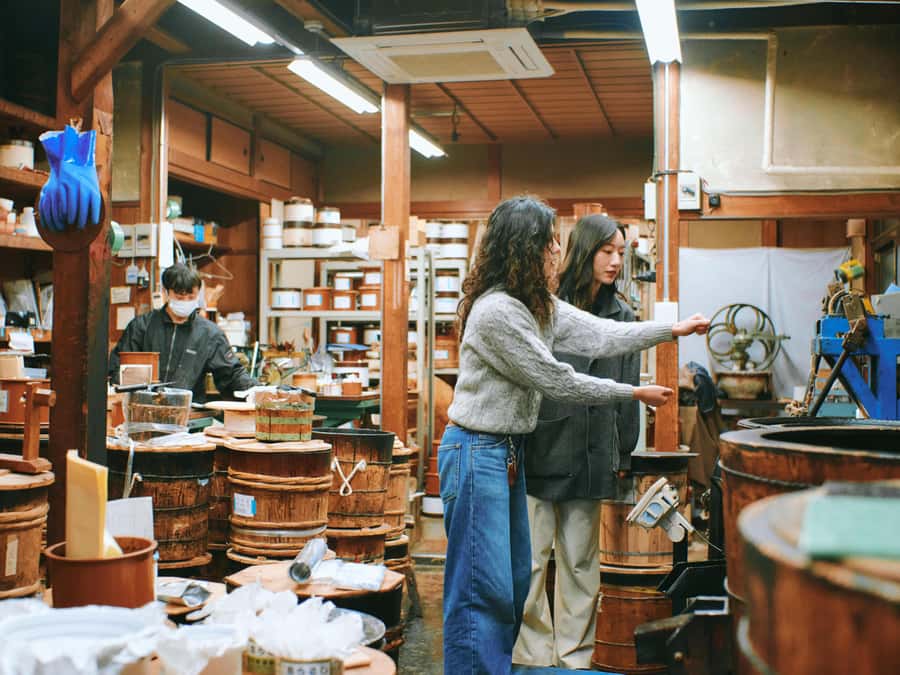
The guided factory portion lasts about 30 minutes. You’ll see how lacquer is refined and hear about the factory’s history, along with the role urushi has played in Japanese culture.
The useful thing here is the access. You are not only looking at completed lacquerware behind glass. You enter a private area and see where the material is handled and prepared. The supplied details do not specify every machine, tool, or stage you will see, so you should not expect a technical production manual. Think of this portion as a clear introduction to the material and the people who work with it.
The guide explains the process in a way designed for questions. If you are curious about how urushi is prepared, why it has been preserved, or how the factory owner has adapted it for modern products, this is the time to ask.
You may find the factory tour too brief if your main goal is detailed craft instruction. Thirty minutes goes quickly, especially in a small group where the conversation may cover both production and cultural background. Still, the compact length works well for a Kyoto day with several other stops.
The store and urushi on modern products
Part of the visit takes place in the store, where the factory’s newer ideas are presented. This is not only a sales stop. It is also where you see how urushi can be used outside familiar lacquerware.
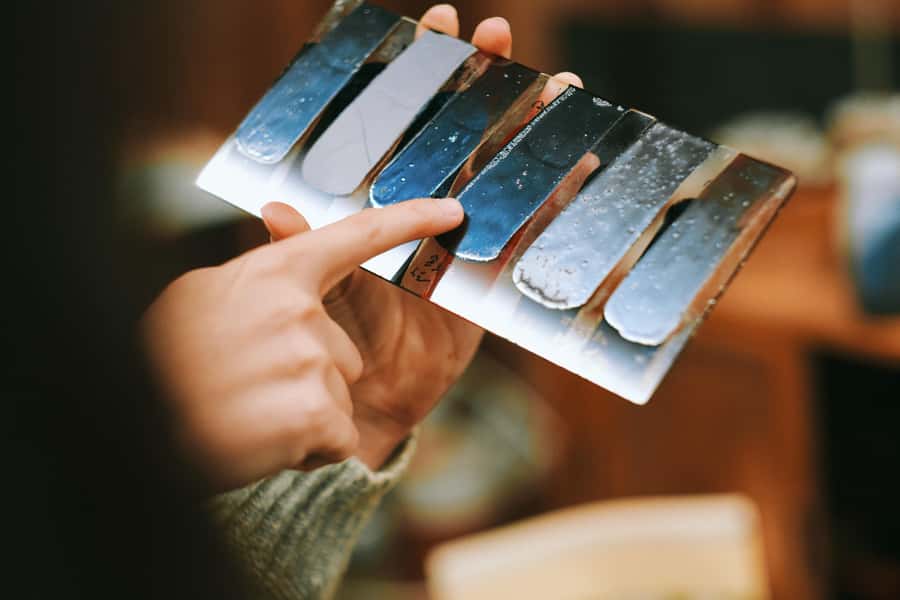
The examples include surfboards, skateboards, and bicycles. These objects help you think about urushi as a practical finish and a design material, rather than something limited to bowls, trays, or traditional furnishings.
I would give this part your full attention even if you are not planning to shop. It explains the factory’s effort to preserve lacquer culture through new applications. A craft survives more easily when people can connect it to present-day objects, and the displays make that point without requiring a long lecture.
The store also gives you a chance to see finished work before you begin your own. That comparison can be useful. The professional pieces may look precise and polished, while your chopsticks will show the human hand. That is part of the charm, but it is worth setting your expectations correctly: this is a guided souvenir workshop, not a professional certification course.
One hour with the fuki-urushi technique
The second part is a one-hour private workshop. You apply lacquer to a pair of chopsticks using the traditional fuki-urushi technique, then take the chopsticks with you as a present and reminder of the factory.
The hands-on hour is the reason this activity offers more value than a short museum-style talk. You get to handle the material and make a simple object that has a clear use. Chopsticks are also easy to pack compared with larger lacquerware, although you should still avoid arriving with large luggage because the factory cannot accommodate it.
The workshop should suit beginners. The information does not require previous craft experience, and there is no stated age restriction. Unaccompanied minors are not accepted, however, so children must attend with an adult.
Wear clothes that can get dirty. That advice is practical, not decorative. You are working directly with lacquer, so your sightseeing clothes should not be your most precious outfit. Smoking is not allowed during the activity.
The workshop lasts longer than the factory explanation, giving you time to work at a steady pace. In a group of five or fewer, the guide can provide more direct help than you would receive in a crowded class. You also have time to ask follow-up questions about the material and the technique while you work.


What makes the souvenir worthwhile
Many Kyoto workshops hand you a finished item. Here, you take home chopsticks connected to your own time at the factory. The object is modest, but it carries a clearer memory because you applied the lacquer yourself.
I like that the souvenir is useful. You are not forced to carry home a fragile display piece or a bulky craft item. The chopsticks also give you a reason to remember the process later, especially if you use them at home.
Do not expect the result to look like a master’s work. The value is in understanding the material and trying the technique, not in producing a flawless piece. If you want a polished professional item, the shop’s finished products are a better choice. If you want a personal keepsake, the workshop delivers more.
The activity also gives you a small connection to the larger issue of craft preservation. You learn why the factory is working to keep urushi culture alive, then take home an object made through one of its traditional methods. That link between explanation and action is carefully chosen.
How the $96 price compares
At $96 per person, this is not a low-cost attraction. You are paying for a private factory visit, an English or Japanese guide, access to a normally private work area, and a one-hour workshop with chopsticks included.
The small group limit helps explain the price. With a maximum of five participants, this is closer to a personal craft lesson than a general Kyoto sightseeing stop. The factory access and the chance to speak with people involved in the business also add something you would not get from simply purchasing lacquerware in a shop.
I consider the price reasonable for visitors who value hands-on cultural activities. It is less convincing for someone who wants only a quick look at traditional goods or a cheap souvenir. In that case, the 90-minute time and $96 cost may feel high.
The value improves if you ask questions and take the factory explanation seriously. You are paying for access and instruction, not just for the chopsticks. The completed pair is part of the package, but the main benefit is understanding how urushi is prepared, preserved, and adapted.
Timing, transport, and group size
The scheduled start time is 10:00 a.m., and the total duration is 90 minutes. Check the calendar for available dates and starting times, since the information provided does not promise a daily departure.
You return to Tsutsumi Asakichi Urushi after the workshop, so the activity is easy to place within a Kyoto itinerary. Transportation to the factory is not included, and the organizer advises you to arrive by public transport. Car parking is not included either.
Plan your route before the morning of the tour. The meeting place is the Tsutsumi Asakichi Lacquerware Shop, at the reception desk, so look for the shop rather than expecting a separate tour office.
The group size is limited to five, but at least two participants are required for the tour to operate. If the minimum is not met, the organizer may cancel and notify you by the day before, with a full refund. The organizer can also cancel for unavoidable reasons and provides a full refund in that case.
You can cancel up to 24 hours before the activity for a full refund. The reserve-now, pay-later option can help if your Kyoto schedule is still changing.
Who should book this factory visit
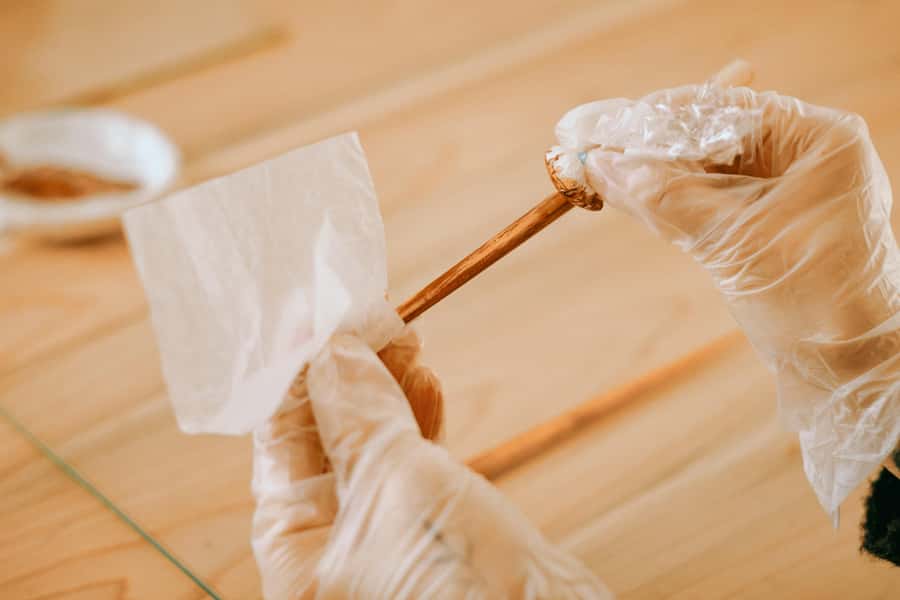
I would choose this tour if you like meeting craftspeople, seeing how materials are prepared, and making a small object yourself. It is especially suited to travelers who want a cultural activity outside the usual temples, gardens, and food stops.
Families can consider it because there is no age restriction, but children cannot attend alone. The one-hour workshop may suit older children and adults best, especially those able to follow careful instructions and keep their clothes protected.
This is also a good pick for design-minded visitors. The examples of lacquer on surfboards, skateboards, and bicycles give the experience a modern edge without losing its traditional focus.
You may want to skip it if you need wheelchair access, since the activity is not suitable for wheelchair users. It is also a poor fit if you are carrying large luggage, looking for a fully flexible drop-in activity, or hoping for a long technical course in lacquer production.
My practical verdict on the experience
The strongest feature is the combination of access and participation. You first learn how the factory handles urushi, then apply the material yourself. The explanation gives the workshop meaning, and the workshop makes the explanation easier to remember.
The English presentation can be a real help. Mayu is noted for explaining the full process in an easy-to-follow way and patiently answering a long list of questions. The factory’s third-generation head has also been directly involved in explaining both the technical side and the wider history.
That kind of personal contact is hard to get from a standard shop visit. You do not need to be an expert in Japanese crafts to enjoy it. The tour is built for curiosity, and the small group gives you a better chance to ask the questions you actually care about.
The limits are clear. Ninety minutes cannot cover every stage of urushi production, and the $96 price is a serious expense for a short activity. The route also requires public transport, has no parking included, and cannot accept wheelchair users or large bags.
Should you book it?
Book this Kyoto urushi tour if you want a small, personal craft experience with a useful souvenir and a clear explanation of why lacquer still matters. It is a good choice for a morning when you want something more active than looking at finished objects.
Skip it if you prefer a long museum visit, a low-cost activity, or a broad tour of many Japanese crafts. For the right visitor, though, the factory access, modern lacquer examples, and fuki-urushi chopstick workshop make the $96 worthwhile.
FAQ
Where does the Kyoto urushi lacquer tour begin?
It begins at the Tsutsumi Asakichi Lacquerware Shop, at the reception desk. The factory is in Kyoto on Japan’s main island of Honshu.
How long does the experience last?
The full activity lasts 90 minutes. The guided factory tour takes about 30 minutes, followed by a one-hour chopstick workshop.
What time does the tour start?
The tour starts at 10:00 a.m. when that departure is available. Check the calendar for the dates and starting times offered.
Is an English guide available?
Yes. Live guiding is available in English and Japanese. Mayu has led the English tour, and the factory’s third-generation head may also help explain the process and background.
How many people can join?
The group is limited to five participants. At least two participants are required for the tour to take place.
Do I get to keep the chopsticks?
Yes. You apply lacquer to the chopsticks during the workshop and take them home afterward as a present and memory of the factory.
What should I wear?
Wear clothes that can get dirty. You will be applying lacquer during the hands-on portion.
Is the tour accessible to everyone?
The activity is not suitable for wheelchair users. Large luggage cannot be accommodated, and you should arrive by public transport. Unaccompanied minors are not accepted, although there is no stated age restriction for participants.
More Workshops & Classes in Kyoto
More tours in Kyoto we've reviewed











Workshops, compared.
 ★ 4.3Kyoto: 45-Minute Tea Ceremony Lesson ExperienceFrom $2245 min
 ★ 5.0Ramen Cooking Class at Ramen Factory in KyotoFrom $131
 ★ 4.9Kyoto: Ramen Cooking Class at a Ramen Factory with SouvenirFrom $1271h 30m
 ★ 4.9Kyoto: Samurai Class, Become a Samurai WarriorFrom $70
 ★ 5.0Ninja 1-hour Hands-on Lesson by Japanese master in Kyoto -EntryFrom $80
 ★ 5.0Kyoto: Ramen, Gyoza, and Onigiri Cooking ClassFrom $901h 30m