
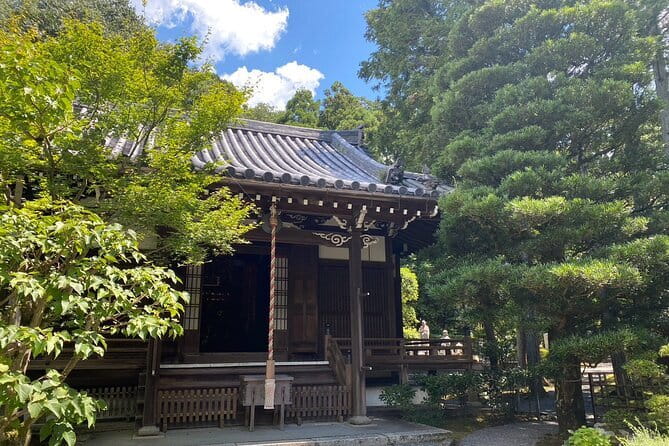
Reviewed · WALKING TOURS
Kyoto Walking Tour Goshuin Collecting and Temples Discover
Kyoto’s temple stamps are more than souvenirs. A goshuin is a handwritten seal and calligraphy entry connected with a temple or shrine, usually collected in a special book. This private three-hour walk gives you a practical way to begin, while pairing the stamp hunt with gardens, maple trees, and the flower-filled water basins called hanachozu.
I like the route’s mix of major and quieter temple time, and I like that the professional guide can help if you do not speak Japanese. The main drawback is the $299 price for about three hours, especially since goshuin, the stamp book, omamori charms, meals, and personal costs are extra.
In This Review
- Key points at a glance
- Why goshuin gives this Kyoto walk a purpose
- Starting at Tofukuji Station and entering Tofukuji
- Shorinji and the flower-filled hanachozu
- Shinzenkoji’s maples and quiet garden
- What the private format changes
- Is $299 a fair price?
- Timing, walking, and practical preparation
- Who should book this temple walk?
- My booking advice
- FAQ
- How long does the Kyoto goshuin tour last?
- Where does the tour begin?
- Where does the tour finish?
- Which temples are included?
- Is admission included?
- Are goshuin included in the price?
- Is this a private tour?
- How much walking is involved?
- Can I cancel for a full refund?
Key points at a glance
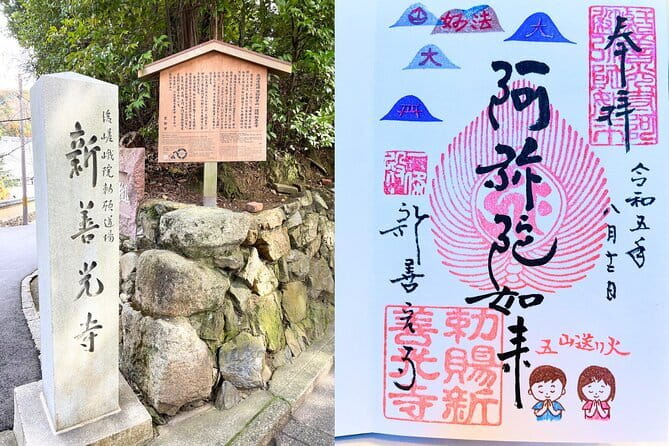
- Tofukuji sets the tone: Spend 75 minutes at one of Kyoto’s best-known Zen temples, with the Tsutenkyo Bridge and Mirei Shigemori’s gardens.
- Goshuin help is built in: A guide can make the stamp-collecting process far less confusing if you cannot read or speak Japanese.
- Hanachozu adds a creative touch: Shorinji is known for flower-filled water basins that bring color and design to a traditional ritual space.
- The tour is private: Only your group participates, which allows a more personal pace than a large group walk.
- Walking is the main activity: Bring water, rain gear, and shoes suitable for a significant amount of walking.
- The extras add up: Admission to Tofukuji is included, but stamps, goshuin-cho books, omamori, food, and other personal purchases are not.
Why goshuin gives this Kyoto walk a purpose
Many Kyoto temple visits can blur together after a few days. You see a gate, a prayer hall, a garden, and another set of stone paths. Goshuin collecting gives you a small project to carry from one place to the next.
The finished page usually combines a temple seal with elegant handwritten characters. The book becomes a record of where you went, but it is not simply a tourist sticker album. Your guide can explain how the process works and help with the practical exchange at each temple.
That assistance matters. If you do not speak Japanese, buying a goshuin on your own may feel uncertain. You may not know where to ask, what kind of book to use, or how the temple’s stamp service works. This tour is designed to remove that guesswork.
You should approach the stamps respectfully. They are connected with Buddhist and religious practice, not just a checklist of attractions. The tour’s value comes partly from learning how to collect them in a way that fits the setting.
The experience also includes time for omamori, or protective charms. These are not included in the price, so you can decide for yourself if one feels meaningful enough to buy. The charm shopping is optional, which is useful if you want the cultural context without adding several purchases to your day.
Other walking tours we've reviewed in Kyoto
Starting at Tofukuji Station and entering Tofukuji
The meeting point is Tofukuji Station, at 12 Chome Honmachi in Kyoto’s Higashiyama Ward. The tour ends back at the same meeting point, so you do not need to arrange a separate pickup at another part of the city.
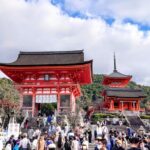
Tofukuji receives the longest portion of the walk, about 75 minutes. Admission is included, which makes this stop the clearest part of the tour’s paid value. You will have time to see the temple grounds rather than simply pause for a photograph at the entrance.
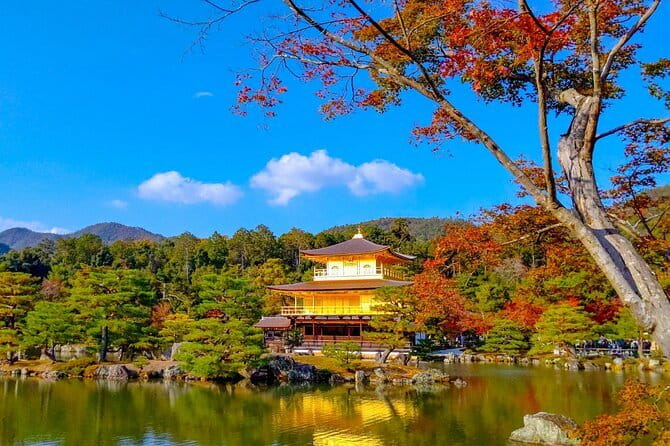
Tofukuji honors Shakyamuni Buddha and is especially known for the Tsutenkyo Bridge. The bridge provides views across the temple grounds and is particularly attractive when the maple trees turn red in autumn.
Autumn is likely to bring more people, especially around the famous maple views. That does not make the visit pointless, but you should expect the setting to be less quiet at peak foliage times. The gardens and trees remain a strong reason to come, even when the paths are active.
The temple gardens were designed by Mirei Shigemori. Their appeal is not limited to one season. Spring and summer bring green foliage, while autumn brings the familiar red maple display. One experience described the summer trees as a broad sea of green, a useful reminder that Tofukuji is not only an autumn stop.
I like that the tour does not treat the temple as a quick backdrop for stamp collecting. The garden time gives you room to notice the shapes, gravel, plants, and changing views before moving on. If you are interested in Japanese gardens, this is the stop where the tour has the most visual weight.
Still, 75 minutes is not a full study of a large temple complex. Your guide will need to balance garden viewing, temple context, and goshuin arrangements. If you want to linger at every garden or photograph every maple, you may find the schedule brisk.
Shorinji and the flower-filled hanachozu
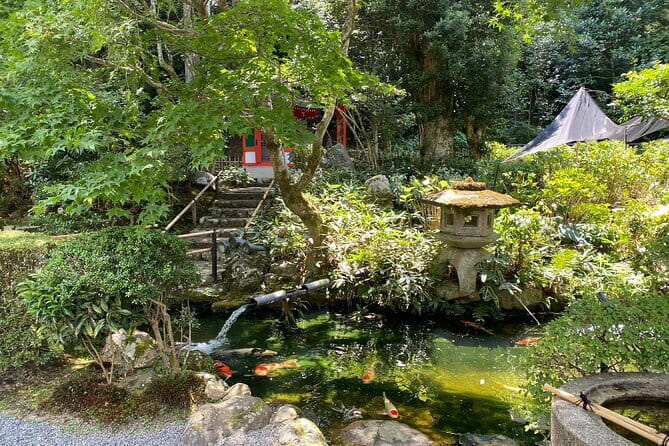
The second stop is Shorinji Temple, with about 20 minutes set aside for the visit. It was founded in the Heian period and has more than a thousand years of religious history. The temple honors Manjushri Bodhisattva, which gives it the name Temple of Wisdom.
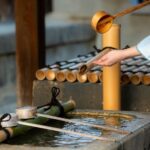
Shorinji is known for its hanachozu. A chozuya is a water basin used for purification, and hanachozu decorates the water with flowers. The result is a small but memorable meeting of ritual and visual design.
This is one of the most distinctive parts of the walk. You are not just moving from one famous hall to another. You are seeing how a traditional temple setting can use flowers to create a seasonal display around an ordinary act of preparation.
The 20-minute visit is enough for a focused look, but not for a long, unhurried stop. If the flowers are especially attractive, you may wish for more time. The private format helps because your group is not being combined with a large crowd, but the overall tour still has a fixed three-hour limit.
The hanachozu also makes Shorinji a good stop for photographers. You should keep the religious setting in mind and avoid treating the basin as a prop. Take your pictures with care, then allow yourself a moment to notice what the flowers change about the space.
Shinzenkoji’s maples and quiet garden
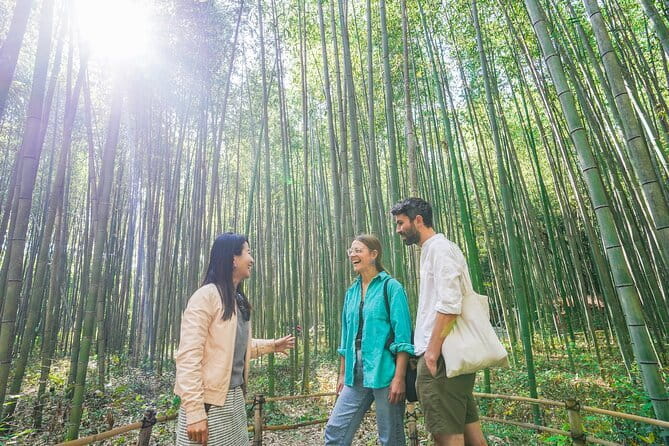
The final temple is Shinzenkoji, also visited for about 20 minutes. It honors Amida Buddha, associated here with compassion. Its garden is known for old maple trees, and the grounds are presented as a peaceful place for meditation or a quiet walk.
This stop provides a useful change of mood after Tofukuji. Tofukuji supplies the larger name, bridge, and major garden visit. Shinzenkoji offers a more restrained setting where you can slow down and look closely at the trees and garden arrangement.
The maples give the temple seasonal interest. In autumn, they can turn the garden into a strong color display. In summer, the green canopy has its own appeal, so you are not limited to one narrow travel season.
As with Shorinji, 20 minutes is a short visit. You can get a clear impression of the grounds, but you should not expect a long meditation period or an extensive independent walk. The tour works best when you see Shinzenkoji as a calm final note rather than a second Tofukuji.
If your main goal is gardens, the three stops give you variety. If your main goal is religious architecture, the short visits at the last two temples may feel limited. The route is built around a blend of scenery, stamps, and cultural explanation, not an exhaustive temple survey.
What the private format changes
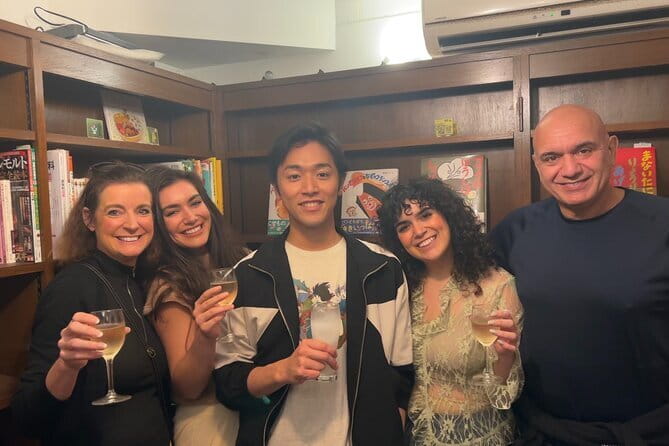
This is a private activity, so only your group participates. That matters most when you are learning an unfamiliar custom. You can ask the guide to explain a stamp, a charm, or a ritual without worrying about holding up a large group.
The private setting may also help with walking speed. The tour requires significant walking, and a smaller group generally makes it easier to pause for water, photographs, or questions. The available information does not promise a customized route or unlimited time at each temple, so you should still expect the stated schedule to guide the day.
A professional guide is included. No individual guide name is provided, so you should not book this expecting a particular person. The important practical benefit is language and cultural support, especially at goshuin counters where a visitor who speaks no Japanese may otherwise struggle.
The tour can be a good match for friends who have just started collecting stamps. One person who began collecting goshuin found the experience much easier with help, and that is exactly where guided assistance has the most value. You do not need to arrive as an expert.


Is $299 a fair price?
At $299, this is not a low-cost temple walk. For a private group, the price pays for a professional guide, a planned route, and admission to Tofukuji. The included ticket prevents one extra admission charge, but the stamps and souvenirs remain your responsibility.
The value depends on how much help you need. If you are comfortable navigating Kyoto’s temples, asking for goshuin, and managing the route yourself, you can likely see these places at a lower cost. The tour’s strongest argument is convenience and interpretation, not inexpensive sightseeing.
The private format improves the value for couples, families, or a small group of friends who want the guide’s attention. If the $299 price is shared among several people, it becomes easier to justify than if one person pays it alone.
Budget separately for a goshuin-cho, the stamp book. You will also need money for individual goshuin entries, omamori charms, food, and other personal expenses. Since the tour is only about three hours, it is best viewed as a focused cultural outing rather than a full-day Kyoto program.
Timing, walking, and practical preparation
The walk begins and ends at Tofukuji Station. That simple arrangement is useful if you are building the activity into a day of sightseeing, since you return to the same general place rather than finishing across town.
Bring sufficient water. The route includes substantial walking, and temple grounds often involve paths, steps, and outdoor exposure. The information provided calls for moderate physical fitness, so this is not the right pick if you need a very short or mostly seated activity.
Rain gear is also sensible. The experience requires good weather, and poor conditions may lead to a new date or a full refund. A weather cancellation is handled differently from a last-minute personal cancellation, so check the forecast before you go and pack accordingly.
Wear shoes that you can walk in for several hours. You should also leave some room in your schedule after the tour rather than planning a rushed appointment immediately afterward. The stated duration is approximately three hours, and temple visits can take time to finish.
Service animals are allowed, and the activity is near public transportation. No further accessibility details are supplied, so you should ask the operator about specific mobility needs before booking.
Who should book this temple walk?
I would recommend it most strongly to first-time goshuin collectors, visitors who do not speak Japanese, and people who want a private introduction to Kyoto’s temple culture. It also suits photographers who like gardens, seasonal maple trees, and flower arrangements, provided they are comfortable with the walking time.
The tour works well for a small group that wants one shared cultural activity without joining strangers. Friends may enjoy comparing their stamp books, while families can use the guide’s help to make sense of customs that are easy to miss on your own.
I would be more cautious if your budget is tight or if you want a long, slow visit at each temple. The last two stops are only 20 minutes each, and the additional purchases are not covered. You may prefer an independent route if you already know Kyoto’s temples and only want to browse at your own pace.
Autumn is an appealing time because of the maple color at Tofukuji and Shinzenkoji, but it may also be the busiest period. Summer offers strong green foliage, and the gardens remain worth seeing outside the red-leaf season. Your choice should depend on whether you prefer fall color or a calmer seasonal visit.
My booking advice
Book this tour if goshuin collecting is central to your Kyoto plans and you want someone to guide you through the process. The combination of Tofukuji’s major garden setting, Shorinji’s hanachozu, and Shinzenkoji’s old maples gives the three hours a clear theme.
Skip it if you are mainly seeking a cheap temple tour, a full-day garden visit, or a route with no extra spending. At $299, the tour earns its price through private attention and cultural help. Its best match is the curious beginner who wants to bring home stamps with a better understanding of what they mean.
Free cancellation is available up to 24 hours before the local start time. Within 24 hours, the payment is not refunded, and changes are not accepted. Confirmation arrives within 48 hours of booking, subject to availability.
FAQ
How long does the Kyoto goshuin tour last?
The tour lasts approximately three hours.
Where does the tour begin?
It begins at Tofukuji Station, at 12 Chome Honmachi, Higashiyama Ward, Kyoto, 605-0981, Japan.
Where does the tour finish?
The activity ends back at the meeting point near Tofukuji Station.
Which temples are included?
The route includes Tofukuji Temple, Shorinji Temple, and Shinzenkoji Temple.
Is admission included?
Admission to Tofukuji is included. Admission costs for the other listed stops are free according to the tour information.
Are goshuin included in the price?
No. Goshuin, goshuin-cho stamp books, and omamori charms are not included.
Is this a private tour?
Yes. Only your group participates in the activity.
How much walking is involved?
The tour requires a significant amount of walking and calls for a moderate level of physical fitness. You should bring sufficient water and rain gear.
Can I cancel for a full refund?
You can cancel at least 24 hours before the local start time for a full refund. Cancellations or changes made within 24 hours are not refunded or accepted.
More Walking Tours in Kyoto

More tours in Kyoto we've reviewed


Walking Tours, compared.
 ★ 4.7Kyoto Geisha Walking Tour: Gion District & Hidden GemsFrom $252 hours
 ★ 4.7Kyoto: Gion Geisha District Walking Tour – Stories of GeishaFrom $202 hours
 ★ 4.5Night Walk in Gion: Kyoto’s Geisha DistrictFrom $211h 40m
 ★ 5.0Kyoto Gion Geisha District Walking Tour – The Stories of GeishaFrom $25
 ★ 5.0Nishiki Market Brunch Walking Tour (7 Tastings + Brunch)From $68
 ★ 4.9Kyoto: Gion Magical Night Walking Tour with Geisha InsightsFrom $34