
Reviewed · GOLDEN PAVILION & TEMPLE TOURS
Kyoto: Zen and Yoga Experience at Myoshinji Temple
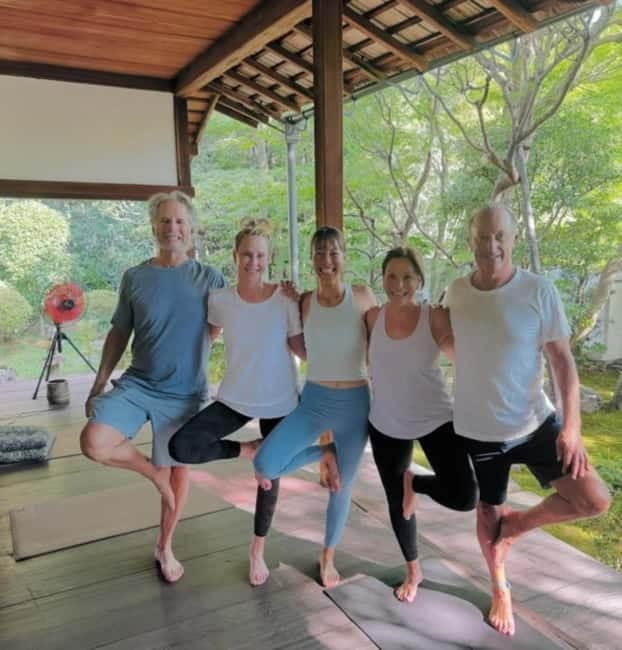
Myoshinji Temple offers a rare setting for a gentle introduction to Zen and yoga, in a normally non-public part of one of Kyoto’s major Rinzai Zen temple complexes. The two-hour session moves from discussion and meditation to yoga beside a garden, then ends with Japanese tea.
I like the quiet garden setting and the chance to learn in a small private group rather than a crowded sightseeing line. I also like that the session explains Zen in plain terms, including its five key elements, instead of treating meditation as a vague wellness trend.
The main caution is level. This is best for a beginner, not for someone seeking a demanding yoga class or advanced meditation instruction. One participant found it weak for experienced practitioners, though the setting and instructor Agasa still made the visit special.
In This Review
- Key points at a glance
- Entering Myoshinji through the South Entrance
- Learning the five elements of Zen
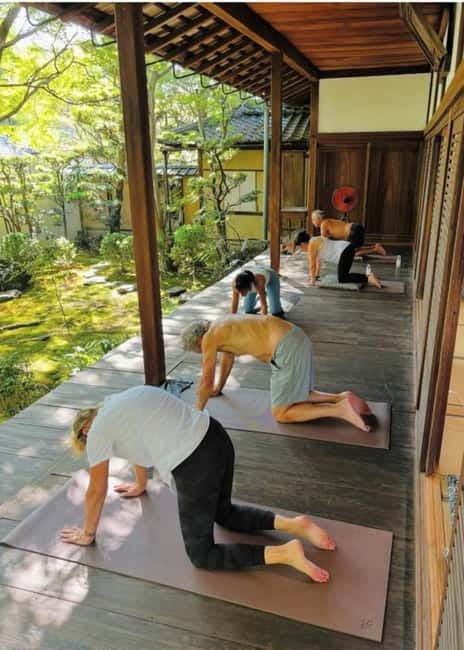
- Yoga with the temple garden in view
- Japanese tea and open conversation
- Why the private group format matters
- What the $96 price includes
- Who will get the most from this experience
- What to bring and how to prepare
- The honest verdict on Myoshinji Zen and yoga
- Should you book this Myoshinji Temple experience?
- FAQ
- Where does the Myoshinji Zen and yoga experience meet?
- How long does the activity last?
- How much does the experience cost?
- Is the activity taught in English?
- Is this a private activity?
- What does the price include?
- What should I bring?
- Can I cancel for a full refund?
- Who should not take this activity?
Key points at a glance
- A normally closed temple area: You enter a private part of Myoshinji that most casual sightseers do not see.
- Five Zen elements explained: The opening talk connects Zen ideas with Japanese gardens and daily awareness.
- Yoga beside a garden: The session uses the temple setting, birdsong, leaves, and the breeze as part of the experience.
- English-speaking instruction: Agasa leads the activity and combines teaching with time for questions.
- Tea and conversation at the end: Japanese tea gives you a relaxed way to discuss culture and reflect on the session.
- Best for beginners: The class is gentle and introductory, with a 4.7 rating from three listed reviews.
Entering Myoshinji through the South Entrance
Your first practical task is finding the right gate. Meet at the South Entrance, not the North Entrance. A large gate marks the meeting point, and the guide waits there.
That detail matters because Myoshinji is a sizable temple complex, and arriving at the wrong entrance could turn a quiet morning into a rushed search. Give yourself enough time to identify the south side before the start. The activity lasts only two hours, so a late arrival cuts into the teaching and yoga time.
Myoshinji is a Rinzai Zen temple in Kyoto, and this session uses more than its name. You are not simply visiting the grounds, taking a photograph, and moving on. The setting gives the class a direct connection to Japanese religious culture, gardens, silence, and attention.
You will visit a part of the temple that is normally not open to the public. That access is one of the strongest reasons to consider the activity, especially if you have already seen Kyoto’s major temples and want a more personal encounter with temple life.
The tone is quiet and respectful. You will take part in discussion and meditation, so this is not the place for loud conversation or a casual drop-in attitude. The temple setting asks you to slow down before the formal yoga session even begins.
A few more Kyoto tours and experiences worth a look
Learning the five elements of Zen
The first section introduces Zen and its five key elements. Rather than starting with difficult theory, the session connects Zen to the way a Japanese garden is arranged and experienced.
That approach makes the subject easier to grasp. A garden can seem purely decorative when you rush past it, but the class encourages you to consider space, simplicity, stillness, and attention. You get a framework for noticing what the temple environment is trying to express.
You can also take part in discussion. This is useful if you are new to Zen and want to ask basic questions without feeling out of place. The English-speaking instructor guides the exchange, so the class is not simply a silent meditation period with no explanation.
A small Zen guide book is included. It is not a replacement for the session, but it gives you something to take away and revisit after leaving Kyoto. I find that useful because ideas about awareness and presence can fade once you return to a busy sightseeing schedule.
The format suits someone who has wondered what Zen means but has never studied it. You do not need a background in Buddhism or meditation. The supplied information describes the teaching as an introduction, and the strong praise for Agasa centers on being kind, thoughtful, gracious, and informative.
Still, keep your expectations in check. If you already meditate regularly or practice yoga at an advanced level, the content may feel basic. One participant rated the activity four out of five and said the instruction was suitable for a beginner at level zero, but not especially strong for an experienced practitioner.
Yoga with the temple garden in view
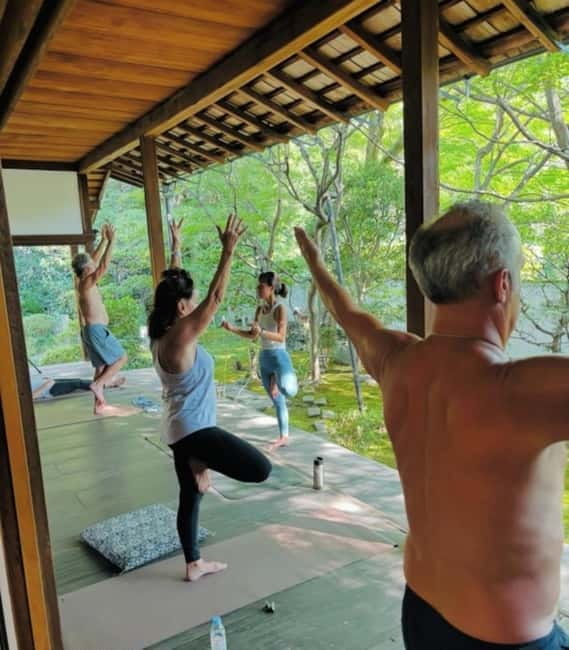
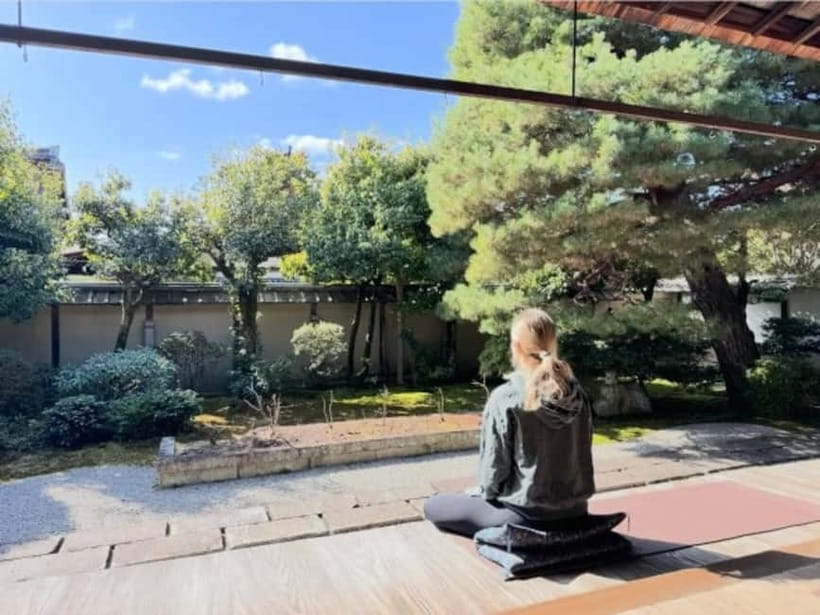
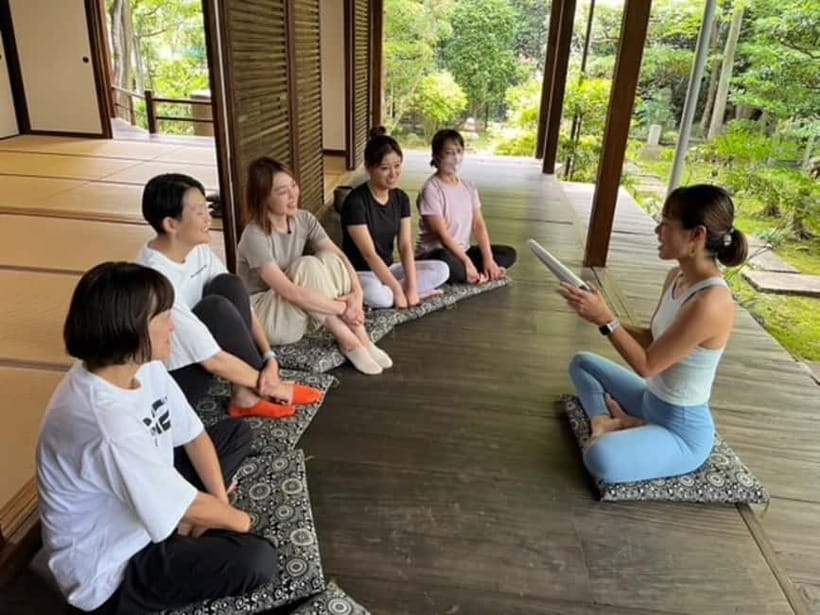
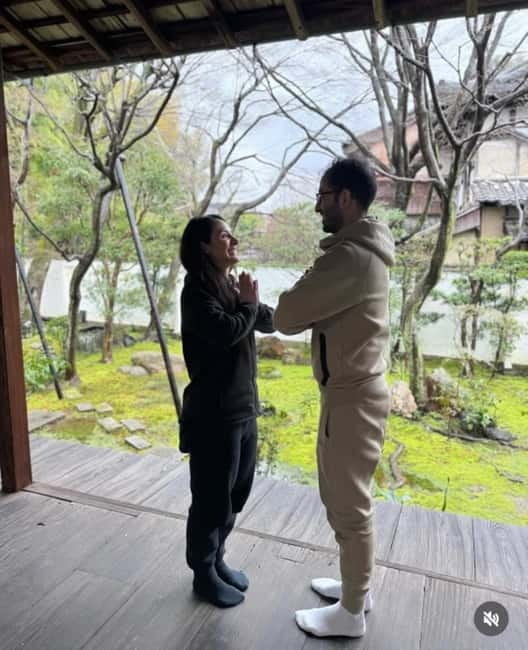
After the discussion, you move into a yoga session shaped by Zen principles. The class takes place in a temple room overlooking a peaceful garden, giving you a setting far removed from a regular studio.
The surroundings are part of the appeal. You may hear birdsong, leaves moving, and a gentle breeze. Those sounds are not added entertainment. They give you natural points of attention while you work through the movements and settle into the room.
The supplied information does not describe a detailed pose sequence, intensity level, or specialized yoga style. I would therefore treat this as a calm introductory session rather than a workout. Bring comfortable clothes, a towel, and water, and pack a change of clothes if you prefer to freshen up afterward.
The yoga is likely to appeal most to someone who wants a cultural activity with a physical element. You get movement, meditation, and an explanation of Zen in one compact visit. It is a good fit if you are spending a full day among Kyoto’s temples and want two hours with a slower rhythm.
It is less suitable if you want strong physical exertion, technical corrections, or an advanced practice. The experience is praised for its atmosphere and teaching, not for a demanding fitness program. A seasoned yoga student may find the exercises too light, but may still value the temple room and garden view.
You should also consider your health before booking. The activity is not suitable for pregnant women, people with heart problems, people with a cold, or people over 70 years old. These restrictions are part of the stated activity rules, so take them seriously rather than assuming the session is suitable for every age and fitness level.
Japanese tea and open conversation
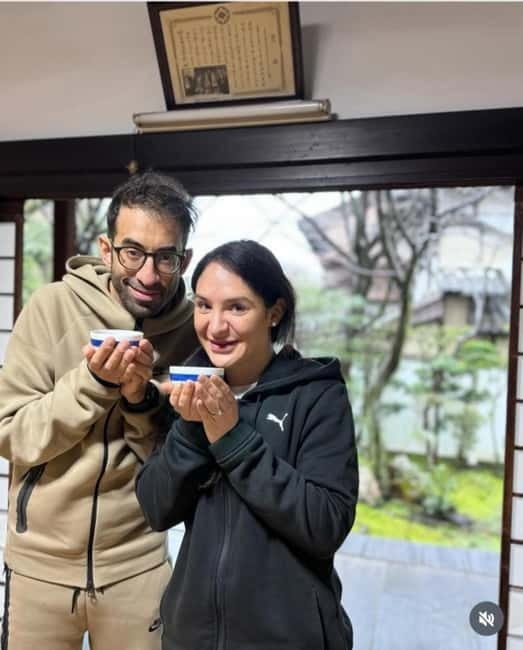
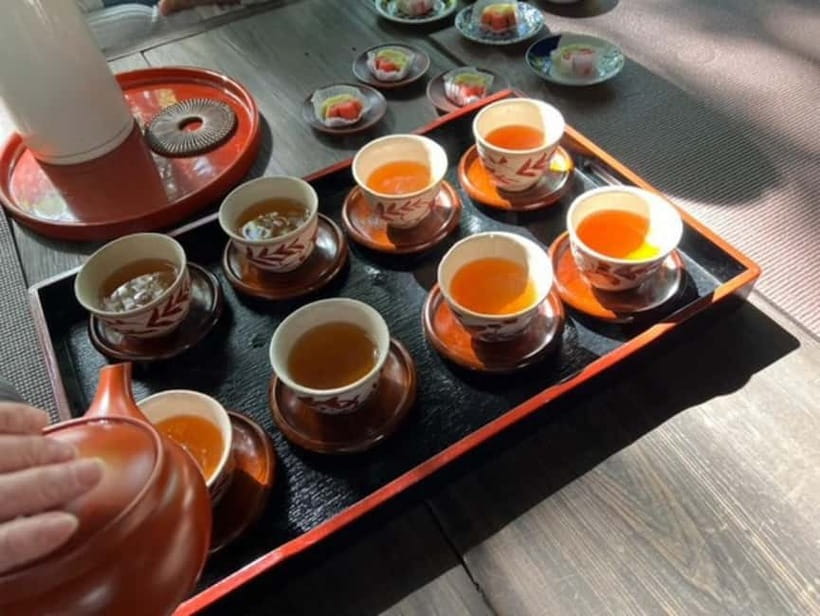
The final part is a Japanese tea session. It gives the experience a clear ending and lets you ask questions after the Zen and yoga portions.
Tea matters here because it slows the pace again. You are not simply handed a drink while the guide rushes you toward the exit. The session includes time to share cultural insights and discuss what you have learned.
I like this closing section because it links the activity to conversation. Some temple visits are quiet but hard to interpret. Some classes are informative but feel disconnected from the place. Tea provides a bridge between the two.
You can ask about Zen, Japanese culture, the temple setting, or the connection between meditation and yoga. The information does not promise a formal tea ceremony, so do not book this expecting a long demonstration of tea preparation. Think of it as a cultural tea session with discussion.
That distinction helps set the right expectation. The value is in the setting and exchange, not in a highly specialized tea performance.
Why the private group format matters
This is a private group activity, taught in English. The exact group size is not provided, so I would not assume the class is one-on-one or limited to only two people. Still, private-group instruction generally gives you a more focused setting than a large public class.
The format is especially helpful during the discussion portion. You can ask questions that might get lost in a large group, and the guide can keep the tone suited to your level. If you are nervous about meditation, a smaller setting can also feel less exposed.
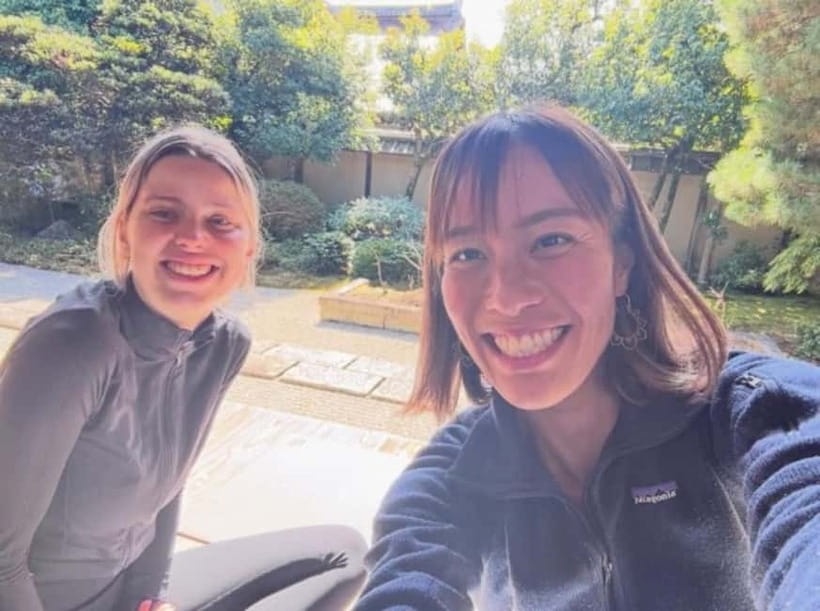
Agasa receives especially strong praise in the supplied comments. The instructor is described as kind, thoughtful, gracious, and informative. Another participant also singled out the teacher’s warmth and said the way the instructor handled the class helped make the place feel special.
That human element is important. Zen and yoga can feel dry when taught as a list of concepts. A patient instructor helps connect the words to the garden, the sounds around you, and the simple act of sitting still.
The class is conducted in English. If you want instruction in another language, this is not the right match based on the available information.


What the $96 price includes
At $96 per person, this is not a low-cost temple visit. You are paying for more than admission, though, and the value depends on how much you want from the teaching.
The price includes:
- Admission to Myoshinji Temple
- A mini Zen guide book
- The Zen session
- The yoga session
- The Japanese tea session
For that cost, you receive a structured two-hour program, access to a normally non-public temple area, an English-speaking instructor, a private-group format, and three connected activities. That is a fair package if you would otherwise spend your Kyoto time on a general temple visit and separately seek a yoga or meditation class.
The price is harder to justify if you mainly want to see Myoshinji or already have strong yoga and meditation skills. You could find the physical practice too simple, and the introductory Zen talk may cover ground you already know.
I would compare this with your priorities rather than with the cost of a standard temple ticket. If you want an unusual cultural activity with personal instruction, the fee makes more sense. If you want a thorough history lesson, an intense yoga workout, or an elaborate tea ceremony, this does not promise those things.
The included guide book adds a small but useful extra. It gives you a physical reminder of the principles after the session, when you are back among Kyoto’s streets and attractions.
Who will get the most from this experience
I would recommend this activity most strongly to:
- First-time yoga or meditation participants
- Visitors curious about Zen but unsure where to start
- People who value quiet cultural activities over busy sightseeing
- Anyone interested in seeing a less accessible part of a Kyoto temple
- Couples or small private groups wanting a calm shared activity
- Visitors who want English-language instruction and time for questions
It may be a poor fit for advanced yoga students, experienced meditators, or anyone hoping for a strenuous class. The supplied comments make this point clearly: the beginner level is a strength for newcomers, but a limitation for experienced practitioners.
It also is not suitable for pregnant women, people with heart problems, people with a cold, or people over 70 years old. The activity includes discussion and meditation, so you should also be comfortable with a quiet, respectful setting.
What to bring and how to prepare
Wear comfortable clothes that allow easy movement. Bring a towel and water, and pack a change of clothes. These are simple items, but forgetting them can make a yoga session less pleasant.
Plan your route to the South Entrance carefully. Do not go to the North Entrance. The meeting point is at the large gate, where the guide waits.
Arrive ready to put your phone away and lower your voice. This is a working temple environment, not just a photo stop. Respectful behavior is expected during meditation, discussion, and the tea session.
You can also prepare by deciding what you want to ask. If you are curious about Zen gardens, meditation, Japanese tea, or the relationship between Zen and yoga, the discussion gives you a natural chance to bring up those subjects.
The activity offers free cancellation up to 24 hours before the start for a full refund. You can also reserve now and pay later, which helps if your Kyoto plans are still shifting. Check the available starting times before choosing your date, since the experience lasts two hours.
The honest verdict on Myoshinji Zen and yoga
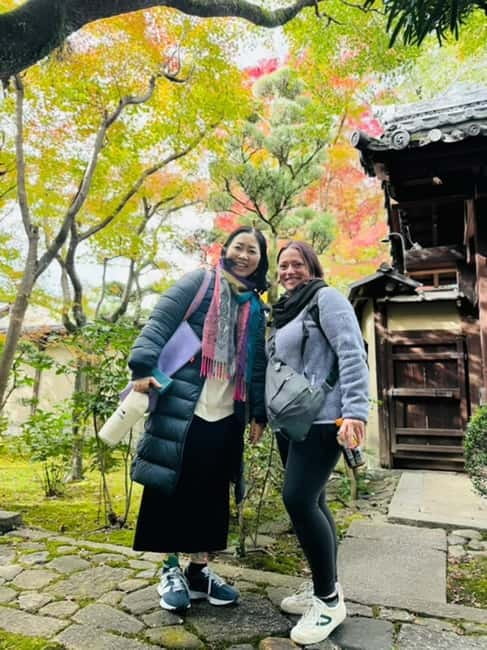
This is a calm, unusual Kyoto activity that makes the temple setting part of the lesson. The normally non-public area, garden view, tea discussion, and warm instruction from Agasa give it more character than a basic studio yoga class.
I especially like the combination of three parts. The Zen talk gives you context, the yoga session lets you practice quiet attention, and the tea conversation gives you time to process the visit. None of those sections is presented as an advanced course, but together they make a well-shaped introduction.
The main limitation is the beginner level. Experienced yoga or meditation students may want more challenging movement or more detailed instruction. At $96, that matters. You should book because you want access to a special temple setting and a thoughtful cultural introduction, not because you want the best workout of your trip.
Should you book this Myoshinji Temple experience?
Book it if you are new to Zen or yoga, want a peaceful break from Kyoto’s busy sightseeing routes, and value personal English-language guidance. The combination of a private temple area, garden-side yoga, Japanese tea, and questions with the instructor is unusual.
Skip it if you already practice seriously and need advanced instruction, or if you are looking for an energetic fitness class. For the right person, this is less about mastering yoga and more about learning how a quiet Japanese setting can change the way you pay attention.
FAQ
Where does the Myoshinji Zen and yoga experience meet?
Meet at the South Entrance of Myoshinji Temple. Do not use the North Entrance. The guide waits by the large gate.
How long does the activity last?
The experience lasts two hours.
How much does the experience cost?
The price is $96 per person.
Is the activity taught in English?
Yes. English is the listed language for the instructor and activity.
Is this a private activity?
Yes. The group type is listed as a private group.
What does the price include?
The price includes temple admission, a mini Zen guide book, the Zen session, the yoga session, and the Japanese tea session.
What should I bring?
Bring a change of clothes, a towel, water, and comfortable clothing.
Can I cancel for a full refund?
Yes. You can cancel up to 24 hours in advance for a full refund.
Who should not take this activity?
The activity is not suitable for pregnant women, people with heart problems, people with a cold, or people over 70 years old.
More Golden Pavilion & Temple Tours in Kyoto
More tours in Kyoto we've reviewed










Golden Pavilion & Temple Tours, compared.
 ★ 4.8Kyoto: Fushimi Inari, Kinkakuji, Bamboo Grove 1 Day Bus TourFrom $122510 minutes - 9 hours
 ★ 4.9Kyoto: Tea Ceremony in a Traditional Tea House in KiyomizuFrom $4945 min
 ★ 4.9Kyoto: Tea Ceremony Ju-An at Jotokuji TempleFrom $291h 10m
 ★ 4.1Osaka/Kyoto:Kinkakuji,Arashiyama,FushimiInariShrine,NaraParkFrom $66
 ★ 4.8Arashiyama Bamboo, Temple, Monkeys, or Secret Sake BreweryFrom $875 hours - 330 minutes
 ★ 5.0Kyoto: Nijo, Kinkaku-ji, Arashiyama, Kiyomizu & Fushimi InariFrom $51