
Reviewed · TEA CEREMONY EXPERIENCES
Tea ceremony and kimono experience at Kyoto, Tondaya
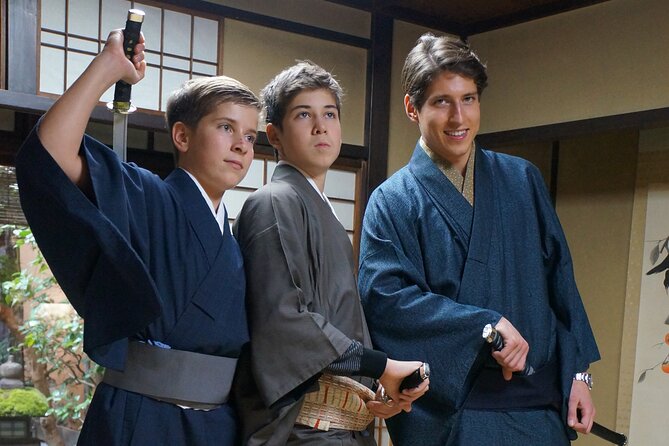
Kyoto’s Tondaya tea ceremony begins not with a cup of tea, but with being dressed in an authentic silk kimono inside a Meiji-period wooden townhouse. You then tour the old house, take photos, and watch matcha being prepared in a setting that feels far removed from Kyoto’s busiest sightseeing streets. I especially like the historic machiya and the chance to see rooms, gardens, furnishings, and tea equipment that make the custom easier to understand.
I also like that the staff do the dressing for you, so you need no prior experience, and that the ceremony welcomes questions and photographs. The main caution is the group format. The advertised maximum is 20 people, yet some sessions have felt crowded, hot, rushed, or hard to hear. If you want quiet concentration and detailed instruction, ask about the private option.
In This Review
- Key points to know before you book
- Tondaya begins with a kimono fitting
- Photographing a 140-year-old Kyoto house
- What happens during the matcha ceremony
- Group size is the key question
- Is $178.34 a good value?
- Finding Tondaya without losing time
- Who will enjoy this Kyoto activity?
- The small details that improve the visit
- Should you book Tondaya?
- FAQ
- Where does the tea ceremony take place?
- How long does the activity last?
- Is the kimono included?
- Should I bring socks?
- Is this a private tea ceremony?
- What is included in the price?
- Can I cancel for a full refund?
Key points to know before you book
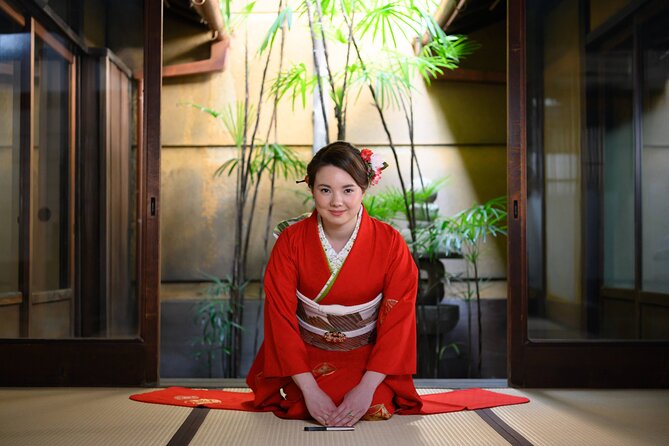
- You wear a real silk kimono: Staff fit the garment over your own clothing, with accessories included. Hair styling, makeup, geta sandals, and socks are not included.
- The setting is a Meiji-era machiya: Tondaya is a traditional wooden home, now used as the Nishijin Lifestyle Museum, with old rooms and garden areas for photographs.
- The tea ceremony is fairly brief: You watch matcha preparation, receive tea and a sweet, and learn how to drink it properly. The amount of explanation can vary.
- This is a group activity: The stated maximum is 20 participants, though crowding has been a serious complaint during some visits.
- Bring socks: You must wear socks to help protect the historic interior. You can buy a pair at the site if needed.
- Allow about 90 minutes: The activity starts and ends at Tondaya, but the actual timing can shift with crowding and late arrivals.
Tondaya begins with a kimono fitting
Tondaya is at 697 Ishiyakuchicho in Kyoto’s Kamigyo Ward, in the Nishijin area. This is not a large, modern museum entrance. You are looking for a traditional Japanese house, and the signage can be easy to miss, especially if you arrive before opening time.
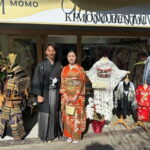
Once inside, staff fit you with a kimono over your own clothes. The fitting is one of the strongest parts of the visit because you do not need to know how a kimono is wrapped or secured. The attendants choose and arrange the layers, then add accessories so you look properly dressed for the ceremony.
The clothing is described as authentic silk, not simply a costume made for quick photographs. Still, this is a practical tourist fitting rather than a full dressing lesson. Makeup and hair styling are not included, and geta, the wooden sandals often associated with kimono, are also not provided. Bring your own socks. Bare feet are not suitable inside the house, and socks are specifically requested to protect the cultural property.
The fitting takes place in a communal area. That can feel lively and friendly, but it can also become frantic when several people arrive together. If you are hoping for a slow, private dressing ritual, the standard group visit may not provide it.
A few more Kyoto tours and experiences worth a look
Photographing a 140-year-old Kyoto house
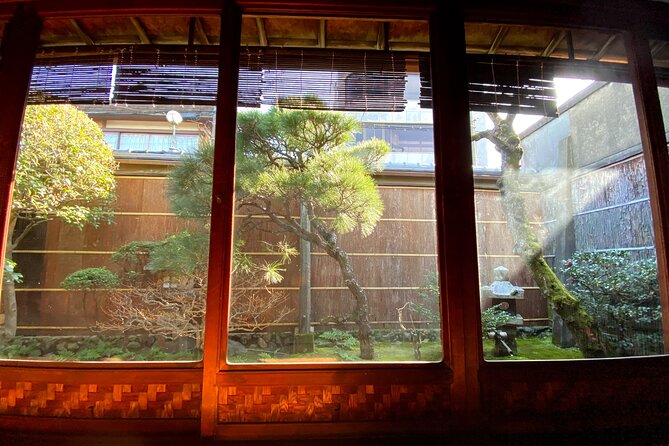
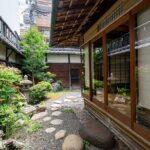
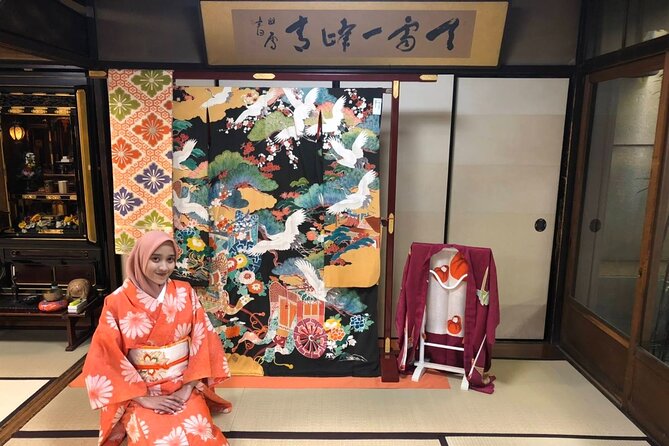
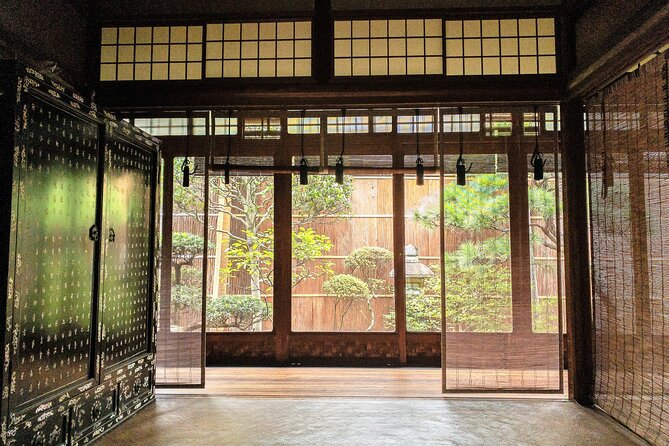
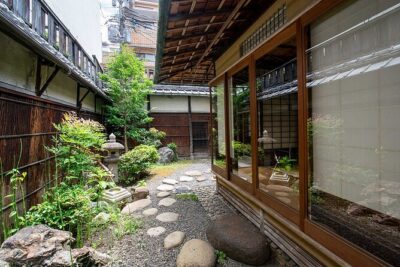
After dressing, you have time for photographs around the property. This is not a disposable photo studio with a painted backdrop. Tondaya is an old wooden townhouse, originally built during the Meiji period, and its rooms give your pictures a genuine Kyoto setting.
You can pose with household furnishings, traditional objects, and the house itself. Some parts of the property include garden views, and the old construction allows seasonal air to move through the rooms. That open, airy design is part of what makes a machiya interesting, though it also means the indoor temperature may not feel controlled. A crowded tea room can become uncomfortable, especially in warm weather.
You are welcome to take photographs throughout much of the visit, including during the tea ceremony and around the tea equipment. This is useful if your main goal is a visual memory of wearing kimono in a historic home. It also gives you something to do while other participants are being fitted.
The house tour is short, so do not expect a museum visit with long labels or a large collection. Its value comes from being inside a functioning traditional home and seeing how the rooms connect. The experience works best when you pay attention to the architecture, not just the camera.
What happens during the matcha ceremony
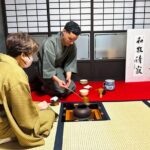
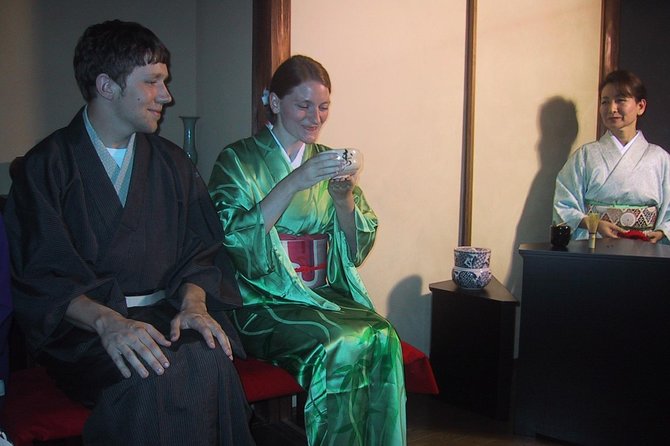
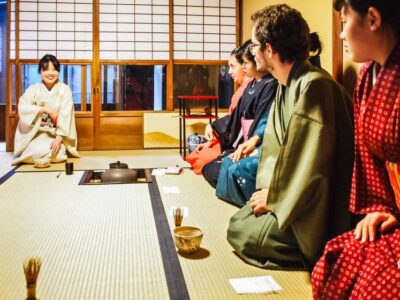
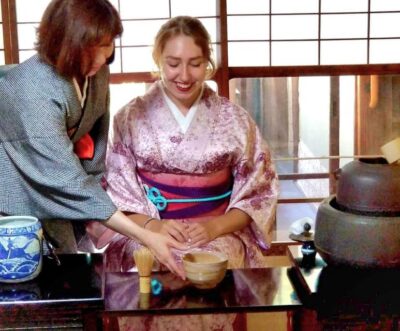
The tea ceremony is the cultural heart of the activity, but it is not a full-length formal tea gathering. You watch a tea master prepare matcha, then receive tea and a Japanese sweet. You are shown the accepted way to drink it, and the host may explain the meaning behind the movements, utensils, flowers, or room.
The strongest sessions provide a clear introduction to the steps and customs. Some guides explain why the tea is prepared and served in a particular way, and why small details matter. When that happens, the ceremony becomes more than a cup of matcha. You start to see the care given to the bowl, the guest, the arrangement of the room, and the order of service.
The weaker version is much quicker. The first cup may be prepared in front of the group, while additional servings are brought out on a tray. Some participants have found the tea ceremony lasted only a few minutes, with little background on the clothing or the custom. A few have also found the tea cold or the packaged sweet dry, though other visits have included a pleasant tea and sweet.
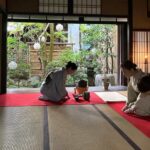
Your view and ability to hear depend heavily on the room and the group. The tea space is small, and a large crowd can block the ceremony. You may see the tea being made but miss fine movements with the utensils. Noise from another group moving through the house can also break the calm.
That contrast explains the mixed value of the standard booking. The same basic itinerary can feel thoughtful and educational with a small, attentive group, or like a quick dress-up session when the room is packed.
Group size is the key question
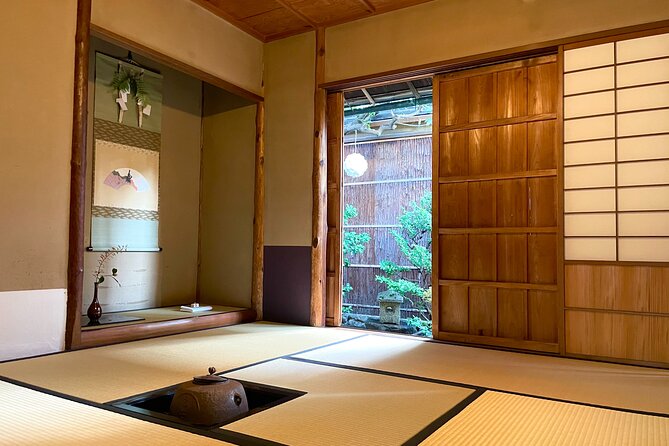
The experience is conducted in a group, with a stated maximum of 20 participants. That is not a tiny class, especially in a traditional house with narrow rooms and limited seating. Some accounts describe groups that felt far larger than 20, with more than 30 people in the tea room and, in one particularly severe case, close to 50 people around the property.
Because those conditions are not consistent with the stated maximum, I would confirm the expected group size directly with the provider before paying. Ask if your time slot shares the ceremony with other bookings and if a private version is available. This matters more here than at an outdoor attraction because the core activity takes place in a compact room.
Crowding affects nearly everything. It slows the kimono fitting, makes the house tour less comfortable, blocks your view, and makes it harder to hear an explanation. It can also take away the quiet mood that people reasonably expect from a tea ceremony.
There are good signs in the feedback too. Smaller groups have had private-room ceremonies, patient assistance with the kimono, and enough space to ask questions. The private option costs more, but it may be the better use of money if the ceremony itself matters more to you than simply dressing up for photos.
Is $178.34 a good value?
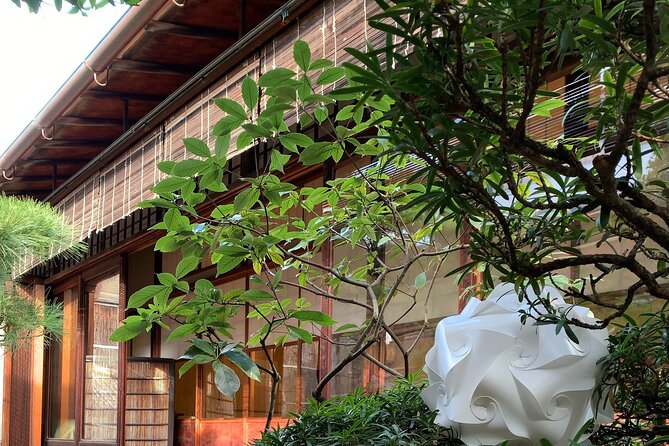
At $178.34 per person, this is an expensive short activity. The listed duration is about 1 hour 30 minutes, and the price includes the entrance fee, kimono experience, and tea ceremony. It does not include lunch, makeup, hair styling, socks, or geta sandals.
You are paying for a combination of elements that can be hard to arrange independently: a silk kimono fitting, access to an old Kyoto townhouse, a guided house visit, photographs, and a formal introduction to matcha. The historic setting adds genuine value, especially if you want something more personal than a standard museum stop.
Still, the price demands a certain level of service. If the ceremony is brief, the explanation is thin, or the group is too large to see, the cost becomes difficult to justify. Several low ratings focus on exactly that gap between the price and the amount of instruction received.
I would book it at this price only if the machiya setting and kimono are both important to you. If your main goal is to study tea ceremony procedure in detail, compare private options first. If your goal is a memorable cultural photograph and a short introduction to the custom, the standard visit may suit you, provided the group is controlled.
The fact that it is often booked 27 days ahead suggests you should not leave it until the last minute during a busy Kyoto visit. Book early if your schedule is fixed, but use the free-cancellation rule wisely. You can cancel up to 24 hours before the start time for a full refund. Changes or cancellations made inside that window are not accepted.
A few more Kyoto tours and experiences worth a look
Finding Tondaya without losing time
Tondaya is near public transportation, but locating the entrance can take more effort than expected. Use the full address, 697 Ishiyakuchicho, Kamigyo Ward, Kyoto 602-8226, and allow extra time. The building resembles a traditional home more than a prominent attraction.
A taxi can simplify the final approach, though you should still check the address carefully. GPS has worked for some visitors, but poor signage has caused confusion. Arriving a little early gives you time to identify the house without rushing into the fitting.
The activity begins and ends at the same location. There is no sightseeing transfer afterward, so plan your next stop separately. Since the experience lasts around 90 minutes, it can fit into a half-day in northern central Kyoto, but the exact finish may change if the group is slow or crowded.
Most people can participate, and confirmation is provided when you book. The main practical issue is not a long walk or difficult transport. It is the house itself: traditional rooms, stairs, close seating, and the need to remove or manage footwear appropriately.
Who will enjoy this Kyoto activity?
I would recommend Tondaya to you if you want a straightforward introduction to Japanese customs and care more about setting and atmosphere than technical study. It is especially suited to first-time visitors who have never worn kimono or attended a tea ceremony.
Families and mixed-age groups may also appreciate the simple format. Staff do the dressing, the tea is served for you, and you are taught the basic way to drink it. You do not need to arrive with special knowledge.
It is a good match for photographers, couples, and anyone who wants pictures in a real Kyoto townhouse rather than a studio. The home, furnishings, garden areas, and traditional utensils provide plenty of visual detail.
I would be cautious if you dislike group activities, heat, cramped rooms, or presentations delivered in basic English. The quality of explanation can vary, and the ceremony may be difficult to see when other groups are present. If you have already attended a serious tea ceremony, this may feel too short and commercial.
The private option deserves serious thought for anyone who wants stillness, clear instruction, and a better view. The standard booking is best treated as a combined kimono, house, photograph, and tea introduction, not as an advanced lesson in tea practice.
The small details that improve the visit
Bring clean socks, and wear clothes that make it easy for staff to dress you over them. Since makeup and hair styling are not part of the activity, prepare those yourself if photographs matter.
Keep your expectations clear. You will receive tea and a sweet, but this is not lunch and there is no meal included. The tea portion is also not necessarily long enough to satisfy someone seeking a full ceremonial performance.
Ask how many people are expected in your time slot before booking. This is the single best way to protect the experience you are paying for. A smaller group can mean more useful explanation, a clearer view, and a calmer visit.
Treat the house respectfully. Socks are required to protect the old floors and cultural objects, and photographs should never come at the expense of other participants’ space. The setting is part of the value, so take time to notice it.
Should you book Tondaya?
Book this experience if you want to wear a silk kimono, walk through an old Kyoto machiya, and receive a short, accessible introduction to matcha. The house is the real attraction, and the combination of clothing, architecture, photographs, and tea can make a memorable 90 minutes.
I would not book the standard group version blindly at $178.34. Confirm the group size and ask how much explanation will be given in English. If you want a quiet ceremony with a clear view, choose the private option if available. If you want detailed instruction on every movement and the background of the tea tradition, look for a more specialized ceremony.
For the right visitor, Tondaya offers a genuine old-house setting and a rare chance to dress in traditional clothing. For the wrong visitor, it can feel like an overpriced photo stop with a very short cup of tea. Know which version you are buying, and the decision becomes much easier.
FAQ
Where does the tea ceremony take place?
It takes place at Tondaya, the Nishijin Japanese Cultural Experience Museum, at 697 Ishiyakuchicho, Kamigyo Ward, Kyoto 602-8226, Japan.
How long does the activity last?
The maximum scheduled experience time is about 1 hour 30 minutes. The actual length can vary depending on crowding.
Is the kimono included?
Yes. The experience includes a kimono fitting and the kimono activity. Makeup, hair styling, and geta sandals are not included.
Should I bring socks?
Yes. Socks are required to help protect the historic house and cultural assets. You can also buy socks at the site if needed.
Is this a private tea ceremony?
No. The standard activity is conducted with other participants. A private experience option is available for people who prefer a more personal setting.
What is included in the price?
The price includes the tea ceremony, kimono experience, and entrance fee. Lunch is not included.
Can I cancel for a full refund?
Yes, if you cancel at least 24 hours before the experience start time. Cancellations or changes made less than 24 hours before the start time are not accepted for a refund.
More Kimono Experiences in Kyoto
More Tea Ceremony Experiences in Kyoto
More tours in Kyoto we've reviewed




Tea Ceremony Experiences, compared.
 ★ 4.9Kyoto: Tea Ceremony in a Traditional Tea House in KiyomizuFrom $4945 min
 ★ 4.9Kyoto: Tea Ceremony Ju-An at Jotokuji TempleFrom $291h 10m
 ★ 4.3Kyoto: 45-Minute Tea Ceremony Lesson ExperienceFrom $2245 min
 ★ 5.0World Heritage Kyoto & Nara Uji Authentic Matcha ExperienceFrom $129
 ★ 4.9Kyoto: Table-Style Tea Ceremony at a Kyo-MachiyaFrom $451h 30m
 ★ 5.0Kimono Tea Ceremony at Kyoto Maikoya, NISHIKIFrom $65