
Reviewed · KYOTO
Let’s make Japanese accessories with Mizuhiki
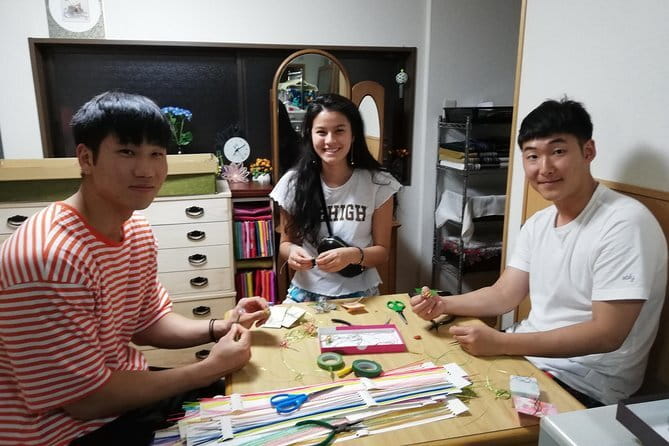
Mizuhiki looks delicate, but the cord is made by winding thin twisted paper with thread, giving it surprising strength. At RakueJapan in Kyoto, you learn the basic abalone knot, then use colorful cords to make a small bag and a personal accessory. The best part is the hands-on work, not a quick demonstration followed by a souvenir-shop purchase.
I like the patient, one-on-one feel and the chance to make something tied to Japanese gift customs. I also like the quiet finish: matcha and sweets after the craft gives you time to admire what you made. The main consideration is the one-hour length. You can learn the basics and complete a small project, but you should not expect a full course in every Mizuhiki design.
In This Review
- Key points to know before booking
- Why Mizuhiki makes a fine Kyoto souvenir
- Starting with a paper pochi bag
- Choosing an accessory from the samples
- The real value of patient, personal instruction
- Matcha, sweets, and a calm finish
- Location, timing, and what the one-hour length means
- Who will enjoy this craft most
- What is included and what you take home
- Booking, cancellation, and practical cautions
- Should you book the Mizuhiki workshop?
- FAQ
- Where does the Mizuhiki workshop take place?
- How long does the activity last?
- What is the price?
- Is the activity private?
- What will I make?
- Will I learn a Mizuhiki knot?
- Is matcha included?
- Are materials included?
- Are supplies for making more items at home included?
- Can I cancel for a full refund?
Key points to know before booking
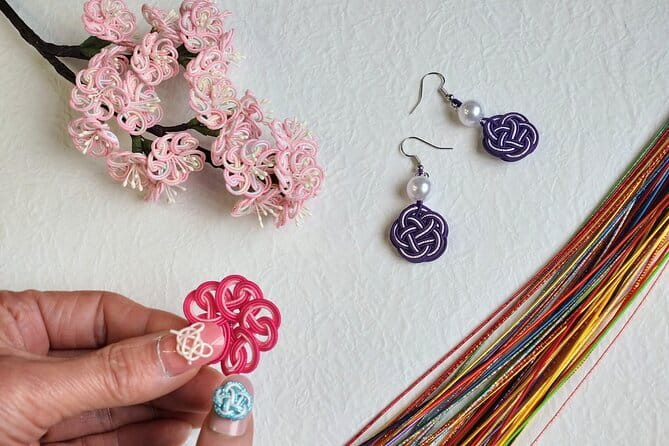
- Traditional cord with a modern use: Mizuhiki is linked to Japanese ceremonial gifts, yet here it becomes earrings, charms, hair ornaments, and mini baskets.
- A clear step-by-step lesson: You choose paper, practice the abalone knot, select a sample, then build your accessory.
- Personal guidance: Akemi is named as the teacher in one detailed account, and the class is set up for private participation by your own group.
- A Kyoto souvenir you make yourself: Your finished item has more personal meaning than a mass-produced keepsake.
- Matcha closes the class: Tea and sweets are included, giving the hour a calm final pause.
- Easy urban setting: The meeting point is near public transportation at RakueJapan, 255 Nomura Building, second floor, Shijōhorikawachō, Shimogyo Ward.
Why Mizuhiki makes a fine Kyoto souvenir
Mizuhiki is a Japanese decorative cord made by winding thin twisted paper with thread. It is light, yet firm enough to hold a knot and keep its shape. Its use is not only decorative. Mizuhiki has long been tied to envelopes containing money for celebrations and other occasions, and it was also used with sacred objects in rituals.
That background gives the class more substance than a generic craft session. You are not simply twisting colored string into a pretty shape. You are learning a small piece of Japanese visual culture and then adapting it for everyday use.
The colors are a major part of the appeal. Mizuhiki is available in many bright shades, and combining two or three colors can change the character of a knot. A single cord helps you see the structure. Several colors make the finished piece look more elaborate, even when the basic technique remains the same.
I find this especially useful if you want a Kyoto souvenir that is small, light, and personal. A handmade earring, keychain, hair ornament, or strap fits easily into your luggage. More important, you can explain how you made it and why the cord matters.
If you're still narrowing it down, here are other tours in Kyoto we've reviewed.

Starting with a paper pochi bag
The lesson begins with a choice of colored papers for a pochi bag, a small decorative bag. This gives you an early decision without asking you to master the cord immediately. The colors you select help set the look of the finished piece.
You then tie the basic abalone knot to the pochi bag. The name may sound intimidating, but the class breaks it into manageable steps. You first practice the knot using a single Mizuhiki cord. That practice matters because the cord can be slippery or awkward until your fingers understand how it bends.
The bag also gives you a useful visual target. Instead of learning an abstract knot with no idea where it will go, you can see how the knot sits on an actual object. If your first attempt is uneven, you have a chance to adjust your hands before moving to the more decorative accessory.
This is where a patient teacher makes a real difference. Akemi is identified as the instructor in one detailed account, and the teaching approach described is gentle and encouraging. One person with little confidence in hand crafts still managed to learn the technique, which suggests that you do not need advanced craft skills to take part.
Choosing an accessory from the samples
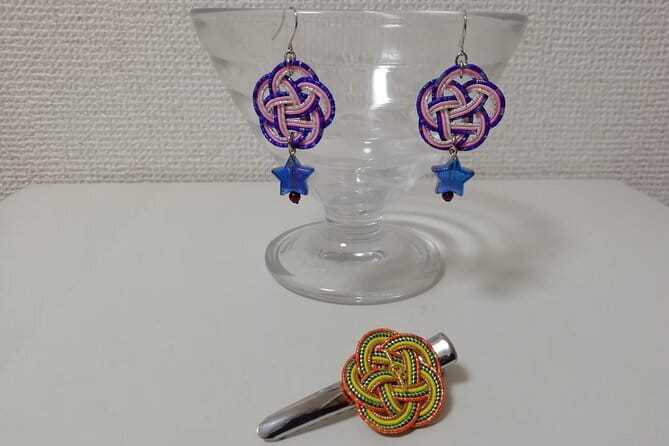
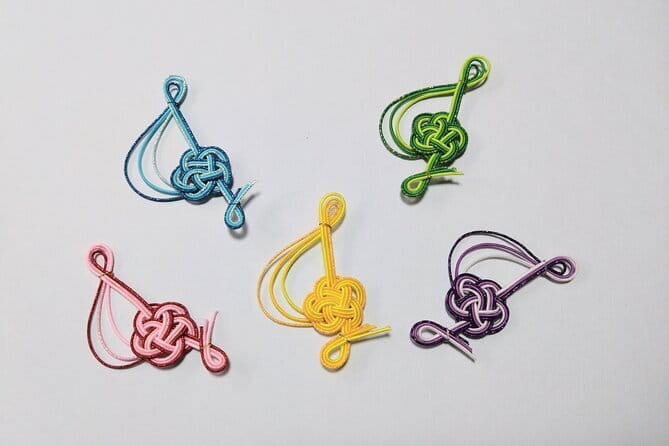
After the basic practice, you choose an accessory from the available samples. The choices listed include strawberry straps, floral hair ornaments, cute earrings, and mini baskets. Other small accessories and keychains may also be available, depending on the sample selection at the time.
This choice is important because the projects do not all ask for the same level of patience. A simple charm may suit you if you want a quick, relaxed activity. Earrings or a flower design may appeal more if you enjoy careful work and want a finished item with a stronger visual effect.
The class can also show you how a design that looks complicated is built from basic movements. A detailed lesson described work with a leaf knot and a flat plum knot, first using one cord and then combining two or three colors. You may not complete every design in an hour, but seeing this progression helps you understand how the craft develops.
I would look at the samples before choosing if you have a strong preference. The stated choices give you a good idea of the range, but the exact project selection is not fixed in the information provided. Tell the instructor what you hope to make, then choose a design that fits the time and your comfort with small hand movements.
The real value of patient, personal instruction
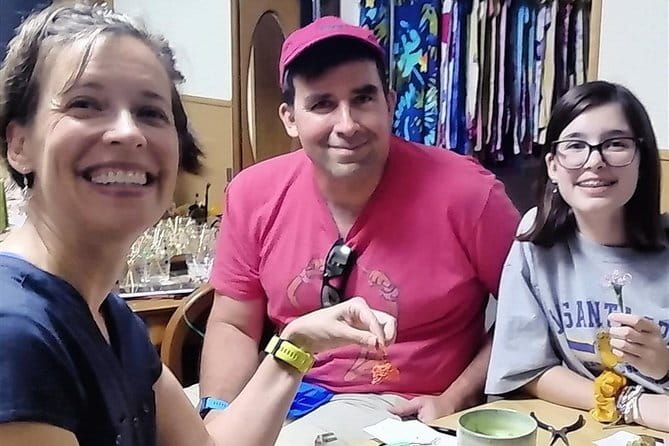
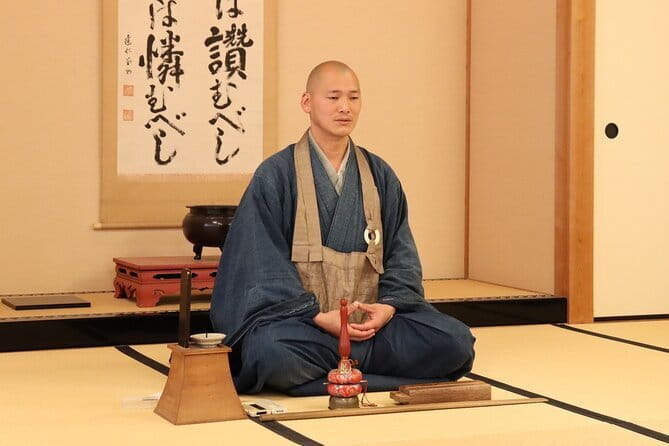
The class is a private activity, so only your own group takes part. That can make a large difference in a craft lesson. You do not have to keep pace with an unrelated group, and you can ask for a knot to be shown again without feeling that you are holding up a room full of people.
The class has also received full marks from all 11 recorded ratings, with 100 percent recommending it. The praise centers on the same practical strengths: a friendly teacher, simple instructions, patient help, and a welcoming setting. Those points are more useful than a high score alone because they tell you what the class does well.
One detailed account describes making flower earrings with close guidance. Another describes learning several knot types and working with multiple cord colors. A separate account mentions completing a cute keychain. These examples suggest that the workshop can adapt to different interests, though you should keep the one-hour duration in mind.
The tone appears warm rather than formal. The setting is described as small and authentic, and the shop can also rent kimono. Kimono rental is not part of the craft activity, but it may interest you if you are planning several traditional Japanese experiences in Kyoto.
Matcha, sweets, and a calm finish
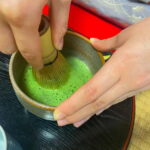
Once you have concentrated on the knots, the class ends with matcha and sweets. This is more than a snack break. Fine handwork can make you focus intensely, especially when you are checking whether a loop has crossed in the right place. The tea gives you a chance to stop working, look at the finished piece, and enjoy a quiet Kyoto-style pause.
The included refreshment is one of the clearest value points. At $19.60 per person, you are paying for the materials, instruction, finished craft, and matcha with sweets. That is a reasonable price for an activity that combines a lesson with a take-home item, especially if you value a personal souvenir more than another hour of sightseeing.
Still, value depends on what you want. If you mainly want a long cultural lecture or a large finished object, this is not the right choice. The class is short and focused. You are paying for a compact introduction, not a full artisan apprenticeship.
The tea also helps the activity feel complete. Without it, the class could feel like a quick production task. With it, the hour has a beginning, a period of focused work, and a gentle closing moment.


Location, timing, and what the one-hour length means
The meeting point is RakueJapan at 255 Nomura Building, second floor, in Shijōhorikawachō, Shimogyo Ward, Kyoto, postal code 600-8481. The location is near public transportation, and the activity begins and ends at the same place.
A mobile ticket is provided, which is useful when you are moving around Kyoto with a phone rather than carrying printed paperwork. Confirmation is received when you book. Since the activity is in an urban shop setting, allow yourself enough time to find the building and reach the second floor before the start.
The advertised duration is about one hour. That makes the class easy to fit between other Kyoto plans. You could place it alongside shopping, a meal, or sightseeing in central Kyoto without giving up half a day.
The short length also sets a limit. You will learn the main knot, practice it, choose a design, and make an accessory, but your pace matters. If you work slowly or want a complex multi-color design, you may need to focus rather than casually browse every sample.
The activity is popular and is booked about 38 days ahead on average. If you want an earlier time, contact RakueJapan as soon as possible. The provider may be able to open an earlier reservation slot, but this is not guaranteed.
Who will enjoy this craft most
I would recommend this for anyone who likes making things with their hands and wants a small souvenir with a clear connection to Japan. It suits couples, families, friends, and solo visitors, since the activity is private for your group.
You do not need to be a skilled crafter. The lesson starts with one cord and the basic abalone knot, and the available feedback suggests that beginners can follow the instructions. If you are not naturally good at small handwork, expect some trial and error, but do not assume that clumsy fingers rule you out.
This is also a good pick for a rainy day or for a break from temple and shrine sightseeing. The class offers a different way to spend an hour in Kyoto. You are still learning about a Japanese tradition, but you are doing so through touch and repetition rather than by reading a display or listening to a talk.
Children and adults may both find the activity appealing, but the supplied information only says that most people can participate. It does not give a specific minimum age, so families with young children should confirm that point before booking.
You may want to choose another activity if you dislike detailed handwork, have very little patience for repeating a knot, or want a longer workshop. The class is friendly and approachable, but it still requires concentration.
What is included and what you take home
Materials are included, along with matcha and sweets. You do not need to purchase the basic cord and supplies separately for the class itself.
The listed exclusions matter if you plan to continue the craft at home. Mizuhiki intended for non-gift items and the metal fittings needed to make accessories at home are not included. In practical terms, you can complete the workshop project, but you should not assume that you are leaving with a full home craft kit.
That distinction keeps the price clear. The fee covers the activity you book, not every material needed for future projects. If you become interested in making more earrings, charms, or ornaments, ask the instructor what supplies you would need.
The finished item is the main souvenir. Depending on your selected sample, it may be a strap, hair ornament, earring, keychain, mini basket, or another small decoration. The precise result depends on the design you choose and what is available during your session.
Booking, cancellation, and practical cautions
The price is $19.60 per person, and the activity accepts a mobile ticket. Confirmation arrives at booking, and the meeting point is close to public transportation.
Cancellation is free up to 24 hours before the local start time. Cancel at least 24 hours ahead for a full refund. Cancellations and changes made within 24 hours are not accepted for a refund, so check your Kyoto schedule carefully before the deadline.
The provider is Rakue. The Instagram account listed for the workshop is rakue9, where the finished work is published. You can use it to get a better sense of the style before choosing your project, though the available designs may vary.
The activity ends back at the meeting point. That makes onward planning simple, especially if you have a timed reservation later in the day.
Should you book the Mizuhiki workshop?
Book it if you want a friendly, compact craft lesson and a handmade Kyoto souvenir. The strongest reasons are the patient instruction, private group format, colorful design choices, and matcha finish. The price is fair for materials, guidance, tea, and something you can take home.
Skip it if you want a long, highly technical course or if repetitive handwork sounds tedious. One hour gives you a satisfying introduction, not mastery of the whole craft.
For most people who enjoy creative activities, I would make this a strong choice for a free hour in Kyoto. Contact RakueJapan early if you need a particular time, and arrive ready to slow down, follow the knot carefully, and let the finished piece be a little personal rather than perfectly factory-made.
FAQ
Where does the Mizuhiki workshop take place?
It takes place at RakueJapan, 255 Nomura Building, second floor, Shijōhorikawachō, Shimogyo Ward, Kyoto, postal code 600-8481.
How long does the activity last?
The activity lasts approximately one hour.
What is the price?
The listed price is $19.60 per person.
Is the activity private?
Yes. Only your own group participates in the private activity.
What will I make?
You begin with a small pochi bag and then choose an accessory from the samples. Options include strawberry straps, floral hair ornaments, earrings, mini baskets, and other small accessories such as keychains.
Will I learn a Mizuhiki knot?
Yes. You practice the basic abalone knot with one cord before using Mizuhiki to make your selected project.
Is matcha included?
Yes. Matcha and sweets are included in the activity.
Are materials included?
Yes. The materials needed for the workshop are included.
Are supplies for making more items at home included?
No. Mizuhiki for non-gift items and the metal fittings needed for making accessories at home are not included.
Can I cancel for a full refund?
Yes. You can receive a full refund if you cancel at least 24 hours before the local start time. Cancellations or changes within 24 hours are not accepted for a refund.
More tours in Kyoto we've reviewed






Kyoto, compared.
 ★ 5.0PERFECT KYOTO 1-Day Bus TourFrom $129
 ★ 4.8Kyoto: Fushimi Inari, Kinkakuji, Bamboo Grove 1 Day Bus TourFrom $122510 minutes - 9 hours
 ★ 4.9Kyoto: Tea Ceremony in a Traditional Tea House in KiyomizuFrom $4945 min
 ★ 4.7Kyoto Geisha Walking Tour: Gion District & Hidden GemsFrom $252 hours
 ★ 4.9Kyoto: Tea Ceremony Ju-An at Jotokuji TempleFrom $291h 10m
 ★ 4.3Kyoto: 45-Minute Tea Ceremony Lesson ExperienceFrom $2245 min