
Reviewed · HISTORICAL TOURS
Kyoto Private Tour: 1350 Years of History, Hotspots & Hidden Gems
Kyoto’s best day is not always about checking off temples. It is about having someone connect the famous places, steer you through the old lanes, and adjust the day to your group. This private tour links Fushimi Inari, Sanjusangendo, Kiyomizu-dera, Sannenzaka, Ninenzaka, and Nishiki Market in six hours.
I like the flexible format, especially for families with mixed interests. I also like the personal touch associated with guides such as Kazu and Risa, who have planned days around children, grandparents, dietary needs, and specific requests.
The main caution is pace. Six hours is enough for a strong introduction, but the itinerary is full, and transportation, meals, and two temple admissions cost extra. You should also expect plenty of walking and crowds at Kyoto’s most famous sites.
In This Review
- Key points to know before booking
- Why a private Kyoto day can be worth the price
- Starting at Fushimi Inari’s red torii gates
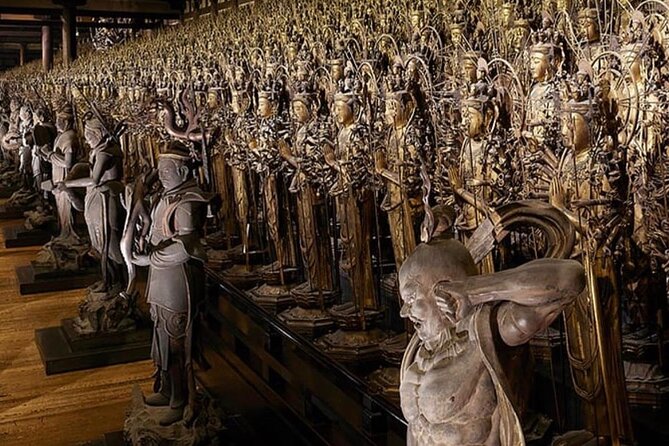
- Sanjusangendo and its thousand Kannon figures
- Sannenzaka and Ninenzaka for lunch and small purchases
- Kiyomizu-dera, Kyoto’s essential hillside temple
- Nishiki Market and Kyoto’s food culture
- What the guide adds to the experience
- Timing, transport, and the shape of the day
- Who should book this Kyoto tour?
- Should you book it?
- FAQ
- How long does the private Kyoto tour last?
- Where does the tour begin?
- Where does the tour end?
- Is transportation included?
- Are meals included?
- Do I need to pay temple admission fees?
- Is this a private group tour?
- Can most people participate?
Key points to know before booking
- A private six-hour route: Only your group joins the tour, so you can discuss interests and adjust the day with your guide.
- Kyoto’s major sights in one sweep: The route connects Fushimi Inari, Sanjusangendo, Kiyomizu-dera, the eastern hillside lanes, and Nishiki Market.
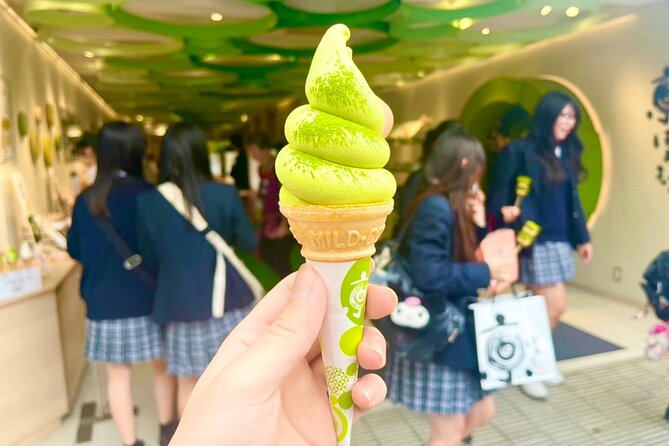
- A useful food break: Sannenzaka and Ninenzaka offer green tea ice cream, yatsuhashi, souvenirs, and other Kyoto specialties.
- Guides who plan for families: Kazu has handled groups with teenagers, grandparents, and kosher dietary requirements, while Risa has led highly personalized days.
- A station-to-downtown route: Begin at Kyoto Station and finish around Kawaramachi or your hotel, which can make the tour useful for getting oriented.
- Extra costs are clear: Lunch is generally ¥1,000 to ¥2,000 per person, transportation is listed at ¥1,000 per person per day, and Sanjusangendo charges ¥600 per person.
Why a private Kyoto day can be worth the price
The tour costs $178 per person, which is not a bargain basement sightseeing outing. You are paying for a private guide rather than a large group, and that changes the day in useful ways.
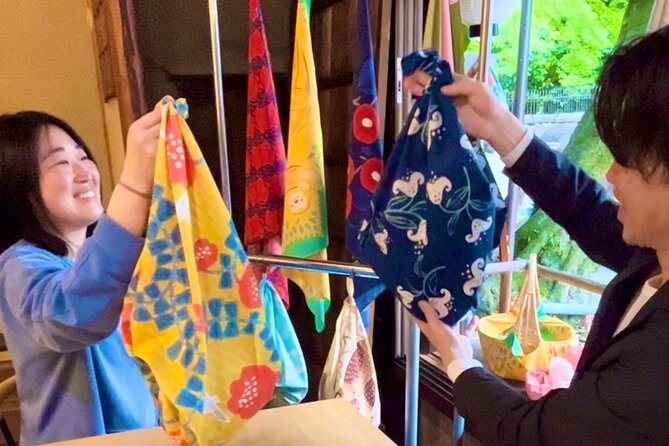
A guide can explain why a place matters, help you follow local customs, and alter the order or focus when your group needs a break. Families may value this more than solo sightseers, since a private guide can balance temple visits with food stops and shopping.
The strongest value comes when you arrive with a plan but not a rigid checklist. Kazu has arranged days for families visiting both Kyoto and Osaka, including groups with children aged 11 to 15, grandparents, and special food requirements. That suggests a practical strength: you can explain what your group can manage before the day begins.
The price does not cover lunch, dinner, transportation, or the ¥600 admission to Sanjusangendo. Kiyomizu-dera also has an admission charge, though the supplied details do not specify the amount. Add those costs before comparing this with a standard group tour.
If you are comfortable using Kyoto’s public transportation and researching temples yourself, the price may feel high. If you want one person to organize a demanding day and explain what you are seeing, the private format can justify the expense.
Other private tours in Kyoto
Starting at Fushimi Inari’s red torii gates
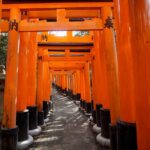
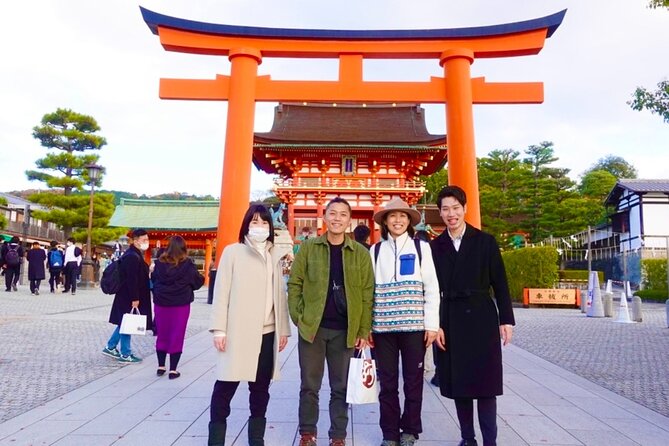
Fushimi Inari-taisha is the dramatic opening stop. Its long corridors of orange torii gates are instantly recognizable, and walking beneath them gives the visit a sense of movement rather than a quick temple-photo stop.
You receive about one hour here. The timing is enough to experience the gates and hear about the shrine’s religious importance, but it is not a full exploration of every path. The description specifically highlights late-evening walks, when the gates can feel more hushed and mysterious. Confirm the exact start time with your guide if this atmosphere matters to you, since the meeting point is listed at Kyoto Station and the day includes several other stops.
Fushimi Inari is free to enter, which helps balance the paid temples later. It is also close to public transportation, although the tour includes extra transportation costs when private or other arranged transport is used.
The shrine is one of Kyoto’s most photographed places, so do not expect solitude. The private guide’s value here is less about finding the entrance and more about helping you appreciate the setting, avoid wasting time, and fit the visit to your group’s energy.
Sanjusangendo and its thousand Kannon figures
Sanjusangendo offers a very different experience from Fushimi Inari. Inside the temple, you see a magnificent central statue surrounded by one thousand life-sized Kannon statues. The effect comes from repetition and scale, not bright colors or sweeping outdoor views.
You have about one hour, including time for the ¥600 admission fee per person. That fee is not included, so keep yen available or confirm accepted payment methods before leaving.
This stop is especially useful for you if you want more than the standard Kyoto highlights. The temple gives your guide a chance to explain Buddhist imagery and the role of Kannon, while you stand in a space that feels calm and ordered after the noise of the streets.
Photography rules and interior conditions may limit what you can record, so treat this as a place to look carefully rather than collect pictures. The one-hour allocation is sensible, but the full day leaves little room for lingering if your group spends extra time here.
Sannenzaka and Ninenzaka for lunch and small purchases
Sannenzaka and Ninenzaka are old hillside streets near Kiyomizu-dera. This is the tour’s most relaxed stop, with about one hour set aside for food, sweets, and souvenirs.
You can look for green tea ice cream, yatsuhashi, and other Kyoto desserts. These streets are also a useful place to browse gifts without setting aside a separate shopping expedition. Lunch is not included, and the expected cost is about ¥1,000 to ¥2,000 per person.
I like this stop because it gives the day a needed change of pace. After two temple visits, you can eat, shop, and ask your guide which local foods fit your preferences. The guide can also help explain customs around eating and shopping, which is useful if this is your first visit to Japan.
The drawback is the terrain. Sannenzaka and Ninenzaka are sloped, and the route involves walking. The information says most people can participate, but anyone with mobility concerns should discuss the route in advance. The streets can also become crowded, especially during peak sightseeing periods, so keep your group together.
Kiyomizu-dera, Kyoto’s essential hillside temple
Kiyomizu-dera receives about one hour and 40 minutes, the longest allocation of the day. That makes sense. It is one of Kyoto’s oldest and best-known temples, and it offers more to see than a quick entrance and exit.
The temple is famous enough to draw millions of visitors each year. You should expect crowds, particularly around the main viewing areas and the approach through the old streets. Still, it earns its place here. A visit to Kyoto feels incomplete for many people without seeing Kiyomizu-dera.
Your guide can give the temple more meaning by explaining its religious role and pointing out details that are easy to miss when you are focused on photographs. The long stop also leaves time for your group to move at a reasonable pace, though it does not guarantee a quiet visit.
Admission is not included. Since the tour already includes another paid temple, budget for both fees. Exact Kiyomizu-dera pricing is not provided here, so check the current rate before booking.
The temple’s hillside setting and the approach streets make comfortable shoes a must. If you are traveling with children, older family members, or anyone who tires easily, tell the guide before the day begins. One strength of a private tour is the chance to make those adjustments instead of holding up a large group.
Other historical tours in Kyoto
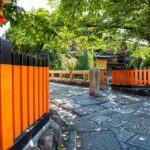
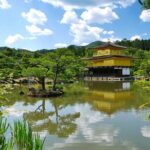
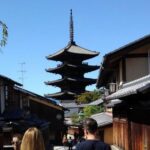
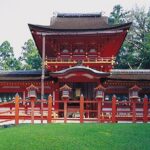
Nishiki Market and Kyoto’s food culture
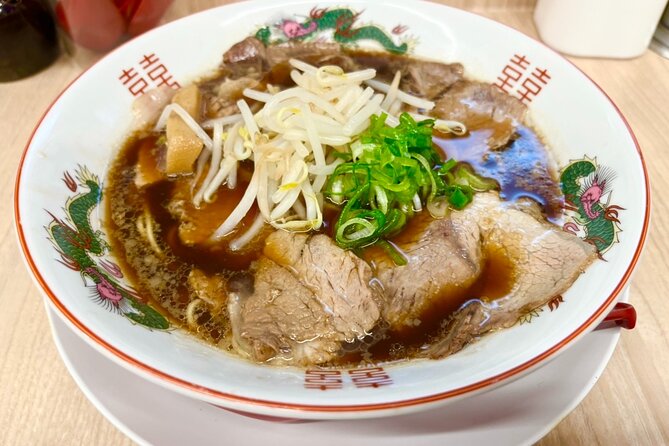
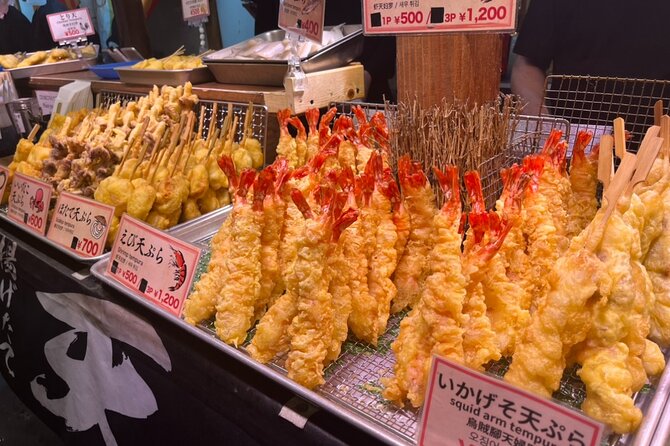
Nishiki Market finishes the sightseeing route around central Kyoto. With about one hour and 20 minutes, you have time to browse food stalls and shops rather than simply walk through the market.
The market has more than 400 years of history and is known for Kyoto food and food products. This is the place to ask your guide about local specialties, unfamiliar ingredients, and popular snacks. The tour also highlights food spots that are popular on Japanese social media, so you may get a mix of long-established market traditions and current food trends.
Nishiki Market is free to enter, but you will likely want money for snacks or purchases. Lunch is listed separately, so clarify with the guide how the food stop fits into your day. The itinerary places lunch around Sannenzaka and Ninenzaka, while Nishiki is a later shopping and food stop.
A market visit is more enjoyable when you do not rush. The 80-minute stop is helpful, but your time may feel short if you stop often. Keep purchases modest unless you know how you will carry them for the rest of the day.
What the guide adds to the experience
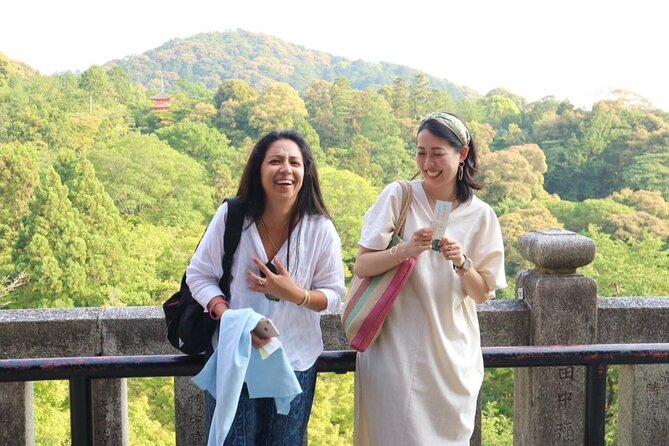
The tour’s central selling point is not simply the number of sights. It is the guide’s ability to shape a day around your group.
Kazu has planned Kyoto and Osaka itineraries for families, helped groups with kosher food needs, and arranged a private Kyoto day starting from Osaka. His style, based on the information provided, is attentive without taking over the family’s private time. That matters when you are traveling with several generations or teenagers who may not want a lecture at every stop.
Risa has also led personalized Kyoto days. Her approach is described as carefully designed around the group rather than delivered as a fixed script. When you book, ask which guide is available and share the details that affect your day: children’s ages, food restrictions, walking limits, temple interests, shopping plans, and your preferred pace.
This is also a good tour for first-time visitors who want local guidance without joining strangers. Only your group participates, so questions are easier and the guide can spend more time on the topics you care about.
The guide can also help with local customs. Kyoto’s temples and shrines are open to visitors, but respectful behavior matters. Practical reminders about where to walk, when to bow, and how to behave around religious spaces can make the day more comfortable.
Timing, transport, and the shape of the day
The meeting point is Kyoto Station, at Higashishiokoji Kamadonocho in Shimogyo Ward. The tour finishes on Kawaramachi-dori Street or around your hotel. This northward movement from the station toward central Kyoto can be useful if you are still learning the city.
Transportation is not included. The listed transportation estimate is ¥1,000 per person per day, so ask how your particular route will be handled. The experience is near public transportation, but the exact balance of trains, buses, taxis, or walking is not specified.
The listed stop times add up to about six hours:
- Fushimi Inari: one hour
- Sanjusangendo: one hour
- Sannenzaka and Ninenzaka: one hour
- Kiyomizu-dera: one hour and 40 minutes
- Nishiki Market: one hour and 20 minutes
That is a well-filled day. Travel between stops, meals, shopping, and temple admissions all need to fit inside the schedule. You should not expect long unscheduled breaks unless the guide changes the plan.
The private format helps, but it does not erase Kyoto’s distances or crowds. Wear supportive shoes, carry water, and keep your shopping manageable. If one site matters most to you, say so before the tour starts.
Who should book this Kyoto tour?
I would recommend it most strongly for first-time Kyoto visitors who want the major sights explained in a single day. It also suits families and multigenerational groups, especially when people have different interests or physical abilities.
It is a good match for you if you want to combine temples, food, shopping, and practical cultural guidance. The guides’ experience with teenagers, grandparents, and kosher food needs is useful evidence that special requests can be discussed.
You may prefer a self-guided day if you want to spend several hours at one temple, photograph the torii gates at your own pace, or keep costs low. You may also find the schedule too tight if your group dislikes early starts, slopes, crowds, or frequent changes of scene.
Free cancellation is available when you cancel at least 24 hours before the start time. Changes or cancellations made inside that period are not accepted for a refund.
Should you book it?
Book this tour if you value personal planning more than the lowest possible price. For $178 per person, plus food, transportation, and admissions, you get a private six-hour introduction to Kyoto’s most important sights and food districts.
I especially like it for families who need a flexible day and for first-time visitors who want help making sense of temples, shrines, customs, and local food. Ask for Kazu or Risa if available, explain your priorities in advance, and decide which stop deserves the most time.
Skip it if you already know Kyoto well or prefer a slow, self-directed temple day. For everyone else, the combination of famous landmarks, old streets, market food, and a guide who can adapt the route makes this a practical way to get your first strong look at Kyoto.
FAQ
How long does the private Kyoto tour last?
The tour lasts approximately six hours.
Where does the tour begin?
It begins at Kyoto Station, at Higashishiokoji Kamadonocho in Shimogyo Ward, Kyoto.
Where does the tour end?
It ends on Kawaramachi-dori Street or around your hotel in the Kyoto Kawaramachi area.
Is transportation included?
No. Transportation is listed separately at approximately ¥1,000 per person per day.
Are meals included?
No. Lunch and dinner are not included. Lunch is estimated at ¥1,000 to ¥2,000 per person, while dinner is estimated at ¥1,000 to ¥5,000 per person.
Do I need to pay temple admission fees?
Yes. Sanjusangendo charges ¥600 per person, and that fee is not included. Kiyomizu-dera admission is also not included, though no amount is specified.
Is this a private group tour?
Yes. Only your group participates in the activity.
Can most people participate?
Yes. The experience is near public transportation, and most people can participate. The route includes several walking stops and the sloped streets of Sannenzaka and Ninenzaka, so discuss mobility needs with the guide in advance.
More Historical Tours in Kyoto
More Private Tours in Kyoto
More tours in Kyoto we've reviewed
Historical Tours, compared.
 ★ 5.0World Heritage Kyoto & Nara Uji Authentic Matcha ExperienceFrom $129
 ★ 5.0Kyoto Gion Historical Walking TourFrom $40
 ★ 5.0Historical Kyoto E-Bike TourFrom $99
 ★ 4.9Kyoto: Private 2.5 Hour Historical Walking TourFrom $802 hours
 ★ 4.8From Kyoto: Nara History Guided Half Day Bus Tour with LunchFrom $776 hours
 ★ 4.6Uji: UNESCO Heritage & Tea Ceremony Walking TourFrom $663 hours