
Reviewed · KYOTO
Sacred Pathways: Discover the Philosopher’s Path of Kyoto
Kyoto’s Philosopher’s Path is at its best when you have time to notice the small things: the canal slipping beside the walkway, moss under the trees, a quiet garden, or an old aqueduct appearing between temple buildings. This four-hour walking tour links that peaceful route with Ginkakuji and Nanzenji, two of Kyoto’s most important sights.
I especially like the slow pace and the fact that a guide gives the temples cultural context instead of leaving you to admire pretty rocks and buildings without knowing why they matter. I also like the small groups of no more than eight, which make it easier to ask questions and move quietly through this residential temple district. The main consideration is the roughly 5-kilometer walk, so this is not the right pick if you need frequent rests or prefer a mostly seated sightseeing experience.
In This Review
- Key points to know before booking
- Why the Philosopher’s Path works so well on foot
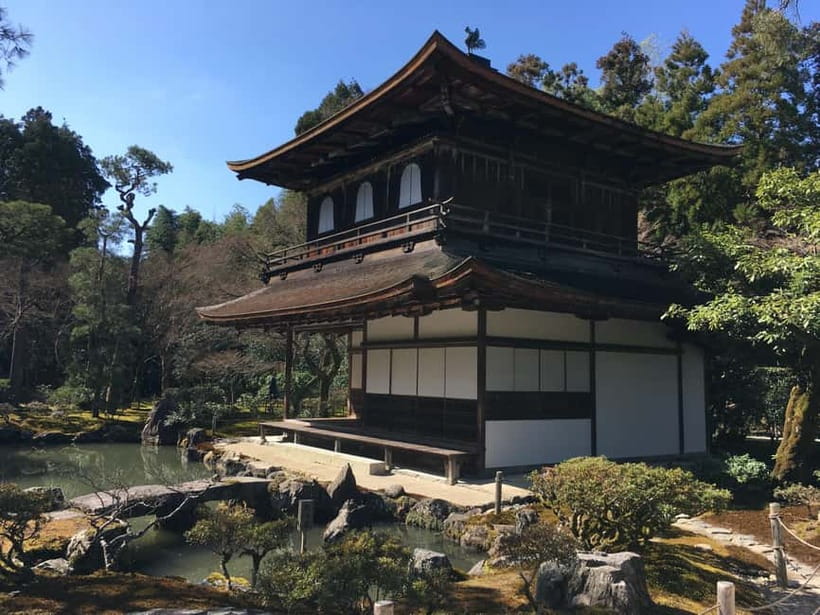
- Ginkakuji, the Silver Pavilion and its garden
- Zen ideas along the canal
- Nanzenji and the striking aqueduct
- What $64 includes, and what it does not
- The four-hour pace and physical effort
- Who should take this Kyoto walk?
- How this compares with exploring alone
- Final verdict: a strong choice for a thoughtful half-day
- FAQ
- How long does Sacred Pathways last?
- How far do you walk?
- Which Kyoto sights are included?
- Are entrance fees included?
- Is food or drink included?
- What languages are available?
- How large are the groups?
- Can children join the tour?
Key points to know before booking
- Ginkakuji provides the visual centerpiece: Its carefully arranged garden and famous Silver Pavilion are the tour’s most polished stop.
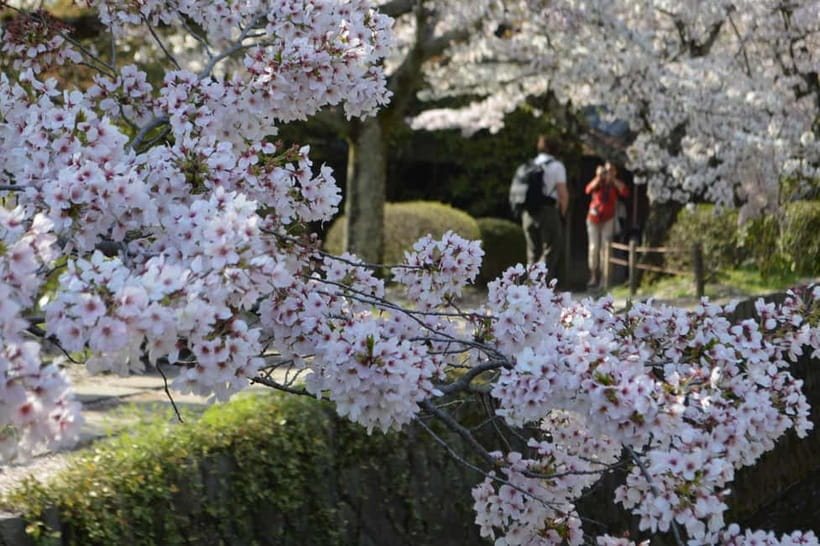
- The Philosopher’s Path is about more than temples: You walk beside a tree-lined canal, with nature, small shops, cafes, and quieter corners along the way.
- Nanzenji adds grand scale: The temple’s architecture and imposing brick aqueduct provide a strong contrast to the intimate path.
- Guides shape the experience: Kevin and Craig are named in the feedback, and both are long-term Kyoto residents who explain local history and customs in English. French tours are also available.
- The price covers temple entry: At $64 per person, the tour includes admission fees and a digital city guide, but not food or drinks.
- The walking distance matters: Expect about 5 kilometers over four hours, with a moderate fitness requirement and no children under 10.
Why the Philosopher’s Path works so well on foot
The Philosopher’s Path follows a canal along the base of Kyoto’s Eastern mountains. It is not a grand avenue or a single famous monument. Its appeal comes from the gradual change of mood as you walk.
You hear running water beside the path. Trees shade sections of the route. Small cafes and shops offer places to pause, though any food or drink you buy is extra. The setting invites you to slow down, and that is important in Kyoto, where a rushed temple checklist can blur together after a day or two.
I like this kind of tour because the walking connects the sights. You are not simply being dropped at one temple, given a few minutes for photographs, and moved along. The path gives you time to ask why Zen gardens look the way they do, how religious ideas shaped Japanese arts, and what makes a temple garden more than a decorative park.
Crowds can change the feel of the route. The supplied experiences describe stretches with very few other people, but that should not be treated as a guarantee. Season, weather, and time of day all matter. One particularly useful point is that rain may not ruin the outing. Wet stone, moss, and garden gravel can create a different mood, while fewer people may be out walking. Still, bring suitable shoes and rain protection if the forecast is poor.
If you're still narrowing it down, here are other tours in Kyoto we've reviewed.

Ginkakuji, the Silver Pavilion and its garden
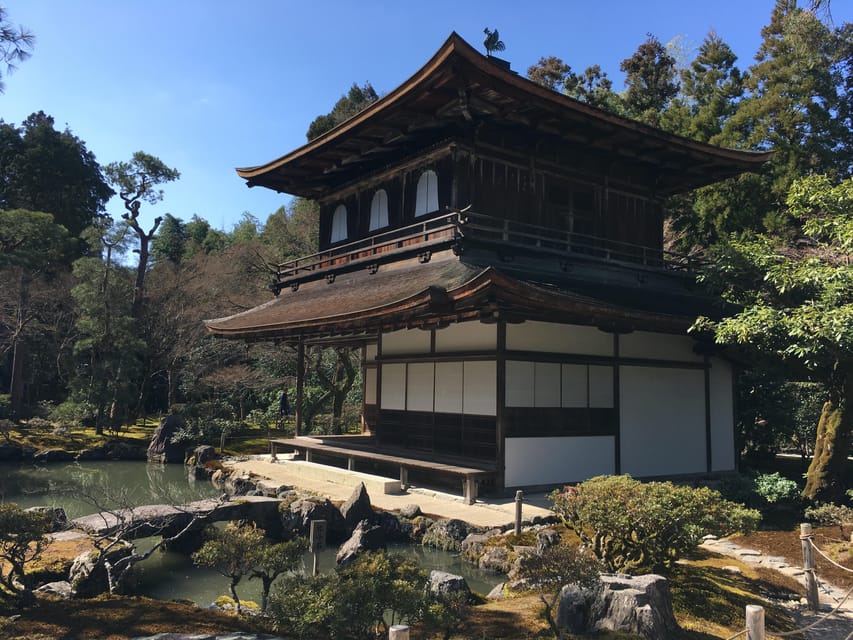
Ginkakuji is often called the Silver Pavilion, although its name can create the wrong picture. You should not expect a gleaming silver building. The real prize is the setting: the pavilion, the gardens, the moss, and the careful use of space.
The garden gives you a good introduction to Japanese design. Raked gravel, shaped banks, stones, water, and clipped greenery are arranged with restraint. Nothing feels accidental, yet the garden does not look crowded with decoration. A guide can help you see how Zen ideas influenced this preference for simplicity, balance, and quiet attention.
This is where having context earns its keep. On your own, you can recognize a beautiful garden. With an English or French-speaking guide, you can connect the garden to wider Japanese culture and to the role of Zen in painting, tea, architecture, and other arts. The tour description promises insight into those links, and that focus is one of its strongest features.
Give yourself time for photographs, but do not expect a private visit. Ginkakuji is one of Kyoto’s best-known temple sites, so other people may be present. The relaxed schedule helps, since you are less likely to feel pushed from one viewpoint to the next.
The entrance fee is included, which keeps the visit simple. You do not need to calculate admission costs at the gate or keep small change ready. That convenience is modest, but it matters during a full day of Kyoto sightseeing.
Zen ideas along the canal
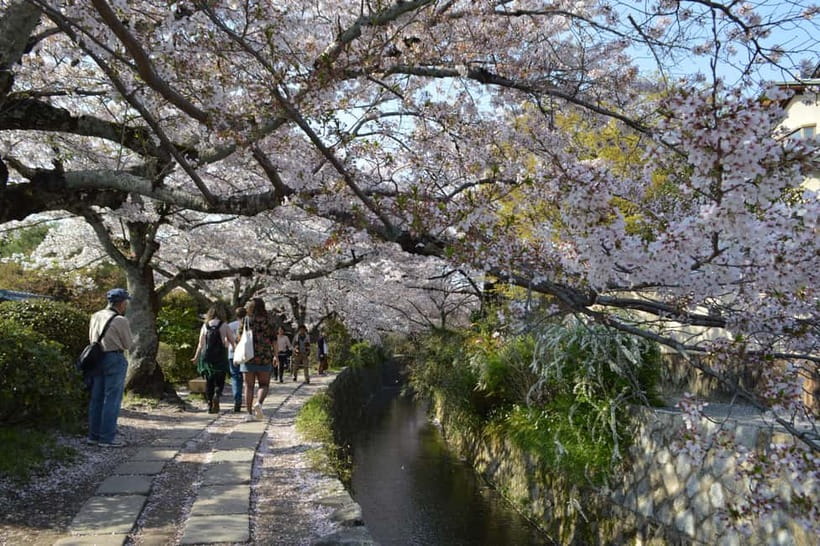
The path between the temples is the heart of the outing. This is not a lecture delivered while you stare at a map. The guide explains ideas as they appear in the places around you.
You might pause beside the canal to take in the trees and water, then move into a temple setting where gravel and stones carry a more formal message. That contrast helps explain why Zen is not limited to meditation halls. Its influence reaches into garden design, architecture, tea, visual arts, and the way space is used.
I would ask your guide about details that catch your eye. Why is a certain area left empty? How are stones placed? What does a garden ask you to notice first? The guide’s value is not just in naming buildings. It is in helping you ask better questions.
The local perspective also adds practical value. Kevin is praised for his history, cultural insight, good humor, and useful recommendations. Craig is described as an easygoing guide who has lived in Kyoto for 13 years and welcomes questions. Guides can vary, but the company says its staff are long-term Kyoto residents, so you can expect the conversation to go beyond basic sightseeing facts.
Small groups help here. With eight people or fewer, you have a better chance of hearing the explanation and stopping without blocking the path. There are no flags, microphones, or buses. That makes the outing feel more like walking with an informed local than joining a large procession.
Nanzenji and the striking aqueduct
Nanzenji gives the tour a powerful final counterpoint to Ginkakuji’s refined garden. It is one of Kyoto’s most prominent Zen temples, with impressive architecture and a broad, formal presence.
The aqueduct is the most unexpected feature. Its brick arches look almost European, and they bring an industrial touch into a temple district better known for timber, stone, and gardens. That contrast makes Nanzenji memorable. You are not looking at one more wooden gate. You are seeing how Kyoto combines old religious sites with practical infrastructure from a later period.
The temple grounds also help make sense of Zen as an institution, not only as a set of peaceful garden principles. The scale is larger, the architecture more imposing, and the setting gives your guide room to explain how major Zen temples functioned within Kyoto’s religious and cultural life.
Your time at Nanzenji will depend on the guide’s route and the pace of your group. The tour is designed to move gently from stop to stop, not to cover every corner of the temple complex. That is a benefit if you want a focused introduction, but a limitation if you hope to explore every building at length.
What $64 includes, and what it does not
At $64 per person, this is priced as a guided cultural walk rather than a basic stroll. The fee includes all entrance fees, a bilingual guide, and a digital city guide. You are paying for interpretation, organization, and the ability to connect several important places in one half-day.
The value is strongest if you would otherwise visit Ginkakuji and Nanzenji without much background. Admission savings alone will not define the deal. The real question is how much you want help understanding what you see.
Food and drinks are not included. That is reasonable for a walking tour with cafes along the route, since you can decide if and when you want tea or a snack. Just carry water and budget separately for any cafe stop.
The digital city guide is a useful extra for planning the rest of your Kyoto days, though the supplied information does not specify its exact contents. Kyoto Fun has operated locally since 2014 and says it has served more than 20,000 customers. It also offers restaurant recommendations, which may be handy after a half-day in the Eastern mountains.
The booking terms are traveler-friendly. You can reserve now and pay later, and cancellation is free up to 24 hours before the tour for a full refund. The meeting point varies by the option you choose, so check that detail carefully rather than assuming every departure begins in the same place.

The four-hour pace and physical effort
Four hours sounds gentle, and the pace is described as relaxed, but you should still treat this as a real walking tour. The route covers about 5 kilometers, or roughly 3 miles, with time spent standing at temples and gardens.
The moderate fitness requirement is the most important practical detail. Comfortable walking shoes will serve you better than stylish but stiff footwear. The path is not presented as strenuous mountain hiking, but the total distance can feel tiring after several days of temple visits.
The slower pace is a major advantage for photographers and curious people. You can stop for pictures, ask questions, and notice the moss, water, architecture, and garden lines without racing to keep up. Several experiences specifically praise the guides for matching the group’s speed.
The tour is not suitable for children under 10, and the company asks families with younger children to inquire about a private tour. It is also listed as unsuitable for people over 95. A private option may offer more flexibility, but the supplied details do not state how much extra it costs or exactly how the schedule changes.
Who should take this Kyoto walk?
I would choose this tour if you want a calm introduction to Kyoto’s eastern temple district and prefer cultural explanation over a fast list of sights. It suits first-time visitors who want to understand Zen gardens, as well as repeat visitors who would like to see the area at a quieter pace.
It is also a good match for people who enjoy asking questions. Kevin and Craig receive repeated praise for their friendly manner, local experience, and ability to explain Japanese history and culture in clear English. That personal exchange can make a big difference when the subject is unfamiliar.
Photographers should find plenty to work with, from the canal and trees to Ginkakuji’s gravel garden and Nanzenji’s aqueduct. The pace leaves room for photos instead of treating them as an inconvenience.
I would be less inclined to book it if you have limited mobility, dislike walking several miles, or want a broad bus tour covering many parts of Kyoto. This outing stays focused on one area. It offers depth and calm rather than maximum coverage.
French speakers can book a tour with a French-speaking guide, while English tours are also available. Private and small-group formats are offered, but the standard small group never exceeds eight people.
How this compares with exploring alone
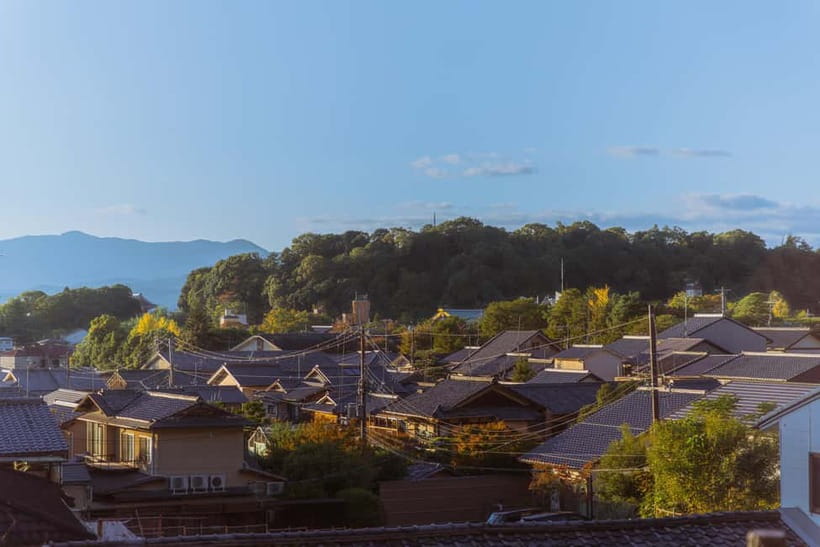
You can walk the Philosopher’s Path independently. The route itself is accessible as a public walkway, and the temples can be visited without joining a group. Going alone gives you complete control over pauses, cafe stops, and the amount of time spent at each site.
The tradeoff is interpretation. A sign may tell you the name of a building, but it may not explain why a garden uses empty space, how Zen shaped the arts, or how the temple district fits into Kyoto’s story. The guide is most valuable in those quiet gaps between facts.
A self-guided visit may also tempt you to hurry. Ginkakuji, Nanzenji, and the Philosopher’s Path can look like separate checklist items. This tour treats them as parts of one cultural setting, which is a better way to understand the area.
You should also consider the convenience of included admission. No wallet fumbling at each entrance is a small benefit, especially when you are carrying a camera, umbrella, or guidebook. The tour removes a few decisions without turning the day into a rigid schedule.
Final verdict: a strong choice for a thoughtful half-day
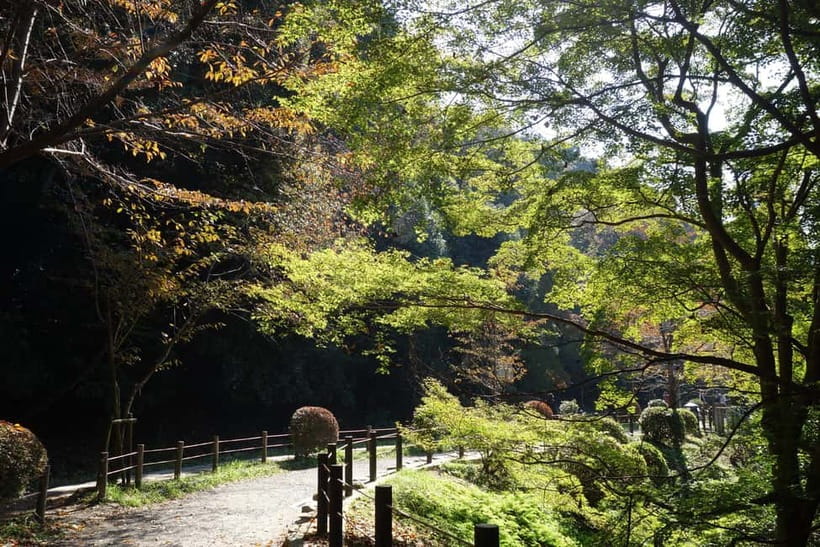
Book Sacred Pathways if you want Kyoto at walking speed, with a guide who can explain the meaning behind its gardens and temples. The strongest reasons are the small group size, relaxed pace, included entrance fees, and focus on the connection between Zen and Japanese culture.
The $64 cost is fair for a four-hour guided walk that includes Ginkakuji, Nanzenji, and a local digital guide. It becomes especially good value if you would otherwise miss the significance of what you are seeing.
Skip it if 5 kilometers feels like too much, if you want a child-friendly outing for children under 10, or if your priority is covering as much of Kyoto as possible. For everyone else, this is a well-focused way to spend a half-day in one of Kyoto’s most peaceful and visually rewarding districts.
FAQ
How long does Sacred Pathways last?
The tour lasts four hours.
How far do you walk?
The tour covers about 5 kilometers, or 3 miles, so a moderate level of fitness is required.
Which Kyoto sights are included?
The experience includes the Philosopher’s Path, Ginkakuji Temple, and Nanzenji Temple, including its notable aqueduct.
Are entrance fees included?
Yes. All entrance fees are included in the tour price.
Is food or drink included?
No. Food and drinks are not included, although cafes and shops line parts of the route.
What languages are available?
Live guided tours are available in English and French.
How large are the groups?
Private and small-group options are available. The standard small groups have no more than eight people.
Can children join the tour?
The tour is not suitable for children under 10. Families who want to book with younger children are asked to inquire about a private tour.
More tours in Kyoto we've reviewed





Kyoto, compared.
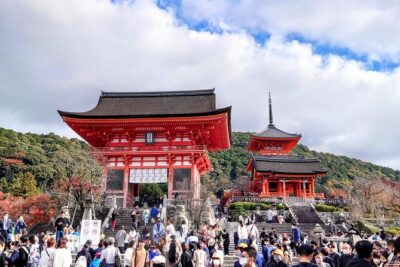 ★ 5.0PERFECT KYOTO 1-Day Bus TourFrom $129
 ★ 4.8Kyoto: Fushimi Inari, Kinkakuji, Bamboo Grove 1 Day Bus TourFrom $122510 minutes - 9 hours
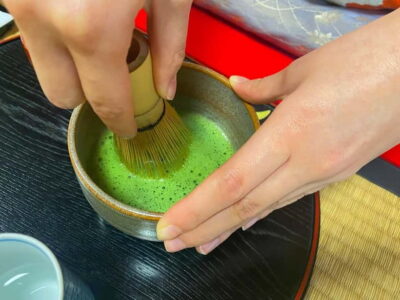 ★ 4.9Kyoto: Tea Ceremony in a Traditional Tea House in KiyomizuFrom $4945 min
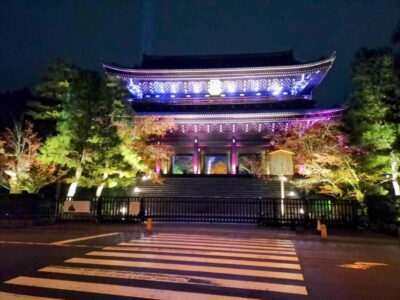 ★ 4.7Kyoto Geisha Walking Tour: Gion District & Hidden GemsFrom $252 hours
 ★ 4.9Kyoto: Tea Ceremony Ju-An at Jotokuji TempleFrom $291h 10m
 ★ 4.3Kyoto: 45-Minute Tea Ceremony Lesson ExperienceFrom $2245 min