Reviewed · 1-HOUR EXPERIENCES
1-Hour Japanese Archery Experience in Kyoto
Kyudo is not a quick round of target practice. It is a formal Japanese martial art built around breathing, posture, calm movement, and intention. In this one-hour Kyoto session, you learn the basics from a teacher with more than 50 years of experience, then take your turn with a traditional bow and arrow.
I like the hands-on instruction, with the teacher guiding your feet, arms, and bow hold rather than simply explaining from across the room. I also like the small maximum group of four, which gives you a close look at each step and a chance to ask questions.
The main thing to know is that you will not shoot arrows nonstop for an hour. Several sessions give each person about four shots, so this suits you best if you want a cultural introduction to kyudo, not a long archery workout.
In This Review
- Key points to know before you book
- Kyudo in Kyoto is about form, not fast shooting
- A working studio rather than a staged attraction
- The opening lesson gives kyudo its meaning
- Learning the stance, feet, arms, and bow hold
- Taking your turn with the bow and arrow
- Why the teacher makes such a difference
- English support and the language question
- Is the $46.47 price good value?
- Who will get the most from this Kyoto activity?
- What to bring and how to prepare
- The best way to fit it into a Kyoto day
- Should you book this kyudo lesson?
- FAQ
- How long does the Japanese archery experience last?
- Where does the experience begin and end?
- Is kyudo equipment included?
- How many people can join the class?
- Will I shoot arrows for the whole hour?
- Is the lesson suitable for beginners?
- Is English translation available?
Key points to know before you book
- A 50-year kyudo teacher leads the lesson: You learn directly from an experienced instructor with a long connection to the art.
- About four people may share the class: The small group allows individual help, but it is not necessarily an exclusive private lesson.
- Expect technique before target practice: Breathing, posture, foot placement, and bow handling matter as much as hitting the target.
- Hands-on guidance is part of the teaching style: The instructor may physically adjust your stance and bow hold, so contact the provider ahead of time if you prefer another approach.
- English translation support may be available: An assisting student has helped explain the demonstrations and philosophy in English.
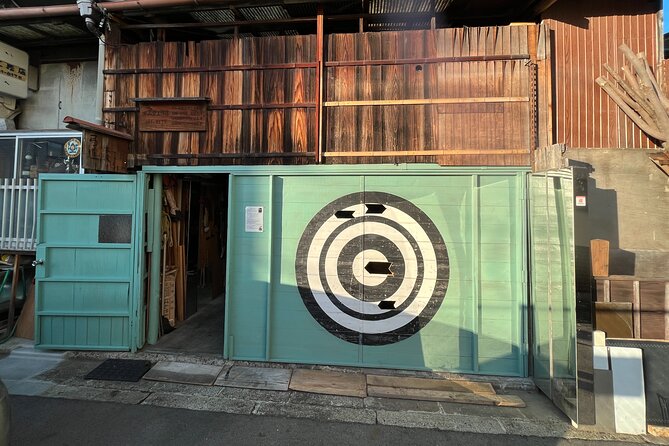
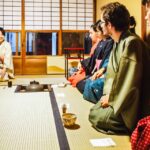
- The session takes place at a working kyudo space: It feels more like a local practice facility than a polished tourist attraction, with fans instead of air conditioning.
Kyudo in Kyoto is about form, not fast shooting
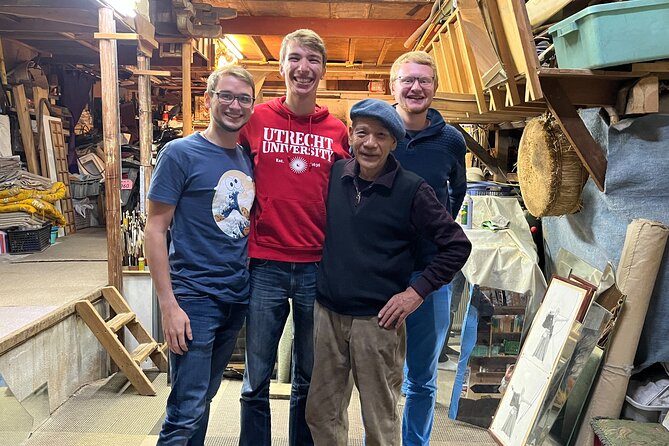
The appeal of this activity is its focus. Modern archery often centers on speed, distance, and accuracy. Kyudo asks you to slow down and treat the entire movement as part of the practice.
You begin by learning about the history and meaning of kyudo. The teacher explains the art, his own long experience, and the purpose behind its careful routines. You may also receive reading material to help put the lesson in context.
This opening matters because it changes how you see the bow. You are not simply handed equipment and told to aim at a target. You learn that breathing, intention, posture, and controlled movement are part of the shot.
That can be a pleasant surprise if you enjoy traditional arts. It can also feel slow if you booked this expecting repeated target practice. I would set your expectations clearly: this is a short first lesson in kyudo, not a full training session.
A few more Kyoto tours and experiences worth a look


A working studio rather than a staged attraction
The meeting point is Kyudo Experience at 22-2 Mibuaiaicho, Nakagyo Ward, in central Kyoto. The session ends at the same place.
The space has been described as a garage or home-based studio, with equipment belonging to regular students kept on site. Local students may practice before or after your lesson. That detail gives the experience a useful sense of reality. You are seeing a place where kyudo is practiced, not a set built only for visitors.
You should also know that the space is indoors but may not have air conditioning. Fans are used, and warm weather could affect your comfort. Dress for movement and consider the season when booking. The activity requires a moderate level of physical fitness, but the supplied details do not describe a demanding exercise routine.
The address is in central Kyoto, but it may not be next door to your hotel. One family found that a bus brought them within about a 10-minute walk of the studio. Check your route before leaving, and allow time to find the exact entrance.
The opening lesson gives kyudo its meaning
At the start, you meet the teacher and the other members of your small group. The instructor introduces the history and art of kyudo, along with the ideas behind its movements.
This is where the experience earns much of its value. You learn that the shot begins before the arrow leaves the bow. Breathing and setting an intention help establish the calm state needed for the movement. The practice is deliberate, and the routine has meaning beyond simply striking a target.
An English-speaking student or assistant may help translate. The teacher speaks mostly Japanese in some sessions, but demonstrations and slow, careful instruction make the physical lesson easier to follow. The translation support is especially useful for explaining the cultural side of kyudo, not just the mechanics.
You should feel free to ask questions. The teacher has spent decades with the bow, and the lesson becomes more useful when you understand why each movement is performed.
Learning the stance, feet, arms, and bow hold
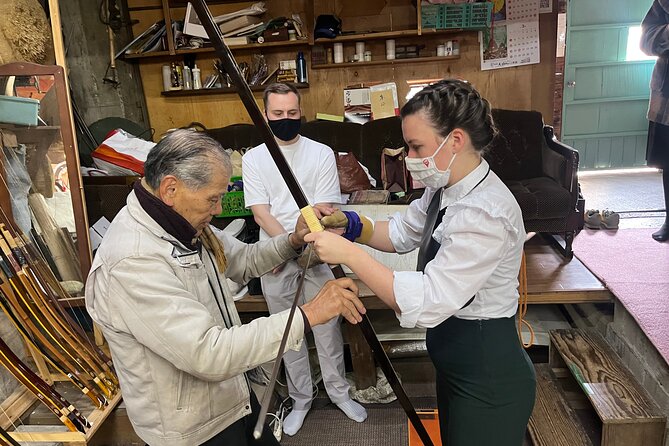
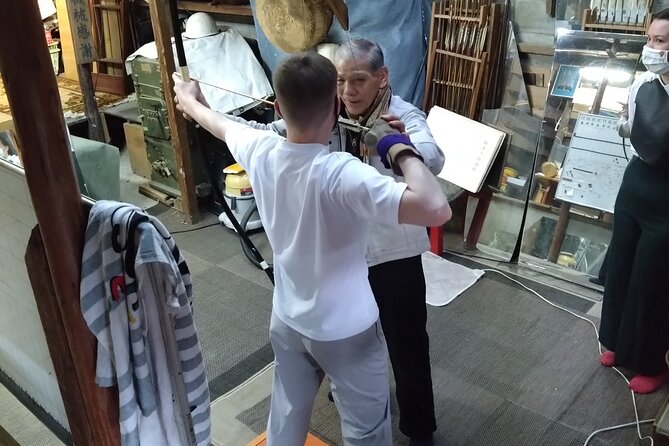
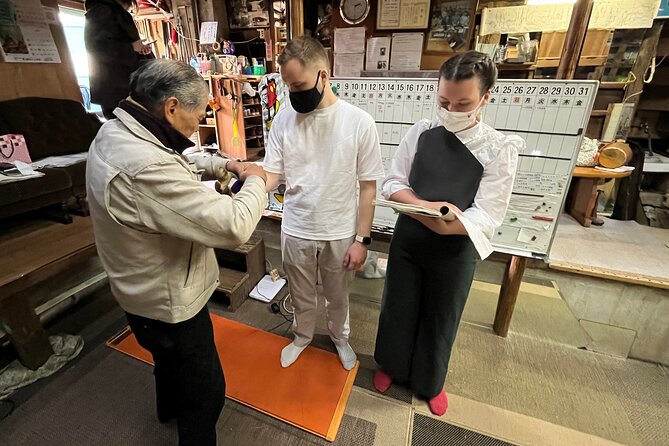
The practical part begins with your body position. The teacher shows you how to place your feet, hold your arms, and handle the bow. Hands-on corrections are part of the session, and the instructor may guide your hands through the proper movement.
That direct help is useful for beginners. Archery equipment can feel unfamiliar, and small changes in your stance can affect how the bow sits in your hand and how your arms work together. You do not need to arrive knowing the terminology or having prior experience.
If you have practiced archery before, tell the provider in advance. Traditional kyudo differs clearly from modern archery, and an experienced archer may need to set aside familiar habits. One useful point from the lesson is that kyudo uses a distinctive traditional bow system and, as one participant noted, involves two arrows rather than the single-arrow setup many modern archers know.
The instructor’s style is physical and corrective. If you do not want hands-on adjustments, contact the provider before booking and explain your preference. That is not a small detail. It can make the difference between feeling well supported and feeling uncomfortable.
Taking your turn with the bow and arrow
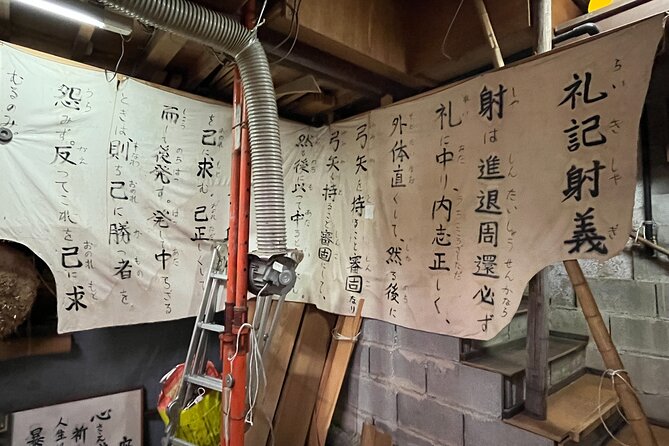
Once the group understands the basic form, you rotate through the shooting position. The teacher gives individual guidance as you hold the bow and release the arrow toward the target.
With four people in the class, you may shoot about four arrows each. The exact number can depend on group size and how quickly the lesson proceeds. A smaller group may give you more time with the bow, but the experience still centers on instruction rather than volume.
This rotation has a benefit: you can watch the teacher work with other people. You see how posture changes from person to person and how the same movement is adjusted for each student. The drawback is obvious. If you came mainly to shoot, waiting for your turn may seem long.
The arrows are supplied, as is all kyudo equipment. You do not need to arrange a bow rental or bring your own gear. That makes the session easy to add to a Kyoto itinerary, especially if you want an activity that does not require a full day.
Do not judge the lesson only by how close your arrow comes to the target. The real challenge is following the sequence, staying balanced, and making the movement controlled. Hitting the target is satisfying, but the instructor’s attention is on the quality of your form.

Why the teacher makes such a difference
A short introduction can easily become a shallow tourist activity if the instructor rushes through the explanation. Here, the teacher’s long experience gives the session a stronger foundation.
The most praised part of the experience is the teacher’s patience. Beginners have received careful guidance, while people with previous archery experience have been shown how kyudo differs from modern practice. Parents, teenagers, and adults have all been able to take part, and one participant with a shoulder issue received accommodation from the instructor.
That does not mean every physical limitation will be suitable. The activity asks you to hold and draw a bow, and you should consider your own condition honestly. Tell the provider about any concern before the class rather than waiting until the session begins.
The teacher is also supported by students or assistants in some sessions. Their role may include demonstrating movements, translating, and explaining where you can continue practicing kyudo after returning home. That last part is valuable if the lesson sparks a serious interest rather than ending as a one-hour novelty.
English support and the language question
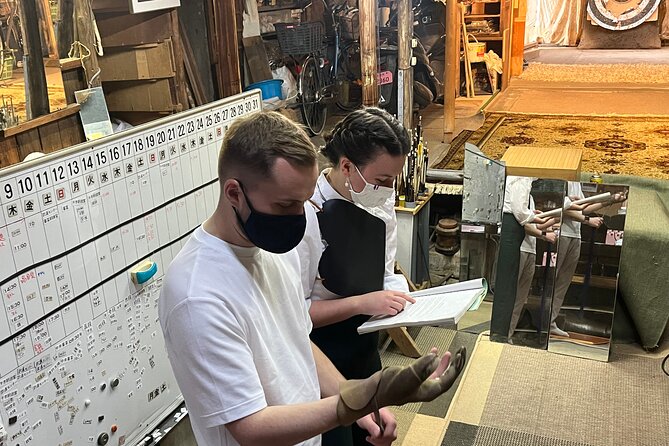
The lesson is taught by a Japanese instructor, and English translation support has been provided by an assisting student. The teacher may speak mostly Japanese, with the translator explaining the demonstration and the ideas behind it.
You should not expect a long English lecture from the instructor. Instead, expect a mix of translated explanation, visual demonstration, and direct correction. For an activity based heavily on physical movement, that combination can work well.
The language gap may still affect how much history or philosophy you absorb. If those subjects matter to you, ask questions and listen closely to the translated sections. The physical demonstration remains easy to follow, but the finer points of kyudo may take more patience.
The activity provider specifically asks you to mention previous archery experience. Do so. It helps the teacher shape the lesson and avoid treating an experienced archer exactly like a first-timer.
Is the $46.47 price good value?
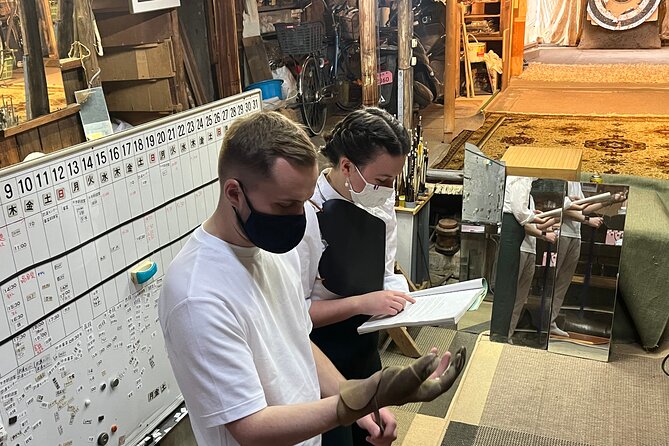
At $46.47 per person, the price is fair if you value instruction, cultural context, and access to a traditional practice setting. It includes the class fee and all kyudo equipment, so you do not face a separate rental charge.
The value is strongest when you see this as a private-style introduction in a very small group, not as an hour of continuous shooting. A group of two can receive more individual attention. A group of four still remains manageable, but each person may have only a few shooting turns.
The word private deserves care here. The experience is described as a private session, yet the maximum group is four, and the studio may also be used by local students. I would think of it as a small-group lesson with individual instruction, not a guaranteed exclusive booking.
For comparison, the price also buys something difficult to arrange on your own: access to a teacher with decades of experience, equipment, translation help, and an introduction to kyudo etiquette and form. If you only want to fire many arrows, you may find better value elsewhere. If you want to understand why Japanese archery looks and feels different, the cost makes more sense.
Who will get the most from this Kyoto activity?
This session fits you well if you:
- Want an activity away from Kyoto’s major temple routes
- Have an interest in Japanese martial arts or traditional culture
- Are new to archery and want careful guidance
- Already practice archery and want to compare modern methods with kyudo
- Enjoy calm, structured activities rather than fast entertainment
- Are traveling with teenagers or family members who can follow a formal lesson
- Want an experience that may point you toward local kyudo practice at home
It may not suit you if your main goal is nonstop shooting, competition, or a polished studio designed only for short-term visitors. The class can finish in less than the full hour if the group completes its turns, so do not book it expecting extra shooting simply because time remains.
The moderate fitness requirement also matters. You do not need to be an athlete, but you should be comfortable standing, holding a bow, and following physical instructions.
What to bring and how to prepare
All kyudo equipment is included. You do not need to organize equipment hire or carry a bow through Kyoto.
Wear clothing that allows comfortable movement. The supplied details do not set out a formal dress code, but you will be working on stance and arm position, so restrictive clothing would be unhelpful. Because the indoor studio may rely on fans rather than air conditioning, light clothing can be sensible in warm weather.
Arrive with an open mind about the pace. Read the supplied material if it is offered, listen during the introduction, and watch the teacher before your own turn. You will get more from the class when you treat each movement as part of the lesson rather than rushing toward the target.
If you have a shoulder problem, previous archery experience, or a preference against hands-on instruction, contact the provider in advance. Confirmation is received when you book, and free cancellation is available up to 24 hours before the local start time. Changes or cancellations inside that period are not refunded.
The best way to fit it into a Kyoto day
The session lasts about one hour and returns you to the meeting point. That makes it easy to pair with other plans in Kyoto, but you should allow extra time for transportation and finding the studio.
Since the class may finish before the full hour, avoid scheduling a tight connection immediately afterward. You may want time to ask the teacher about continuing kyudo in your home country, take in the equipment and practice space, or simply walk back toward the main streets.
This is also a good choice for a quieter part of your trip. Kyoto can involve long days of temples, gardens, markets, and train connections. Kyudo offers a slower change of pace without requiring a full-day commitment.
Should you book this kyudo lesson?
I would book it if you want a small, authentic introduction to Japanese archery and are happy to trade shooting time for careful instruction. The teacher’s experience, patient corrections, cultural explanation, and possible English support give the lesson substance.
I would skip it if you want to fire arrows continuously or expect a fully private class with no other participants. Ask about the group size and translation arrangement before booking, especially if those details matter to you.
For most curious visitors, this is a memorable way to meet a traditional Japanese art in a working Kyoto practice space. Go expecting four or so carefully guided shots, not an archery range session, and the experience is likely to feel focused, personal, and worthwhile.
FAQ
How long does the Japanese archery experience last?
The session lasts approximately one hour. Some sessions may finish in less than an hour once everyone has completed their shooting turns.
Where does the experience begin and end?
It begins at Kyudo Experience, 22-2 Mibuaiaicho, Nakagyo Ward, Kyoto, 604-8812, Japan. The activity ends back at the same meeting point.
Is kyudo equipment included?
Yes. All items needed for the kyudo lesson and the class fees are included. Transportation to and from the meeting point is not included.
How many people can join the class?
The maximum group size is four people. The class may also take place in a working practice space where local students use the facility before or after the lesson.
Will I shoot arrows for the whole hour?
No. The focus is on kyudo history, breathing, posture, foot placement, bow handling, and technique. Several sessions give each person about four chances to shoot.
Is the lesson suitable for beginners?
Yes. The activity is beginner-friendly, and the teacher provides step-by-step, one-to-one guidance. You should tell the provider in advance if you have practiced archery before.
Is English translation available?
An assisting student or translator may help explain the demonstrations and kyudo philosophy in English. The instructor may speak mainly Japanese, with visual demonstrations and hands-on guidance forming an important part of the lesson.