
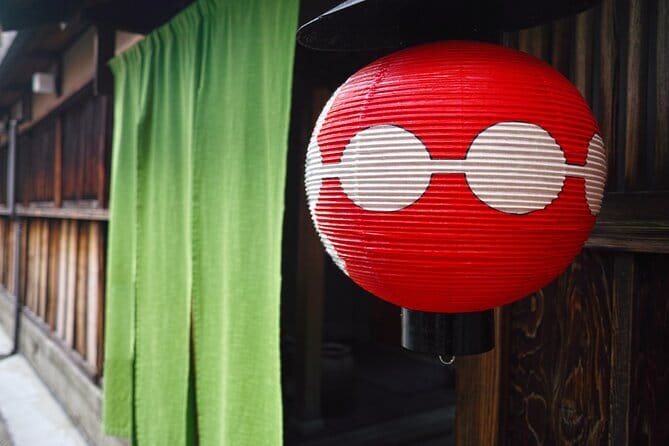
Reviewed · GION & GEISHA WALKS
1 Hour Geisha Show in Kyoto
Kyoto’s maiko tradition is hard to see at close range, and this one-hour experience puts you in the same room with a real performer. She presents two short dances, then answers questions through a translator, poses for photos, and plays a traditional Japanese game with the group. Only about 40 maiko remain in Kyoto today, so this is a rare cultural meeting, not simply a stage show.
I like the direct contact and the clear cultural setting. Guides such as Ai, Soichiro, Chihiro, and Genki have helped make the event friendly and easy to follow, while the tea house option adds a calm, traditional atmosphere. The main caution is value: at $79.59, the performance itself is brief, and some of the hour is built around conversation and activities rather than dancing.
In This Review
- Key points at a glance
- Meeting a maiko in Kyoto
- What happens during the one-hour program
- Why the short dances still matter
- Picking between the tea house and Gion theater
- The guides make the difference
- Photos, etiquette, and respectful contact
- Is this suitable for families?
- Timing and the practical details
- Who should book it?
- Should you book the 1 Hour Geisha Show?
- FAQ
- How long does the experience last?
- Is the maiko available for questions and photographs?
- Which venues are available?
- Is food included?
- How many people can join?
- What is the cancellation policy?
Key points at a glance
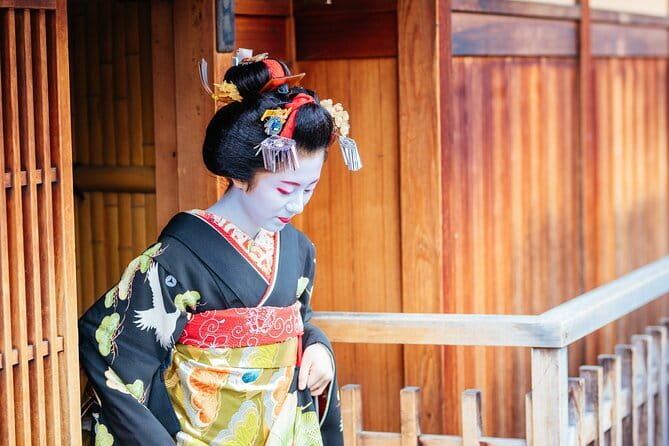
- Two dances lasting about 10 minutes total: The short performance reflects the demands of the art, but you should not expect an hour of dancing.
- Direct time with a real maiko: The Q&A, photos, and traditional game are central parts of the experience.
- Two possible venues: Choose between an authentic Kyo-Machiya tea house and a dedicated Gion theater by checking the photos before booking.
- Strong guide support: Ai, Soichiro, Chihiro, and Genki are among the guides praised for clear translation and warm hosting.
- Small enough to feel personal: The group limit is 25 people, though seating can affect your view.
- Family-friendly cultural introduction: Children can take part in the game and enjoy a snack mentioned by several participants.
Meeting a maiko in Kyoto
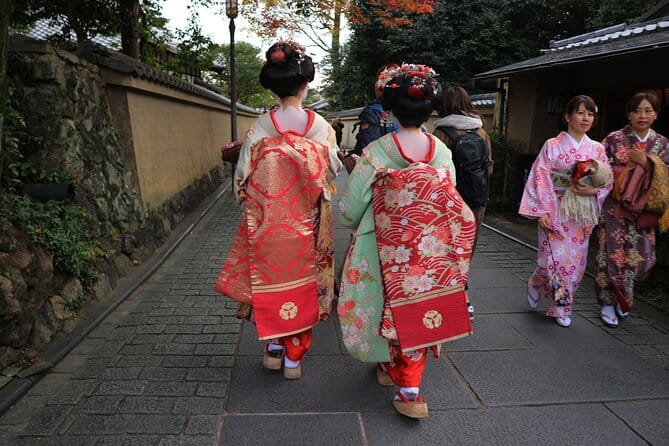
A maiko is a young woman in training to become a geiko, the Kyoto term for a professional geisha. This experience gives you a structured way to learn about that world without needing access to a private ozashiki gathering, the sort of invitation-only entertainment that is usually out of reach for visitors.
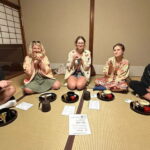
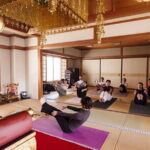
The setting matters. You may attend inside an authentic Kyo-Machiya, a traditional Kyoto townhouse adapted as a tea house, or at a dedicated showhouse in Gion. These are different experiences in feel. The tea house setting is more intimate and residential, while the theater option is likely to feel more arranged for presentations and larger public groups. Check the booking photographs closely so you know which version you are choosing.
The experience begins with a guide who explains what will happen and helps bridge the language gap. That support is important because the maiko’s answers, jokes, and small personal details are a large part of the visit. Ai is praised for her warmth and translation, Soichiro for his calm humor and excellent English, and Genki for keeping the group involved. Chihiro has also been noted for explaining how to behave respectfully in the tea house.
You are not being asked to simply sit quietly and watch. The format lets you learn, ask questions, and take part. That makes this a better choice for someone who wants context than for someone seeking only a polished dance performance.
A few more Kyoto tours and experiences worth a look

What happens during the one-hour program
The program is described as lasting about one hour to one hour and 30 minutes, though the central meeting is generally presented as a one-hour experience. The pace can vary by day, especially during the conversation and interaction with the maiko.
The performance includes two traditional dances. Together, they last about 10 minutes. That may sound short for a $79.59 ticket, but the length is intentional. Maiko performances require careful preparation, elaborate clothing, controlled movement, and close attention to traditional form. The performer does not dance continuously for the entire hour.
You will want to watch closely during those few minutes. The movements are formal and restrained rather than flashy. Small gestures, the handling of a fan, posture, and the rhythm of the music carry much of the meaning. If you expect a Western-style stage production, you may find the dances too brief. If you treat them as a rare demonstration of a living craft, the short format makes more sense.
After the dances comes the Q&A. This is where the guide’s translation skills become especially useful. Questions can cover the maiko’s training, daily life, clothing, performance work, and traditions, though the exact topics vary. One participant described the conversation as particularly interesting because the maiko also asked questions about the audience, making the meeting feel less formal.
The next part is the photo session. You have the chance to take photographs of the maiko and, depending on the arrangement, photographs with her. This is a major reason many people choose the experience. Be ready to take your turn promptly, since a group of up to 25 people can use the available time quickly.
The final activity is a traditional Japanese game. It is not just filler between the formal parts. The game gives you a chance to interact with the maiko in a lighter way, and it often works well for families. Children may find this part easier to enjoy than the dance, since it is active and playful. The exact game and other activities can vary by day.
Traditional green tea is included. Additional food and drinks are not included, although a snack has been provided at the end on at least some occasions. Do not book this as a meal or tea ceremony. Think of the tea as a small cultural touch within a broader introduction to maiko life.
Why the short dances still matter
The most important expectation to set is this: you are not paying for 60 minutes of continuous performance. The dances total roughly 10 minutes, and the rest of the program is conversation, translation, photographs, tea, and the game.
That format can work very well if you want access and explanation. A dance viewed without context may be beautiful but difficult to understand. Here, the guide helps explain what you are seeing, and the Q&A gives you a chance to connect the art with the person practicing it.
Still, the price is a real consideration. Several people felt the experience was somewhat expensive for its length, even while calling it unique or worthwhile. At $79.59 per person, the value depends on how much you want the personal meeting. If your priority is a long cultural show, look elsewhere. If your priority is a rare encounter with a maiko and the chance to ask questions, the cost is easier to justify.
I would compare it with the cost of other premium cultural activities in Kyoto, but the important difference here is access. You are not only watching a recorded explanation or a distant stage. You are in a room with an active maiko, supported by a translator, and given time to interact respectfully.
Picking between the tea house and Gion theater
The two venue options deserve careful attention before you pay. The tea house takes place inside an authentic Kyo-Machiya. That setting can give the event a quieter, more traditional feel, with the building itself helping you understand Kyoto’s old town culture.
The dedicated Gion theater is designed specifically for shows. It may be the better fit if you prefer a purpose-built room and a more straightforward presentation. The supplied information does not promise the same layout, seating, or atmosphere at both venues, so use the photographs as part of your decision.
Seating is worth thinking about. One person had a poor view because the arrangement placed them in the middle of the tea table. That is a practical weakness in an intimate room: closeness does not always mean a clear line of sight. If you care strongly about seeing footwork and full-body movement, arrive in good time and pay attention to where you are placed.
The maximum group size is 25. That is not a private meeting, but it is small enough for a shared Q&A and photo rotation. In the tea house, the room’s shape and furniture may matter as much as the number of people.
The guides make the difference
This experience relies heavily on the person translating and managing the room. The maiko is the main attraction, but the guide turns a short appearance into something you can understand.
Ai has been praised for being charming, kind, and effective at translating. Soichiro is described as personable, funny, and relaxed, with strong English. Genki has been singled out for polite hosting, useful explanations, and keeping the group interactive. Chihiro has helped people feel comfortable about tea house etiquette and arrival procedures.
Those details matter because the meeting could otherwise feel distant. A guide who explains when to ask questions, how the activities work, and what the maiko is saying helps you take part without feeling awkward. The quality of the guide may vary by departure, but the named examples show what good hosting can add.
The event is also suitable for people who know little about geisha culture. You do not need a background in Japanese arts to follow the program. The explanations are intended for a general audience, and the questions can be as basic or specific as the group wishes.
A few more Kyoto tours and experiences worth a look



Photos, etiquette, and respectful contact
The photo session is included, but the experience is built around respectful contact rather than casual celebrity-style access. Follow the guide’s instructions and wait for your turn. The maiko is there to share her craft, not to function as a costume model.
The Q&A offers a better chance for meaningful contact than photographs alone. Ask about the training or traditions if those subjects interest you. The conversation can also reveal personality, which is why several people found the maiko warm, friendly, and willing to engage.
Photography is a useful memory of the event, but do not let it replace the performance. The dances are brief. Put your phone away for those minutes, then use the photo session for pictures.
Is this suitable for families?
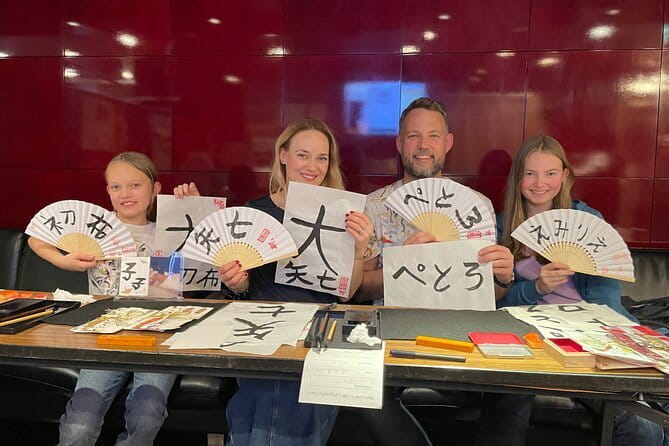
Yes, most people can take part, and the traditional game gives families a simple way to join in. Children may enjoy the informal portion more than the formal dances, especially if a snack is offered at the end.
That said, this is still a cultural presentation in a traditional setting. Young children who need constant movement may struggle with the quiet opening and short dances. Older children and teenagers who enjoy asking questions, dressing up, or learning about Japanese customs are likely to get more from it.
If you choose the kimono rental and hair set option, the rental is handled before the show at Kyoto Kimono Rental Mimosa, located at 362-2 Masuyacho, Higashiyama Ward. The shop is open daily from 8:00 to 18:00. You go there on your own, tell the staff you are with GuideMe Japan, and give your name. No payment is due at the shop because the rental and hair set are already included.
Timing and the practical details
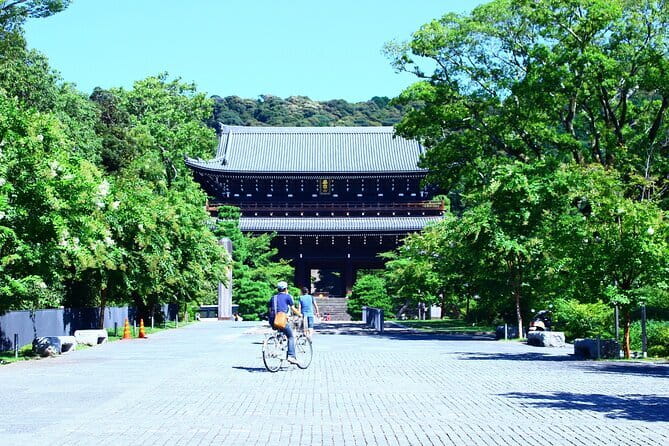
Confirm your meeting time carefully. One person reported a last-minute time change and difficulty getting help with transport after the change. The same person was told that late arrivals could not enter, although the show itself began late and other late arrivals were admitted. That account suggests you should build in extra time and avoid planning a tight connection immediately before the event.
The meeting point is associated with Kamishichiken Street for the listed itinerary, while the venue may be a tea house or a Gion theater depending on your selection. Read the final instructions carefully after booking and allow time to find the exact entrance.
Mobile tickets are available, and confirmation is issued at booking. The activity has free cancellation if you cancel at least 24 hours before the local start time. Cancellations or changes made inside that window are not accepted for a refund.
Food beyond the included green tea is not part of the price. Have a meal before or after if you want more than a small refreshment.
Who should book it?
I would choose this for a first visit to Kyoto if you want one focused introduction to maiko culture. It works especially well for visitors who value personal explanation, photography, and a chance to ask questions.
It is also a good match for families, couples, and solo visitors who prefer a short planned activity over trying to find a rare performance on their own. The guides add structure, and the game keeps the hour from feeling stiff.
I would hesitate if your main goal is a long dance show, a private performance, or a full meal. The price can feel high when you count only the minutes of dancing. Seating may also affect your view, particularly in the tea house.
Should you book the 1 Hour Geisha Show?
Book it if you understand the format: about 10 minutes of dance, followed by tea, translation, Q&A, photographs, and a traditional game. The strongest part is the close, respectful contact with a real maiko, supported by guides such as Ai, Soichiro, Chihiro, or Genki.
Skip it if you want a full evening of entertainment or are highly price-sensitive. At $79.59, this is a specialized cultural meeting rather than a bargain attraction. For many people, the chance to see a rare Kyoto tradition up close and speak with the performer makes it worth the yen. Just choose the venue carefully, arrive early, and keep your expectations fixed on connection and context, not nonstop dancing.
FAQ
How long does the experience last?
The experience lasts approximately one hour to one hour and 30 minutes. The maiko’s two dances take about 10 minutes in total, with the remaining time used for tea, explanations, Q&A, photographs, and a traditional game.
Is the maiko available for questions and photographs?
Yes. The program includes a Q&A session and a photo opportunity with the maiko. A professional guide and translator helps with communication.
Which venues are available?
The experience is offered either inside an authentic Kyo-Machiya tea house or at a dedicated Gion theater. Check the photographs before booking so you know which setting you are selecting.
Is food included?
Traditional Japanese green tea is included. Additional drinks and food are not included, although a snack may be offered at the end depending on the day.
How many people can join?
The maximum group size is 25 people. Seating arrangements can affect your view, especially in the tea house setting.
What is the cancellation policy?
You can cancel for a full refund up to 24 hours before the experience’s local start time. Changes or cancellations made less than 24 hours before the start are not accepted for a refund.
More 1-Hour Experiences in Kyoto


More Shows & Entertainment in Kyoto
More Gion & Geisha Walks in Kyoto


More tours in Kyoto we've reviewed






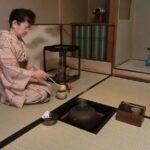
Gion & Geisha Walks, compared.
 ★ 4.7Kyoto Geisha Walking Tour: Gion District & Hidden GemsFrom $252 hours
 ★ 4.7Kyoto: Gion Geisha District Walking Tour – Stories of GeishaFrom $202 hours
 ★ 4.9Best of Kyoto: Gion, Geisha, Pagodas & CobblestonesFrom $242 hours
 ★ 4.5Night Walk in Gion: Kyoto’s Geisha DistrictFrom $211h 40m
 ★ 5.0Kyoto Night Foodie Tour in Gion (9+ dishes + 6 Sake tastings)From $163
 ★ 5.0Kyoto Gion Geisha District Walking Tour – The Stories of GeishaFrom $25