
Reviewed · GION & GEISHA WALKS
Kyoto: Gion Local Food Tour (Taste 15 dishes)
Gion’s lantern-lit lanes make a fine setting for a food tour, but the real draw here is the range: you taste 15 Japanese dishes at three local restaurants instead of filling up at one large meal. Yakitori, tonkatsu, sushi, and tempura give you a broad first look at Kyoto’s everyday food culture.
I like the useful mix of food and neighborhood context, plus the fact that your English-speaking guide handles the restaurant stops while you concentrate on eating. I also like the personal touch reported by diners who spent time with Yo and Jay, guides praised for their stories, local knowledge, and easy conversation.
The main thing to consider is the fixed menu. If you have strong food dislikes, allergies, or a very limited appetite, fifteen dishes can be a lot. You should also expect simple local restaurants rather than polished fine dining.
In This Review
- Key points to know before booking
- Why this Gion food tour works
- Starting in Gion near DOUTOR
- First stop: grilled yakitori at a local izakaya
- Second stop: crisp tonkatsu and a change of texture
- Final stop: sushi and tempura
- A shrine visit and the stories between meals
- What 15 dishes really means
- Who will get the most from this evening
- Practical details that affect the evening
- How the tour compares with eating independently
- Should you book the Gion food tour?
- FAQ
- Where does the Kyoto Gion food tour begin?
- Where does the tour end?
- How many dishes are included?
- What foods are included?
- Are drinks included?
- What language is the tour offered in?
- Can I cancel the booking for a full refund?
Key points to know before booking
- Fifteen dishes at three restaurants: The evening gives you several styles of Japanese food rather than one extended restaurant meal.
- Classic dishes with different textures: Expect grilled yakitori, crisp tonkatsu, sushi, and tempura.
- Gion is part of the experience: You walk through Kyoto’s best-known geisha district as you move between food stops.
- Two drinks are included: This adds to the value of the $66 price, especially for an evening outing.
- Yo and Jay have led memorable evenings: Yo is praised for cultural knowledge and conversation, while Jay is remembered for entertaining stories and warm company.
- Plan for about three hours: One detailed account describes the tour lasting three hours, giving you time to eat, walk, and hear local explanations.
Why this Gion food tour works
Many food tours in Japan focus on one specialty. That can be a good choice if you already know exactly what you want, but this Kyoto outing takes a wider route. You get a sampler of familiar Japanese favorites and a chance to see how different restaurants shape the meal.
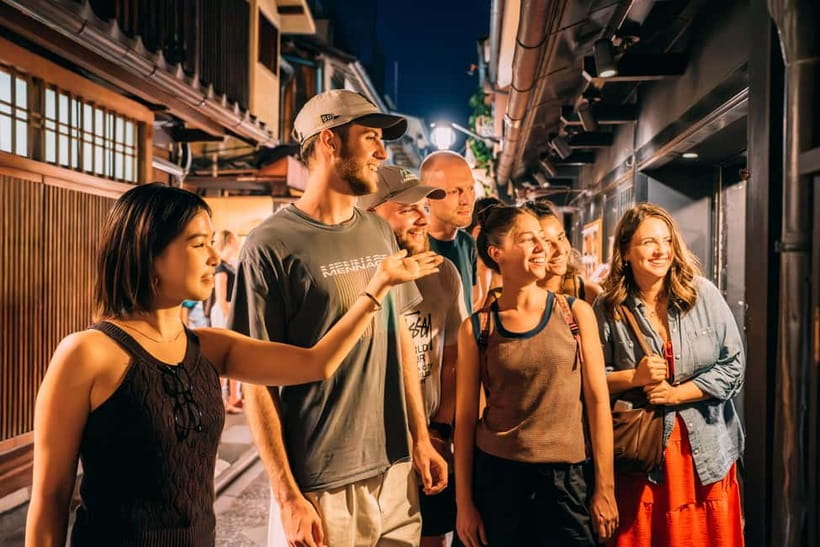
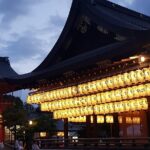
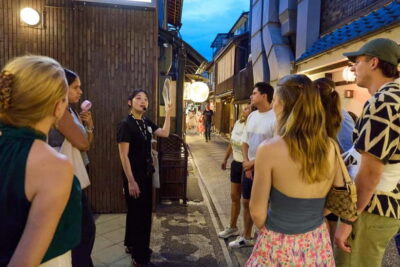
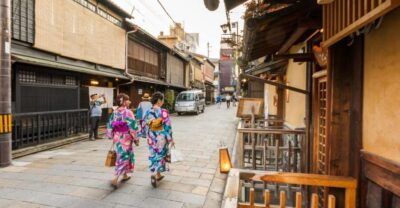
The setting matters. Gion is not just a backdrop for photographs. Its narrow streets, traditional buildings, lanterns, shrines, and connection to geisha culture give the walk a strong sense of place. Your guide adds meaning to the streets and landmarks, so the evening is not simply a sequence of restaurant visits.
I would think of this as an introduction to Kyoto through food. You are not being promised rare ingredients, a cooking class, or a formal tasting menu. Instead, you get a guided evening that joins local dishes with basic etiquette, culinary customs, and stories about the neighborhood.
That makes it especially useful early in your Kyoto stay. After learning how some dishes are served and how local restaurants work, you may feel more ready to order on your own for the rest of your trip.
A few more Kyoto tours and experiences worth a look


Starting in Gion near DOUTOR
The meeting point is in front of DOUTOR, a familiar coffee-shop landmark. That is practical in a neighborhood where small lanes can make addresses hard to spot, though you should still allow enough time to find the exact location.
From there, the tour heads into Gion. The supplied details do not give a street-by-street route, so you should not expect a fixed list of landmarks beyond the Gion setting and a shrine mentioned in one account. Your guide may point out local sights as you walk, but the main purpose is to connect the neighborhood to its food.
The tour is conducted in English. That matters in a food setting, since a guide can explain what is on the table, how to eat it, and what makes a dish part of Japanese dining culture. You also avoid spending the evening trying to manage several restaurant stops alone.
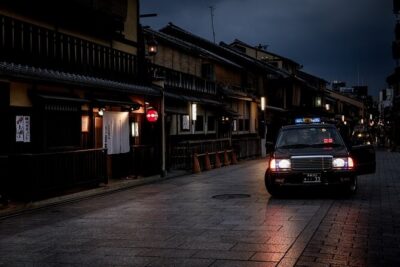
Gion can feel especially atmospheric in the evening, when the traditional streets take on a quieter, lantern-lit character. Keep in mind that atmosphere is not the same as solitude. This is Kyoto’s most famous geisha district, and the area is a major stop for people exploring the city.
First stop: grilled yakitori at a local izakaya
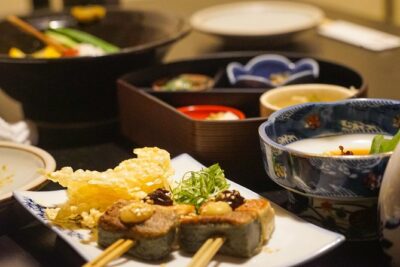
The first restaurant is a casual local izakaya serving freshly grilled yakitori. This is a smart opening dish for a food walk. Skewered chicken cooked over heat gives you a direct taste of Japanese grilling, with smoky flavor and a simple presentation.
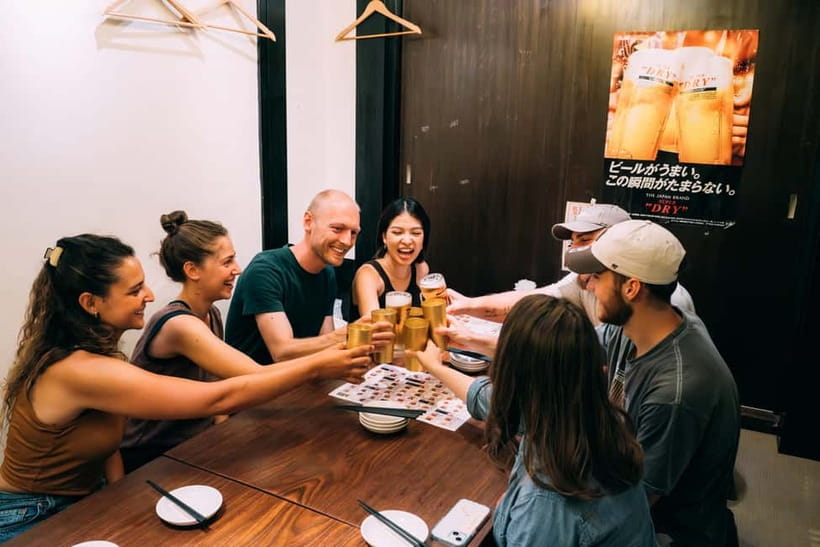
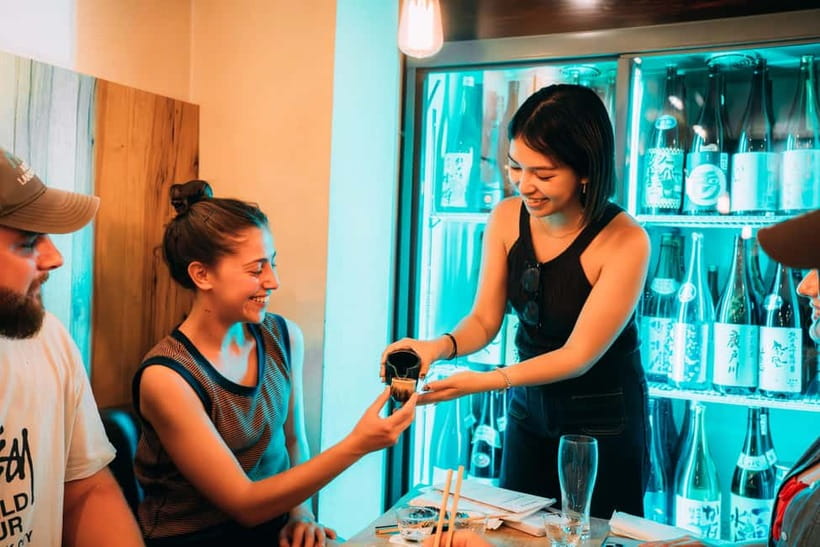
An izakaya is also a useful introduction to the social side of Japanese dining. These places are built around small dishes and drinks, so they suit a progressive meal better than a restaurant centered on one large plate. You can try several items without committing to a full serving of one specialty.
The exact yakitori selection is not listed, so I would not book this expecting a particular cut or seasoning. The value is in tasting the style as part of a larger meal. The guide can help place the dish within the wider food culture, and two included drinks make this stop feel more like an evening out than a rushed sample.
For diners who prefer mild or familiar foods, yakitori may be the most approachable stop. For picky eaters, the uncertainty of the exact skewers is worth noting. The provided information does not specify substitutions or allergy handling, so ask the provider before booking if that is important to you.
Second stop: crisp tonkatsu and a change of texture
Next comes tonkatsu, a deep-fried pork cutlet with a crunchy outside and juicy interior. After grilled skewers, the change is welcome. You move from smoky, bite-sized pieces to a substantial dish built around crisp coating and tender meat.
This stop gives the tour some balance. Japanese food is often reduced to sushi in the minds of first-time visitors, but tonkatsu shows another side of the country’s dining culture. It is hearty, familiar, and easy to understand even if you are new to Japanese food.
The restaurant specializes in tonkatsu, which suggests a focused stop rather than a general menu. Still, the available details do not identify the shop or describe its side dishes, so you should keep your expectations centered on the cutlet itself.
Pork is the key limitation here. If you do not eat pork, this portion may not suit you, and the tour information does not promise alternatives. The same applies to serious dietary restrictions. A broad menu sounds flexible, but the tour is designed around specific dishes at selected restaurants.
Final stop: sushi and tempura
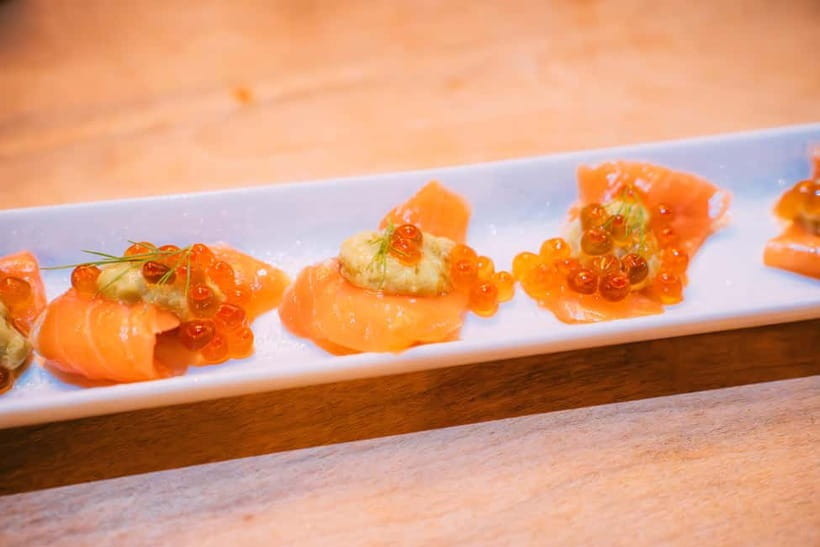
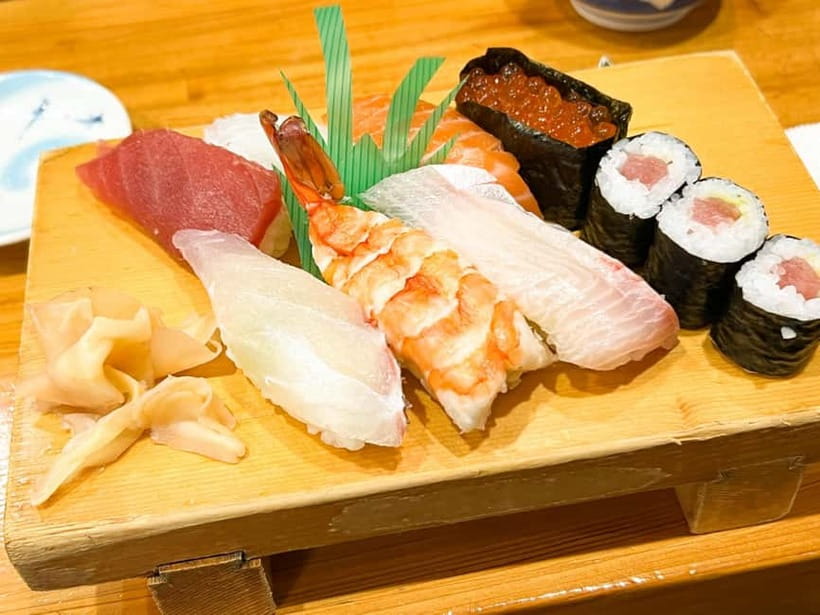
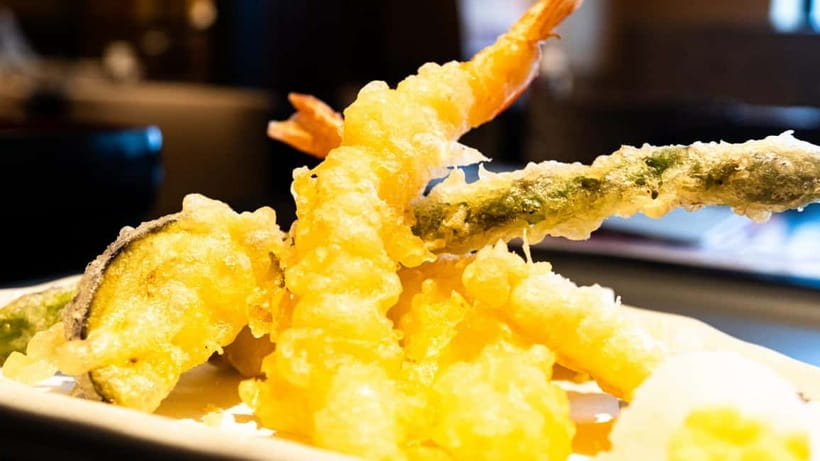
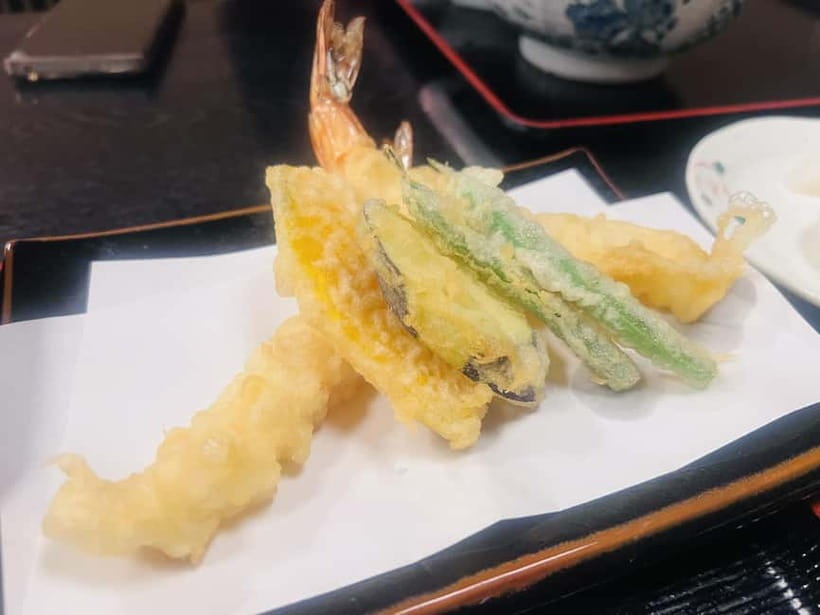
The last restaurant brings together sushi and tempura. This gives you two of Japan’s best-known food styles in one setting, but with very different qualities. Sushi highlights the ingredient and the balance of rice, fish, and seasoning. Tempura depends on a light, crisp coating and careful frying.
The description connects this stop with Kyoto’s seasonal ingredients. That is a useful point to listen for during the meal, since seasonality is central to Japanese cooking. The information does not name the fish, vegetables, or individual sushi pieces, so you should treat the menu as a guided sampling rather than a guaranteed list of specific ingredients.
Ending with these dishes also gives the meal a sense of variety. You have already had grilled food and fried pork, then finish with seafood and battered ingredients. For a first evening in Kyoto, that spread can help you identify what you want to seek out again.
Sushi and tempura may be familiar to you, but the restaurant setting and seasonal focus can still add context. If you are already an expert on Japanese cuisine, the tour may feel more like a social introduction than a specialist food study. Its strength is breadth and explanation, not technical culinary detail.
A few more Kyoto tours and experiences worth a look



A shrine visit and the stories between meals
One detailed account includes a shrine visit alongside the three restaurants. Since the main description does not promise a specific shrine, I would treat this as part of the guide’s route rather than a guaranteed named attraction.
That small cultural pause is valuable. Three restaurant stops in a row could feel like a food crawl with little connection to Kyoto. A shrine or neighborhood landmark gives you a moment to look around and helps explain how food, custom, and daily life meet in the city.
Yo is described as thoughtful and well informed about local culture. His approach appears to include conversation, not just a string of facts. That can make a difference if you want to ask about etiquette, ingredients, or the history of places you pass.
Jay is remembered for entertaining stories and a friendly atmosphere. I would not assume you will get a particular guide, since both names appear in the available accounts and guide assignment can change. But the descriptions point to a tour style that values personal interaction rather than a memorized speech alone.
What 15 dishes really means
Fifteen dishes sounds generous for $66, and it is, but the number needs context. These are tastes spread across three restaurants, not fifteen full-size restaurant entrées. You should arrive hungry, while leaving room for variety rather than expecting three large meals.
The included food covers the core stops, and two drinks are included as well. That makes the price easier to judge. You are paying not only for the dishes, but also for the guide, the restaurant coordination, the neighborhood walk, and the help of someone who can explain what you are eating.
At the same time, the price does not include an extra gratuity, listed in the tour details as gratitude. Plan for that possible additional cost, and confirm the expected practice with the provider if you are unsure.
The strongest value comes if you would otherwise feel hesitant entering local restaurants or ordering unfamiliar dishes. A self-guided evening could cost less, especially if you choose small portions and skip the guide. But it would not give you the same structure, explanations, or three-stop progression.
Who will get the most from this evening

This tour fits first-time Kyoto visitors who want a friendly start with Japanese food. You do not need to build the meal yourself, compare menus, or wonder what to order at each stop. The guide takes care of the flow, which lets you focus on the dishes and the streets.
It also suits food lovers who want variety. Yakitori, tonkatsu, sushi, and tempura cover several cooking methods and ingredients. You get a practical overview rather than a narrow lesson in one regional specialty.
Solo visitors may appreciate the conversation. One account describes Yo as open to conversation and easy to interact with, while another describes the evening with Jay as feeling like time spent with friends. That points to a social format that can be comfortable if you are exploring Kyoto alone.
Young adults looking for a relatable guide may also find the format appealing. One account specifically describes Yo as a good match for younger people seeking an introduction to Kyoto’s food culture. Still, the tour is not limited to that age group. Anyone who likes food, walking, and local stories can use it.
You should think twice if you need a fully customized menu. The information does not state that vegetarian, vegan, halal, allergy-friendly, or alcohol-free substitutions are available. It also does not give the group size, so ask before booking if a small group is important to you.
Practical details that affect the evening
The tour begins in front of DOUTOR and ends back at the same meeting point. That makes the outing simple to plan around, since you return to where you started rather than finishing at an unknown restaurant.
English is the stated language. The guide leads the route and provides the cultural explanations, so this is more than a list of addresses with food waiting at each stop.
Plan on around three hours, based on the described experience. That is long enough for a relaxed progression through the neighborhood, but you should avoid scheduling a major activity immediately afterward. Restaurant service can take time, and the evening is meant to be enjoyed at an unhurried pace.
The booking terms are useful for uncertain plans. You can reserve and pay later, and cancellation is allowed up to 24 hours in advance for a full refund. Those terms do not change the food itself, but they reduce the risk of committing too early.
How the tour compares with eating independently
You can certainly explore Gion’s restaurants on your own. Independent dining gives you complete control over the menu, budget, pace, and restaurant style. It may be the better choice if you already know Japanese food well or need strict control over ingredients.
This tour earns its price through convenience and context. You visit three selected local restaurants in one evening, try 15 dishes, receive two drinks, and have an English-speaking guide explain the food and neighborhood. For many visitors, that removes the uncertainty that can make a first Japanese meal feel harder than it should.
The tradeoff is control. You do not choose the restaurants or dishes, and the details do not promise a private tour or a custom menu. The format works best when you are happy to let the guide shape the evening.
Should you book the Gion food tour?
I would book this for a first or second night in Kyoto if you want a broad taste of Japanese food and an easy way into Gion. The strongest reasons are the three-stop format, the 15 dishes, the two drinks, and the guide-led explanations that connect eating with local customs.
I would skip it if you are seeking a high-end tasting menu, a cooking lesson, or guaranteed dietary substitutions. For everyone else, $66 is a fair price for a roughly three-hour food walk, especially when you count the meal, drinks, guide, and neighborhood experience together.
If Yo or Jay is available, you can expect a guide who adds conversation and stories to the route. The guide may vary, but the format remains clear: walk through Gion, eat across three restaurants, and leave with a better sense of what to order during the rest of your time in Kyoto.
FAQ
Where does the Kyoto Gion food tour begin?
The tour begins in front of DOUTOR in Kyoto’s Gion district.
Where does the tour end?
The activity ends back at the meeting point.
How many dishes are included?
You receive 15 local Japanese dishes across three restaurants.
What foods are included?
The tour includes yakitori, tonkatsu, sushi, and tempura, along with other local dishes.
Are drinks included?
Yes. Two drinks are included in the tour.
What language is the tour offered in?
The tour is offered in English with a local guide.
Can I cancel the booking for a full refund?
Yes. You can cancel up to 24 hours in advance for a full refund. You can also reserve and pay later, so no payment is required today.
More Food Experiences in Kyoto

More Kyoto Food Tours in Kyoto
More Gion & Geisha Walks in Kyoto

More tours in Kyoto we've reviewed











Gion & Geisha Walks, compared.
 ★ 4.7Kyoto Geisha Walking Tour: Gion District & Hidden GemsFrom $252 hours
 ★ 4.7Kyoto: Gion Geisha District Walking Tour – Stories of GeishaFrom $202 hours
 ★ 4.9Best of Kyoto: Gion, Geisha, Pagodas & CobblestonesFrom $242 hours
 ★ 4.5Night Walk in Gion: Kyoto’s Geisha DistrictFrom $211h 40m
 ★ 5.0Kyoto Night Foodie Tour in Gion (9+ dishes + 6 Sake tastings)From $163
 ★ 5.0Kyoto Gion Geisha District Walking Tour – The Stories of GeishaFrom $25