
Reviewed · FUSHIMI INARI TOURS
Full day Kyoto Walk in Fushimi, Arashiyama, Monkey, and Kinkakuji
Kyoto packs some of Japan’s best-known sights into a wide area, and this eight-hour walking tour links four major stops without asking you to plan the route yourself. You begin at Fushimi Inari, continue to Arashiyama, hike to the macaques at Iwatayama, and finish at the Golden Pavilion.
I like the variety: sacred gates, Zen gardens, bamboo, river views, wild monkeys, and a gold-covered temple all arrive in one day. I also like the practical guide support, especially for visitors who want context and help with trains and buses. The tradeoff is clear: this is a tiring day with plenty of walking, a steep hill, and transport costs not included.
In This Review
- Key points to know before booking
- Why this Kyoto day works well
- Starting at Fushimi Inari’s fox statue
- Arashiyama Bamboo Grove and Tenryu-ji
- A short break in Arashiyama and Togetsukyo Bridge
- Monkey Park Iwatayama and the steep climb
- Finishing at Kinkakuji, the Golden Pavilion
- What the guides add to the day
- Price, transport, and what is included
- Who should book this Kyoto tour
- Should you book it?
- FAQ
- How long does the Kyoto tour last?
- Where does the tour begin?
- Where does the tour end?
- Is transportation included?
- Is lunch included?
- Does the tour include entrance tickets?
- How difficult is the Monkey Park visit?
- Can I skip Monkey Park?
- Is this a private tour?
Key points to know before booking
- Four major Kyoto sights in one day: Fushimi Inari, Arashiyama, Monkey Park Iwatayama, and Kinkakuji.
- Guides can shape the day: Remi and Tom are both praised for clear explanations, good stories, and smooth navigation, but a specific guide is not guaranteed.
- Monkey Park requires effort: The climb takes about 15 to 20 minutes on a steep path, so wear comfortable shoes.
- Public transport is part of the experience: Bring an ICOCA or Suica card because trains and buses are not included.
- This is a shared tour: The information gives a maximum of 10 people, while another note says groups can reach 12, so confirm the current group limit.
- The day is flexible at Monkey Park: You can skip the hike and wait in central Arashiyama at an arranged meeting point.
Why this Kyoto day works well
This tour is built for a common Kyoto problem: the sights you most want to see are not next door to one another. Fushimi Inari is in southern Kyoto, Arashiyama is on the western edge of the city, and Kinkakuji sits elsewhere in the northwest. Add public transport and busy sightseeing areas, and a first visit can become a day of map checking.
Here, your bilingual local guide handles the route and explains what you are seeing. That matters most at places such as Fushimi Inari and Tenryu-ji, where a little background turns a photo stop into a more meaningful visit.
The pace is brisk. You get about 90 minutes at Fushimi Inari, 80 minutes in the bamboo grove, 40 minutes at Tenryu-ji, 45 minutes around Arashiyama, 70 minutes at Monkey Park, and two hours at Kinkakuji. Some of that time includes walking, meals, transport, and group coordination, so do not expect a slow, unhurried study of every temple.
Still, the mix is excellent. You can begin with Shinto worship, move into Zen gardens, take in a river crossing, see Japanese macaques, and end with one of Kyoto’s most recognizable buildings. If you have only one full day for major Kyoto sights, the route makes good sense.
A few more Kyoto tours and experiences worth a look

Starting at Fushimi Inari’s fox statue
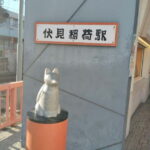
The meeting point is the fox statue called Kitsunezo, in front of JR Inari Station. Look for the guide wearing a Japan Tour Adventure uniform, and arrive 15 minutes early. The tour cannot wait for late arrivals, and missing the start means you cannot join later or receive a refund.
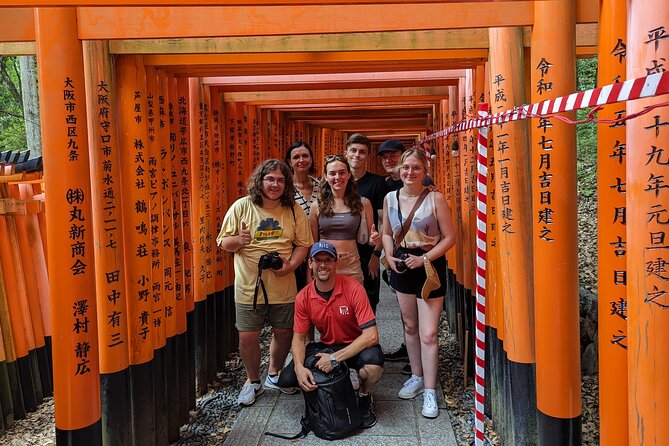
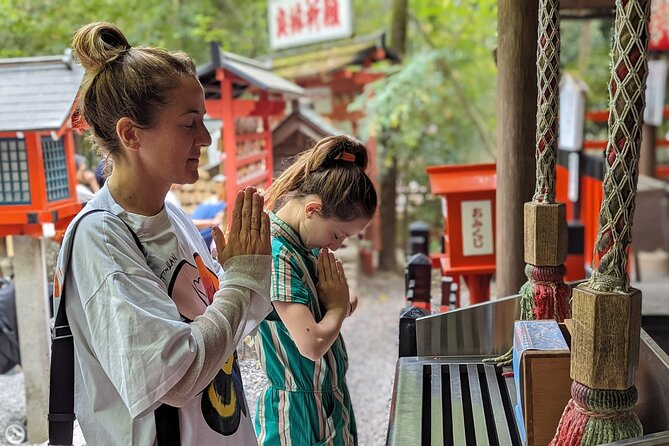
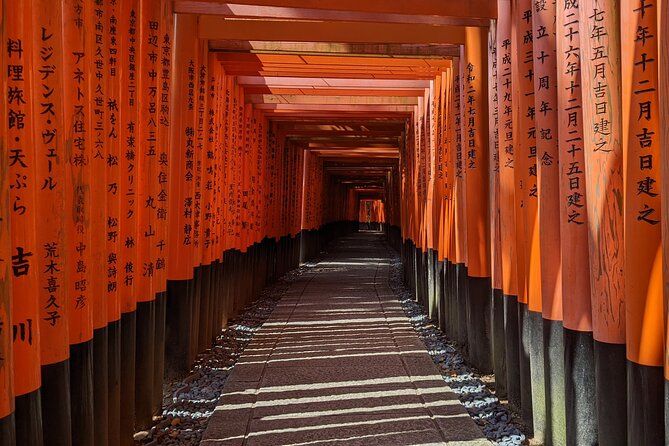
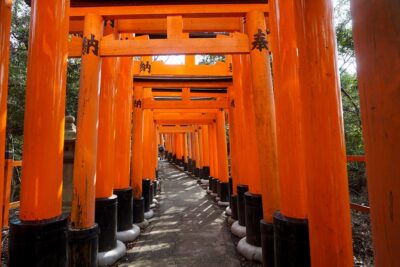
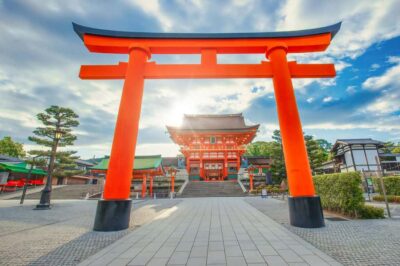
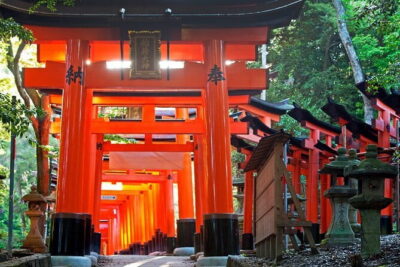
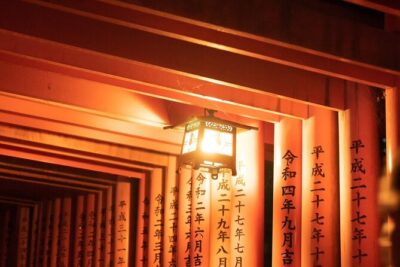
Fushimi Inari Taisha is a powerful opening stop. The shrine is dedicated to Inari, associated with rice, business, and prosperity, and its paths climb Mount Inari beneath thousands of vermilion torii gates. The gates create the famous tunnel effect, but the site is more than a photo backdrop. Small shrines, fox images, wooded paths, and changes in light give the visit a quiet, almost otherworldly feel.
You have about an hour and a half here. That is enough to see the main route and gain an introduction to the shrine, though not enough for a full climb around the mountain. The first section can be crowded, so a good guide helps you understand where to walk and how to behave at this active place of worship.
I particularly value the explanations here. Without context, the gates can blur into one long orange corridor. With a guide, you can learn why they were donated, how the shrine works, and why foxes appear throughout the grounds. The exact stories depend on your guide, but Remi has been singled out for making the sites both entertaining and easy to understand.
Arashiyama Bamboo Grove and Tenryu-ji
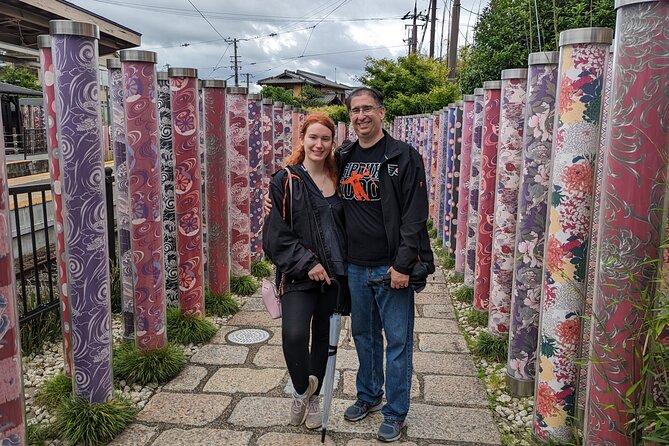
After Fushimi Inari, the tour moves across Kyoto by public transportation to Arashiyama. Your transport pass or card is not included, so an ICOCA or Suica card will make the transfers simpler. The tour is not a coach excursion, and you should plan for walking between stations, streets, temples, and viewpoints.
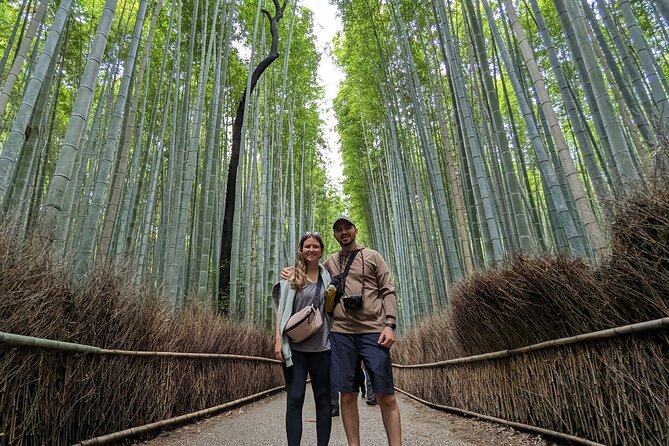
The Arashiyama Bamboo Grove is one of Kyoto’s signature scenes. Tall bamboo rises on both sides of the path, and even a short walk feels different from the city streets. The grove is not huge, so the 80-minute stop normally works as a combined visit with nearby paths and guide commentary rather than a long nature walk.
The main drawback is crowding. This is one of Kyoto’s most photographed places, and the famous path can feel less peaceful than photographs suggest. Go with realistic expectations: the bamboo is beautiful, but your experience depends on the time, season, and number of people sharing the path.
Tenryu-ji sits directly beside the grove and supplies the cultural depth that bamboo alone cannot. This major Zen temple is known for its gardens, which blend ponds, rocks, trees, and borrowed mountain views in a carefully arranged design. The 40-minute visit is short, but it gives you time to see the garden and hear how Zen temple spaces are planned.
Admission to Tenryu-ji is included. That saves a little time and removes one small decision during a packed day. You will not have unlimited time to explore every building, but the stop is well chosen because it places a major temple beside the bamboo grove.
A short break in Arashiyama and Togetsukyo Bridge
The tour then gives you about 45 minutes in central Arashiyama. You can explore on your own, or join the guide for lunch at a restaurant. The meal is not included, but the guide can help with the timing and, according to the tour details, may help the group skip a line at the chosen restaurant.
This is a useful pause. By this point, you have already walked through Fushimi Inari, transferred across the city, and visited the bamboo grove and temple. You need food and a moment to sit, though 45 minutes is not a long lunch if the restaurant is busy.
Arashiyama’s main street has food, sweets, and shops, so you can use the time for a quick meal or a small purchase. Keep your choices practical. A long, elaborate lunch will put pressure on the rest of the group.
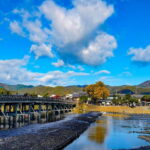
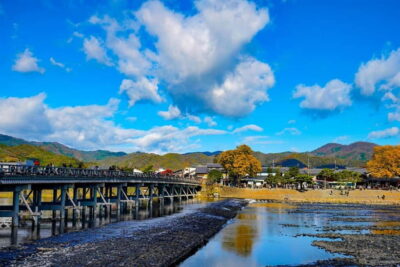
The route also includes crossing Togetsukyo Bridge, one of Arashiyama’s best-known viewpoints. From the bridge, you can look over the river and surrounding hills. It is a welcome change after the narrow bamboo paths, and it gives you a sense of why Arashiyama became such a popular retreat.
Monkey Park Iwatayama and the steep climb
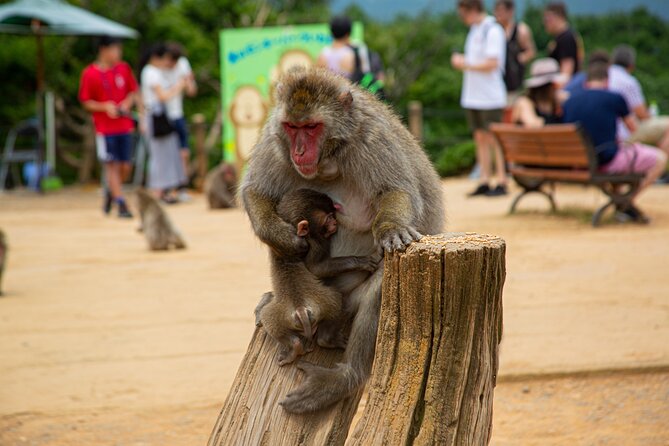
Monkey Park is the most physically demanding part of the day. The path to the top takes about 15 to 20 minutes and is described as steep. Comfortable shoes are essential, and the experience is not recommended if you have leg or knee problems.
At the top, you can see Japanese macaques and enjoy broad views over Kyoto. The monkeys are wild animals, not trained performers, so you should follow the guide’s instructions and treat the encounter with care. The tour materials specifically mention feeding the monkeys, but food and drinks are not included in the price.
The climb is worthwhile for many people because it adds an experience that temples and shrines cannot provide. You get animal encounters, fresh air, and a high view across the city. It is also a useful change of pace after several historic sites.
You do not have to join the climb. If you prefer to skip Monkey Park, you can spend free time around central Arashiyama and meet the group later at a specified location. This option is valuable for anyone with mobility concerns, though you should listen carefully to the meeting instructions so you do not miss the group.
The planned stop lasts about 70 minutes. That includes the climb, time with the macaques, the view, and the return. Do not treat it as an easy stroll. On a hot or wet day, the hill may feel harder, and the full day will already have put miles on your feet.
A few more Kyoto tours and experiences worth a look
Finishing at Kinkakuji, the Golden Pavilion
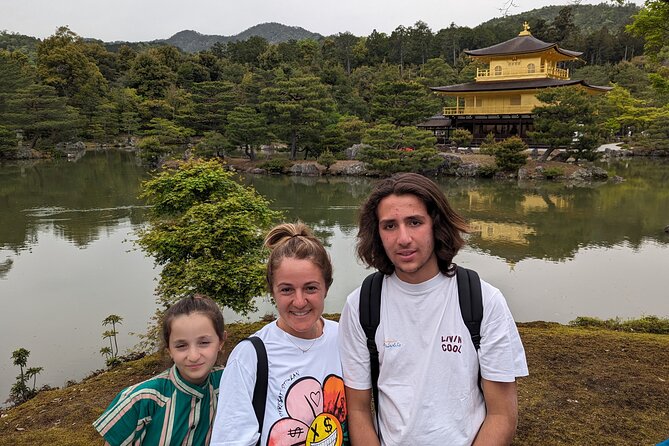
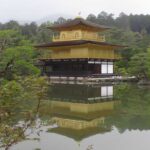
The final major stop is Kinkakuji, formally known as Rokuon-ji. Its upper two floors are covered in gold leaf, and the building reflects in the pond in front of it. This is one of Kyoto’s classic views, and the afternoon light can make the gold look especially striking.
You have about two hours here, the longest single stop on the schedule. That gives you time to see the pavilion, walk the garden route, take photographs, and listen to the guide’s explanation without rushing through the grounds.
Kinkakuji is not a place where you enter the Golden Pavilion itself. The usual experience is to view it from the garden path across the pond, then continue through the grounds. Some people find the short viewing route less expansive than expected, but the building’s setting makes the stop worthwhile.
The admission ticket is included. After Kinkakuji, the group returns to Kyoto Station, though you can also leave directly after the last stop if that works better for your plans. The day ends at Kyoto Station, a useful transport hub for returning to your hotel or continuing elsewhere.
What the guides add to the day
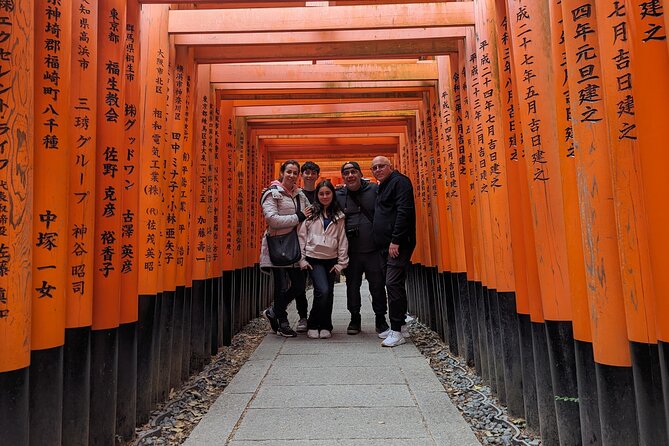
The guide can make or break a route this busy. You are not simply being led from one gate to another. You need clear instructions for trains, meeting points, temple customs, meal timing, and the Monkey Park option.
Remi receives especially strong praise for combining cultural information with humor and for helping the group avoid the worst crowds. Tom is also described as friendly, entertaining, and full of useful stories. One especially enthusiastic assessment recommends booking with Tom by name, but the operator does not promise a specific guide on a shared departure.
That is worth keeping in mind. You should book this for the structure and route, not on the assumption that a particular guide will lead your date. French, German, or Spanish may sometimes be available, but only English is assured unless you contact the provider before booking.
The group format is limited compared with a large bus tour, but this is not private. The details give both a maximum of 10 and a note that the group can reach 12. Because of that inconsistency, ask for the current limit if group size matters to you.
Price, transport, and what is included
At $97.87 per person, the tour sits in a reasonable range for a full day with a guide and three included admissions. Tenryu-ji, Monkey Park, and Kinkakuji entrance fees are covered, as are downloadable souvenir photographs stored on a private drive.
The price does not include trains or buses, lunch, drinks, food, shopping, or souvenirs. Transport is an important extra because this is a walking tour using public transit, not a private vehicle. Bring an ICOCA or Suica card, and keep enough balance for the day’s transfers.
The value is strongest if you want help with navigation and cultural explanation. If you are comfortable planning Kyoto’s trains, buses, entry tickets, and timing on your own, you can spend less independently. You will also have more control over how long you stay at each site.
For a first visit, though, the guided route can prevent wasted time. The biggest benefit is not only the admission tickets. It is having someone connect distant sights into one workable day while you focus on what is in front of you.
Who should book this Kyoto tour
I would choose this for a first-time Kyoto visitor with one open day and a strong wish list. It suits people who want famous sights, practical help, and a steady flow of experiences rather than a slow temple study.
It is also a good match for solo visitors who prefer company, couples who do not want to plan every train transfer, and families with older children who can manage a full day on foot. The shared group can make the day more social, while the modest size allows more contact with the guide than a large coach group.
I would hesitate if you have knee or leg problems, dislike public transport, want a private experience, or prefer long meals and unhurried photography. You should also avoid booking it as a relaxed day. The schedule is full, the Monkey Park path is steep, and the tour may run about 30 minutes shorter or longer than eight hours.
Free cancellation is available up to 24 hours before the start time. The tour also needs at least two people to operate, so a solo booking can be canceled if no second participant joins, with a rescheduled date or full refund offered.
Should you book it?
Book this tour if you want to cover Kyoto’s biggest western and southern sights in one organized day, and you are ready for a lot of walking. The route is unusually varied, the included temple tickets help with value, and a strong guide such as Remi or Tom can add stories and local context that are hard to get from a quick self-guided visit.
Skip it if you want complete freedom, a private vehicle, or a gentle pace. For most first visits with limited time, though, this is an efficient and satisfying way to see Fushimi Inari, Arashiyama, the macaques, and Kinkakuji without spending your day wrestling with Kyoto’s map.
FAQ
How long does the Kyoto tour last?
The tour lasts approximately eight hours. The actual finish can be about 30 minutes earlier or later than the estimated time.
Where does the tour begin?
The meeting point is by the Kitsunezo fox statue in front of JR Inari Station, at the entrance to Fushimi Inari Taisha Shrine.
Where does the tour end?
The tour ends at Kyoto Station. You may also leave directly after the final stop at Kinkakuji.
Is transportation included?
No. The tour uses public trains and buses, and transportation is paid separately. An ICOCA or Suica card is recommended.
Is lunch included?
No. Lunch, food, and drinks are not included. You can use the Arashiyama break to eat independently or join the guide for lunch at a restaurant.
Does the tour include entrance tickets?
Yes. Admission to Tenryu-ji, Monkey Park Iwatayama, and Kinkakuji is included.
How difficult is the Monkey Park visit?
The climb to Monkey Park takes about 15 to 20 minutes on a steep path. Comfortable shoes are recommended, and the tour is not recommended for people with leg or knee problems.
Can I skip Monkey Park?
Yes. If you do not want to make the climb, you can spend free time in central Arashiyama and meet the group later at a designated location.
Is this a private tour?
No. It is a shared group tour. The details state a maximum of 10 people, with another note saying groups can reach 12, so confirm the current group size before booking if that is important to you.
More Golden Pavilion & Temple Tours in Kyoto
More Arashiyama & Bamboo Tours in Kyoto
More Fushimi Inari Tours in Kyoto
More tours in Kyoto we've reviewed

Fushimi Inari Tours, compared.
 ★ 4.8Kyoto: Fushimi Inari, Kinkakuji, Bamboo Grove 1 Day Bus TourFrom $122510 minutes - 9 hours
 ★ 5.0Fushimi Inari Hidden Hiking Tour (Private Option Available)From $63
 ★ 4.7Kyoto/Osaka: Nara, Fushimi Inari Taisha, Arashiyama Bus TourFrom $529 - 10 hours
 ★ 4.4Osaka/Kyoto: Arashiyama, Nara & Fushimi Inari Shrine w/LunchFrom $61
 ★ 5.0Kyoto: Nijo, Kinkaku-ji, Arashiyama, Kiyomizu & Fushimi InariFrom $51
 ★ 5.0Kyoto Fushimi-Inari Night Walking TourFrom $43