
Reviewed · TEA CEREMONY EXPERIENCES
2 Types of Japanese Sweets making and Tea Ceremony
The unusual appeal here is the three-part format: you make traditional dry sweets from Wasanbon sugar, shape two seasonal Nerikiri sweets from Kyoto bean paste, then prepare Matcha yourself. It gives you more to do than a short tea demonstration and connects sweets with the tea table.
I like the use of white and red bean paste from long-established Kyoto shops, and I like the sensible location, just one minute from Gojo Station. At $28 per person for 125 minutes, the price is strong for a hands-on cultural class. The main caution is that the tea portion may feel more instructional than ceremonial, and the room can feel classroom-like if other participants are noisy.
In This Review
- Key points
- Why this Gojo workshop is more than a tea tasting
- Making Ohigashi from Wasanbon sugar
- Two seasonal Nerikiri, with Kyoto bean paste
- The Matcha portion: practical, casual, and participatory
- A clear 125-minute rhythm
- What the teaching is like
- Is $28 a good value?
- Location, stairs, and planning details
- Who will enjoy this most?
- Should you book the Ohigashi, Nerikiri, and Matcha experience?
- FAQ
- Where does the Japanese sweets and Matcha experience take place?
- How long does the activity last?
- What sweets do I make?
- Is Matcha included?
- Is the tea ceremony formal?
- What language is the class taught in?
- Are any optional items charged separately?
- Is the venue wheelchair accessible?
- What is the cancellation policy?
Key points
- Three hands-on elements: Make Ohigashi, two seasonal Nerikiri sweets, and your own Matcha.
- Kyoto ingredients: The white and red bean pastes come from long-established Kyoto makers.
- Seasonal designs: The Nerikiri shapes change with the season, giving the class a direct link to Japanese confectionery customs.
- Easy access: The venue is one minute from Exit 1 of Gojo Station on the Karasuma Line.
- Helpful instruction: Maiko has led sessions with clear English support, though the official teaching language is Japanese.
- Small extra costs: Coloring costs 200 JPY, a take-out box costs 100 JPY, and a completion certificate costs 300 JPY.
Why this Gojo workshop is more than a tea tasting
Many Japanese tea activities ask you to sit, watch, and drink. This one gives you a work table first. You handle sugar, bean paste, and Matcha before sitting down for the tea portion.
That order makes sense. Japanese sweets are not just a side dish for tea. Their shape, color, and sweetness prepare your palate for the bitter Matcha. Here, you get to see that relationship from both sides: you make the sweets, then taste them with tea you prepare yourself.
The program is especially useful if you want an introduction to Japanese food culture without committing to a formal, highly traditional ceremony. It is also a good rainy-day activity in Kyoto, since the entire 125 minutes take place indoors.
The class is not presented as a private tea master’s ceremony. You should expect a guided cultural workshop with explanations, demonstrations, and hands-on work. That distinction matters. If you want quiet ritual and strict etiquette, this may feel too casual. If you want to understand what you are eating and try the techniques yourself, the format has real value.
A few more Kyoto tours and experiences worth a look
Making Ohigashi from Wasanbon sugar
The class opens with an explanation of Japanese traditional sweets, followed by Ohigashi making. Ohigashi are dry sweets, and this session uses Wasanbon, a traditional Japanese sugar valued for its fine texture and gentle sweetness.
This is a nice place to begin because Ohigashi offers a different lesson from the bean-paste sweets that follow. It introduces the importance of texture and molding before you move on to softer Nerikiri. The work is hands-on, but the exact method and tools are taught during the session, so you do not need prior experience.
Wasanbon is not simply ordinary granulated sugar poured into a mold. The point is its delicate texture and restrained sweetness. That makes Ohigashi well suited to Matcha, which has a firm, grassy bitterness. The sweet is meant to balance the tea, not overwhelm it.
The schedule places this first activity in the opening 20 minutes. That is a brisk start, but it keeps the session moving. You are not spending the whole class on one confection.
Two seasonal Nerikiri, with Kyoto bean paste
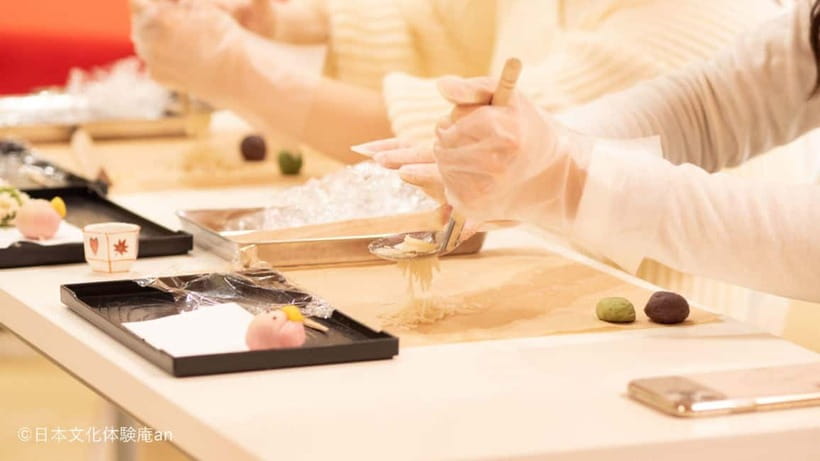
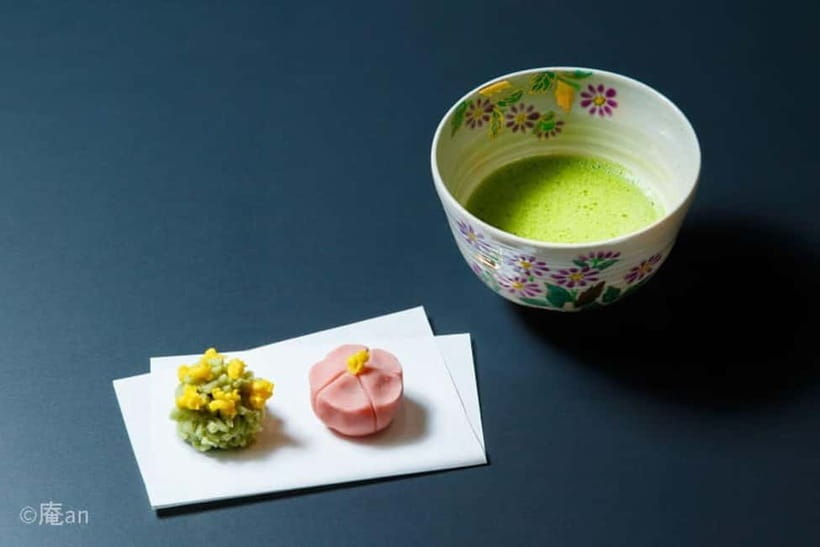
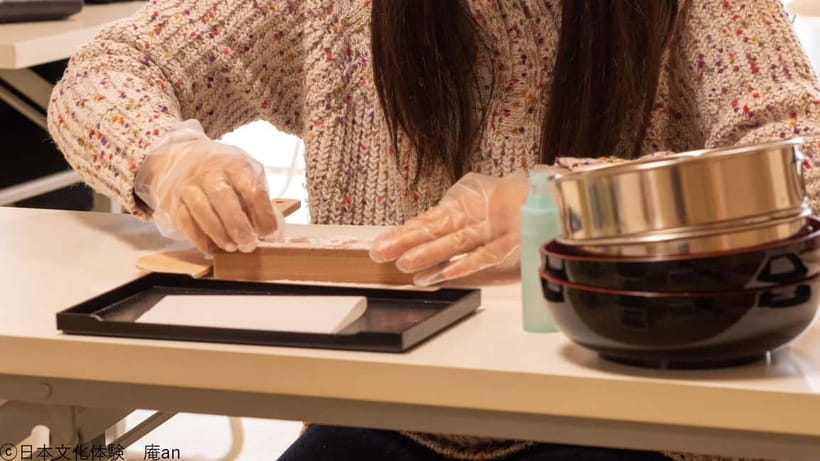
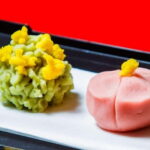
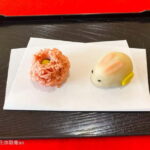
After a short break, you make two types of Nerikiri. One is a flower-shaped sweet. The other is a Kinton Nerikiri, a style known for its fine strands or textured surface.
These sweets are made from white and red bean paste sourced from long-established Kyoto shops. That ingredient choice gives the class a useful connection to Kyoto confectionery rather than treating the sweets as generic craft projects. Bean paste can look simple, but its texture, sweetness, and color are central to the finished result.
The seasonal designs are one of the best reasons to book this activity during a Kyoto visit. Japanese sweets often reflect flowers, plants, weather, and calendar events. You are not making the same fixed souvenir in every month. The shapes are intended to match the season, so the activity has a small but meaningful link to Japanese aesthetics.
The flower shape should appeal to first-time participants because the result is easy to recognize. Kinton Nerikiri gives you a second style with a different look and texture. Together, they show that Japanese confectionery is as much about form as flavor.
The class includes the basic sweet-making program, but adding color costs 200 JPY. That is a small extra charge, yet it is worth knowing before you arrive. If color is important to your final designs, bring a few coins or confirm how the optional charge is handled.
The Matcha portion: practical, casual, and participatory
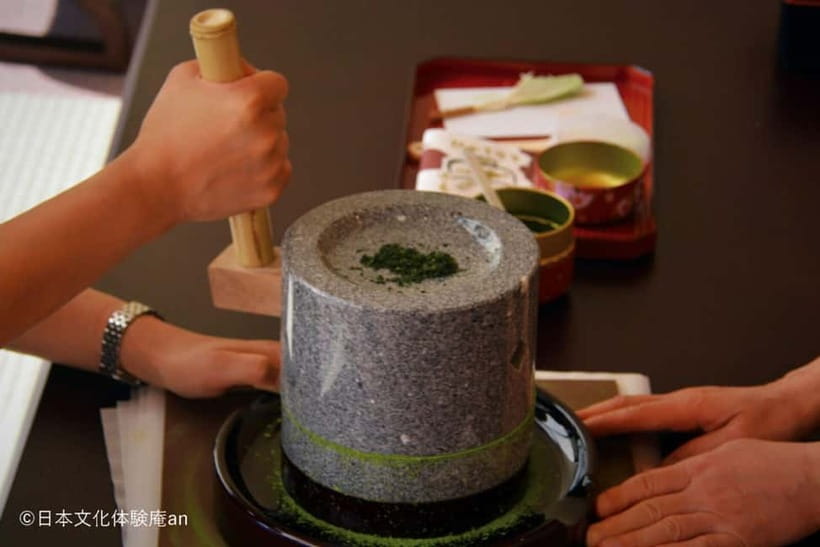
After the Nerikiri session and another break, the instructor explains tea and demonstrates Matcha grinding. You then make your own Matcha and take part in a casual tea ceremony experience.
This is where expectations need careful handling. The class does include tea procedure, a Matcha preparation, and picture time. But the tea segment is not necessarily a full formal ceremony with a long sequence of ritual movements. One participant expected a more traditional ceremony and found the session closer to an informative demonstration followed by making a cup of Matcha.
I see that as a fair description of the activity. You get to learn what you are doing rather than simply watching an expert perform every step. The casual structure makes the tea experience less intimidating, especially if this is your first encounter with Matcha preparation.
The single-origin special Matcha is another thoughtful detail. You are not only drinking a powdered green tea chosen for convenience. The class gives attention to the tea itself, then shows how it is prepared. The result is a better understanding of why water, whisking, and the balance with sweets matter.
You also have time for photographs before the official experience ends. Eating and drinking time continues after the main program, with room departure at the 125-minute mark. If you want to take pictures, do it during the designated photo period rather than while others are receiving instructions.
A clear 125-minute rhythm
The timing is organized in short blocks:
- At 0 minutes, the explanation of traditional sweets begins.
- Around 20 minutes, the first break starts.
- At 30 minutes, the flower-shaped Nerikiri begins.
- The Kinton Nerikiri follows.
- Around 85 minutes, there is another break.
- At 95 minutes, the tea explanation and Matcha grinding demonstration begin.
- Tea preparation, casual ceremony, and picture time follow.
- At 115 minutes, the formal program ends.
- At 125 minutes, eating and drinking time finish and you leave the room.
This structure helps the class feel varied. You switch from dry sugar work to bean-paste shaping, then to tea. I like that you are not asked to concentrate on one technique for two straight hours.
The breaks also matter. Japanese sweets require attention, and the tea portion asks you to listen again after hands-on work. The pauses give you time to reset.
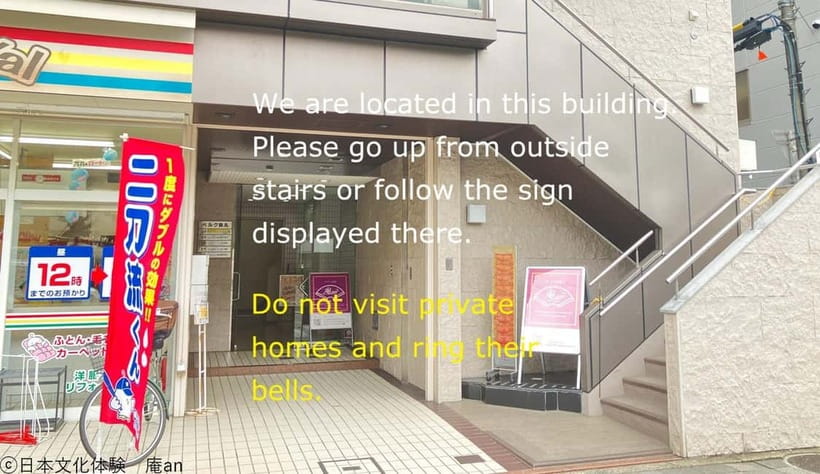
Do not arrive late and expect the class to wait. The venue says it cannot hold the event for delayed arrivals. Gojo Station is close, but give yourself enough time to find Exit 1 and locate the entrance facing Gojo-dori.
A few more Kyoto tours and experiences worth a look
What the teaching is like
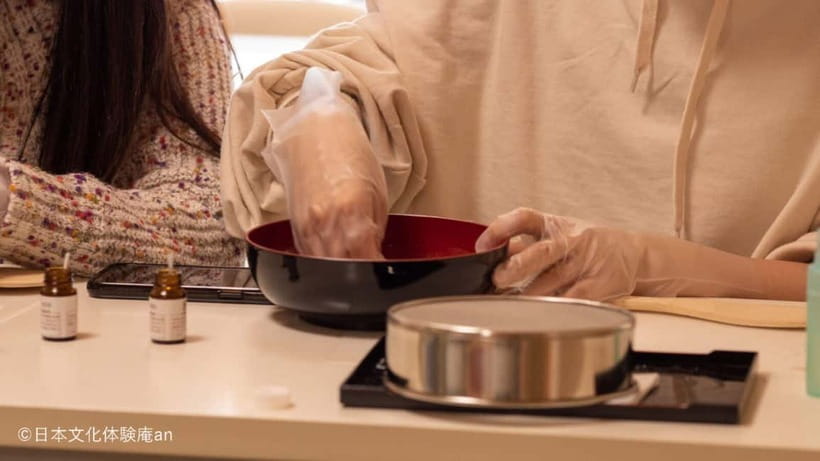
The official language is Japanese, with English translation provided as much as possible. English support has been clear and useful in past sessions, and Maiko has been described as attentive, informative, friendly, and enthusiastic. Her English has also been strong enough to help participants follow the activity.
Still, you should contact the provider in advance if you specifically need English instruction. The posted language is Japanese, so translation support should be treated as available assistance rather than a guaranteed fully English-led class.
The teaching style can vary with the group. With a cooperative room, the format should feel social and easy to follow. With a noisy group, explanations may become harder to hear and the atmosphere less intimate. The workshop is built for several participants, not a private lesson.
That classroom quality is not automatically a flaw. It means the instructor can keep the process clear and orderly. But if you are hoping for a silent room, an old tea house mood, or one-on-one attention, you may find the setting more functional than atmospheric.
Is $28 a good value?
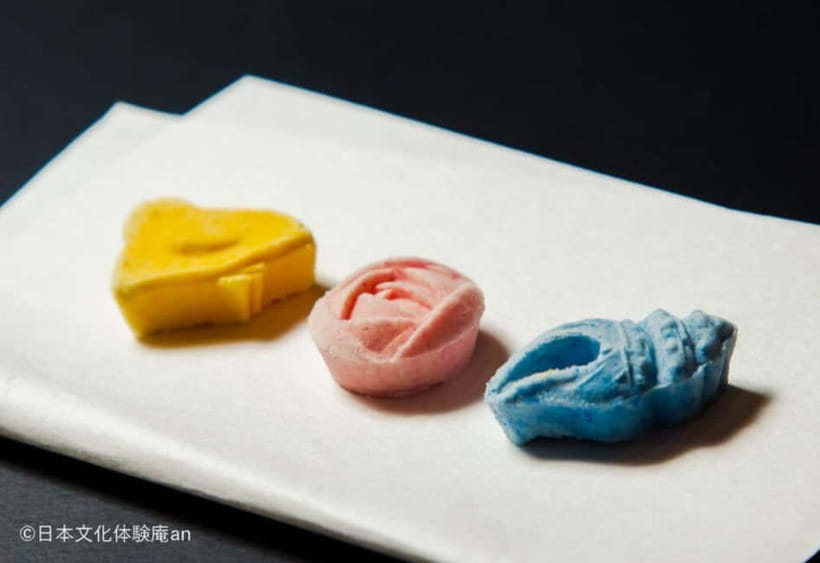
At $28, this is a good buy for the amount of active content. You are making three sweets in two styles, learning about Kyoto bean paste and Wasanbon, watching a Matcha grinding demonstration, and preparing tea. The class lasts just over two hours, so it is not a quick tourist stop.
The value is strongest for you if you would otherwise pay separately for a tea tasting and a confectionery lesson. Here, the two subjects are joined in one program. You also leave with practical knowledge about how sweets and Matcha work together.
A few extras can raise the cost slightly. Adding color is 200 JPY, a sweets take-out box is 100 JPY, and a completion certificate is 300 JPY. None is a large expense, but the take-out box may be useful if you want to protect your creations after the class.
The main value is the activity itself, not a large meal or a long sightseeing tour. You should eat normally before arriving. The included eating and drinking time is part of the workshop, not a substitute for lunch.
Location, stairs, and planning details
The meeting point is one minute from Exit 1 of Gojo Station on the Subway Karasuma Line. The entrance faces the main street, Gojo-dori, which makes the venue easier to find than an entrance tucked inside a side lane.
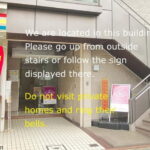
The building has no elevator, and you need to take stairs to reach the venues. The activity is listed as wheelchair accessible, but that detail does not remove the practical concern about stairs. If you use a wheelchair or have difficulty with stairs, contact the provider before booking and confirm how access will work on your date.
Operating hours are 10:00 to 17:00. Messages or reservations received after 17:00 are handled the next day, so do not expect an evening reply.
The activity offers free cancellation up to 24 hours before the start for a full refund, and reserve-now, pay-later booking is available. Once a cancellation fee applies, changing the date and time can also bring a specified fee. The provider does not cover your travel costs if you cancel, so protect your arrival time carefully.
Children under two who sit on a parent’s lap are free. Anyone who does not take part cannot enter the activity area.
Who will enjoy this most?
I would recommend this workshop to first-time visitors who want a manageable introduction to Japanese sweets and tea. It also suits food-focused travelers, families with older children, and anyone looking for a hands-on break between Kyoto sightseeing stops.
The format is especially good for curious beginners. You do not need to know the names of Japanese sweets or understand tea etiquette before arriving. The instructor explains the stages and gives you a chance to try them.
It may be less suitable for someone seeking a formal tea ceremony in a highly traditional setting. The tea portion is casual, and the room may feel like a classroom. People who prefer quiet, private instruction should also ask about the group setup before paying.
If you are sensitive to language barriers, contact the provider about English translation. The support can be helpful, but Japanese is the stated teaching language.
Should you book the Ohigashi, Nerikiri, and Matcha experience?
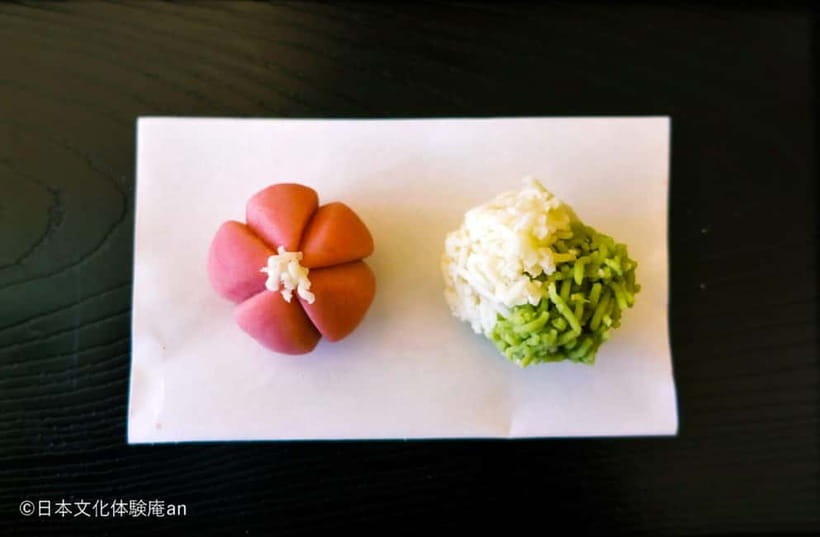
Book it if you want good hands-on value near Gojo Station and like the idea of making sweets rather than only watching a demonstration. The combination of Wasanbon Ohigashi, two seasonal Nerikiri, and self-prepared Matcha gives you a fuller cultural lesson than a basic tea tasting.
Think twice if your main goal is a quiet, formal tea ceremony with a strong sense of ritual. This class is casual, practical, and group-oriented. For most first-time visitors, that makes it approachable. For tea specialists, it may feel introductory.
My practical advice is to arrive early, confirm English support if needed, and decide in advance if you want the optional coloring or take-out box. At $28, the core program offers plenty to do and gives you a clear taste of Kyoto’s sweet-making and tea traditions.
FAQ
Where does the Japanese sweets and Matcha experience take place?
It takes place in Honshu, Japan, one minute from Exit 1 of Gojo Station on the Subway Karasuma Line. The entrance faces Gojo-dori.
How long does the activity last?
The full experience lasts 125 minutes, including the final eating and drinking time.
What sweets do I make?
You make Ohigashi from Wasanbon sugar, a flower-shaped Nerikiri, and a Kinton Nerikiri. The two Nerikiri sweets match the season.
Is Matcha included?
Yes. The program includes a Matcha grinding demonstration, tea explanations, and the chance to make your own Matcha.
Is the tea ceremony formal?
The activity describes the tea portion as a casual tea ceremony experience. It includes instruction and making your own cup of Matcha, so it may not match the length or formality of a traditional full ceremony.
What language is the class taught in?
The instructor language is Japanese. English translation is provided as much as possible, and you can contact the provider if you would like to request English support.
Are any optional items charged separately?
Yes. Adding color costs 200 JPY, a sweets take-out box costs 100 JPY, and an experience completion certificate costs 300 JPY.
Is the venue wheelchair accessible?
The activity is listed as wheelchair accessible, but the building has no elevator and stairs are required to reach each venue. Contact the provider before booking to confirm the arrangements for your needs.
What is the cancellation policy?
You can cancel up to 24 hours in advance for a full refund. Reservations or messages received after 17:00 are processed the next day, and delays are not accommodated.
More Dessert Tours in Kyoto
More Tea Ceremony Experiences in Kyoto
More tours in Kyoto we've reviewed
Tea Ceremony Experiences, compared.
 ★ 4.9Kyoto: Tea Ceremony in a Traditional Tea House in KiyomizuFrom $4945 min
 ★ 4.9Kyoto: Tea Ceremony Ju-An at Jotokuji TempleFrom $291h 10m
 ★ 4.3Kyoto: 45-Minute Tea Ceremony Lesson ExperienceFrom $2245 min
 ★ 5.0World Heritage Kyoto & Nara Uji Authentic Matcha ExperienceFrom $129
 ★ 4.9Kyoto: Table-Style Tea Ceremony at a Kyo-MachiyaFrom $451h 30m
 ★ 5.0Kimono Tea Ceremony at Kyoto Maikoya, NISHIKIFrom $65