
Reviewed · FUSHIMI INARI TOURS
Best of Kyoto: Red Gates of Fushimi Inari & Kiyomizu Temple
The best reason to book this Kyoto tour is simple: you reach Fushimi Inari’s red torii gates early, before the shrine paths fill with people and selfie sticks. You then continue to Kiyomizu-dera, Kyoto’s famous hillside temple, with a guide who explains the Buddhist customs, symbols, and stories that can be easy to miss on your own.
I like the smart route and the included transport. You get a guided look at two major sights in only three hours, and the taxi from Fushimi Inari to Kiyomizu Temple saves time and legwork. I also like the personal touch at the end, when your guide can point you toward cafes, restaurants, and bars. The main drawback is the early start and the stairs: expect at least 10,000 steps, and some shops in Higashiyama may still be closed.
- Early access to Fushimi Inari: Enjoy quieter paths and better photo chances around the famous torii gates.
- Two essential Kyoto sights: Visit Fushimi Inari Taisha and Kiyomizu-dera in one compact morning.
- Taxi fare and admission included: The $58 price covers the guide, train fares, taxi fare, and entry fees.
- English and French guidance: Tours are available with a live guide in either language.
- A useful finish in Higashiyama: End near % ARABICA Kyoto Higashiyama, with time for coffee and local dining advice.
- A proper walking workout: Stairs and more than 10,000 steps make this a poor fit for anyone with mobility limits.
In This Review
- Why an early Kyoto start pays off
- Fushimi Inari and its endless red gates
- The taxi ride that keeps the morning moving
- Kiyomizu-dera and Kyoto from the hillside
- Walking Higashiyama, Sannenzaka, and Ninenzaka
- The guides make the difference
- What $58 really covers
- Who should book this morning tour
- Practical tips for a smoother visit
- Should you book Best of Kyoto?
- FAQ
- Where does the tour meet?
- Where does the tour finish?
- How long does the experience last?
- Which sights are included?
- Are entrance fees included?
- Is transportation included?
- What languages are available?
- Is this a private tour?
- How much walking is involved?
- Can I cancel the booking?
Why an early Kyoto start pays off
Kyoto’s most famous sights are not secrets. Fushimi Inari and Kiyomizu-dera draw large numbers of people, especially later in the day. Starting early gives you the best chance to see the red gates with some breathing room and to hear your guide without competing with a wall of noise.
There is a tradeoff. Early morning means some shops and cafes in the old districts may not yet be open. If you want a full shopping session in Ninenzaka and Sannenzaka, you will need to return later. I see this tour as a sightseeing first, shopping second kind of morning.
The meeting point is easy to identify. Meet in front of the entrance to JR Inari Station, beside a small mailbox and a public phone. You must arrive at the time on your voucher, since the tour begins promptly and the route is built around an efficient morning schedule.
Fushimi Inari and its endless red gates
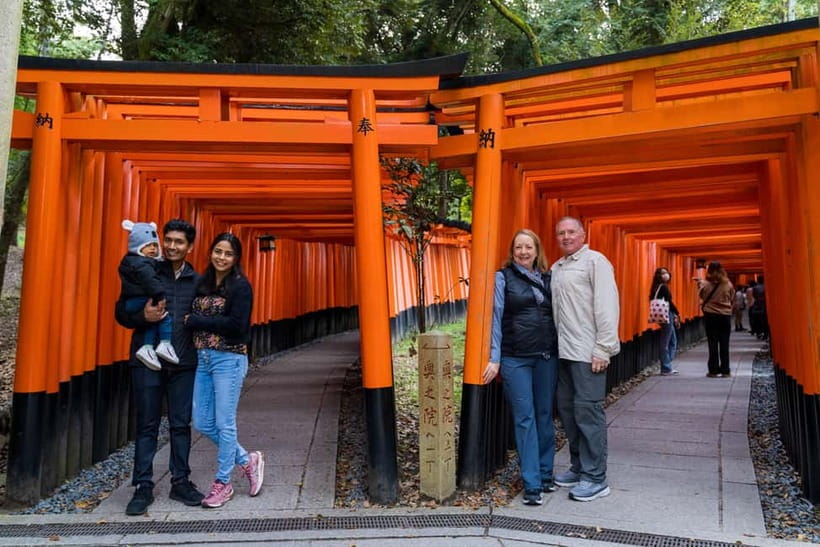
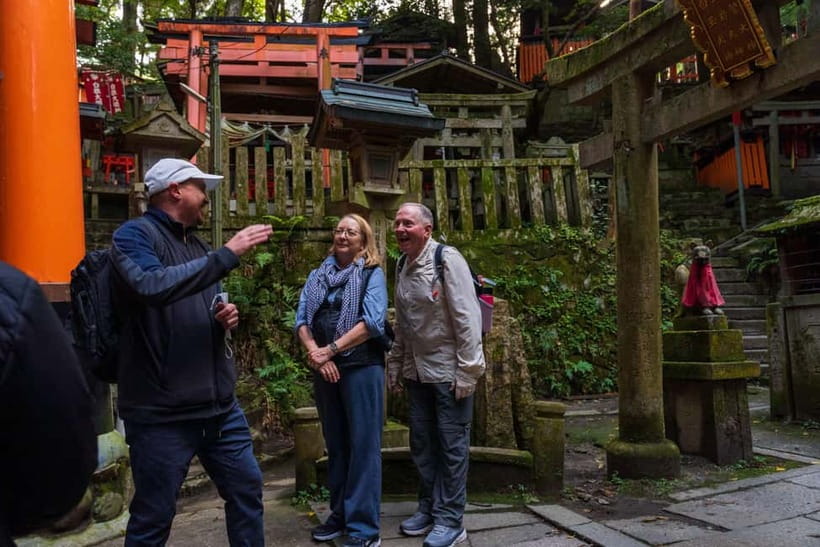
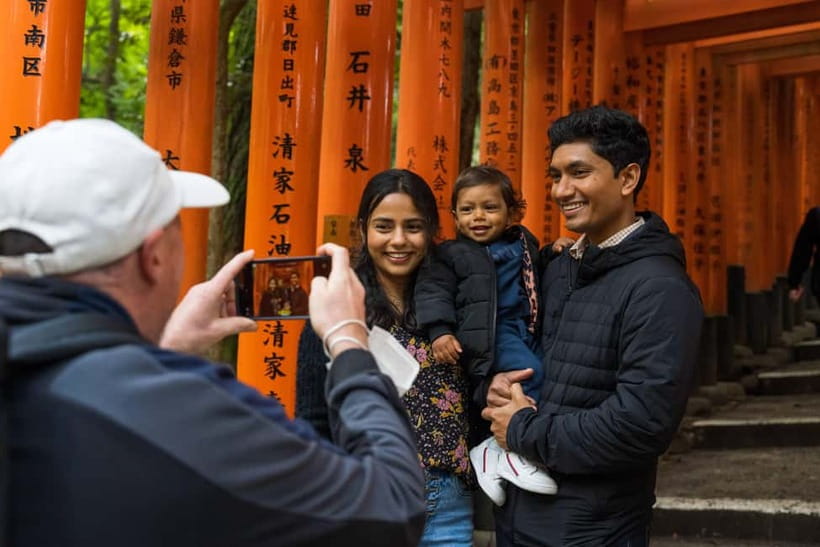
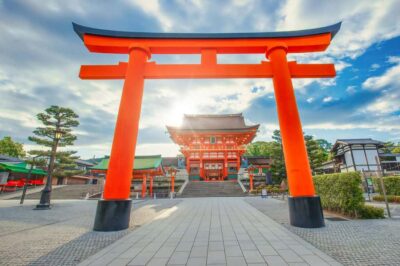
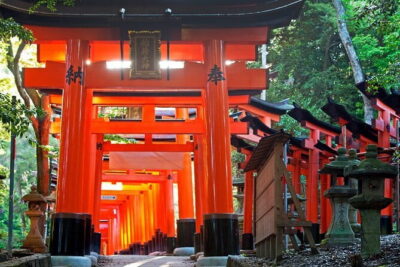
Fushimi Inari Taisha is the first stop, with about 50 minutes of guided touring. The shrine is famous for its rows of orange-red torii gates, which form covered paths up the wooded slopes behind the main shrine grounds.
Those gates are not random decoration. They are offerings connected with Inari, a Shinto deity associated with rice, agriculture, and business success. Your guide also discusses the traditions and religious meaning behind the site, giving you more to look for than color and symmetry.
The early light is a real advantage. It filters between the gates and creates long shadows, while the quieter paths make it easier to take photographs without stopping a stream of people. You will not cover every corner of the mountain in 50 minutes, so do not expect a full hike to the upper summit. Instead, you get a focused introduction to the shrine and its most recognizable sections.
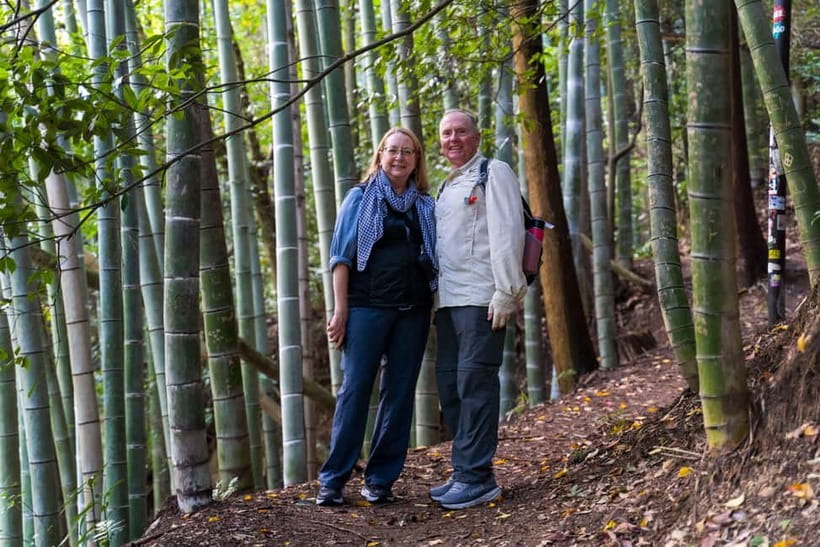
Wear shoes with a good grip. Even the lower part of Fushimi Inari involves steps, slopes, and uneven walking. The route continues on foot at Kiyomizu-dera, so this is not the morning for stiff shoes or a rushed breakfast.
A few more Kyoto tours and experiences worth a look

The taxi ride that keeps the morning moving
The taxi from Fushimi Inari to Kiyomizu Temple is included, along with the train fares and entrance fees. That matters because Kyoto’s major sights are spread across the city, and spending the middle of a short tour figuring out transit would waste valuable time.
A taxi also gives the group a chance to rest between the two main sites. You still do plenty of walking, but you avoid turning this three-hour outing into a long series of train connections and transfers. The transport is arranged for you, so you can focus on the guide and the changing scenery rather than your navigation app.
Hotel pickup and drop-off are not included. You make your own way to JR Inari Station, and the tour finishes at % ARABICA Kyoto Higashiyama. Plan your morning around those two points rather than assuming you will be returned to your hotel.
Kiyomizu-dera and Kyoto from the hillside
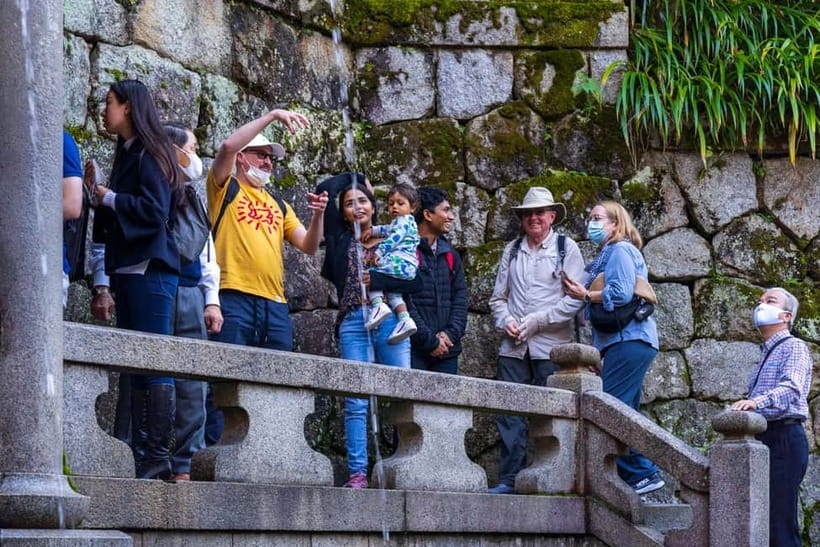
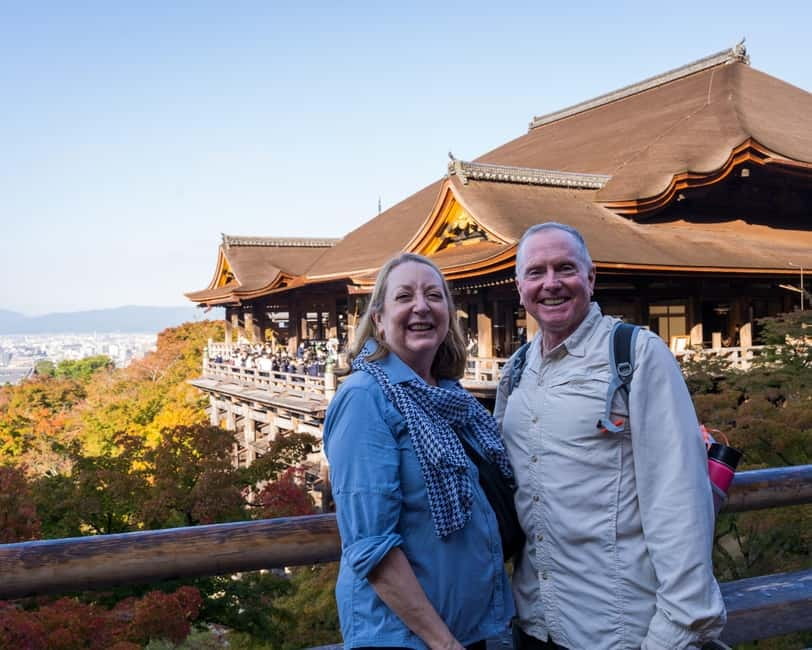
The second guided stop lasts about an hour at Kiyomizu-dera. This is one of Kyoto’s best-known temples, valued for its dramatic wooden platform, hillside setting, Buddhist traditions, and broad views over the city.
The temple is often described as a place where architecture and scenery work together. From the grounds, you can look across Kyoto while the pagodas and temple structures punctuate the view. Your guide explains the Buddhist background and the customs connected with the temple, which helps make sense of the statues, worship spaces, and ritual details.
The temple is not a quiet museum. It is a major place of worship and a major sightseeing stop at the same time. An early visit gives you a calmer atmosphere than a midday arrival, though you should still expect other groups and regular temple activity.
The route here includes stairs. Combined with Fushimi Inari, the morning can total 10,000 or more steps. The activity specifically is not suitable for people with mobility impairments, and that warning deserves serious attention. Even fit walkers should bring water and allow time for a short pause when needed, though food and drinks are not included.
Walking Higashiyama, Sannenzaka, and Ninenzaka
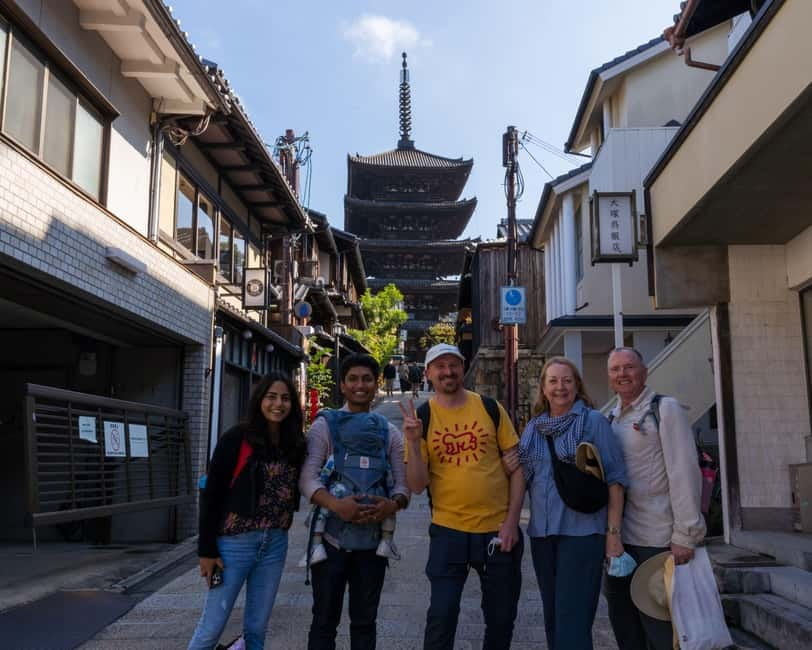
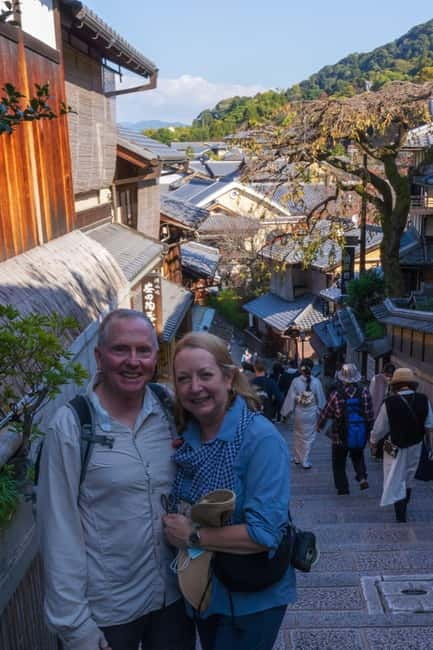
After the temple visit, you spend about 30 minutes on a photo stop and walk through Kyoto’s preserved Higashiyama area. The lanes around Sannenzaka and Ninenzaka are lined with traditional wooden houses, tiled roofs, small shops, and cafes.
This is the part of the tour that gives you a feel for old Kyoto beyond the temple grounds. The streets are narrow and attractive, with views toward pagodas and glimpses of daily life among the historic buildings. Your guide can help connect the temple visit with the surrounding neighborhood, rather than leaving you to treat the district as a backdrop for photographs.
The timing shapes the experience. Early morning keeps the lanes more peaceful, but it also means some businesses have not opened yet. That is a fair exchange if your main goal is clear photos and a less crowded walk. You can return later for shopping or a longer cafe stop.
The tour ends at % ARABICA Kyoto Higashiyama. A coffee there is not included, but it makes a sensible reward after the early start. You can also use the end of the tour to ask your guide for suggestions on restaurants, cafes, and bars. This kind of local advice is one of the more useful extras, especially if you have just arrived in Kyoto and do not yet know which neighborhood suits your evening plans.
The guides make the difference
A three-hour tour can easily become a march between famous buildings. The guide is what turns it into a useful introduction to Kyoto. The guides explain the history and customs, point out details you might miss, and leave room for photographs rather than filling every minute with a lecture.
Shanda has led this route with a friendly, positive style, and she has been praised for giving people time to take photos while explaining the traditions of each stop. Diana has also guided the experience and is especially appreciated for her clear explanations of Fushimi Inari and Kiyomizu-dera. Guide assignments can change, so you should not book on the assumption that one particular person will lead your tour.
The available languages are English and French. Private and small-group formats are offered, which can make it easier to ask questions and keep the pace comfortable. The exact group size depends on the option you book, so check that choice carefully if personal attention matters to you.
A few more Kyoto tours and experiences worth a look

What $58 really covers
At $58 per person, this tour is not the cheapest way to walk around Kyoto. You could visit both sites independently for less if you are comfortable handling train routes, taxi arrangements, entry fees, and the timing yourself.
The price becomes more reasonable when you value time and interpretation. Admission fees, train fares, and the taxi between the two sights are included. You also get a live guide who brings religious customs and local history into the visit. For a first morning in Kyoto, that removes several small decisions and keeps the route moving.
The value is strongest for visitors with only a few days in Kyoto, anyone who prefers a guided introduction, and people who want to see the two major sights before the heaviest crowds arrive. It is less compelling for independent walkers who already understand the temples and are happy to plan their own transport.
Food and drinks are extra. Since the tour ends at a cafe, budget for your own coffee or breakfast afterward. That is not a flaw, but it is worth remembering when planning a morning that starts early.
Who should book this morning tour
I would choose this experience if you want to see two essential Kyoto sights without spending half a day on logistics. It is particularly useful for a first visit, when Fushimi Inari and Kiyomizu-dera may be high on your list but their religious context is unfamiliar.
It also suits photographers who want the best chance of less crowded views. The quiet start helps at the torii gates and along the old Higashiyama lanes, though no early visit can promise an empty shrine.
You should think twice if you dislike stairs, struggle with long walks, or want a slow morning of shopping and cafe stops. The schedule is compact, the walking is substantial, and the early hour means some businesses are still closed.
The tour is available as a private or small-group experience. A private booking may be worth considering if you want to ask many questions, move at your own pace, or make the morning more personal. For a simple overview at a controlled price, a small group should work well.
Practical tips for a smoother visit
Wear comfortable clothes and reliable walking shoes. The route includes many stairs and more than 10,000 steps, so treat it as an active sightseeing morning rather than a gentle stroll.
Arrive early at JR Inari Station and look for the small mailbox and public phone beside the station entrance. That detail makes the meeting point easier to find, but you still need to allow time to reach Inari Station before the stated meeting time.
Bring only what you want to carry. You will be walking through shrine grounds, temple paths, and sloping old streets, and a heavy bag will become annoying quickly.
Keep the end of the tour open for coffee, breakfast, or a conversation with your guide about Kyoto dining. Since the tour finishes in Higashiyama rather than at your hotel, this is a good place to continue exploring on your own.
Free cancellation is available up to 24 hours before the start time, and you can reserve now and pay later. Those terms are useful if your Kyoto schedule is still changing, but the walking demands will not change with the booking conditions.
Should you book Best of Kyoto?
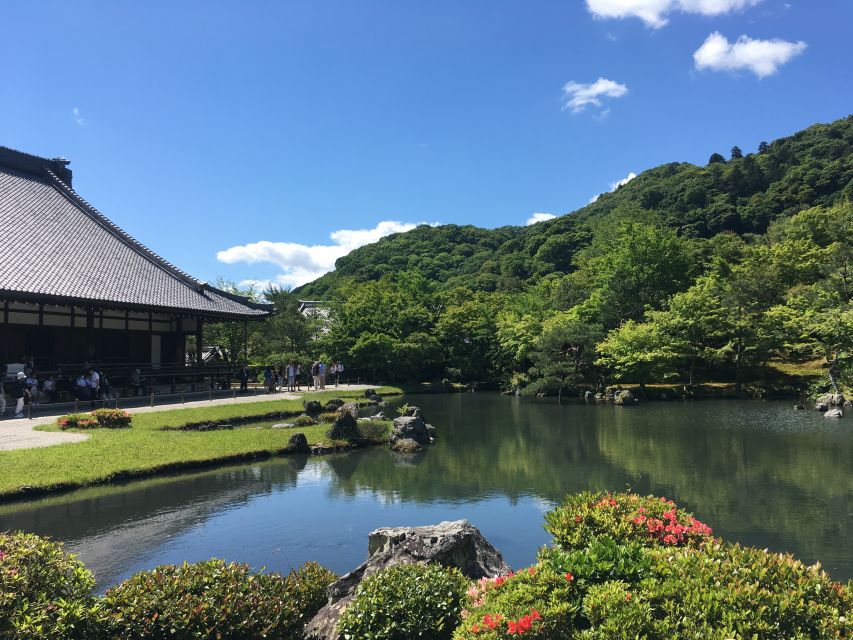
Book it if you want an early, well-organized introduction to Fushimi Inari, Kiyomizu-dera, and the old streets of Higashiyama. The combination of included admission, train fares, taxi fare, and a live guide makes the $58 cost fair for visitors who value convenience and clear explanations.
Skip it if you prefer a slow independent day, need step-free access, or mainly want shops to be open. For most first-time visitors who can handle the stairs, this is a practical way to see Kyoto’s two headline sights before the crowds take over.
FAQ
Where does the tour meet?
Meet in front of the entrance to JR Inari Station. You will find a small mailbox and a public phone next to each other at the meeting point.
Where does the tour finish?
The tour finishes at % ARABICA Kyoto Higashiyama.
How long does the experience last?
The tour lasts three hours.
Which sights are included?
The tour includes Fushimi Inari Taisha and Kiyomizu-dera, followed by a photo stop and a walk through the Higashiyama, Sannenzaka, and Ninenzaka areas.
Are entrance fees included?
Yes. Entry fees for the included sights are covered in the tour price.
Is transportation included?
Yes. Train fares and the taxi fare from Fushimi Inari to Kiyomizu Temple are included. Hotel pickup and drop-off are not included.
What languages are available?
The live tour guide is available in English or French.
Is this a private tour?
Private and small-group options are available. Check the booking option for the group format you want.
How much walking is involved?
You should expect many stairs and 10,000 or more steps during the tour. Comfortable shoes and clothes are recommended.
Can I cancel the booking?
You can cancel up to 24 hours in advance for a full refund. A reserve-now, pay-later option is also available.
More Golden Pavilion & Temple Tours in Kyoto
More Fushimi Inari Tours in Kyoto
More tours in Kyoto we've reviewed




Fushimi Inari Tours, compared.
 ★ 4.8Kyoto: Fushimi Inari, Kinkakuji, Bamboo Grove 1 Day Bus TourFrom $122510 minutes - 9 hours
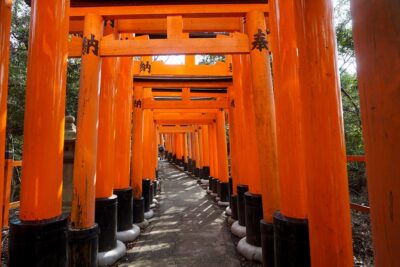 ★ 5.0Fushimi Inari Hidden Hiking Tour (Private Option Available)From $63
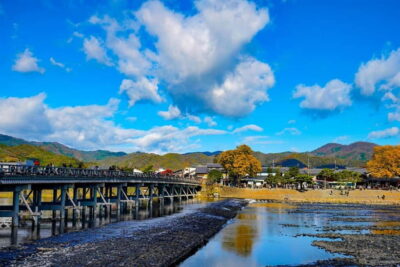 ★ 4.7Kyoto/Osaka: Nara, Fushimi Inari Taisha, Arashiyama Bus TourFrom $529 - 10 hours
 ★ 4.4Osaka/Kyoto: Arashiyama, Nara & Fushimi Inari Shrine w/LunchFrom $61
 ★ 5.0Kyoto: Nijo, Kinkaku-ji, Arashiyama, Kiyomizu & Fushimi InariFrom $51
 ★ 5.0Kyoto Fushimi-Inari Night Walking TourFrom $43