
Reviewed · GOLDEN PAVILION & TEMPLE TOURS
Kyoto Zen Meditation & Garden Tour at a Zen Temple with Lunch
The heart of this Kyoto outing is a real zazen meditation session with a Zen monk, not a quick tourist demonstration. You’ll walk through Tofukuji and nearby temple grounds, learn how the practice works, sit in a quiet meditation room, and then enjoy a traditional Buddhist lunch. I especially like the small group, capped at seven, and the guides’ personal approach. Yutaka, Hikari, and other local guides have helped visitors understand both Zen practice and Kyoto’s religious traditions.
I also like that the tour joins several pieces that can be hard to arrange alone: a guided temple walk, a dry garden, an introduction to Buddhism and Shinto, meditation, and lunch. The main consideration is timing. A 10:45 start puts lunch at about 14:15, and the meditation requires silence, stillness, and respectful behavior. Arrive early, eat breakfast, and don’t treat this as a casual drop-in temple visit.
In This Review
- Key points to know before booking
- Why the meditation makes this Kyoto tour different
- Walking through Tofukuji with a local guide
- The dry garden and the value of guided silence
- What the zazen session is really like
- A traditional Buddhist lunch after meditation
- Small group size, price, and overall value
- Who should book this experience?
- Should you book the Kyoto Zen Meditation and Garden Tour?
- FAQ
- Where does the Kyoto Zen Meditation and Garden Tour begin?
- How long does the tour last?
- How much does the tour cost?
- Is temple admission included?
- Is lunch included?
- What kind of meditation will I practice?
- How large is the group?
- How old must participants be?
- What should I know about dietary requests?
- What happens if I cancel?
- Is the tour suitable for a late arrival?
- Where does the tour finish?
Key points to know before booking
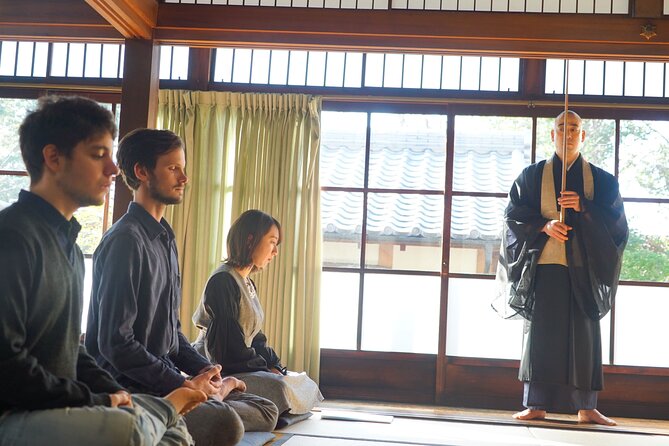
- The monk-led meditation is the main event: You receive instruction before sitting and may have a chance to ask questions afterward through your guide.
- The group is limited to seven people: That gives you better access to guides such as Yutaka and Hikari.
- Tofukuji provides the setting: Expect temple streets, Buddhist buildings, and a carefully maintained dry garden with commentary.
- Lunch is part of the experience: You’ll eat a traditional Buddhist meal associated with Zen temple cooking.
- Plan for a late meal on the 10:45 departure: Bring water and have a good breakfast or brunch.
- Silence matters during zazen: Private conversation is generally not allowed while others are meditating.
Why the meditation makes this Kyoto tour different
Kyoto has no shortage of temples, but many visits remain visual. You walk through a gate, admire a garden, take a photograph, and move on. This tour asks you to stop and practice for a while.
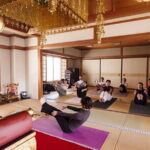
The meditation session is held at one of Kyoto’s five major Zen temples, with instruction from a resident monk. The guide prepares you for what to expect, including the basic techniques and the proper attitude for zazen. In some sessions, the monk speaks Japanese only, so your guide explains the instructions and translates additional information and questions.
That translation support matters. You don’t need prior meditation experience, and you won’t be left guessing about what to do. One reported format includes about an hour of meditation with a short break in the middle. The exact flow may vary, but you should expect a serious period of quiet rather than a short photo opportunity.
I like the way this changes your role. You are not simply looking at Zen from the outside. You are asked to sit, pay attention, and notice how the temple’s calm affects you. Coming from a noisy city or a packed sightseeing schedule, even a modest period of stillness can feel useful.
There is a practical side to the session. You must stay quiet because other people are meditating. During this time, you receive material to read silently, and private conversation is generally prohibited. If you find sitting still difficult, the session may feel long. If you want a first, guided introduction to Zen practice, it is likely to be the most valuable part of the day.
A few more Kyoto tours and experiences worth a look
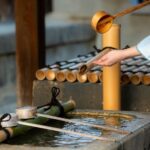
Walking through Tofukuji with a local guide
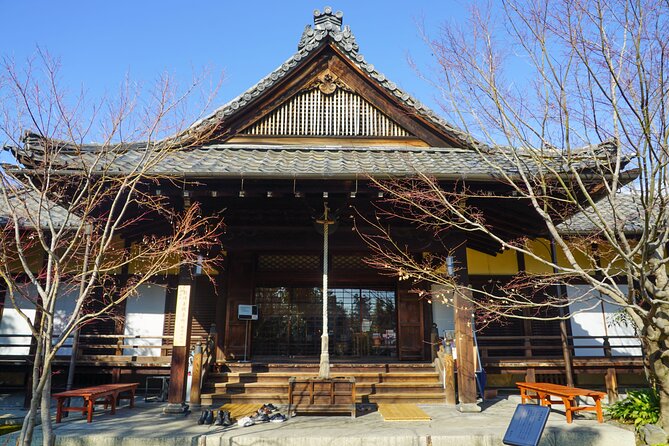
The tour begins at the FamilyMart Nakai Tofukuji location on Honmachi in Kyoto’s Higashiyama Ward. This is near public transportation, but give yourself extra time to find the meeting point. The tour starts on time, and you cannot join later if you miss the group. There is also no refund or rescheduling for arriving late.
From the meeting area, you walk through the Tofukuji district and visit Buddhist sites along the way. The guide’s role is important here. Rather than simply naming buildings, guides such as Yutaka explain how Zen Buddhism fits into Kyoto’s religious life and how Buddhist and Shinto customs differ.
Yutaka has received especially warm praise for his calm manner, clear English, and enthusiasm for Kyoto. Hikari has also helped make the meditation understandable by preparing people before meeting the monk and translating questions afterward. Guide assignments can change, so you should not book solely for one specific person, but the experience benefits from having a local who can connect the sites to the wider culture.
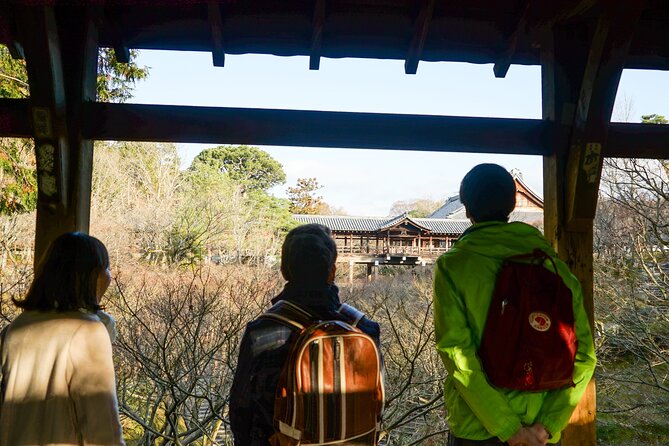
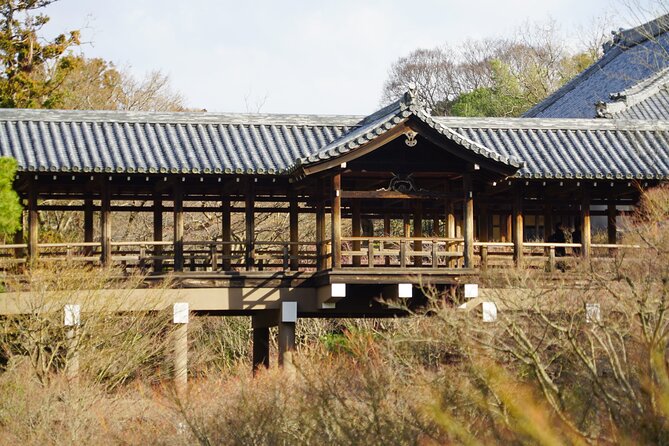
The walking portion also gives you a slower introduction to Tofukuji. You might stop at smaller temple compounds, see religious details that are easy to miss, and have time for photographs in the garden areas. It is not just a march between attractions. The pace allows the guide to explain what you are seeing and gives you time to look.
Do keep your expectations realistic. This is a walking tour through active religious sites, not a private temple opening. You’ll need to follow instructions about where to walk, when to be quiet, and where photographs are appropriate. The reward is a more respectful visit.
The dry garden and the value of guided silence
A dry landscape garden, known in Japan as a karesansui garden, uses rocks, gravel, and carefully arranged space rather than ponds and large plant displays. Its appeal is not based on a single famous object. It is a place for looking slowly and allowing the arrangement to suggest movement, distance, and balance.
Your guide provides commentary while you visit the garden, which helps you see more than a pleasant arrangement of stones. You’ll learn how the garden relates to Zen practice and why empty space is as important as the objects placed within it.
I appreciate this stop because it connects the walking tour to the meditation session. First, you look at a garden designed for contemplation. Later, you practice a form of contemplation yourself. The two activities reinforce each other without requiring you to know much about Zen beforehand.
The garden may also be one of the easiest places to feel the difference between sightseeing and attention. You can take photographs, but the tour encourages you to pause rather than rush through. If your ideal Kyoto day means visiting many famous sites in rapid succession, this stop may seem quiet. That quiet is precisely its purpose.
Winter visitors should remember that temple floors can be cold. Thick socks are recommended. In summer, Kyoto can be very hot and humid, so carry water and wear a hat. These are small details, but they affect how comfortable you feel during a half-day spent walking, sitting, and removing shoes where required.
What the zazen session is really like
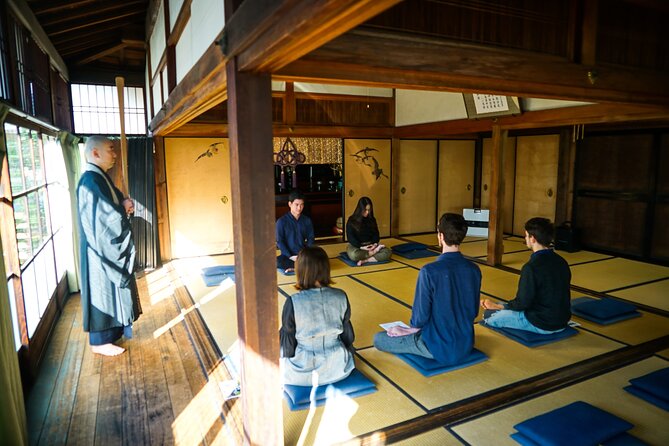
Zazen is seated Zen meditation, and this tour introduces you to its basic method in a temple setting. The monk guides you through the process, while your local guide helps with translation and context.
You should not expect a wellness class or a highly polished performance. The value comes from the setting, the presence of the monk, and the chance to ask questions about the practice. Several people have found the monk’s calm, approachable manner reassuring, especially for a first session.
A guide may explain the session beforehand so you know how to sit, what to focus on, and how to behave in the room. If the monk shares extra teaching in Japanese, the guide can translate key points. At the end, there may be an opportunity to speak with the monk through the guide.
That last exchange can be especially useful. Meditation can seem abstract when explained in a book, but a question about posture, concentration, or the purpose of the practice can make it more concrete. You will not leave as a Zen expert, of course. You will leave with a clearer sense of what zazen asks of you.
The session also demands courtesy. Do not plan to chat with your companion during the meditation. Read the provided material silently and follow the group’s lead. If you have a medical or physical reason that makes sitting difficult, the supplied information does not specify alternative seating, so ask the provider in advance rather than assuming.
A traditional Buddhist lunch after meditation
Food comes after the temple experience, and that order is worth noting. On the 10:45 departure, lunch is scheduled for roughly 14:15, after meditation. Eat enough beforehand so you can enjoy the meal instead of spending the final part of the tour thinking about snacks.
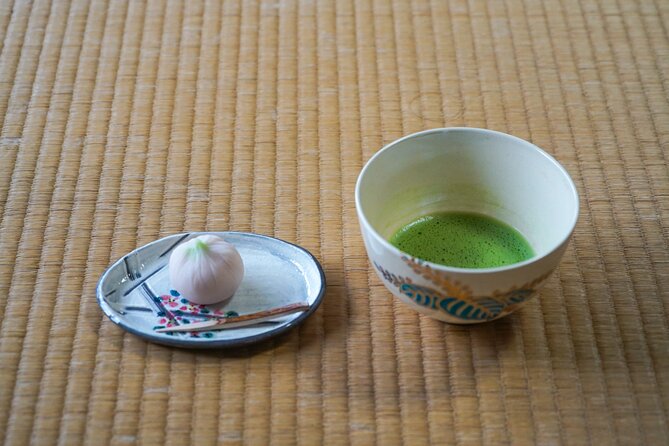
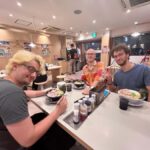
The meal is a traditional Buddhist lunch historically served by Zen monks at temple sites. It is vegetarian, and several people have found the portions generous and the Kyoto-style cooking enjoyable, even when they were usually selective eaters.
Lunch adds real value to the tour. You are not just paying for a guide and a temple visit, then arranging your own meal afterward. The food extends the cultural lesson into everyday practice. Buddhist temple cooking places attention on simple ingredients, presentation, and balance.
Dietary planning needs care. The food is prepared in kitchens that do not belong to MagicalTrip, so an allergy-free meal cannot be guaranteed. Substitutions may not be possible at every stop, although the operator says it will try to make up for restrictions elsewhere. Send dietary requests by the day before. Requests made on the day cannot be accepted.
If you have a serious allergy or strict dietary requirement, contact the provider before booking and decide if the uncertainty is acceptable. This is one of the few areas where the tour cannot promise a fully tailored experience.
A few more Kyoto tours and experiences worth a look

Small group size, price, and overall value
The price is $110.10 per person for about four and a half hours. That is not a bargain basement temple walk, but it covers several elements that would cost time and money to arrange separately: a local guide, admission to the temples, the monk-led meditation, garden commentary, and lunch.
Admission fees are included, so you do not need to stop and pay at the temples. The maximum group size of seven is another reason the price can make sense. A small group allows more questions, easier translation, and less chance that the meditation preparation feels rushed.
I would compare this with the cost of a standard guided walking tour plus a separate meditation class and lunch. The point is not simply the number of stops. It is the access to a monk and the way the day is organized around a single theme.
The experience is best value for you if you care about Buddhist practice, Japanese culture, or quiet reflection. It is less suitable if your main goal is to collect as many major sights as possible before lunch. Four and a half hours is a meaningful block of your Kyoto schedule, and much of it is intentionally calm.
The perfect score and full recommendation rate fit the tour’s strongest qualities: the guides are praised for warmth and clear explanations, the monk-led meditation is often described as the highlight, and the lunch rounds out the visit. Still, a high rating does not remove the practical limits. The late meal, strict start time, silence, walking, and dietary uncertainty deserve attention.
Who should book this experience?
I would choose this tour for a first meditation session in Japan, particularly if you want a guide to explain customs and translate questions. Solo visitors can also find the format comfortable because the small group creates a natural setting without requiring you to bring companions.
It suits people who want to understand Kyoto beyond architecture. You’ll see temples and gardens, but you’ll also hear about Zen Buddhism, Shinto, the organization of temple sites, and the role of meditation. The guide’s local background can add context that a guidebook cannot provide as easily.
Families should note the age rule: participants must be over 12. Anyone who dislikes quiet sitting or finds temple etiquette burdensome may prefer a shorter sightseeing visit.
Plan your day around the experience. Have breakfast before a 10:45 departure, wear comfortable walking clothes, bring water in summer, and pack thick socks in winter. Most importantly, arrive early. Missing the group means losing both the experience and the payment.
The tour ends near Chishaku-in Temple, although the practical plan is to disband at the last shop rather than return fully to the original meeting point. The information also says the activity ends back at the meeting point, so confirm the final drop-off details with the guide on the day. This is useful if you have a later reservation.
Should you book the Kyoto Zen Meditation and Garden Tour?
Book it if you want Kyoto to slow down for half a day. The strongest reasons are the monk-led zazen, the small group, the thoughtful temple walk, and the included Buddhist lunch. Guides such as Yutaka and Hikari have helped make the religious and cultural details clear, especially when the monk teaches in Japanese.
Think twice if you need a flexible start, an early lunch, guaranteed allergy-free food, or a packed sightseeing schedule. Also skip it if you expect a casual activity where you can talk through the meditation.
For the right person, $110.10 is fair value for direct instruction, temple admission, guiding, and lunch in one well-shaped experience. I would book this as a contrast to Kyoto’s busy sightseeing days, not as another item to race through. Free cancellation is available if you cancel at least 24 hours before the start time, which gives you some planning protection.
FAQ
Where does the Kyoto Zen Meditation and Garden Tour begin?
It begins at FamilyMart Nakai Tofukuji, 12-chōme-232 Honmachi, Higashiyama Ward, Kyoto, 605-0981, Japan.
How long does the tour last?
The tour lasts approximately four hours and 30 minutes.
How much does the tour cost?
The listed price is $110.10 per person.
Is temple admission included?
Yes. You do not need to pay separate admission fees for the temples visited during the tour.
Is lunch included?
Yes. A traditional Buddhist meal associated with Zen temple cooking is included.
What kind of meditation will I practice?
You will learn the fundamentals of zazen, or Zen meditation, in a temple setting with guidance from a Zen monk.
How large is the group?
The tour has a maximum of seven participants.
How old must participants be?
Participants must be over 12 years old.
What should I know about dietary requests?
You must submit dietary requests by the day before the tour. Allergy-free meals and substitutions cannot be guaranteed because the food is prepared in kitchens outside MagicalTrip.
What happens if I cancel?
You can receive a full refund if you cancel at least 24 hours before the experience start time. Cancellations or changes made less than 24 hours in advance are not accepted for a refund.
Is the tour suitable for a late arrival?
No. The tour starts on time, and you cannot join, receive a refund, or reschedule if you arrive late and miss the group.
Where does the tour finish?
The activity ends near Chishaku-in Temple. The practical plan is to disband at the last shop, although the meeting information also says the activity returns to the meeting point, so confirm the final arrangement with your guide.
More Lunch Experiences in Kyoto
More Golden Pavilion & Temple Tours in Kyoto
More tours in Kyoto we've reviewed


Golden Pavilion & Temple Tours, compared.
 ★ 4.8Kyoto: Fushimi Inari, Kinkakuji, Bamboo Grove 1 Day Bus TourFrom $122510 minutes - 9 hours
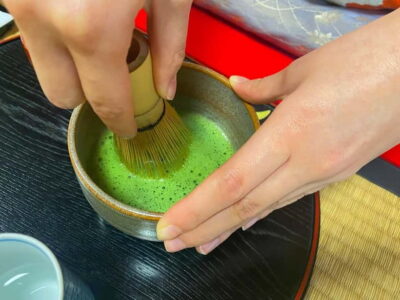 ★ 4.9Kyoto: Tea Ceremony in a Traditional Tea House in KiyomizuFrom $4945 min
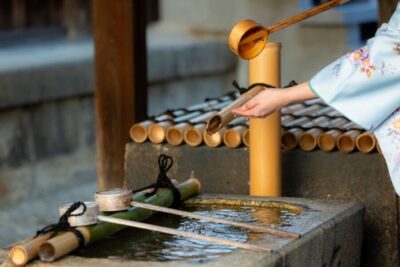 ★ 4.9Kyoto: Tea Ceremony Ju-An at Jotokuji TempleFrom $291h 10m
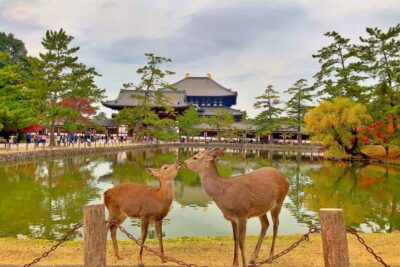 ★ 4.1Osaka/Kyoto:Kinkakuji,Arashiyama,FushimiInariShrine,NaraParkFrom $66
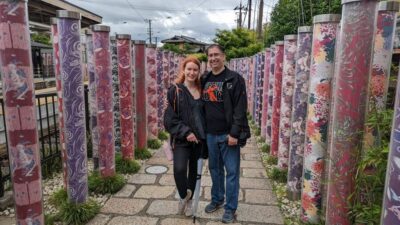 ★ 4.8Arashiyama Bamboo, Temple, Monkeys, or Secret Sake BreweryFrom $875 hours - 330 minutes
 ★ 5.0Kyoto: Nijo, Kinkaku-ji, Arashiyama, Kiyomizu & Fushimi InariFrom $51