Reviewed · CONCERTS
Concerts Played with Traditional Instruments in Kyoto
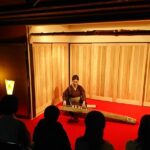
The special part of this Kyoto music experience is the setting: a traditional Japanese home becomes an intimate concert room. You hear the koto and shamisen at close range, then meet the professional musicians for questions and photos instead of simply watching a stage performance from a distance.
I like the clear introduction to the instruments and the mix of classical, modern, and original music. I also like the optional hands-on koto session, which gives you more than a passive concert. The main consideration is its short 50-minute length, so this is a focused introduction rather than a full evening of music.
In This Review
- Key points to know before booking
- Entering a Kyoto home turned into a concert room
- The opening explanation gives the music a useful frame
- Listening to Chidori no Kyoku and other pieces
- Why the home setting changes the mood
- The Q&A is where the instruments become less mysterious
- Choosing the optional koto session
- What the $39.63 price gives you
- Timing the concert into your Kyoto day
- Who will enjoy this most
- Booking, cancellation, and practical details
- Should you book this Kyoto music experience?
- FAQ
- Where does the concert take place?
- How long does the experience last?
- What instruments will I hear?
- What music is performed?
- Is the performance explained in English?
- Can I ask the musicians questions?
- Can I take photographs?
- Can I try playing the koto?
- Is transportation included?
- What is the cancellation policy?
Key points to know before booking
- A concert inside a Kyoto home: Gen Home Saiin provides a personal setting that feels different from a large theater or formal concert hall.
- Two important Japanese instruments: You receive a brief explanation of the koto and shamisen before hearing them performed.
- Classical and newer music: The program can include Chidori no Kyoku, Rokudan no Shirabe, Kajimakura, modern works, and original compositions.
- Questions and photographs afterward: The concert is followed by time to speak with the musicians and take photos.
- An optional hands-on koto session: Select the upgrade if you want to try a simple piece yourself.
- Flexible timing: Several options are offered throughout the day, useful when you are fitting music between Kyoto sights.
Entering a Kyoto home turned into a concert room
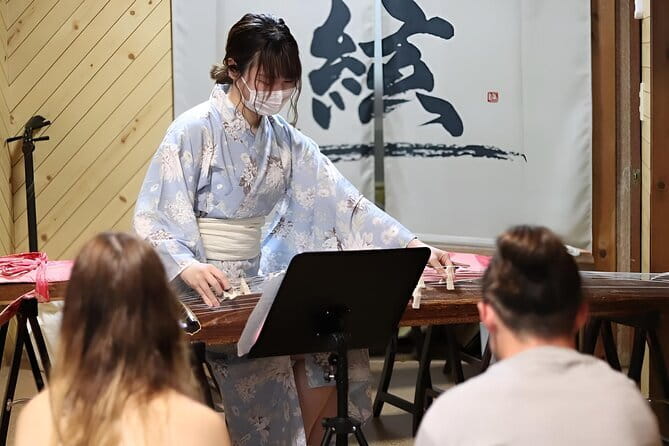
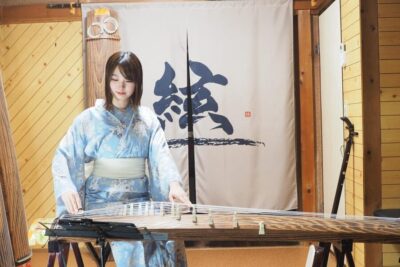
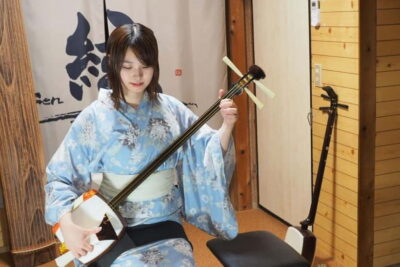
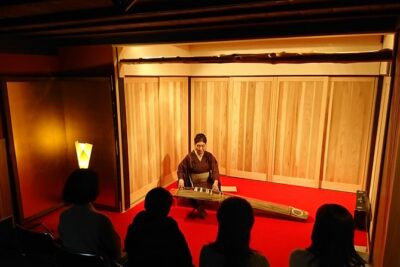
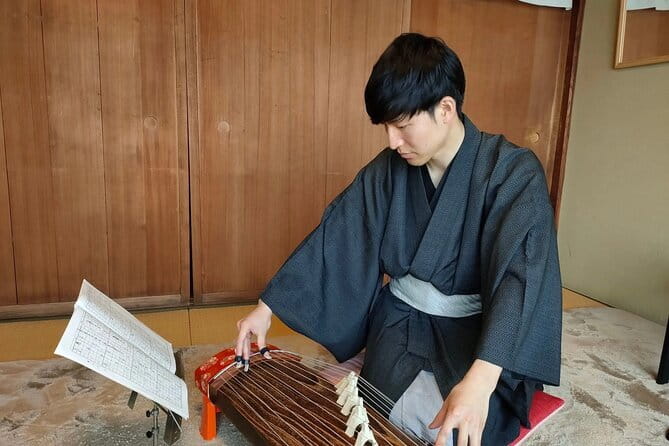
Many Kyoto music experiences take place in a theater, cultural center, or tourist venue. This one takes you to Gen Home Saiin, where a traditional Japanese home is arranged as a stage. That change of setting matters. You are not only hearing instruments linked to Japanese culture. You are seeing them played in a domestic space, at a scale that lets the sound and the musicians feel close.
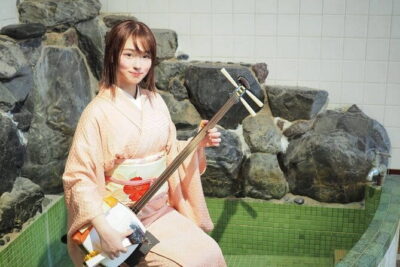
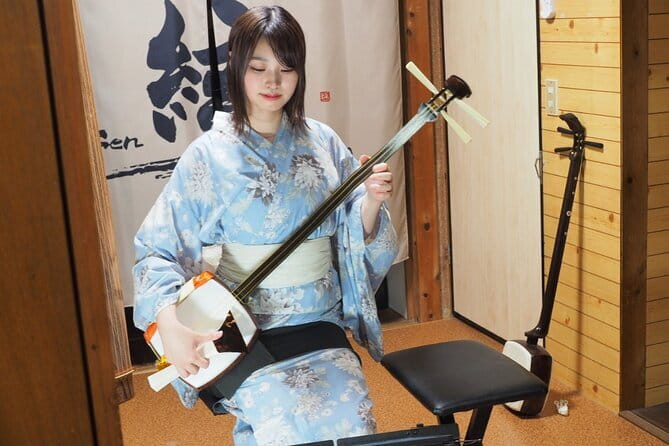
The performance centers on the koto and shamisen. The koto is a long stringed instrument, while the shamisen is a three-stringed instrument. You are given a short introduction and explanation before the music begins, so you can listen with some sense of how the instruments work and why their sounds differ.
The format is compact. The entire visit lasts about 50 minutes, which makes it easy to fit into a busy Kyoto day. You can place it between sightseeing stops rather than setting aside a whole afternoon. At the same time, the short running time means you should not expect a long concert with an extended intermission or a broad survey of every Japanese musical tradition.
A few more Kyoto tours and experiences worth a look

The opening explanation gives the music a useful frame
The introduction is one of the strongest parts of the format. Without it, a visitor unfamiliar with Japanese instruments might simply hear attractive sounds without knowing what to notice. Here, the brief explanation gives you a starting point before the first piece is played.
That context also helps you hear the difference between the koto and shamisen. The program is not presented as a silent recital with no connection to the audience. You are told about the instruments, then hear them used in performance, and later have a chance to ask questions.
The explanation is described as being available in English, and the experience is organized around a clear sequence: introduction, concert, Q&A, and photographs. That is useful if you want a cultural activity that feels easy to follow. You do not need prior knowledge of Japanese music.
This is also a good choice for first-time visitors who want something more specific than a general cultural show. The musicians focus on the instruments themselves, their origins, and the way older musical forms connect with newer compositions.
Listening to Chidori no Kyoku and other pieces
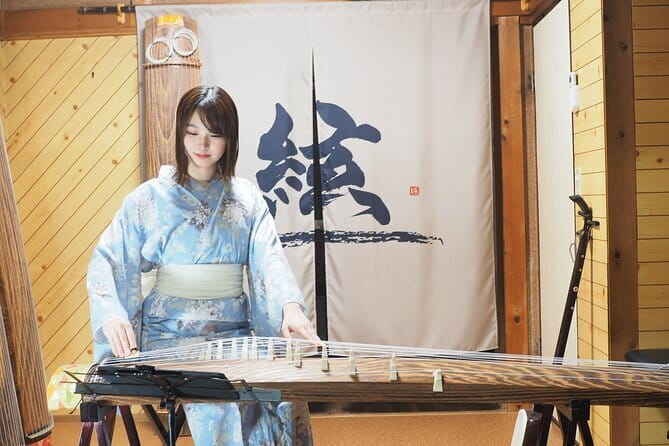
The music includes classical works such as Chidori no Kyoku, Rokudan no Shirabe, and Kajimakura. These pieces are associated with major figures in koto music, including Yoshizawa Kengyo, Yatsuhashi Kengyo, and Kikuoka Kengyo. You do not need to know those names beforehand, but hearing them in the introduction gives the program a stronger sense of place in Japanese musical tradition.
Chidori no Kyoku has made a particularly strong impression in this program. Its expressive quality can catch you off guard, especially if you are already in a quiet, attentive mood. The performance is not limited to formal classical pieces, either. You can also hear modern and original compositions, which keeps the program from feeling like a museum display of old music.
I like that balance. A program made only of historical pieces might feel distant to some people, while a program made only of newer music would offer less connection to tradition. Here, the older repertoire provides the foundation, and the contemporary and original works show that these instruments are still used for present-day expression.
The exact order and selection of pieces are not specified, so you should treat the listed works as examples rather than a guaranteed full set list. That is worth remembering if you have come hoping to hear one particular composition.
Why the home setting changes the mood
A concert in a home has a different feel from a large public venue. The room is designed for a private or small-group audience, and the music is presented at close range. That can make small movements, changes in tone, and the physical work of playing easier to notice.
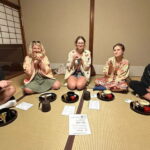
For you, the main benefit is a more personal connection to the performance. The program does not end when the last note fades. The Q&A gives you a direct chance to ask the musicians about what you have heard, and the photo opportunity adds a simple personal record of the visit.
The setting may not suit everyone. If you prefer a formal concert hall, a large stage, or a long program, this may feel modest. The home format is part of its appeal, but it also means the scale is intimate rather than grand. You are choosing access and closeness over spectacle.
The available information does not specify the maximum group size, so I would not book this expecting a guaranteed private performance unless your selected option says so. The experience is described as private or small group, which suggests a personal format, but the exact arrangement can depend on the booking option.
The Q&A is where the instruments become less mysterious

The question period is more useful than it may sound. After hearing the koto and shamisen, you can ask about the instruments, the pieces, or the musicians’ approach. This helps turn a short concert into a conversation about Japanese music.
I especially like this part for visitors who are not used to classical music. You do not have to arrive with technical questions. A simple question about the sound, construction, origins, or difference between the two instruments can help you understand what you just heard.
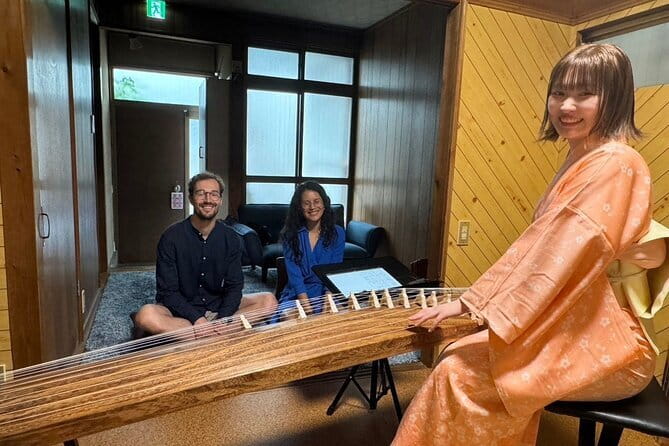
The photo-taking opportunity follows the performance and Q&A. It is not described as a separate sightseeing stop, so you should think of it as a short closing part of the visit rather than a long photo session. Still, it gives the event a friendly finish and lets you meet the performers instead of leaving immediately after the music.
The musicians are professional, and the program is presented in English. That combination makes the experience practical for international visitors who want explanation as well as performance.

Choosing the optional koto session
You can upgrade to a hands-on koto session and try playing a simple piece yourself. This is the best option if you learn by doing. Hearing the instrument gives you one kind of understanding. Touching it and attempting a short passage gives you another.
Keep your expectations sensible. The activity involves a simple piece, not a full lesson in koto technique. You will not leave as a trained musician after one short session. The value is in feeling how the instrument is played and gaining a little respect for the control required to produce its sound.
The upgrade also changes the experience from a concert with explanation into a small workshop. Families, first-time visitors, and anyone curious about instruments may find that extra participation worth the added cost, though the supplied price of $39.63 per person does not state the separate upgrade fee.
If you mainly want to listen, the standard concert should be enough. If you enjoy interactive cultural activities, choose the hands-on option when booking rather than assuming it is included automatically.
What the $39.63 price gives you
At $39.63 per person, this is priced as a short cultural activity rather than a full concert night. The visit lasts about 50 minutes, so the simple time-to-price calculation is not the whole story. You are paying for a small-scale performance, an introduction to two instruments, a Q&A, and access to a setting that is not the usual public concert venue.
I see the value most clearly if you already plan to spend time in Kyoto’s cultural sites and want one activity that adds sound and direct contact with performers. It is also a practical option for a short visit, since you do not need to commit an entire evening.
The price does not include coffee or tea, and private transportation is not included. The location is near public transportation, so you will need to make your own way there. Landing and facility fees are included, as is WiFi on board according to the booking details, although the home concert itself is the main reason to choose the experience.
The optional koto session may cost more, so check the selected booking option before paying. Multiple times are available throughout the day, which can help you find a slot that works with temples, gardens, or other plans.
Timing the concert into your Kyoto day
The experience is short enough to work well as a planned pause. If you are building a day around sightseeing, choose a time that leaves room for transportation and finding Gen Home Saiin. The activity itself is about 50 minutes, but your total time should include getting to the home and continuing to your next stop.
Several options are offered during the day. That flexibility is one of the practical strengths of the experience. You can choose a morning, afternoon, or another available time rather than forcing your whole Kyoto schedule around one fixed performance.
The activity is near public transportation, but no private transfer is supplied. You should be comfortable reaching the meeting location independently. Confirmation is received at the time of booking, so you can check the details before setting out.
Most people can participate, according to the booking information. Specific accessibility details are not provided, so if you have mobility or other access needs, confirm the arrangements before booking rather than assuming a traditional home will match a modern venue.
Who will enjoy this most
I would recommend this to you if you want a quiet, close-up cultural activity and prefer meeting performers to watching a large commercial production. It suits visitors who are curious about Japanese instruments but do not know much about them yet.
The concert also works well for couples, families, and solo visitors looking for something different from Kyoto’s temples and gardens. The English explanation, short length, and question period make it approachable. You can enjoy the music without having to prepare in advance.
The hands-on option makes it a stronger choice for children or adults who like active participation, provided they are comfortable trying a simple piece. The standard concert may be better for someone who wants to sit quietly and listen.
I would be less likely to recommend it to you if your main goal is a long, formal concert with a large ensemble. It is also not the right pick if you need coffee, tea, or transportation included. Those are small points, but knowing them beforehand helps avoid mismatched expectations.
Booking, cancellation, and practical details
The mobile ticket makes entry simple, and booking confirmation arrives at the time of booking. The experience is recommended for booking well ahead, with an average booking lead time of 33 days. That suggests you should reserve early if your Kyoto dates are fixed, especially if you want a particular time or the hands-on option.
Free cancellation is available up to 24 hours before the start time for a full refund. If you cancel less than 24 hours before the activity, you will not receive a refund, and changes made inside that same 24-hour window are not accepted. The cut-off follows local Kyoto time.
The provider is Gen. The concert, introduction, and explanation are included, while coffee, tea, and private transportation are not. Plan to reach the home on your own using public transportation or another arrangement.
Should you book this Kyoto music experience?
Book it if you want a personal introduction to the koto and shamisen, especially in a home setting with professional musicians, English explanations, questions, and photos afterward. The mix of classical pieces such as Chidori no Kyoku with modern and original music gives the 50-minute program more range than a simple demonstration.
Choose the hands-on upgrade if trying the koto matters to you. Skip it if you only want a short concert and do not need participation.
At $39.63, the experience offers solid value for a focused cultural visit, but it is not meant to replace a full concert evening. I would reserve it early, check the exact time and upgrade option, and make it part of a day when you want Kyoto to sound as distinctive as it looks.
FAQ
Where does the concert take place?
The concert takes place at Gen Home Saiin in Kyoto, inside a traditional Japanese home that is arranged as a performance space.
How long does the experience last?
The concert experience lasts approximately 50 minutes.
What instruments will I hear?
You will hear the koto and shamisen, two traditional Japanese instruments introduced before the performance.
What music is performed?
The program can include classical pieces such as Chidori no Kyoku, Rokudan no Shirabe, and Kajimakura, along with modern and original compositions.
Is the performance explained in English?
The experience includes a brief introduction and explanation, and the information provided describes the program as being in English.
Can I ask the musicians questions?
Yes. A Q&A session follows the live performance.
Can I take photographs?
Yes. Photo-taking is included after the concert and Q&A.
Can I try playing the koto?
Yes, but the hands-on koto session is an upgrade. It lets you try playing a simple piece.
Is transportation included?
No. Private transportation is not included. The location is near public transportation.
What is the cancellation policy?
You can cancel up to 24 hours before the start time for a full refund. Cancellations or changes made less than 24 hours before the experience are not accepted for a refund.