Reviewed · CONCERTS
Kyoto: Traditional Japanese Instrument Concert
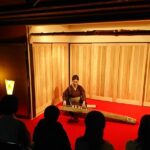
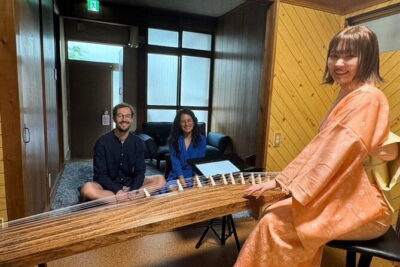
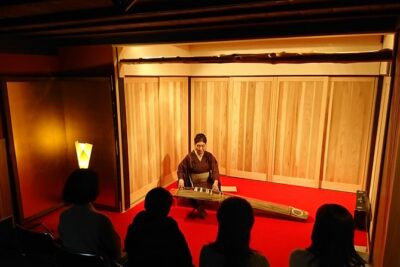
The most special part of this Kyoto concert is its setting: a small Japanese home, not a polished theater or temple hall. You sit close to the musicians as the koto and shamisen fill an ordinary living space with delicate, sometimes haunting sound.
I like the clear introduction to the instruments and the mix of classical, modern, and original pieces. I also like the friendly human contact after the music, when you can ask questions, take photos, and, depending on the session, try the koto yourself. The main drawback is that the house can be a little difficult to find, and the shamisen may receive less playing time than the koto.
In This Review
- Key points
- Why this small Kyoto concert feels different
- Entering a traditional Kyoto home
- The opening lesson on koto, shamisen, and Japanese music
- Listening to classical, contemporary, and original pieces
- The Q&A and chance to play
- Planning the concert around Kyoto sightseeing
- What the $38 price really buys you
- Who should book this experience
- Should you book the Kyoto instrument concert?
- FAQ
- How long does the traditional instrument concert last?
- How much does the concert cost?
- Which instruments will I hear?
- Do I need musical knowledge to attend?
- Is there an explanation before the music?
- Can I ask the musicians questions?
- Can I play the koto?
- Is food or drink included?
- What languages are available?
- Can I cancel the booking?
Key points
- A home concert in Kyoto: Enjoy music in a small, lived-in Japanese house rather than a large performance venue.
- Koto and shamisen explained: Learn how the instruments work, how they are played, and how their unusual sheet music is read.
- A changing program: Hear traditional songs alongside contemporary arrangements and original compositions.
- Personal contact with musicians: Meet performers such as Aoi and ask questions after the concert.
- Small-group atmosphere: Some sessions are private or have only a few people, making the experience relaxed and personal.
- Good location for sightseeing: The venue works well before or after Arashiyama, Nijo Castle, Kinkakuji, or Nishiki Market.
Why this small Kyoto concert feels different
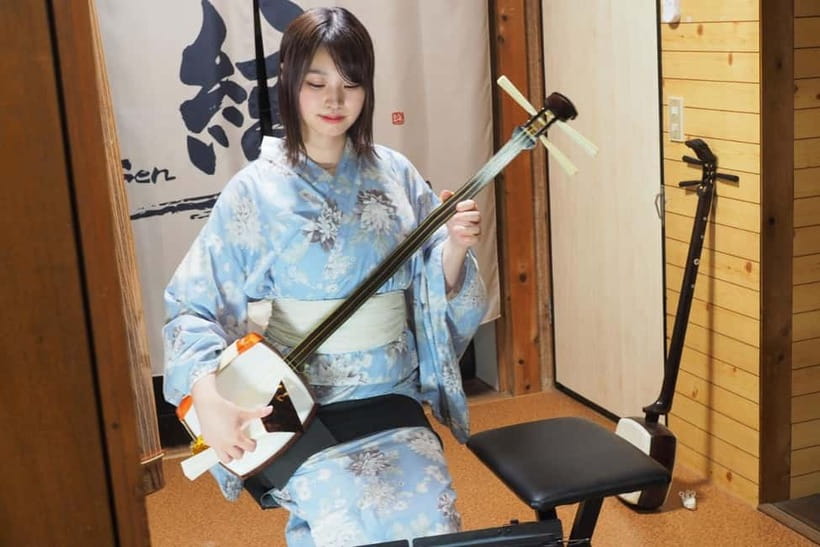
Kyoto has no shortage of formal cultural experiences. You can visit temples, admire gardens, and watch staged performances in grand halls. This concert offers something less polished and more personal: traditional music in a cozy house that feels closer to a family home than a tourist attraction.
That setting matters. The musicians are only a short distance away, and the small room lets you notice details that might disappear in a large theater. You hear the crisp pluck of the koto strings, the sharper voice of the shamisen, and the pauses between notes.
The experience costs $38 per person. That is a fair price for a live performance, an introduction to the instruments, and a question-and-answer session, especially if you appreciate small cultural events rather than large group shows. You are paying for direct access to musicians and hosts, not just a seat in an auditorium.
The concert lasts between 50 and 100 minutes. The exact length depends on the schedule and program, so check the available starting time when you book. It is easy to fit into a Kyoto day, particularly in the evening or between nearby sightseeing stops.
A few more Kyoto tours and experiences worth a look
Entering a traditional Kyoto home
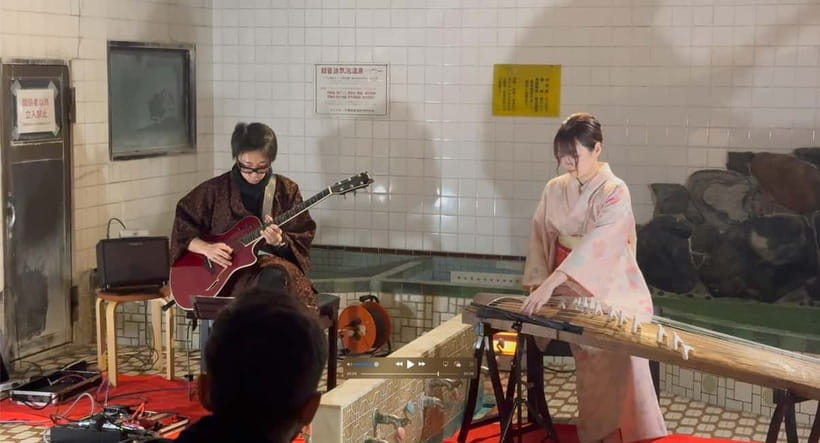
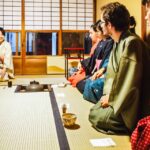
The venue is described as an old, small Japanese house. Do not expect a grand townhouse tour or a temple interior. Its appeal is more ordinary and intimate. The space gives you the feeling of stepping into a Japanese family setting, with the warmth and imperfections that come with a real home.
That also means the room is likely to feel close and informal. You will not be separated from the performers by a wide stage or rows of seats. For many people, that is the whole point. You can watch the musician’s hands, follow the movement of the picks, and see how the instruments sit in the room.
A small house comes with practical limits. Seating and space are not designed for a large audience, and the location may require a little patience to find. One person described the route as somewhat difficult, though worth the effort. Give yourself extra time and read the meeting instructions carefully.
The hosts may include Gen, Samuel, Shohei, or Sofia, while Aoi and other musicians perform depending on the date. The program and performers can change with the season, so do not book expecting one fixed lineup.
The opening lesson on koto, shamisen, and Japanese music
The program begins with an introduction to the instruments. You learn about the koto and shamisen, their materials, their sound, and their place in Japanese music. The explanations are aimed at beginners, so you do not need to know anything about traditional music before arriving.
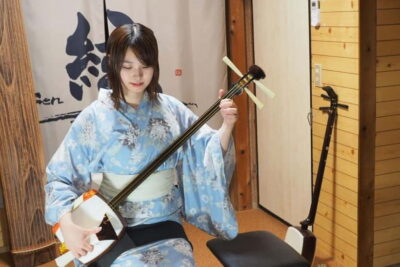
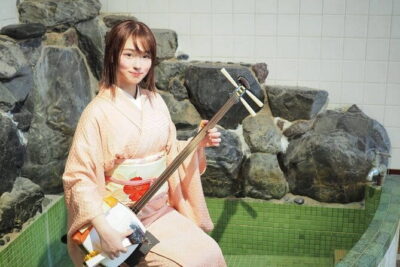
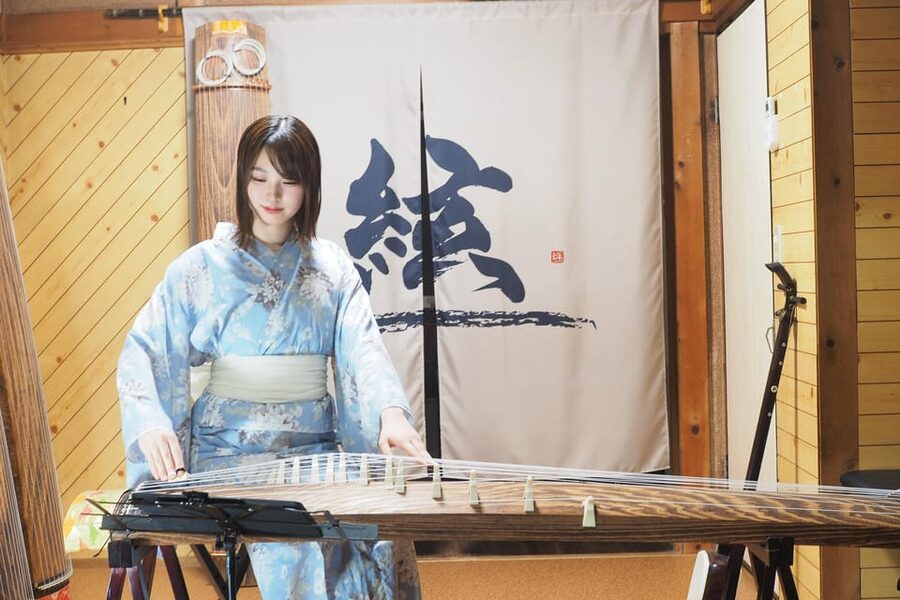
The koto is a long stringed instrument with a calm, ringing tone. Its sound can be delicate and spacious, with notes that seem to hang in the air. The shamisen has a shorter, more percussive voice. Its tone is sharper and more direct, giving the music a different energy.
One useful part of the introduction is the explanation of Japanese sheet music. It does not look like the Western notation you may know. Seeing how the musician reads the music helps you understand that the performance is not simply a matter of plucking strings by ear.
The introduction also gives you context for the pieces that follow. Rather than hearing an unfamiliar song with no background, you get a basic idea of its character and place in the program. The host may explain the history of a piece, the instrument being used, or what to listen for.
The hosts are part of the experience. Several sessions have included warm, informal conversation, with humor and simple comparisons between Japanese and foreign customs. That tone makes the event feel less like a lecture and more like a friendly meeting.
Listening to classical, contemporary, and original pieces
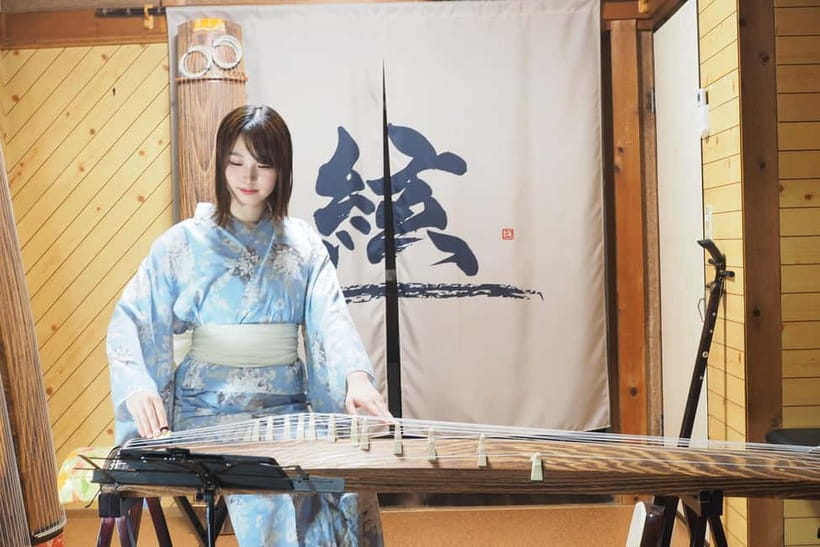
After the explanation, the live concert begins. The repertoire is not limited to ancient music. You may hear classical works, newer arrangements, contemporary compositions, or original pieces written by the performers.
That variety is important for first-time listeners. Traditional music can feel difficult if every piece belongs to a distant period and comes without context. A blend of old and new lets you hear how the instruments work in different settings.
A typical public program has included four songs, with three pieces on koto and one on shamisen. The exact set can change, and the balance may be different on another date. If shamisen is the main reason you are booking, keep in mind that the koto may receive more attention.
The music is often quiet and reflective, but it is not all the same. Some pieces have the slow, spacious quality you might expect from traditional Japanese music. Others use a more modern arrangement or an original style. The contrast keeps the performance from becoming a single long mood.
Aoi has been praised for elegant koto playing and singing. Other performers may appear, so the specific sound depends on the session. The important point is that this is a professional performance, not simply a demonstration for beginners.
You should also expect moments of silence and stillness. The music does not need visual spectacle to hold your attention. In a small, dim room, the sound becomes the main event. If you want a fast-paced show with constant movement, this may feel too gentle. If you like focused listening, it can be a welcome change from Kyoto’s crowded sights.
The Q&A and chance to play
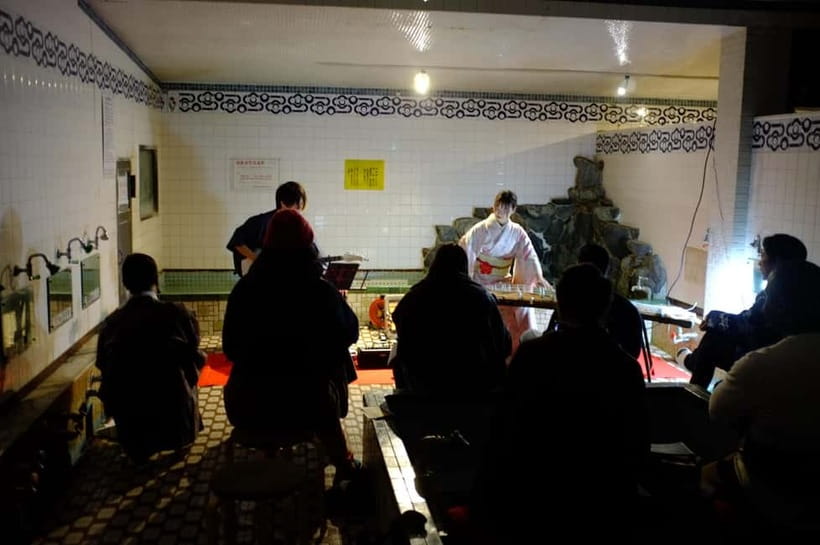
The concert ends with a Q&A session. This is where the event becomes more than a performance. You can ask about the instruments, the music, the performer’s training, or the meaning of what you have heard.
The conversation is useful because the instruments can look simple from a distance. A koto has strings and a long wooden body, but its technique, posture, picks, and tuning require care. Hearing the performer explain those details gives you a clearer sense of the work behind the music.
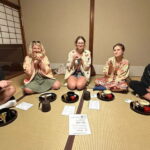
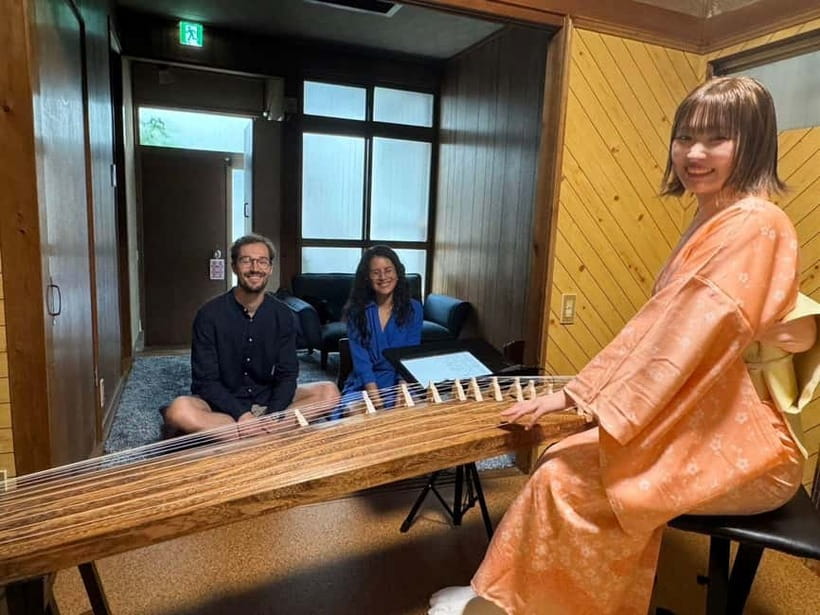
Some sessions also allow you to try the koto. You may learn how to sit, pluck the strings, and read the music. Shohei has patiently guided participants through these basics. Do not expect a full lesson, but even a few notes can change how you listen to the professional performance.
For families, this hands-on moment may be the highlight. Children old enough to sit quietly through the concert may enjoy the chance to make a sound themselves. The experience is not suitable for babies under one year, and the small room is better suited to people who can manage a calm, attentive setting.
Photo-taking follows the performance. You can create a record of the visit and, in some sessions, take photos with the musicians. The close setting makes this feel more personal than a quick picture from the back of a theater.

Planning the concert around Kyoto sightseeing
The venue is useful as part of a larger day, but allow time for the trip and the final walk. The nearby transport links make several popular areas reachable before or after the concert.
Arashiyama takes about 25 minutes by train and on foot. Saiin Station is within walking distance and provides a useful transfer point between the Hankyu Line and the Randen Line. You could visit the bamboo area and temples earlier in the day, then continue to the concert, or attend the music first and head toward Arashiyama afterward.
Nijo Castle is about 20 minutes away by train and on foot. The venue is described as only one station from Nijo Castle-mae on the Tozai Line, making this an easy pairing if you want a cultural day without crossing the whole city.
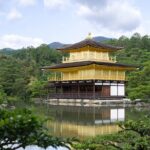
Kinkakuji, the Golden Pavilion, takes about 20 to 25 minutes by bus and on foot. The Nishioji Sanjo bus stop provides access in roughly 16 minutes, with walking included in the overall estimate. Bus travel in Kyoto can vary with traffic, so leave some breathing room if you are connecting this with a fixed concert start.
Nishiki Market takes about 25 minutes by train and on foot. A direct Hankyu Line ride can take you toward Karasuma or Kawaramachi. This works well if you want food and shopping before the concert, though Nishiki Market is more active during the day than late at night.
These times are approximate, not guarantees. Kyoto’s train system is efficient, but the last walk and finding a small house can take longer than expected. I would avoid scheduling the concert immediately after a distant attraction.
What the $38 price really buys you
At $38, this is not the cheapest cultural activity in Kyoto. You can hear street music or visit a temple for much less. But those alternatives do not give you a close professional performance, an explanation of the instruments, and time to speak with the people making the music.
The value is strongest if you would otherwise spend an hour in a bar, café, or another generic evening activity. Here, your money supports a focused cultural experience with a real performer and a small audience.
Private and small-group options are available. A private concert costs more in many settings, though no separate price is provided here. If you are marking a special occasion or want a quieter experience, ask about the private option before booking.
Food and drinks are not included. Plan to eat before or after, especially if your concert falls near dinner. The house setting is designed around music and conversation, not a meal.
Free cancellation is available up to 24 hours in advance for a full refund, and you can reserve now and pay later. Those terms are helpful when your Kyoto schedule is still shifting.
Who should book this experience
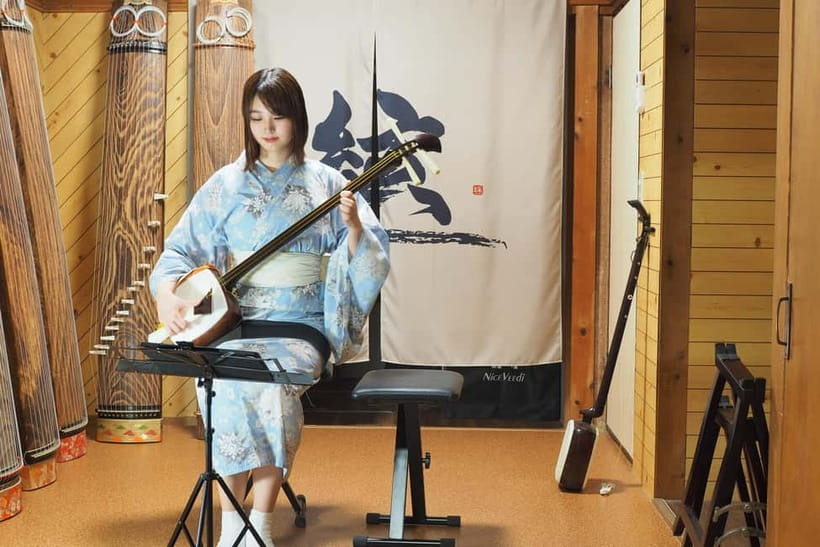
I would recommend this concert to you if you want a cultural activity that feels personal rather than mass-produced. It suits first-time listeners because no musical background is required, but it also offers enough detail for anyone already interested in Japanese instruments.
Families can enjoy it if children are able to stay quiet during the performance. Couples and solo visitors may especially like the calm atmosphere. A solo participant has sometimes had an almost private session, which can make the Q&A and instrument explanation more direct.
This is also a good choice for anyone who has spent several days visiting temples and wants a different side of Kyoto. The music offers cultural context without another long walking route or crowded landmark.
I would hesitate if your main goal is a long shamisen concert, a large stage production, or a full meal with entertainment. The program may feature more koto than shamisen, and the home venue has limited space. The route can also be less obvious than reaching a major temple.
The hosts speak English and Japanese, and explanations are designed for an international audience. The level of English may vary by host, but the basic structure is clear: introduction, performance, questions, and photos.
Should you book the Kyoto instrument concert?
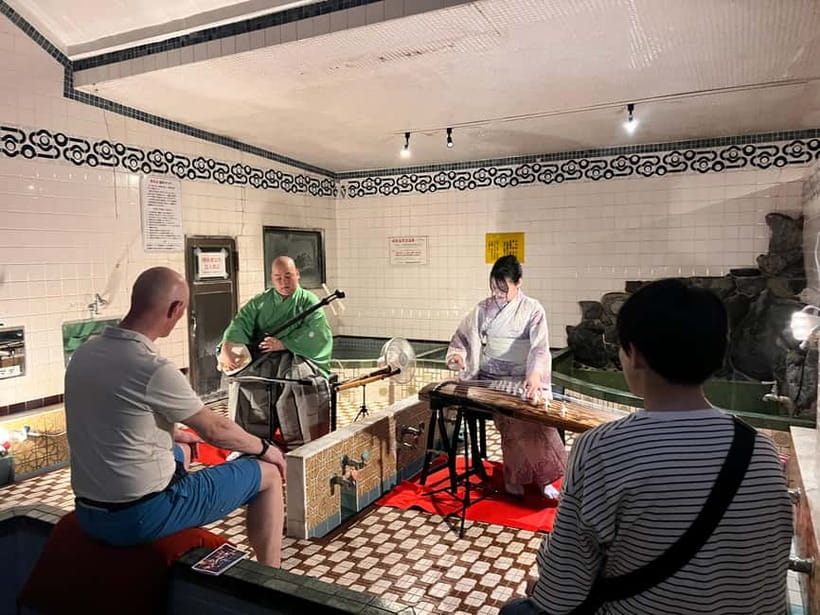
Book it if you want to hear Japanese music at close range and meet the people behind it. The strongest parts are the intimate home, the gentle explanations, the professional playing, and the chance to ask questions instead of simply watching from a distance.
I would make room for it on a Kyoto itinerary that already includes Arashiyama, Nijo Castle, Kinkakuji, or Nishiki Market. Just allow extra time to reach the house, and book with the understanding that the set list and performer may change.
For $38, this is a thoughtful choice for an evening of music and conversation. It will not replace a major theater production, but it can give you something those grand venues often cannot: a quiet room, a close view of the instruments, and a direct connection with Japanese musical tradition.
FAQ
How long does the traditional instrument concert last?
The experience lasts between 50 and 100 minutes. Starting times and the exact duration depend on availability and the scheduled program.
How much does the concert cost?
The listed price is $38 per person.
Which instruments will I hear?
The concert features the koto and shamisen. The program may also include singing and can change according to the performer or season.
Do I need musical knowledge to attend?
No. The introduction is designed for people with little or no prior knowledge of traditional Japanese instruments.
Is there an explanation before the music?
Yes. The program begins with information about the koto, shamisen, their music, and the distinctive way Japanese music is written.
Can I ask the musicians questions?
Yes. A Q&A session with the performers is included after the concert.
Can I play the koto?
Some sessions include an opportunity to try the koto, with guidance on sitting, plucking the strings, and reading the music. This is not guaranteed as a separate lesson for every program.
Is food or drink included?
No. Food and drinks are not included in the concert price.
What languages are available?
The experience is offered in English and Japanese. The host or greeter may speak either language.
Can I cancel the booking?
You can cancel up to 24 hours in advance for a full refund. A reserve-now, pay-later option is also available.