
Reviewed · E-BIKES
Hidden Kyoto E-Biking tour
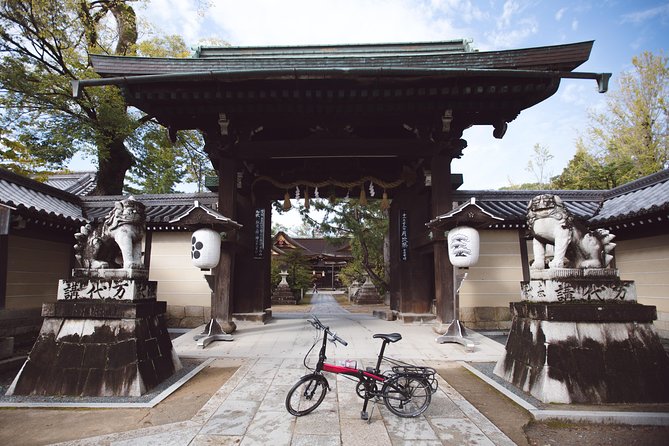
Kyoto’s best moments are often found between the famous sights. This small-group e-bike tour links Kinkakuji and Kitano Tenmangu with quiet lanes, Zen temple grounds, and corners most first-time visitors would likely miss. Guides such as Yuta, Michael, Sean, and Henry bring the stops to life with stories about Buddhism, Shinto, samurai, geisha, and daily customs.
I like the easy electric bikes, which make Kyoto’s hills far less daunting, and I like the peaceful route through the city’s northern side. The group is capped at eight, so you get real time for questions and help on the road. The main drawback is that the guide’s storytelling can run long, leaving less time to explore some stops on your own.
In This Review
- Key points to know before you book
- Why this e-bike route shows you a different Kyoto
- Kinkakuji begins the temple circuit
- Daitokuji brings you into a quieter temple district
- Kitano Tenmangu adds local color and shrine tradition
- Koto-in offers one of the ride’s calmest pauses
- Zuihoin completes the Zen focus
- The guides shape the experience
- What riding the e-bike is really like
- Is $116 a fair price?
- Who should book this Kyoto bike tour?
- Practical details that can save your morning
- FAQ
- How long is the Hidden Kyoto E-Biking tour?
- What sights does the tour visit?
- Are the bike and helmet included?
- What is the minimum age?
- Where does the tour start and finish?
- What happens if it rains or I need to cancel?
- Should you book the Hidden Kyoto E-Biking tour?
Key points to know before you book
- A calm route through northern Kyoto: Visit major temples and shrines while spending much of the ride on quieter backstreets.
- E-bikes handle the hills: The bikes make the route manageable for riders who are out of practice, though you still need basic cycling confidence.
- Strong cultural interpretation: Guides explain Zen Buddhism, Shinto and Buddhist customs, geisha history, tea traditions, and feudal Japan.
- A genuinely small group: With no more than eight people, the ride feels personal rather than like a bicycle convoy.
- Useful for first-time and returning visitors: It gives new visitors context and helps repeat visitors see a less familiar side of Kyoto.
- Plan for the weather: The tour depends on good weather, and rain can make a bike ride less comfortable even when the tour goes ahead.
Why this e-bike route shows you a different Kyoto
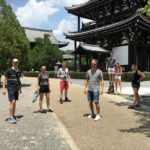
Kyoto can feel like a string of famous sights connected by crowded buses and packed pedestrian lanes. This ride changes the pace. You move under your own power, cover more ground than you would on foot, and see how temples, homes, small streets, and neighborhood shrines fit together.
The route begins at NORU Kyoto Bike Tours in Kamigyo Ward. After a bike and helmet fitting, the route coordinator gives you the basic instruction needed to handle the e-bike. The ride is described as roughly 7 to 8 kilometers and lasts about three hours and 45 minutes, including stops.
That distance is not huge, but the route includes hills and several temple visits. The electric assistance matters most on climbs, and the bike lets you save energy for listening, walking through temple grounds, and taking in the scenery. You are not racing from one sight to another.
The small group size is another real advantage. A maximum of eight people makes it easier to stay together and easier for the guide to notice if someone is nervous, tired, or having trouble with the bike. The ride is intended for people age 13 and older, and the route is described as easy, but you should still be comfortable riding a bicycle in a city.
Other cycling tours in Kyoto


Kinkakuji begins the temple circuit
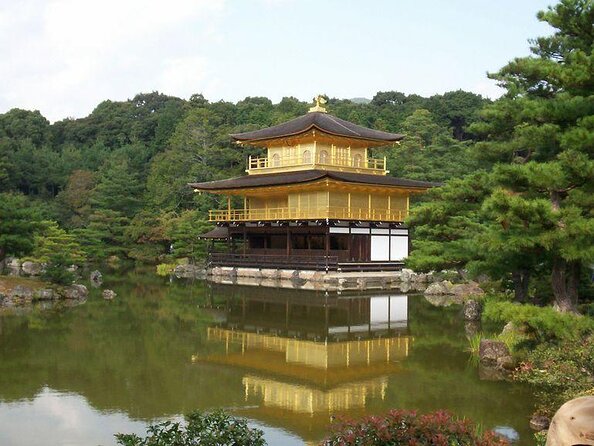
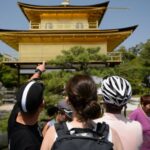
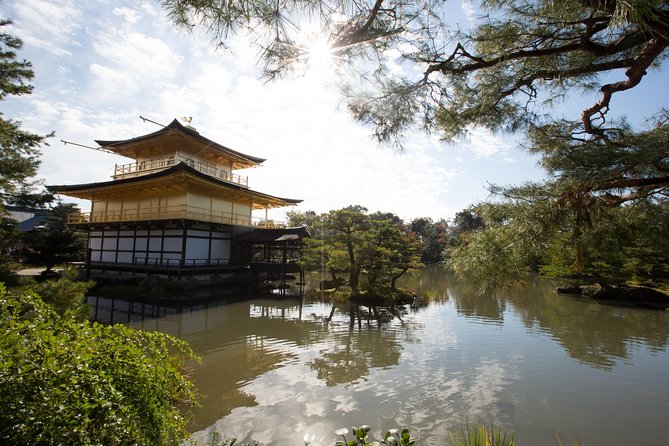
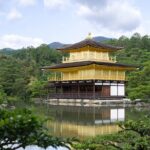
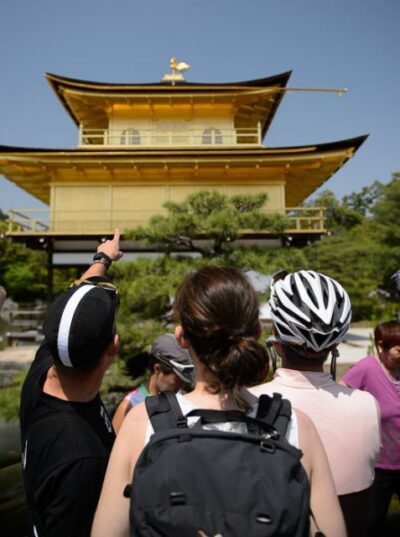
Kinkakuji, the Golden Pavilion, is the most famous stop on the route. Its bright gold exterior and pond setting make it one of Kyoto’s essential sights, and its UNESCO World Heritage status gives the visit plenty of historical weight.
It is also the stop most likely to feel busy. The tour does not make Kinkakuji a secret place, and you should not expect the same quiet atmosphere found at the smaller temples later in the ride. Still, arriving as part of a morning route can be a smart way to see it before spending the rest of the day among Kyoto’s less crowded corners.
Your guide adds value here by explaining what you are seeing instead of leaving you to take a quick photo and move on. The wider context matters. Kyoto’s temples are not just scenic buildings, and the guide’s explanations about Zen, Buddhist practice, and Japanese traditions help you read the site with more care.
Kinkakuji is also a useful opening stop because it gives you a familiar landmark before the ride turns toward quieter places. You get the classic Kyoto image, then move beyond it.
Daitokuji brings you into a quieter temple district
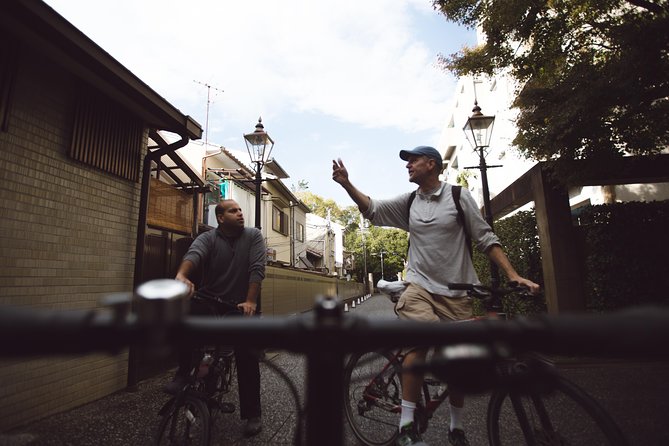
Daitokuji is a large temple complex with strong Zen connections. It offers a very different mood from Kinkakuji, with a more spacious and subdued setting that suits the tone of this ride.
The exact rhythm of the visit can depend on the day and the guide, but the point is not simply to collect another famous temple. Daitokuji helps show how Kyoto’s religious sites work as living spaces for practice, reflection, architecture, and garden design.
This is where the guide’s teaching can become especially useful. Yuta, in particular, is praised for explaining Zen Buddhism in a clear, engaging way, along with the differences between Shinto and Buddhism. Other guides, including Michael, Sean, and Henry, are also noted for connecting the sites to Japanese history and culture rather than offering only dates and names.
The possible downside is pace. If your guide gives a long explanation, you may spend more time standing or sitting and less time wandering through the grounds. That is not necessarily a flaw if you enjoy cultural detail, but it is worth knowing if you prefer a fast-moving sightseeing tour.
Kitano Tenmangu adds local color and shrine tradition
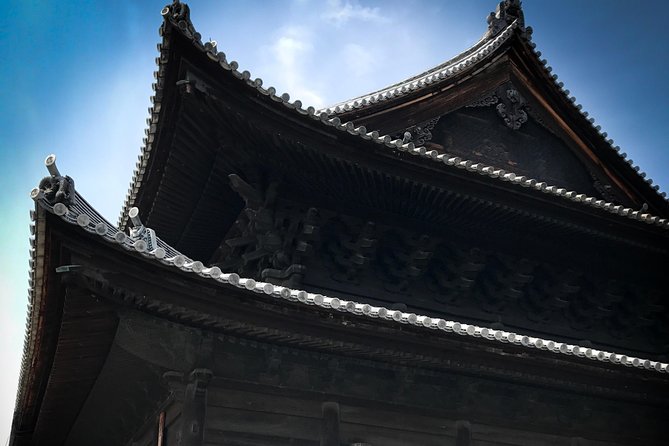
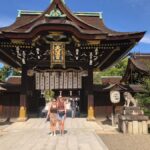
Kitano Tenmangu is a major Shinto shrine dedicated to Sugawara no Michizane, a figure linked with learning. It adds a different religious tradition to the route and gives you a chance to compare Shinto shrine customs with Buddhist temple practices.
The contrast is one of the tour’s strongest features. At a shrine, the visual language, worship practices, and approach can differ from what you see at a Zen temple. A good guide can point out these distinctions without turning the ride into a classroom lecture.
The route also passes through streets where ordinary Kyoto life is easier to notice. You may see small homes, local shops, and quiet lanes rather than only souvenir stores and tour groups. The experience is not a tour of secret attractions in the dramatic sense. Its appeal is the gradual shift from famous Kyoto to everyday Kyoto.
The shrine is also a natural place to ask about etiquette. Guides explain how to behave at temples and shrines, along with cultural dos and don’ts. That advice is practical for the rest of your Japan trip, not just for this morning.
Koto-in offers one of the ride’s calmest pauses
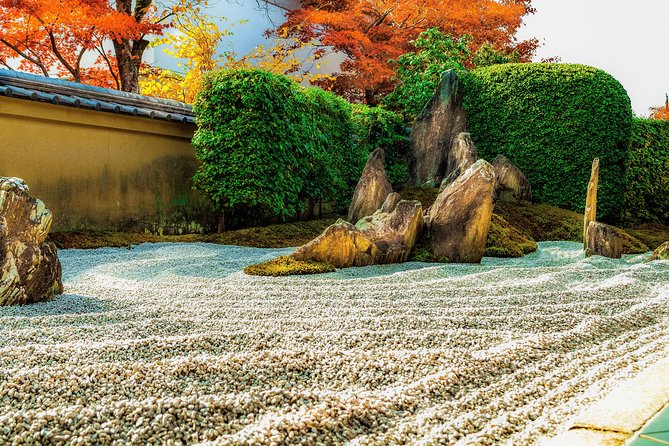
Koto-in is one of the route’s more intimate temple stops. It is known for a tranquil approach and garden setting, making it a good counterpoint to the larger and more recognized temples.
This is the kind of place that can be awkward to reach if you are relying only on public transportation and walking. The bike gives you a simple way to connect several northern Kyoto sights without spending much of the day changing buses or retracing your steps.
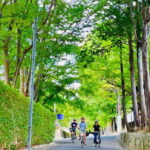
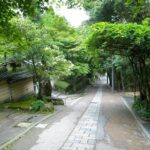
The ride between stops is part of the experience, not dead time. You pass through backstreets and quieter paths, with the e-bike doing much of the work on uphill sections. The slower speed lets you notice the shape of the neighborhoods, while the guide can continue the conversation as the group rides.
You should not expect a long, private meditation session at Koto-in. This is a sightseeing ride with short visits, and the group has several places to cover. But for many people, a brief stop in a quiet garden can be more memorable than another crowded landmark.
A few more Kyoto tours and experiences worth a look
Zuihoin completes the Zen focus
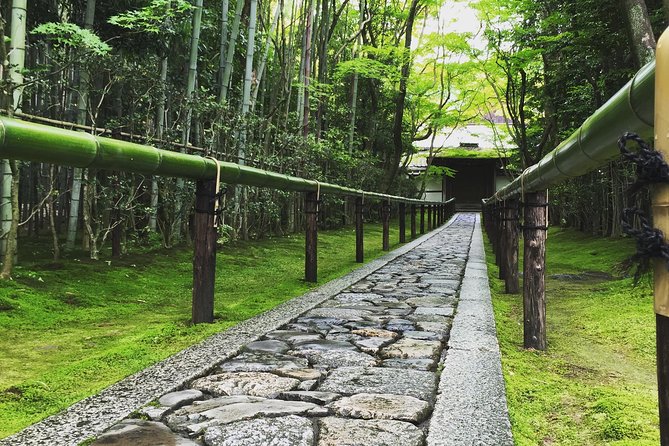
Zuihoin gives the tour another close look at Zen garden design and Buddhist thought. Its quieter setting fits the final part of the route, when the ride has moved well away from the most crowded sightseeing corridors.
Several guides bring a personal interest in Zen to this portion of the tour. Yuta is especially praised for linking Zen teachings with the spaces you visit, while other guides use stories about Japanese history, culture, and traditions to provide context.
The value here is not just the garden itself. You begin to see why Kyoto’s temple grounds are designed the way they are, and how emptiness, rocks, gravel, plants, and framed views can shape a visitor’s attention. You do not need prior knowledge of Zen to appreciate the visit.
As with the other stops, your experience will depend partly on the guide’s balance between explanation and free time. The tour is strongest for people who want interpretation. If you mainly want to ride and take photographs, you may find the spoken portions too long.
The guides shape the experience
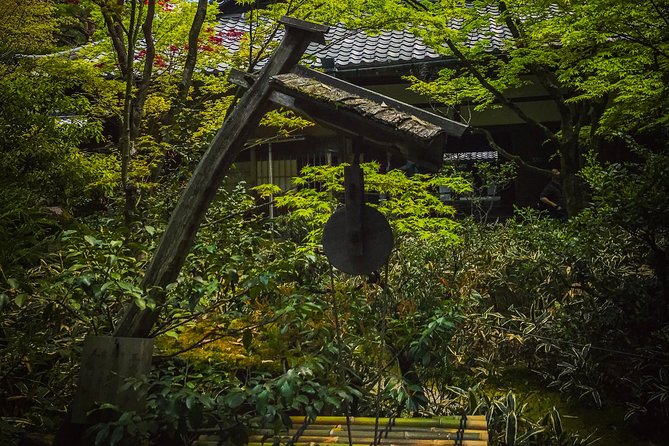
The bikes and route matter, but the guide is likely to determine how much you enjoy this tour. The strongest guide names associated with the experience are Yuta, Michael, Sean, Henry, and Shizuka.
Yuta receives particular praise for his English, patience, and ability to explain Japanese customs without sounding stiff. His subjects include Zen Buddhism, Shinto, geisha and maiko history, tea ceremony traditions, samurai, feudal Japan, and temple etiquette. He also gives food and shopping suggestions after the ride, which can be useful if this is your first day in Kyoto.
Michael is described as a strong storyteller, with a gift for making Japanese history engaging. Sean is praised for answering questions, adapting to rain and cooler weather, and offering food suggestions, including Kyoto-style ramen. Henry brings long experience living in Japan and focuses on cultural respect and local places. Shizuka has led small groups through temples, backstreets, and hilly sections of the route.
The guide assignment can vary, so you should not book on the assumption that one particular person will lead your departure. The consistent strength is the tour’s focus on explanation, not just navigation.
What riding the e-bike is really like
You do not need to be a serious cyclist for this experience, but you should not treat it as a bus tour with pedals. You will ride through Kyoto streets, manage turns and descents, and remain attentive to the group and surrounding traffic.
The electric assistance reduces the physical effort. People who had not cycled for years found the bikes manageable, and riders in their sixties completed the route. The assistance is especially helpful on steep hills, including sections described as challenging but rewarding.
A helmet and water are included. The tour begins with bike instruction, so you are not expected to figure out the controls alone. Still, if you are very nervous on bicycles, have balance problems, or cannot ride comfortably, this is not a good choice. The operator does not refund people who decide they cannot participate or cannot ride after booking.
Rain is another consideration. The tour has gone ahead in drizzle, and guides have provided rain gear in some cases, but you should bring your own raincoat or poncho and weatherproof gloves if rain is expected. Wet brakes, slick streets, and cooler temperatures can make cycling less pleasant, even when the ride remains safe.
Is $116 a fair price?
At $116 per person, this is not the cheapest way to see Kyoto’s temples. You could visit several sites independently for less, especially if you are happy using buses and walking.
The price makes more sense when you count what you are getting: nearly four hours, an e-bike, helmet, water, route planning, a small group, and an English-speaking guide who explains religious customs and local history. You are also paying for access to a route that would be harder to assemble on your own.
I see the best value for a first or second day in Kyoto. The ride helps you understand the city’s layout and gives you ideas for food and shopping afterward. It can also be worthwhile for a return visit, when you have already seen the major central sights and want a calmer route.
The value is weaker if you dislike guided interpretation or want long, unhurried visits inside each temple. You are buying a guided overview with several meaningful stops, not a full day at one temple complex.
Who should book this Kyoto bike tour?
This tour suits active families with teenagers, couples, solo visitors who like small groups, and adults who want a break from buses and crowded walking routes. The minimum age is 13, and one parent and a 13-year-old described the ride as a strong shared experience.
It is also a good fit for anyone interested in Japanese religion and culture. You will get more from the tour if you enjoy asking why a shrine works differently from a temple, what Zen gardens are meant to do, or how geisha and maiko traditions fit into Kyoto’s past and present.
Older riders can manage it if they are comfortable on a bicycle. The e-bike reduces effort, but it does not remove the need for balance, steering, and confidence on hills. If you have not cycled in many years, tell the guide at the start and take the bike practice seriously.
The tour may not suit visitors who want a completely private experience, a silent meditation program, or a rapid checklist of landmarks. The small group helps, but you are still sharing the route and the guide’s attention.
Practical details that can save your morning
The meeting point is NORU Kyoto Bike Tours at 429-22 Takigahanacho, Kamigyo Ward. It is near public transportation, and the tour returns to the same place, so you do not need to arrange a separate pickup.
Departure times are listed at 8:30, 9:00, 12:30, and 1:00. Arrive at least 15 minutes early. The operator is strict about late arrivals, and missing the departure means no refund.
The experience is weather dependent. If poor weather cancels the tour, you can choose another date or receive a full refund. If the minimum number of people is not reached, you are offered another date or experience, or a full refund.
You can cancel for a full refund up to 24 hours before the start time. Changes and cancellations inside that window are not accepted, so avoid booking this too tightly around train reservations or another fixed appointment.
FAQ
How long is the Hidden Kyoto E-Biking tour?
The experience lasts approximately three hours and 45 minutes. The cycling route is described as about 7 to 8 kilometers, or roughly 4.3 to 4.9 miles.
What sights does the tour visit?
The route includes Kinkakuji Temple, Daitokuji Temple Complex, Kitano Tenmangu Shrine, Koto-in, and Zuihoin. It also uses quieter streets and paths between the major stops.
Are the bike and helmet included?
Yes. A rental bike, helmet, water, and an English-speaking route coordinator are included in the price.
What is the minimum age?
The minimum age is 13. Most people can participate if they are comfortable riding a bicycle.
Where does the tour start and finish?
You meet at NORU Kyoto Bike Tours, 429-22 Takigahanacho, Kamigyo Ward, Kyoto. The ride ends back at the same meeting point.
What happens if it rains or I need to cancel?
The tour requires good weather. If the operator cancels because of poor weather or insufficient bookings, you can receive a full refund or choose another date or experience. You can cancel your booking for a full refund up to 24 hours before the start time.
Should you book the Hidden Kyoto E-Biking tour?
I would book this tour if you want Kyoto’s famous temples plus a quieter, more personal look at the city. The combination of e-bike access, small groups, backstreets, and thoughtful cultural explanations gives you more than a standard landmark circuit.
Book it early in your Kyoto stay if you want orientation, etiquette help, and food suggestions for later. Choose another activity if you dislike bicycles, need long unstructured temple visits, or prefer to avoid extended guide commentary. For confident riders who want to see beyond the usual route, $116 is a reasonable price for nearly four hours of transport, interpretation, and carefully chosen places.
More E-Bikes in Kyoto
More Cycling Tours in Kyoto

More tours in Kyoto we've reviewed




E-Bikes, compared.
 ★ 5.05 Top Highlights of Kyoto Full Day Bike Tour (E-bike option)From $172
 ★ 5.0E-Bike Tours of the highlights of Kyoto!!!From $109
 ★ 4.9Kyoto: Memory Kyoto E-Bike TourFrom $105
 ★ 4.9Kyoto: City Secrets eBike TourFrom $1273h 45m
 ★ 5.0Pedal Adventure Kyoto’s iconic landmarks on an e-bike tourFrom $86
 ★ 5.0Arashiyama Bamboo Forest E-Biking TourFrom $116