
Reviewed · E-BIKES
Early Bird E-biking through East Kyoto
Kyoto reveals itself especially well from a bicycle seat. This early start takes you from Fushimi Inari and Tofukuji to the Philosopher’s Path, Nanzenji, Gion, and several quieter backstreets before the day’s crowds fully gather.
I like the small group limit of eight, which makes it easier to follow the guide and ask questions. I also like that the e-bike, helmet, lunch, and a cafe stop are included, so you can cover much more ground than you could on foot.
The trade-off is that this is a long, active day, not a gentle sightseeing loop. You will ride near traffic, manage a few uphill stretches, and sometimes pass through crowded areas, so you should already feel comfortable on a bicycle.
In This Review
- Key points to know before you book
- Why an e-bike works so well in Kyoto
- Meeting the group at 8 a.m. near Kyoto Station
- Fushimi Inari and Tofukuji: a strong start
- The Kamogawa River adds breathing room
- Ginkakuji and lunch near the Silver Pavilion
- The Philosopher’s Path at bicycle pace
- Nanzenji and Heian Shrine bring different moods
- Gion’s backstreets and a chance sighting
- Higashi Honganji and the cafe finish
- What the $138.74 price really buys
- Who should book this Kyoto bike tour?
- Should you book Early Bird E-biking through East Kyoto?
- FAQ
- What time does the e-bike tour start?
- Where does the tour begin?
- Where does the tour end?
- How long does the experience last?
- What is included in the price?
- How many people can join the group?
- What are the age and height requirements?
- Do I need to be physically fit?
- Can I cancel for a refund?
Key points to know before you book
- Nine major Kyoto stops in one day: Visit Fushimi Inari, Tofukuji, Ginkakuji, the Philosopher’s Path, Nanzenji, Heian Shrine, Gion, and Higashi Honganji, with a long ride beside the Kamogawa River.
- An 8 a.m. departure: The early start helps you reach some famous places before the worst crowds, though later stops can still be busy.
- A compact group: No more than eight people join the ride, giving the guide room to adjust the pace and answer questions.
- Lunch and coffee are part of the day: Lunch is served at a nearby restaurant around Ginkakuji, and the tour also includes a stop at a favorite Kyoto cafe.
- A real cycling day: The electric assist helps, but you still need moderate physical fitness, awareness around traffic, and comfort on uneven or crowded routes.
- Useful age and size limits: The minimum age is 13, and the minimum height is 145 centimeters.
Why an e-bike works so well in Kyoto
Kyoto’s sights are spread across a broad area. Fushimi Inari lies south of the central city, while Ginkakuji and Nanzenji sit in the eastern hills, and Gion and Higashi Honganji pull the route back toward the center.
Walking between these places would take much of your day. Public transportation can help, but trains and buses do not always put you at the most scenic or convenient starting point. A bicycle lets you use riverside paths, narrow neighborhood streets, and routes between major sights that you might otherwise miss.
The electric motor matters most when the road rises toward eastern Kyoto. It does not remove the need to pedal, but it makes the distance more manageable. You still need to steer, stop, watch for people, and keep up with the group.
This is also a useful way to see Kyoto as a living city rather than a chain of isolated temples. The route includes major religious sites, but it also follows the Kamogawa River, passes through Gion’s back lanes, and uses the Philosopher’s Path. Those connecting stretches are part of the experience, not just transportation between attractions.
Other cycling tours in Kyoto
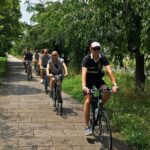
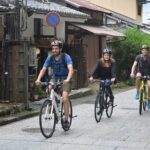
Meeting the group at 8 a.m. near Kyoto Station
The ride begins at Cycle Kyoto, at Higashikujō Nishisannōchō in Minami Ward. The meeting point is near public transportation, and the activity returns there at the end of the day.
An 8 a.m. start is a real advantage. Kyoto’s best-known temples can become crowded as the morning advances, and an early departure gives you a quieter first look at the southern stops. It also leaves enough time for a full circuit of eastern Kyoto without turning every temple visit into a rushed photo stop.
The day lasts about six to seven hours. That includes riding, walking through temple grounds, lunch, and the coffee break. Wear clothes that are easy to move in, and treat the day as an active outing rather than a standard coach tour.
The group limit is eight. That is small enough for a guide to notice if someone is struggling with the pace or having trouble with a bike. Guides named in past tours include Take, Indra, Paul, Jay, Julian, Juan, Carl, Sean, Jaime, Mayco, and Shaune. The quality of narration can depend on who leads your group, so it is reasonable to confirm the guide’s language and the expected sightseeing style when booking.
Fushimi Inari and Tofukuji: a strong start
The first ride takes about 25 minutes along the river to Fushimi Inari Taisha. You then leave the bicycles and spend around 30 minutes exploring the shrine on foot.
Fushimi Inari is famous for its long rows of orange torii gates. Even with a short visit, you get a sense of why this shrine is one of Kyoto’s signature sights. The tour does not allow time for a full climb deep into the mountain, so if walking through every gate is high on your list, you will need a separate visit.
From Fushimi Inari, it is about 15 minutes by bike to Tofukuji Temple. The planned stop lasts about 30 minutes and includes time on a picturesque bridge. Tofukuji is a major Zen temple with handsome lines and carefully arranged grounds, and the shorter stop works well as an introduction rather than a full study of the complex.
These first two stops make the route feel efficient. You see a world-famous shrine and a major Zen temple early in the day, then move on before fatigue sets in.
The Kamogawa River adds breathing room
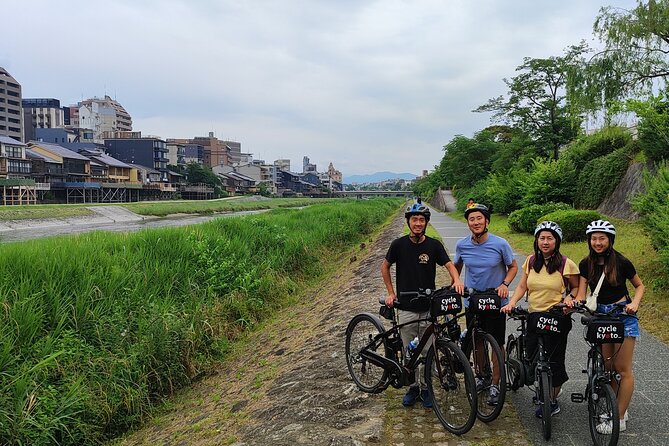
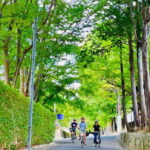
After the temples, the group takes an extended ride beside the Kamogawa River, with about 30 minutes listed for this section.
I especially like this part because it changes the rhythm. Kyoto sightseeing can become a blur of gates, halls, gardens, and stone paths. The river ride gives you open space and a chance to enjoy the bicycle itself.
The route also helps explain Kyoto’s layout. You are not simply being moved from one attraction to another. You are seeing how waterways and neighborhoods connect the southern and eastern parts of the city.
Keep your attention on the route. This is still a group bicycle ride, and the city has busy roads, pedestrians, and sections where you need to watch your surroundings closely. One useful point from the experience is that smaller riders can request a smaller bike, but you should make your height and bike needs clear in advance.
Ginkakuji and lunch near the Silver Pavilion
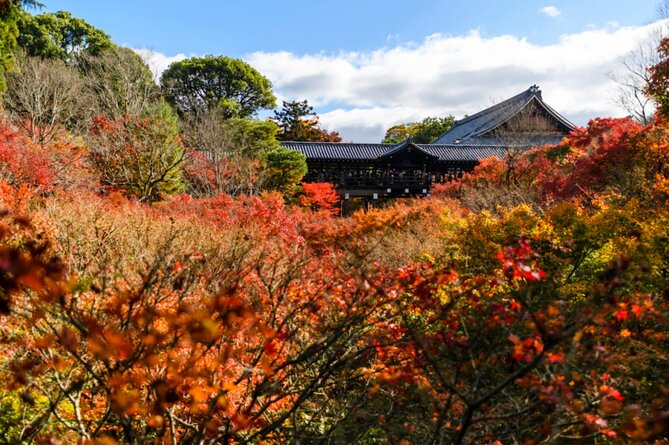
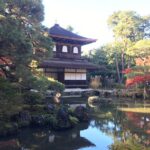
Ginkakuji Temple, often called the Silver Pavilion, is one of the day’s main stops. The visit lasts about 45 minutes, including lunch at a nearby restaurant.
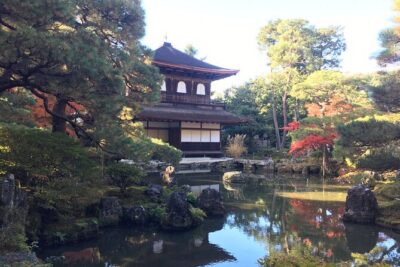
The temple itself is known for its restrained design and garden setting. It offers a quieter contrast to the bright torii gates of Fushimi Inari. The visit is not only about seeing a famous building. It also gives you time to notice the careful relationship between architecture, paths, plants, and water.
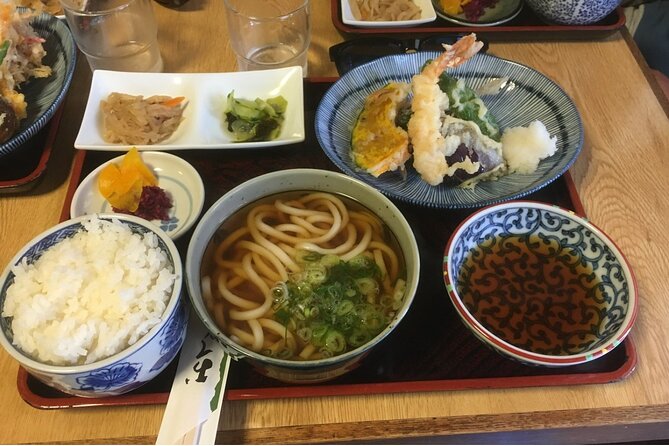
Lunch is a practical inclusion. You do not need to leave the group, search for a restaurant, or spend time deciding where to eat in a busy sightseeing area. Dietary requirements need to be shared ahead of time.
The meal is one area where expectations should stay sensible. The tour includes lunch, but it is not presented as a special food tour or a carefully planned meal at an obscure local address. At peak times, the guide may need to choose a convenient restaurant near Ginkakuji rather than an unusual place away from the crowds.
A few more Kyoto tours and experiences worth a look
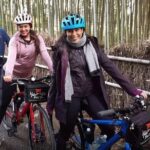
The Philosopher’s Path at bicycle pace
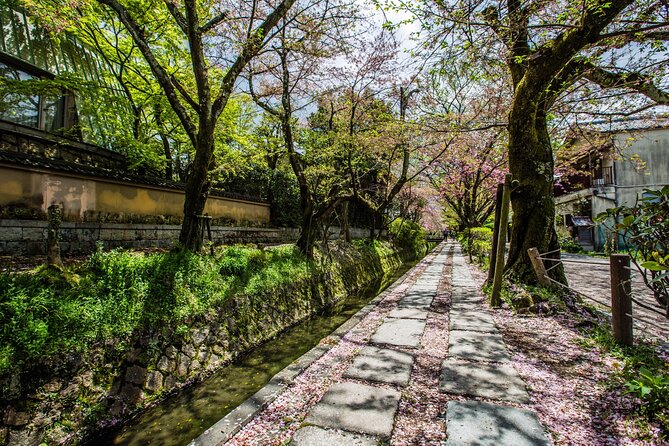
From Ginkakuji, the route follows the Philosopher’s Path for about 45 minutes. This canal-side walkway is one of eastern Kyoto’s most pleasant routes, especially when seasonal flowers are in bloom.
The name comes from philosopher Nishida Kitaro, who is associated with walking here. You will find temple gates, small shops, neighborhood homes, and a calmer feel than at the city’s largest sights.
The path can be crowded. It is not a private cycling lane, and you may need to slow down or walk the bike in busy sections. That is worth knowing before you arrive. The e-bike makes the broader route easier, but it does not give you permission to move quickly through pedestrian areas.
If seasonal blossoms are important to you, this part can be a highlight. It is also the kind of stop where you may want photos, so tell the guide early if you need a little extra time. The schedule is full, and the group cannot linger at every attractive corner.
Nanzenji and Heian Shrine bring different moods
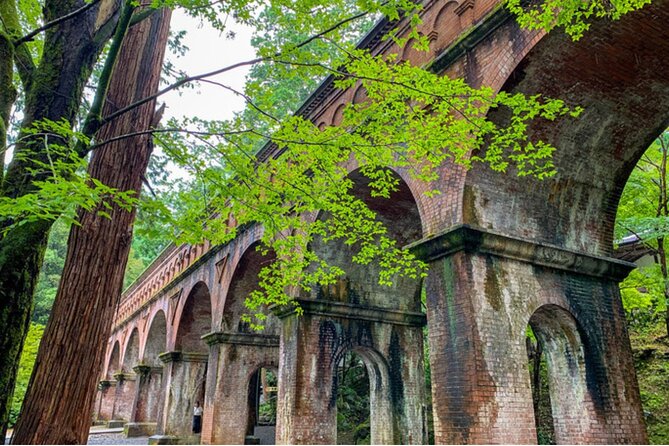
Nanzenji comes next, with around 45 minutes to walk through the grounds. This large Zen temple complex is known for its spacious setting, impressive gates, and the brick aqueduct that crosses part of the grounds.
Nanzenji rewards a slower look. You can appreciate the scale of the complex after spending the morning moving between several smaller points. The visit is on foot, so it also gives your legs a break from the saddle.
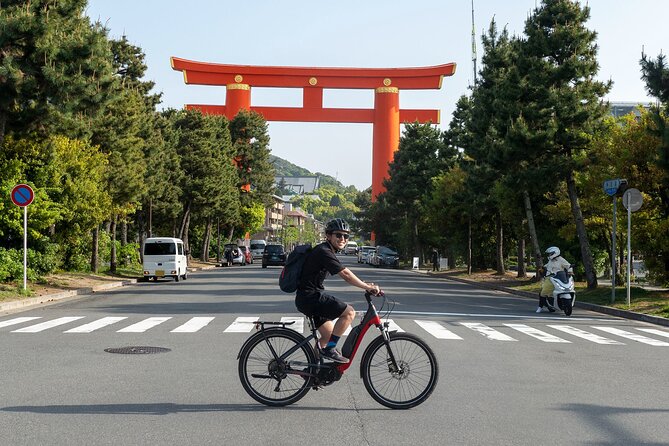
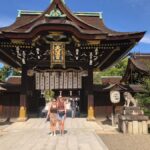
Heian Shrine follows, with about 35 minutes to stroll through its courtyard. Its large entrance structures and open courtyard create a very different impression from the older, more enclosed temple compounds. The stop is short enough to keep the day moving, but long enough for a proper look around.
The contrast between Nanzenji and Heian Shrine is one of the route’s strengths. You see different forms of sacred architecture rather than visiting several places that feel alike.
Gion’s backstreets and a chance sighting
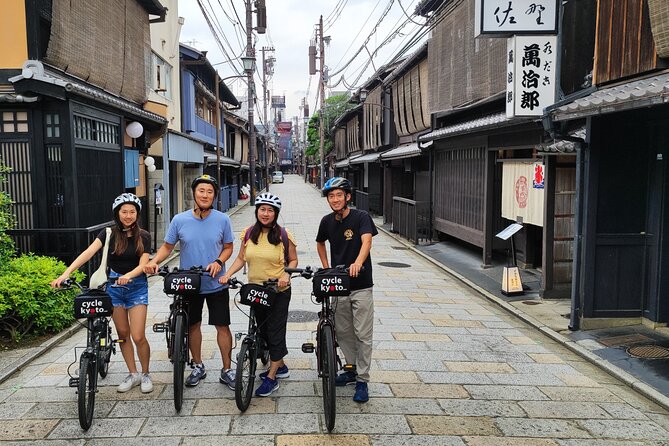
The group then cycles through Gion for about 45 minutes. The route uses backstreets in Kyoto’s traditional entertainment district, and you might catch sight of a Maiko or Geiko.
That possibility should be treated as a bonus, not a promise. Gion is a working neighborhood as well as a sightseeing area, and respectful behavior matters. Keep your distance, do not block narrow lanes, and follow the guide’s advice if you see a performer moving between appointments.
The backstreets are valuable because they show a side of Kyoto that a major road or bus window cannot. You see traditional facades, lanes, and the close scale of the district. At the same time, this can be one of the more demanding riding sections because pedestrians and vehicles share limited space.
Guides such as Juan and Indra have been praised for adding local food and neighborhood suggestions to the route, while guides including Jay and Paul have been noted for humor, careful pacing, and clear communication. The exact personality of your day will depend on the guide assigned to your group.
Higashi Honganji and the cafe finish
The final sightseeing stop is Higashi Honganji Temple, with about 15 minutes for a walk through its large wooden prayer halls. The brief visit gives you one last look at Kyoto’s religious architecture before the return ride.
The listed time also includes a stop at a favorite Kyoto cafe. That is a nice touch after several hours on the road. The coffee break is not just a snack pause. It gives you a chance to ask final questions, compare the places you have seen, and get local suggestions for the rest of your stay.
Afterward, you return to the original meeting point. The day covers a lot, so do not plan a demanding evening immediately afterward if you know long rides tire you out.
What the $138.74 price really buys
At $138.74 per person, this is not the cheapest way to see Kyoto’s temples. You are paying for the e-bike, helmet, guide, small group, lunch, cafe stop, and the route planning that links distant sights in one day.
The value is strongest if you want to see many parts of eastern and southern Kyoto but do not want to work out the route yourself. You also save the time and cost of arranging bicycle rental, figuring out which paths are practical, and deciding where to stop for lunch.
The value is weaker if you are already comfortable cycling around Kyoto and mainly want independent temple visits. One dissatisfied participant found the ride itself enjoyable but felt the price was high because the guide provided too little historical explanation. That is a fair concern, especially for a family paying about $500 in total.
The tour’s current rating is 5 out of 5 from 114 reviews, with 99 percent recommending it. The strongest pattern is clear: people praise the guides’ warmth, safe pacing, local tips, history, humor, and ability to show back roads. Specific guides such as Juan, Jay, Indra, and Paul receive repeated praise for making the day personal and informative.
There is also a useful warning in the mixed experience. Bike fit and guide quality matter. Check that the assigned bicycle suits your height, and ask questions during the tour if you want more context at a temple. A guide who focuses mainly on steering the group may not deliver the same depth as one who explains the religious and cultural meaning of each stop.
Who should book this Kyoto bike tour?
I would choose this for a first visit when you want a broad orientation to Kyoto in one day. It is especially good for couples, families with older teenagers, and small groups who are comfortable on bikes and enjoy a guide’s company.
The minimum age is 13, and the minimum height is 145 centimeters. You should have moderate physical fitness. The e-bike helps with distance and hills, but you will still be cycling for much of the day, stopping, starting, and walking around temple grounds.
This may not suit you if you dislike riding near traffic, need a very slow sightseeing pace, or want long, unhurried visits inside each temple. It is also not the best choice if your main goal is a full climb at Fushimi Inari or extended time for photography along the Philosopher’s Path.
Free cancellation is available up to 24 hours before the 8 a.m. start. The tour depends on good weather and a minimum number of bookings. If poor weather or low enrollment cancels the activity, you can choose another date or receive a full refund.
Should you book Early Bird E-biking through East Kyoto?
Book it if you want to cover a large part of Kyoto without spending the day changing trains and buses. The combination of famous temples, river riding, Gion lanes, lunch, and a cafe stop gives you a useful first look at how the city fits together.
Before paying, be honest about your cycling ability and confirm your bike size. Also decide how much temple explanation you need. With a strong guide, this can be one of the most memorable ways to meet Kyoto. With a less prepared guide, the same route may feel like an expensive ride between sights.
For most active first-time visitors, the small group and included equipment make the price reasonable. If you want a slow, scholarly temple tour, choose a walking guide instead. If you want to see Kyoto from street level and still reach the major eastern sights by lunchtime, this is a smart pick.
FAQ
What time does the e-bike tour start?
The tour starts at 8:00 a.m.
Where does the tour begin?
It begins at Cycle Kyoto, located at Higashikujō Nishisannōchō, Minami Ward, Kyoto, 601-8003, Japan.
Where does the tour end?
The activity ends back at the original meeting point.
How long does the experience last?
The tour lasts approximately six to seven hours.
What is included in the price?
An e-bike, helmet, lunch, and a cafe stop are included. Admission to Ginkakuji is also included. The other listed temple and shrine stops have no admission charge.
How many people can join the group?
The maximum group size is eight people.
What are the age and height requirements?
The minimum age is 13 years old, and the minimum height is 145 centimeters.
Do I need to be physically fit?
You should have a moderate level of physical fitness. The ride includes extended cycling, some uphill sections, busy areas, and walking at several temples and shrines.
Can I cancel for a refund?
You can cancel at least 24 hours before the start time for a full refund. Cancellations or changes made less than 24 hours before the start are not accepted for a refund. If bad weather or an insufficient number of bookings cancels the tour, you will be offered another date or a full refund.
More E-Bikes in Kyoto
More Cycling Tours in Kyoto
More tours in Kyoto we've reviewed



E-Bikes, compared.
 ★ 5.0Hidden Kyoto E-Biking tourFrom $116
 ★ 5.05 Top Highlights of Kyoto Full Day Bike Tour (E-bike option)From $172
 ★ 5.0E-Bike Tours of the highlights of Kyoto!!!From $109
 ★ 4.9Kyoto: Memory Kyoto E-Bike TourFrom $105
 ★ 4.9Kyoto: City Secrets eBike TourFrom $1273h 45m
 ★ 5.0Pedal Adventure Kyoto’s iconic landmarks on an e-bike tourFrom $86