
Reviewed · CITY TOURS
Kyoto: City Secrets eBike Tour
Kyoto’s best moments often come between the famous sights, and this 9km e-bike ride is built around those in-between places. You move from the Golden Pavilion and old geisha streets to quiet temple grounds, mountain roads, shrines, and small local stops that tour buses cannot reach. Guides such as Yuta, Henry, Sean, Michael, and Shizuka add history, humor, and practical help along the way.
I like two things right away: the route uses quieter back streets instead of forcing you through heavy traffic, and the electric bikes take the strain out of Kyoto’s occasional hills. The small group, limited to eight people, also gives your guide room to adjust the pace and answer questions.
The main consideration is that this is still a real bike ride. Most of it is easy, but you may meet steep downhill sections, cobblestones, tight turns, and one or two hills. You need to ride confidently, and the tour is not suitable for anyone under 140 centimeters or younger than 13.
In This Review
- Key points to know before you book
- Why Kyoto works so well by bicycle
- Starting at NORU with a small group
- The Golden Pavilion and Kyoto’s famous sights
- Geisha streets and the shrine of knowledge
- Zen gardens, mountain roads, and quiet temples
- What the e-bikes are really like
- The guide can shape the whole afternoon
- How much value do you get for $127?
- Who should book this Kyoto ride?
- Should you book the City Secrets eBike Tour?
- FAQ
- Where does the Kyoto City Secrets eBike Tour meet?
- How long does the tour last?
- How far do you ride?
- What departure times are available?
- Is the tour conducted in English?
- How many people are in each group?
- What is included in the price?
- Who can take part?
Key points to know before you book
- A 225-minute route with real variety: Expect temples, shrines, old neighborhoods, mountain roads, Zen gardens, and quieter corners of Kyoto.
- The Golden Pavilion is only part of the story: You also visit less-visited religious sites and local streets that show a calmer side of the city.
- E-bikes make the hills manageable: The motor support helps, but you still need good balance and control on descents, turns, and uneven surfaces.
- Small groups make a difference: With no more than eight participants, guides can check on your comfort and adapt the ride.
- The guides are a major strength: Yuta, Henry, Sean, Michael, Shawn, Shizuka, and others are praised for clear English, local insight, humor, and careful cycling leadership.
- Build in arrival time: Departure is at 9 am, 9:30 am, or 1 pm, and you must arrive 15 minutes early at NORU.
Why Kyoto works so well by bicycle
Kyoto is spread across a broad city basin, with famous temples often separated by ordinary neighborhoods, waterways, and quiet residential lanes. On foot, you can spend much of a day covering only one part of town. By taxi or bus, you save energy but miss the small transitions between major sights.
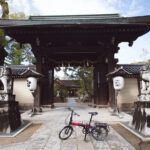
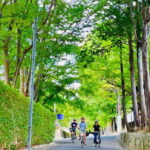
A bicycle gives you a better middle ground. You cover enough ground to see several districts, yet you remain close to the street. You notice gardens behind walls, narrow lanes, temple entrances, mountain streams, and the changing feel of each neighborhood.
This ride covers about 9 kilometers over three hours and 45 minutes. That is not a race distance. The time includes stops, temple visits, explanations, rest breaks, and scenic pauses. The pace is designed for sightseeing rather than athletic training, though you will still get some exercise.
The electric assistance matters. Kyoto is not entirely flat, and the route includes hills and a descent with broad views. The motor helps on uphill stretches, especially in warm weather, but it does not replace basic cycling ability. You control the bike, watch traffic signals, stay to the left, and handle turns yourself.
Other cycling tours in Kyoto

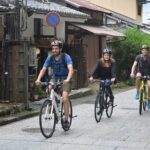
Starting at NORU with a small group
You meet at NORU, the base for Kyoto City Cycling Tours. The supplied details do not specify a full equipment briefing, so arrive early enough to settle in, receive your bike and helmet, and be ready for the departure time.
There are three start times: 9 am, 9:30 am, and 1 pm. Arrive 15 minutes before your scheduled start. If you show up at departure time and miss the group, the tour is treated as a no-show and is not refundable.
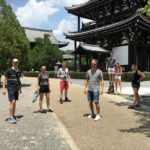
The group limit is eight people. That is a useful size for city cycling. Your guide can see the whole group, stop without creating a large road block, and check whether everyone is comfortable. It also keeps the temple visits more personal than a large coach excursion.
English is the tour language. Several guides have led this route, including Yuta, Henry, Sean, Michael, Shawn, Shizuka, and Utah. Names can vary by departure, but the common thread is a guide who does more than point at buildings. The best part of the guiding is the connection between place and custom: why a shrine matters, how Zen practice shapes a temple visit, and how Kyoto functions as a living city rather than an open-air museum.
The Golden Pavilion and Kyoto’s famous sights
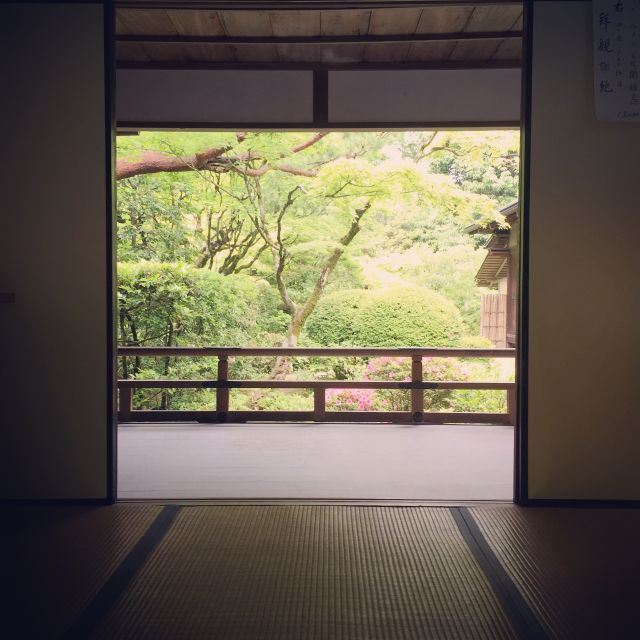
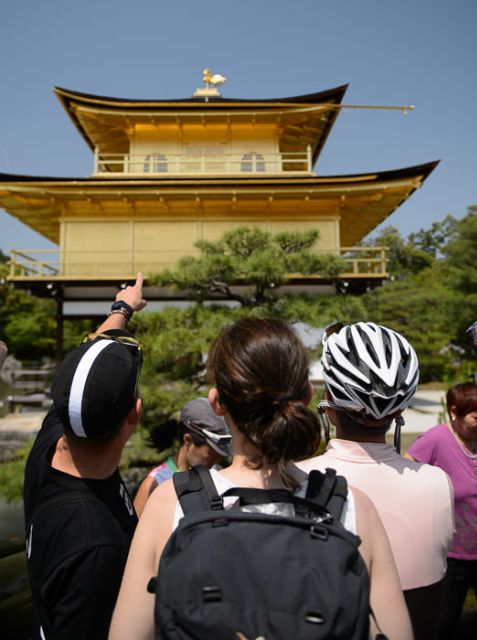
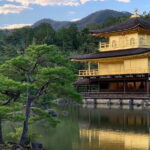
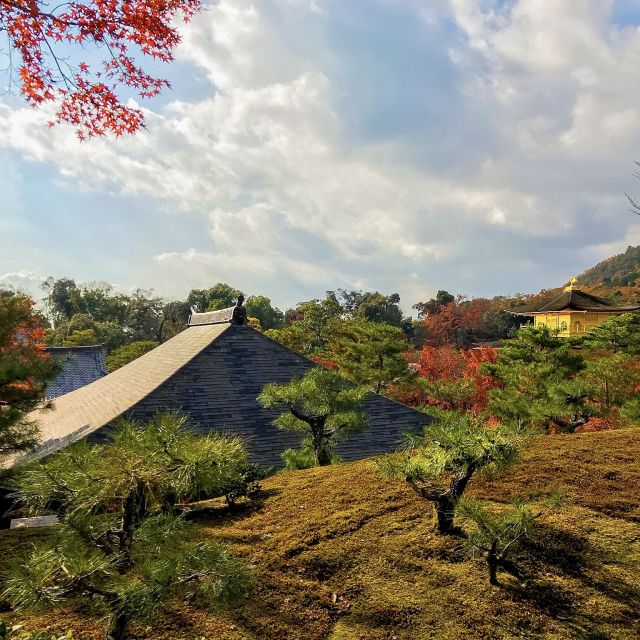
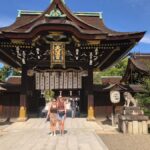
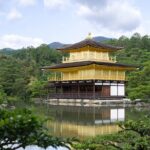
The Golden Pavilion is the major headline stop. Its gold-covered upper levels reflected in the pond make it one of Kyoto’s most recognizable views. It is also one of the city’s busiest attractions, so do not expect solitude here.
That is not a flaw in the tour. The pavilion gives you the famous Kyoto image, while the rest of the route moves away from the main crowds. This balance is smart. You get a major World Heritage site, then have time to understand why Kyoto is more than a checklist of famous buildings.
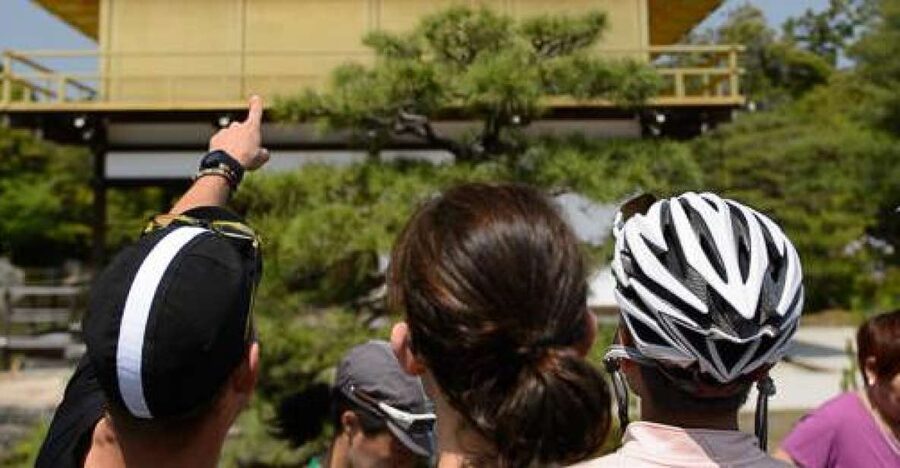
Your guide can give context that a photograph cannot. The stops are not simply photo opportunities. You learn about Japanese religious traditions, historical changes, social customs, and the role of temples and shrines in daily life.
The exact order and length of each stop can vary. Guides adapt to the group and the day’s conditions, so you should not expect every departure to follow a rigid minute-by-minute plan.
Geisha streets and the shrine of knowledge
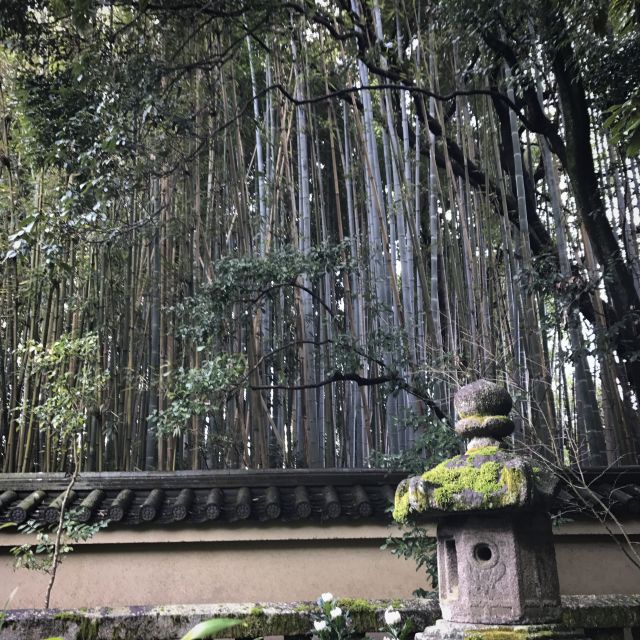
The route takes you through Kyoto’s oldest geisha district. You may see traditional architecture and the narrow streets associated with the district, though a brief ride through the area is not the same as attending a performance or meeting a geisha.
That distinction matters. This is a cultural sightseeing ride, not a dedicated geisha show. The value comes from seeing how historic entertainment quarters fit into the wider city and from hearing the local background as you pass through.
You also visit Kyoto’s shrine of knowledge. The shrine setting adds a different theme to the day, moving beyond Zen temples and scenic gardens. Your guide explains the meaning of the site and helps you read the details that are easy to miss when you visit alone.
At several points, the route uses back streets to avoid busy roads. That makes the cycling more pleasant and gives you a closer look at everyday Kyoto. Still, this is a city ride. Keep watching for traffic lights, obey local road rules, and stay on the left. One useful tip from a past departure is to pay special attention during Golden Week, when streets can become much busier.
Zen gardens, mountain roads, and quiet temples
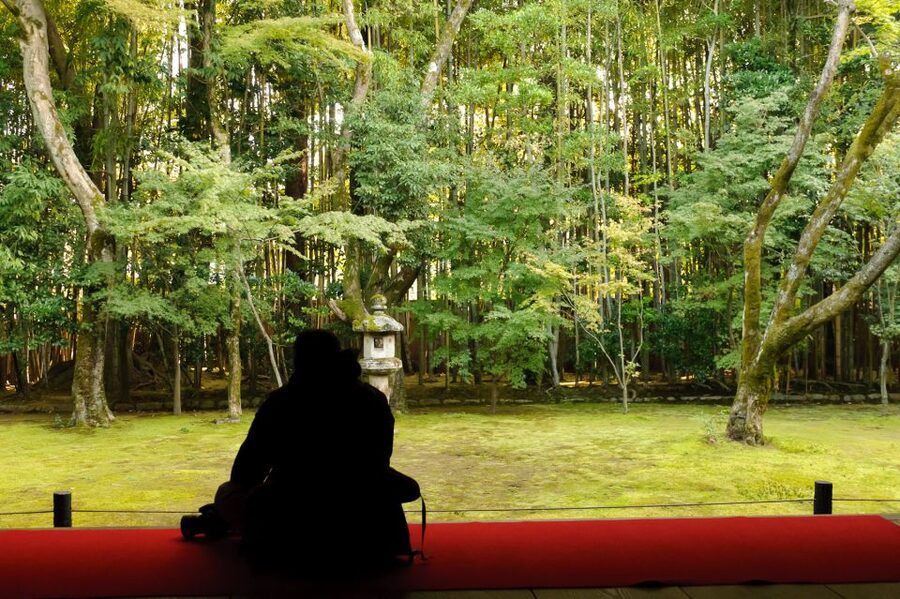
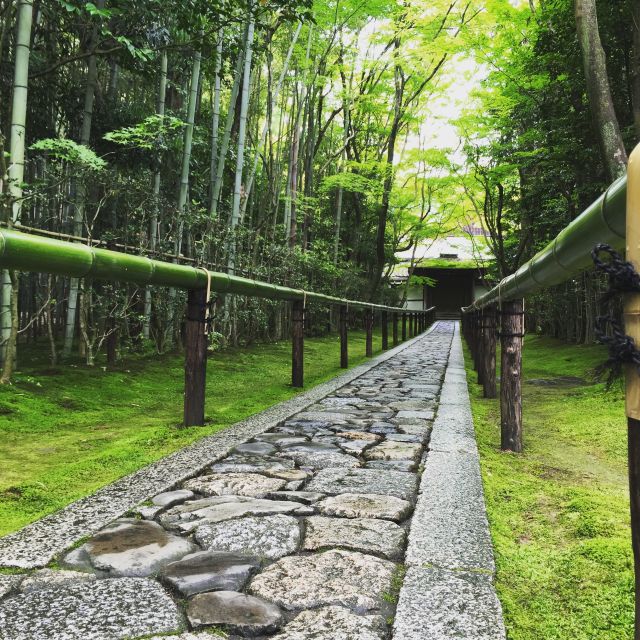
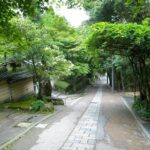
The strongest change in mood comes later, when the ride reaches quieter temple and Zen settings. You leave the city noise behind and find places where birds, streams, garden gravel, and trees become the main attraction.
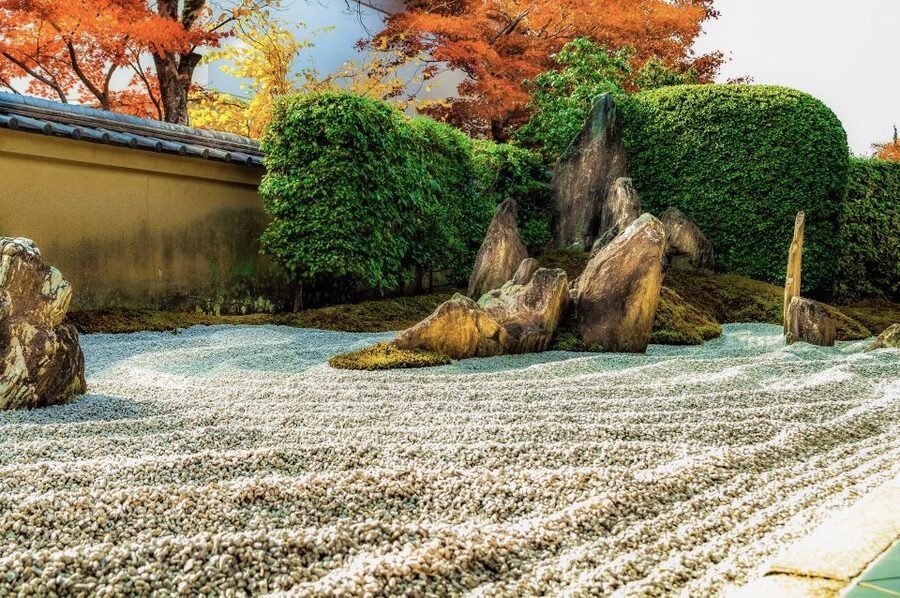
The Zen gardens are not just pretty backdrops. A good guide helps you understand the deliberate design: the use of empty space, stones, raked gravel, and framed views. Yuta, who is also a Zen Buddhist, has been especially effective at explaining the ideas behind these spaces in plain English.
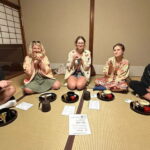
Daitoku-ji is one of the memorable temple areas connected with the ride. A tea experience there has been part of some departures, along with traditional sweets. Another recurring highlight is a stop at a 1,000-year-old cafe or family-run mochi shop, where you may receive a small sample or sweet treat.
Do not treat these food stops as a full meal. They are cultural pauses, not restaurant visits. You should eat beforehand if you need a substantial breakfast or lunch, especially for the morning ride.
Some departures also include a mountain section, a river stop, and a downhill stretch with wide views. These parts add variety, but they also require more care. The ride is not difficult for a confident cyclist, yet it is not ideal for someone who has not ridden a bicycle in years.
Other city tours we've reviewed in Kyoto


What the e-bikes are really like
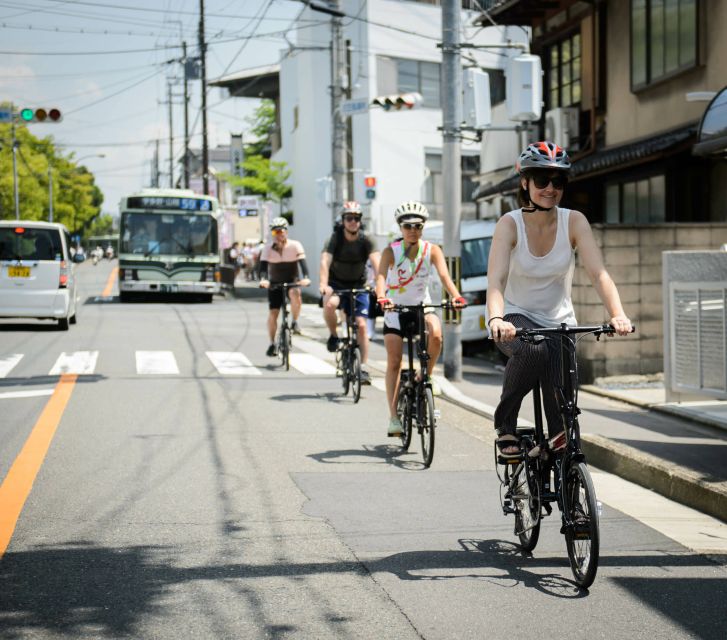
The bikes are a strong part of the experience. They are described as comfortable and reliable, with enough electric help to make uphill sections far easier. That means you can focus on the temples and streets instead of arriving at every stop tired and sweaty.
You still need to pedal and steer. Electric assistance does not remove the need to brake smoothly, take tight corners carefully, or control your speed on a descent. One useful warning is that parts of the route include cobblestones, rapid downhill riding, and narrow turns.
Most of the route is flat and relaxed. The more technical portions come later, according to one family’s experience, so the day builds from easy city riding toward a livelier finish. If you are comfortable on a standard bicycle, the e-bike should make the route manageable. If you are nervous in traffic or uneasy on hills, tell the guide early and ask about the pace.
Helmets are included. Water and refreshments have been provided on some departures, especially in hot weather, but the formal inclusions list only the guide, bikes, helmets, and entrance fees. Bring your own water if you want to be certain.
The guide can shape the whole afternoon
A good route matters, but the guide determines how much you take away from it. The strongest guide reports describe Yuta, Henry, Sean, Michael, Shawn, and Shizuka as friendly, clear, careful, and generous with local recommendations.
The best guides do three jobs at once. They explain the temples, keep the group together, and make the ride feel safe. Yuta has been praised for checking on everyone’s well-being and adapting the pace. Henry has been valued for combining famous sights with quieter areas. Sean has been singled out for local stories and useful follow-up suggestions for the rest of a Kyoto visit.
Guide assignments can change, so you cannot book a particular personality unless the supplier confirms it. Even so, the consistent strength of the tour is its human scale. You are not just following a flag through a crowd. You have a person in front of you who can answer questions and respond to the group.
How much value do you get for $127?
At $127 per person, this is not the cheapest way to see Kyoto. You are paying for a 225-minute guided experience, an e-bike, a helmet, and entrance fees to the included attractions. The value comes from combining transport, sightseeing, cultural explanation, and route planning in one half-day outing.
If you rented a bicycle yourself, you would save money, but you would need to plan the route, handle navigation, find the quieter streets, pay temple admissions, and work out which places fit together. You might also miss the small stops, mountain paths, tea settings, and local food visits that give this ride its character.
I see the price as fair for a first or second day in Kyoto if you want orientation without spending the whole day on foot. It is less compelling if you only want a quick ride through town or if you already know the northern temple districts well.
The reserve-now-and-pay-later option gives you some planning flexibility. Cancellation terms need careful attention because the supplied information gives both 24 hours and 12 hours as the deadline for a full refund. Check the current booking conditions before you pay, and do not rely on the refund if you simply arrive late or miss the start.
Who should book this Kyoto ride?
I would choose this tour for active couples, families with teenagers, and repeat Kyoto visitors who want more than the standard central route. It also works well on your first day if you want a broad introduction and a guide who can suggest restaurants and sights for the rest of your stay.
Families should note the age and height limits. Riders must be over 13 and at least 140 centimeters tall. Everyone should be able to ride a bicycle confidently.
This is not the right pick for you if you want a slow walking tour with long temple visits. You also may not enjoy it if rain, heat, hills, or city cycling make you uncomfortable. Heavy rain and storms can lead to a cancellation, with a full refund in that case.
Should you book the City Secrets eBike Tour?
Book it if you want to see Kyoto’s famous temples while also reaching quieter streets, Zen gardens, mountain roads, old neighborhoods, and small local food stops. The e-bike makes the distance practical, and the eight-person limit keeps the day personal.
I would especially recommend it for a repeat visitor, since the route looks beyond the standard postcard circuit. First-time visitors can enjoy it too, but pair it with your own visit to Kyoto’s main sights so you do not expect this one ride to cover every essential temple.
Arrive early, ride with care, and think of the tour as a moving cultural lesson rather than a sightseeing sprint. For the right rider, $127 buys a well-planned half-day and a much clearer sense of how Kyoto’s grand monuments connect with its ordinary streets.
FAQ
Where does the Kyoto City Secrets eBike Tour meet?
The meeting point is NORU.
How long does the tour last?
The tour lasts 225 minutes, or three hours and 45 minutes.
How far do you ride?
The route is approximately 9 kilometers.
What departure times are available?
The tour has departures at 9 am, 9:30 am, and 1 pm. Check availability when booking because start times may vary by date.
Is the tour conducted in English?
Yes. The tour includes a live English-speaking guide.
How many people are in each group?
The group is limited to eight participants.
What is included in the price?
The price includes an English-speaking guide, an e-bike, a helmet, and entrance fees to the included attractions.
Who can take part?
Riders must be over 13 years old, at least 140 centimeters tall, and able to ride a bicycle confidently. The tour is not suitable for people under 140 centimeters.
More E-Bikes in Kyoto

More City Tours in Kyoto
More Cycling Tours in Kyoto
More tours in Kyoto we've reviewed




City Tours, compared.
 ★ 5.0Kyoto: Calligraphy class at Buddhist temple in city centerFrom $551h 10m
 ★ 5.0Private departure transfer from Kyoto city to Kansai International airportFrom $109
 ★ 5.0Kyoto: Full-Day City Highlights Bike Tour with Light LunchFrom $1678 hours
 ★ 4.5Private departure transfer from Kyoto city to Osaka Itami International airportFrom $79
 ★ 5.0Private arrival transfer from Kansai International airport to Kyoto CityFrom $97
 ★ 4.5Private Transfer by Sedan from Itami Airport ITM to Kyoto CityFrom $117