
Reviewed · ARASHIYAMA & BAMBOO TOURS
Kyoto Arashiyama Bamboo Forest & Scenery Customized Private Tour
The best part of this Kyoto tour is that it lets you shape your time in Arashiyama instead of marching through a fixed checklist. You meet at Saga-Arashiyama Station, then choose two or three places from a broad menu that includes the bamboo forest, Tenryu-ji, Okochi Sanso Garden, Jojakko-ji, and quieter Sagano temples.
I like the private format, which gives you room to ask questions and set a comfortable pace. I also like the chance to go beyond the busiest bamboo path into old temple grounds and traditional streets. The main catch is simple: four hours is not enough for every listed stop, and entrance fees plus any train, taxi, or bus costs are extra.
In This Review
- Key points
- Why a private Arashiyama walk can be worth it
- Meeting your guide beside the JR station
- Togetsukyo Bridge and the first mountain view
- Tenryu-ji, Kyoto’s major Zen temple
- The bamboo forest, beautiful but busy
- Okochi Sanso Garden and Jojakko-ji
- Nisonin, Giōji, and the quieter Sagano side
- Adashino Nembutsu-ji and Otagi Nenbutsu-ji
- Saga Toriimoto and the old road to Atago
- Monkey Park Iwatayama for active groups
- What the guide adds to the walk
- Walking, transport, weather, and extra costs
- Who should book this Arashiyama experience
- Should you book it?
- FAQ
- Where does the tour start?
- Where does the tour end?
- How long does the tour last?
- Is this a private tour?
- Is hotel pickup included?
- Is a private van included?
- Are transportation costs included?
- Are entrance fees included?
- What should I wear?
- Can I cancel for a full refund?
Key points
- Start at Saga-Arashiyama Station: You make your own way there, with no hotel pickup or drop-off.
- Choose your priorities: The guide helps you select two or three main sights from a long list of temples, gardens, bridges, and walking areas.
- Bamboo is only part of the day: The famous grove can be paired with quieter places such as Giōji, Nisonin, or Saga Toriimoto.
- Expect a real walking tour: Comfortable shoes matter, and a moderate fitness level is required.
- Private attention has practical value: Guides including Kazu, Fuji, Yasuna, Takuma, and Yumiko have been praised for adapting to families, solo visitors, photo stops, and questions.
- Budget beyond the headline price: The $132.14 per-person cost does not include admission, private transport, or local transportation between stops.
Why a private Arashiyama walk can be worth it
Arashiyama is one of Kyoto’s easiest areas to visit badly. You can follow the crowds to the bamboo grove, take a few pictures, and leave without understanding why the district matters. A good guide changes that by connecting the temples, river, gardens, old roads, and mountain views into one readable place.
This tour gives you a licensed local English-speaking guide for about four hours. Since only your own group participates, you can tell the guide what matters most. You might focus on Zen gardens, autumn color, traditional buildings, temples with unusual stories, or simply the most scenic route.
The private setup is especially useful for a family, a couple, or a solo visitor. Several guides have been praised for keeping a relaxed pace, answering many questions, and adjusting the route when someone wanted more time for photographs. Fuji, Kazu, Yasuna, Takuma, Yumiko, Osamu, and others are named in the feedback, though the guide assigned to your booking may differ.
The price is not cheap for a four-hour walk, but it can make sense if you value personal guidance. You are paying for local interpretation and flexibility, not for a vehicle or a bundle of included admissions. A larger group could reduce the per-person cost through the stated group discount, but you should still check the final price and the size of your party before booking.
A few more Kyoto tours and experiences worth a look
Meeting your guide beside the JR station
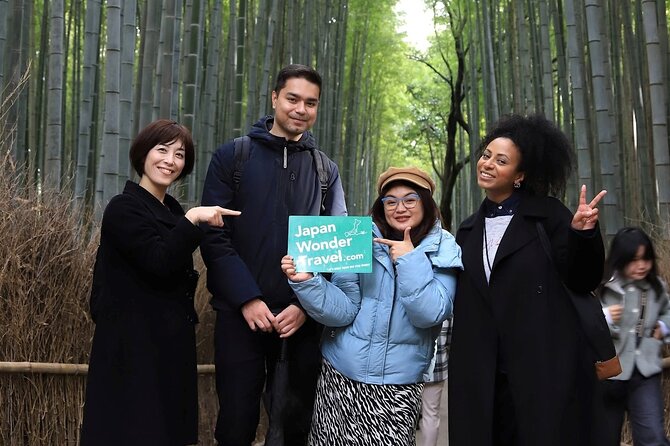
The tour begins in front of a ticket gate at JR Saga-Arashiyama Station, at 11-1 Sagatenryūji Kurumamichichō. This is convenient if you are coming from Kyoto Station by train, but it is not a hotel pickup service.
Plan your route to the station before the morning of the tour. One useful point from the supplied information is that the trip from Kyoto Station takes about 30 minutes and can be covered by a JR Pass. Your guide sends meeting details and pictures a few days before the tour, which should make the first meeting easier.
The activity ends back at the meeting point. That matters when you plan lunch, a train connection, or another Kyoto sight. You are not being dropped at your hotel or at a different part of the city.
Togetsukyo Bridge and the first mountain view
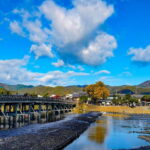
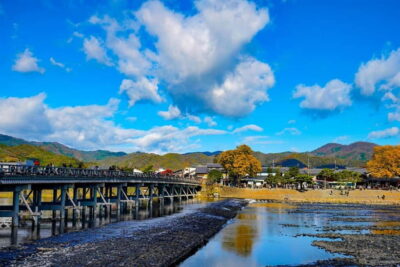
Togetsukyo Bridge is one of Arashiyama’s signature views. The 155-meter bridge crosses the Katsura River, with the Arashiyama mountains behind it. It is a good opening stop because it gives you a sense of the district’s setting before you head into temple grounds and narrow lanes.
The bridge itself is free to view, but the area can be crowded. Your guide can explain the setting and help you decide how much time to spend here. If your main goal is photography, tell the guide at the start. The private format should make it easier to pause without holding up strangers.
The bridge is also a reminder that Arashiyama is not just a bamboo attraction. Its appeal comes from the meeting of water, wooded hills, historic temples, and residential streets. Even a short stop helps place the rest of the walk.
Tenryu-ji, Kyoto’s major Zen temple
Tenryu-ji is likely the strongest choice if you want one major cultural sight. It is one of Kyoto’s best-known Zen temples and a UNESCO World Heritage Site. Its garden changes character with the seasons, using plants, flowers, water, and the surrounding hills to create a different mood through the year.
Admission is not included for you or your guide. That extra cost is worth keeping in mind because selecting several paid temples can add up quickly. Ask your guide which one or two paid sites best match your interests before entering.
Tenryu-ji is also a practical choice for first-time visitors because it combines temple architecture and a formal garden in one stop. If you have only four hours, it may offer more variety than visiting several small temple grounds. On the other hand, it is a major attraction, so it may feel less quiet than the Sagano temples farther from the center.
The bamboo forest, beautiful but busy
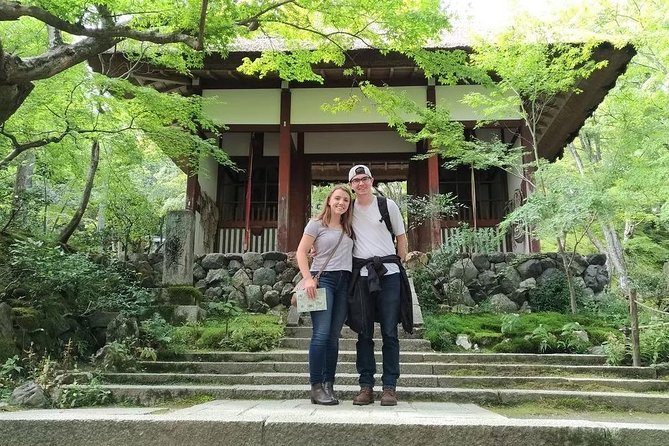
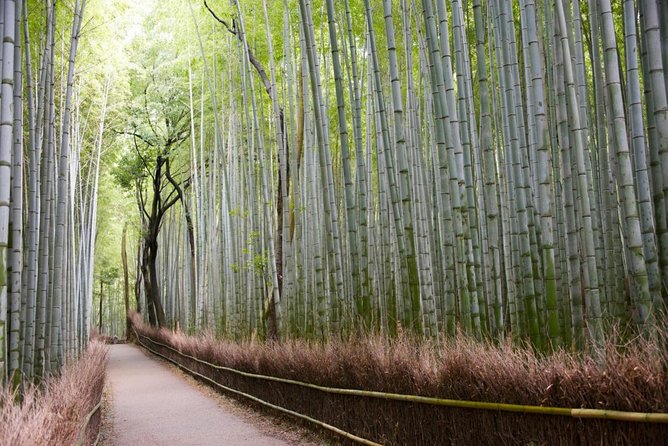
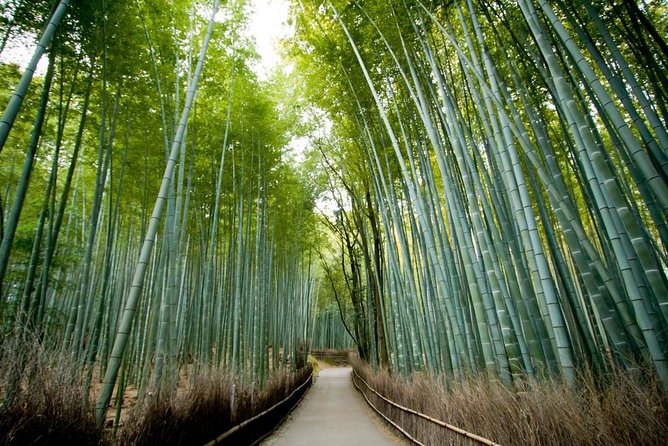
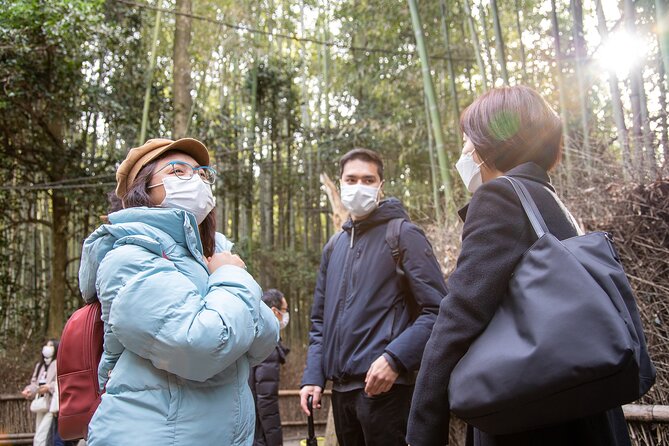
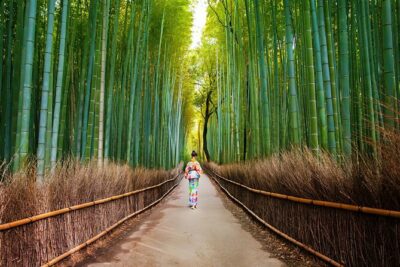
The Bamboo Forest Street is the headline stop. Tall bamboo rises on both sides of the path, creating the famous green corridor that appears in nearly every Kyoto guide. It is striking, and you should see it if this is your first visit to Arashiyama.
You should also set realistic expectations. The grove is not a remote wilderness walk. The main path can be very busy, and one guide specifically helped a group enjoy quieter places because the bamboo area was crowded. That is one reason this private tour is more useful when it includes more than bamboo.
Your guide can give context, point out how the path fits into the wider district, and help you avoid spending the entire tour waiting for a clear photograph. If you want a slower visit, say so. If the bamboo is your top priority, make it one of your chosen stops rather than assuming the route will linger there.
Other private tours in Kyoto
Okochi Sanso Garden and Jojakko-ji
Okochi Sanso Garden was created over about 30 years by Denjiro Okochi, a famous actor in samurai films. The villa garden covers roughly 19,800 square meters and is known for seasonal scenery, including spring blossoms and autumn color.
This is a paid stop, and it requires time. It is a good match for you if gardens and views matter more than checking off several temples. It is less suitable if you want to visit many sites in one short outing.
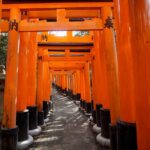
Jojakko-ji sits on the hillside of Mount Ogura. The area has long been associated with autumn foliage, and the temple grounds contain about 200 old maple trees. In fall, this may be one of the most appealing choices on the menu. The hillside setting also means you should expect some walking on an incline, making good footwear important.
You probably will not have time to explore both Okochi Sanso and every nearby temple in detail. Ask the guide to build a route around one main garden or temple rather than trying to squeeze in too much.
Nisonin, Giōji, and the quieter Sagano side
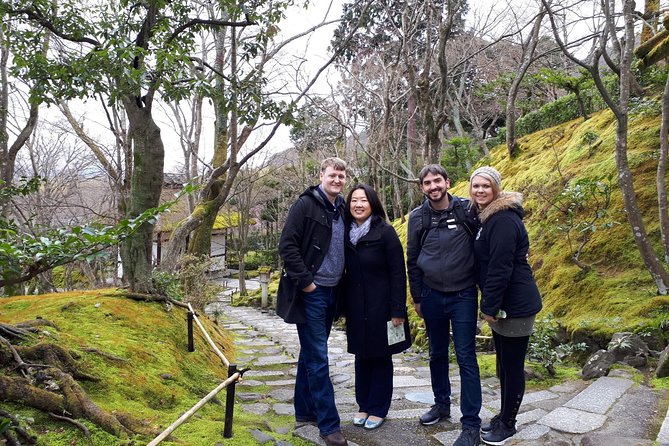
Nisonin is known for its peaceful setting and autumn color. The temple is named for the two principal Buddhist images it enshrines. It offers a calmer experience than the central bamboo route, especially if you want space to notice the grounds rather than simply move with a crowd.
Giōji has a more dramatic story. It is linked with a tragic love tale about a dancer who became a nun after losing the favor of a powerful figure. The temple’s appeal comes from both the story and its intimate setting.
These stops are useful choices for repeat visitors or anyone who has already seen Kyoto’s major temples. They may not carry the same name recognition as Tenryu-ji, but a guide can make their stories and religious meaning easier to understand.
All require extra admission. Since you choose only two or three places, you can ask for a route that favors smaller, quieter temples. That is one of the clearest benefits of booking privately.
Adashino Nembutsu-ji and Otagi Nenbutsu-ji
Adashino Nembutsu-ji reflects the area’s long association with burial and remembrance. People once practiced wind burial here, later using earth burial and dedicating stone Buddhas to mourn those who had died. The setting offers a more serious side of Sagano, far removed from the cheerful photo stop at the bamboo grove.
Otagi Nenbutsu-ji has roots reaching back to the eighth century. It later suffered abandonment, wartime neglect, and major damage from a 1950 typhoon. Its inclusion gives the route a different historical angle and may appeal to you if you enjoy places with an unusual past.
Both are paid attractions, and both are farther along the Sagano route than the central sights. You should not expect to fit them in alongside every other stop during a four-hour walk. Choose them because their stories interest you, not simply because they appear on the list.
Saga Toriimoto and the old road to Atago
Saga Toriimoto Traditional Buildings Preservation Area runs for about 600 meters along Atago Highway toward Atago Shrine. The area includes farmhouse-style buildings and thatched structures, offering a look at old Sagano streets rather than another formal temple visit.
This stop is free and works well for anyone interested in traditional architecture. It also gives your day some breathing room. After several temple grounds, walking through a preserved street can feel like a welcome change.
The area is at the far end of Sagano, so transportation and timing matter. The tour may use public transportation or local taxis between selected stops, but those costs are not included. Tell the guide if you prefer to walk more and spend less, or if you need to limit the distance.
Monkey Park Iwatayama for active groups
Monkey Park Iwatayama is an option for animal lovers. Around 120 Japanese macaques live in the park in the wild, and they can be seen throughout the year. Admission is extra.
This choice changes the character of the tour. It is not simply another temple or garden, and the visit involves additional walking. If your group includes children or enjoys wildlife, it may be a good use of your limited time. If you are mainly seeking Zen gardens and historic buildings, choose a temple instead.
Because the tour requires moderate physical fitness, ask about the route before committing to the park. A private guide can adjust the plan, but the park still needs to fit within the four-hour window.
What the guide adds to the walk
The guides are the central reason to consider this experience. Takuma Goda is praised for clear English, enthusiasm for the scenery, and a strong grasp of local history. Osamu is described as attentive and willing to make sure the group saw the places it wanted.
Fuji receives repeated praise for patience, warmth, and a relaxed pace. Yasuna is noted for being especially accommodating, while Kazu is described as personable and attentive to both adults and children. Yumiko is remembered not only for guiding but also for helping a visitor locate a Japanese plug adapter after the tour.
Those details suggest the service can be personal rather than scripted. Still, guide quality can vary because you cannot guarantee a particular person unless the operator confirms it. The smart approach is to send your priorities in advance, including mobility concerns, dietary needs, preferred pace, and the two or three places you most want to see.
Some of the supplied feedback concerns related Arashiyama food walks, so do not assume food tastings are included here. This experience lists walking, a licensed English-speaking guide, and optional transportation. Plan to buy food separately unless your booking confirmation says otherwise.
Walking, transport, weather, and extra costs
This is a walking tour, not a private van excursion. Public transportation or local taxis may be used between stops, and you pay those fares yourself. Costs vary with the destinations you select, so a route using distant Sagano sights will require more planning than a compact route around the bridge, bamboo, and Tenryu-ji.
Wear comfortable walking shoes. Moderate walking is included, and several possible stops sit on hillsides or involve longer paths. Rain does not automatically cancel the activity, so bring suitable wet-weather clothing and protect your phone for mobile-ticket access and photographs.
The $132.14 per-person price includes the guide and the private customized format. It does not include temple admissions, transportation, a private van, or hotel pickup. I would call it fair value for a group that wants personal attention and cultural explanation, but less attractive if you only want to see the bamboo forest and Togetsukyo Bridge.
Free cancellation is available if you cancel at least 24 hours before the start time. Changes or cancellations inside that window are not accepted for a refund.
Who should book this Arashiyama experience
I would choose this tour if you want a flexible introduction to Arashiyama and Sagano, especially on a first Kyoto visit. It suits couples, families, solo visitors, and small groups with different interests because the guide can shape the route around your priorities.
It is also a good fit if you worry about missing the quieter side of the district. By choosing Jojakko-ji, Nisonin, Giōji, Saga Toriimoto, or another less central stop, you can see more than the standard bamboo-and-bridge circuit.
I would skip it if you want a fixed sightseeing package with transportation and admissions included. I would also skip it if your group dislikes walking or wants to visit all 12 suggested stops. Four hours is a useful introduction, not a full survey of Arashiyama.
Should you book it?
Book this tour if the value of a local guide, flexible pacing, and a personalized route matters to you. Make your top priorities clear before the day begins, and budget for admissions and transport.
The best plan is usually one headline sight, such as the bamboo forest or Tenryu-ji, paired with one quieter place. That combination gives you the famous Kyoto image and a better sense of Sagano beyond the crowds.
FAQ
Where does the tour start?
You meet your guide in front of a ticket gate at JR Saga-Arashiyama Station in Kyoto.
Where does the tour end?
The activity ends back at the meeting point, Saga-Arashiyama Station.
How long does the tour last?
The tour lasts approximately four hours.
Is this a private tour?
Yes. Only your own group participates in the private activity.
Is hotel pickup included?
No. Hotel pickup and drop-off are not included.
Is a private van included?
No. This is primarily a walking tour. Public transportation or local taxis may be used between selected stops.
Are transportation costs included?
No. Transportation fees are separate and vary according to the destinations you choose.
Are entrance fees included?
No. Entrance fees for you and your guide are optional extras and are not included in the stated price.
What should I wear?
Wear comfortable walking shoes. A moderate amount of walking is included, and the tour operates in rain or shine.
Can I cancel for a full refund?
Yes, if you cancel at least 24 hours before the experience start time. Cancellations or changes made less than 24 hours before the start time are not accepted for a refund.
More Private Tours in Kyoto
More Arashiyama & Bamboo Tours in Kyoto
More tours in Kyoto we've reviewed



Arashiyama & Bamboo Tours, compared.
 ★ 4.8Kyoto: Fushimi Inari, Kinkakuji, Bamboo Grove 1 Day Bus TourFrom $122510 minutes - 9 hours
 ★ 4.1Osaka/Kyoto:Kinkakuji,Arashiyama,FushimiInariShrine,NaraParkFrom $66
 ★ 4.7Kyoto/Osaka: Nara, Fushimi Inari Taisha, Arashiyama Bus TourFrom $529 - 10 hours
 ★ 5.0Kyoto Arashiyama Walking Tour: Bamboo, Monkeys, Gardens & SecretsFrom $65
 ★ 4.8Arashiyama Bamboo, Temple, Monkeys, or Secret Sake BreweryFrom $875 hours - 330 minutes
 ★ 4.4Osaka/Kyoto: Arashiyama, Nara & Fushimi Inari Shrine w/LunchFrom $61