
Reviewed · E-BIKES
Kyoto: Memory Kyoto E-Bike Tour
Kyoto’s best sights are spread across the city, and this six-hour e-bike ride links four of them without trapping you on a crowded bus. You pedal from Kitano Tenmangu to Kinkakuji, then across to Arashiyama, using residential streets and quieter routes along the way.
I like the mix of major sights and ordinary Kyoto neighborhoods. I also like the small group limit of eight, which gives guides such as Jody, Pohan, Jorge, and Boram room to answer questions and adjust the pace. The main drawback is that you need to feel comfortable riding in city traffic for several hours, even with electric assistance.
In This Review
- Key points to know
- Why this route works so well
- Kitano Tenmangu and the story of Sugawara no Michizane
- Kinkakuji, Kyoto’s gold-covered Zen temple
- Cycling through Kyoto’s residential streets
- Arashiyama Bamboo Forest and a change of mood
- Tenryuji’s garden is the thoughtful stop
- Lunch, timing, and the pace of the day
- What the $105 price really buys you
- Who should book this Kyoto bike tour?
- Final verdict: a strong first-day Kyoto outing
- FAQ
- How long does the Kyoto Memory e-bike tour last?
- What sights are included?
- Where does the tour start?
- Where does the tour finish?
- Is the guide English-speaking?
- How large is the group?
- Are the bike and helmet included?
- Is water provided?
- Is lunch included in the price?
- Can children join the tour?
- What is the cancellation policy?
- Can I reserve now and pay later?
Key points to know
- Four major Kyoto sights in one day: Visit Kitano Tenmangu, Kinkakuji, Tenryuji, and the Arashiyama Bamboo Forest.
- A quieter view of Kyoto: The route uses residential streets and back lanes instead of sticking only to busy tourist roads.
- Electric assistance helps: The bikes make the distance easier, but you still need basic cycling awareness and stamina.
- Small groups matter: With no more than eight participants, the guide can keep an eye on the group and explain details at each stop.
- Lunch is separate: Some tours stop at a local restaurant, but food is not included. Bring cash, since one recommended ramen shop did not accept cards.
- A good value for active sightseers: At $105 per person, you get six hours, a bike, helmet, water bottle, entrance-related fees, and an English-speaking guide.
Why this route works so well
Kyoto can be tiring to cover. Kinkakuji lies in the northwest, while Arashiyama is farther west, and public transport between major sights often means transfers, waiting, and more walking. This tour turns the journey itself into part of the day.
The route begins at the Memory Kyoto bike tour meeting point, opposite the Kirindo drug store. From there, you ride first to Kitano Tenmangu Shrine, then Kinkakuji, before continuing toward Arashiyama and Tenryuji. You finish back at the same meeting point.
That order gives the day a sensible rhythm. You start with a shrine, move to a famous Zen temple, then spend the second half among bamboo and gardens. The riding connects the stops, but it is not the only attraction. You get glimpses of quieter streets and daily Kyoto that are easy to miss from a train or taxi.
The tour is limited to eight people and runs with an English-speaking guide. Names that appear often among the guides include Jody, Pohan, Jorge, Boram, Jordan, Beau, Bo, and Phohun. The strongest praise centers on guides who keep the ride safe, explain religious customs clearly, and make room for questions without rushing the group.
Other cycling tours in Kyoto
Kitano Tenmangu and the story of Sugawara no Michizane
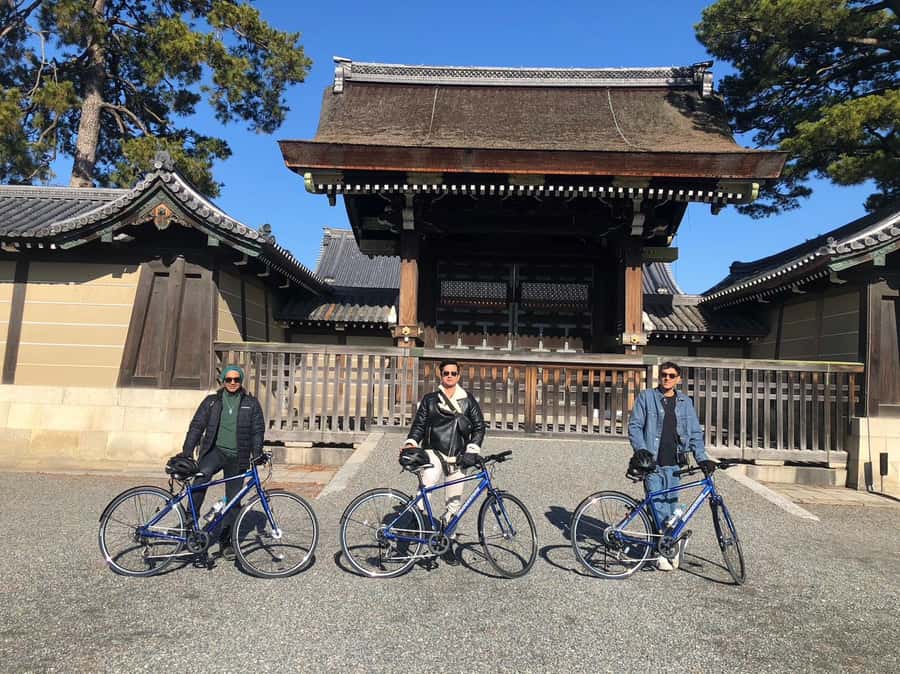
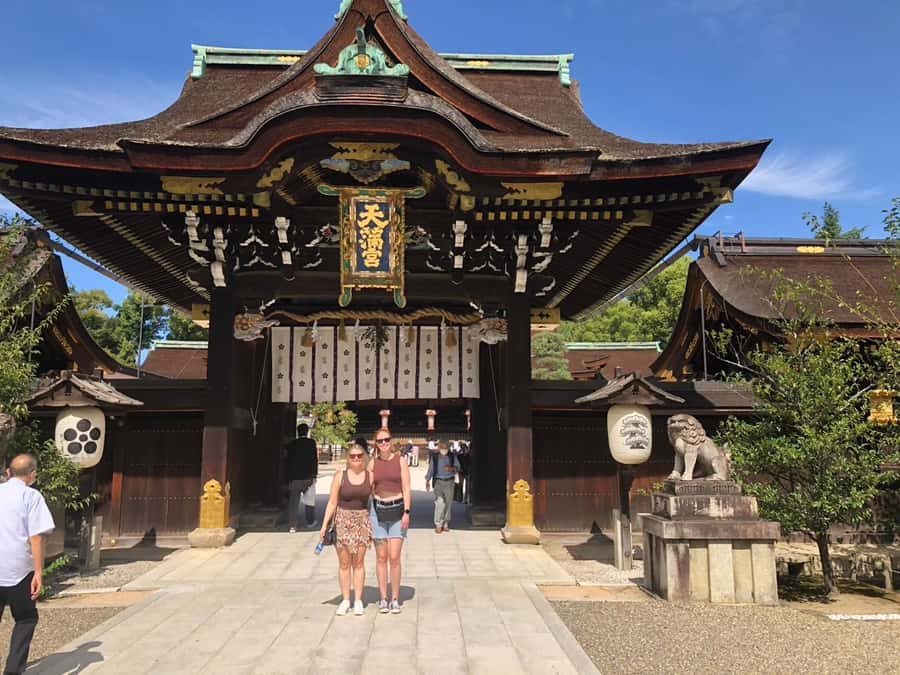
Kitano Tenmangu is a fine place to begin because it gives you cultural context before the day’s most photographed sights. The shrine has a long connection with Sugawara no Michizane, a major historical figure who became linked with learning and scholarship after his death.
Your guide explains the shrine’s traditions and the religious ideas behind what you see. This is more useful than simply walking through, taking pictures, and leaving without knowing why people bow, offer coins, or make wishes.
The stop lasts about 30 minutes, including guided sightseeing and cycling. That is enough time for an introduction, though not enough for a slow, detailed study of every part of the grounds. If you enjoy shrine customs, carry some small coins so you can take part in the offering rituals.
The shrine also helps set up a useful contrast for the rest of the day. Shinto shrines and Buddhist temples can look similar at a quick glance, especially when you are trying to cover Kyoto in one busy day. A good guide makes the differences clearer and points out how each site is used.
Kinkakuji, Kyoto’s gold-covered Zen temple
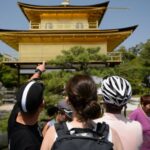
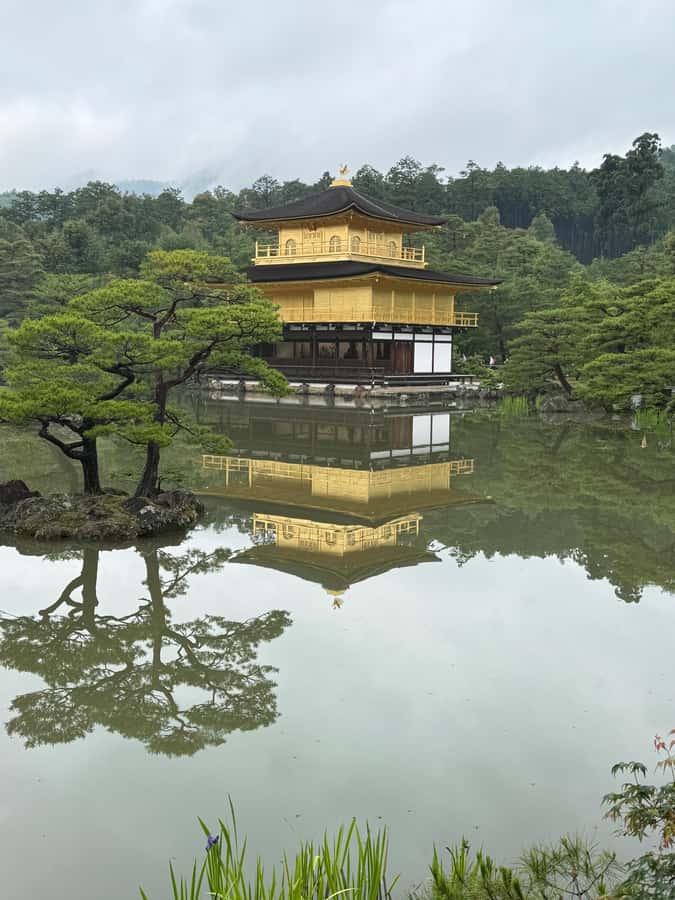
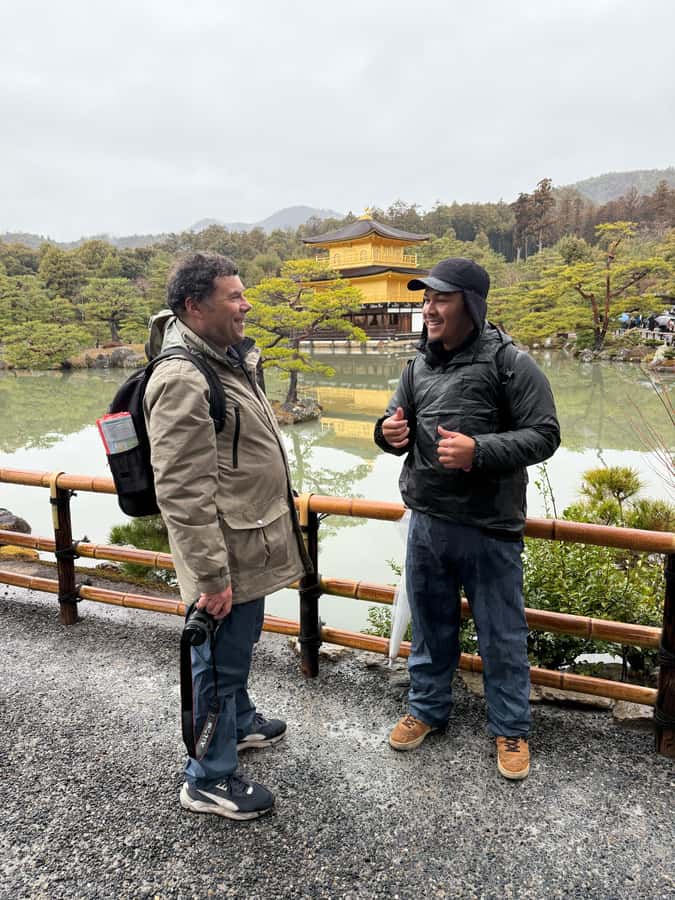
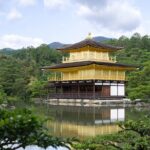
From Kitano Tenmangu, you cycle to Kinkakuji, better known as the Golden Pavilion. The building’s gold-leaf exterior reflects over a pond, making this one of Kyoto’s most immediately recognizable sights.
The visit includes about 45 minutes of guided touring and cycling. The pavilion itself is not a place for a long interior visit, so the value lies in seeing the building in its garden setting and understanding its place in Zen temple culture.
This is one of Kyoto’s busiest sights, and you should expect other people around the pond, especially during cherry blossom season. The bike tour does not make Kinkakuji quiet, but the guide can help you focus on details rather than simply joining the photo queue.
I particularly like having the temple explained on site. The gold surface grabs your attention first, but the surrounding garden and water are what give the view its balance. The guide’s historical and religious commentary helps prevent the stop from becoming a quick picture break.
Because you are riding between stops, keep your belongings secure and avoid bringing more than you need. The tour provides a helmet and water bottle, and the bikes are described as good-quality and comfortable in the supplied details.
Cycling through Kyoto’s residential streets
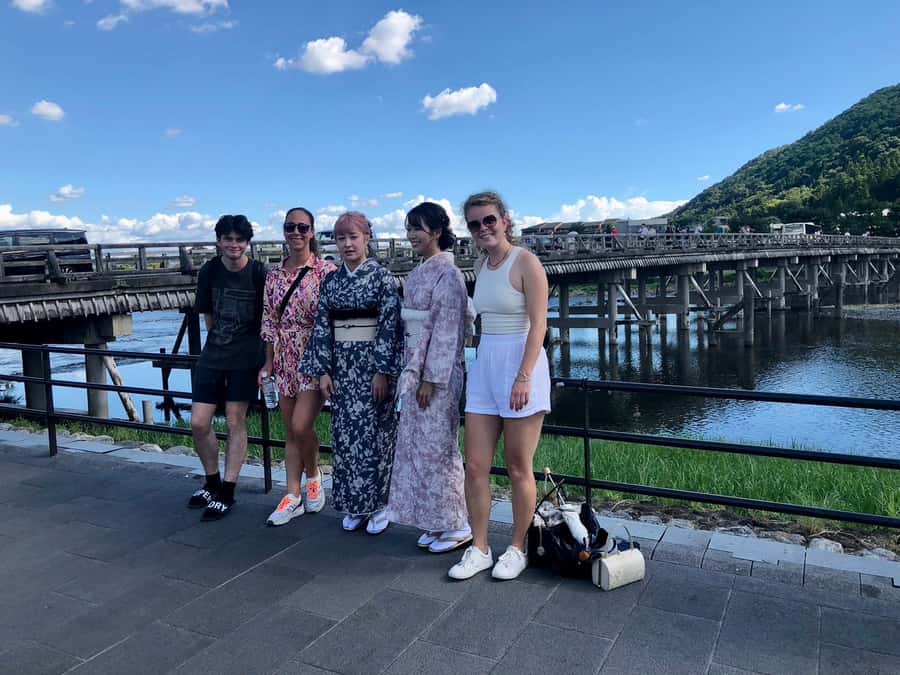
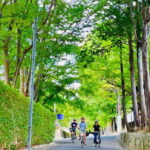
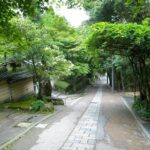
The ride between temples is where this experience differs from a standard sightseeing bus. You move through residential areas, backstreets, and quieter routes, seeing a more ordinary side of Kyoto between the headline attractions.
That does not mean every stretch is scenic or traffic-free. You are still riding in a city, and you need to pay attention to the guide, other cyclists, pedestrians, and vehicles. Several people who enjoyed the tour also noted that you need a reasonable level of fitness and awareness.
The electric motor makes the route more manageable, especially over a full day. It does not remove the need to pedal, steer, or stay alert. If you are new to e-bikes, tell the guide at the start and use the opening section to get used to the controls.
The guides receive especially strong praise for keeping a steady pace. Jody is described as patient with children, while Pohan and Jorge are praised for clear riding instructions and careful navigation. One group in the 57 to 65 age range found the e-bikes made the day comfortable, which suggests the ride can work well for active older adults who are accustomed to cycling.
Arashiyama Bamboo Forest and a change of mood
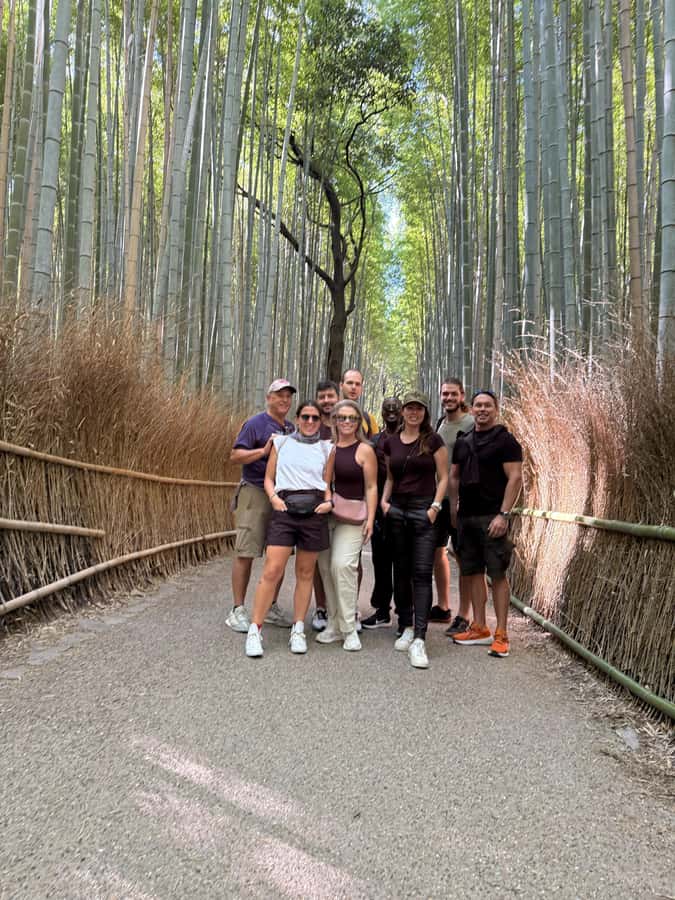
The Arashiyama Bamboo Forest is the visual high point for many people. Tall bamboo rises on both sides of the path, creating a narrow, green corridor with a completely different feel from the open pond at Kinkakuji.
The stop includes a photo break, guided sightseeing, walking, and cycling, with about 45 minutes scheduled. That timing gives you a chance to enter the grove and take pictures, but it is not a leisurely half-day visit to all of Arashiyama.
Crowds can be heavy here. The grove is one of Kyoto’s most famous sights, and its paths are popular at almost every time of year. A guide cannot remove the crowds, but can help you move through the area efficiently and may point out less obvious photo locations.
One useful detail from the route is a stop near a lake close to the bamboo forest. This gives you a quieter view and a break from the narrow path. It is exactly the sort of addition that makes a guided bike tour more useful than simply arriving at the grove by train, taking a few pictures, and leaving.
Keep your expectations sensible. The bamboo forest is beautiful, but the most famous section is not an empty wilderness. You are visiting a public sight in a major tourist district. The bike tour’s advantage is not solitude. It is the ability to connect this sight with several others while using less crowded streets when possible.
A few more Kyoto tours and experiences worth a look
Tenryuji’s garden is the thoughtful stop
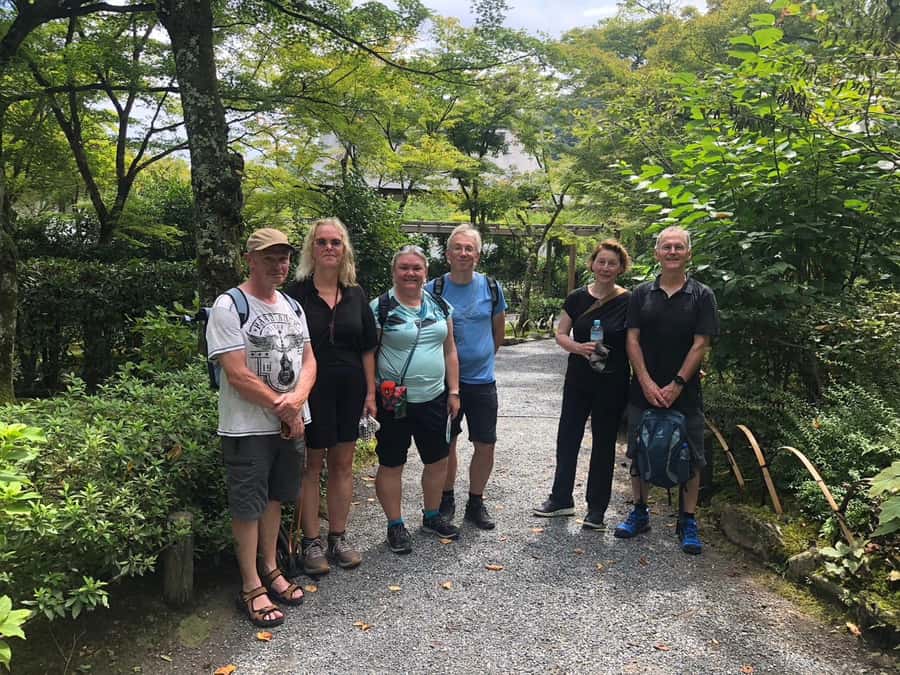
Tenryuji Temple is a UNESCO World Heritage Site and one of the most rewarding stops for anyone interested in Japanese garden design. Its garden uses water, stone, plants, and borrowed views in a carefully balanced composition.
The scheduled visit is about 45 minutes and includes walking, sightseeing, a photo stop, and guide commentary. That is enough time to appreciate the main garden and hear about the temple’s Buddhist setting, though you may wish for longer if gardens are your main interest.
This is where the guide’s explanations matter most. Without context, you may notice that the garden feels calm and carefully arranged, but miss the ideas behind its design. Guides such as Boram and Jorge are praised for explaining Zen Buddhism, Shinto practice, temple traditions, and Kyoto culture in clear terms.
Tenryuji also provides a welcome change after the bamboo grove. The forest is narrow and crowded, while the temple garden encourages you to slow down and look across a wider view. The combination makes the itinerary feel more varied than four similar temple visits would.
You should be ready for walking once the bikes are parked. This is not a ride-only sightseeing day. Each major stop includes time on foot, and the tour works best if you enjoy shifting between cycling, temple visits, and short photo breaks.
Lunch, timing, and the pace of the day
The listed tour lasts six hours, but some groups have included a lunch stop during that time. Lunch is not part of the $105 price, so plan to pay separately. One guide took a group to a local diner and helped everyone understand how to order, while another group stopped for ramen.
Bring cash for lunch. At least one recommended ramen restaurant did not accept cards, and small restaurants in Japan may have their own payment rules. The food stop can be a useful cultural moment, but it also means the exact time available at each sight may feel slightly different from group to group.
The pace is generally described as easygoing rather than rushed. That is good news if you want time for questions and pictures. It also means this is not the tour for someone trying to see every corner of each temple in one day.
Starting times vary, so check availability before booking. Weather can affect the ride. One group caught in rain was offered the chance to move to the next day, which is a practical sign that the operator pays attention to riding conditions. Still, you should check the forecast and dress for several hours outdoors.
What the $105 price really buys you
At $105 per person, this is not the cheapest way to see Kyoto’s temples. You could use trains, buses, and your own walking route for less money. The question is what your time and energy are worth.
The fee includes the bike, helmet, water bottle, all listed fees and taxes, and an English-speaking guide. You are also paying for route planning, local navigation, and the ability to cover distant parts of western and northern Kyoto in one outing.
The small group is important to the value. A maximum of eight people is small enough for the guide to check riding ability, answer individual questions, and make small adjustments. It also helps the group move through busy areas without becoming a long bicycle line.
The tour is particularly good value on a first Kyoto visit when you want an overview but do not want to spend a day figuring out transport. It is less compelling if you already know the city well, dislike organized sightseeing, or want long, quiet visits inside each temple.
Some past booking comments refer to paying an extra ¥1,000 for an e-bike upgrade, while the current experience details describe the activity as an e-bike tour with bike use included. Confirm the exact bike arrangement when you reserve, especially if electric assistance is essential for you.
Who should book this Kyoto bike tour?
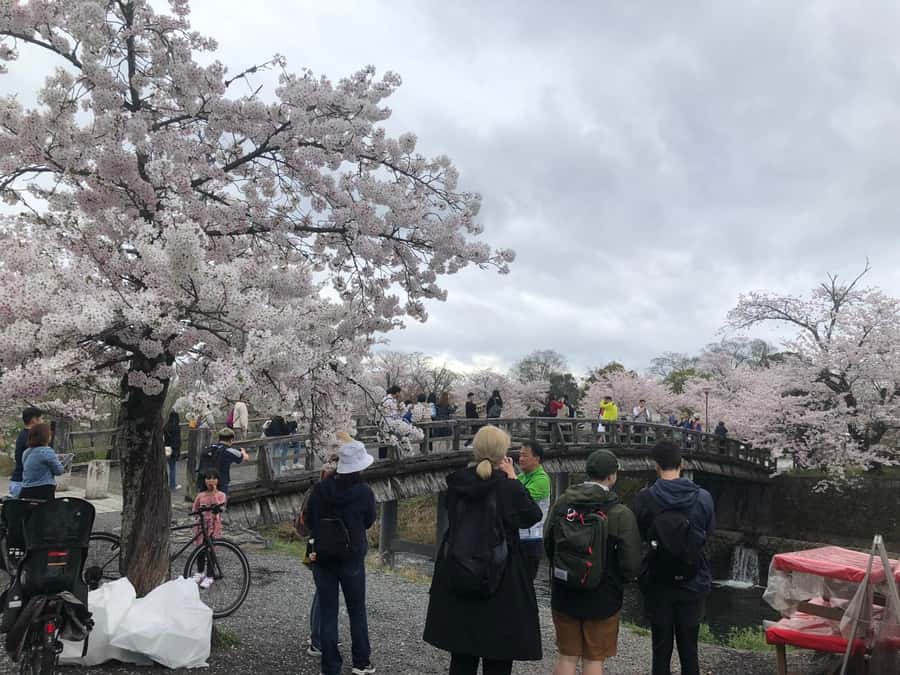
I would choose this for active adults, couples, families with children aged 10 or older, and anyone who wants to see Kyoto from street level. It also suits people who enjoy history and religious culture but prefer not to spend the entire day walking.
It can work for older riders if you are comfortable on a bicycle and can manage several hours of mixed riding and walking. The electric bikes help, but they are not a substitute for balance, traffic awareness, or basic stamina.
Families should note the minimum age of 10. Jody’s patience with children is a plus, but every child must still be comfortable riding in a city and listening to group instructions.
This is not the best choice for children under 10, people who cannot cycle safely, or anyone wanting a slow garden-focused tour. It may also frustrate serious photographers who need unlimited time at Kinkakuji or Arashiyama.
The cancellation policy is flexible: you can cancel up to 24 hours before the activity for a full refund. You can also reserve now and pay later, which helps if your Kyoto schedule is still changing.
Final verdict: a strong first-day Kyoto outing
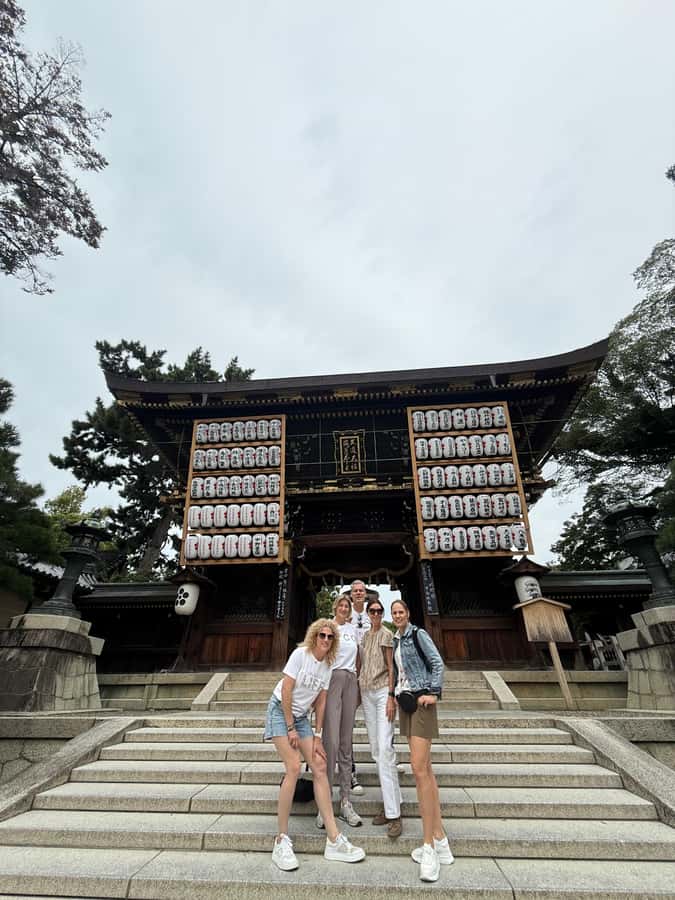
Book this tour if you want four major sights, useful cultural explanations, and a look at Kyoto’s residential streets in one well-paced day. The guides are the main strength, with Jody, Pohan, Jorge, Boram, Jordan, Beau, Bo, and Phohun all singled out for patience, safety, humor, and clear explanations.
The biggest practical tip is simple: bring cash, wear comfortable clothes, and be honest about your cycling ability. If rain threatens, ask about changing the date. If you want the most from the tour, listen during the shrine and temple stops, then enjoy the ride between them.
At $105, the cost is fair for six hours of guiding, equipment, and local routing in a city where major sights are spread far apart. You will not avoid every crowd, and you will not have unlimited time at each temple. But for an active introduction to Kyoto’s cultural center, this is a smart and enjoyable way to get your bearings.
FAQ
How long does the Kyoto Memory e-bike tour last?
The tour lasts six hours. Starting times vary, so check availability for the date you want.
What sights are included?
The route includes Kitano Tenmangu Shrine, Kinkakuji, the Arashiyama Bamboo Forest, and Tenryuji Temple.
Where does the tour start?
The meeting point is opposite the Kirindo drug store at the Memory Kyoto bike tour location.
Where does the tour finish?
The activity ends back at the original meeting point.
Is the guide English-speaking?
Yes. The tour includes a live English-speaking guide.
How large is the group?
The tour is limited to eight participants.
Are the bike and helmet included?
Yes. Use of a bike and helmet is included in the activity details. The tour is presented as an e-bike experience.
Is water provided?
Yes. A water bottle is included.
Is lunch included in the price?
No. Some groups stop at a local restaurant or ramen shop, but lunch is paid separately. Bring cash because at least one restaurant mentioned did not accept cards.
Can children join the tour?
Children under 10 are not permitted. Participants aged 10 and older can join if they are comfortable cycling and following safety instructions.
What is the cancellation policy?
You can cancel up to 24 hours before the activity for a full refund.
Can I reserve now and pay later?
Yes. The booking option allows you to reserve your place and pay later.
More E-Bikes in Kyoto
More Cycling Tours in Kyoto
More tours in Kyoto we've reviewed



E-Bikes, compared.
 ★ 5.0Hidden Kyoto E-Biking tourFrom $116
 ★ 5.05 Top Highlights of Kyoto Full Day Bike Tour (E-bike option)From $172
 ★ 5.0E-Bike Tours of the highlights of Kyoto!!!From $109
 ★ 4.9Kyoto: City Secrets eBike TourFrom $1273h 45m
 ★ 5.0Pedal Adventure Kyoto’s iconic landmarks on an e-bike tourFrom $86
 ★ 5.0Arashiyama Bamboo Forest E-Biking TourFrom $116