
Reviewed · E-BIKES
Pedal Adventure Kyoto’s iconic landmarks on an e-bike tour
Kyoto is easiest to understand when you get off the main road, and this small-group e-bike tour does exactly that. You pedal from the meeting point toward Gion, quiet Higashiyama lanes, Fushimi Inari, and Tōfuku-ji, then return beside the Kamogawa River. The route links famous sights with ordinary neighborhoods that buses and walking tours often miss.
I like the mix of major sights and local streets, and I like having guides such as Maki and Mika explain Japanese customs through personal stories, not just dates and names. The main caution is weather: Kyoto heat, rain, and humidity can change the feel of a four-hour ride, so dress sensibly and carry extra water in summer.
In This Review
- Key details that shape the ride
- Why an e-bike is a smart way to see Kyoto
- Starting near Gion and learning to read Kyoto
- Higashiyama’s quieter temple stop
- Fushimi Inari and its famous gates
- Tōfuku-ji and the ride beside the Kamogawa River
- The guide can make or break the experience
- Group size, comfort, and weather
- Is $86.22 good value?
- Who should book this Kyoto ride?
- Should you book Pedal Adventure Kyoto?
- FAQ
- How long does the e-bike tour last?
- Where does the tour start and finish?
- What sights are included?
- Is lunch included?
- What is included with the bike rental?
- What happens if the weather is poor?
Key details that shape the ride
- A four-hour route with real variety: You move between Gion, temples, shrine gates, residential streets, and the Kamogawa River.
- E-bikes make Kyoto’s distances manageable: The city is generally easy riding, with few hills noted by participants, but you still need basic cycling confidence.
- Small groups keep the tour personal: The maximum is eight people, allowing the guide to adjust the pace and answer questions.
- Maki and Mika add cultural context: Expect discussion of Shinto, Buddhism, samurai, maiko, geisha, customs, and everyday Japanese life.
- Snacks, water, a helmet, and a bike are included: Lunch is not included, so eat before the ride or plan food afterward.
- The route returns to its starting point: This makes it easier to fit the tour into a day of sightseeing or combine it with nearby plans.
Why an e-bike is a smart way to see Kyoto
Kyoto’s best sights are spread across a broad area. You can walk between some temples, but doing so all day takes time and energy. Buses can be crowded, and traffic may slow them down. An e-bike gives you a wider view of the city without turning the outing into a fitness test.
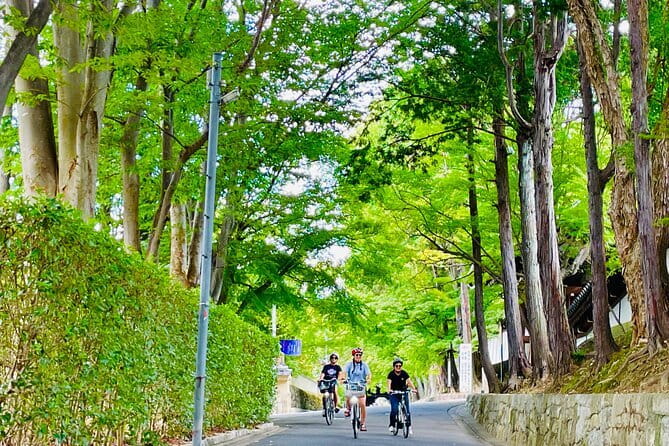
The route uses larger streets, narrow back roads, bike paths, residential areas, and the riverbank. That variety matters. You see the polished side of Kyoto at famous shrines and temples, then pass homes, side lanes, and quieter corners where the city feels more lived-in.
The electric assistance is especially useful if you are unsure about cycling for several hours. The ride is described as fairly easy, with few hills, and the bikes are reported to be comfortable and well maintained. Baskets are available, which is handy for a small backpack, jacket, or other light items.
Still, this is a bike tour, not a sightseeing vehicle. You must be comfortable steering, stopping, and following the guide through city streets. The route includes larger roads as well as quiet lanes, and the guide uses hand signals and pays close attention to group safety. If you rarely cycle, tell the guide at the start so the pace can be adjusted.
Other cycling tours in Kyoto

Starting near Gion and learning to read Kyoto
After you receive your bike and helmet, the first ride takes about ten minutes before reaching Gion. This opening section gives you time to get used to the e-bike and the group’s rhythm.
Gion is one of Kyoto’s most recognizable districts, known for traditional wooden buildings and its connection with geisha and maiko culture. The important point is not simply taking a photo of an old street. Your guide explains the difference between maiko and geisha, the customs connected with the district, and how this part of Kyoto fits into modern life.
Maki is praised for adding family stories and personal experience to her explanations, while Mika is described as a Kyoto local with excellent English and a strong grasp of the area’s traditions. Since the guide may be Maki or Mika, the exact storytelling style can vary, but the tour is built around conversation and questions.
This is also a good place to remember basic etiquette. Gion is a working neighborhood as well as a sightseeing area. Keep your voice down, avoid blocking narrow lanes, and do not treat people in traditional dress as photo props. A good guide helps you see the culture without turning it into a performance.
Higashiyama’s quieter temple stop
From Gion, you cycle for roughly fifteen minutes to Higashiyama. The area is filled with temples, shrines, traditional lanes, and small streets where Kyoto’s older character is easier to notice.
The stop includes a temple with lesser-known details and time for a quick snack. The exact temple is not specified, so you should not book this expecting a particular famous complex. That uncertainty is also part of the appeal: the guide can focus on a place that fits the group and the day rather than rushing through a fixed checklist.
Here, the cultural explanation becomes more useful than a simple sightseeing stop. Your guide may discuss how Buddhist and Shinto practices appear in daily life, how to behave at a shrine, and why certain objects or markings around homes and streets matter. This kind of context helps you notice details later in your Japan trip.
The snack is modest rather than a substitute for lunch. Bring a proper meal beforehand if you are hungry, since lunch is not included. Bottled water and snacks are supplied, but one participant found extra water and an electrolyte drink useful during extreme summer heat. Kyoto can be punishing in August, so do not rely on the included bottle alone.
Fushimi Inari and its famous gates
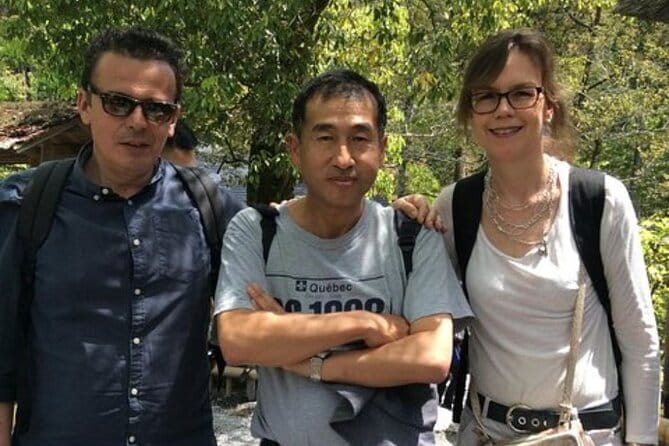
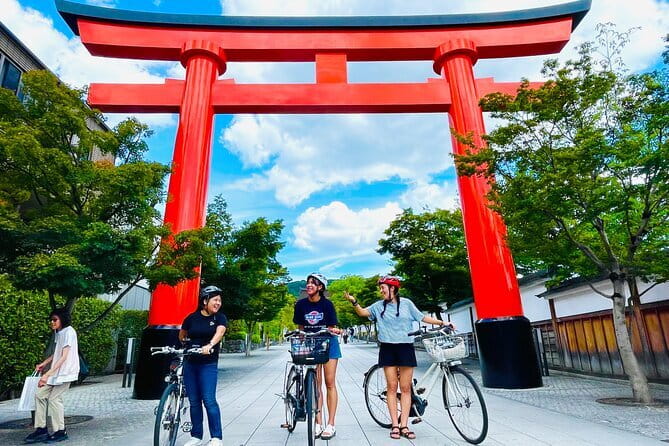
The next major stop is Fushimi Inari-taisha, reached by bicycle after the Higashiyama portion. The shrine is famous for its long rows of orange torii gates, which climb into the wooded hills behind the main grounds.
The tour allows about forty minutes here. That is enough to see the shrine gates and learn about the site, but not enough for a long hike through every section of the mountain route. Keep your expectations realistic. If walking all the way to the summit is a priority, you will need a separate visit with more time.
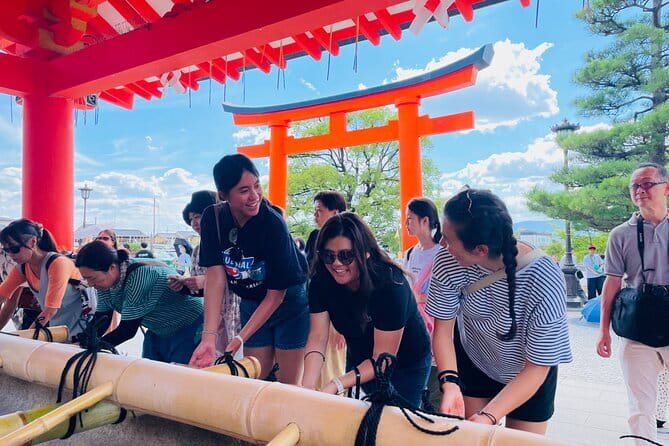
Fushimi Inari is a Shinto shrine associated with Inari, a deity connected with rice, agriculture, business, and prosperity. Fox figures appear around the shrine because foxes are regarded as messengers of Inari. Your guide can help connect these visible features with the beliefs behind them.
The stop is also where timing matters most. Fushimi Inari is one of Kyoto’s busiest sights, and the gates can be crowded. The advantage of arriving with a local guide is not a guaranteed empty visit, but better orientation. You can learn what you are looking at, use your limited time well, and ask questions that are easy to miss when exploring alone.
Wear shoes suitable for walking. You may spend only part of the visit on the bike, and shrine grounds can include steps, uneven surfaces, and sloping paths. The provided helmet is for the ride, not for walking around the shrine.
Tōfuku-ji and the ride beside the Kamogawa River
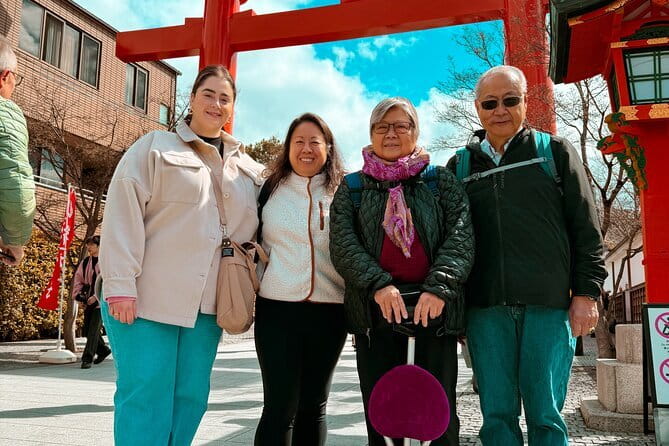
After Fushimi Inari, the group cycles about ten minutes to the Tōfuku-ji temple complex. The visit lasts around twenty minutes, making it a shorter stop than Fushimi Inari or Higashiyama.
Tōfuku-ji is valued for its temple buildings, gardens, and calm setting. On this tour, the stop works as a final cultural pause before the return ride. The guide may compare Buddhist and Shinto traditions, explain temple customs, or connect the site to broader Japanese history.
Do not expect a full temple visit with time for every garden and hall. Twenty minutes is enough for an introduction and a look around, but travelers who want a detailed study of Tōfuku-ji should return independently. That is one of the tradeoffs of covering several parts of Kyoto in one morning or afternoon.
The final ride follows the Kamogawa River back toward the starting point. This is one of the route’s most appealing sections. After busy streets and crowded sights, the riverbank provides a quieter change of pace. You see Kyoto from a different angle, with open space, water, and a more relaxed cycling rhythm.
The return route also shows why an e-bike tour can cover more ground than a walking tour. You get the cultural stops, but you also experience the spaces between them. In Kyoto, those in-between moments are often where the city feels most natural.
A few more Kyoto tours and experiences worth a look

The guide can make or break the experience
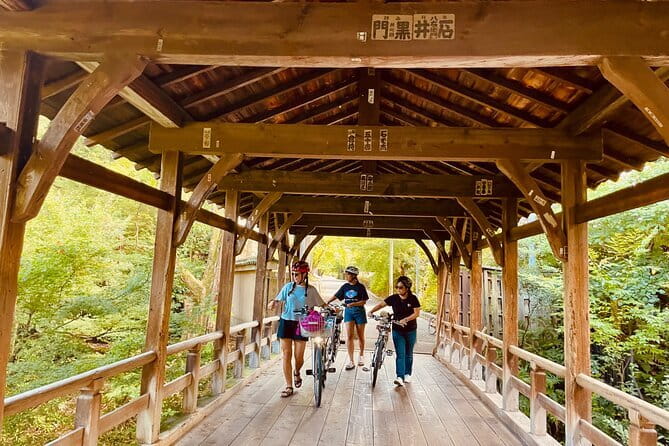
The strongest part of this outing is the guide’s role. Maki is described as the owner and guide, and her approach includes humor, patience, safety signals, personal stories, and regular checks on the group’s comfort. Mika is also praised for clear English, local knowledge, and stories about family traditions.
The useful distinction is that this is not just a guide pointing at a temple and reciting facts. You can ask about Buddhism, Shinto, samurai, geisha culture, food customs, fortune telling, and ordinary life. One detailed account even describes explanations of why passing food between chopsticks is taboo and how shrine practices connect to personal experience.
That open question-and-answer style suits curious visitors. Families can ask simple questions without feeling rushed, and adults can explore more complex topics. The guide has also adjusted for rain, heat, and different cycling abilities, using rest stops and shelter when needed.
The exact guide matters, so check the booking details if you have a strong preference for Maki or Mika. The supplied information names both, but it does not promise one specific person for every departure.
Group size, comfort, and weather
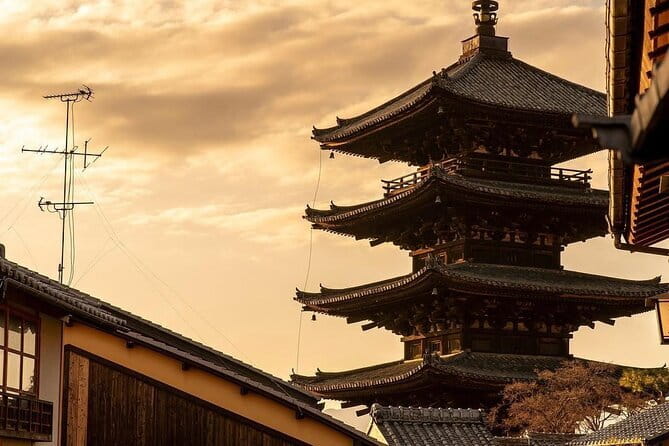
The maximum group size is eight. That is small enough for a guide to monitor riders, stop for explanations, and change the pace when needed. It also means the tour can feel more like a shared outing than a large procession.
Water, snacks, a helmet, and the bicycle are included. The bikes have baskets, which reduces the need to carry everything on your back. Lunch is not included, and the activity ends where it begins, so you can plan your next meal and transport from that point.
Weather deserves serious attention. The experience requires good weather and can be moved or refunded if poor conditions cause cancellation. Rain may still appear during a scheduled ride, and the guide has helped groups find shelter, but you should bring light rain protection and avoid wearing anything you would hate to get wet.
Summer heat is the bigger concern. Kyoto’s humidity can make an easy ride feel strenuous. Wear breathable clothes, use sunscreen, and bring more water than you think you need. An electrolyte drink is a sensible extra in hot months.
Is $86.22 good value?
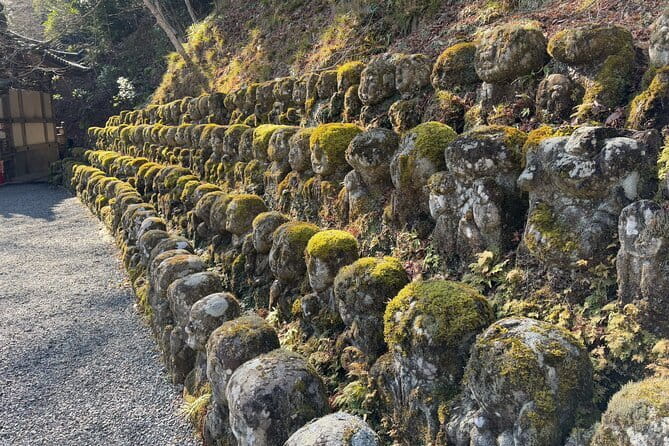
At $86.22 per person, this is not the cheapest way to get from one Kyoto sight to another. It is also more than renting a bicycle and following a map on your own.
The value comes from combining transport, equipment, route planning, and interpretation in four hours. You visit several important areas without working out the connections yourself. The e-bike saves energy, while the guide gives meaning to places that can otherwise blur together after a few days of temple visits.
The small group also matters. With no more than eight people, the guide can answer questions and keep the ride moving. If you tried to reproduce the same route independently, you would save money, but you would lose the explanations, local route choices, and safety support.
I consider the price fair for first-time visitors who want a strong introduction to Kyoto and prefer an active outing. Independent cyclists who already know the city may find the cost less attractive. Families and couples who value convenience, local stories, and a relaxed pace are more likely to feel they received good value.
Who should book this Kyoto ride?
I would choose this tour if you want to see more than the standard central sights, enjoy light physical activity, and like learning through conversation. It suits first-time Kyoto visitors particularly well because it gives you a clear sense of how the historic districts connect.
It also works for families, provided everyone can cycle safely. The electric assistance helps, and the guide has been attentive to comfort, rest, heat, and different abilities. Couples and small groups may appreciate the personal feel even more.
You may want another type of tour if you dislike cycling, need a fully indoor plan, or want long, detailed visits at each temple. This route is about variety and movement. Each stop is relatively short, and the experience depends on the weather.
Should you book Pedal Adventure Kyoto?
Book it if you want a friendly, active introduction to Kyoto that joins famous places with quiet lanes and a river ride. The most valuable elements are the compact group, comfortable e-bikes, and guides who explain culture through both history and personal stories.
I would book early if your schedule is tight, since the tour has been booked multiple times recently and departures are limited to small groups. Cancel at least 24 hours ahead for a full refund. If bad weather or an insufficient number of participants cancels the outing, you can choose another date or receive a full refund.
For the best experience, arrive ready to ride, eat something before starting, bring extra water in hot weather, and leave room for questions. If that sounds like your kind of Kyoto day, this is a strong choice.
FAQ
How long does the e-bike tour last?
The tour lasts approximately four hours, including the cycling time, sightseeing stops, explanations, and the return ride to the meeting point.
Where does the tour start and finish?
It starts at 19 Shōgoin Higashimachi, Sakyo Ward, Kyoto, 606-8325, Japan. The activity ends back at the same meeting point.
What sights are included?
The route includes Gion, the Higashiyama area, Fushimi Inari-taisha Shrine, and the Tōfuku-ji temple complex. It also includes cycling through back streets and along the Kamogawa River.
Is lunch included?
No. The tour includes snacks and bottled water, but lunch is not included.
What is included with the bike rental?
The tour includes use of the bicycle, a helmet, bottled water, snacks, and an English-speaking route coordinator.
What happens if the weather is poor?
The experience requires good weather. If it is canceled because of poor weather, you can choose a different date or receive a full refund. A full refund is also available when you cancel at least 24 hours before the start time.
More E-Bikes in Kyoto
More Cycling Tours in Kyoto
More tours in Kyoto we've reviewed




E-Bikes, compared.
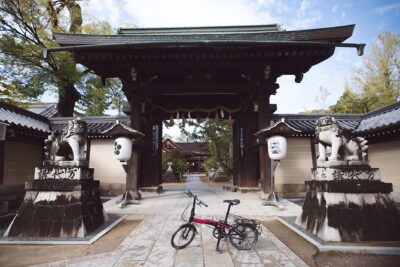 ★ 5.0Hidden Kyoto E-Biking tourFrom $116
 ★ 5.05 Top Highlights of Kyoto Full Day Bike Tour (E-bike option)From $172
 ★ 5.0E-Bike Tours of the highlights of Kyoto!!!From $109
 ★ 4.9Kyoto: Memory Kyoto E-Bike TourFrom $105
 ★ 4.9Kyoto: City Secrets eBike TourFrom $1273h 45m
 ★ 5.0Arashiyama Bamboo Forest E-Biking TourFrom $116