
Reviewed · WORKSHOPS
Fish Cutting workshop in Kyoto Japan
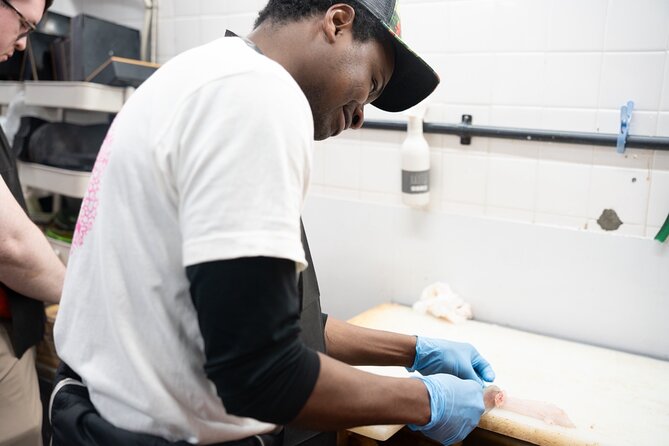
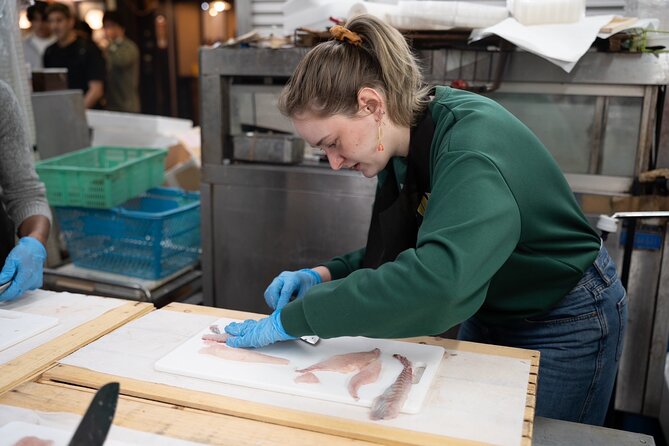
At this Kyoto workshop, you do more than watch someone prepare sashimi. You handle the fish yourself, cut it into three pieces, arrange it, and then sit down to eat the lunch you made. That hands-on step is the heart of the experience.
I like the small maximum group of six, since fish preparation calls for close attention and plenty of questions. I also like the setting at Kimura Fresh Fish, a shop with a 400-year history, where the lesson connects a modern cooking class with an old Kyoto trade.
The main consideration is simple: you need to be comfortable handling raw fish and using knives. Children under eight are asked not to attend, and anyone hoping for a quick sushi demonstration may find the practical work more demanding than expected.
In This Review
- Key Points at a Glance
- Why This Kyoto Food Class Feels Different
- Meeting the Fishmonger at Kimura Fresh Fish
- First Lessons: Handling Fish Before Cutting
- Three Fish, Three Chances to Improve
- Turning Your Work Into a Sashimi Lunch
- A Small Group Makes the Knife Work Better
- What the $98.53 Price Really Covers
- Timing, Transport, and the Practical Details
- Who Should Book This Fish-Cutting Class
- Is the Fish Cutting Workshop Worth Booking?
- FAQ
- Where does the fish-cutting workshop meet?
- What time does the class start?
- How long does the experience last?
- What will I learn?
- How many types of fish will I prepare?
- Do I eat the fish I cut?
- How many people can join the class?
- Can children attend?
- Is transportation included?
- Can I cancel for a refund?
Key Points at a Glance
- Cut three types of fish yourself: Learn the basic steps for breaking down fish and preparing sashimi.
- Eat the fish you prepare: Your work becomes a fresh sashimi lunch at the end.
- Learn from an experienced fishmonger: The instructor has worked in a fish shop for more than 20 years.
- Train in a historic Kyoto fish shop: Kimura Fresh Fish traces its history back 400 years.
- Ask plenty of questions: The group is limited to six people, allowing for close supervision.
- Plan for a knife-focused class: Children under eight are not permitted because of the equipment.
Why This Kyoto Food Class Feels Different
Many food activities in Japan center on eating. You sit at a counter, watch a chef, and enjoy a finished dish. This class takes you one step earlier, into the preparation that makes sashimi possible.
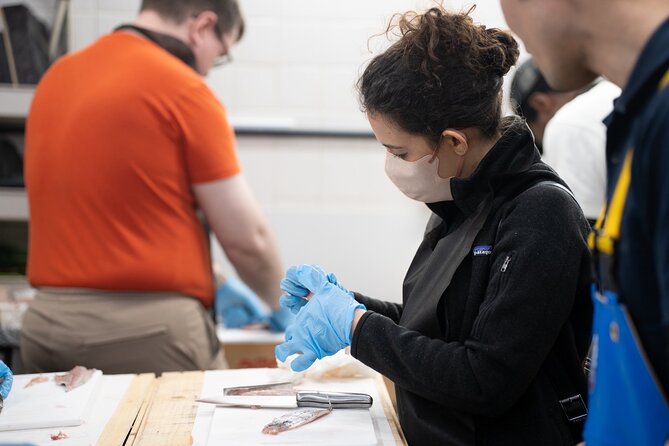
You learn how to handle raw fish, where to make the first cuts, and how to turn a whole fish into neat portions. The class is built for beginners, so you do not need previous fish-cutting experience. The instructor explains the process first and then watches as you work.
That balance matters. Fish preparation can look simple when an expert does it. In your own hands, the knife angle, pressure, and order of the cuts become much clearer. You are not just memorizing a recipe. You are learning why the fish is cut in a certain way.
The class also offers a useful look at Japanese food culture. Sashimi is often presented as a polished final product, but its quality begins with careful handling. The lesson helps you notice texture, freshness, cut, and presentation in a way that a restaurant meal usually does not.
The experience lasts about two and a half hours, long enough for demonstrations, practice, questions, and lunch without turning into a full-day commitment. I think that timing works well for a Kyoto morning, especially if you want to continue sightseeing afterward.
A few more Kyoto tours and experiences worth a look

Meeting the Fishmonger at Kimura Fresh Fish
You meet at Kimura Fresh Fish, located at 483 Nakauoyacho in Nakagyo Ward. The shop is near public transportation, and the experience begins at 10:00 am.
The setting is part of the appeal. This is not a classroom designed to imitate a market. You learn inside a historic fish shop with a 400-year connection to the trade. That gives the lesson a sense of place that a generic cooking studio cannot easily copy.
The provider is listed as Shioyan, and the teaching comes from a fishmonger with more than two decades of experience. The exact names of the instructors are not provided, but the class is led by people who work directly with fish and teach the preparation process step by step.
You should arrive ready to focus. This is a knife lesson, not a casual food tasting. Wear clothes you can comfortably work in, though no special dress requirement is provided. Since the class starts in the morning, you may want a light breakfast rather than arriving overly full. You will eat the sashimi you prepare later.
The workshop ends back at the meeting point. Private transportation is not included, so you are responsible for reaching the shop and returning to your next Kyoto stop.
First Lessons: Handling Fish Before Cutting
The session begins with instruction on handling the fish. This opening is especially useful if you have never prepared raw fish before or are unsure about working with a sharp knife.
The teacher demonstrates the basic process before asking you to try it. That order reduces the pressure. You get to watch the movement, see where the blade goes, and understand the sequence before taking over.
You will learn how to process the fish into three pieces. This kind of cutting is often called sanmai or three-piece filleting, although the supplied information does not state that term is used during the class. The important point is that you work through the fish yourself rather than receiving a pre-cut portion.
The instructor then supervises your cuts carefully. The available class information describes close attention during each person’s turn, with corrections made to keep the process accurate and safe. That matters more here than speed. A relaxed pace lets you ask about the fish, the knife, or the technique before moving on.
You can also ask questions about fish more generally. If you are curious about the inside of the fish, the cutting process, or how sashimi differs from other preparations, the instructors are available to answer as you work.
Three Fish, Three Chances to Improve
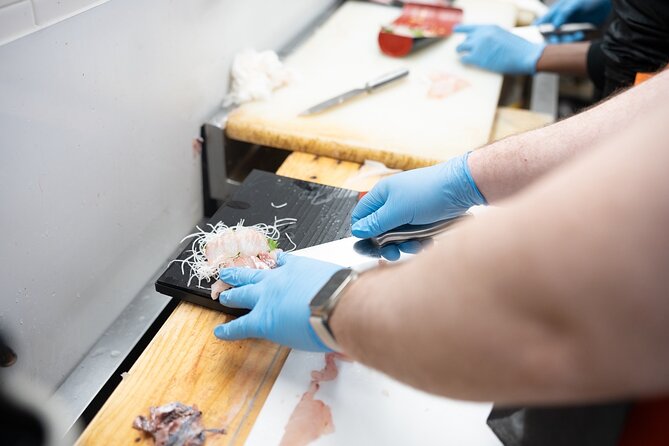
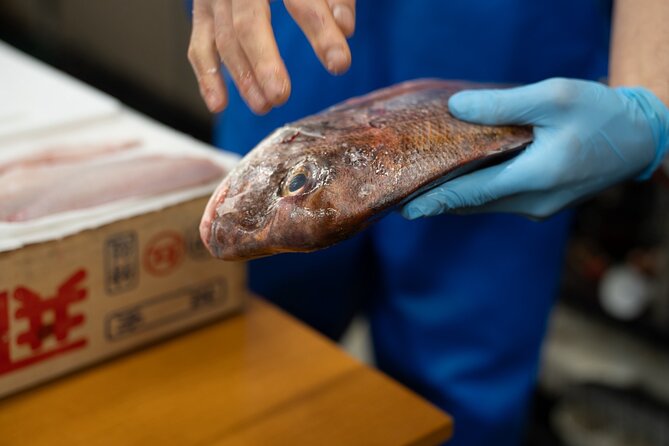
The class includes three types of fish. That gives you more than one attempt to understand the technique. If your first cuts feel awkward, the next fish gives you a chance to adjust your grip and pressure.
Different fish can also make the lesson more useful. Fish vary in shape, texture, and structure, so working with several types helps you see that one fixed motion will not solve every problem. The available details do not name the three fish, so you should not book this expecting a particular species.
The class focuses on preparing sashimi. You will cut the fish, arrange it, and prepare it for eating. This makes the experience practical for anyone who wants to improve knife skills or understand how sashimi reaches the table.
One especially useful part is seeing the fish as a whole rather than only as a clean slice. One class description notes that the instructor showed the inside of the fish as part of the preparation. That may not appeal to everyone, but it is valuable if you want a more complete understanding of fish processing.
This is also where the class can test your comfort level. Raw fish preparation is hands-on, and the work may involve parts of the fish that are not normally visible in a restaurant. If you prefer food experiences with no cutting or raw ingredients, this may not be the right choice.
Turning Your Work Into a Sashimi Lunch
After the preparation, you eat the fish you handled yourself as sashimi. Lunch is included in the price, and there is no separate meal to arrange during the activity.
That final meal gives the class a clear purpose. You are not practicing on food that disappears into a kitchen. You can see the result of your work and compare the finished slices with the technique you just learned.
The lunch is also a good chance to slow down and talk with the instructors and the other participants. The class has been described as relaxed and conversational, with time for discussion about Kyoto, Japanese food, knives, and different countries.
Come hungry enough to enjoy the meal, but remember that the class starts at 10:00 am. If you are not used to sashimi, the instructors can still show you how the fish is prepared, but the main food served is the sashimi you make. The information provided does not specify alternative meals for people who do not eat raw fish.
Freshness is central to the experience. The fish is prepared for the class and eaten as lunch, rather than being a decorative exercise. The exact menu depends on what is being used that day, so avoid booking if you need a guaranteed fish species or a fixed menu.

A Small Group Makes the Knife Work Better
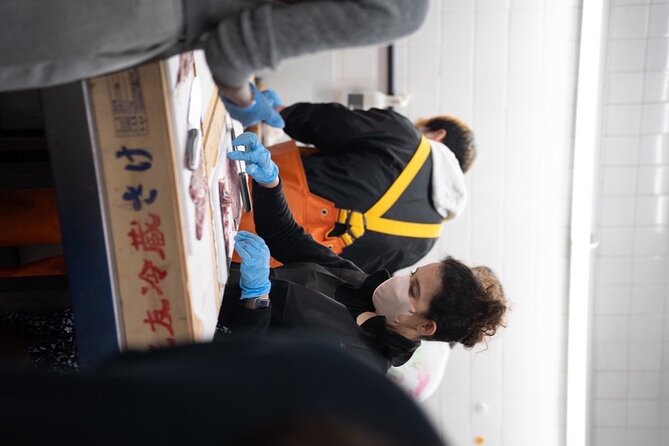
The maximum group size is six people. That is one of the strongest practical features of the workshop.
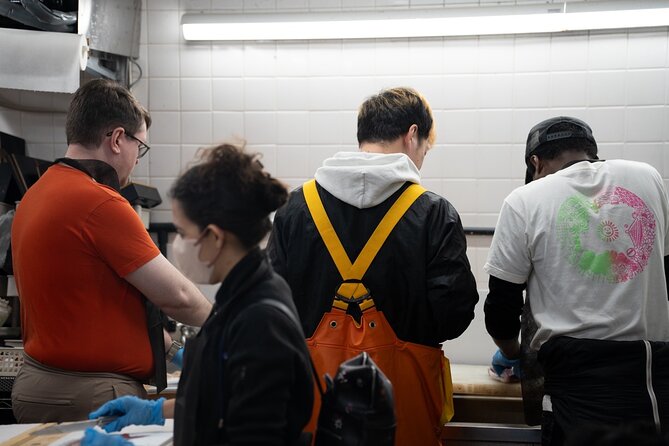
A large cooking class can leave you watching from the back or waiting while several people take their turns. Here, the instructor can monitor your handling more closely. You have a realistic chance to ask questions without holding up a crowd.
Small groups also make it easier to admit when you are unsure. You can ask where to place your fingers, how firmly to hold the fish, or why a cut went wrong. That kind of direct correction is hard to replace with a printed recipe.
The social side appears to be part of the experience too. After the fish is prepared, the meal creates room for conversation. You may exchange stories with the hosts and the people in your group, rather than simply leaving as soon as the food is served.
Still, a small group does not mean private instruction. Up to six people may book the session, so you will share the teacher’s time. If you need a one-to-one class, confirm the group arrangement before booking.
What the $98.53 Price Really Covers
The listed price is $98.53 per person. That is not the cheapest way to eat sashimi in Kyoto, but the price includes more than lunch.
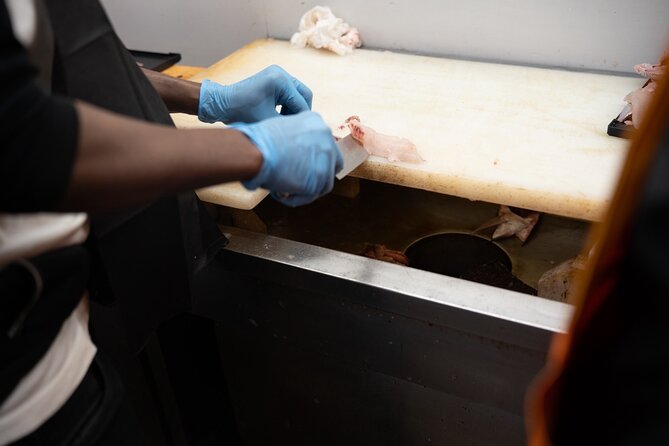
You are paying for roughly two and a half hours of instruction, use of the working space, hands-on fish preparation, supervision, and the meal made from your work. The historic fish shop and the direct teaching from an experienced fishmonger also add context that you would not get from simply ordering sashimi at a restaurant.
I see the best value here for people who enjoy cooking, want to improve knife skills, or have already eaten Japanese food and want to understand more about its preparation. If your main goal is simply a large meal, a restaurant will likely offer better value.
The price is harder to justify if you dislike raw fish, dislike handling whole fish, or have no interest in learning the cutting process. This is a practical workshop first and a meal second.
Because the class is often booked about 48 days ahead, you should reserve early if your Kyoto schedule is fixed. That advance booking pattern also makes sense for a class capped at six people, especially during busy travel periods.
Timing, Transport, and the Practical Details
The start time is 10:00 am, and the activity lasts approximately 2 hours and 30 minutes. You should have the rest of the afternoon available afterward, though the class ends back at the shop and no private transport is included.
The meeting point is:
Kimura Fresh Fish
483 Nakauyacho
Nakagyo Ward, Kyoto 604-8125, Japan
The address is listed as Nakauyacho in the supplied information. Check the exact map location and allow enough time to find the shop, since arriving late could reduce your working time.
A mobile ticket is provided. Confirmation arrives when you book, which is useful when you are managing several Kyoto activities on your phone.
The class is near public transportation. The information does not specify a particular station or walking time, so check your route from your hotel or previous activity before the morning of the class.
Children under eight should not attend because they handle knives. The class is also a better match for older children and adults who can follow careful instructions, though no separate age range is supplied beyond the request regarding children under eight.
Free cancellation is available until 24 hours before the 10:00 am start time. If you cancel or request changes less than 24 hours before the local start time, you will not receive a refund.
Who Should Book This Fish-Cutting Class
I would choose this workshop if you like cooking, enjoy learning through your hands, or want a food experience that feels tied to Kyoto rather than simply consumed in Kyoto.
It is especially suitable for:
- Home cooks who want better knife control
- People curious about sashimi preparation
- Visitors who enjoy asking questions and working in small groups
- Anyone interested in traditional fish-shop skills
- Couples, friends, or solo visitors who like a shared meal after an activity
The class may not suit you if you do not eat raw fish, feel uneasy around whole fish, or want a passive demonstration. It also may not fit families with children under eight because knives are part of the lesson.
You should also consider your wider Kyoto schedule. The workshop takes your entire morning, including lunch, so do not place it immediately before a fixed reservation across town. Since private transportation is not provided, leave time for your own journey after the class.
Is the Fish Cutting Workshop Worth Booking?
Yes, if you want to understand sashimi from the fish shop to the plate. The strongest reason to book is the combination of real knife practice, a historic fishmonger, and lunch made from your own work.
The class is not a sightseeing tour and does not promise a long list of Kyoto landmarks. Its value comes from a close look at one food tradition, taught in a small group by someone with years of fish-shop experience.
Book it if you are willing to work, ask questions, and handle raw fish. Skip it if you only want to eat sashimi or would rather avoid knives. For the right person, this is a memorable way to make a familiar Japanese dish feel much more understandable.
FAQ
Where does the fish-cutting workshop meet?
The workshop meets at Kimura Fresh Fish, 483 Nakauyacho, Nakagyo Ward, Kyoto, 604-8125, Japan.
What time does the class start?
The class starts at 10:00 am.
How long does the experience last?
The experience lasts approximately 2 hours and 30 minutes.
What will I learn?
You will learn basic Japanese fish-processing techniques, including how to handle fish and cut it into sashimi.
How many types of fish will I prepare?
You will prepare three types of fish during the workshop.
Do I eat the fish I cut?
Yes. You will eat the fish you processed yourself as sashimi, and lunch is included.
How many people can join the class?
The maximum group size is six people.
Can children attend?
Children under eight years old should not attend because knives are used during the class.
Is transportation included?
Private transportation is not included. The meeting point is near public transportation, and the activity ends back at the meeting point.
Can I cancel for a refund?
Yes. You can cancel for a full refund up to 24 hours before the experience start time. Cancellations or changes made less than 24 hours before the start time are not accepted for a refund.
More Workshops & Classes in Kyoto
More tours in Kyoto we've reviewed

Workshops, compared.
 ★ 4.3Kyoto: 45-Minute Tea Ceremony Lesson ExperienceFrom $2245 min
 ★ 5.0Ramen Cooking Class at Ramen Factory in KyotoFrom $131
 ★ 4.9Kyoto: Ramen Cooking Class at a Ramen Factory with SouvenirFrom $1271h 30m
 ★ 4.9Kyoto: Samurai Class, Become a Samurai WarriorFrom $70
 ★ 5.0Ninja 1-hour Hands-on Lesson by Japanese master in Kyoto -EntryFrom $80
 ★ 5.0Kyoto: Ramen, Gyoza, and Onigiri Cooking ClassFrom $901h 30m