
Reviewed · NARA DAY TRIPS
From Osaka: Nara Deer & Kyoto Kiyomizudera Sightseeing Tour
Nara’s free-roaming deer and Kyoto’s rows of red torii gates give this day trip its strongest moments. For $69, you can cover two major sightseeing cities without working out train connections, temple locations, or a return route to Osaka. Nara Park and Fushimi Inari are the clear stars.
I like the efficient route and the generous time around Kiyomizudera, where you also walk Sannenzaka, Ninenzaka, Hanamikoji Street, Gion, and Yasaka Shrine. I also like the easy transport, especially if you are visiting Osaka for only a few days. The main catch is that this is a driver-guided shared tour, not a full guided history tour, and English commentary can be limited.
In This Review
- Key points to know before booking
- Why this Osaka day trip works
- Starting in Osaka: be ready before the vehicle arrives
- Nara Park and the deer: 80 minutes of easy fun
- Todai-ji: allow extra money for the Great Buddha hall
- Fushimi Inari: famous gates, limited time
- Kiyomizudera and Kyoto’s old streets
- The return to Osaka: useful, but traffic can reshape the day
- What $69 buys you
- Who should book this day
- Final verdict: a strong first look at Nara and Kyoto
- FAQ
- How long does the Osaka to Nara and Kyoto tour last?
- Where is the main meeting point in Osaka?
- Is hotel pickup available?
- What languages are available?
- Are admission tickets included?
- Is lunch included?
- What happens if I arrive late?
Key points to know before booking
- About 80 minutes with Nara’s shika deer: You have time to buy deer crackers, take photographs, and walk through the park.
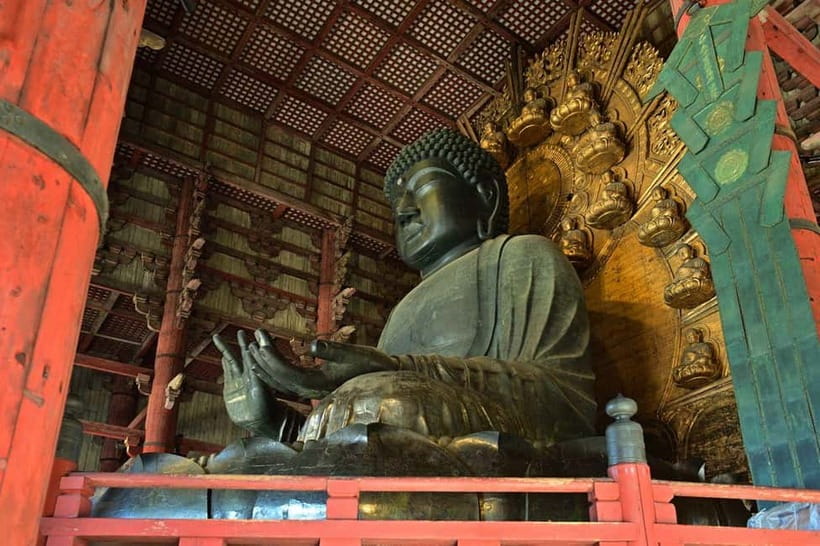
- Todai-ji costs extra: Allow ¥600 for adults and ¥300 for children if you want to enter.
- Kiyomizudera receives the longest Kyoto visit: The temple and nearby historic streets take roughly three and a half hours in the planned schedule.
- Fushimi Inari is a self-guided walk: You see the famous torii gates, but the driver may provide only a basic introduction.
- The vehicle leaves on time: A late arrival or wrong meeting point can mean missing the tour without a refund.
- You finish in Osaka: Multiple drop-off areas include Namba, Nipponbashi, Tennoji, Chuo Ward, and several other central districts.
Why this Osaka day trip works
This tour is built for a common Japan-planning problem: you want to see Nara and Kyoto, but you do not want to spend a day changing trains and checking maps. Over 10 hours, a shared air-conditioned vehicle links the two cities and brings you back to Osaka.
That convenience matters most for first-time visitors. Nara Park and Todai-ji are easy to reach by rail, but fitting them together with Kyoto’s eastern temples and Fushimi Inari takes planning. Here, the driver handles tolls, parking, route changes, and timing.
You should set your expectations correctly. The driver provides transport, basic introductions in English, Chinese, Japanese, or Traditional Chinese, and instructions about when and where to return. A small group may have a driver with limited English and no commentary during the drive. If you want detailed Buddhist, Shinto, or architectural context, plan to hire a licensed guide at one of the sites or read up before you go.
The overall rating is 4.2 from 27 reviews, with especially strong praise for the route, friendly drivers, safe driving, and value. One named driver, Leo, was praised for punctual pickup, steady driving, and helpful care at the end of the day. That is a useful clue about what this tour does best: it makes a demanding sightseeing day feel manageable.
A few more Osaka tours and experiences worth a look

Starting in Osaka: be ready before the vehicle arrives
The main meeting point is near Nipponbashi Exit 2, at 1-chome-3-6 Nipponbashi, Chuo Ward, Osaka. Pickup may be available from selected hotels, but the operator confirms the hotel name and address first. If your hotel is outside the service area, you may need to reach the designated meeting point yourself.
You receive the guide’s contact information and vehicle details one day before departure. The guide also adds you to a WhatsApp group, so download WhatsApp, keep your phone charged, and make sure you have mobile data or reliable Wi-Fi access.
This detail is not minor. One person found the Kyoto meeting instructions worrying after being dropped on one road and told to meet later near a Starbucks. The driver sent the location through WhatsApp, but finding the vehicle depended on having a working phone, Google Maps, and enough battery. I would save every meeting point as a screenshot before leaving Osaka.
The bus departs on time, with no exception. Do not treat the starting time as a loose suggestion. A delayed pickup for another passenger can affect the day, and late arrivals or no-shows are not eligible for a refund or alternate date.
Large luggage is discouraged because storage space is limited. Bring comfortable shoes, light clothing suitable for walking, and a small bag with water and snacks for outside the vehicle. Food and drinks are not allowed inside the vehicle.
Nara Park and the deer: 80 minutes of easy fun
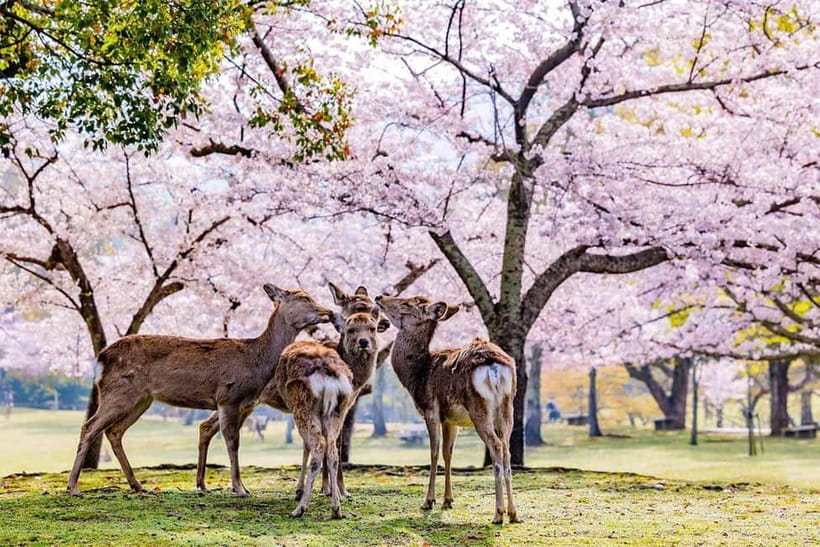
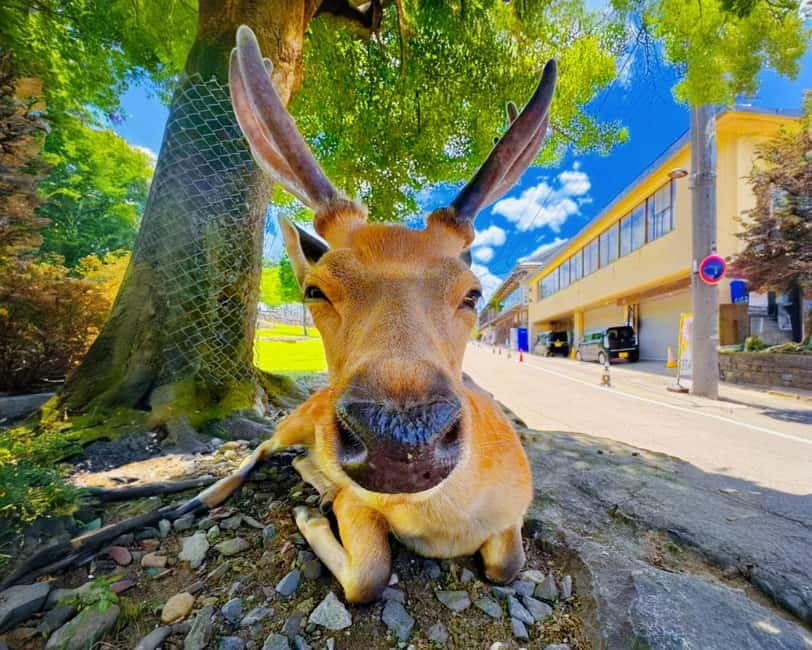
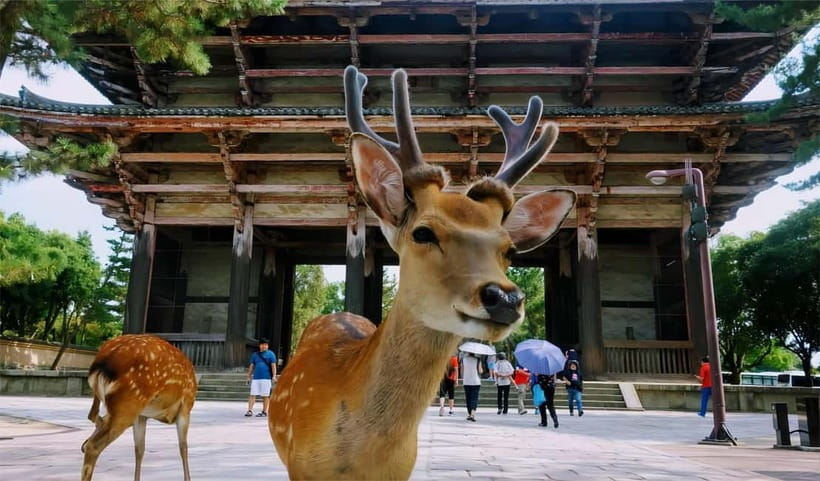
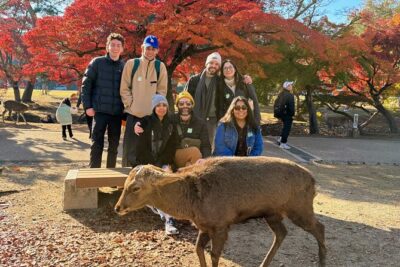
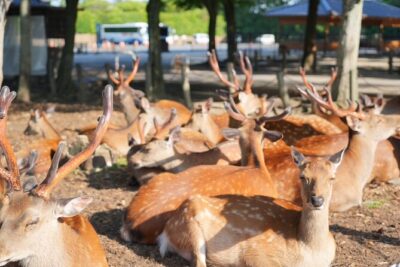
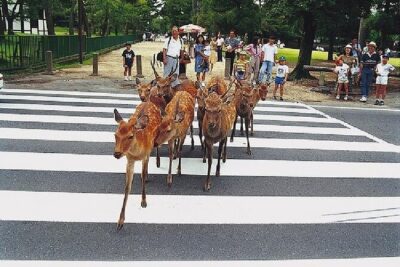
Nara Park is usually the most immediately enjoyable stop. Sika deer roam freely through the park, and you can get close to them for photographs and feed them with deer crackers.
The deer are wild animals, not penned-in attractions, so give them space and follow local signs and staff instructions. Once you offer crackers, they may expect more, and a polite bow does not always mean they will patiently wait for the next visitor. Keep paper and food away from curious mouths.
The planned visit lasts about 80 minutes, including a break, photographs, free time, and wildlife viewing. That is enough for a first look at the deer and a walk through part of the park, but it is not a slow, all-morning visit. I would go straight to the deer area first, then use any remaining time for photographs and a calm walk.
Nara Park also gives the day a welcome change of pace. Kyoto’s temple streets can feel crowded and tightly packed, while Nara offers more open space and moving animals. Families often find this the easiest stop for children, and the tour information specifically notes that children under three can join without occupying a seat, with advance notice required for children aged two or younger.
Todai-ji: allow extra money for the Great Buddha hall
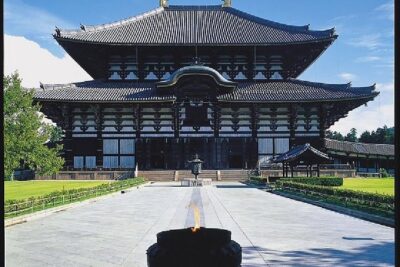
From the park, the group visits Todai-ji for about an hour. The temple is known for its enormous wooden hall and great bronze Buddha, though admission is not included.
Entry costs ¥600 for adults and ¥300 for children. Carry Japanese yen or confirm your preferred payment method before the day, since the tour price does not cover this ticket.
An hour gives you time for the main hall and photographs, but not an unhurried study of every part of the temple complex. The driver may point out the basics, then leave you to explore. That arrangement is fine if your priority is seeing the main structure. If religious history or the temple’s construction interests you, bring a short guidebook or use a licensed guide on-site.
The order of the Nara stops is practical. You see the deer before spending time inside the temple, and both attractions are close enough to fit into a compact morning visit. Keep an eye on the meeting time, since the vehicle cannot wait for extended shopping or a long temple visit.
Fushimi Inari: famous gates, limited time
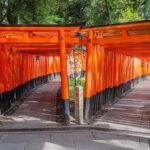
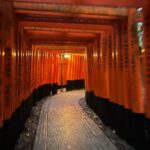
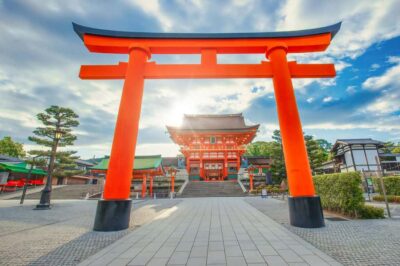
Fushimi Inari Taisha is Kyoto’s most recognizable stop on this route. Its rows of red-orange torii gates climb the wooded hillside behind the shrine, creating one of Japan’s most memorable walks.
The scheduled visit lasts about an hour. That is enough to enter the shrine grounds, pass through the lower torii gates, take photographs, and walk uphill for a short distance. It is not enough to complete the entire mountain route at a relaxed pace.
This is an important distinction. The first gates are often the most crowded, so move beyond the opening section if you want a quieter stretch. Wear shoes with a good grip, especially in wet weather, and turn around well before the meeting time. The path continues farther than it first appears.
You receive an introduction to the shrine complex, but this is not a long guided interpretation. Fushimi Inari has many smaller shrines, fox images, offerings, and side paths, and the meaning of these details may not be explained in depth. I would read a little before departure so the visit becomes more than a photograph under red gates.
A few more Osaka tours and experiences worth a look
Kiyomizudera and Kyoto’s old streets
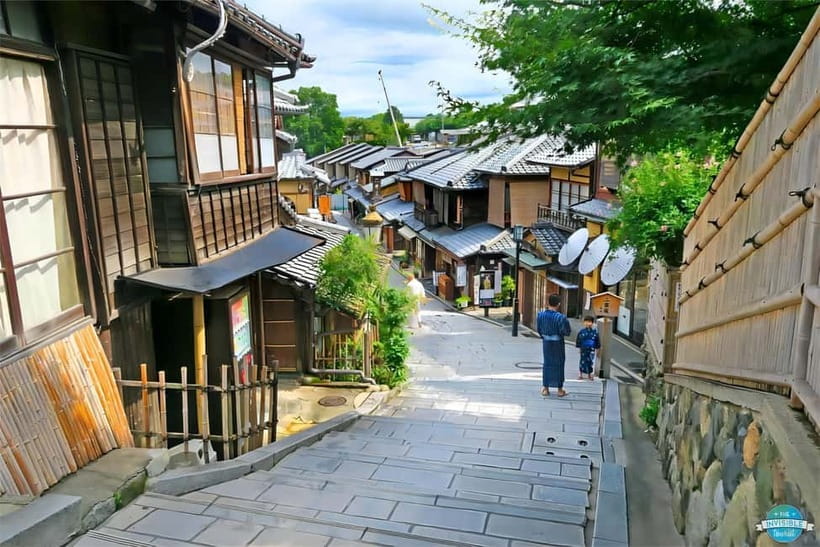
The schedule gives roughly three and a half hours around Kiyomizudera and Kyoto’s eastern temple district. This is the heart of the Kyoto portion and the reason the tour can feel full rather than rushed.
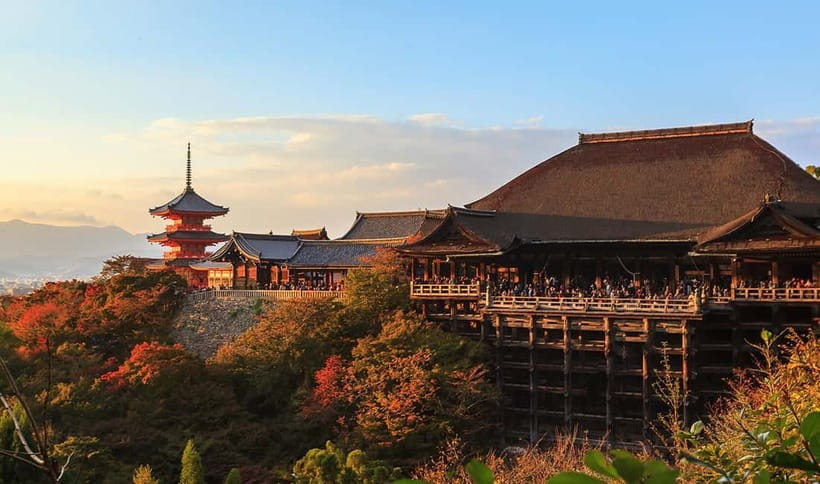
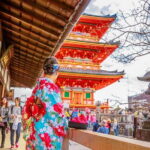
Kiyomizudera is one of Kyoto’s best-known Buddhist temples and a UNESCO World Heritage site. Built on a hillside, it is famous for its wooden stage and views over the surrounding city. The temple charges a separate admission fee of ¥400 for adults and ¥200 for children.
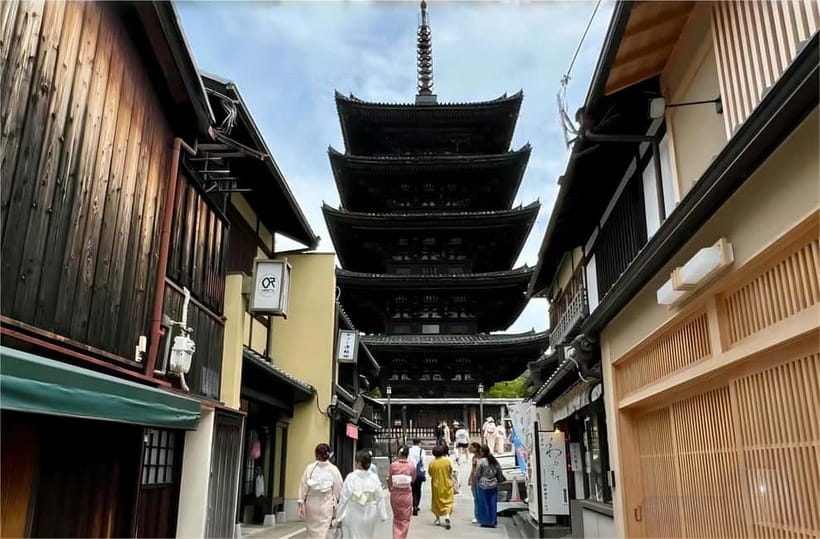
Allow time for the approach as well as the temple itself. The streets leading toward Kiyomizudera are part of the experience, with traditional buildings, souvenir shops, snacks, and small businesses. They can be crowded, particularly during popular travel periods, so keep your group’s meeting instructions close at hand.
The planned route includes:
- Sannenzaka: A sloping historic street with shops and photo opportunities. Its steps and crowds call for steady walking.
- Ninenzaka: Another old street with traditional-looking buildings, shopping, and sightseeing.
- Hanamikoji Street: A pleasant walk through one of Kyoto’s best-known old districts.
- Gion: Time for photographs and shopping in the area associated with Kyoto’s traditional entertainment culture.
- Yasaka Shrine: A final shrine visit with free time before the return journey.
These stops are listed separately, but you should think of them as one connected walking area rather than five fully guided attractions. The value is the chance to move through Kyoto’s old streets without planning your own route. The tradeoff is that each stop receives only about 30 minutes, so browsing shops, taking photographs, and entering every building is not realistic.
Kiyomizudera receives the longest block because it needs it. You have the temple grounds, approach streets, and several nearby neighborhoods to cover. Still, a long stay here can pass quickly. If you have a particular shop or shrine in mind, tell yourself in advance what matters most.
The return to Osaka: useful, but traffic can reshape the day
After Kyoto, the vehicle returns to Osaka, with a planned drive of about 75 minutes. Traffic can make this longer, especially during busy seasons and holidays. The route and departure time may change because of road conditions.
The tour offers drop-off points in many Osaka areas, including Konohana, Joto, Minato, Nishinari, Chuo, Kitahama, Nipponbashi, Taisho, Naniwa, Fukushima, Miyakojima, and Tennoji. Confirm the exact stop with the driver rather than assuming the vehicle will leave you at your hotel door.
Do not book a tight evening plan after this excursion. The day is long, and traffic on the return to Osaka can vary. A flexible dinner reservation works better than a timed theater ticket or nonrefundable evening transfer.
The final Osaka stop also gives the day a modern finish. The experience includes time around Shinsaibashi-suji Shopping Street, where you can see the city’s retail side after a full day of temples, shrines, and deer. Depending on the exact traffic and group timing, this may feel like a short stroll rather than a major shopping session.
What $69 buys you
At $69 per person, the tour is priced as a transport-and-sightseeing package rather than a private cultural tour. You get round-trip transportation, an air-conditioned vehicle, a multilingual driver, tolls, and parking fees. Those costs add up quickly if you try to arrange a similar day by taxi or private car.
The price is especially fair if you value time and simplicity. You can see Nara and Kyoto in one day, avoid separate train fares between several stops, and finish back in Osaka. The route also includes the practical benefit of parking arrangements, which can be a headache near major Kyoto sights.
The price does not include lunch or the two main temple admissions. Add ¥600 for an adult at Todai-ji and ¥400 for an adult at Kiyomizudera, plus whatever you spend on food, drinks, deer crackers, or shopping.
I would not choose this tour for a slow, scholarly look at Kyoto. You pay for coverage, transport, and a well-packed route. You do not receive the same level of explanation or flexibility as you would with a private licensed guide.
Who should book this day
I would recommend it to you if:
- You have only one open day from Osaka.
- You want to see both Nara and Kyoto without managing several train connections.
- You are comfortable with a shared vehicle and fixed departure times.
- You prefer basic introductions and independent time at each sight.
- You are traveling with family and want a simple transport plan.
- You want a low-cost overview before choosing where to return independently.
I would think twice if you dislike crowded sights, need a slow pace, or want detailed explanations at every temple. It is also a poor fit if you tend to arrive late, carry large bags, or need a completely flexible schedule.
The most important practical issue is communication. Some departures have a driver who can explain the route well, as Leo did for one particularly positive experience. Other small groups may have limited English commentary. WhatsApp coordination helps, but you need to stay alert, follow the group, and save pickup locations.
Final verdict: a strong first look at Nara and Kyoto
Book this tour if your goal is to see the major sights efficiently and return to Osaka without transport worries. Nara Park, Todai-ji, Fushimi Inari, Kiyomizudera, Gion, and Yasaka Shrine make a memorable full day, and the $69 price is sensible for the transport alone.
Skip it if your ideal day means lingering at one temple, receiving detailed historical guidance, or wandering without a clock. For everyone else, this is a useful first pass through two of Japan’s most important cultural cities. Wear good shoes, charge your phone, arrive early, and leave your evening open.
FAQ
How long does the Osaka to Nara and Kyoto tour last?
The tour lasts about 10 hours. The exact starting time depends on availability and the option you select.
Where is the main meeting point in Osaka?
The main meeting point is near Nipponbashi Exit 2, at 1-chome-3-6 Nipponbashi, Chuo Ward, Osaka, 542-0073. The driver uses WhatsApp to help you locate the vehicle.
Is hotel pickup available?
Pickup is optional and depends on your hotel’s location. The operator contacts you to confirm your hotel name and address, so check the pickup area before booking.
What languages are available?
The tour offers Chinese, English, Japanese, and Traditional Chinese services. Small groups may have a driver-guide with limited English and little or no commentary while driving.
Are admission tickets included?
No. Todai-ji admission costs ¥600 for adults and ¥300 for children. Kiyomizudera admission costs ¥400 for adults and ¥200 for children.
Is lunch included?
No. Lunch is not included, so bring money to buy food during the day. Food and drinks are not allowed inside the vehicle.
What happens if I arrive late?
The bus departs on time, with no exception. Late arrivals, no-shows, or arriving at the wrong location may result in no refund or alternate date.
More Osaka & Hiroshima Departures in Osaka
More Nara Day Trips in Osaka
More tours in Osaka we've reviewed




Nara Day Trips, compared.
 ★ 5.0World Heritage Kyoto & Nara Uji Authentic Matcha ExperienceFrom $129
 ★ 4.7Kyoto/Osaka: Nara, Fushimi Inari Taisha, Arashiyama Bus TourFrom $529 - 10 hours
 ★ 4.4Osaka/Kyoto: Arashiyama, Nara & Fushimi Inari Shrine w/LunchFrom $61
 ★ 5.0Nara Early Morning Tour (Kyoto or Osaka Departure Available)From $61
 ★ 4.5Kyoto and Nara Day Trip from KyotoFrom $194
 ★ 4.5Nara Afternoon Tour from Kyoto or OsakaFrom $102