
Reviewed · GION & GEISHA WALKS
Gion Walking Tour by Night
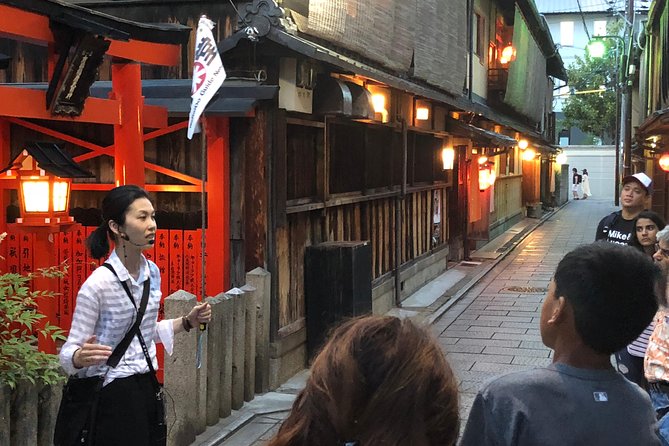
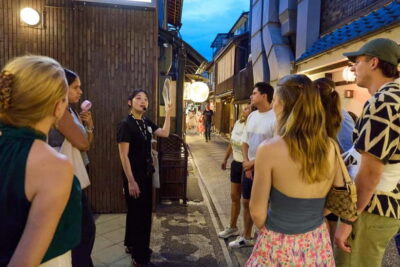
Gion after dark is less about checking off sights and more about learning how to read Kyoto’s quiet lanes. On this two-hour evening walk, an English-speaking guide leads you through cobbled streets, along the Shirakawa River, and into parts of the geiko district that are easy to miss alone.
I like the clear explanation of geiko and maiko life, including kimono, hair, makeup, training, house mothers, and tea-house customs. I also like the price: at $19.82 per person, you get a useful cultural introduction without committing to an expensive meal or private appointment.
The main consideration is group size. A small-group option is available, but the standard outing can reach 20 people, and one booking reportedly felt even larger. Arrive early, stand close to the guide, and book the smaller option if personal attention matters to you.
In This Review
- Key points to know before walking into Gion
- Why Gion works best after sunset
- Meeting at 178 Tokiwachō and getting started
- Following Gion’s narrow lanes without getting lost
- Shirakawa River and the film locations
- Understanding geiko, maiko, and the life behind the makeup
- The chance to see geiko or maiko in daily work
- Group size can shape the whole evening
- Is $19.82 good value for Kyoto?
- Practical advice for making the walk enjoyable
- Who should book this Gion night walk?
- Should you book the Gion Walking Tour by Night?
- FAQ
- How long is the Gion Walking Tour by Night?
- What time does the tour begin?
- Where does the tour meet?
- Is transportation included?
- Is the tour conducted in English?
- Will I definitely see a geiko or maiko?
- How many people can join the tour?
- What is the cancellation policy?
Key points to know before walking into Gion
- The route begins at 5:30pm from 178 Tokiwachō, with reception from 5:00pm. The group cannot wait for late arrivals.
- Shirakawa River is the scenic centerpiece, with classic cobbled lanes connected to Memoirs of a Geisha.
- Guides explain real geiko and maiko customs, including clothing, hairstyles, makeup, education, and daily routines.
- You may see geiko or maiko heading to evening engagements, but sightings are not guaranteed.
- The standard group can include up to 20 people, while a smaller option guarantees fewer than 12.
- The $19.82 price is strong value if you want orientation and cultural context rather than a private, in-depth visit.
Why Gion works best after sunset
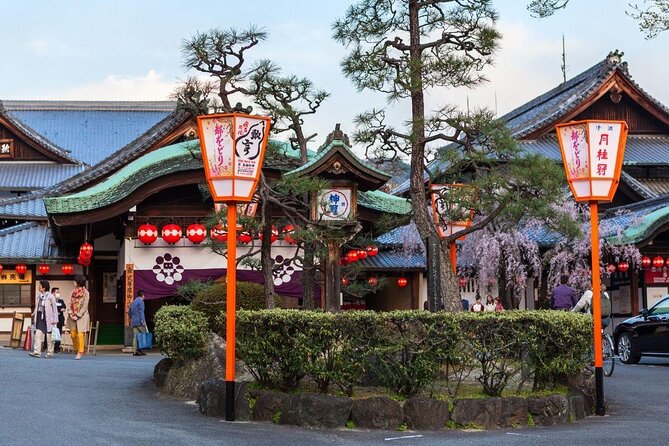
Gion is Kyoto’s best-known geisha district, though the terms used locally are more precise. In Kyoto, geiko refers to an accomplished entertainer, while maiko is an apprentice. Your guide explains this distinction and helps you understand that the elaborate appearance is part of a demanding professional tradition, not simply a costume for tourists.
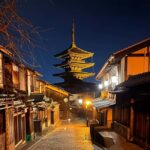
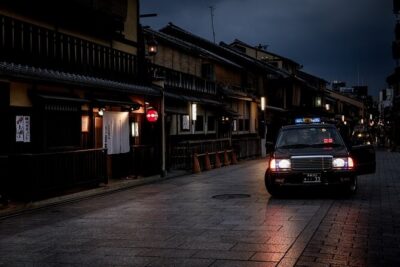
The timing helps. At 5:30pm, the district begins its evening rhythm. You walk as performers may be making their way toward appointments, and the fading light gives the wooden buildings and narrow lanes a different mood from daytime Gion.
You should keep your expectations sensible. This is a walking and interpretation tour, not a guaranteed geiko sighting or a private meeting. The value comes from understanding what you see and learning how the district functions.
Several guides have earned especially warm praise for their delivery. Mia is repeatedly described as funny, clear, and well informed about Gion. Mai is noted for her explanations of geiko and maiko culture, while Cheko is praised for making the history easy to follow. Guide names can change, but the experience depends heavily on having someone who can explain local customs in fluent English.
A few more Kyoto tours and experiences worth a look

Meeting at 178 Tokiwachō and getting started
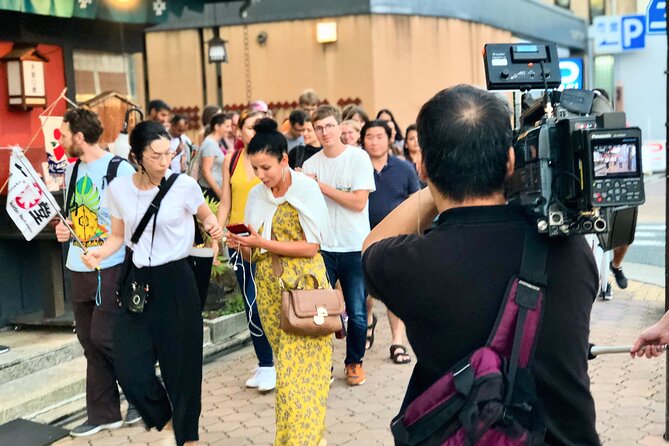
The meeting point is 178 Tokiwachō in Kyoto’s Higashiyama Ward. It is near public transportation, but you should still allow extra time to find the exact place. Gion’s lanes can look alike, and evening crowds can make a last-minute search stressful.
Reception begins at 5:00pm, and the walk starts at 5:30pm. This is an important detail, not a footnote. The group will not wait for late arrivals, and one unhappy booking resulted from confusion over the start time. Check the confirmed time in your booking messages before setting out, then arrive early enough to locate the guide without rushing.
The tour ends back at the meeting point. Transportation to and from the area is not included, and hotel pickup is not provided, so you need to plan your own route there and back.
Once everyone gathers, the guide introduces the evening and leads the group into Gion. There is no admission ticket for the walk itself. You are paying for the guide’s time, explanations, and route knowledge.
Following Gion’s narrow lanes without getting lost
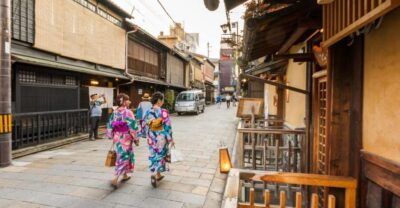
The most practical reason to book this tour is navigation. Gion’s side streets are narrow, lightly marked, and not always obvious on a phone map. At night, it is easy to miss a lane or mistake a private-looking entrance for a public street.
Your guide takes you through the district in a planned sequence. Along the way, you learn which streets are especially connected with the geiko world and which corners have appeared in popular portrayals of Kyoto. The route includes places associated with Memoirs of a Geisha, especially the area beside the Shirakawa River.
The guide also helps you understand the difference between a public street and a place where you should keep your distance. That matters here. Gion is a working district, not an outdoor theater, and the people you might see are on their way to professional engagements.
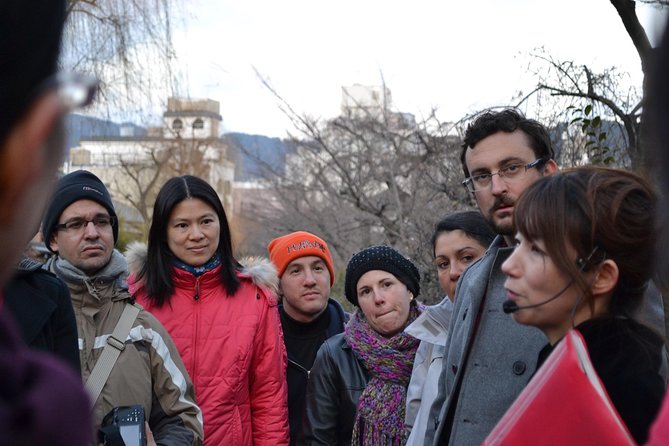
The pace is generally described as comfortable, though one person found the walk too fast and the explanations too broad. You should expect steady walking rather than long stops at every corner. Comfortable shoes are a smart choice because the tour lasts about two hours and includes cobbled streets.
Shirakawa River and the film locations
The prettiest part of the route follows the Shirakawa River. Water, stone, traditional buildings, and old-style lanes create the setting many visitors imagine when they picture Kyoto at night.
This is also the section linked to Memoirs of a Geisha. The film connection adds interest, but the location is worth seeing even if you have not watched the movie. Your guide explains what makes the area important and points out details that can pass unnoticed when you walk through on your own.
I would treat the film reference as an extra rather than the main reason to book. The stronger part is the setting and the explanation of how Gion’s streets connect with local entertainment culture. You get a sense of place instead of simply stopping for photographs.
The route is not designed as a photography session. You will have chances to look around, but the guide must keep the group moving and make room for other people using the lane. If you want long pauses for night photography, an independent walk may suit you better.
Understanding geiko, maiko, and the life behind the makeup
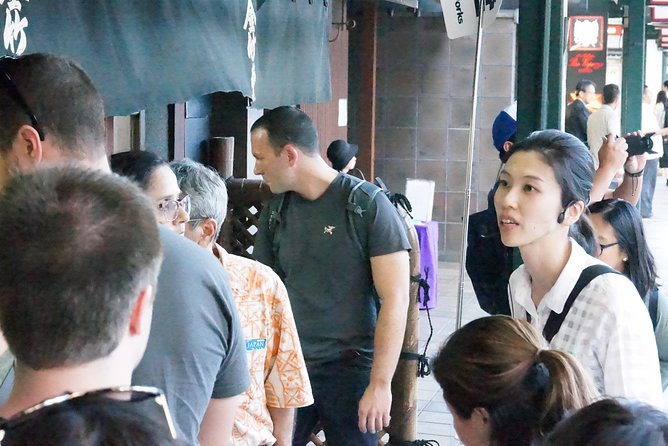
The central lesson covers the appearance and working life of geiko and maiko. Your guide discusses traditional kimono, hairstyles, makeup, and the rules that shape public behavior.
You also learn about the education involved, the role of house mothers, and how tea houses operate. These details give you a more grounded view than the usual postcard image of a woman in formal dress. The guide explains that the training and etiquette are connected to performance, hospitality, music, dance, and social customs.
This cultural context is the strongest reason to choose a guided walk over exploring Gion alone. You can see a handsome building by yourself, but you cannot easily know what kind of establishment it is, who works there, or why certain customs matter.
The guides also explain Japanese words that can be confusing if you are new to the subject. That language help is useful because English-language descriptions often use geisha as a broad term, while Kyoto’s own terms carry more specific meaning.
The tone appears to be friendly and accessible. Mia, Mai, and Cheko are each praised for humor and clear storytelling. That matters on a two-hour walk because a list of dates and vocabulary would quickly become dull. The best guides turn the information into stories about the district and its people.
A few more Kyoto tours and experiences worth a look


The chance to see geiko or maiko in daily work
Seeing a geiko or maiko is possible, but it is not promised. Several accounts describe spotting one or more performers on the way to evening parties, and some guides were able to identify people they knew by name.
That can be a memorable moment, but it should not be the standard by which you judge the tour. Sightings depend on timing, location, and chance. A guide can take you to the right district and explain what is happening, but cannot arrange an appearance as part of this booking.
If you do see someone, follow the guide’s instructions. Keep a respectful distance, avoid blocking the lane, and do not treat the encounter as a staged photo opportunity. The best benefit of having a local guide is learning how to observe without disrupting the work of the people who live and work in Gion.
This is also where the tour’s cultural explanation pays off. Without context, you might see a beautifully dressed person and move on. With context, you understand that you are seeing someone on the way to a professional evening, not simply a performer posing for visitors.
Group size can shape the whole evening
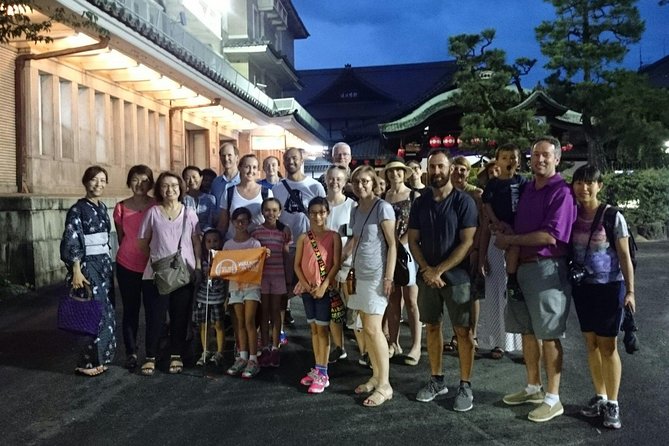
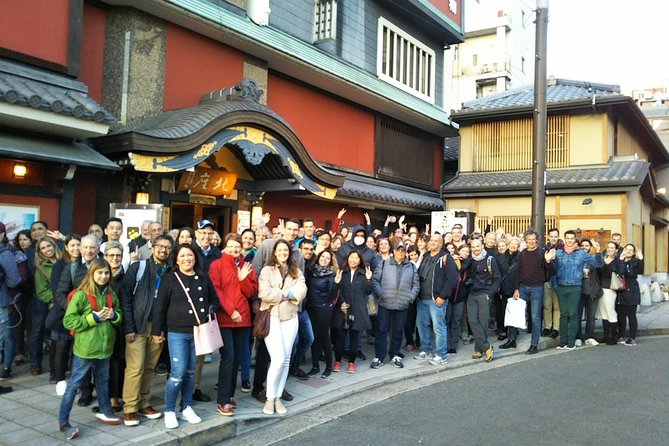
The standard booking allows a maximum of 15 passengers per booking, while the overall activity can reach 20 people. The information also gives a small-group choice with fewer than 12 guests guaranteed.
That wording can be confusing, so you should pay attention to the option you select. One person found the actual group larger than expected, though staying near the guide made the explanations easy to hear. Another group of seven found the size reasonable and felt the two-hour format was enough.
A group of 10 to 12 can still feel personal, especially when the guide pauses for questions. A group near 20 feels more like a moving lecture. Narrow lanes make a large group harder to keep together, and it may be difficult to hear if you drift toward the back.
I would choose the small-group upgrade if you want to ask many questions, have mobility concerns, or care about staying close to the guide. The regular price is a bargain, but the smaller option may be better value for a couple or family that wants more direct conversation.
Children must be accompanied by an adult. The tour calls for moderate physical fitness and is not recommended for people with serious medical conditions. No special accessibility details are provided, so ask before booking if you need specific assistance.
Is $19.82 good value for Kyoto?
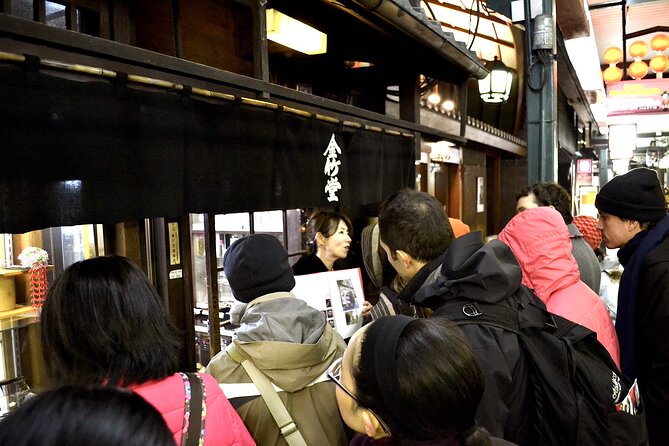
At $19.82 per person, this is an inexpensive way to get your bearings in one of Kyoto’s most confusing districts. You receive a professional English-speaking guide and about two hours of walking and explanation.
The price makes sense for a first evening in Kyoto. You learn the layout, hear the basic cultural background, and see the Shirakawa area before deciding how much more time you want to spend in Gion. Several people found the tour worth doing early in their stay because it made later visits more meaningful.
The trade-off is limited personalization. The basic price does not include transportation, hotel pickup, food, or a private encounter with a geiko or maiko. If you want a slower route, extensive questions, or a more detailed look at the culture, the private upgrade is the better choice.
You can also explore Gion without a guide. One person felt the area could be done independently at a personal pace. That is fair. If you have already studied geiko culture and are comfortable navigating Kyoto, the guide may add less for you. For most first-time visitors, though, the interpretation and route-finding justify the modest cost.
Practical advice for making the walk enjoyable
Wear comfortable shoes. Two hours on foot is not strenuous for most people, but cobblestones and narrow streets reward sensible footwear.
Arrive well before 5:30pm. Reception starts at 5:00pm, and the group will not wait for late arrivals. Confirm the current start time carefully, especially if your booking was made well in advance.
Stay close to the guide. This matters most if the group is large. You will hear more clearly, receive directions faster, and have a better chance to ask questions.
Treat photography with care. The tour takes you through working streets, not a theme park. Follow local rules and your guide’s instructions around geiko, maiko, tea houses, and private entrances.
Plan dinner afterward or before the tour. Food is not included, and the activity ends back at the meeting point. The evening walk works well as an introduction before exploring Gion’s restaurants independently.
Free cancellation is available up to 24 hours before the start time for a full refund. Changes or cancellations inside 24 hours are not refunded, and poor weather may lead to a different date or a full refund.
Who should book this Gion night walk?
I would recommend it to a first-time Kyoto visitor who wants a clear introduction to Gion without spending heavily. It suits you especially well if you are curious about geiko and maiko culture, prefer a guide to wandering alone, and enjoy learning through stories rather than reading signs.
It is also a good choice for a first night in Kyoto. The route gives you a sense of the district, and the English explanations help you return later with better manners and sharper eyes.
I would choose the small-group or private option if you want a quieter experience or expect to ask many questions. I would skip the tour if you dislike group walking, want to set your own pace, or mainly hope for a guaranteed geiko sighting.
Should you book the Gion Walking Tour by Night?
For $19.82, this is a sensible buy for cultural context, local orientation, and an evening walk through Gion’s most atmospheric streets. The best parts are the Shirakawa River route, the explanation of geiko and maiko life, and guides such as Mia, Mai, and Cheko who bring humor to the subject.
Book it early in your Kyoto stay, arrive before reception closes, and select the smaller group if the budget allows. Go expecting a well-guided introduction, not a private cultural appointment or guaranteed sighting. With that expectation, the tour offers a lot for two hours.
FAQ
How long is the Gion Walking Tour by Night?
The walking tour lasts approximately two hours and ends back at the meeting point.
What time does the tour begin?
Reception starts at 5:00pm, and the walking tour begins at 5:30pm. The group cannot wait for late arrivals.
Where does the tour meet?
The meeting point is 178 Tokiwachō, Higashiyama Ward, Kyoto, 605-0079, Japan.
Is transportation included?
No. Transportation to and from the attractions is not included, and hotel pickup and drop-off are not provided.
Is the tour conducted in English?
Yes. The tour includes a professional, English-speaking guide who explains Gion, geiko, maiko, and related Japanese terms.
Will I definitely see a geiko or maiko?
No. Sightings are possible but not guaranteed. You may see performers traveling to evening engagements during the walk.
How many people can join the tour?
The activity can have up to 20 participants. A small-group option with fewer than 12 guests guaranteed is available at a different price.
What is the cancellation policy?
You can cancel at least 24 hours before the local start time for a full refund. Cancellations or changes made within 24 hours are not refunded. If poor weather cancels the activity, you will be offered another date or a full refund.
More Walking Tours in Kyoto
More Night Walks & Ghost Tours in Kyoto
More Gion & Geisha Walks in Kyoto
More tours in Kyoto we've reviewed


Gion & Geisha Walks, compared.
 ★ 4.7Kyoto Geisha Walking Tour: Gion District & Hidden GemsFrom $252 hours
 ★ 4.7Kyoto: Gion Geisha District Walking Tour – Stories of GeishaFrom $202 hours
 ★ 4.9Best of Kyoto: Gion, Geisha, Pagodas & CobblestonesFrom $242 hours
 ★ 4.5Night Walk in Gion: Kyoto’s Geisha DistrictFrom $211h 40m
 ★ 5.0Kyoto Night Foodie Tour in Gion (9+ dishes + 6 Sake tastings)From $163
 ★ 5.0Kyoto Gion Geisha District Walking Tour – The Stories of GeishaFrom $25