
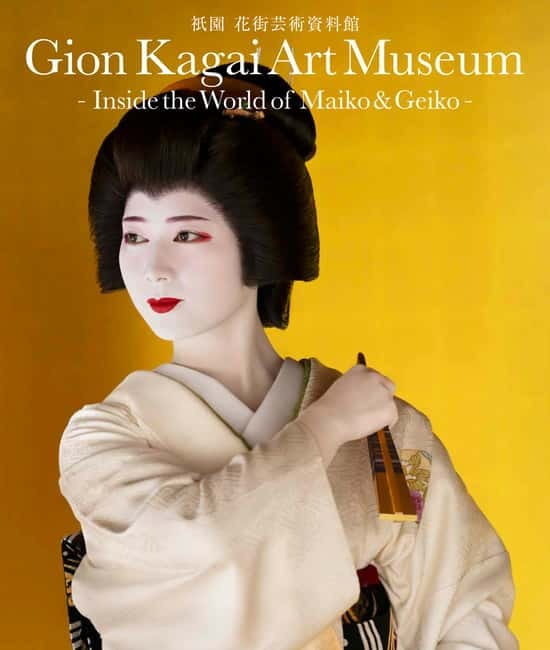
Reviewed · GION & GEISHA WALKS
Kyoto : Geiko Maiko Dance of Kyoto & Visits of Gion Museum
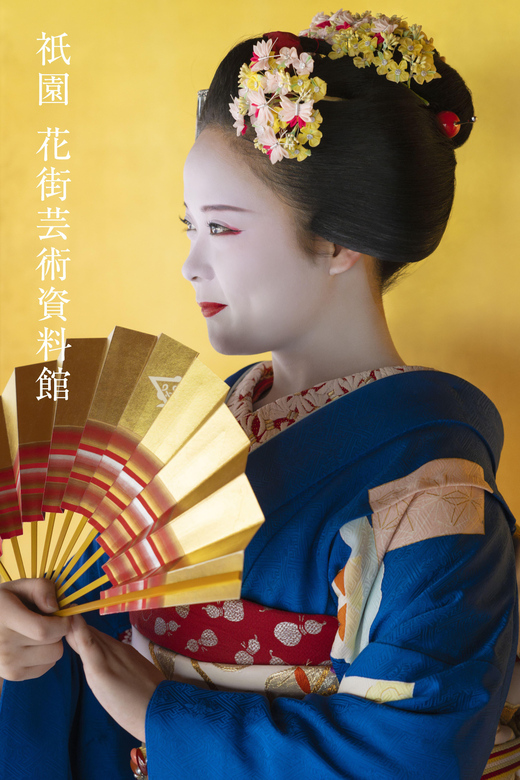
Kyoto’s Kyomai dance is the main event here: two carefully measured pieces performed by a geiko or maiko in the Inoue style. It is graceful, quiet, and very different from a stage show built for applause. You watch the small gestures, controlled steps, fan work, and posture at close range, then explore the museum at your own pace.
I like two things especially. First, the 15-minute format fits neatly into a busy Kyoto day. Second, the museum gives the performance useful context through kimono, obi sashes, hair ornaments, makeup tools, photographs, and video. The main consideration is that the dance is short, and no photography or audio recording is allowed during it.
In This Review
- Key points at a glance
- The short Kyomai performance is the reason to come
- Geiko, maiko, and the Kyoto vocabulary
- The permanent exhibit puts the dance in context
- What to expect during the two songs
- The Chisen Water Japanese Garden adds breathing room
- Art café and museum shop
- Is 25 dollars good value?
- Photography rules and respectful viewing
- How to plan the visit into a Kyoto day
- Who will enjoy this most?
- Should you book the Gion Kagai Art Museum experience?
- FAQ
- How long does the Kyomai performance last?
- What time are the performances held?
- Will one or two geiko or maiko perform?
- Is admission to the museum included?
- Can I take photos during the dance?
- Are photo sessions with a geiko or maiko included?
- How early should I arrive?
Key points at a glance
- Two Kyomai songs in about 15 minutes: A focused live performance rather than a long theater production.
- Geiko and maiko terminology: Kyoto calls its traditional performers geiko, while women training to become geiko are maiko.
- Inoue-style dance: The performance reflects the Kyomai tradition associated with Kyoto.
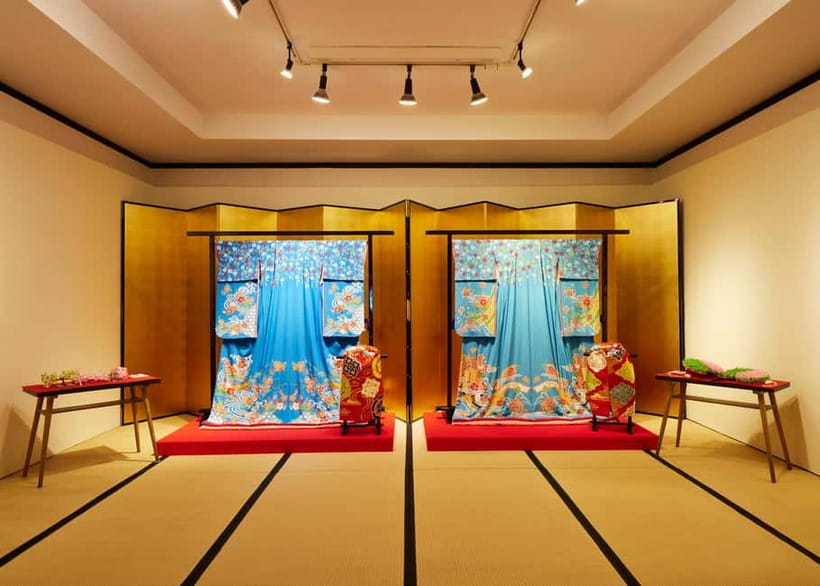
- Museum admission included: See Yuzen kimono, Nishijin brocade obi, kanzashi ornaments, makeup items, formal kimono, and photographs.
- Chisen Water Japanese Garden: A calm outdoor stop that adds space and atmosphere to the museum visit.
- Photo sessions cost extra: Tickets are available at the museum, with the price reported at about 2,000 yen.
The short Kyomai performance is the reason to come
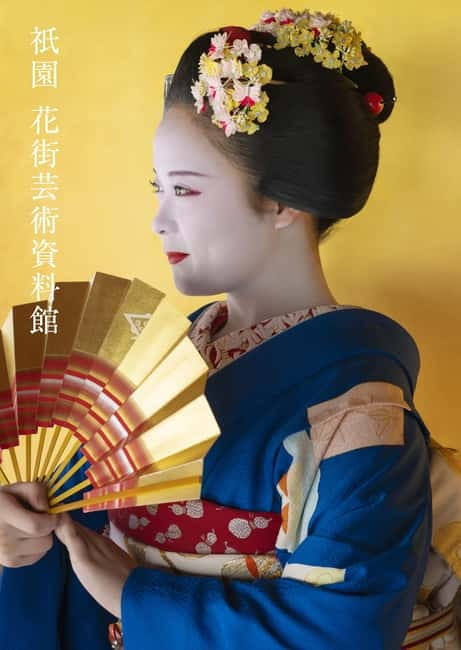
If you want a clear glimpse of Kyoto’s traditional entertainment culture without committing half a day, this experience makes a sensible choice. The live portion consists of two Kyomai songs and lasts roughly 15 minutes. Most performances feature one geiko or maiko, although the third and fourth sessions may sometimes include two performers.
The dance is not a loud spectacle. Its appeal comes from precision. A turn of the head, the position of a sleeve, the opening of a fan, and a measured walk can carry more weight than a large movement. If you arrive expecting a theatrical story with spoken explanations, you may find the performance spare. If you watch closely, its restraint becomes the point.
Kyomai is a Kyoto dance tradition performed in the Inoue style. The format gives you a direct look at a form usually associated with private banquet rooms and formal stage events. You do not need prior knowledge to appreciate the poise, but a little preparation helps. Read the museum material before the show if your schedule allows.
The performance schedule is:
- 13:30
- 14:20
- 15:00
- 16:00
- 16:30
Arrive at the museum 10 minutes before your chosen time. That small cushion matters. You need to find the entrance, check in, and settle before the dancers begin. The meeting point is simply the museum entrance, and staff can help direct you if you are unsure where to go.
A few more Kyoto tours and experiences worth a look

Geiko, maiko, and the Kyoto vocabulary
English-language tourism often uses geisha as a catch-all term, but Kyoto uses more specific words. A geiko is a woman who performs traditional dance and music and entertains in ozashiki banquet rooms or on stage. A maiko is a woman training to become a geiko.
That distinction is not just a language lesson. The museum helps you see the years of practice, dress, and ceremony behind the performance. A maiko’s appearance and role differ from those of a geiko, and seeing the clothing and personal items together makes the transition easier to understand.
You may hear the performers called geisha in casual English conversation, but the Kyoto term used here is geiko. The experience is more useful when you treat these women as trained performing artists rather than as costume subjects. The dance is the focus, and the museum gives you a better sense of the discipline involved.
The permanent exhibit puts the dance in context
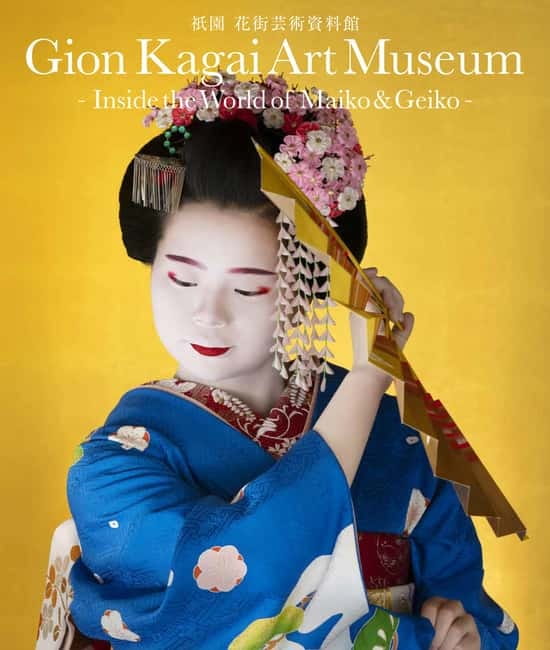
The museum’s permanent exhibit covers the art and culture of Kyoto’s kagai districts, the areas linked with geiko and maiko entertainment. It is not a huge museum, but it has enough material to reward a careful visit. You can move from the decorative surface of the costumes to the daily tools and customs that support the profession.
Look for the hand-painted Yuzen kimono, known for detailed decoration, and the Nishijin brocade obi sashes. These are not background props. Their patterns, fabrics, and formal uses help explain why clothing is such an important part of the presentation.
The display also includes personal belongings and makeup used by maiko. These smaller objects may be more revealing than a grand costume. They show the practical side of preparing for an appearance and remind you that the polished stage image depends on many precise routines.
Seasonal kanzashi hair ornaments are another highlight. These hair decorations change with the time of year and add a visual calendar to the display. You can also see black crested formal kimono, garments that are rarely visible in the Gion quarter itself.
Photographs convey the atmosphere of the kagai districts, while video material explains the dance. One useful feature is the English information available through QR codes. You scan the code with your phone and read translations as you go. This makes the museum far easier to use than an exhibit labeled only in Japanese.
I would set aside more time for the museum than the advertised 15 minutes. The performance may be the booking reason, but the exhibit is what helps you understand what you have seen. After the dance, you can remain in the museum and continue looking around rather than being sent straight out.
What to expect during the two songs
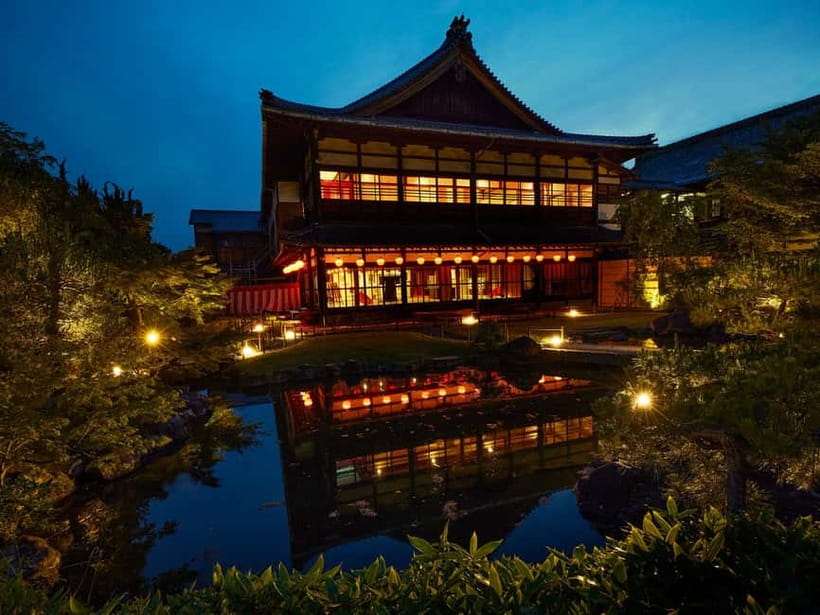
The performance normally features one dancer. On some days, the third and fourth sessions may be presented by two geiko or maiko, but you should not book on the assumption that two will appear. The schedule and number of performers can vary.
There is no indication that the songs receive a full spoken translation during the performance. You may receive written background material, and the museum’s QR-linked information can explain the broader culture, but the lyrics themselves may not be translated in a way that follows each movement.
That can leave you wondering what a particular gesture means. One practical approach is to read the exhibit and watch the video before taking your seat. You will not suddenly become an expert, but you will have a better framework for noticing the choreography.
The performance is deliberately compact. Some people will see that as a strength, especially when fitting the museum between temples, shopping, or a meal. Others may wish for a longer program, an introduction to each song, or a short question-and-answer period afterward. This is a demonstration and cultural presentation, not a full evening of dance and music.
The Chisen Water Japanese Garden adds breathing room
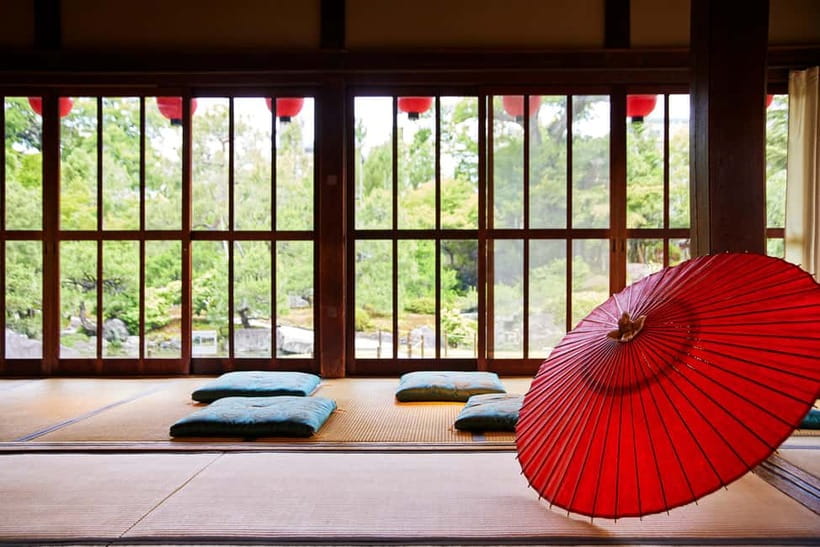
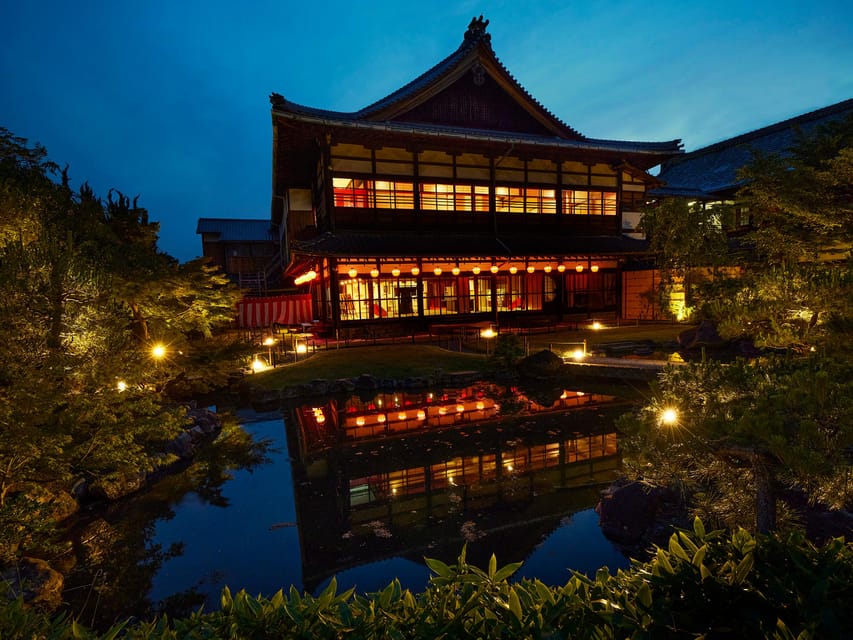
The Chisen Water Japanese Garden gives the visit a welcome change of pace. After the careful concentration of the dance and the visual detail of the exhibit, the garden offers a quieter place to look around.
The supplied information does not promise a large garden, and you should not plan this as a major garden sightseeing stop on the scale of Kyoto’s famous temple grounds. Its value is as part of the museum visit. It adds an outdoor pause and helps the venue feel like more than a display room with a performance attached.
Several people particularly appreciated the garden, and I can see why. The dance is formal and focused, while the garden gives you a gentler way to absorb the setting. Allow enough time to see it rather than rushing directly from the performance to the exit.
Other museum experiences in Kyoto





Art café and museum shop
The art café and museum shop round out the visit. Neither is described as a separate attraction with a set program, so keep your expectations modest. They are useful additions if you want to sit briefly, browse, or choose a small memento connected with the museum’s subject.
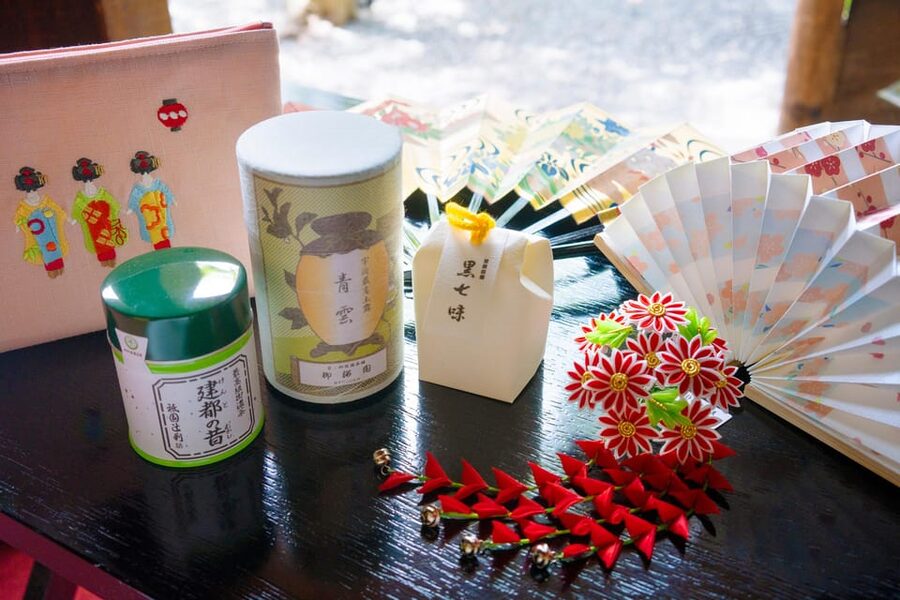
The shop has been described as compact, with staff who are welcoming and helpful. It may appeal to you if you want something more thoughtful than a generic Kyoto souvenir. As with the café, the value is in having these facilities on site, not in building your day around them.
Is 25 dollars good value?
At $25 per person, this is not Kyoto’s cheapest cultural stop. The value depends on how you use it. If you pay only for 15 minutes of dance, the price may feel high. If you attend the performance and spend time with the permanent exhibit, garden, café, and shop, the package makes more sense.
I consider it a reasonable choice for a first visit to Kyoto’s geiko and maiko culture. You get live dance, museum admission, and a setting designed around the subject. It is also much easier to fit into a day than a longer traditional arts performance.
The price becomes less attractive if you have already attended a substantial geiko or maiko stage program elsewhere, or if you are mainly looking for a long concert. The short running time is both the selling point and the limitation.
One useful detail: photo sessions are not included in the ticket. You can ask at the museum about buying a photo session with a geiko or maiko. The cost has been reported at about 2,000 yen, with a Polaroid and some phone pictures included. Since the photo option is available only at the museum, ask early if it matters to you.
Photography rules and respectful viewing
No photography is allowed during the dance, and audio recording is also prohibited. This is worth knowing before you arrive, particularly if your main goal is to take pictures of the costume or stage.
The restriction keeps the performance from becoming a camera event. You can focus on the choreography rather than watching screens rise in front of you. If you want a keepsake, use the museum’s separate photo-session option instead of trying to photograph the dance.
Pets, oversize luggage, drones, alcohol, and drugs are not allowed. Keep your belongings small and manageable, and arrive ready to sit quietly for the performance. The museum entrance is the meeting point, so you do not need to search for a separate street meeting place.
How to plan the visit into a Kyoto day
The afternoon schedule gives you several choices. The first performance starts at 13:30, and the final one begins at 16:30. Choose a time that leaves room for the museum before or after the dance, rather than treating the 15-minute show as the entire visit.
For the smoothest experience, I would arrive 10 minutes early, read some of the exhibit information, attend the dance, then return to the displays and garden. The QR codes provide English access, so bring a charged phone if you want to read the translated material.
The museum works well as a compact stop during a full sightseeing day. One visitor specifically valued the way it added a high-quality cultural experience without taking over the itinerary. That is the right way to think about it. You receive a concentrated introduction, not an all-day study of Kyoto performance arts.
The show can also serve as a restful pause. The measured movements and quiet atmosphere offer a sharp contrast to busy streets and crowded sightseeing sites. You may find the short program refreshing precisely because it asks for attention without demanding hours.
Who will enjoy this most?
I would recommend the experience to you if:
- You want to see a live geiko or maiko performance in Kyoto.
- You have limited time but still want more than a staged photo opportunity.
- You enjoy clothing, craft, design, and traditional performing arts.
- You want English museum information through QR codes.
- You prefer a small cultural venue to a long theater production.
- You are willing to watch respectfully without taking photos during the dance.
Families and first-time Kyoto visitors may find the short format approachable. The museum displays also give non-specialists something concrete to examine, even if the meaning of every dance movement is not immediately clear.
You may want to choose another activity if you need a long performance, live translation of each song, or direct interaction with the dancers. One reasonable improvement would be a fuller introduction to the dances or a short question-and-answer session. As offered, the experience gives you context through displays and video, but not much personal interaction.
Should you book the Gion Kagai Art Museum experience?
Book it if you want a polished, compact introduction to Kyoto’s geiko and maiko culture. The live Kyomai performance is elegant, the museum adds substance, and the garden gives you a pleasant pause. The combination is stronger than a 15-minute dance alone.
Go in with realistic expectations. You will see two songs, usually performed by one geiko or maiko, and the dance will end quickly. You cannot photograph it, and the songs may not be fully explained as they unfold.
For many people, that short length is exactly the advantage. At $25, the ticket is fair when you stay to explore the exhibits and garden. Arrive early, scan the English QR information, ask about the optional photo session before the performance, and give the museum enough time to make the ticket worthwhile.
FAQ
How long does the Kyomai performance last?
The performance lasts approximately 15 minutes and includes two Kyomai songs.
What time are the performances held?
The scheduled performance times are 13:30, 14:20, 15:00, 16:00, and 16:30.
Will one or two geiko or maiko perform?
The performance is usually presented by one geiko or maiko. On some days, the third and fourth sessions may feature two performers.
Is admission to the museum included?
Yes. Admission to the Gion Kagai Art Museum and the performance fee are included.
Can I take photos during the dance?
No. Photography and audio recording are not allowed during the performance.
Are photo sessions with a geiko or maiko included?
No. Photo-session tickets are available at the museum. The cost has been reported at about 2,000 yen.
How early should I arrive?
You should arrive at the museum 10 minutes before the performance begins. The meeting point is the museum entrance.
More Museum Experiences in Kyoto
More Gion & Geisha Walks in Kyoto


More tours in Kyoto we've reviewed






Gion & Geisha Walks, compared.
 ★ 4.7Kyoto Geisha Walking Tour: Gion District & Hidden GemsFrom $252 hours
 ★ 4.7Kyoto: Gion Geisha District Walking Tour – Stories of GeishaFrom $202 hours
 ★ 4.9Best of Kyoto: Gion, Geisha, Pagodas & CobblestonesFrom $242 hours
 ★ 4.5Night Walk in Gion: Kyoto’s Geisha DistrictFrom $211h 40m
 ★ 5.0Kyoto Night Foodie Tour in Gion (9+ dishes + 6 Sake tastings)From $163
 ★ 5.0Kyoto Gion Geisha District Walking Tour – The Stories of GeishaFrom $25