
Reviewed · SAMURAI & KENDO EXPERIENCES
Kyoto: Samurai Kenbu Traditional Sword Dancing Show
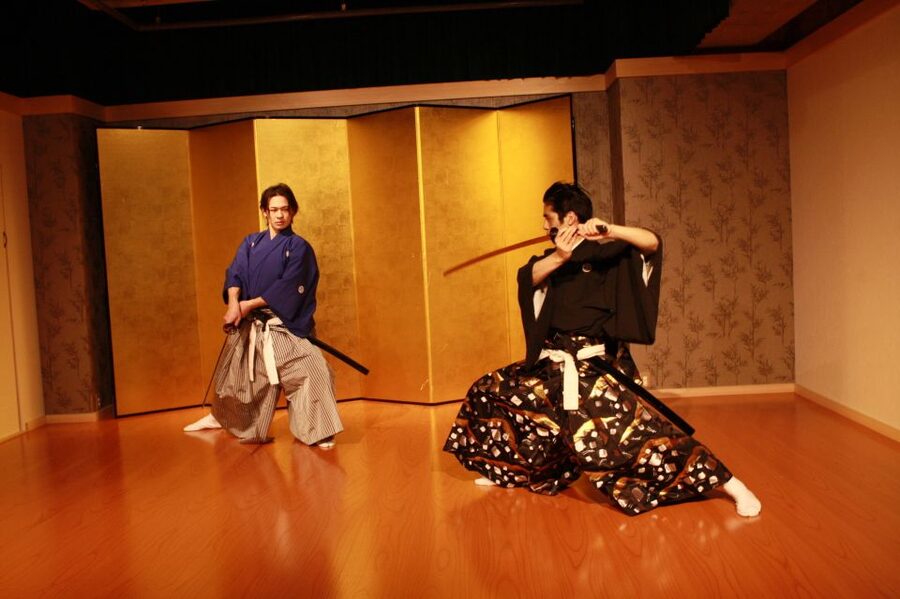
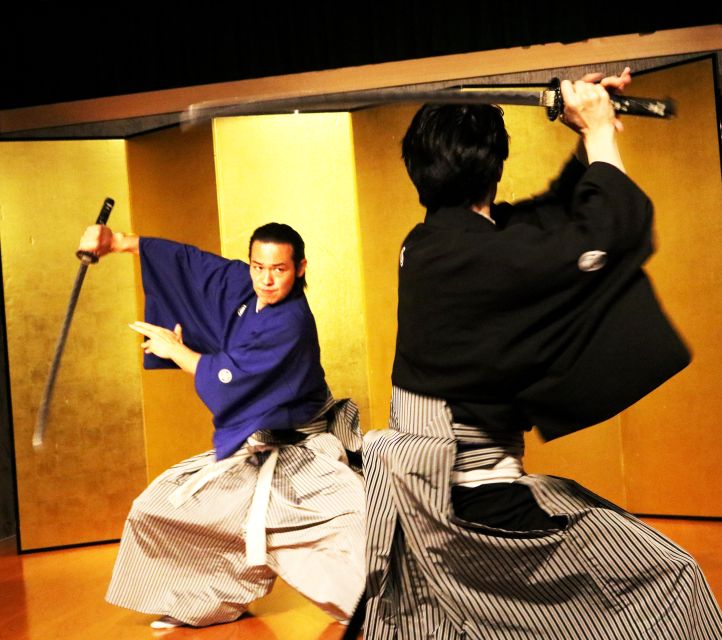
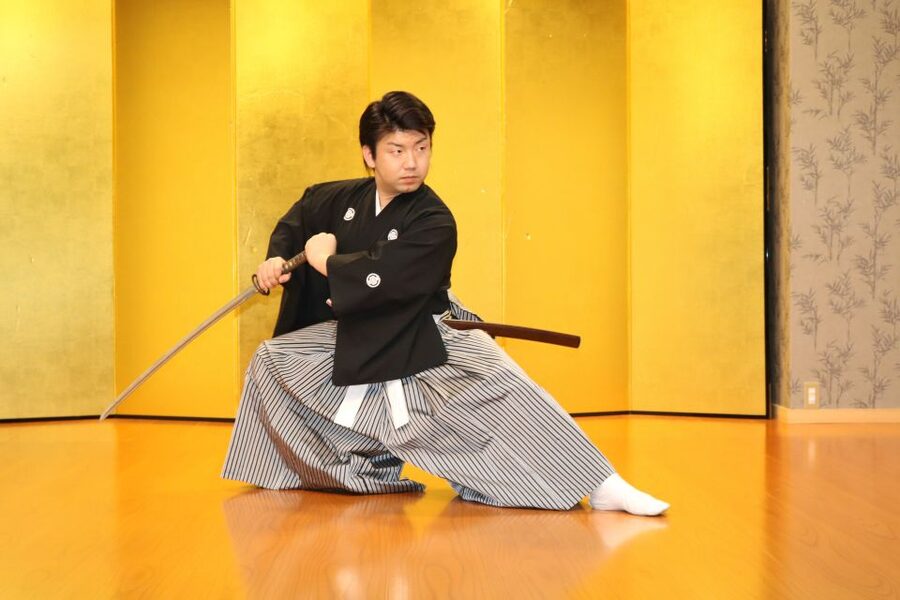
Kenbu is not a mock sword fight. It is a graceful stage art built around the controlled movement of a samurai sword, a folding fan, and poems once recited before battle. In Kyoto’s one-hour show, you’ll see traditional and newer forms of Kenbu, with English narration explaining the stories and the values behind the movements.
I like the clear mix of performance and cultural context, and I like that you get a supervised chance to draw, hold, and swing a sword after watching the experts. The main consideration is scale: this is an intimate theater presentation, not a large action spectacle, and the narration may be harder to follow at times.
In This Review
- Key points to know before you book
- What Kenbu reveals about the samurai
- Arriving at Samurai Kembu Theater
- The one-hour show, step by step
- The short sword lesson at the end
- What makes the performance worth seeing
- How well does the English narration work?
- Is $32 a fair price?
- Who will enjoy this Kyoto activity?
- Planning the visit in your Kyoto schedule
- Should you book the Samurai Kenbu show?
- FAQ
- Where does the Samurai Kenbu show take place?
- How long does the activity last?
- How do I reach the theater?
- Is the show available in English?
- Can I take photos during the show?
- Is the sword lesson included in the ticket?
Key points to know before you book
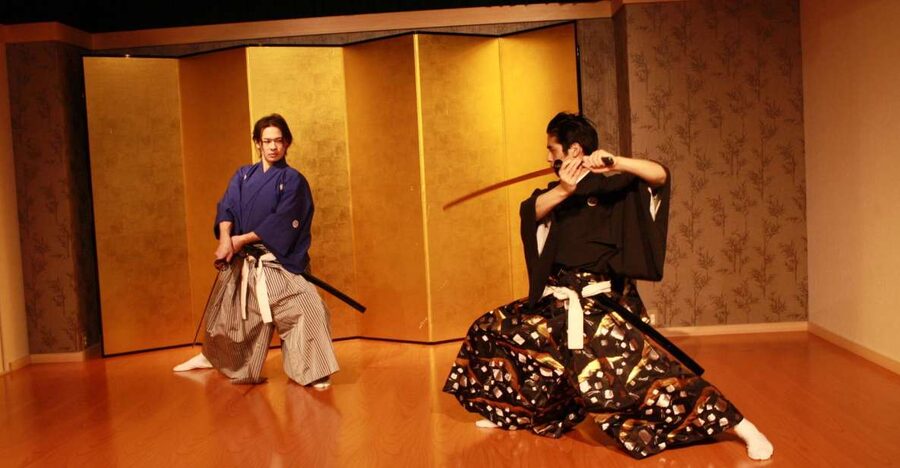
- Kenbu is elegant sword dancing, not a full combat show: Expect controlled motion, dramatic storytelling, and ceremonial gestures rather than nonstop fighting.
- English narration explains each short tale: You’ll get background on samurai culture from the 12th through the 19th centuries.
- The hands-on lesson comes after the performance: You can practice basic sword movements and, if time allows, learn how a samurai used a folding fan.
- Photography is saved for the end: Cameras and video are not allowed during the show, but there is a photo opportunity with the performers afterward.
- The theater is easy to reach: It is four minutes from Sanjo Keihan Station and five minutes from Sanjo Station on the Keihan Main Line.
- The $32 price is reasonable for a compact cultural stop: The ticket includes entry, the show, and a short sword lesson, all within one hour.
What Kenbu reveals about the samurai
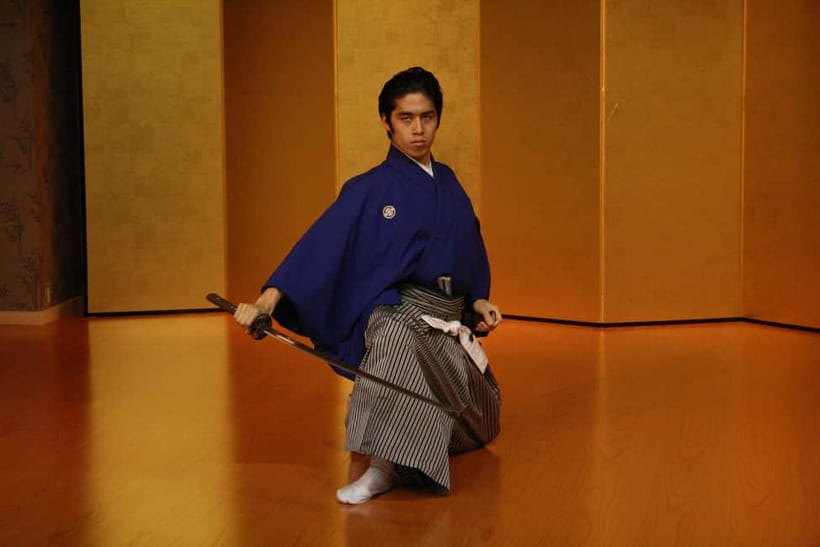
The word Kenbu refers to traditional Japanese sword dancing. Its movements are shaped by the samurai world, but the art is not simply a staged version of sword fighting. Each gesture has a place within a story, poem, or ceremony.
The show looks back more than 700 years to Japan’s feudal period. The performers use the sword to express strength, restraint, grief, duty, and resolve. Their movements may be slow and measured, then suddenly sharp. That change of pace is part of the appeal. You see how much control is needed to make a sword appear effortless.
Before each demonstration, the instructor gives a short explanation of the tale or historical setting. You hear about samurai life and the responsibility connected with carrying a sword. That detail matters. The sword is presented not only as a weapon, but also as a symbol of duty and social identity.
The performance also includes poems traditionally recited by samurai before going to battle. The dancers follow the mood and rhythm of these verses with carefully timed gestures. English narration helps you follow the action, though one recent visitor found some of the spoken explanation difficult to understand. If you are especially interested in Japanese history, you’ll get the most from the show by treating it as an introduction rather than a full lecture.
A few more Kyoto tours and experiences worth a look

Arriving at Samurai Kembu Theater
You meet at the Samurai Kembu Theater in Kyoto. The venue is centrally placed, four minutes on foot from Subway Sanjo Keihan Station and five minutes from Sanjo Station on the Keihan Main Line.
Plan to arrive 5 to 15 minutes before the start. You’ll remove your shoes before entering, following a familiar Japanese custom. Wear socks or footwear that is easy to take off and put back on. The activity does not include hotel pickup, so you are responsible for reaching the theater.
There is no waiting room, and people without appointments cannot wait inside. Large luggage and travel bags also have no place in the theater. Leave your suitcase at your hotel or use a suitable luggage-storage option before coming.
The theater is wheelchair accessible. The activity is offered in English and Japanese, and the reservation name is confirmed at reception on the day.
The one-hour show, step by step
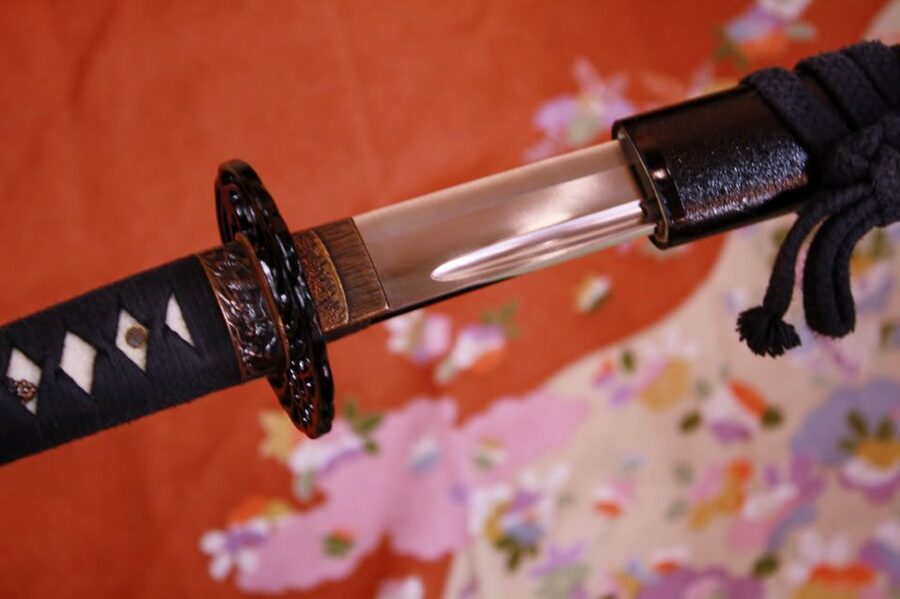
The presentation begins with an introduction to Kenbu, its history, and its basic techniques. This opening gives you the vocabulary and context needed to understand what follows.
You then watch a series of Kenbu demonstrations. Each one is paired with a short explanation of samurai culture from roughly the 12th to the 19th centuries. Instead of presenting one long plot, the show uses several short scenes and tales. That format works well for families and for anyone with only a limited amount of time in Kyoto.
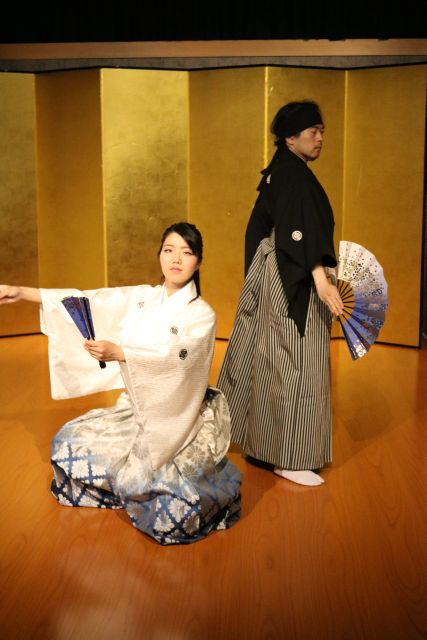
The performers may use both traditional-style and new-style Kenbu. The distinction gives you a sense of how the art has been preserved while also adapted for the stage. The sword movements remain the focus, but the dancers also use a folding fan. The fan can suggest a range of objects or actions within a story, and it adds variety to the stage picture.
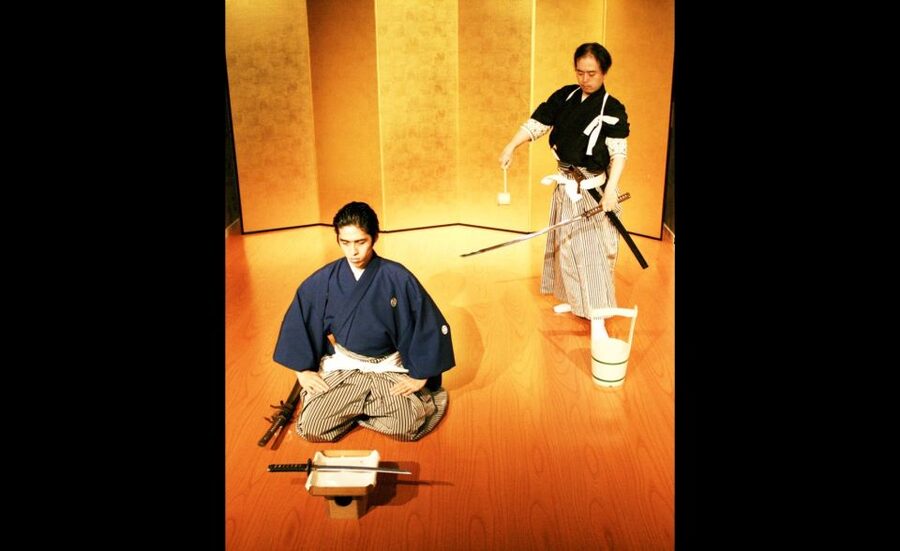
You’ll see scenes played out through movement rather than spoken dialogue alone. A performer may turn, kneel, draw the sword, or direct the blade in a precise arc while the narration explains the situation. The dramatic effect comes from timing and posture. This is controlled stage art, not a sequence of elaborate fight choreography.
Some moments are serious and solemn. Others have a lighter touch. One performance included humor from the character who was supposed to die, which helped make the story easier to follow and kept the tone from becoming too heavy. That mixture of dignity and playfulness makes the show accessible to children and adults alike.
The performers return after the main presentation for photographs. This is when you can take pictures with the swords and, depending on the arrangement, pose with the performers. You cannot photograph or film during the show, so plan to keep your camera away until this portion begins.
The short sword lesson at the end
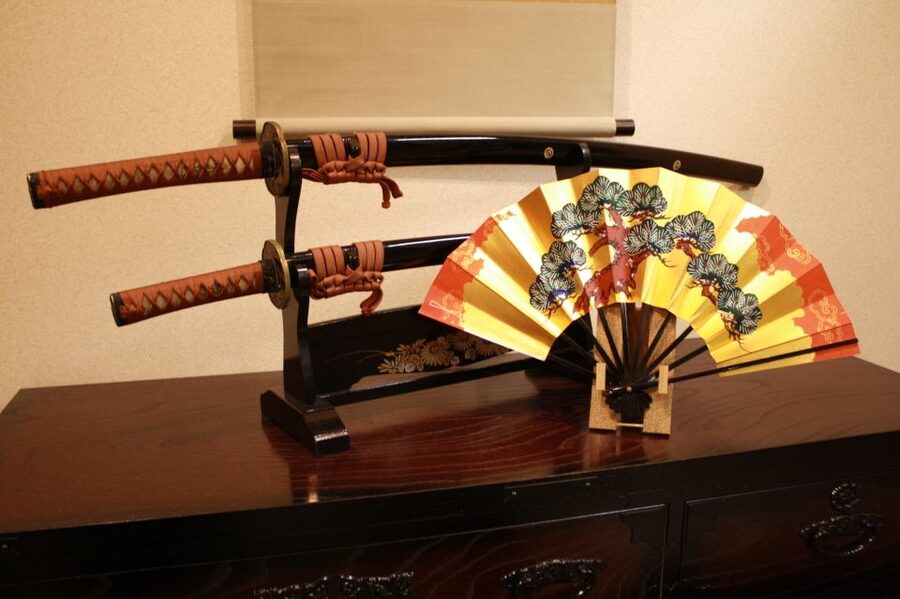
The hands-on portion is brief, but it gives the ticket extra value. An instructor leads you through the basics of holding a sword, slowly drawing it from its scabbard, and making simple swings on command.
You begin gently and then work toward stronger movements. The lesson is not a martial-arts class, and you will not become a swordsman in a few minutes. Its purpose is to give you a physical sense of the balance, timing, and discipline required by the performers.
That contrast is useful. From your seat, the dancers’ movements can look easy. Once you hold and swing a katana, you understand how much concentration goes into even a basic motion. The instructors use humor to put people at ease, and you may also practice shouting the traditional words connected with the movements.
If time allows, you can learn how to use a folding fan. The fan was a necessary item for a samurai in the world presented by the show, and it is a pleasant change from the sword work. The exact amount of practice time can vary, so do not book this expecting a long workshop.
The lesson is also a good photo opportunity. Staff can take pictures for you, and the staged poses make a fun record of the visit. Families can enjoy this part together, although very young children should follow the instructor’s directions closely around the props.
What makes the performance worth seeing
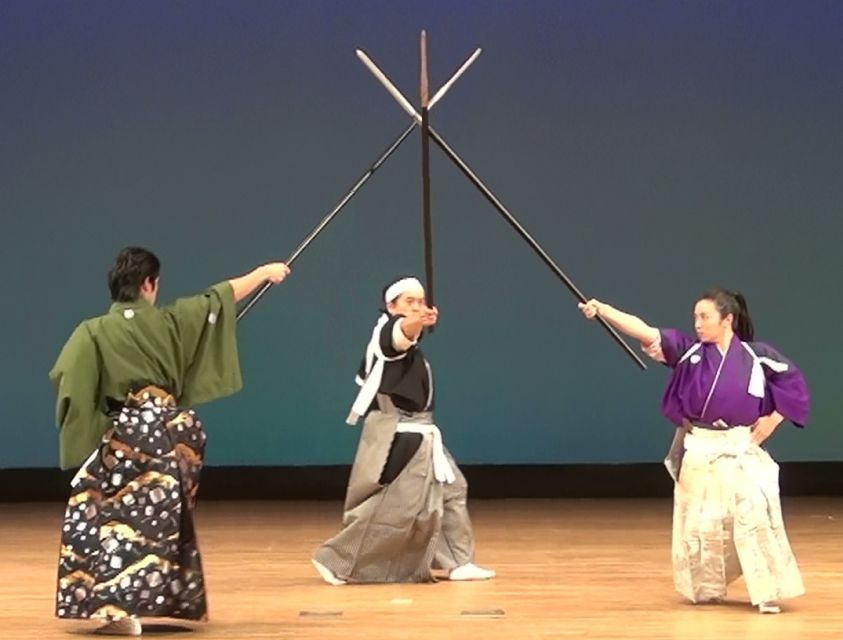
The strongest part of the show is the skill of the performers. Their sword handling is precise, graceful, and expressive. They make the movements appear natural, but the combination of blade control, footwork, facial expression, and timing is demanding.
The second strength is the way the show connects Kenbu with samurai values. You are not simply watching people in costumes swing swords. The narration explains why the sword mattered and how the performances relate to samurai conduct, poetry, ceremony, and duty.
I also like the compact format. One hour fits neatly into a Kyoto sightseeing day. You can attend a daytime or evening start depending on availability, then continue to nearby districts around Sanjo and the Kamo River. Since the theater is close to major rail and subway connections, this is easier to fit into your schedule than a remote cultural activity.
The intimate setting can work in your favor. The experience is not designed as a huge theatrical production. A smaller room lets you focus on the performers’ technique and makes the post-show interaction feel more direct.
The limitation is equally clear. If you expect a large stage, elaborate sets, or extended battle scenes, you may find the presentation modest. One earlier attendee specifically expected a larger stage and more fighting. Kenbu is better understood as ceremonial storytelling with sword movement than as a samurai action show.
A few more Kyoto tours and experiences worth a look



How well does the English narration work?
English narration is provided, which makes this a practical choice if you do not speak Japanese. The explanations before each dance are important because they give you the setting and help you understand the movement.
Still, the amount and clarity of spoken English may vary by performer and by story. One attendee found parts of the narration difficult to understand, even while praising the performance itself. If the historical explanation matters more to you than the dance, listen carefully during the introduction and the short talks before each scene.
The visual language carries much of the show. Even if you miss a phrase, you can still follow the broad emotional arc through posture, sword position, fan gestures, and the rhythm of the narration.
Is $32 a fair price?
At $32 per person, this is fairly priced for a one-hour cultural activity in central Kyoto. Your ticket includes theater admission, the full Kenbu performance, the English and Japanese instruction, the short sword lesson, and the post-show photo opportunity.
The value depends on what you want from a cultural show. If you want a polished introduction to samurai traditions with a small interactive element, the price works well. Many cultural performances offer only a seat in the audience. Here, you also get to handle a sword and practice basic movements.
The activity is less valuable if your main goal is hands-on training. The sword lesson is short, and there is no indication that you’ll receive a full class in Kenbu or swordsmanship. Think of it as a taste of the discipline after a professional demonstration.
The one-hour length also limits the risk. You are not committing half a day or paying for a long excursion with transport. If the show is not your style, you have lost only a small part of your Kyoto schedule.
Who will enjoy this Kyoto activity?
This is a strong choice for first-time visitors who want a cultural experience beyond temples and gardens. It gives you a compact look at samurai ideals, performance traditions, and Japanese storytelling.
History fans will appreciate the explanations about samurai culture and the connection between poems, ceremony, and sword movement. People fascinated by katana will enjoy the chance to draw and swing a sword under instruction. The performers’ technical skill is the main attraction.
Families can also consider it. The short stories, clear physical action, humor, and photo session keep the hour moving. A family with a three-year-old found the activity workable, and teenagers can take part in the sword and fan practice.
This is not the best fit if you want a serious martial-arts lesson, a long combat demonstration, or a large theatrical production. It may also disappoint if you plan to photograph the show itself. Cameras and videos are prohibited during the performance, though you get time for photos afterward.
Do not attend under the influence of alcohol. The venue also asks you not to bring large luggage or travel bags, so plan that part before arriving.
Planning the visit in your Kyoto schedule
Because the activity lasts one hour, it fits well between other central Kyoto plans. Arrive early enough to check in, confirm your reservation name, and remove your shoes without rushing.
The theater’s location near Sanjo makes it practical for a day built around central Kyoto. You can reach it by subway or the Keihan Main Line, and the short walk from either station is easy to build into your timing.
Book a start time that gives you a little breathing room before your next appointment. The listed duration is one hour, but your group may need a few extra minutes for photos and the sword lesson. The lesson itself can also feel slightly less organized when many people need individual instruction, so an unhurried schedule will make the ending more pleasant.
Reservations can be canceled up to 24 hours in advance for a full refund, and you can reserve now and pay later. If plans change, cancellation must be handled by you through GetYourGuide.
Should you book the Samurai Kenbu show?
Book it if you want an accessible, well-presented introduction to samurai culture with a little hands-on fun. The best features are the performers’ graceful sword work, the English-narrated short tales, and the chance to practice basic movements and pose for photographs afterward.
Skip it if you are looking for a large-scale fight show or a serious swordsmanship course. The stage is intimate, the activity is short, and the sword lesson is only a brief introduction.
For most people, the $32 cost is justified by the combination of performance, explanation, and participation. It is especially easy to recommend for families, history fans, and anyone who wants one memorable hour that feels distinctly connected to Kyoto and Japanese tradition.
FAQ
Where does the Samurai Kenbu show take place?
The activity takes place at the Samurai Kembu Theater in Kyoto, on Japan’s Honshu island.
How long does the activity last?
The experience lasts one hour, including the Kenbu performance and the short sword lesson.
How do I reach the theater?
The theater is four minutes on foot from Subway Sanjo Keihan Station and five minutes on foot from Sanjo Station on the Keihan Main Line.
Is the show available in English?
The activity is offered in English and Japanese. The performance includes English narration, and an instructor explains the Kenbu demonstrations.
Can I take photos during the show?
No. Photography and video are not allowed during the performance. You can take photos after the show when the performers return, including photos with the swords.
Is the sword lesson included in the ticket?
Yes. The ticket includes the theater entry, Kenbu show, and a short sword lesson. If time allows, you may also learn how to use a folding fan.
More Shows & Entertainment in Kyoto
More Samurai & Kendo Experiences in Kyoto
More tours in Kyoto we've reviewed







Samurai & Kendo Experiences, compared.
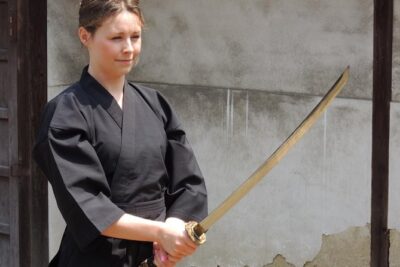 ★ 5.0Kyoto Samurai ExperienceFrom $119
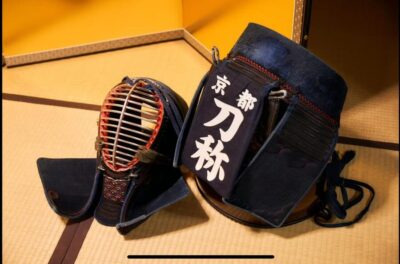 ★ 4.9Kyoto: Kendo and Samurai Experience with Uniform and GearFrom $1032 hours
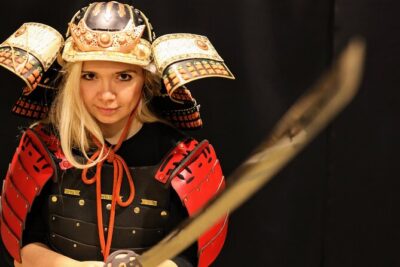 ★ 4.5Skip the lines Basic Ticket at SAMURAI NINJA MUSEUM KYOTOFrom $28
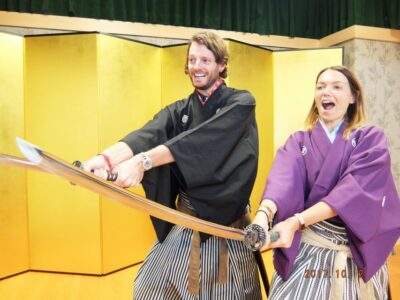 ★ 4.9Kyoto: Samurai Class, Become a Samurai WarriorFrom $70
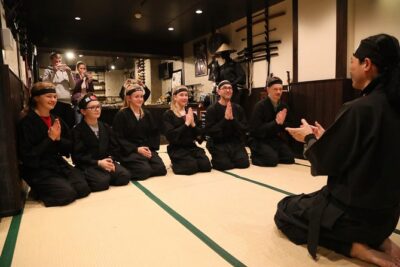 ★ 5.0Ninja 1-hour Hands-on Lesson by Japanese master in Kyoto -EntryFrom $80
 ★ 4.8Kyoto: Ninja Weapon Forging ExperienceFrom $1482h 30m