
Reviewed · FUSHIMI INARI TOURS
Inside of Fushimi Inari – exploring and lunch with locals
Fushimi Inari is famous for its endless red torii gates, but the best part of this tour is the quieter mountain route behind them. You’ll pass bamboo and cedar forest, worship stones, a waterfall, a gate factory, and the summit shrine before sitting down to soba noodles with local guidance along the way.
I like the way guides such as Go, Satsuki, and Ko adjust the pace and explain both the shrine’s customs and the mountain itself. I also like the included soba lunch, Japanese tea, and boiled egg break, since they turn a brisk sightseeing walk into a fuller half-day outing.
The catch is simple: this is a real uphill hike, with many steep stairs. One participant found it harder than expected, and that is useful warning. If stairs are a problem, this is not the right Fushimi Inari experience for you.
In This Review
- Key points to know before booking
- Why this Fushimi Inari hike feels different
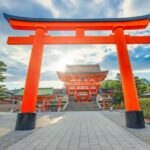
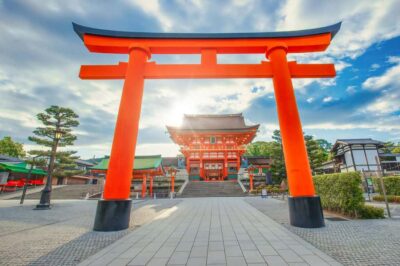
- Starting at the Great Torii
- Walking through bamboo and cedar forest
- The 233-meter summit climb
- Soba, tea, and a boiled egg break
- How the guides shape the day
- Is $72.26 a fair price?
- Who should choose this tour?
- Booking, weather, and timing tips
- Should you book the Fushimi Inari local hike?
- FAQ
- How long is the Fushimi Inari tour?
- Where does the tour begin?
- Where does the tour end?
- Is lunch included?
- Can dietary needs be accommodated?
- How difficult is the hike?
- How large is the group?
- What happens if bad weather cancels the tour?
Key points to know before booking
- The quiet route is the main attraction: Leave the busiest torii gate paths for bamboo, cedar forest, waterfalls, worship stones, and smaller shrine areas.
- The summit sits at 233 meters: Reaching it takes about 20 minutes of climbing on the forest route, with steep steps along the way.
- Local guides shape the experience: Go, Satsuki, and Ko have been praised for friendly explanations and for adjusting the walking pace.
- Lunch is part of the outing: A soba noodle meal is included, along with Japanese tea and a boiled egg break.
- The group size needs checking: The tour description says groups are limited to 12, while the additional information lists a maximum of 6.
- Plan ahead: The experience is booked about 80 days in advance on average, so popular dates may disappear early.
Why this Fushimi Inari hike feels different
Many visits to Fushimi Inari-taisha begin and end beneath the famous rows of red torii. That is understandable. The gates are striking, easy to reach from Kyoto, and tied to the shrine’s identity. Yet the lower paths can feel crowded, especially around the main shrine and the first sections of the mountain.
This tour uses Fushimi Inari as more than a photo stop. You’ll learn why the torii gates matter, see how the shrine extends across the sacred mountain, and walk into quieter areas that most quick visits miss. The change is important: instead of only looking at the gates, you get a better sense of how the whole site works as a place of worship.
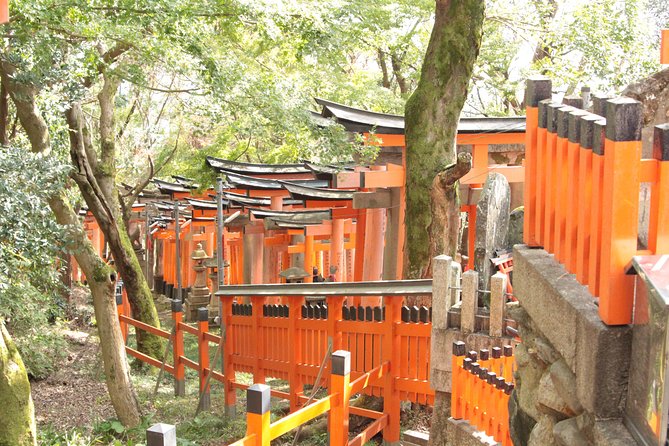
I especially like the mix of well-known and lesser-seen sights. You still visit the main shrine and the Thousands of Red Gates, but the route also includes peaceful forest paths, worship stones, a waterfall, and a gate factory. Those smaller stops give the walk a local feel without taking away the essential Fushimi Inari sights.
The half-day timing is sensible. Four hours gives you enough room for explanations, the summit climb, food, and pauses without turning the visit into an all-day expedition. You should still reserve energy for the stairs, since this is a hiking tour rather than a gentle shrine stroll.
A few more Kyoto tours and experiences worth a look

Starting at the Great Torii
The meeting point is the Great Torii at 68 Fukakusa Yabunouchicho in Fushimi Ward, Kyoto. The tour ends back at the same meeting point, which makes it easier to plan the rest of your day and avoid arranging a separate return transfer.
Arrive early and pay close attention to the meeting instructions. One booking problem came from the guide and participant failing to find each other, despite the guide waiting before the start time and wearing a distinctive red cap. The practical lesson is clear: confirm the exact Great Torii location, watch for the guide, and keep your phone available.
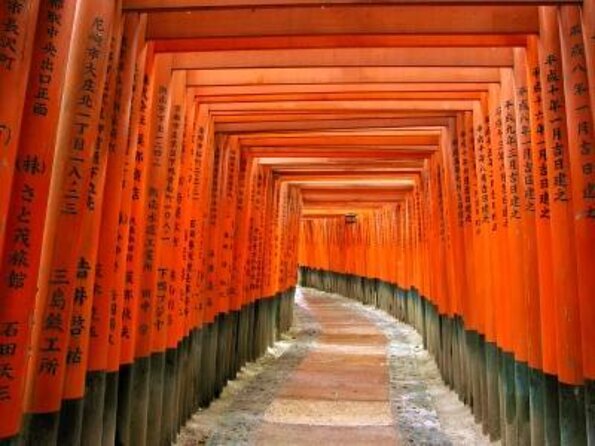
The starting area introduces you to the scale of Fushimi Inari. The main shrine is not simply a gateway to the mountain. It is the place where your guide can explain the site’s history, cultural background, and the meaning behind the rows of orange-red torii.
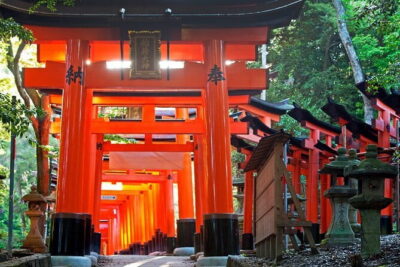
This opening explanation is valuable because the gates can otherwise blur into one long corridor. With context, you can pay attention to the inscriptions, offerings, worship spaces, and changing feel of the route. You’ll see the popular side of Fushimi Inari first, then move away from its busiest stretches.
Walking through bamboo and cedar forest
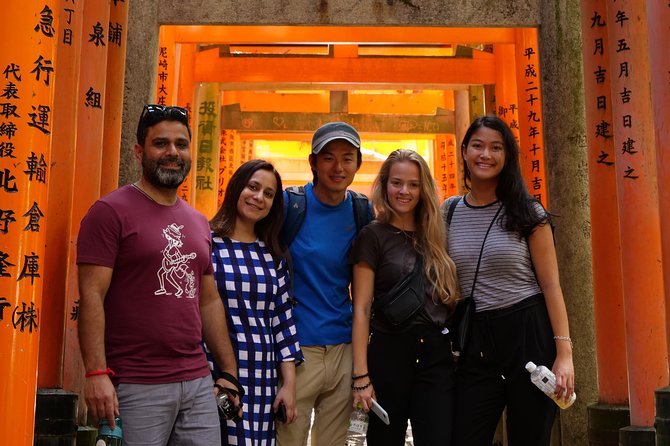
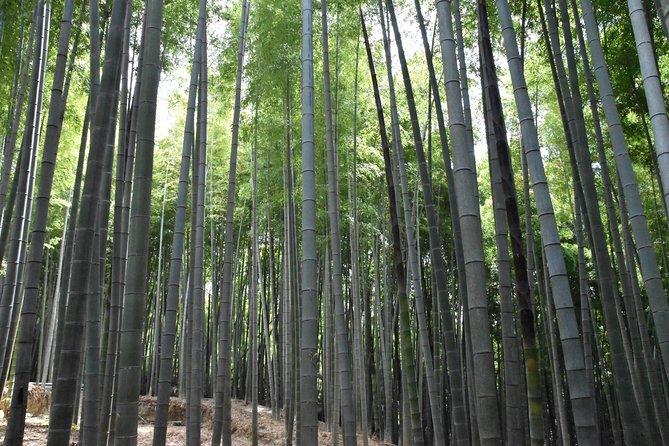
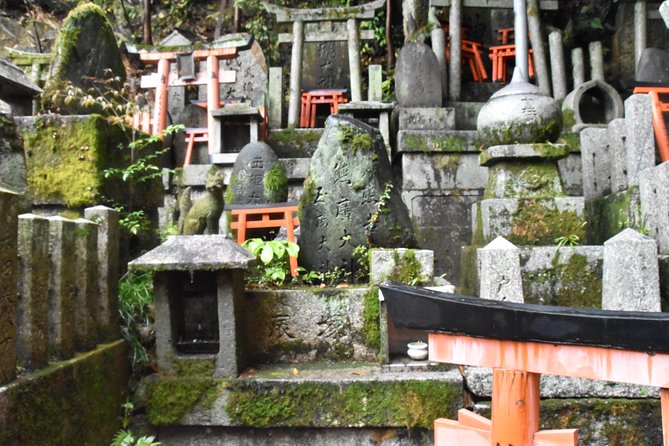
The alternate route is the heart of the experience. You’ll walk through bamboo and cedar forest toward less crowded holy spots, including worship stones and a waterfall. These stops are not just scenic pauses. They show how worship at Fushimi Inari takes place across the mountain, not only at the grand shrine buildings below.
The forest also changes the pace of the visit. The torii gates create a strong visual rhythm, while the trees offer a quieter walk with more room to notice the terrain and the small religious features along the path. I would expect this section to appeal most to you if you want photographs and atmosphere without spending the entire morning in a crowd.
The waterfall adds another kind of interest. It gives the route a natural focal point and helps explain why the mountain feels like a sacred place rather than only a monument. The supplied information does not give the waterfall a separate name or specify whether you can enter the water, so treat it as a viewing stop within the hike.
The gate factory is another unusual inclusion. Fushimi Inari is instantly associated with thousands of torii, and seeing a place connected with their production adds a practical side to the shrine’s familiar image. You are not only looking at finished gates. You get a glimpse of the work behind one of Kyoto’s most recognizable sights.
The 233-meter summit climb
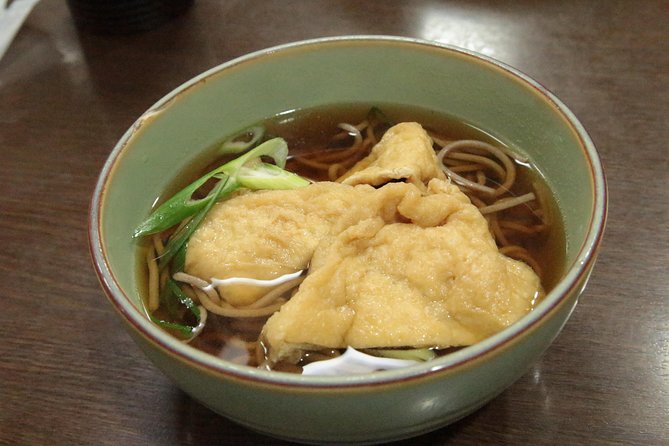
The route to the summit shrine includes about 20 minutes of climbing on the forest route. The summit is 233 meters high, but the number alone understates the effort. The important detail is the stairs, which can be steep and plentiful.
A moderate level of physical fitness is required. You do not need to treat this as a serious mountain trek, but you should be comfortable walking uphill and handling repeated steps. Wear shoes suited to uneven walking, and do not choose this tour if you know that steep stairs will make the outing unpleasant.
The guides can make a difference here. Go has been praised for matching the group’s pace, while Satsuki and Ko have been praised for leading people away from the crowds and explaining the mountain. That kind of personal attention matters more on an uphill route than it does on a flat city walk.
At the summit shrine, your guide will show you around and explain the site. You can pray at the shrine if you wish. This gives the climb a purpose beyond reaching a viewpoint. The summit is a religious destination in its own right, not merely the highest point on a sightseeing route.
The mountain offers views of Kyoto, but the focus is not only on the panorama. The forest, shrines, gates, and changing footpaths are part of the reward. I would plan on enjoying the views as one element of the climb rather than expecting a long, open lookout.
Soba, tea, and a boiled egg break
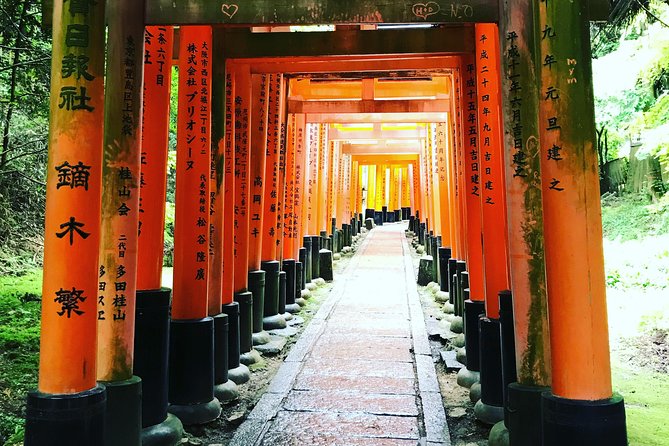
The included food makes this tour a better value than a simple guided walk. You receive a soba noodle lunch, plus a break with Japanese tea and a boiled egg. After the climb, a seated meal gives you time to rest and talk with the guide instead of rushing straight back into Kyoto’s streets.
Soba is also a fitting choice for this setting. It is a familiar Japanese meal, filling without being overly elaborate, and practical after several hours on foot. The tour is not marketed as a food tour, so you should book it for the Fushimi Inari route first, with lunch as a useful and enjoyable part of the package.
Vegetarian, halal-friendly, and gluten-free food can be arranged. You should state your needs when booking rather than waiting until the day of the tour. The supplied details do not specify the exact menu substitutions, so ask for confirmation if you have a strict allergy or dietary restriction.
The meal can also make the experience feel more social. In a small group, lunch gives you a natural chance to ask about Kyoto, the shrine, and the places you have just seen. That local conversation is one of the stronger reasons to choose this outing instead of following a map alone.
A few more Kyoto tours and experiences worth a look



How the guides shape the day
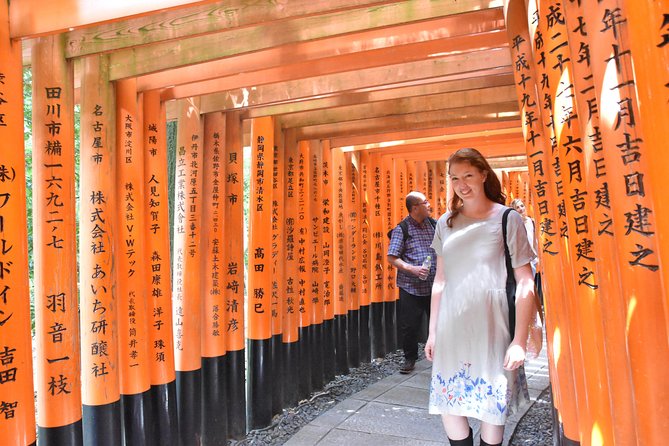
The guide is central to this experience. Fushimi Inari is easy to recognize but less easy to understand. A guide can point out why a particular worship stone matters, explain the role of the torii, and help you notice small shrine features that would otherwise pass by.
Go has been praised for adjusting the pace to suit the group and for being informative and friendly. Satsuki has been praised for guiding the group away from the masses and into quieter forest paths. Ko has been praised for explaining both the mountain and its history while creating a feeling of access to a less touristy side of Fushimi Inari.
Those names give you a useful sense of the guiding style, but they do not guarantee which person will lead your departure. The important point is to expect an interpretive walking tour, not a scripted transfer between photo stops.
There is one detail to clarify before you pay. The tour highlights describe a maximum of 12 participants, while the additional information gives a maximum of 6. Both suggest a small group, but the difference could affect how personal the experience feels. Ask the provider to confirm the maximum for your date if group size is a major reason for booking.
Is $72.26 a fair price?
At $72.26 per person, this is not the cheapest way to see Fushimi Inari. You can visit the shrine independently and walk the public paths without paying a guide fee. The price makes more sense if you want explanations, a planned route through quieter areas, summit guidance, and lunch included in one half-day outing.
Value depends on what you would otherwise do. If you already know the shrine well, enjoy researching religious sites, and are happy choosing your own food, independent exploration may suit you better. If this is your first visit and you want someone to connect the gates, mountain, waterfall, gate factory, and summit, the cost pays for structure and interpretation.
The small-group format also matters. A maximum of 6 would be excellent for questions and pace, while a maximum of 12 would still be manageable but less intimate. Since the information gives both numbers, confirm before booking rather than assuming the smaller figure.
The food adds real practical value, especially after the uphill section. You are not paying only for a guide and directions. You are also getting soba, tea, and a boiled egg, plus a route that includes sights you might not find easily on a first visit.
Who should choose this tour?
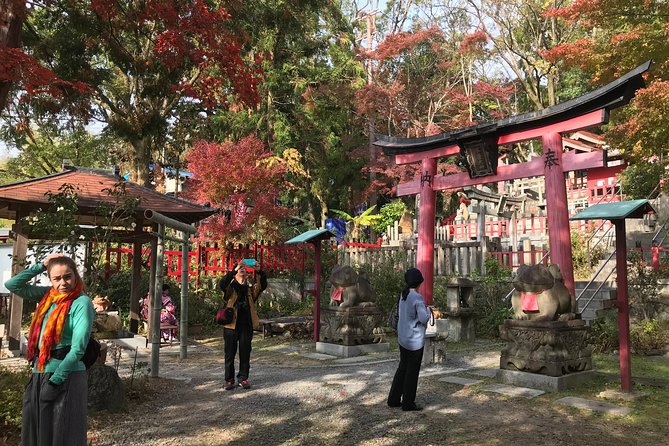
I would recommend it to you if you want to see Fushimi Inari beyond the first rows of gates. It suits visitors who enjoy cultural explanation, forest walking, local food, and a moderate physical challenge in the same outing.
It is also a good fit if you prefer a guide who can adjust the pace. The positive experiences with Go, Satsuki, and Ko suggest that the human side of the tour is a major strength, particularly for people who like asking questions or want help understanding shrine customs.
You should think twice if your priority is a short, easy visit. Four hours is a substantial commitment, and the climb includes steep stairs. It is also not ideal if you want to spend the whole time photographing the main torii without stopping for food or explanations.
Families and older participants need to judge the physical demand carefully. The supplied details call for moderate fitness, and the direct warning about steep stairs should be taken seriously. A slower pace can help, but it cannot remove the climb.
The tour may also suit you if you have dietary requirements, since vegetarian, halal-friendly, and gluten-free food is available. Confirm the arrangement in advance so the meal matches your needs.
Booking, weather, and timing tips
The experience is often booked about 80 days ahead, which suggests that popular dates can fill early. If this is a key Kyoto activity, reserve before your schedule becomes fixed, especially if you want a particular day.
Free cancellation is available up to 24 hours before the start time for a full refund. Changes made less than 24 hours before the start are not accepted, and cancellations inside that window are not refunded.
The tour requires good weather. If poor weather causes cancellation, you will be offered another date or a full refund. Since forest paths and steep stairs are central to the outing, check the forecast and avoid packing your schedule so tightly that a weather change causes trouble.
The ticket is mobile, and the meeting point is near public transportation. Keep the ticket and meeting details easy to reach on your phone. Most importantly, identify the Great Torii before the start time and look for the guide carefully.
Should you book the Fushimi Inari local hike?
Book this tour if you want the full mountain experience rather than a quick look at the red gates. The quiet forest route, waterfall, gate factory, summit shrine, and included soba lunch give the visit more depth than a standard photo stop.
Skip it if steep stairs are a serious concern, or if you prefer to explore independently at no cost. Also confirm the group limit, guide assignment, and dietary arrangements before booking. For a reasonably fit visitor who wants local context and a quieter side of Kyoto’s most famous shrine, $72.26 is a fair price for a well-planned half-day.
FAQ
How long is the Fushimi Inari tour?
The experience lasts about four hours. The listed sightseeing and hiking portion is approximately three hours and includes lunch.
Where does the tour begin?
The meeting point is the Great Torii at 68 Fukakusa Yabunouchicho, Fushimi Ward, Kyoto, Japan.
Where does the tour end?
The tour ends back at the Great Torii meeting point.
Is lunch included?
Yes. The tour includes a soba noodle lunch, along with a Japanese tea and boiled egg break.
Can dietary needs be accommodated?
Vegetarian, halal-friendly, and gluten-free food is available. You should provide your requirements when booking.
How difficult is the hike?
You need a moderate level of physical fitness. The route includes a climb to the 233-meter summit and many steep stairs.
How large is the group?
The tour information gives two different limits. The highlights say up to 12 participants, while the additional information lists a maximum of 6. Confirm the group size for your date before booking.
What happens if bad weather cancels the tour?
If poor weather causes cancellation, you will be offered a different date or a full refund.
More Lunch Experiences in Kyoto
More Fushimi Inari Tours in Kyoto
More tours in Kyoto we've reviewed






Fushimi Inari Tours, compared.
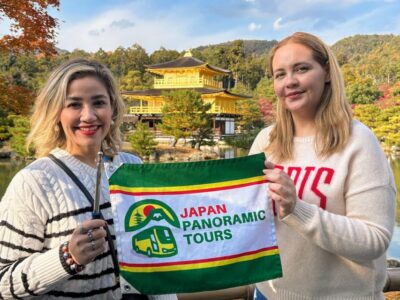 ★ 4.8Kyoto: Fushimi Inari, Kinkakuji, Bamboo Grove 1 Day Bus TourFrom $122510 minutes - 9 hours
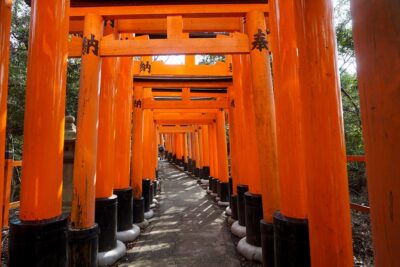 ★ 5.0Fushimi Inari Hidden Hiking Tour (Private Option Available)From $63
 ★ 4.7Kyoto/Osaka: Nara, Fushimi Inari Taisha, Arashiyama Bus TourFrom $529 - 10 hours
 ★ 4.4Osaka/Kyoto: Arashiyama, Nara & Fushimi Inari Shrine w/LunchFrom $61
 ★ 5.0Kyoto: Nijo, Kinkaku-ji, Arashiyama, Kiyomizu & Fushimi InariFrom $51
 ★ 5.0Kyoto Fushimi-Inari Night Walking TourFrom $43