
Reviewed · TOURS
Insider Kyoto Ramen Tour
Kyoto has temples, tea houses, and enough noodles to keep you busy long after sunset. This 150-minute tour gives you two half-size bowls of ramen, each at a different shop, while an English-speaking guide explains how Kyoto developed its own noodle culture. You begin with a short briefing at a nearby coffee shop, then walk through two Kyoto neighborhoods before sitting down to eat.
I like the clear contrast between the bowls: one represents classic Kyoto ramen, while the other shows a more modern style. I also like the scale of the meal. Two full bowls would be a heroic amount of soup and noodles, but two smaller servings let you compare without needing a nap afterward. The main consideration is the $90 price, which is fair only if you value the food lesson, guide, and neighborhood walk as much as the ramen itself.
In This Review
- Key points at a glance
- Starting with coffee and a ramen lesson
- First bowl: a modern take on Kyoto ramen
- Second bowl: the local, soy-based classic
- Walking through two Kyoto neighborhoods
- What the guide adds to the meal
- Is $90 a fair price?
- Dietary needs and meal expectations
- Who will enjoy this Kyoto food walk?
- Timing, booking, and practical details
- Should you book the Insider Kyoto Ramen Tour?
- FAQ
- Where does the Insider Kyoto Ramen Tour take place?
- How long does the tour last?
- How many ramen bowls are included?
- Are the two bowls the same style?
- Is a drink included?
- Does the tour begin at a ramen restaurant?
- What language is the tour offered in?
- Is transportation included?
- Are vegetarian, vegan, or gluten-free options guaranteed?
- Can I cancel for a refund?
Key points at a glance
- Two different ramen shops: Compare classic Kyoto ramen with a newer interpretation instead of eating the same style twice.
- A coffee-shop briefing first: Learn about ramen origins, preparation, and local habits before the first bowl arrives.
- Mini bowls are the right size: Each serving is about half a full bowl, so you can finish both and still appreciate the differences.
- Guides add personality: Frank has been praised for his command of Kyoto ramen, while Nick has led an easygoing tour with a ramen quiz.
- Two neighborhoods, two moods: The route combines food with the sights and sounds of Kyoto streets.
- Small-group or private options: The format can feel more personal than a large food walk, though the meeting point depends on the option booked.
Starting with coffee and a ramen lesson
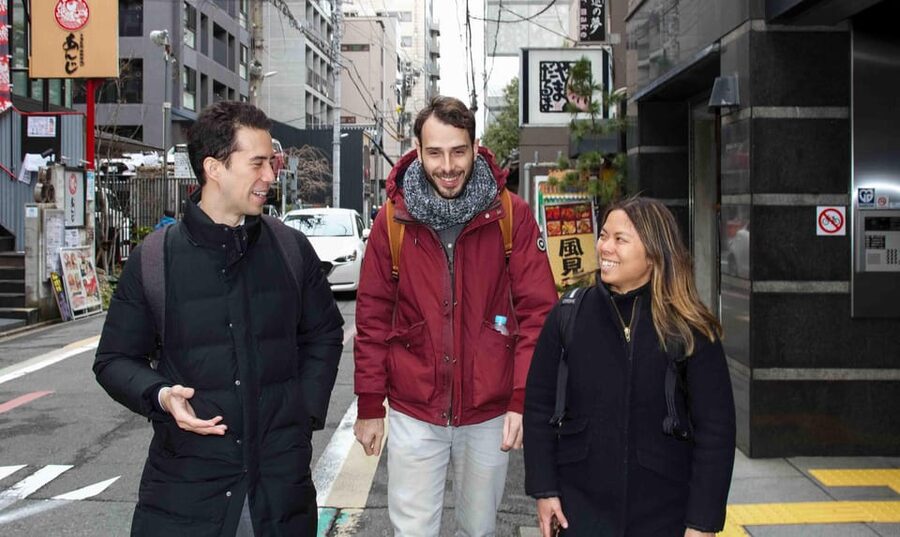
The tour begins at a nearby coffee shop, not at a noodle counter. That is a smart choice. You get a little time to meet your guide, ask questions, and learn what to watch for before the bowls appear.
The opening discussion covers ramen history, preparation, and the place ramen holds in Kyoto life. You are not simply handed a bowl and told to enjoy it. You get a framework for noticing the broth, noodles, toppings, and overall style.
A short ramen quiz may also be part of the opening. It gives the introduction a playful edge instead of turning it into a lecture. Guides such as Frank and Nick have been praised for keeping the conversation open and entertaining, so this should suit you if you like asking questions rather than listening to a set speech.
The coffee shop is also useful for pacing. Ramen arrives quickly once you enter a restaurant, and it can be hard to think about ingredients while trying to eat hot noodles neatly. This first stop lets you get your bearings and understand the plan.
One limitation is that the exact meeting point can vary by booking option. Check the confirmed details carefully, and allow time to reach the starting place. Transportation to and from the meeting point is not included.
If you're still narrowing it down, here are other tours in Kyoto we've reviewed.

First bowl: a modern take on Kyoto ramen
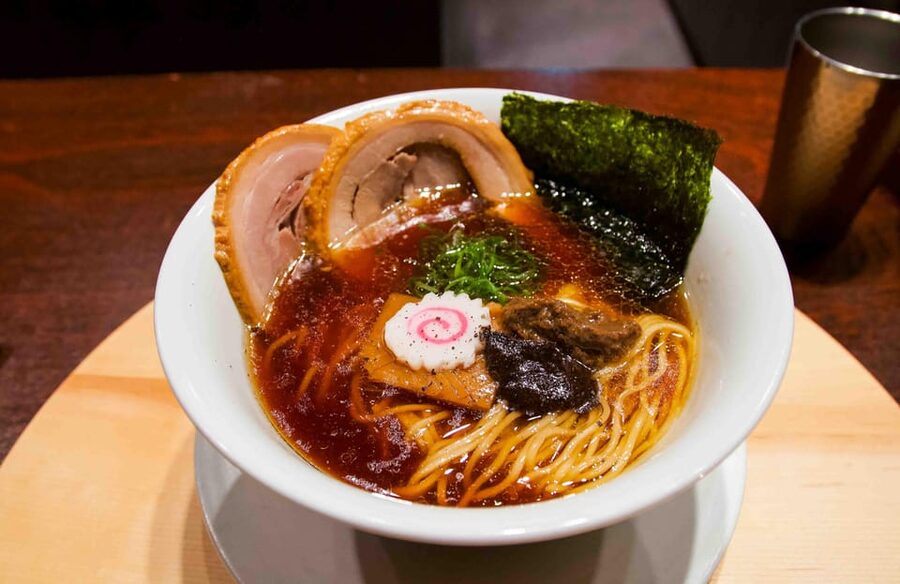
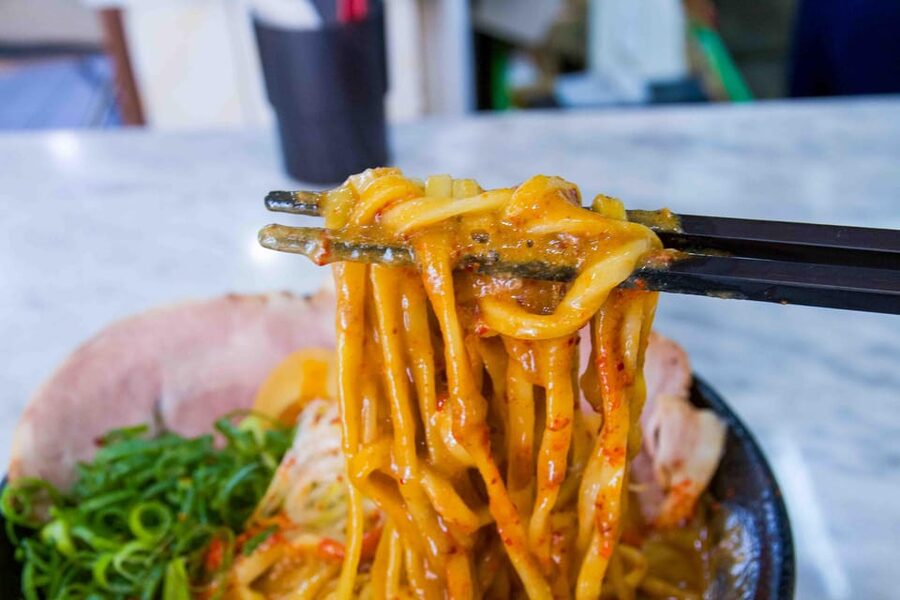
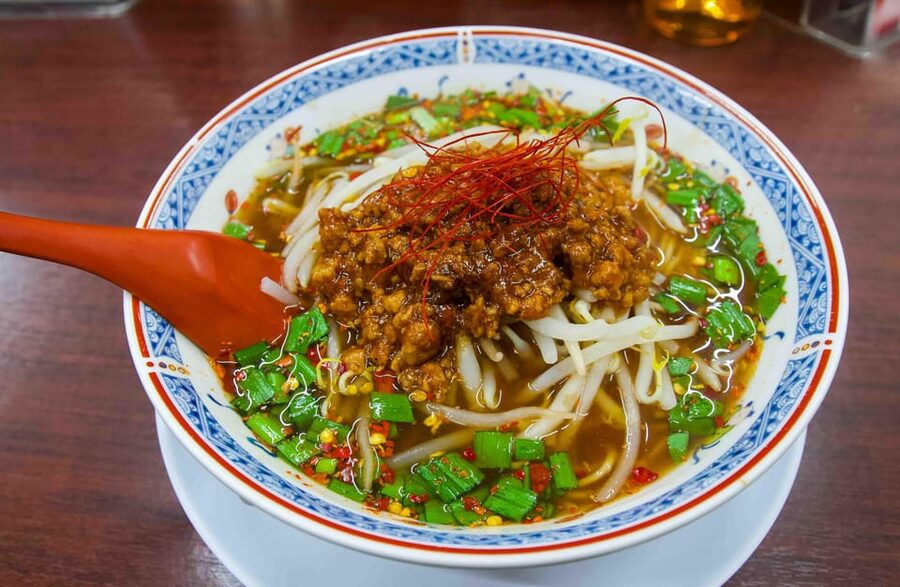
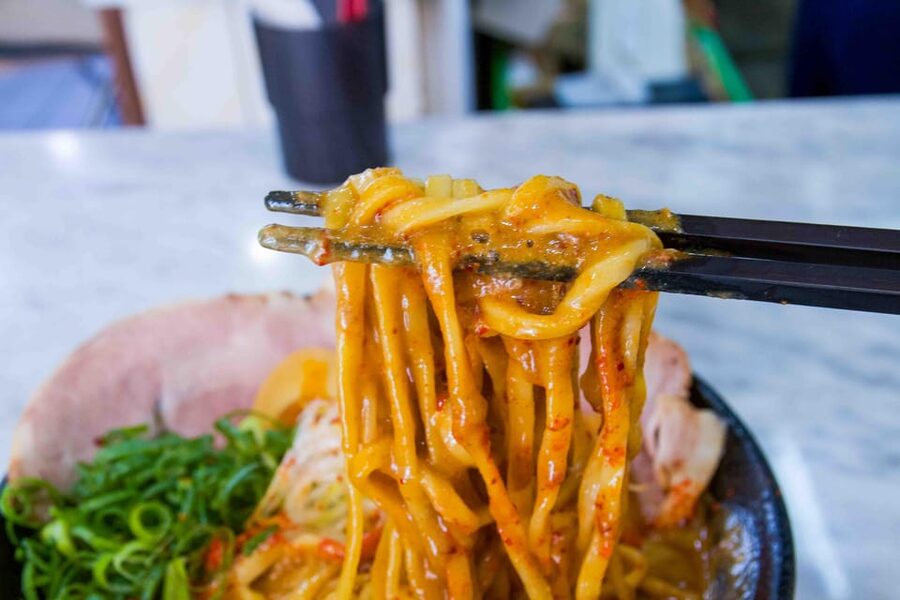
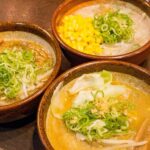
The first restaurant serves a style described as more modern. One meal included a high-end setting with open, minimalist decor and a thick soup seasoned with yuzu. That detail gives you a useful sense of the contrast this tour aims to create.
Yuzu brings a bright citrus note to a heavy broth. It can make a rich soup feel sharper and more layered, especially when you taste it beside a more traditional soy-based bowl later. You are not just comparing two restaurants. You are comparing different ideas about what ramen can be.
The mini portion matters here. A full bowl of thick soup can quickly become filling, and the half-size serving lets you pay attention to flavor instead of rushing to finish. You can notice the effect of the broth, the seasoning, and the noodles without spending the rest of the tour trying to recover.
The restaurant setting is part of the lesson too. An open, polished room presents ramen as a carefully designed meal, not only as quick comfort food. That makes this stop a good fit if you are curious about newer Japanese food culture as well as traditional dishes.
Still, the tour does not promise a fixed restaurant menu in the supplied details. The exact ramen, toppings, and shop may vary. Think of the first bowl as a representative modern style, not as a guaranteed yuzu ramen tasting.
Second bowl: the local, soy-based classic
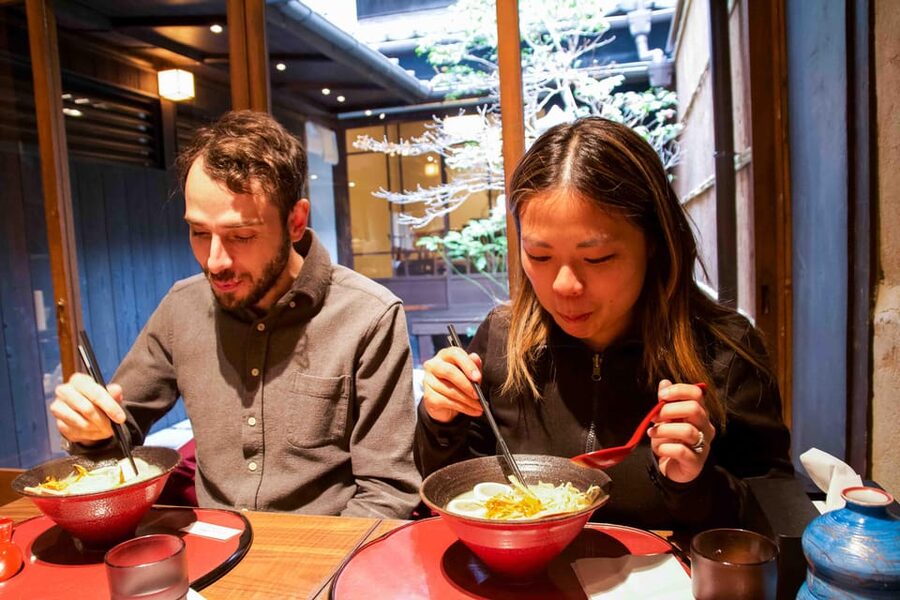
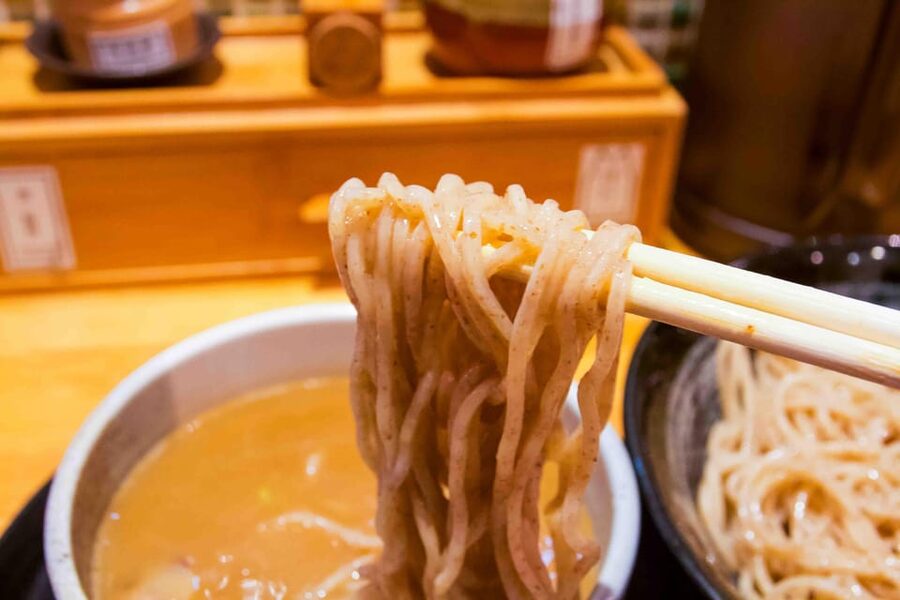
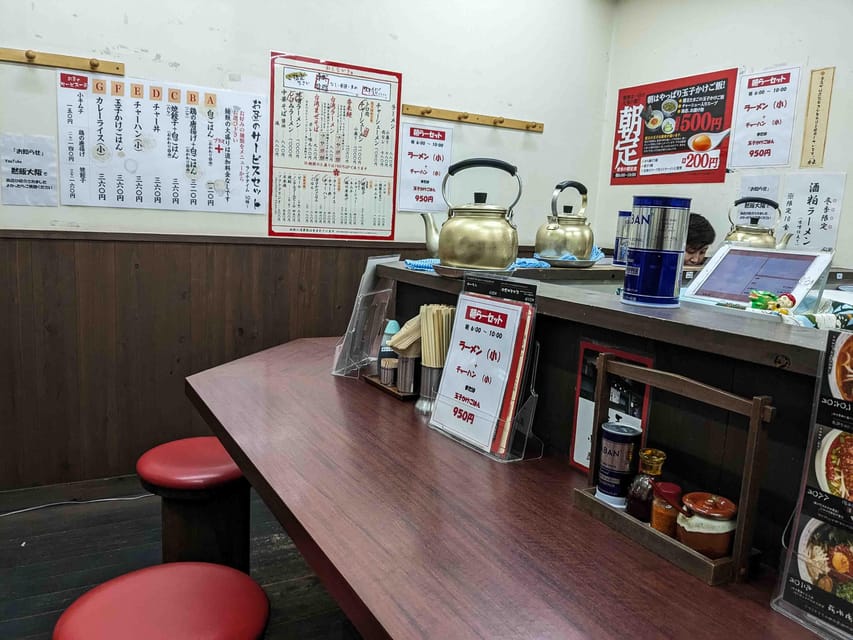
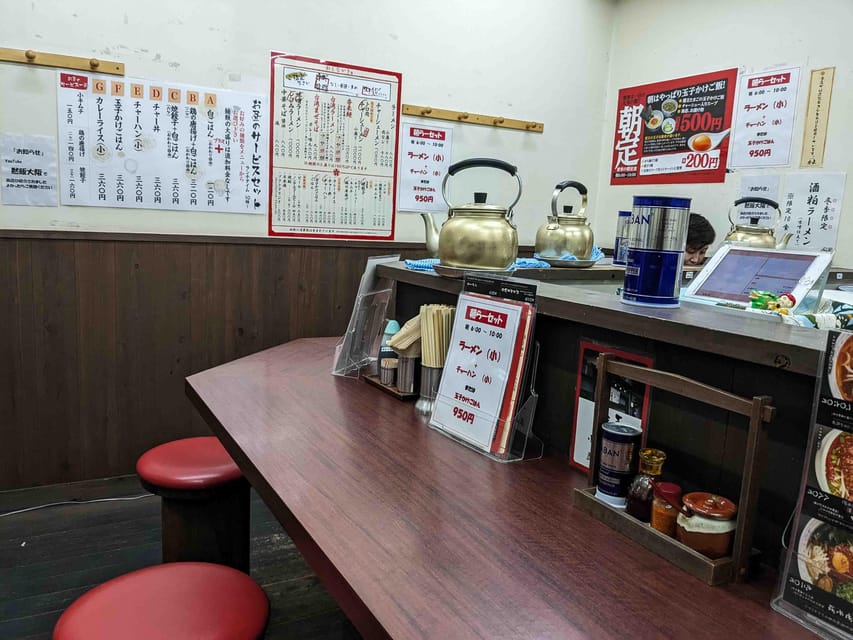
The second stop moves in a more traditional direction. The meal described for this part used a soy sauce-based broth in a more familiar ramen restaurant used by local residents.
This is the comparison that gives the tour its shape. The first bowl shows how ramen can be refined and modern. The second brings you closer to the everyday noodle-shop experience. You get a clearer idea of how atmosphere, preparation, and flavor all work together.
A traditional ramen shop can also tell you something about local eating habits that a polished restaurant cannot. You are seeing a working food place rather than only a destination selected for presentation. The tour uses that difference well.
You should expect both bowls to be small, but do not assume the meal will leave you hungry. One person on a private tour found there was more than enough ramen, and another finished the experience feeling full. Appetite varies, of course, but two half bowls plus a beverage can make a proper meal for many people.
The second shop may be busier or less spacious than the first, but the available information does not promise a particular seating arrangement. The useful point is the contrast: modern and traditional, thick and soy-based, polished and familiar.
Walking through two Kyoto neighborhoods
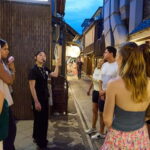
Between the food stops, you explore two Kyoto neighborhoods. The walk is not presented as a major sightseeing tour, so you should not book this as a replacement for temple visits or a full city walk. Its value is more local and sensory.
You will take in the sights and sounds of streets that frame the ramen experience. That can mean noticing how a food district changes from one block to the next, seeing the character of two areas, and understanding that Kyoto food culture is not limited to formal dining rooms.
This pacing also keeps the experience from becoming a string of restaurant entrances. You begin with conversation, walk through the city, eat one bowl, walk again, and finish with another. The movement gives your palate a break and makes the two stops feel distinct.
The route details are not fixed in the information provided, and the meeting point may vary by option. If you need a precise walking distance or want to coordinate the tour with another reservation, ask before booking.
What the guide adds to the meal
The guide is the main reason this costs more than ordering ramen on your own. A bowl of noodles is easy to find in Kyoto. A guide who can explain ramen origins, preparation, regional styles, and local importance gives you a way to understand what you are eating.
Frank has been praised for explaining Kyoto ramen across several angles, including its history, types, and production. Nick has been described as engaging and easy to talk with, and his version included a ramen quiz and plenty of room for questions.
The names matter because the guide shapes the tone. This is not designed as a silent tasting where you simply follow instructions. You can ask about ingredients, why one broth tastes thicker, how modern ramen differs from older styles, and what makes a shop feel local.
The English-language format is another practical point. The listed tour language is English, so you do not need to rely on translated menus or guess at the differences between bowls. The guide acts as your interpreter for both the food and the setting.
Private and small-group formats are available. A private booking may suit you if you have a strong interest in ramen or specific dietary concerns. A small group can be more social and may keep the cost lower than a private experience, though group size for your selected option should be checked before payment.

Is $90 a fair price?
At $90 per person, this is not a cheap way to eat ramen. If you only want two bowls of noodles, you can spend much less by visiting shops on your own.
The price makes more sense when you count the full package: two restaurant visits, two mini bowls, one beverage, the opening lesson, the walk through two neighborhoods, and an English-speaking guide for 150 minutes. You are paying for access and context, not only food.
The two-bowl structure is especially useful for first-time visitors. Ordering ramen independently can leave you with one large serving and little idea of how it compares with another local style. Here, the comparison is planned for you, and the half portions protect you from over-ordering.
Value also depends on your interest. Food-focused visitors may find the cost reasonable, particularly if they enjoy asking questions and learning how dishes are made. If you are mainly looking for the lowest-cost meal in Kyoto, this will feel expensive.
The strong satisfaction record helps, but the sample is small, with seven ratings averaging five out of five. I would treat that as encouraging rather than proof that every person will value the same things. The clearest praise centers on the food quality, the guide, the variety, and the fact that the portions are filling without being oversized.
Dietary needs and meal expectations
Vegetarian, vegan, and gluten-free choices may be available, but they are not guaranteed on shared group tours. Contact the provider before booking if you need one of these options.
Do not wait until you sit down to explain a serious restriction. Ramen broths, noodles, sauces, and toppings can contain ingredients that are not obvious. The tour information allows you to discuss needs in advance, but it does not promise a suitable menu.
For standard diets, the meal is built around two mini ramen bowls and one beverage. The specific drink is not stated. The bowls are about half the size of full servings, though the available experiences suggest that the combined meal can be filling.
The focus is comparison, not unlimited tasting. You should not expect extra bowls, dessert, or a full food crawl unless those items are specifically added to your booking.
Who will enjoy this Kyoto food walk?
I would recommend this tour to you if ramen is already high on your list, or if you want a food experience to balance Kyoto’s temples and tea ceremonies. It also works well for someone who has eaten ramen in Japan but wants to understand the differences between styles.
It suits curious eaters who enjoy conversation. The guides are expected to explain and answer questions, not simply lead you from one address to another. A person who wants a quiet, private meal may prefer a private option, if available for the chosen date.
The tour may be less useful for you if you have a very restricted diet that cannot be confirmed in advance. It is also not the best choice if you want a broad Kyoto food tour with many snacks. The focus stays firmly on ramen, with two shops and two bowls.
Families and mixed-age groups should consider the 150-minute length and the amount of walking. The supplied information does not give an age range or accessibility details, so ask the provider if those factors matter for your party.
Timing, booking, and practical details
The experience lasts 150 minutes, or two and a half hours. Starting times depend on availability, so check the date and time before building the rest of your day around it.
Transportation to and from the meeting point is not included. Since the meeting point may change with the booking option, confirm the location before setting out. This is especially important if you are coming from a temple visit or another part of Kyoto.
You can cancel up to 24 hours in advance for a full refund. The reserve-now, pay-later option lets you hold a place without paying at the time of booking, which is useful when your Kyoto schedule is still moving around.
Private or small-group choices are available. The exact format affects the feel of the outing, so compare options rather than selecting the first time that appears. A smaller setting should make it easier to ask detailed questions about ramen and dietary needs.
Should you book the Insider Kyoto Ramen Tour?
Book it if you want more than a bowl of noodles. The best parts are the sharp contrast between the two shops, the manageable portions, the neighborhood walking, and the chance to question an English-speaking guide about Kyoto ramen.
I would be more cautious if price is your main concern, or if you need guaranteed vegetarian, vegan, or gluten-free food. For everyone else, this is a focused way to add local food knowledge to a Kyoto visit without committing to a huge meal.
The tour is particularly good late in a trip, after you have seen the major temples and want something hands-on and distinctly local. Just confirm the meeting point, dietary arrangements, and group format before paying. If those details suit you, the two-bowl comparison gives the experience a clear purpose, and the $90 cost is easier to justify.
FAQ
Where does the Insider Kyoto Ramen Tour take place?
The tour takes place in Kyoto on Honshu, Japan. You visit two ramen shops in two different Kyoto neighborhoods.
How long does the tour last?
The tour lasts 150 minutes, or two and a half hours.
How many ramen bowls are included?
Two mini bowls are included. Each bowl is about half the size of a regular full bowl.
Are the two bowls the same style?
No. One bowl represents classic Kyoto ramen, while the other represents a more modern style.
Is a drink included?
Yes. One beverage is included with the tour.
Does the tour begin at a ramen restaurant?
No. It begins at a nearby coffee shop for a briefing about ramen history, preparation, and its importance in Kyoto.
What language is the tour offered in?
The tour is offered in English with a live English-speaking guide.
Is transportation included?
No. Transportation to and from the meeting point is not included.
Are vegetarian, vegan, or gluten-free options guaranteed?
No. These options may be available, but they cannot be guaranteed on shared group tours. Contact the provider in advance to discuss your needs.
Can I cancel for a refund?
Yes. You can cancel up to 24 hours in advance for a full refund.
More tours in Kyoto we've reviewed






Tours, compared.
 ★ 5.0PERFECT KYOTO 1-Day Bus TourFrom $129
 ★ 4.8Kyoto: Fushimi Inari, Kinkakuji, Bamboo Grove 1 Day Bus TourFrom $122510 minutes - 9 hours
 ★ 4.7Kyoto Geisha Walking Tour: Gion District & Hidden GemsFrom $252 hours
 ★ 4.7Kyoto: Gion Geisha District Walking Tour – Stories of GeishaFrom $202 hours
 ★ 5.0Hidden Kyoto E-Biking tourFrom $116
 ★ 5.0Kyoto Night Foodie Tour in Gion (9+ dishes + 6 Sake tastings)From $163