
Reviewed · TEA CEREMONY EXPERIENCES
Kyoto: Nighttime Zen Meditation and Matcha Tea Experience
Keishunin Temple feels most special after dark, when its four historic gardens are lit with a quiet glow rather than daytime crowds. You’ll tour the temple, see the discreet Sehakuan tea room and Kano Sansetsu’s fusuma paintings, then sit for guided zazen meditation with Deputy Chief Priest Yasumasa Arashima.
I like the careful mix of culture and participation: you don’t just look at a garden, you learn how to sit and still your mind. I also like the personal finish, matcha and a Japanese sweet shared after meditation. The main drawback is the price, $206 per person for 90 minutes, so this suits you best if you value a private, intimate experience over a low-cost temple visit.
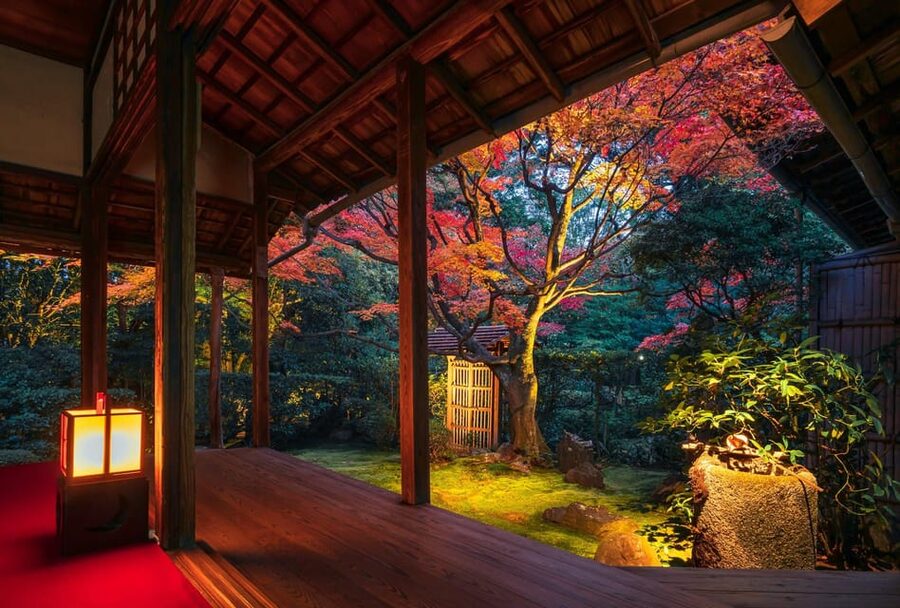
- Nighttime garden lighting: See all four Keishunin gardens, designated national historic sites and scenic spots, in an atmospheric evening setting.
- A rare tea-room visit: Tour Sehakuan, a tea room not usually part of a standard Kyoto sightseeing route.
- Guided zazen: Receive meditation instruction connected to the temple’s Zen practice, with interpretation available in English or Chinese.
- A personal priest-led finish: Deputy Chief Priest Yasumasa Arashima serves matcha and a traditional Japanese sweet.
- Private format: Your group receives a 90-minute visit rather than joining a large public tour.
- Plan for comfort: Bring warm clothing, sit comfortably, and remember that flash photography and smoking are not allowed.
In This Review
- Entering Keishunin After Dark
- Four Illuminated Gardens With a Different Mood
- Sehakuan Tea Room and Kano Sansetsu’s Paintings
- Learning Zazen With Deputy Chief Priest Yasumasa Arashima
- Matcha, Japanese Sweets, and a Gentle Finish
- What the $206 Price Really Buys
- Timing, Clothing, and Other Practical Details
- Who Will Get the Most From This Kyoto Experience
- Should You Book Keishunin at Night?
- FAQ
- How long does the Keishunin Temple experience last?
- What languages are available?
- Is this a private tour?
- What does the experience include?
- Who leads the meditation and tea experience?
- Can children participate?
- What is the cancellation policy?
Entering Keishunin After Dark
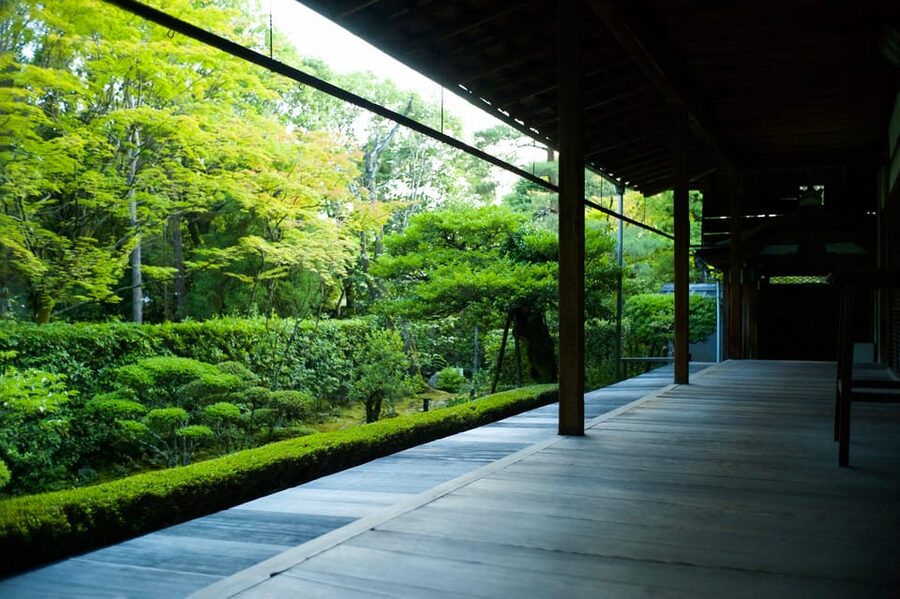
Keishunin is a sub-temple of Kyoto’s large Myoshinji Temple complex, but this experience focuses on a quieter, more intimate corner of the grounds. The nighttime timing changes the mood. Instead of treating the temple as one more stop on a busy sightseeing day, you arrive for a deliberate pause.
Your guide meets you at the temple and leads you through the grounds. The tour is offered in English or Chinese, and the private-group format means you can ask questions without trying to keep up with a large crowd. The exact balance between explanation and quiet will depend on your guide, but the structure gives you both.
I especially like that the visit begins with place and context before meditation. You first learn what makes Keishunin important, then see the rooms and gardens that give the later sitting practice a clearer setting. The temple is not simply a backdrop for a wellness session. Its architecture, art, tea traditions, and gardens all have a role.
The 90-minute length is another factor to weigh. It is long enough for a proper introduction, garden visit, meditation, and tea, but short enough to fit into an evening in Kyoto. You will not get an entire night of temple study, nor is this intended to be a broad tour of Myoshinji. Think of it as a focused cultural visit with a contemplative center.
Four Illuminated Gardens With a Different Mood
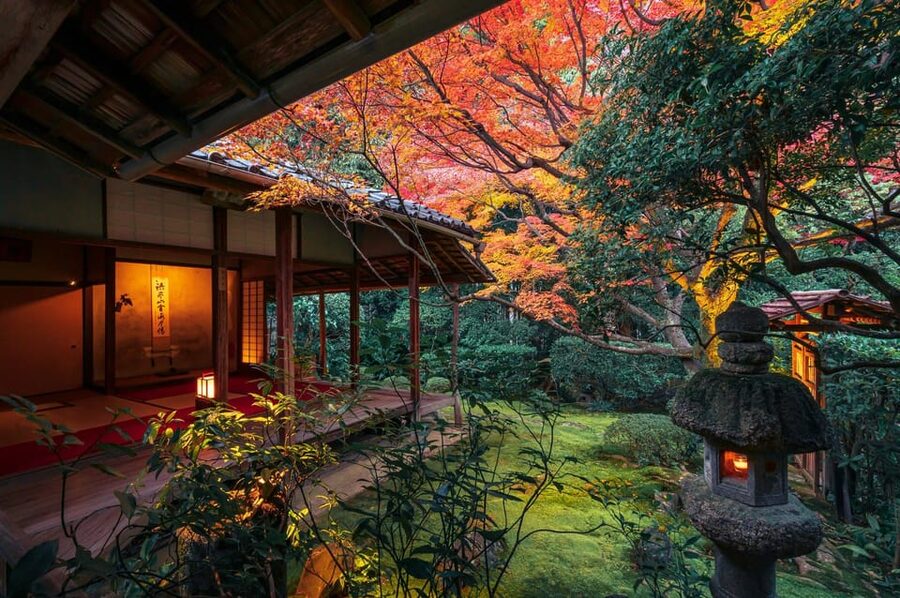
The four gardens are designated as nationally designated historical sites and scenic spots. That status matters because you are seeing more than attractive plantings around a temple. The gardens form part of Keishunin’s cultural value, and the guide can help you understand how the spaces relate to the temple.
At night, lighting draws your eye to shapes, pathways, stones, and carefully arranged views. You may find the gardens more about pauses and framing than about a long walk. Take your time. Notice how the lighting changes the way you read the garden, then compare that quiet visual experience with Kyoto’s brighter evening streets.
The garden portion is also useful for people who are curious about Zen but unsure about meditation. You begin with something familiar, looking and listening, before being asked to sit quietly. That gradual progression makes the experience easier to approach than a meditation class with no cultural setting.
You should bring warm clothing, even if the evening begins mild. Temple rooms and garden paths can feel cool, and the activity specifically advises warm, comfortable clothes. Avoid treating this as a dress-up occasion. You will get more from the meditation if your clothing lets you sit without distraction.
A few more Kyoto tours and experiences worth a look
Sehakuan Tea Room and Kano Sansetsu’s Paintings
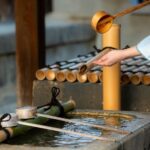
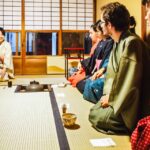
The tour includes the hidden tea room Sehakuan, one of the visit’s most distinctive stops. A tea room offers a concentrated look at Japanese ideas of space, restraint, and hospitality. Even if you know little about tea ceremony, the room can make the later matcha tasting feel less like a snack break and more like part of a larger tradition.
You also view fusuma paintings by Kano Sansetsu. Fusuma are sliding panels used to divide rooms, so the paintings are part of the architecture rather than separate pictures hung on a wall. Seeing Kano Sansetsu’s work in its intended setting gives the art a stronger connection to the room and to the daily life of the temple.
This is where the guide’s explanation matters. The activity includes local cultural interpretation, and the English or Chinese tour option lets you ask about what you are seeing. If you have a particular interest in painting, architecture, or tea, use the private format to raise questions.
There is one practical limitation: the information provided does not promise a long art lecture or extensive time inside each room. The visit is only 90 minutes, and it must also include the gardens, meditation, and tea. I would see the paintings and Sehakuan as focused highlights, not a full museum-style study session.
Learning Zazen With Deputy Chief Priest Yasumasa Arashima
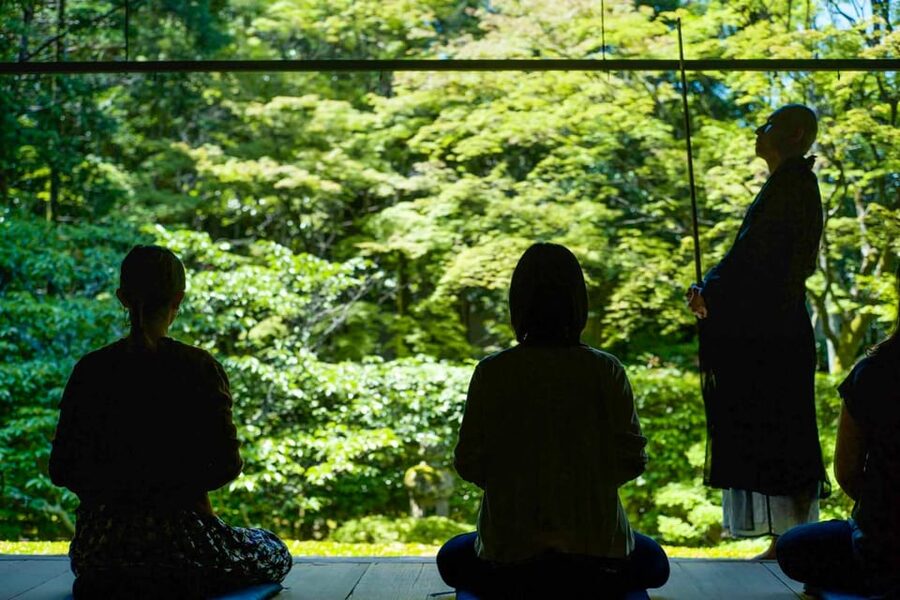
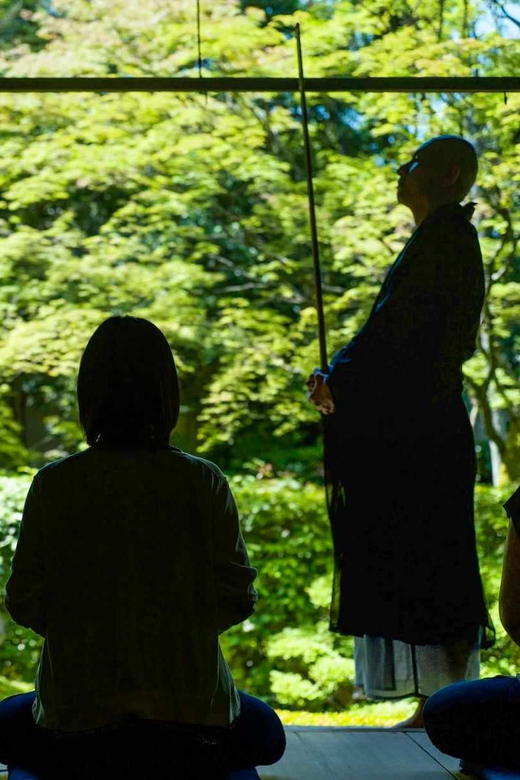
The heart of the experience is zazen, seated Zen meditation. You are guided through the practice rather than left to guess what to do. Deputy Chief Priest Yasumasa Arashima leads the meditation, giving the session a direct connection to Keishunin’s religious setting.
For a first-time participant, this guidance is important. Sitting silently can sound simple, but posture, attention, and the impulse to shift or fidget can make it surprisingly demanding. The point is not to perform meditation perfectly. It is to notice what happens when you stop filling every moment with conversation, movement, or sightseeing.
A useful detail from the experience is that you may learn about the custom used when a practitioner becomes too tired and needs a refreshing reminder to continue. This can be an interesting part of the session for anyone curious about the practical side of Zen discipline. If you feel adventurous, you can try it, but you should not feel pressured to turn the meditation into a test of endurance.
The meditation may be especially meaningful after the garden visit. You have already spent time looking at controlled, quiet spaces. Now you are asked to create a little quiet within yourself. That connection between the physical garden and the sitting practice is one of the strongest reasons to choose this activity instead of a standard temple tour.
The language arrangement deserves attention. The activity is available in English and Chinese, and one participant specifically appreciated having a guide translate the deputy chief priest’s instructions effectively. If you do not speak Japanese, you should still be able to follow the session, but the quality of interpretation will shape how much detail you take away.
Matcha, Japanese Sweets, and a Gentle Finish
After meditation, you enjoy matcha and a traditional Japanese sweet. This closing moment is simple but well judged. Tea gives you time to return to ordinary conversation, ask questions, and reflect on the meditation without rushing straight back into sightseeing.
The tea is served by Deputy Chief Priest Arashima, which gives the tasting a personal link to the meditation. The experience is not presented as a formal tea ceremony lesson with a long list of techniques. Instead, it offers a taste of tea culture within a broader temple visit.
The sweet helps balance matcha’s strong, grassy flavor. If you are new to matcha, the combination is useful because the sweet prepares your palate for the tea. The setting also gives you a chance to notice the pace of Japanese hospitality: preparation, presentation, tasting, and conversation each have their own place.
One participant described the visit as a conscious pause during a larger trip, and that is a fair way to understand the value here. You are not collecting another view from a famous lookout. You are making room for silence, then sharing a small refreshment with the people who guided you.
What the $206 Price Really Buys
At $206 per person, this is not a bargain temple admission. The price makes more sense if you want a private group, a nighttime opening, interpretation in English or Chinese, access to the four gardens, the Sehakuan tea room, Kano Sansetsu’s fusuma paintings, guided zazen, and tea with the deputy chief priest.
You are paying for access and attention, not simply for the amount of time. A 90-minute standard attraction can feel expensive if it only involves looking around. Here, the visit combines several elements that would be difficult to arrange independently, especially a priest-led meditation and a nighttime temple setting.
Still, I would not recommend it to everyone. If your main goal is to see as many Kyoto sights as possible, $206 may be better spent on a longer activity or several lower-cost visits. If you already have plenty of temple sightseeing planned, this experience earns its price only if the quieter, participatory side of Kyoto appeals to you.
The private format strengthens the value for couples, families with older children, or small groups who want a shared evening without strangers. It also makes the experience easier to tailor through questions. The price is harder to justify for a solo visitor on a tight budget, unless meditation and temple access are central interests.


Timing, Clothing, and Other Practical Details
Transportation to and from the meeting place is not included, so you need to arrange your own way there. Check the exact meeting instructions and start time when booking, since several starting times may be available depending on the date.
Reservations are required. The activity excludes the Obon and New Year holiday periods, so do not assume it runs throughout the calendar year. The tour is not suitable for wheelchair users, and children under 12 are excluded. Primary school students and older children may attend under the stated conditions, but each child below junior high school age must have a parent or guardian with them.
Wear comfortable clothes and bring something warm. You will be sitting for meditation, and comfort is more important than formal dress. Smoking and flash photography are not allowed, a sensible rule in a quiet temple interior and around delicate art.
Cancellation is free up to three days in advance, or within 72 hours of the activity under the stated policy. From three days before the start date through the day before, the charge is 20 percent. The charge is 50 percent on the day, and non-participation without notice or arriving after the activity begins results in a 100 percent charge.
Who Will Get the Most From This Kyoto Experience
I would choose this for you if you want to understand Kyoto through quiet ritual and personal contact, not just through famous buildings. It suits someone who is curious about Zen, tea, Japanese art, or traditional architecture and wants all four themes in one compact evening.
It can also work well for a first meditation experience. The guide and priest provide structure, and you do not need to arrive with prior knowledge. You should be ready to sit quietly and follow instructions, though. This is not an entertainment show with constant activity.
The visit is a good match for a couple or small private group that values atmosphere. The nighttime gardens, intimate tea room, and post-meditation conversation create a shared memory without requiring a full-day commitment. Families can consider it for older children, but anyone expecting a fast-paced activity may lose interest.
I would skip it if you need wheelchair access, are traveling with children under 12, dislike seated meditation, or want a low-cost introduction to Kyoto temples. I would also think twice if your schedule is so crowded that you will arrive hurried and leave immediately. The value depends partly on giving the quiet moments your full attention.
Should You Book Keishunin at Night?
Book this experience if a private, priest-led Zen evening sounds more appealing than another crowded sightseeing stop. The four illuminated gardens, Sehakuan tea room, Kano Sansetsu’s fusuma paintings, and matcha service give the 90 minutes plenty of substance, while the meditation gives the visit a personal focus.
The $206 price is high, but the combination of private access, interpretation, nighttime timing, and guidance from Deputy Chief Priest Yasumasa Arashima is unusual. I would reserve it for a special evening rather than treat it as a routine temple ticket.
Bring warm clothes, arrive ready to sit quietly, and keep your expectations realistic. You are not signing up for a complete course in Zen or tea ceremony. You are choosing a carefully framed moment of gardens, art, meditation, and tea in one of Kyoto’s temple spaces.
FAQ
How long does the Keishunin Temple experience last?
The experience lasts 90 minutes.
What languages are available?
The live tour guide is available in English and Chinese.
Is this a private tour?
Yes. The activity is offered as a private group experience.
What does the experience include?
It includes a special nighttime visit to Keishunin, a tour of its four gardens, a visit to the Sehakuan tea room, viewing of Kano Sansetsu’s fusuma paintings, zazen meditation, matcha tea, and a Japanese sweet.
Who leads the meditation and tea experience?
Deputy Chief Priest Yasumasa Arashima leads the zazen meditation and serves the matcha and Japanese sweet.
Can children participate?
Children under 12 are not suitable for this activity. Primary school students and older children may attend, and each child below junior high school age must be accompanied by a parent or guardian.
What is the cancellation policy?
You can cancel for a full refund up to three days in advance, or within 72 hours of the activity. A 20 percent charge applies from three days before the start date through the day before, 50 percent on the day, and 100 percent for no-shows without notice or participation after the activity has begun.
More Tea Ceremony Experiences in Kyoto
More tours in Kyoto we've reviewed

Tea Ceremony Experiences, compared.
 ★ 4.9Kyoto: Tea Ceremony in a Traditional Tea House in KiyomizuFrom $4945 min
 ★ 4.9Kyoto: Tea Ceremony Ju-An at Jotokuji TempleFrom $291h 10m
 ★ 4.3Kyoto: 45-Minute Tea Ceremony Lesson ExperienceFrom $2245 min
 ★ 5.0World Heritage Kyoto & Nara Uji Authentic Matcha ExperienceFrom $129
 ★ 4.9Kyoto: Table-Style Tea Ceremony at a Kyo-MachiyaFrom $451h 30m
 ★ 5.0Kimono Tea Ceremony at Kyoto Maikoya, NISHIKIFrom $65