
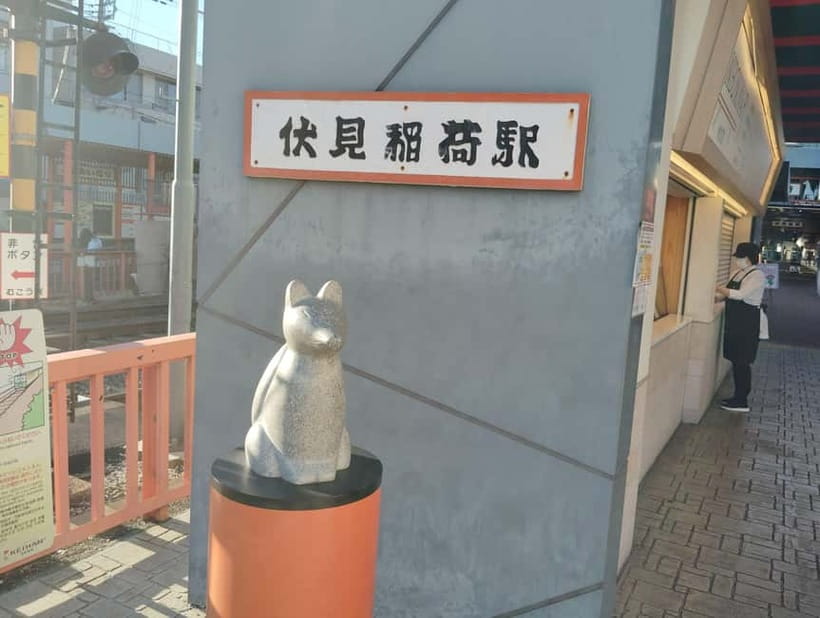
Reviewed · FUSHIMI INARI TOURS
Kyoto: 1.5-Hour Guided Tour of Fushimi Inari Shrine
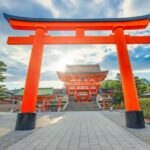
Fushimi Inari is Kyoto’s great corridor of red torii gates, and this 90-minute tour gives you a clear path through its most important sights. You start at the main shrine, then walk beneath the donated gates to the Okusha Back Shrine, where the visit feels quieter and more personal.
I like the way an English-speaking guide adds meaning to details you could easily miss, especially the shrine’s links to rice and prosperity. I also like the Omokaruishi ritual, a simple stone-lifting test that gives the visit a playful local touch. The drawback is time: 90 minutes may feel short if you want a longer walk or need a break along the way.
In This Review
- Key points
- Starting at JR Inari Station
- Understanding Fushimi Inari’s main shrine
- Walking beneath the red torii gates
- Reaching Okusha Back Shrine
- Trying the Omokaruishi fortune ritual
- What the guide adds to the experience
- Is $32 a fair price?
- Who should book this Fushimi Inari tour?
- My verdict on the 90-minute visit
- FAQ
- Where does the tour meet?
- How long does the tour last?
- Where does the tour finish?
- Which places are included?
- Can I try the Omokaruishi stones?
- What languages are available?
- Is this a private tour or a group tour?
- Can I cancel for a refund?
Key points
- The tour begins at JR Inari Station: Your guide waits across from the station’s main entrance with a bright yellow DeepExperience signboard.
- You visit Fushimi Inari’s main shrine: The guide explains its connection to the god of rice and prosperity.
- The red torii walk is the star: You pass through one of Kyoto’s most recognizable religious spaces while learning why the gates matter.
- Okusha Back Shrine offers a quieter stop: This part of the visit brings you away from the main entrance and toward a more intimate shrine setting.
- The Omokaruishi stones add a hands-on moment: Lift them and use the local custom as a lighthearted way to test your fortune.
- The format is flexible: English and Japanese tours are available, with private and small-group options.
Starting at JR Inari Station
The meeting point is easy to identify if you know what to look for. Your guide waits outside, across from the main entrance to JR Inari Station, holding a bright yellow DeepExperience signboard.
That clear marker matters at a busy Kyoto sight. Fushimi Inari is one of the city’s best-known attractions, so finding the right person quickly saves time. The tour ends back at Inari Station, giving you a simple start and finish without needing to work out a separate meeting place inside the shrine grounds.
The guide service is offered in English or Japanese. You can also choose between a private tour and a small group, depending on availability. A private or smaller format may suit you if you want to ask plenty of questions about Japanese customs, shrine practice, or the meaning of what you are seeing.
A few more Kyoto tours and experiences worth a look


Understanding Fushimi Inari’s main shrine
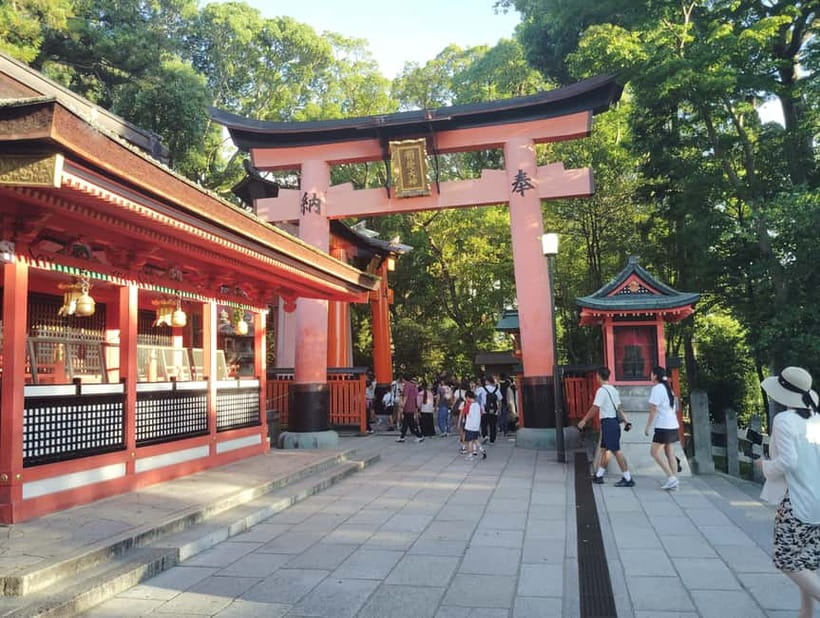
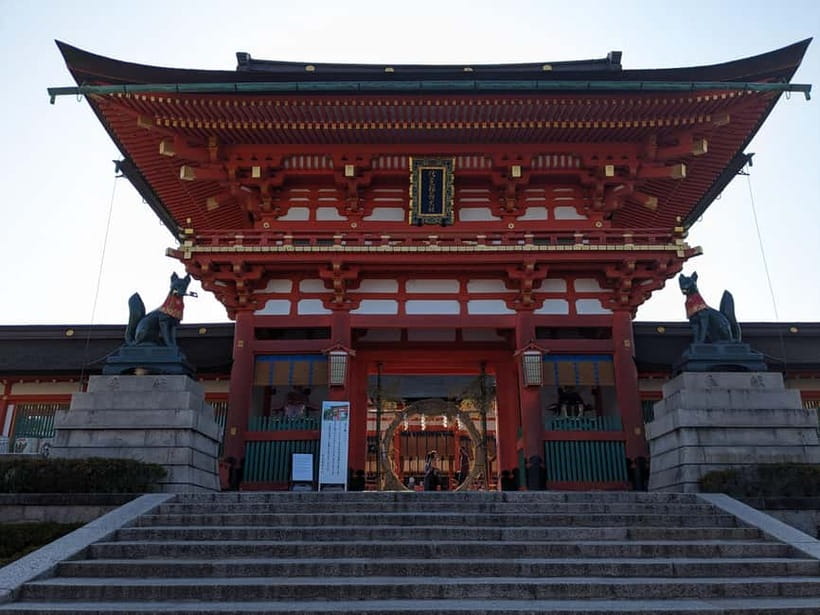
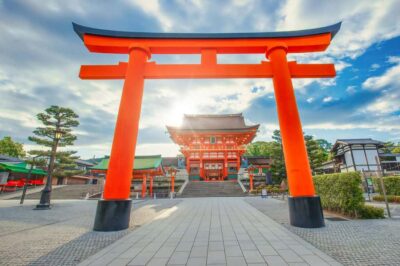
The visit begins at Fushimi Inari Taisha, the shrine associated with the god of rice and prosperity. That connection helps explain why this place has such a strong link with business, good fortune, and offerings.
Your guide gives you the basic cultural frame before you head into the torii path. That is useful because Fushimi Inari can otherwise feel like a beautiful walk with a mysterious purpose. With context, the gates become more than a striking photo backdrop. They reflect devotion, gratitude, and hopes for success.
The tour is not built around a long museum-style talk. It is a walking visit, so you should expect explanations while moving between the shrine’s main areas. That keeps the pace active and makes good use of the limited 90 minutes.
I especially like this arrangement for a first visit. You get an introduction to the shrine before entering the famous gate-lined route, rather than arriving at the most photographed spot without knowing what it represents.
Walking beneath the red torii gates
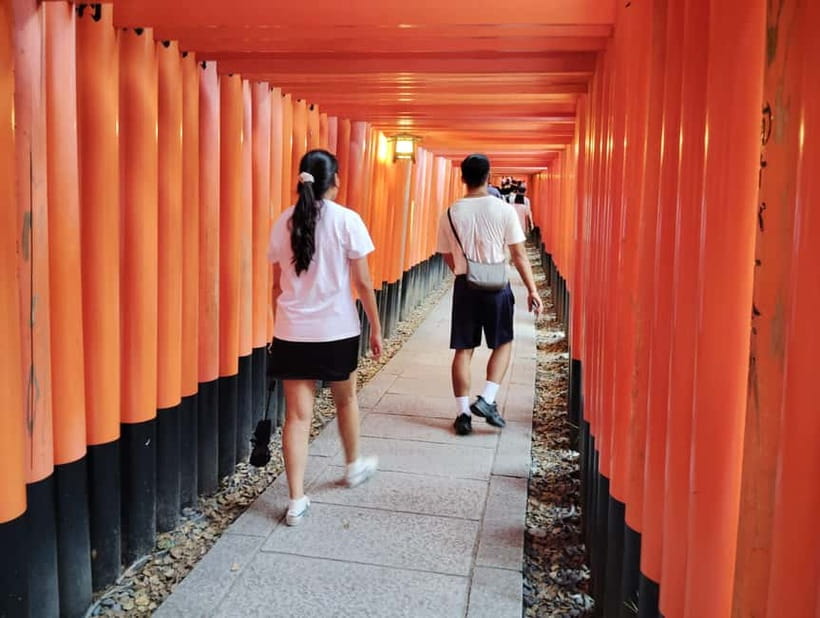
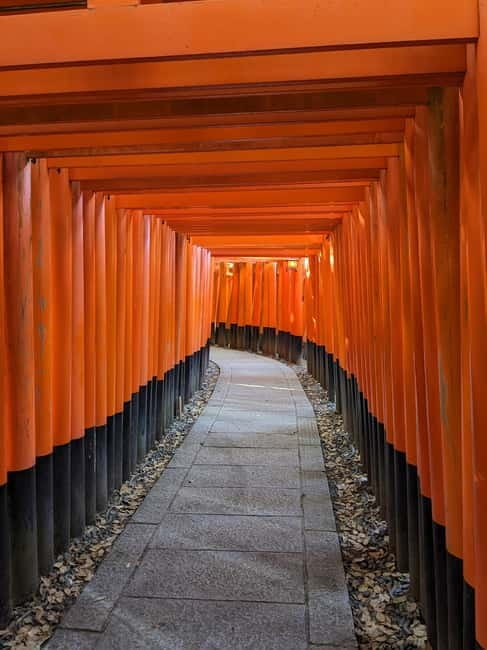
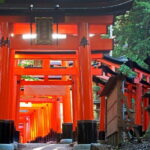
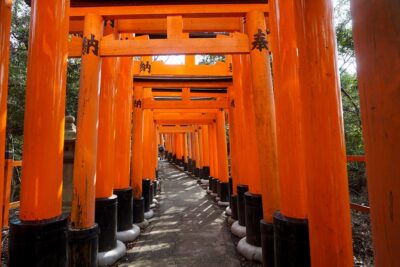
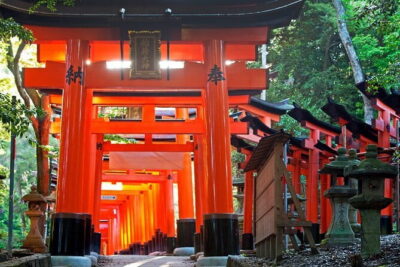
The torii gates are the main reason most people come to Fushimi Inari. They form a long, memorable passage through the shrine grounds, with the repeated red-orange frames creating a strong sense of movement as you walk.
The guide explains their historical and religious significance as you pass through them. This is where the tour’s value depends most on your guide. You can walk the route alone, but a local expert can point out how the gates relate to worship and offerings, giving the scene a stronger connection to everyday Japanese religious culture.
You should also set your expectations carefully. This is a 90-minute guided visit, not an extended hike through every part of the mountain paths. The supplied route focuses on the main shrine, the torii passage, and Okusha Back Shrine before returning to the station.
That short format is useful if you have only a narrow window in Kyoto. It is less suitable if your main goal is to spend several hours walking farther into the shrine complex. One verified booking described the guide as lovely but found the tour too short and felt that the route could have been completed independently. That is a fair warning: the gates are open to the public, and the tour’s extra cost pays mainly for interpretation, structure, and company.
Reaching Okusha Back Shrine
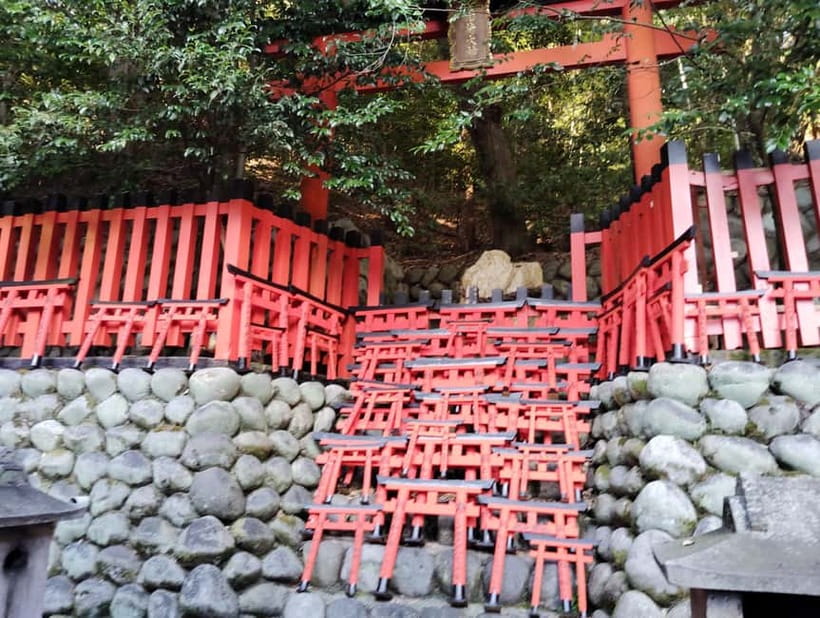
The walk continues to Okusha Back Shrine, also known as the shrine at the rear of the main approach. This stop gives the tour a change of mood. Instead of staying only with the grand first impression of Fushimi Inari, you reach a more intimate place within the shrine grounds.
The value here is not simply checking off another location. Okusha gives your guide a natural place to explain the spiritual side of the visit in more detail. You have moved through the famous torii, seen the shrine’s public face, and now pause at a setting that feels more personal.
The route also breaks up the visit. Fushimi Inari is visually repetitive by design, with gate after gate lining the path. A stop at Okusha helps you notice the shrine as a place of worship rather than only as a scenic corridor.
Keep the timing in mind. The tour does not promise an extended stay at Okusha or a full exploration of every nearby path. You should see it as an important stop within a compact introduction to Fushimi Inari.
Trying the Omokaruishi fortune ritual
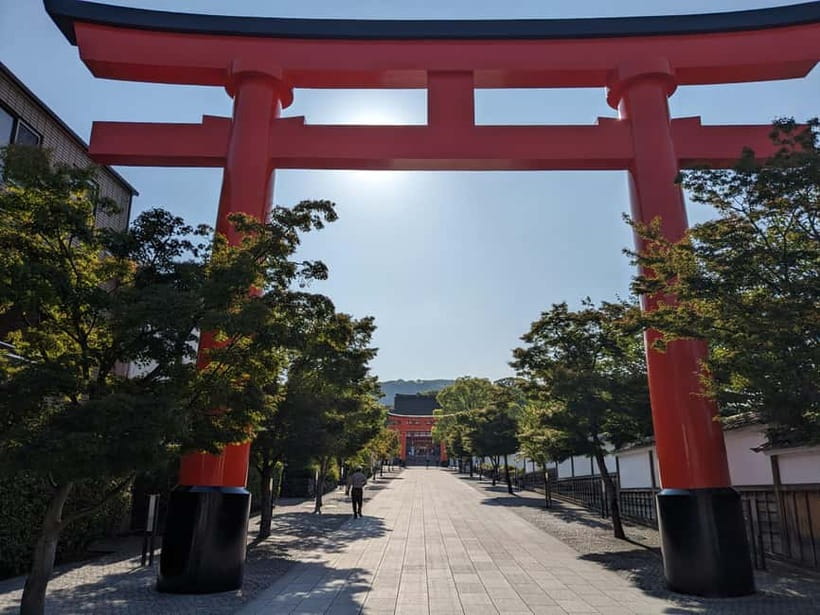
The Omokaruishi stones provide the tour’s most hands-on moment. You have the chance to lift the stones and use the local tradition to test your fortune and inner strength.
This ritual adds something a guided visit often needs: participation. Instead of only listening to explanations and taking pictures, you do something connected with the place. It is also a memorable detail to carry with you after the tour, particularly if you are visiting Fushimi Inari with family or friends.
The experience is presented as a test of fortune, not a scientific measure of strength. If the stone feels lighter than expected, the tradition suggests your wish may come true. If it feels heavier, you may need more effort or patience. The supplied tour details describe the custom but do not promise a particular result, so treat it as a cultural ritual and a bit of fun.
This stop also shows why a guide can be useful. Without an explanation, the stones might look like ordinary objects near a shrine. With context, they become part of the visit’s spiritual and social story.
Other guided tours in Kyoto



What the guide adds to the experience
The strongest reason to book this tour is the guide’s explanation of Japanese culture, not simply directions through the gates. A verified booking praised guide Yoshi for explaining both the shrine’s past and wider Japanese customs, and also noted that he was available to help and take photographs.
Yoshi may not be the guide assigned to every departure, so you should not book on the assumption that he will lead your group. Still, the comment points to the service this tour aims to provide: a local person who can answer questions, explain religious details in plain language, and help you get better photos during the walk.
The photo help is a small but practical benefit. Fushimi Inari is highly photogenic, yet the repeated gates can make it tricky to frame a picture without losing the sense of place. A guide who knows the route can help you pause at useful moments without turning the whole visit into a photo session.
The guide also keeps the experience focused. You do not need to read up on every shrine term before arriving. The tradeoff is that the quality of your visit will depend on the guide assigned and the time available. At $32 per person, you are paying for personal explanation and a structured route rather than admission to a site that can be visited independently.
Is $32 a fair price?
At $32 per person, this is a moderate add-on for a major Kyoto sight. Fushimi Inari itself is not presented as an admission-based attraction in the tour details, so the price is best judged as a fee for the guide.
I think the price can make sense in three situations. First, you are visiting Kyoto for the first time and want a clear introduction without spending hours preparing. Second, you care about the religious meaning behind the torii, shrine buildings, and Omokaruishi ritual. Third, you prefer a small or private tour where you can ask questions and receive help with photos.
The value is weaker if you already know Japanese shrine customs or feel comfortable reading about Fushimi Inari before arriving. The short length is the main limitation. One person found that the tour ended before they wanted it to, even after allowing time for a family bathroom break.
If you want a quick, guided orientation, 90 minutes is efficient. If you want a longer walk beyond the core sights, plan additional independent time at Fushimi Inari before or after the tour, if your schedule allows. The tour itself returns to Inari Station, so you finish in a useful place for continuing your day.
Who should book this Fushimi Inari tour?
I would recommend it to first-time visitors who want cultural context without committing to a half-day experience. The route covers the essential parts: the main shrine, the red torii gates, Okusha Back Shrine, and the Omokaruishi stones.
It also suits couples, families, and small groups who would rather have a local guide than manage the visit alone. The photo assistance praised in one booking is useful for couples who want pictures together, and the stone ritual gives children or younger visitors something active to do.
You should think twice if you want a long mountain walk, plenty of unstructured time, or a very deep treatment of shrine architecture. The tour is compact by design. It gives you a readable introduction, not an all-day study of Fushimi Inari.
The flexible booking terms help if your Kyoto schedule is still shifting. You can reserve now and pay later, and cancellation is allowed up to 24 hours before the activity for a full refund. Starting times vary, so check availability for the date you want.
My verdict on the 90-minute visit
Book this tour if you want to understand what you are seeing at Fushimi Inari and value a local guide’s stories, explanations, and practical help. The best parts are the clear meeting point, the walk through the red torii, the quieter Okusha stop, and the chance to try the Omokaruishi ritual.
Skip it if you mainly want to walk the gates at your own pace or hope to explore far beyond the central route. At 90 minutes, the experience can feel brief, especially for anyone who needs a bathroom stop or wants extra time for photographs.
For most first-time visitors, I see it as a useful introduction rather than a complete Fushimi Inari day. The $32 price is reasonable when cultural explanation matters to you, but the tour works best when you accept its limits and treat the rest of the shrine as something you may explore on your own.
FAQ
Where does the tour meet?
Your guide waits outside, across from the main entrance to JR Inari Station, holding a bright yellow DeepExperience signboard.
How long does the tour last?
The guided tour lasts 90 minutes, or one and a half hours.
Where does the tour finish?
The tour returns to Inari Station.
Which places are included?
The route includes Fushimi Inari Taisha, the famous red torii gate path, and Okusha Back Shrine.
Can I try the Omokaruishi stones?
Yes. The tour includes the chance to lift the Omokaruishi stones as part of a local fortune-testing ritual.
What languages are available?
Live guides are available in English and Japanese.
Is this a private tour or a group tour?
Private and small-group options are available.
Can I cancel for a refund?
Yes. You can cancel up to 24 hours in advance for a full refund.
More Guided Tours in Kyoto
More Fushimi Inari Tours in Kyoto
More tours in Kyoto we've reviewed








Fushimi Inari Tours, compared.
 ★ 4.8Kyoto: Fushimi Inari, Kinkakuji, Bamboo Grove 1 Day Bus TourFrom $122510 minutes - 9 hours
 ★ 5.0Fushimi Inari Hidden Hiking Tour (Private Option Available)From $63
 ★ 4.7Kyoto/Osaka: Nara, Fushimi Inari Taisha, Arashiyama Bus TourFrom $529 - 10 hours
 ★ 4.4Osaka/Kyoto: Arashiyama, Nara & Fushimi Inari Shrine w/LunchFrom $61
 ★ 5.0Kyoto: Nijo, Kinkaku-ji, Arashiyama, Kiyomizu & Fushimi InariFrom $51
 ★ 5.0Kyoto Fushimi-Inari Night Walking TourFrom $43