
Reviewed · KIMONO EXPERIENCES
Kyoto: 1 Day:Traditional Japanese Kimono Rental Experience
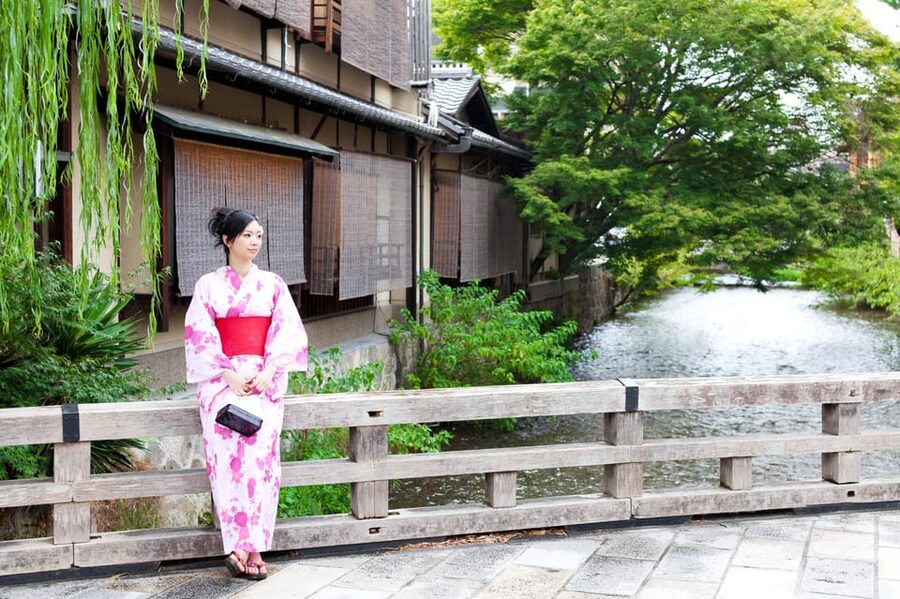
Kyoto’s kimono rental experience turns a simple sightseeing walk into something slower and more deliberate. You choose a traditional komon kimono, get dressed with help, have your hair styled, then step into Gion with a small bag, tabi socks, and sandals. I like the careful selection process and the chance to walk to places such as Kiyomizu Temple and Yasaka Shrine in clothing tied closely to Japanese custom.
I also like the price, about $35 per person, which covers the main outfit and standard hairstyling. The main caution is time: the shop is small, and getting fitted can take well over an hour when several people arrive together. You must return the clothing by 17:00, and arriving more than 20 minutes late can cancel your booking.
In This Review
- Key points to know before you book
- Choosing a kimono at MomoKa
- Dressing takes skill, not just a few quick layers
- Standard hairstyling completes the look
- Walking through Gion in traditional dress
- Why the outfit works for a tea ceremony
- The $35 price and what it really covers
- Timing rules are strict for a reason
- Comfort, sizing, and pregnancy restrictions
- What is included and what is not
- Who will enjoy this most
- Should you book this Kyoto kimono rental?
- FAQ
- How long does the kimono preparation take?
- What time must I return the kimono?
- What happens if I arrive late?
- What clothing and accessories are included?
- Is makeup included?
- Can I wear the kimono to a tea ceremony?
- Is luggage storage available?
- Can pregnant women rent a kimono?
- Can children wear a kimono?
Key points to know before you book
- Plan on about 45 minutes to get ready: Selection, dressing, and standard hairstyling are all part of the visit.
- The outfit includes the essentials: You receive a basic komon kimono, semi-wide belt, small bag, tabi socks, sandals, and standard hairstyling.
- Gion is your best use of the afternoon: Kiyomizu Temple and Yasaka Shrine are nearby landmarks, but this is a rental experience rather than a guided sightseeing tour.
- Return time matters: All clothing must be back by 17:00, with the shop closing at 18:00.
- The shop may feel crowded: It is a small operation, and later arrivals may find fewer of the more appealing patterns.
- Pregnancy and fit restrictions apply: Kimono wearing is prohibited during pregnancy, and adult choices may be limited above a 130-centimeter hip size.
Choosing a kimono at MomoKa
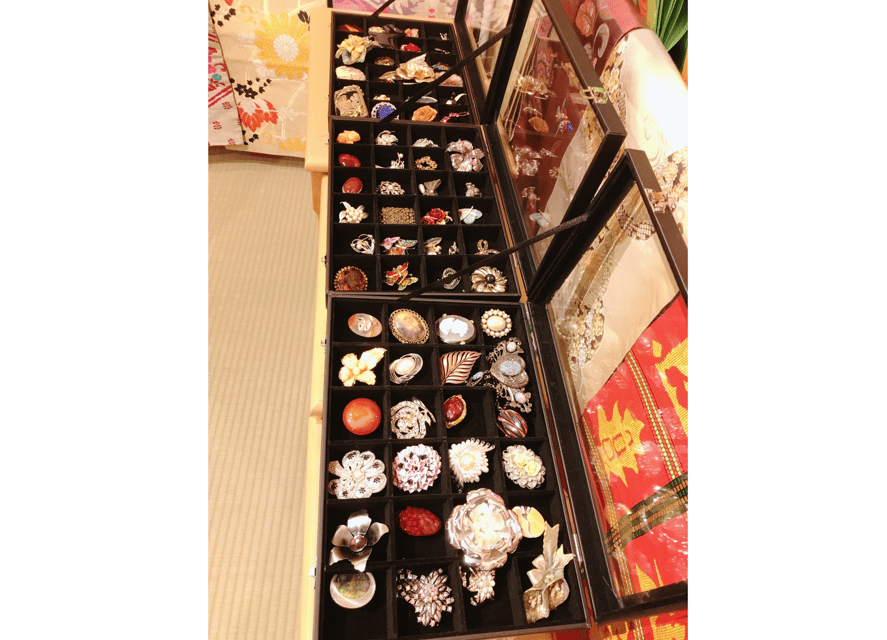
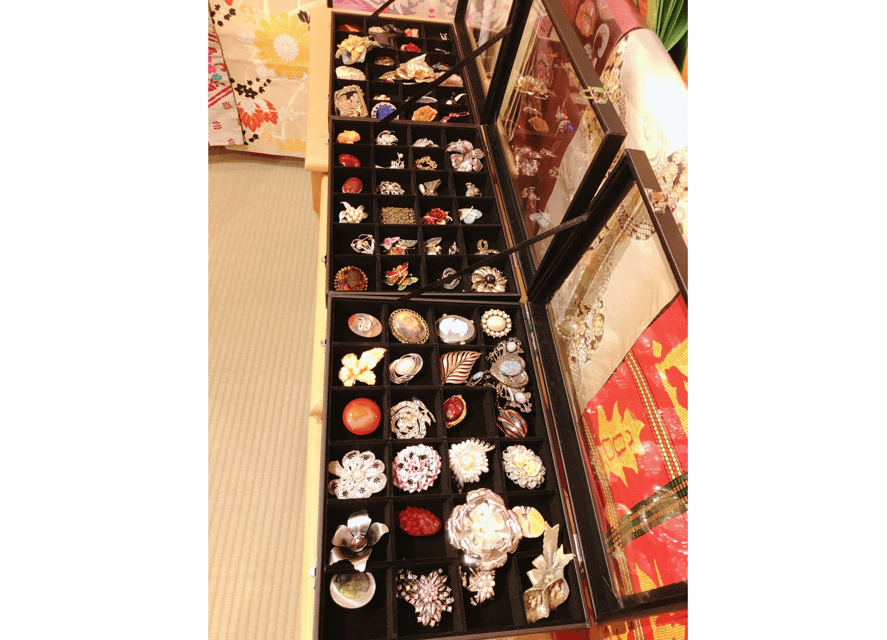
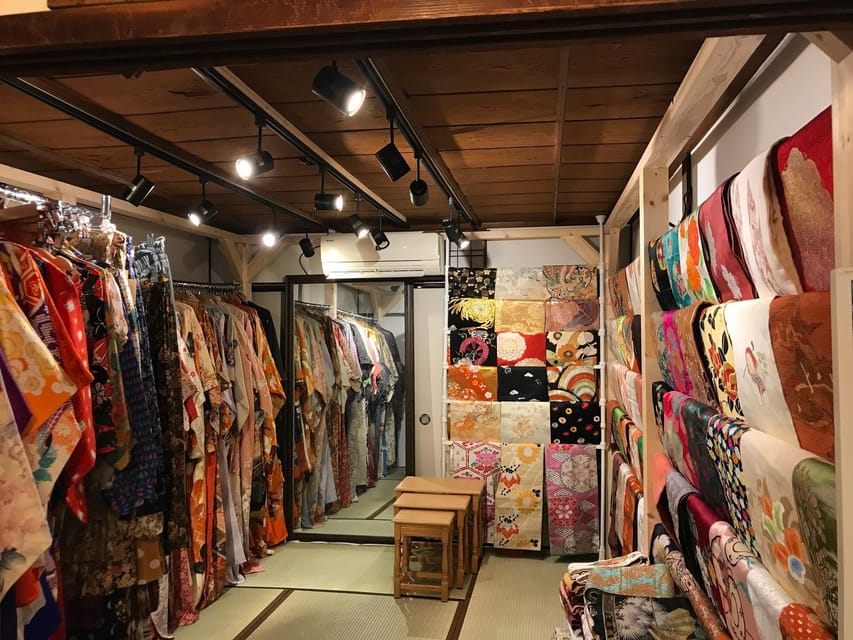
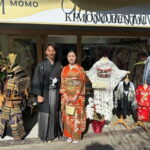
Your visit begins at MomoKa Kimono Rental with reception and kimono selection. The basic plan uses a komon kimono, a casual patterned style suited to walking around Kyoto rather than a formal ceremony. You also receive a semi-wide belt, known as an obi, plus the smaller pieces that make the outfit feel complete.
The selection is an important part of the experience. You are not simply handed a costume in one color. You choose from available patterns, then staff help match the kimono with its belt and accessories. This is where a little patience pays off. Take a moment to look before settling, especially if you have a color or pattern in mind.
The shop has received especially strong praise for its large choice of designs and kind, patient help during selection. That matters because the best outfit is not always the first one you see. If you arrive late in the day, the most sought-after choices may already be in use, so an early reservation gives you a better chance at a pattern you like.
The experience includes a small bag, tabi socks, and sandals. These details matter for the look, but they also affect your comfort. Traditional kimono footwear can be difficult to walk in, so you should plan a shorter, measured walking route rather than a full day of rapid sightseeing.
A few more Kyoto tours and experiences worth a look
Dressing takes skill, not just a few quick layers
After choosing your outfit, staff dress you in the kimono. This is not a loose robe you wrap around yourself and tie in a minute. The clothing needs to sit correctly, and the belt helps hold the outfit in place. The process gives you a useful glimpse of how much care goes into traditional dress.
The stated time from choosing your kimono through hair styling is about 45 minutes. That is a reasonable estimate for a smooth visit, but you should leave extra room in your schedule. When several people arrive at the same time, the small shop may take more than an hour to fit everyone.
The staff are accustomed to helping with the process, and the owner speaks English, which can make choices and instructions easier for international visitors. Still, this is not a rushed pickup counter. If you have a temple ticket, restaurant booking, or train to catch, do not schedule it too tightly after your appointment.
Your luggage can be stored at the shop while you walk. That is useful because a kimono, belt, small bag, and sandals leave little room for a large daypack. Keep passports, cash, phones, and other valuables with you. The shop does not accept responsibility for lost, stolen, damaged, or leaking personal property.
Standard hairstyling completes the look
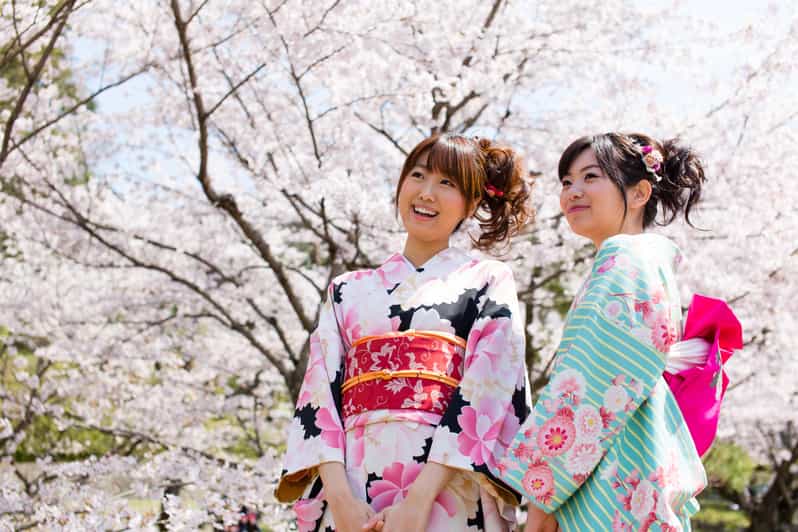
Standard hairstyling is included in the basic plan. It helps the outfit look like a coordinated traditional ensemble rather than everyday clothing with a rented robe added on top.
Makeup is not included, and upgraded hairstyles cost extra. Photography services are also separate. If you want polished portraits, arrange your own photography plans or ask the staff on site about available options. Do not assume that a photographer or makeup artist is part of the $35 price.
The styling is practical for a walk through Gion. You may want to arrive with your hair reasonably ready, since the included service is standard rather than a full salon appointment. The main value is the complete appearance and the chance to feel properly dressed for the afternoon.
Walking through Gion in traditional dress
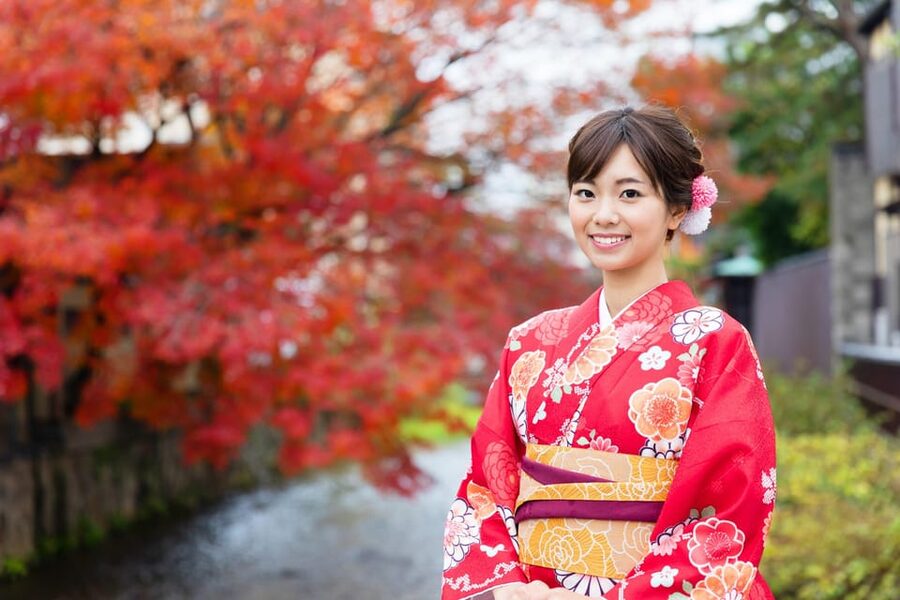
Once dressed, you are free to walk around Gion. This is the heart of the experience. A kimono changes your pace because the sandals are not built for long, fast walks, and the clothing encourages you to pay closer attention to the streets, wooden buildings, shrines, and small lanes around you.
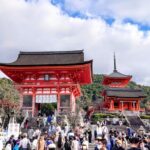
Gion works well because it is close to the rental shop and offers several places to visit without requiring a complicated transport plan. Yasaka Shrine is one nearby option. Kiyomizu Temple is another popular destination in the area. You can also use the time simply to enjoy the district and take photographs.
The rental does not include a guide, entrance tickets, or a structured walking tour. You are responsible for planning your route and paying any admission fees. That makes the experience flexible, but you should check walking distances before setting out. The outfit and shoes are better suited to a compact loop than an ambitious tour across Kyoto.
I would use the afternoon for one or two main sights, with time to pause. Kiyomizu Temple can be paired with a walk through the surrounding streets, while Yasaka Shrine gives you a convenient destination closer to Gion. You can also treat the kimono as the main event and keep the sightseeing light.
Why the outfit works for a tea ceremony
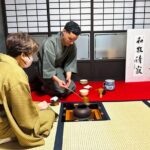
A kimono is a natural choice if you plan to attend a tea ceremony during your Kyoto visit. The basic komon style is less formal than some ceremonial kimono, but it gives you the traditional appearance that makes the occasion feel special.
The tea ceremony itself is not included. You need to book that separately and confirm its dress requirements. The rental supplies the clothing and styling only, so allow enough time to return the outfit by 17:00 unless the separate ceremony fits comfortably within the rental period.
Wearing the kimono before a tea ceremony can also help you understand the clothing’s practical side. You will notice how the belt affects movement, how the sandals feel, and why small gestures become more careful. That hands-on sense is more useful than simply seeing a kimono behind glass.
A few more Kyoto tours and experiences worth a look



The $35 price and what it really covers
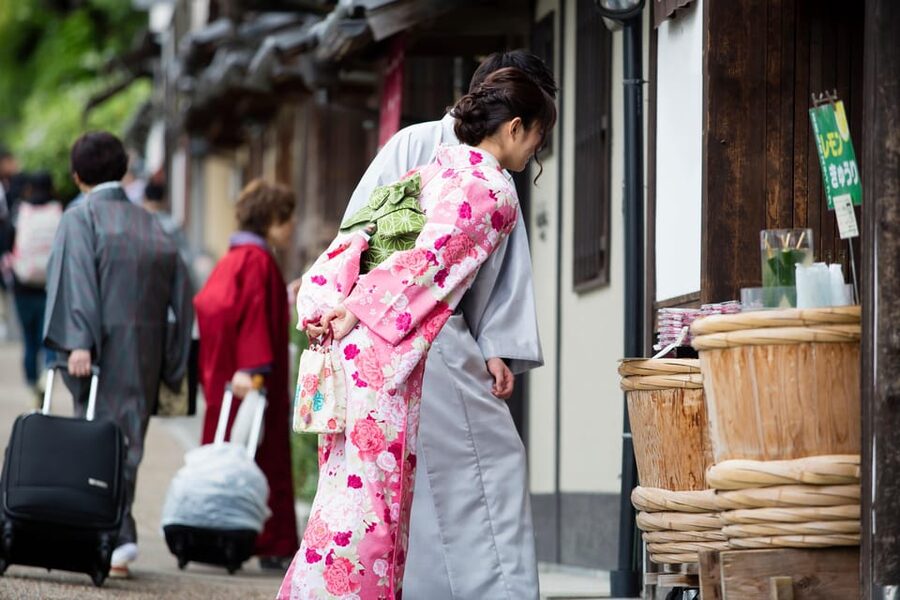
At about $35 per person, this is a good-value way to add a traditional activity to a Kyoto day. The price covers the main pieces of the outfit, footwear, accessories, and standard hairstyling. You are paying for several hours of use, not only a quick photograph inside the shop.
The value is strongest if you plan to spend the afternoon in Gion or near Kiyomizu Temple. You get an outfit, help putting it on, hair styling, and luggage storage, then can make your own sightseeing plan. That costs less than a private dressed photo session and gives you more freedom.
The price is less attractive if you want a formal kimono, elaborate hair, makeup, or professional pictures. Those are outside the basic plan. You should also budget for possible costs tied to late returns, damage, or added services.
An optional insurance service costs JPY 550. It is worth asking the staff exactly what it covers before buying it. Damage to the kimono or accessories can lead to a charge, so handle the small bag, sandals, and fabric with care.
Timing rules are strict for a reason
Your appointment time is not casual. If you arrive more than 20 minutes late, the reservation is invalidated. If you are more than 10 minutes late after the start time, staff may serve people who arrived on time first.
That policy matters because dressing several people takes coordination. Arrive early enough to find MomoKa Kimono Rental without rushing. A late start reduces your walking time and may leave you with fewer kimono choices.
All items must be returned by 17:00. The shop closes at 18:00, but that does not mean you can return the outfit anytime before closing. Late returns cost JPY 1,100 per person for each 30-minute period.
If you need to delay the return, contact the shop during business hours. If the outfit comes back the next day, the same clothing fee as the first day may apply, along with a JPY 10,000 deposit and a JPY 1,100 option charge. A furisode requires a JPY 50,000 deposit. If the outfit is not returned by the next day, the deposit is not refunded.
The simplest plan is to set a phone alarm well before 17:00. Do not leave Gion at the last possible minute.
Comfort, sizing, and pregnancy restrictions
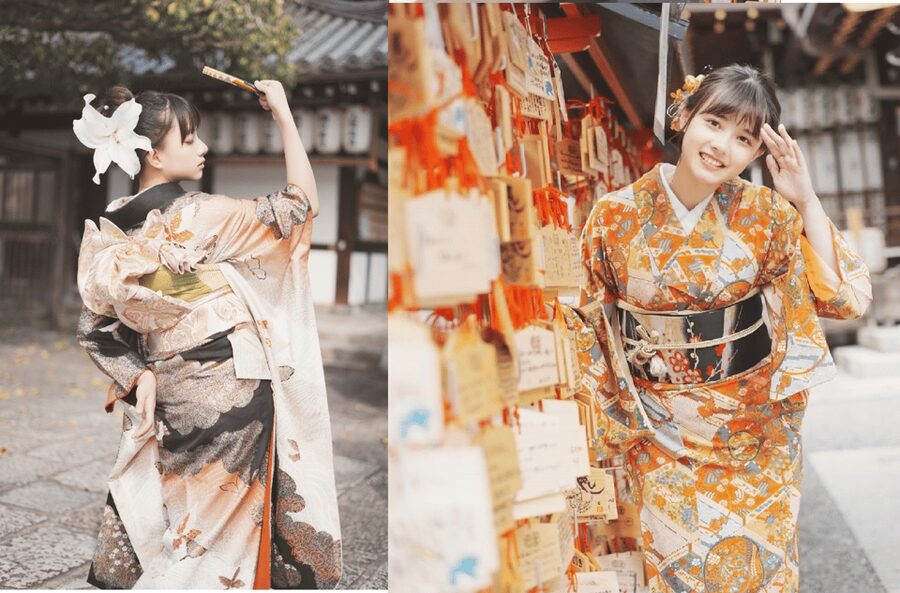
Traditional sandals can be hard to walk in. This is part of the cultural experience, but it is also the biggest comfort issue. If you have foot pain or dislike restrictive footwear, keep your route short and avoid planning a full day on foot.
Adult kimono choices may be limited if your hip size is above 130 centimeters. This does not necessarily mean no outfit is available, but it does mean you should be prepared for fewer options. Ask the shop about fit before booking if sizing is a concern.
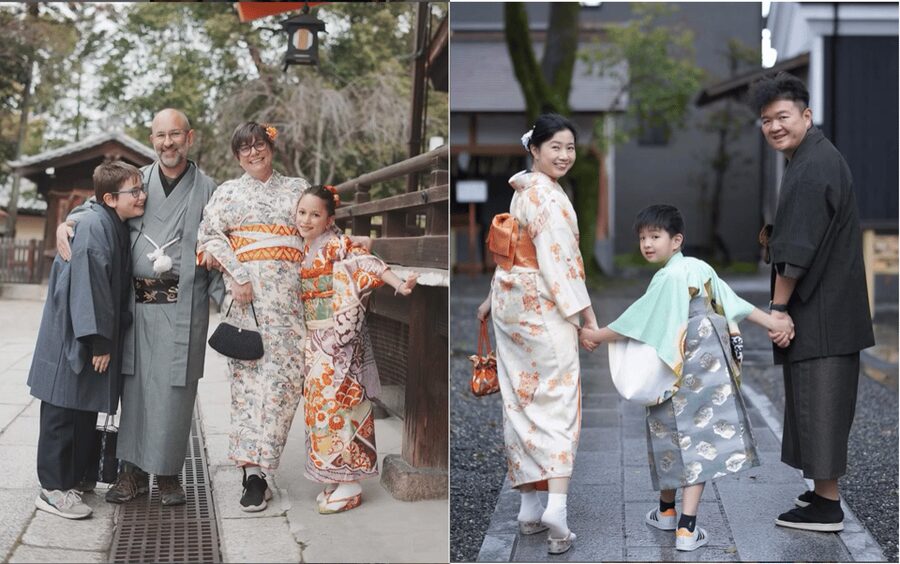
Children’s kimono are available for children taller than 70 centimeters and are intended for children aged 12 and under. The supplied information does not promise that every child’s size or style will be available at every appointment, so confirm details if your child’s outfit is central to your plans.
Kimono wearing is strictly prohibited during pregnancy. This is not an activity to book and simply explain later at the shop. The rental provider accepts no responsibility for health problems connected with concealing a pregnancy.
What is included and what is not
The basic plan includes:
- Basic komon kimono
- Semi-wide belt
- Small bag
- Tabi socks
- Sandals
- Standard hairstyling
- Luggage storage at the shop
The following are not included:
- Makeup
- Upgraded hairstyling
- Photography services
- A guide
- Tea ceremony admission
- Temple admission
That split is easy to understand, but it affects your budget. If you want the simplest traditional look and your own photos, the base price works well. If you picture a styled photo shoot with makeup and a formal outfit, you need to ask about upgrades before arriving.
Who will enjoy this most
I would recommend this experience to you if you want a cultural activity that also fits around independent sightseeing. It works particularly well for a couple, friends, or a family planning to spend time in Gion and nearby temple districts.
It is also a good match if you enjoy clothing, photography, and small cultural details. Choosing patterns, feeling the belt being tied, and learning to walk in the sandals give the day more substance than a quick costume rental.
You should think twice if you have a packed Kyoto schedule. The fitting can take more than an hour in a busy period, the footwear slows your pace, and the 17:00 return time is firm. It is also not suitable during pregnancy, and larger sizes may have fewer choices.
The experience has earned a 4.9 rating from 14 reviews, with repeated praise for the kimono selection, friendly assistance, and the pleasure of walking through Gion afterward. One less favorable account still found the staff kind and English helpful, but described the shop as very small and the fitting as slow when several people arrived together. That is a fair picture: warm and personal, but not built for a large crowd moving through quickly.
Should you book this Kyoto kimono rental?
Book it if you want to spend a relaxed afternoon in Gion wearing a traditional outfit, with dressing and hair styling handled for you. At about $35, it offers good value when you use the included kimono and accessories for a few hours of local sightseeing.
Skip it if you need a fast start, want professional photography included, or plan to walk across much of Kyoto. Arrive early, choose your kimono carefully, keep your route compact, and set a return alarm. With those simple precautions, MomoKa gives you an enjoyable way to see familiar Kyoto sights at a more thoughtful pace.
FAQ
How long does the kimono preparation take?
The process from selecting the kimono through dressing and hairstyling takes about 45 minutes. In busy periods, fitting may take longer, especially when several people arrive together.
What time must I return the kimono?
You must return the kimono and accessories by 17:00. The shop closes at 18:00, but the return deadline is one hour earlier.
What happens if I arrive late?
A reservation is invalidated if you arrive more than 20 minutes late. If you are more than 10 minutes late after your appointment begins, priority may go to customers who arrived on time.
What clothing and accessories are included?
The basic plan includes a komon kimono, semi-wide belt, small bag, tabi socks, sandals, and standard hairstyling.
Is makeup included?
No. Makeup is not included in the basic plan. Upgraded hairstyling and photography services are also separate.
Can I wear the kimono to a tea ceremony?
The kimono is suitable for participating in a tea ceremony, but the tea ceremony itself is not included. You need to arrange that separately.
Is luggage storage available?
Yes. Free luggage storage is available at the shop. You should keep valuables with you because the shop is not responsible for loss, theft, damage, or leakage.
Can pregnant women rent a kimono?
No. Wearing a kimono is strictly prohibited during pregnancy, and the activity is not recommended for pregnant women.
Can children wear a kimono?
Children’s kimonos are available for children over 70 centimeters in height and aged 12 or under. Adult kimono choices may be limited for hip sizes above 130 centimeters.
More 1-Day Tours in Kyoto
More Kimono Experiences in Kyoto
More tours in Kyoto we've reviewed








Kimono Experiences, compared.
 ★ 5.0Kimono Tea Ceremony at Kyoto Maikoya, NISHIKIFrom $65
 ★ 4.8Kyoto: Kimono Rental with Hairstyling and AccessoriesFrom $211 day
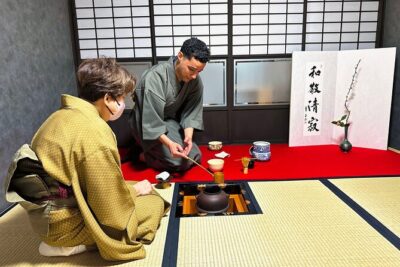 ★ 5.0KYOTO Tea Ceremony with kimono near by Imamiya Jinjya ShrineFrom $99
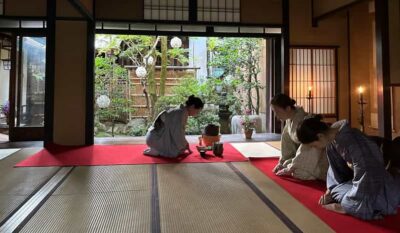 ★ 4.2Kimono & Tea Ceremony Experience in a Kyoto Cultural AssetFrom $126
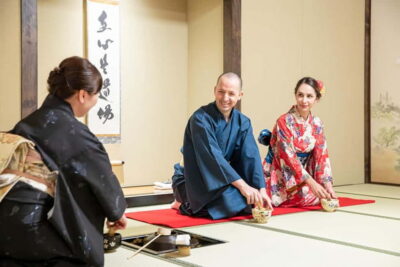 ★ 4.9Kyoto: Kimono Tea Ceremony with Matcha and SweetFrom $661h 30m
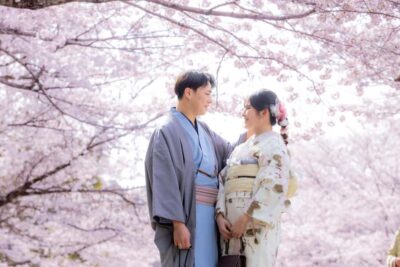 ★ 4.7Enjoy Kyoto Summer in Traditional Kimono / YukataFrom $29