
Reviewed · GION & GEISHA WALKS
Kyoto: Discover the Oldest Geisha District, Kamishichiken
Kamishichiken gives you a quieter, more intimate look at Kyoto’s geisha tradition than the city’s better-known districts. This private 90-minute walk begins at Kitano Tenmangu Shrine, then follows the old streets of Kyoto’s oldest hanamachi, or geisha district.
I like the clear sense of place here, especially the shrine’s role in creating Kamishichiken and the preserved townhouses with traditional latticework. I also like the private format and the chance to ask questions in English or Japanese. The main drawback is that this is a walking tour with no interior geisha-house visit promised, and the route is not suitable for wheelchair users.
In This Review
- Key points to know before you book
- Starting beneath Kitano Tenmangu’s first torii
- Why Kitano Tenmangu matters to Kamishichiken
- Walking through Kyoto’s oldest hanamachi
- What your guide adds to the walk
- The value of a $30 private tour
- A closer look at the 90-minute pace
- Practical points that affect your choice
- Who will enjoy Kamishichiken most
- Should you book this Kamishichiken walk?
- FAQ
- Where does the Kamishichiken tour meet?
- How long does the tour last?
- What languages are available?
- Is this a private tour?
- What does the tour include?
- Is dango tasting guaranteed?
- Is the tour suitable for wheelchair users?
- Can I cancel for a full refund?
Key points to know before you book
- Kitano Tenmangu sets the scene: Begin at the shrine’s first grand torii and learn why this sacred site helped shape Kamishichiken.
- Kamishichiken is Kyoto’s oldest hanamachi: Walk a 400-meter street lined with traditional townhouses and local history.
- A private group keeps the pace personal: You can ask questions and focus on the details that interest you most.
- Guide Akino has been especially helpful: If Akino leads your walk, expect an interactive guide who may continue offering help after the tour ends.
- A possible dango tasting depends on availability: It is a pleasant extra, but you should not book this tour expecting food to be guaranteed.
- The price is modest for a private experience: At $30 per person, the value is strongest for visitors who want context rather than a long list of photo stops.
Starting beneath Kitano Tenmangu’s first torii
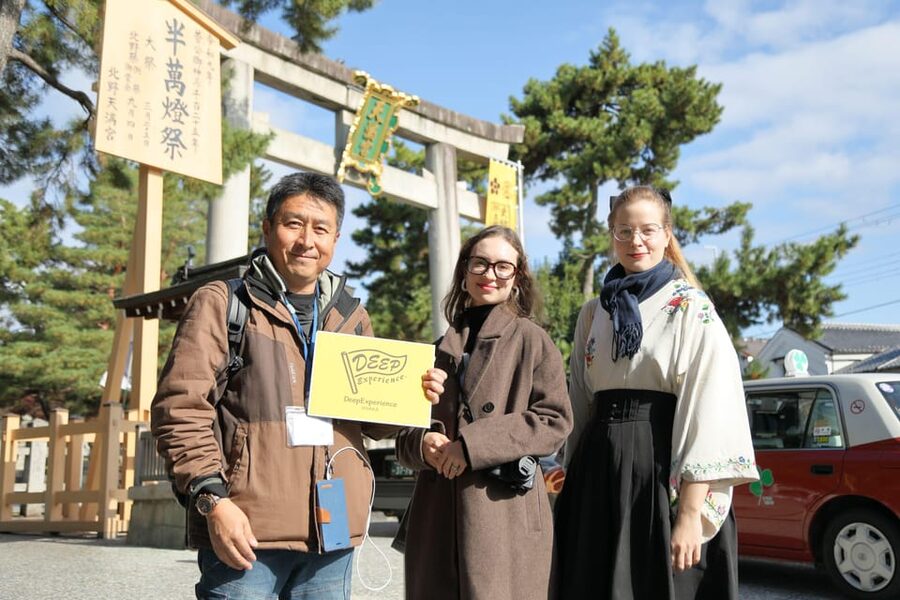
Your meeting point is easy to identify: the first grand torii gate of Kitano Tenmangu Shrine. Look for the guide holding a yellow DeepExperience sign. The tour is offered in English or Japanese, and the private-group setup means you are not folded into a large crowd.
That matters in Kamishichiken. This is a district best appreciated at a slow pace, with time to notice wooden facades, narrow details, and the way the old street still functions as part of Kyoto rather than as a museum display.
The 90-minute length is also well judged for a short Kyoto schedule. You get enough time to understand the connection between the shrine and the hanamachi, then walk through the district without committing half a day. If you want a long food tour, several interior visits, or an evening performance, this experience will feel too brief. If you want a focused introduction, it fits neatly into a morning or afternoon.
A few more Kyoto tours and experiences worth a look


Why Kitano Tenmangu matters to Kamishichiken
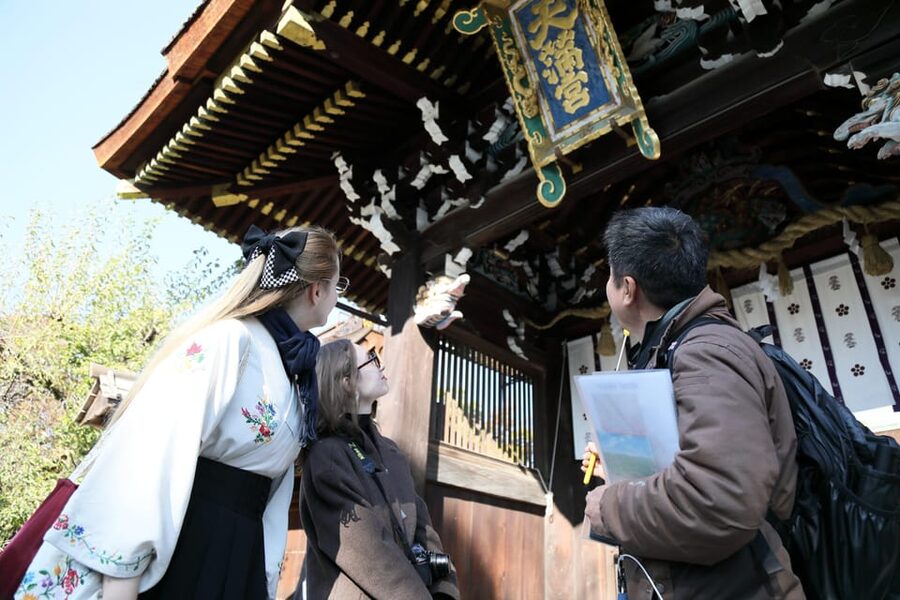
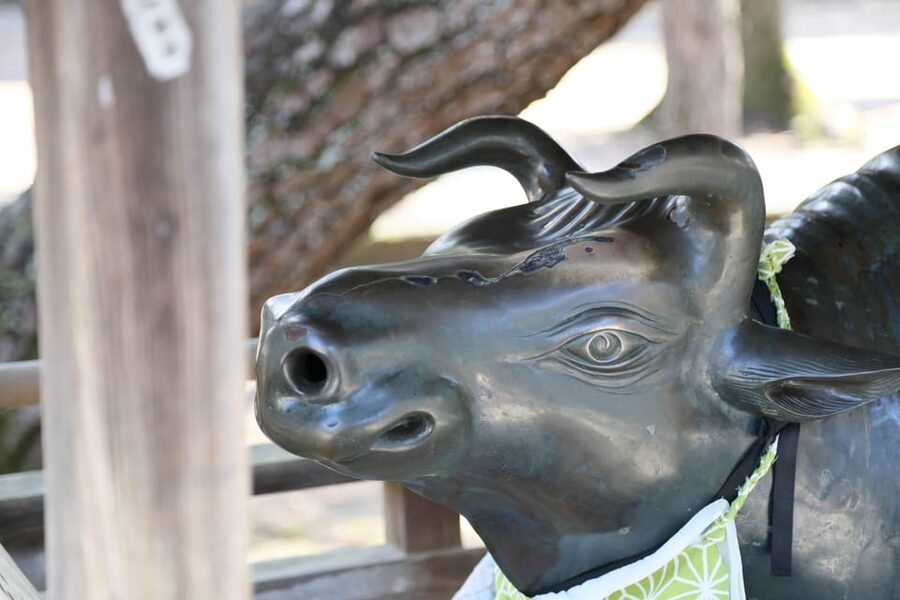
The first guided portion takes place at Kitano Tenmangu, described as the guardian shrine of the area. The shrine is not just a convenient meeting point. It helps explain why Kamishichiken developed where it did and gives the walking tour a useful starting point.
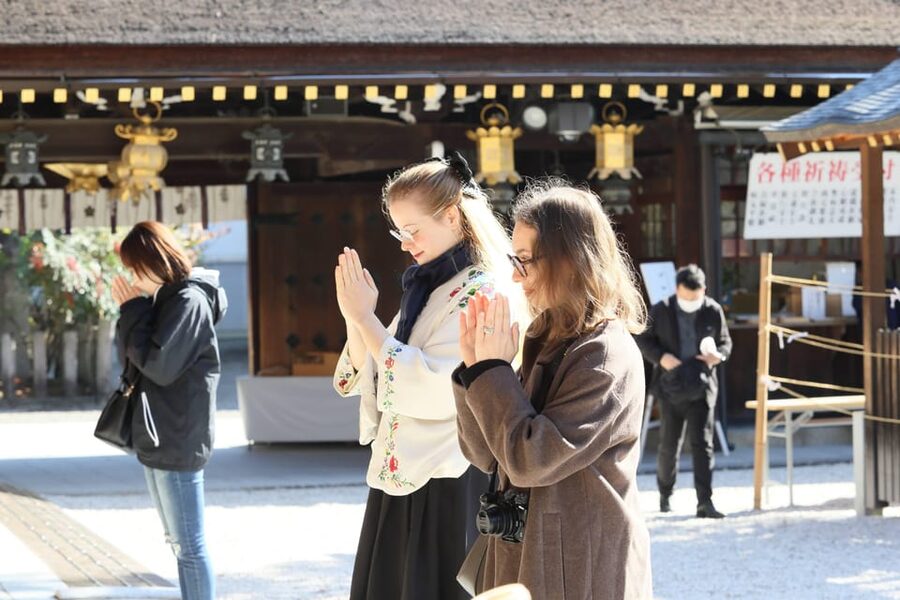
You will have about 30 minutes at the shrine. Your guide will point out important cultural assets and national treasures, including the main worship hall. The grounds also change with the seasons, so the visual character of this stop depends partly on when you visit.
I like this beginning because it gives you a reason to care about the district before you enter it. Without that context, Kamishichiken can look like a pleasant old street with attractive buildings. With the shrine connection explained, the townscape has a clearer story.
Take time to pay your respects and look beyond the most obvious shrine features. The tour is not simply a quick photo stop at the gate. The guide’s role is to connect the sacred site with the neighborhood that grew around it.
The shrine visit may be less satisfying if you already know Kitano Tenmangu well or have spent a lot of time visiting Kyoto’s religious sites. Still, the focus on Kamishichiken gives this stop a different purpose. You are seeing the shrine as part of a local district, not as an isolated attraction.
Walking through Kyoto’s oldest hanamachi
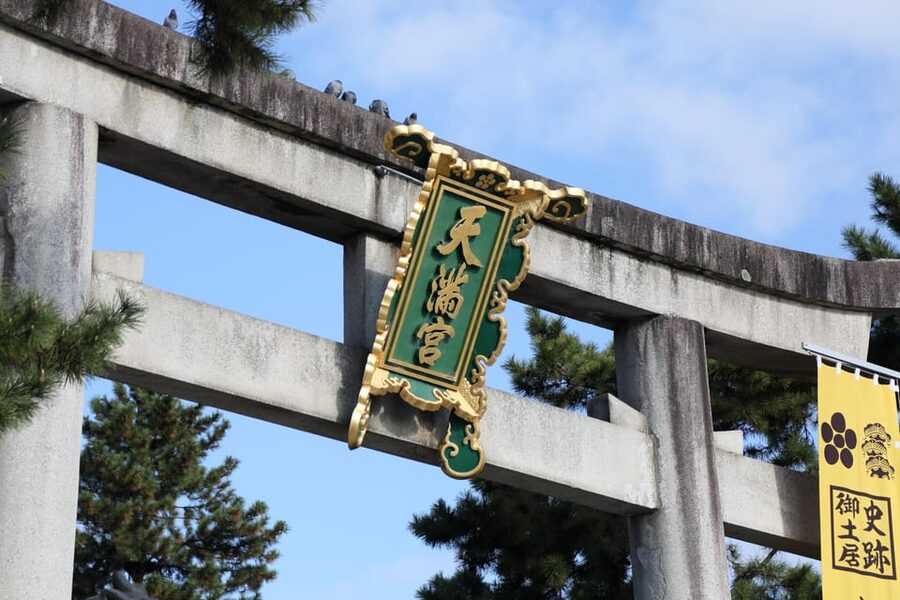
From the shrine, the tour moves into Kamishichiken, the oldest of Kyoto’s hanamachi districts. The word refers to an area associated with geiko and maiko, the local terms used for geisha and apprentice geisha in Kyoto.
This is not presented as a theatrical geisha show. Instead, you stroll through streets linked with local geiko and maiko and learn how the neighborhood retains its older identity. That distinction is important. You are not promised a performance, a meeting with a geiko, or entry into a private entertainment house.
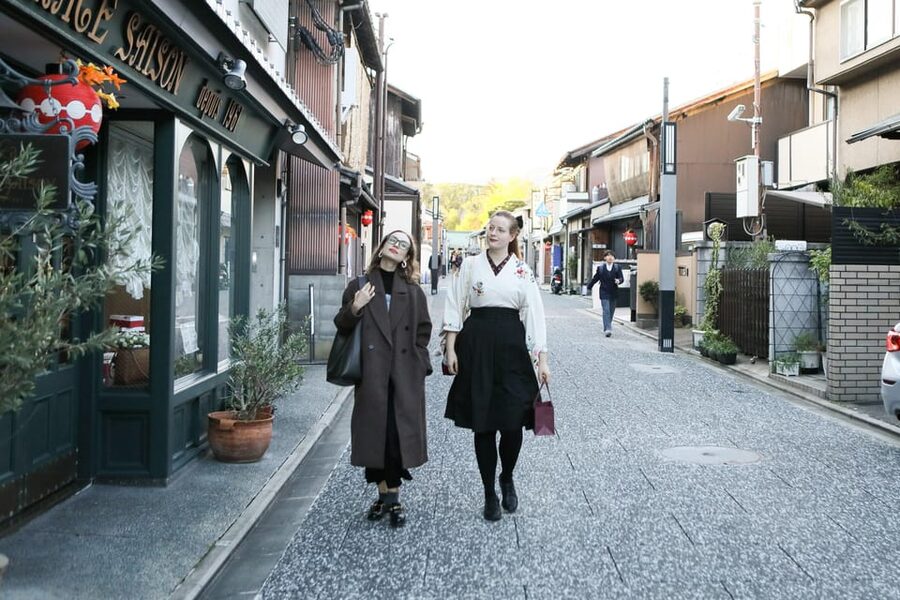
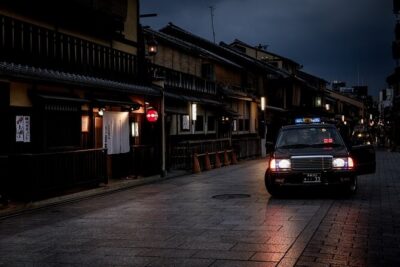
The central street stretches for about 400 meters and is lined with townhouses featuring traditional latticework. Your guide can draw your attention to the architectural details that are easy to miss when you walk alone. You might find that the most rewarding moments are small ones: a facade, a narrow passage, or the careful preservation of a street that still feels connected to its past.
I appreciate the calm tone of this walk. Kamishichiken is presented as a place to wander quietly, away from the crowds. That makes it a good choice if you have already seen Kyoto’s busiest sights and want something more restrained.
The tradeoff is that quiet streets can feel less dramatic than famous sightseeing areas. You may not get a grand viewpoint or a major indoor attraction. The payoff is a more measured look at a neighborhood whose character comes from its buildings, local associations, and history.
What your guide adds to the walk
A good guide is especially important here because Kamishichiken’s appeal is easy to overlook. The tour provides an expert guide rather than a self-guided map, so you can ask why the district developed, how the shrine fits into its story, and which streets are linked with geiko and maiko.
The available guide languages are English and Japanese. That makes the experience practical for international visitors who want more than a quick visual introduction. Since the group is private, you should have a better chance to ask follow-up questions than you would on a large scheduled walk.
Guide Akino is specifically noted as interactive and extremely helpful, including after the visit had ended. If Akino leads your tour, you can expect an engaged style rather than a one-way speech. The guide is not only there to lead you from point to point, but also to help you make sense of the neighborhood.
Guide assignments can vary, so Akino is not guaranteed. Still, the emphasis on personal guidance is one of the strongest reasons to choose this experience over simply walking through Kamishichiken on your own.
The value of a $30 private tour
At $30 per person, this is a reasonable price for a private 90-minute walking experience that includes a guide and the Kitano Tenmangu visit. You are paying mainly for interpretation and local context, not for admission to a major ticketed attraction.
That value depends on what you want from Kyoto. If you are comfortable researching Kamishichiken in advance, reading signs, and exploring without help, you can see the streets independently. The tour becomes worthwhile when you want the district explained as you walk, especially the connection between Kitano Tenmangu and the hanamachi.
The price is also easier to justify for a private group. You are not simply buying a place on a crowded route. You get a more personal format, with a guide who can adjust the conversation to your interests. For a couple, family, or small party, that can make the 90 minutes feel more useful.
There are limits. The price does not include a guaranteed dango tasting, and the food stop depends on the store’s availability. It also does not promise entry into geisha houses, a performance, or a meeting with geiko or maiko. Treat those as separate experiences rather than expected parts of this walk.


A closer look at the 90-minute pace
The visit to Kitano Tenmangu lasts about 30 minutes. The remaining guided walking time takes you through Kamishichiken and its associated streets. The supplied schedule lists a 30-minute guided portion after the shrine, with the rest of the time allowing for movement and the full neighborhood introduction.
That makes this a compact orientation, not an exhaustive study of the district. You should expect a focused route with the main historical points rather than every lane and building.
For the best experience, wear comfortable shoes and keep your attention on the buildings around you. The tour’s strength is observation. The 400-meter street is short enough to walk without tiring, but there is enough detail to reward a slower pace.
The experience also suits a first visit to Kyoto. You can learn the basic story of the area before deciding if you want to return independently. It works well for repeat visitors, too, because the district offers a change from the city’s most familiar temple and shopping routes.
Practical points that affect your choice
The tour begins at Kitano Tenmangu, not at a hotel or central train station. Plan your route to the first torii carefully and allow enough time to find the yellow DeepExperience sign. The exact starting time varies, so you need to check availability when selecting a date.
The tour is not suitable for wheelchair users. This is important to know before booking, since the experience involves a shrine visit and a street walk through a preserved historic area.
Cancellation is flexible: you can cancel up to 24 hours in advance for a full refund. You can also reserve now and pay later, which helps if your Kyoto plans are still shifting.
The dango tasting is subject to the shop’s availability. Think of it as a possible local touch, not a central feature. The tour’s real focus is the shrine, the townscape, and the guide’s explanation of Kamishichiken.
Who will enjoy Kamishichiken most
I would recommend this walk to you if you enjoy quiet historic neighborhoods, traditional architecture, and local stories that are easy to miss on your own. It is also a good fit if you want a private guide without paying for a much longer tour.
Families and small groups may appreciate the flexible conversation. First-time visitors can use it as an introduction to Kyoto’s geisha districts, while repeat visitors can see a less crowded side of the city.
You may want to skip it if your main goal is live entertainment or direct access to the geisha world. Nothing in the experience promises a performance or private house visit. It is a street-and-shrine tour, with history and observation at its center.
It is also not ideal for anyone who cannot manage a walking route. The wheelchair restriction is clear, and the tour does not offer an alternative format.
Should you book this Kamishichiken walk?
Book it if you want a short, private introduction to one of Kyoto’s oldest districts and prefer a calm walk to a packed sightseeing circuit. The combination of Kitano Tenmangu, preserved townhouses, and guide-led context gives you more substance than a simple stroll.
The strongest reasons to choose it are the $30 price, the private format, and the chance to ask questions in English or Japanese. Guide Akino’s interactive and helpful approach is another encouraging sign if you are matched with her.
Skip it if you want a performance, guaranteed dango, or access inside traditional entertainment houses. For everyone else, this is a sensible way to spend 90 minutes in Kyoto, especially when you want to see how a historic district still holds together as a real neighborhood.
FAQ
Where does the Kamishichiken tour meet?
Meet your guide in front of the first grand torii gate of Kitano Tenmangu Shrine. The guide will hold a yellow sign with the DeepExperience logo.
How long does the tour last?
The tour lasts 90 minutes.
What languages are available?
The tour is available with a live guide in English or Japanese.
Is this a private tour?
Yes. It is offered as a private-group experience.
What does the tour include?
It includes an expert guide and a visit to Kitano Tenmangu Shrine.
Is dango tasting guaranteed?
No. The dango tasting depends on the store’s availability.
Is the tour suitable for wheelchair users?
No. The experience is not suitable for wheelchair users.
Can I cancel for a full refund?
Yes. You can cancel up to 24 hours in advance for a full refund. You can also reserve now and pay later.
More Gion & Geisha Walks in Kyoto


More tours in Kyoto we've reviewed








Gion & Geisha Walks, compared.
 ★ 4.7Kyoto Geisha Walking Tour: Gion District & Hidden GemsFrom $252 hours
 ★ 4.7Kyoto: Gion Geisha District Walking Tour – Stories of GeishaFrom $202 hours
 ★ 4.9Best of Kyoto: Gion, Geisha, Pagodas & CobblestonesFrom $242 hours
 ★ 4.5Night Walk in Gion: Kyoto’s Geisha DistrictFrom $211h 40m
 ★ 5.0Kyoto Night Foodie Tour in Gion (9+ dishes + 6 Sake tastings)From $163
 ★ 5.0Kyoto Gion Geisha District Walking Tour – The Stories of GeishaFrom $25