
Reviewed · TOURS
Kyoto: Fully customizable your own tour in the old capital
Kyoto rewards a custom plan. You can spend the day at famous sights such as Kinkakuji, Fushimi Inari, or Kiyomizudera, or steer toward quieter temples, local shops, markets, and food. Guide Nori builds the route with you instead of handing you a fixed sightseeing script.
I like the personal approach and Nori’s international background, including about 20 years living in the United States, the United Kingdom, and India. I also like that lunch is part of the conversation, so you can aim for ramen, udon, soba, tofu, tonkatsu, or a more formal Japanese meal. The main drawback is cost control: at $365 for up to six people, transportation, entrance fees, and the guide’s lunch are extra.
In This Review
- Key points to know before booking
- A Kyoto day that changes with your priorities
- Meeting at Shijo Station or Kyoto Station
- What the public transport sections mean
- Choosing between major sights and quieter stops
- Nishiki Market, Gion, and the pleasure of a food stop
- Walking sections and the need for good shoes
- What Nori adds beyond directions
- The real cost of an eight-hour private tour
- Weather flexibility and cancellation terms
- Who should book this Kyoto tour?
- Should you book it?
- FAQ
- Where does the tour begin?
- Where does the tour end?
- How long does the experience last?
- Is this a private tour?
- What languages does the guide speak?
- Are entrance fees included?
- Are transportation and lunch included?
- Can I cancel for a refund?
Key points to know before booking
- Your route is built around your interests: Choose famous temples, local markets, traditional shops, food stops, or a mix.
- Nori guides in English and Japanese: His time abroad helps him explain Japan to people from outside the country.
- Hotel pickup and drop-off are included: Pickup can be arranged at your hotel or another agreed location.
- Expect a full day on public transport and on foot: The sample plan includes three 30-minute public transport sections and two 20-minute walks.
- The $365 price covers up to six people: You still pay transportation, admissions, and lunch costs for the guide.
- Small cash is useful: Some smaller shops do not accept credit cards, and temple admission is often around 500 yen.
A Kyoto day that changes with your priorities
The best feature here is not a particular temple. It is the freedom to decide what kind of Kyoto day you want.
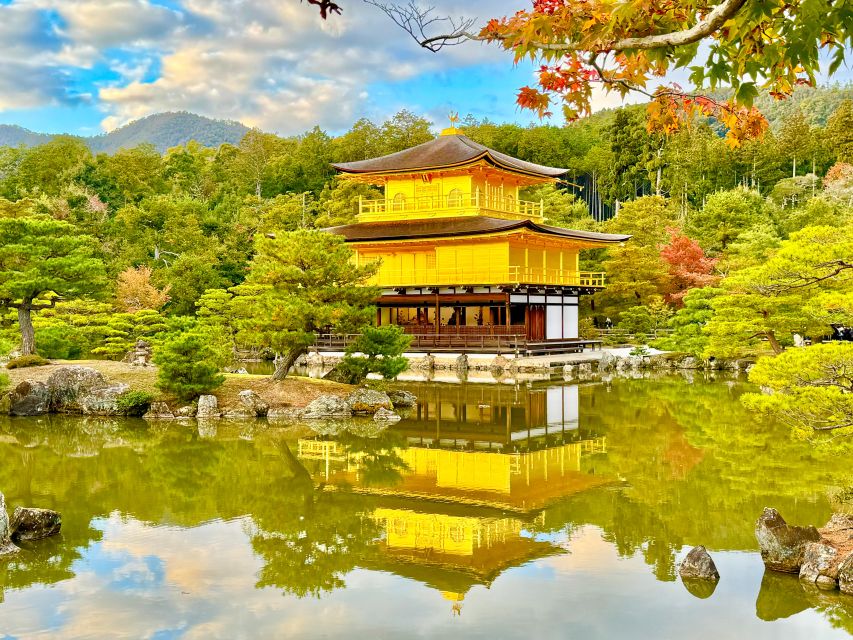
If this is your first time in the city, you can put the major sights at the center of the route. Kinkakuji, better known as the Golden Pavilion, gives you the polished Kyoto image many people hope to see. Fushimi Inari is famous for its long corridors of red torii gates. Kiyomizudera brings a major hillside temple into the plan, while Gion offers traditional streets and an old-city atmosphere.
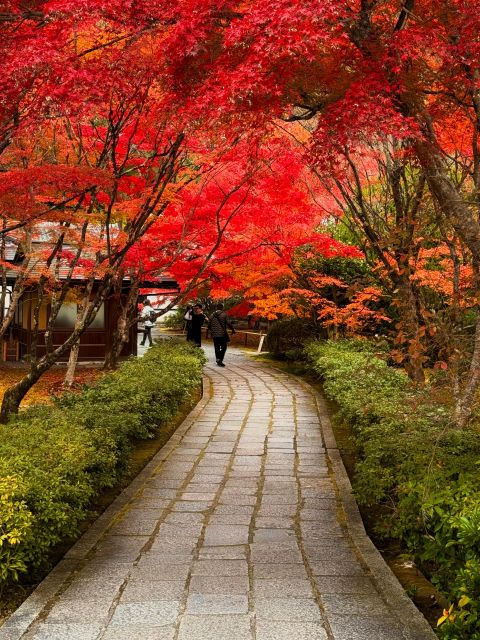
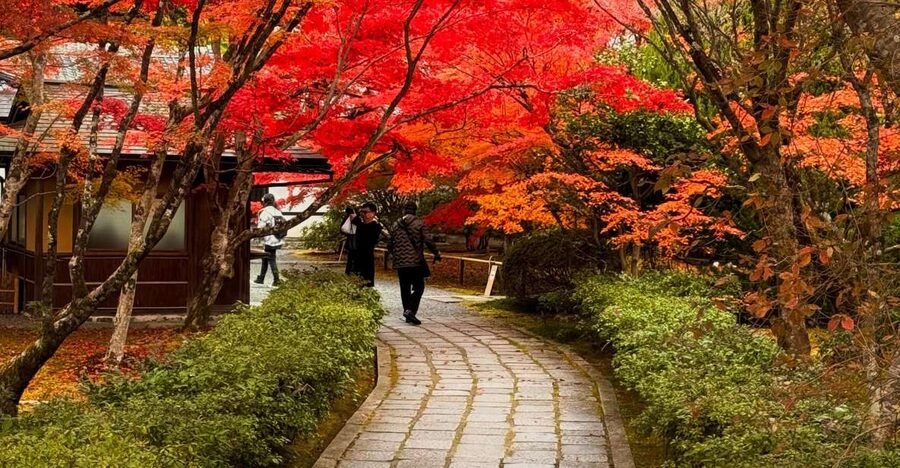
You can also use the day to avoid making Kyoto a checklist. Daitokuji, Ryoanji, smaller temples, local markets, food shops, and traditional Japanese goods can take priority. The right plan depends on what you already intend to see, how much walking you enjoy, and how strongly you want food or shopping included.
I especially like this setup for people who have already seen the major sights or who dislike group tours with a fixed pace. You can tell Nori that you want gardens, architecture, local food, photography, traditional crafts, or a calmer route. The information does not promise that every requested place can fit into eight hours, so realistic planning matters.
If you're still narrowing it down, here are other tours in Kyoto we've reviewed.

Meeting at Shijo Station or Kyoto Station
The day begins with pickup at your hotel or another location agreed with the guide. The listed meeting choices are Shijo Station and Kyoto Station, both useful starting points for a Kyoto day.
Kyoto Station is practical if you have just arrived by train or are staying nearby. Shijo Station puts you closer to the central shopping and dining area. Hotel pickup is more convenient, but you should confirm the exact meeting point before the day begins, especially if your hotel is not near central Kyoto.
The pickup and return service is a real convenience. You do not have to work out the final train connection after eight hours of sightseeing, and you can finish at Kyoto Station, Shijo Station, your hotel, or another agreed place. Keep in mind that this is a public transport tour, not a private car tour. You will still use trains, buses, or other local services during the day.
What the public transport sections mean
The sample schedule includes three public transport sections of about 30 minutes each. These sections are not wasted time. They are how a custom Kyoto route links districts that are spread across the city.
A 30-minute trip can help you move from a central neighborhood to an eastern temple area, from a shrine district toward a market, or from a northern temple to another part of the city. Nori can help you make sense of the system and keep the day moving, which is useful if you are not comfortable reading Japanese station signs.
The tradeoff is pace. Kyoto’s famous places are not grouped into one compact sightseeing zone. A day that includes Kinkakuji, Fushimi Inari, Arashiyama, and Kiyomizudera will involve considerable transit and may feel rushed. A smarter plan may focus on one or two connected areas, then add a market, meal, or shop nearby.
I would tell Nori your must-see place first, then your second priority, then the things you would enjoy if time allows. That simple ranking gives the route a better chance of feeling relaxed.
Choosing between major sights and quieter stops
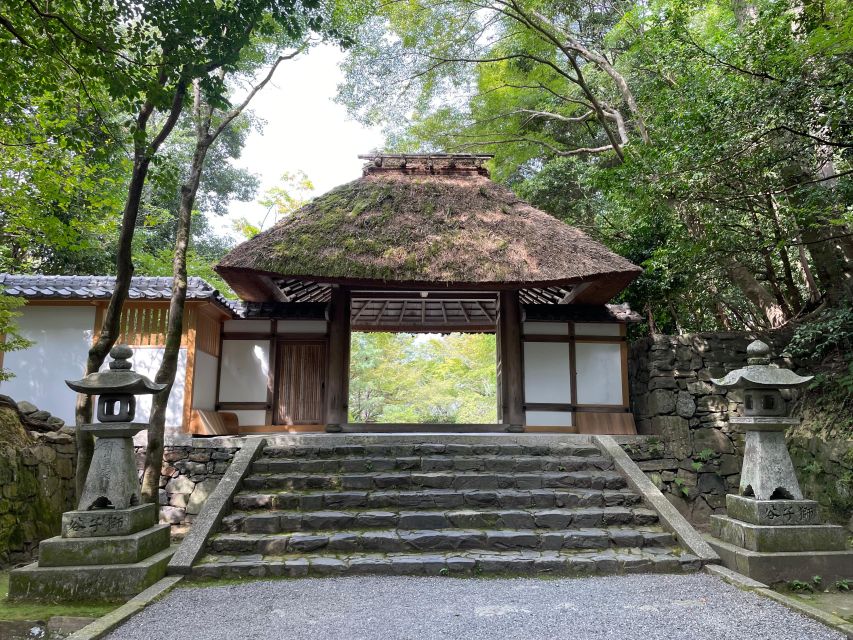
The famous places are famous for good reason, but each brings a different kind of experience.
Kinkakuji is a strong choice if you want a clear introduction to Kyoto’s temple style and a memorable view of the gold-covered pavilion beside its pond. It is a focused stop, so it can work well as part of a wider day.
Fushimi Inari is ideal if you want a shrine experience with a strong visual identity. The torii gates stretch up the hillside, and the full walk can be demanding. You do not have to treat it as an all-or-nothing hike, but comfortable shoes are important.
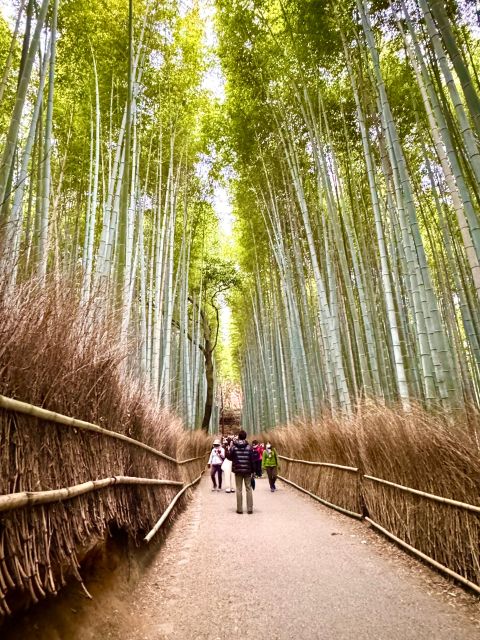
Arashiyama can fill a large part of the day because it combines temples, natural scenery, and a well-known sightseeing area. If you choose it, ask Nori how much time remains for other districts. Adding several far-apart sights may leave little room for lunch or shopping.
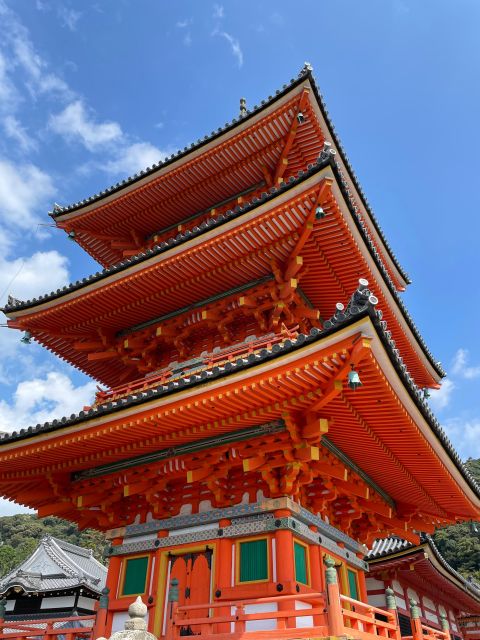
Kiyomizudera gives you a major temple with views and access to the historic streets around eastern Kyoto. It pairs naturally with Gion, though the area can require plenty of walking.
Ryoanji is a good choice if you want a quieter temple setting and a famous dry garden. Daitokuji offers another northern Kyoto temple option. Nijo Castle shifts the focus from religious buildings to political and architectural history.
A custom tour also lets you skip a famous site without apology. If you have seen enough large temples, ask for Nishiki Market, small shops, local food, or traditional Japanese items instead.
Nishiki Market, Gion, and the pleasure of a food stop
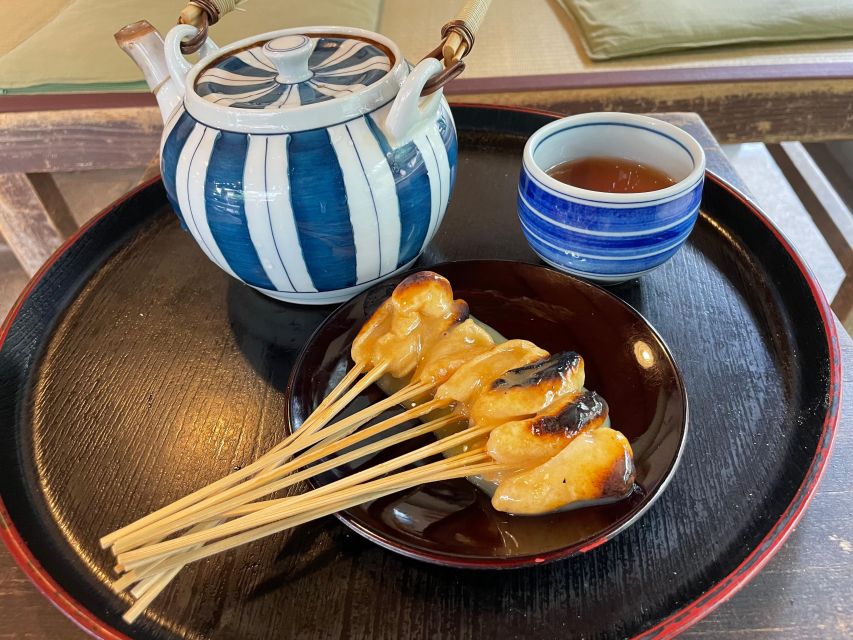
Food is not an afterthought here. Nori asks about your preferences and can include lunch at a place you choose.
Your options may include ramen, udon, soba, tonkatsu, yudofu, or traditional kaiseki. These cover very different budgets and dining styles, so be clear about what you want. If you need a quick and simple meal, say so. If you want the meal to be a central part of the day, say that too.
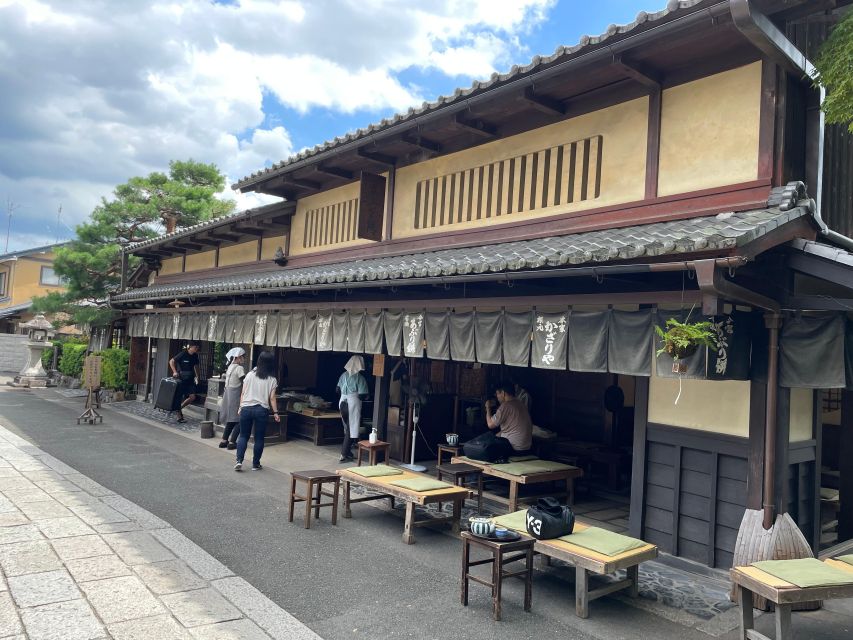
Nishiki Market is a natural choice for people who like browsing food stalls and small shops. It can add local flavor to a temple-heavy route, though you should remember that market food purchases are separate from the tour price. Small stores may not accept credit cards, so carry enough Japanese yen.
Gion can add old Kyoto streets, traditional storefronts, and a change of mood after a temple visit. It is best treated as an area to explore respectfully, not as a promise of seeing geisha. The tour information supports Gion as a possible stop, but it does not guarantee any particular encounter.
The guide’s lunch cost is also extra. The same applies to your own meal, of course. Since you pay for Nori’s lunch at the site, include that cost when comparing this tour with a standard guide fee.

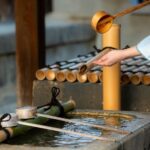
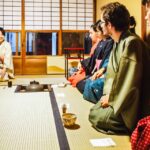
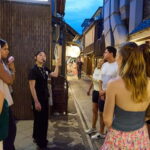

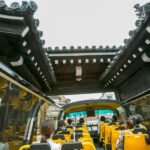
Walking sections and the need for good shoes
The sample itinerary includes two walking sections of about 20 minutes each. That may sound easy, but temple grounds, steps, station connections, and uneven streets can add up across eight hours.
Wear comfortable shoes. This is particularly important if you select Fushimi Inari, Kiyomizudera, Arashiyama, or a route that combines several temple compounds. Kyoto sightseeing is rarely difficult in a technical sense, but it is often longer on foot than a map suggests.
The experience is not suitable for children under 10, pregnant women, or people over 70 according to the stated restrictions. These rules may make the tour a poor fit for some families and older visitors, even though the private format could otherwise allow a slower pace. If mobility or health is a concern, confirm the planned route and walking demands before booking.
What Nori adds beyond directions
A custom tour depends heavily on the guide. Nori brings experience living in the United States, the United Kingdom, and India, along with travel in about 30 countries. That background matters because he understands the small questions that can make Japan easier to navigate for English-speaking visitors.
His role is more than pointing out a gate or naming a temple. He can help shape the day, explain cultural details, suggest food, and connect historic places with ordinary local life. The strongest praise for this experience focuses on Nori’s English, communication, and local knowledge. One useful detail is that he gave advice for adjusting plans around weather, which is exactly the kind of help a private guide can provide.
You should still take an active part in planning. Nori can offer ideas, but he cannot know your priorities unless you tell him. Before the tour, prepare a short list of must-see places, foods you want to try, shops you want to find, and anything you want to avoid.
The real cost of an eight-hour private tour
The price is $365 per group of up to six people. For one or two people, that is a significant expense. For a full group of six, the per-person price becomes much more reasonable, especially because the guide’s time, hotel pickup, and drop-off are included.
The important phrase is up to six people. This is not a per-person group excursion where you are matched with strangers. It is a private group, so your party controls the interests and pace within the limits of an eight-hour day.
The advertised price does not cover entrance fees, local transportation, your lunch, or the guide’s transportation and lunch. Temple admission is often about 500 yen, but costs vary by facility. These extras are not surprising, but they can change the final bill.
I see the strongest value for a group that wants personal planning and help with Kyoto’s transport system. If you only want a guide at one temple, this is more time and money than you need. If you want a full day that combines sights, food, and local shopping, the private format is easier to justify.
Weather flexibility and cancellation terms
Kyoto weather can change the feel of an outdoor sightseeing day. Rain may make a long visit to Fushimi Inari less appealing, while a temple, castle, market, or shopping route may work better.
The private format allows you to discuss changes with Nori. His communication before the tour is one of the experience’s strongest points, and weather advice can help you use the rest of your Kyoto stay wisely. Still, a change is not automatic. Agree on the revised plan and understand that entrance fees or other costs may still apply.
You can cancel up to 24 hours in advance for a full refund. The reserve-now-and-pay-later option also keeps you from paying at the time of booking, which is useful while your Japan plans are still taking shape.
Who should book this Kyoto tour?
I would choose this experience if you want a guide who can adapt the day to your interests and explain Japan in English. It is especially suitable for a small group of adults who want famous Kyoto sights but also want help finding food, shops, markets, or less crowded places.
It works well for a first visit when the city feels too spread out to plan confidently. It also works for a return visit when you have already seen Kinkakuji and Kiyomizudera and want a more personal mix.
I would hesitate if you want a fixed, low-cost itinerary with every admission and meal included. I would also think twice if your group cannot manage several hours of public transport and walking. The tour can be customized, but it is still an active eight-hour day.
Should you book it?
Book this tour if the quality of your day depends on the guide and the ability to change plans. Nori’s strong English, international experience, local suggestions, and weather-related communication are the most useful parts of the package.
For the best value, bring a group of several people, prepare clear priorities, wear good shoes, and budget for transit, admissions, and both lunches. If you want Kyoto reduced to a simple list of famous stops, use a regular sightseeing tour. If you want the old capital shaped around your own appetite, interests, and pace, this private day is a sensible choice.
FAQ
Where does the tour begin?
Pickup can take place at your hotel or at another location agreed with the guide. The listed pickup choices are Shijo Station and Kyoto Station.
Where does the tour end?
You can be dropped off at your hotel or another agreed location. Kyoto Station and Shijo Station are listed as drop-off choices.
How long does the experience last?
The tour lasts eight hours. Starting times depend on availability.
Is this a private tour?
Yes. The tour is for a private group of up to six people.
What languages does the guide speak?
The guide speaks English and Japanese.
Are entrance fees included?
No. Temple and other facility entrance fees are extra. Temple admission is approximately 500 yen, though costs can vary.
Are transportation and lunch included?
No. You pay the local public transportation costs for yourself and the guide. You also pay your own lunch and the guide’s lunch.
Can I cancel for a refund?
Yes. You can cancel up to 24 hours in advance for a full refund.
More tours in Kyoto we've reviewed










Tours, compared.
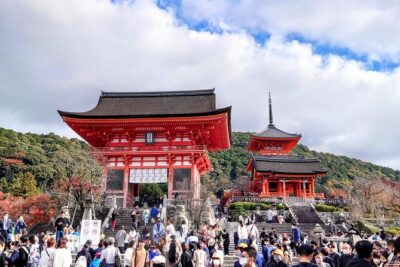 ★ 5.0PERFECT KYOTO 1-Day Bus TourFrom $129
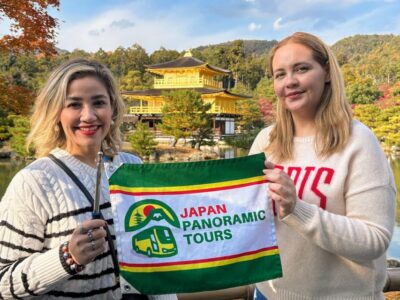 ★ 4.8Kyoto: Fushimi Inari, Kinkakuji, Bamboo Grove 1 Day Bus TourFrom $122510 minutes - 9 hours
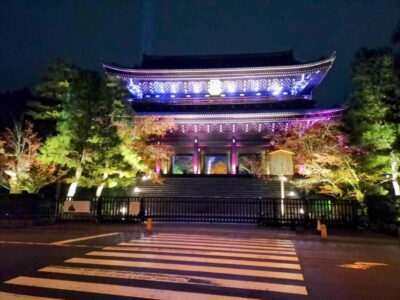 ★ 4.7Kyoto Geisha Walking Tour: Gion District & Hidden GemsFrom $252 hours
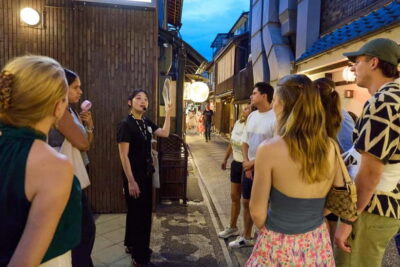 ★ 4.7Kyoto: Gion Geisha District Walking Tour – Stories of GeishaFrom $202 hours
 ★ 5.0Hidden Kyoto E-Biking tourFrom $116
 ★ 5.0Kyoto Night Foodie Tour in Gion (9+ dishes + 6 Sake tastings)From $163