
Reviewed · PRIVATE
Kyoto: Fully-Customized One-day Private Tour
Kyoto is best understood on foot, one temple lane and food stall at a time. This private tour lets you shape the route around Gion, Nishiki Market, and Higashiyama, while your local guide explains the customs and stories that are easy to miss on your own.
I like the freedom to choose from one to eight hours, and I like the chance to ask for quieter places such as Nanzen-ji and Chion-in instead of spending the entire day in the busiest lanes. The main caution is that food, admission fees, and transportation are extra, so the $28 price is only the starting point.
I also appreciate the personal touch reported by the two named guides, Yuki and Nori. Yuki fit a group’s requested sights into five hours and offered ideas for the rest of their stay, while Nori helped his group avoid major crowds. That kind of flexibility is the real reason to book a private guide.
In This Review
- Key points to know before booking
- A Kyoto day built around your interests
- Gion and Nishiki Market: Kyoto’s famous first taste
- Higashiyama and Kiyomizu-dera
- Nanzen-ji and Chion-in for a quieter change of pace
- What guides Yuki and Nori add
- How much time should you book?
- Price and what the $28 covers
- Meeting your guide and getting around
- Who will get the most from this tour?
- Should you book this private Kyoto tour?
- FAQ
- How long does the Kyoto private tour last?
- Is hotel pickup included?
- Is the tour private?
- What language does the guide speak?
- Are temple entrance fees included?
- Are food and drinks included?
- Is transportation included?
- Can I cancel for a full refund?
Key points to know before booking
- Choose your own tour length: Options run from 1, 2, 5, or 8 hours, making this suitable for a quick orientation or a full day.
- Focus on eastern Kyoto: The route centers on Higashiyama, including Kiyomizu-dera, Gion, Nanzen-ji, and Chion-in.
- Hotel pickup in Kyoto city: Your guide can meet you at your accommodation if it is within Kyoto city.
- Private English-speaking guide: You travel with your own group rather than joining a larger shared outing.
- Plan for added costs: Meals, drinks, admissions, transportation, and the host’s lunch and entry fees are not included.
- Best feature is flexibility: You can request famous sights, quieter temple grounds, food stops, or a mix of all three.
A Kyoto day built around your interests
This is not a fixed sightseeing circuit where every group marches through the same stops at the same pace. You start in Kyoto, meet your guide at your accommodation if it is inside the city, and help shape the day from there.
That matters in Kyoto. The city has more worthwhile temples, shrines, lanes, markets, and neighborhoods than you can sensibly cover in one visit. A first-time visitor may want the classic sights. Someone staying several days may prefer a slower walk through less crowded temple grounds. A private guide gives you room to make that choice.
The available lengths are especially useful:
- A one-hour tour can help you get oriented or focus on one small area.
- A two-hour tour works for a compact introduction to a neighborhood.
- A five-hour tour gives you time to combine major sights with quieter stops.
- An eight-hour tour is the fullest option, though extra transport, meals, and entrance fees still need to be budgeted separately.
The activity description includes a 15-minute bus or coach segment, but transportation fees are not included. Ask your guide how the route will work before setting off, especially if you want to cover several separated areas.
Other private tours in Kyoto
Gion and Nishiki Market: Kyoto’s famous first taste
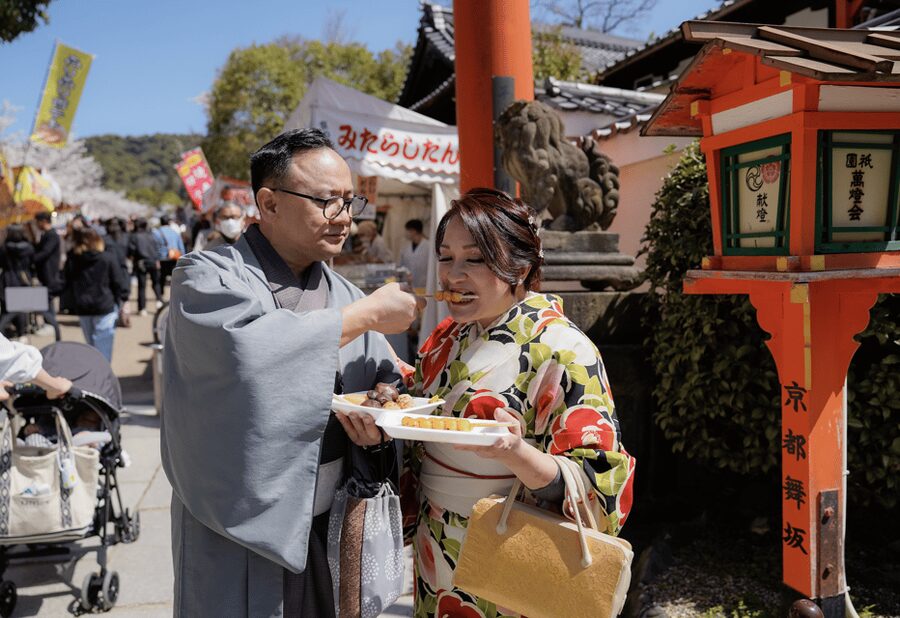
Gion is one of Kyoto’s best-known districts, with traditional streets and a strong connection to the city’s old entertainment culture. It is a natural place to begin if you want a sense of Kyoto’s visual character without heading straight into a large temple complex.
Your guide can provide context that makes the streets easier to read. Instead of only photographing wooden buildings, you can ask about local customs, architecture, and how the district fits into Kyoto’s past and present. The area can attract heavy foot traffic, so a guide who knows when to move along or where to look for calmer corners is useful.
Nishiki Market offers a different side of the city. The market is known for food and local specialties, and it gives you a chance to see Kyoto through its ingredients and eating habits. Food and drinks are not included, so you pay for anything you decide to sample.
That extra cost is not necessarily a drawback. A market is often best when you can choose what interests you rather than receive a preselected meal. Still, set aside spending money if Nishiki Market is a priority. The guide can explain what you are seeing, but the tasting bill is yours.
I would not try to force both Gion and Nishiki Market into a very short booking unless you only want a quick look. With one hour, you will need to keep the plan tight. With two hours, you can make a useful start, but five hours gives the guide much more room to adjust the pace.
Higashiyama and Kiyomizu-dera
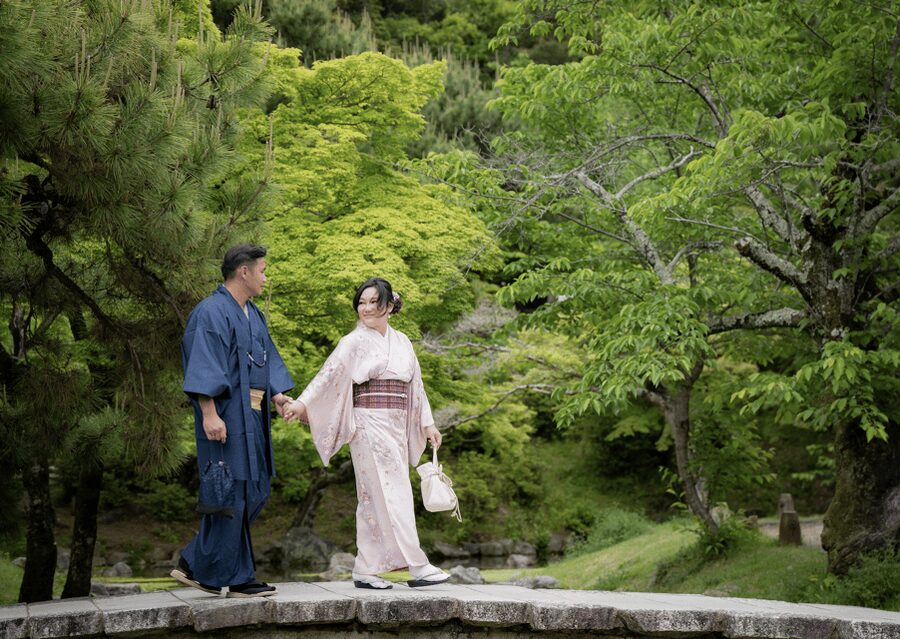
The main focus of the tour is Higashiyama, Kyoto’s eastern historic district. This is where the experience can feel most like a proper Kyoto walk, with temple approaches, traditional streets, and major sights gathered within a broader area.
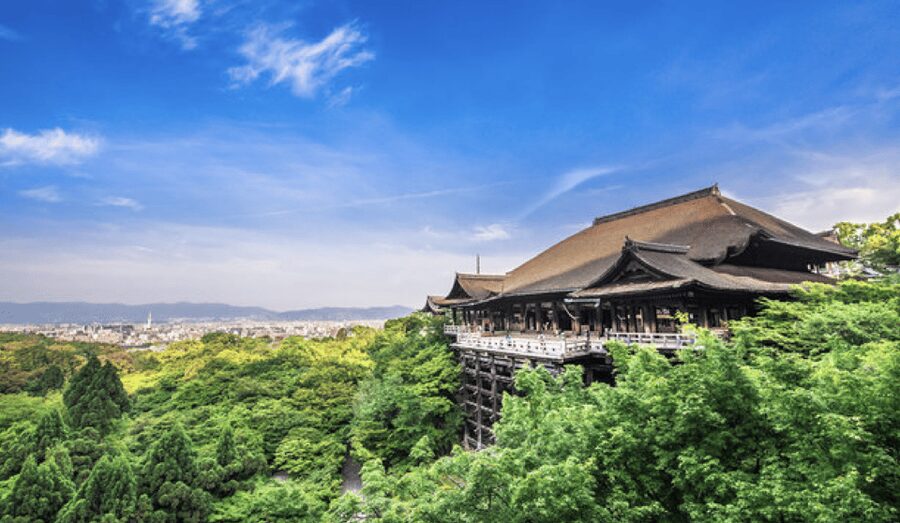
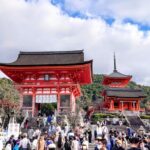
Kiyomizu-dera is the headline stop. Its name is familiar to almost anyone planning a first Kyoto visit, and the temple gives the tour a major landmark around which to organize the day. Admission is not included, so you should expect to pay separately if you enter.
The practical value of a guide here is not only getting you to the entrance. Your guide can explain why the temple matters, point out features you could pass without noticing, and answer questions as they come up. Since this is a private outing, you can slow down when something catches your interest or move on when a site does not hold your attention.
Higashiyama can also be tiring. Walking routes may include slopes, steps, and extended time on foot, although the activity is listed as wheelchair accessible. If mobility is a concern, discuss the route with the guide in advance so your chosen stops match your needs.
The neighborhood is popular, which is exactly why timing and route choices matter. The guide can help you balance Kiyomizu-dera with quieter streets and temple grounds. You should not expect the district to be empty, but a private itinerary gives you a better chance of avoiding the most congested stretches.
Nanzen-ji and Chion-in for a quieter change of pace
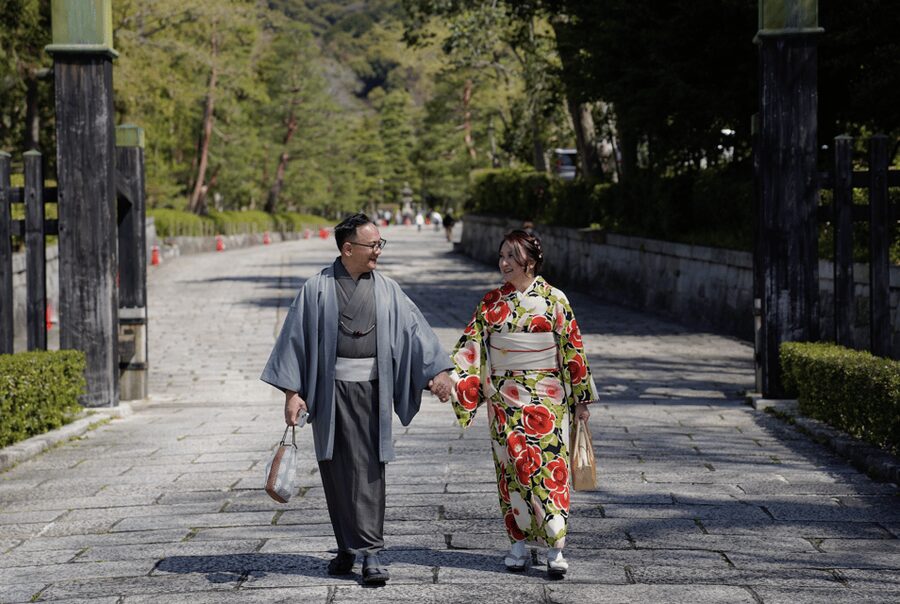
Nanzen-ji and Chion-in provide a useful contrast to Gion, Nishiki Market, and Kiyomizu-dera. Both are named as less familiar, calmer places that can be added to the route, giving you a chance to see Kyoto beyond its most photographed stops.
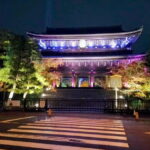
Nanzen-ji is a strong choice if you want temple architecture and a more peaceful setting. Chion-in adds another major religious site to the day. Entrance fees are not included, and specific admission arrangements can vary by the parts of each complex you visit, so confirm costs with your guide.
The value of these stops is not simply that they are quieter. They help you understand Kyoto as a city of working religious spaces rather than a collection of famous photo points. A guide can connect the buildings and grounds to Japanese religious practice and local history in a way a map cannot.
If you have already visited Kiyomizu-dera, you could ask to give more time to Nanzen-ji and Chion-in. If this is your first visit, a mix of one major landmark and one quieter temple may give you a more balanced day than collecting several crowded highlights.
What guides Yuki and Nori add
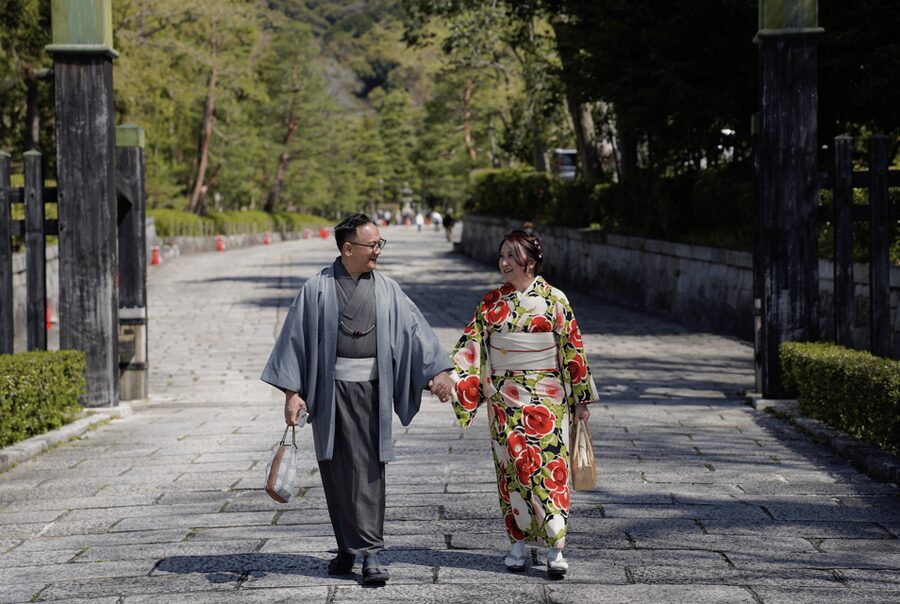
The strongest evidence about the guiding style comes from the specific experiences of Yuki and Nori. Yuki was able to fit a group’s requested sights into a five-hour tour and then suggested additional places for the rest of their Kyoto stay.
That tells me this is a good option for people who arrive with a wish list. You can bring up the sights you care about, and the guide can help turn them into a workable route. It is still wise to rank your priorities. Kyoto traffic, walking distances, temple hours, and crowd levels can make an overfilled plan frustrating.
Nori’s strength was different. He explained Japanese history in a way that made it easier to understand and helped his group stay away from the largest crowds while still seeing the main sites. If you want context without a lecture, that is an important advantage.
The two accounts also point to the best way to use the tour: ask questions. A private guide is more valuable when you are curious about daily customs, temple etiquette, food, architecture, and the meaning of what you see. If you remain silent and simply follow the route, you may get less from the experience.
The activity has a five-star rating from five reviews, which is encouraging but still a small sample. I would treat it as a positive sign about the guides named above, not as proof that every future pairing will be identical.

How much time should you book?
For most first-time visitors, I would look first at the five-hour option. It offers enough time to combine a major area such as Higashiyama with Gion, Nishiki Market, or one of the quieter temples. It also gives you some room for questions and short pauses.
The one-hour version is best used as a focused introduction. You might choose one neighborhood or use it to get your bearings early in your Kyoto stay. It is not enough time for a relaxed tour of all the named highlights.
Two hours can work well if you are staying in Kyoto for several days and want a guided look at one part of the city. It is also useful for visitors with limited energy or a tight schedule.
Eight hours is the full-day choice. It makes sense if you want a broad route and prefer private guidance over planning every detail yourself. The longer booking does not make included costs disappear, so account for food, temple admissions, and transport as the day grows.
The right length depends less on how many sights you can list than on how you like to travel. I would rather see fewer places with time to understand them than spend the day rushing between checkboxes.
Price and what the $28 covers
At $28 per person, the advertised price is low for a private guided experience, especially if you are traveling with several people. The value comes from having someone plan the route, meet you at your Kyoto accommodation, explain the city, and adjust the day around your interests.
But the headline price does not cover everything. You must pay separately for:
- Food and drinks
- Entrance fees
- Transportation
- The host’s lunch
- The host’s entrance fees
That list is important because Kyoto’s major temples may charge admission, and a route covering several areas can require transport. Ask for a rough plan before the tour so you know how much extra money and time to allow.
For a solo visitor, the per-person price may feel less compelling than it does for a couple or family. For a group sharing the private guide, the cost can be a practical way to gain personal help without paying for a luxury vehicle or formal full-service package.
This is primarily a walking and local-guidance experience, not an all-inclusive sightseeing day. I would book it for the access to a flexible human guide, not because the price includes meals or tickets.
Meeting your guide and getting around
Pickup is included if you stay at a hotel within Kyoto city. That removes the need to find a separate meeting point, which is helpful in a city where stations and streets can be confusing at first.
The guide will pick you up and conduct the tour, but transportation fees are separate. A 15-minute bus or coach segment is noted in the itinerary, so the route is not necessarily walking-only. Confirm what transport will be used and how you will pay for it.
The group is private, which gives you control over pace and conversation. It also means the tour will not be filled out with strangers who have different priorities. For families, couples, or small groups with a clear wish list, that privacy can be worth more than a longer list of stops.
The tour is listed as wheelchair accessible. Because Kyoto’s historic areas can include uneven surfaces and steps, communicate any access needs when planning your route. Accessibility is most useful when paired with a clear, realistic itinerary.
Who will get the most from this tour?
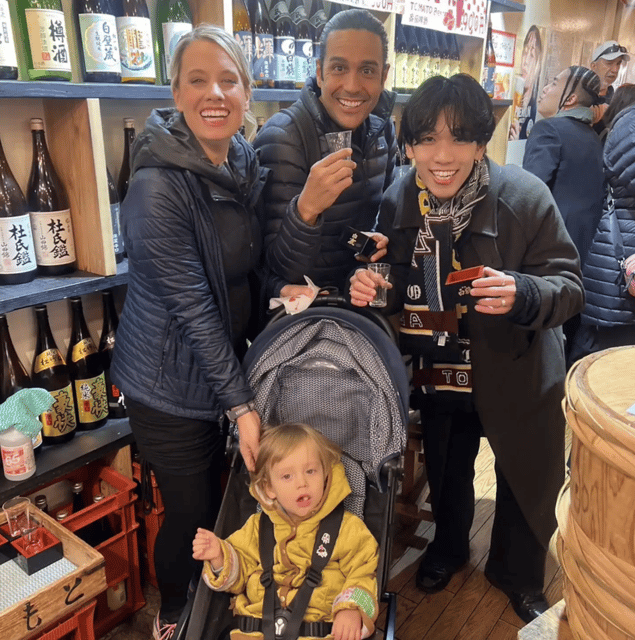
I would recommend this experience to first-time Kyoto visitors who want help making sense of the city. It is also a good fit if you have limited planning time, want hotel pickup, or prefer to ask questions as you go.
It suits families and private groups especially well. You can adjust the pace, focus on food or temples, and avoid forcing everyone into a standard schedule.
It is less suited to independent visitors who already know Kyoto well and enjoy planning every train, bus, and entrance on their own. It may also disappoint anyone expecting a package with admission tickets, meals, and transport included.
The English-only format is another practical point. If you want an English-speaking guide, this meets that need. If you require another language, the available information does not promise it.
Free cancellation is available up to 24 hours before the tour for a full refund, and you can reserve now and pay later. Those terms are useful when your Kyoto schedule is still shifting.
Should you book this private Kyoto tour?
Book it if you want a flexible introduction to Kyoto, value direct conversation with a local guide, and can cover extra costs for transport, food, and admissions. The five-hour option looks like the best balance for most people, while one or two hours can work for a targeted neighborhood walk.
I especially like the possibility of combining famous places with Nanzen-ji and Chion-in, and I would ask for a route that includes both. Yuki’s ability to fit requested sights into five hours and Nori’s skill at explaining history while avoiding major crowds are exactly the qualities you want from a private guide.
Skip it if you want a fixed, all-inclusive itinerary or if you prefer exploring Kyoto without outside help. For everyone else, the low starting price and private format make this a sensible way to get oriented, ask better questions, and see more than the standard postcard version of Kyoto.
FAQ
How long does the Kyoto private tour last?
You can choose a duration of 1, 2, 5, or 8 hours. Starting times depend on availability.
Is hotel pickup included?
Yes. Pickup is included if you are staying at a hotel within Kyoto city.
Is the tour private?
Yes. This is a private group experience, so your group has its own guide.
What language does the guide speak?
The live tour guide service is provided in English.
Are temple entrance fees included?
No. Entrance fees are not included. You must also cover the host’s entrance fee when applicable.
Are food and drinks included?
No. Food and drinks are not included in the tour price.
Is transportation included?
No. Transportation fees are not included. A 15-minute bus or coach segment is listed as part of the itinerary.
Can I cancel for a full refund?
Yes. You can cancel up to 24 hours in advance for a full refund. You can also reserve now and pay later.
More Private Tours in Kyoto
More tours in Kyoto we've reviewed



Private, compared.
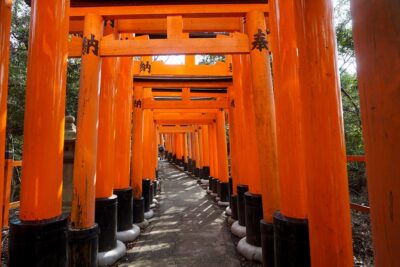 ★ 5.0Fushimi Inari Hidden Hiking Tour (Private Option Available)From $63
 ★ 5.0Private Kyoto Tour with a Local, Highlights & Hidden Gems, PersonalisedFrom $102
 ★ 5.0Kyoto 6hr Private Tour with Government-Licensed GuideFrom $155
 ★ 5.010 Must-see Spots in Kyoto One Day Private Tour (up to 7 people)From $179
 ★ 5.0Kyoto 4hr Private Tour with Government-Licensed GuideFrom $109
 ★ 4.8Kyoto: Private Tour with Local Licensed GuideFrom $1064 - 8 hours