
Reviewed · GUIDED
Kyoto 4hr Private Tour with Government-Licensed Guide
Kyoto has enough temples, shrines, gardens, markets, and old lanes to fill several days. This four-hour private tour solves the first-day problem: you choose two or three places, then a nationally licensed guide builds a practical route around your interests. Guides such as Yuri, Yuka, Tomy, Nabet, Akira, and Masa have helped visitors handle Kyoto’s trains, buses, taxis, customs, and sightseeing choices.
I like the personal pace and the local transport. A guide can explain why Fushimi Inari’s torii gates matter, point out quieter corners near Gion, or help you make sense of a temple garden instead of leaving you with a quick photograph. I also like the hotel pickup on foot, which removes the stress of finding an unfamiliar meeting point.
The main limitation is simple: four hours goes quickly, and transportation and entrance fees are extra. You cannot sensibly cover the entire menu of sights. Choose a compact area, or expect to spend part of the tour moving across town.
In This Review
- Key points to know before booking
- What this four-hour Kyoto tour really offers
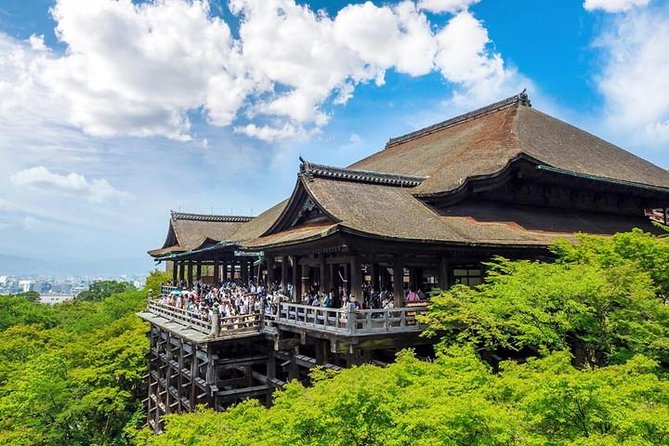
- Fushimi Inari, Kyoto’s famous red-gate shrine
- Kiyomizu-dera and the old streets of Higashiyama
- Gion, Pontocho, and the etiquette of old Kyoto
- Nishiki Market, Kyoto’s food corridor
- Nijo Castle and the Tokugawa shoguns
- Kinkakuji, Ginkakuji, and Kyoto’s famous temple names
- Imperial palaces and Kyoto’s courtly past
- Arashiyama, bamboo, and western Kyoto
- Northern and southeastern choices
- Farther outings to Uji, Kibune, and Kurama
- Getting around, walking, and managing the pace
- What the guides add to the day
- Who should book this private Kyoto tour
- Should you book it?
- FAQ
- How long does the Kyoto private tour last?
- How many sights can I choose?
- Is hotel pickup included?
- Is transportation included in the price?
- Are entrance fees included?
- Is the tour private?
- Who leads the tour?
- Can children or most adults participate?
- What is the cancellation policy?
Key points to know before booking
- Choose two or three sights: The tour is built around a small selection, not a race through every major attraction.
- Meet at your hotel on foot: Pickup is offered within a designated Kyoto area, but this is not a private-car pickup.
- Use public transportation like a local: Trains, buses, and taxis are part of the experience, with a private vehicle available as an upgrade.
- Pick your Kyoto mood: Combine major sights such as Fushimi Inari and Kiyomizu-dera, or choose a quieter route through temples and historic neighborhoods.
- Expect extra costs: You pay separately for transport, food, personal expenses, and most admission fees.
- Best for a first Kyoto day: A private guide is especially useful if you have limited time, children in your group, or a strong interest in Japanese culture and religion.
What this four-hour Kyoto tour really offers
This is not a fixed sightseeing circuit. It is a private block of time with an English-speaking, nationally licensed local guide, designed around the places you want to see.
Before the tour, you can discuss your priorities. Some people want classic Kyoto: Fushimi Inari, Kiyomizu-dera, and Gion. Others prefer the Golden Pavilion, Nijo Castle, and Nishiki Market. Families may want a gentler route, while a returning visitor might choose quieter temples such as Nanzenji, Tofuku-ji, or Jojakkoji.
That flexibility is the tour’s main value. A guide can adjust the pace, explain customs, answer questions, take photographs, and help you use Kyoto’s public transport. Several guides have also offered restaurant suggestions at the end of the tour, which is useful when you want dinner but do not know the city yet.
The price is listed at $109.43 per person, with group discounts available. That is a fair price if you value private attention and practical help, particularly for a first visit or a short stay. It is less appealing if you are happy reading temple signs, planning train routes, and exploring at your own pace.
Other guided tours in Kyoto
Fushimi Inari, Kyoto’s famous red-gate shrine
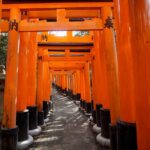
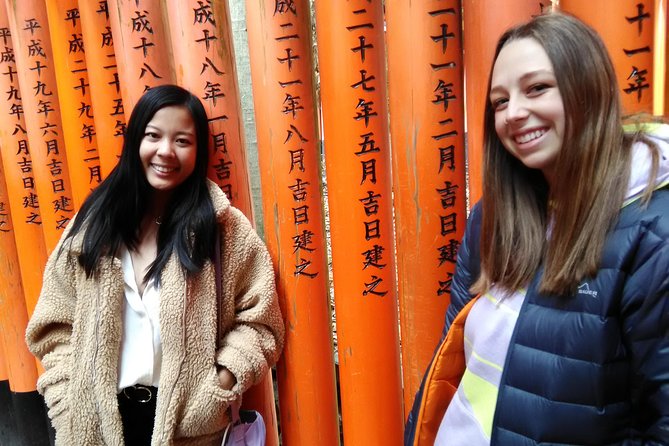
Fushimi Inari-taisha is one of Kyoto’s best-known sights, with long paths lined by vermilion torii gates. The gates are memorable, but the shrine is more than a short photo stop.
A good guide can explain the shrine’s stories, religious meaning, and connections with Inari worship. You can also decide how far to walk. The full mountain route takes much longer than a quick visit to the lower shrine grounds, so tell your guide how much time and energy you have.
Starting early can help with crowds, as one route through eastern Kyoto did. Still, this tour does not promise a particular start time or crowd level. Wear shoes suited to steps and slopes, and carry water in hot weather.
Kiyomizu-dera and the old streets of Higashiyama
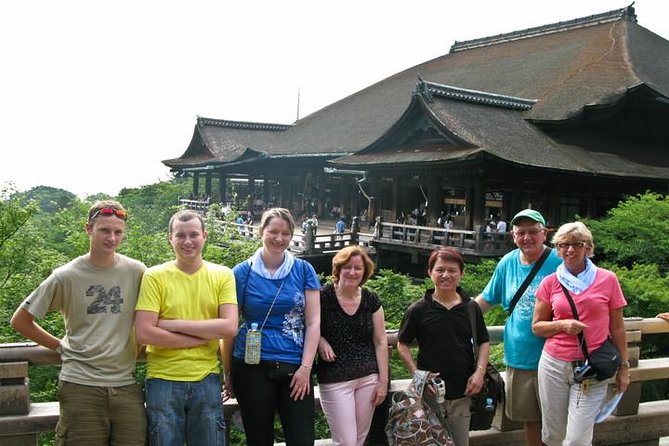
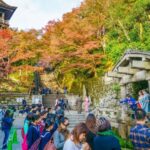
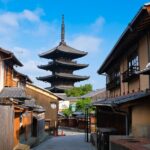
Kiyomizu-dera is a strong choice if you want a classic Kyoto introduction. The temple sits on the eastern side of the city and is reached through the historic Higashiyama area, where old-style streets lead toward the temple grounds.
A guided visit helps you understand the rituals, religious buildings, and views rather than simply walking through a busy entrance. Admission is not included, so budget for the temple ticket.
The surrounding Higashiyama district adds atmosphere, but it also adds walking. The lanes can be crowded, and the route includes inclines. This is a good pairing for someone who wants temples and traditional streets in one outing. It may be tiring for young children, people with limited mobility, or anyone arriving after a long flight.
Gion, Pontocho, and the etiquette of old Kyoto
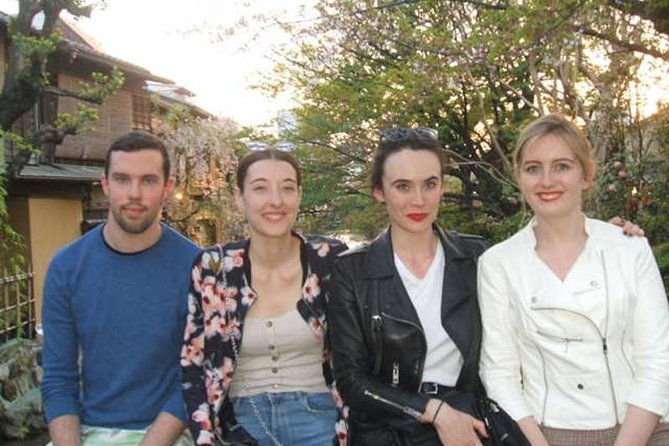
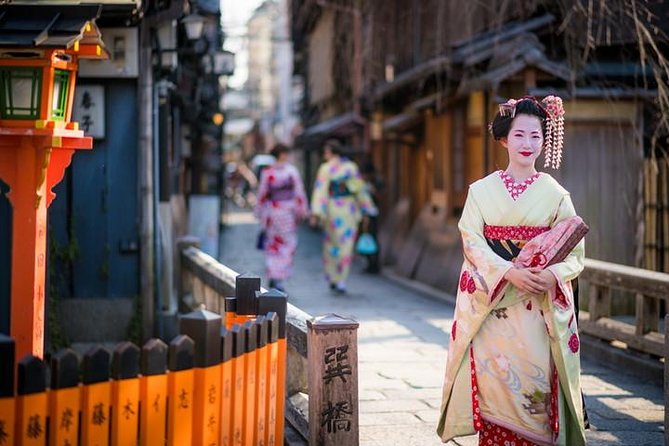
Gion is Kyoto’s best-known historic entertainment district, with narrow lanes, traditional buildings, and restaurants. Pontocho, a slim lane near the Kamogawa River, is another atmospheric area, especially when you are deciding where to eat.
The benefit of a guide here is not just navigation. You can learn how these districts function, how to behave respectfully, and what you are actually seeing. A family route through Gion included explanations of rituals, cultural background, and plenty of photographs.
Keep your expectations realistic. Gion is not a theme park, and you should not expect guaranteed sightings of geisha or maiko. The value lies in the buildings, streets, customs, and stories. Follow your guide’s advice about photography and give working performers plenty of space.
Nishiki Market, Kyoto’s food corridor
Nishiki Market is a narrow, five-block shopping street known as Kyoto’s Kitchen. More than one hundred shops and restaurants sell food, cooking items, and local specialties.
This is a useful stop for curious eaters, but it works best when you treat it as a place to browse and sample, not as a formal meal included in the tour. Food is your own expense. The market can also be crowded, so staying together matters.
A guide can help you understand unfamiliar ingredients and direct you toward foods that fit your tastes. Pair Nishiki with Gion or Pontocho for a central Kyoto route. Combining it with Fushimi Inari or Arashiyama requires more travel and leaves less time for browsing.
Other private tours in Kyoto

Nijo Castle and the Tokugawa shoguns
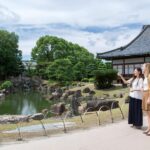
Nijo Castle was built in 1603 as the Kyoto residence of Tokugawa Ieyasu, the first shogun of the Edo period. It gives you a different view of Kyoto from the temples and shrines, focusing on political power, court life, and the shogunate.
This is one of the better choices if you enjoy Japanese history and want to understand how Kyoto functioned as the imperial capital while military rulers held power. Admission is not included.
Nijo Castle pairs neatly with Nishiki Market, Gion, or the Kyoto Imperial Palace because these sights are more practical to combine than distant western or northern attractions. Your guide can help you avoid spending the entire four hours in transit.
Kinkakuji, Ginkakuji, and Kyoto’s famous temple names
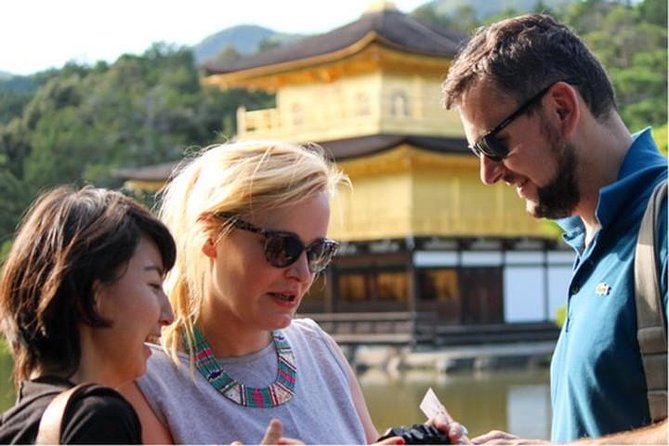
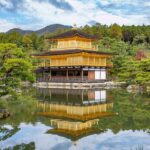
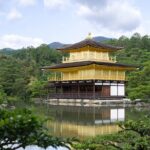
Kinkakuji, the Golden Pavilion, is among Kyoto’s most recognizable sights. Its upper floors are covered in gold leaf, and the building is viewed across a pond within a landscaped temple setting. The scheduled visit is listed at about 30 minutes, with admission extra.
It is a powerful first-visit image, but it is also a popular stop. You follow a set path and have limited freedom to wander. Choose it because you want to see this particular landmark, not because you expect a quiet meditation garden.
Ginkakuji, the Silver Pavilion, offers a different mood. It began as the retirement villa of shogun Ashikaga Yoshimasa and became a Zen temple. Its gardens and eastern Kyoto setting make it a good choice for visitors interested in aesthetics, Zen design, and the contrast between political ambition and understated beauty.
Trying to visit both Kinkakuji and Ginkakuji in four hours can be ambitious. Add transport, admission, and walking, and you may have little time for either site. Pick one unless the route has been planned carefully.
Imperial palaces and Kyoto’s courtly past
The Kyoto Imperial Palace was home to Japan’s Imperial Family until 1868, when the capital moved to Tokyo. Its spacious grounds offer a break from the tighter streets of central Kyoto and provide context for the city’s long role as the imperial capital.
Katsura Imperial Villa and Shugakuin Imperial Villa appeal to visitors interested in Japanese garden design and architecture. Both are farther from the usual central route, and both require careful planning. The tour information lists admission as extra, and the villas may not fit easily into a short outing alongside several famous temples.
Choose one of these sites if gardens and architecture are your main interests. Do not add one casually to a route that already includes Fushimi Inari, Kiyomizu-dera, and Gion.
Arashiyama, bamboo, and western Kyoto
Arashiyama is a popular district on Kyoto’s western edge. Its headline sights include Togetsukyo Bridge, the bamboo groves, and Tenryu-ji Temple. The area has been a destination since the Heian period, when court nobles came for its natural setting.
Tenryu-ji is the principal temple here and a UNESCO World Heritage site. Okochi Sanso Garden, located beyond the bamboo grove, offers gardens and buildings associated with actor Okochi Denjiro. Nearby Jojakkoji, Nisonin, Gioji, Adashino Nenbutsuji, and Otagi Nenbutsuji provide quieter alternatives, with moss, wooded paths, and distinctive stone figures.
Arashiyama can easily fill four hours by itself. The bamboo grove is not a quick shortcut to several other districts. If you choose this side of Kyoto, focus on two or three nearby places. The bridge and bamboo paths are free, while temple and garden admissions are extra.
Northern and southeastern choices
Ryoanji Temple is home to Japan’s most famous rock garden. It is a sound choice if you want a quiet, highly focused experience rather than a long list of buildings. Nearby Ninna-ji and Kinkakuji can create a northern Kyoto route, though you still need to allow time for local transport.
Tofuku-ji is a large Zen temple in southeastern Kyoto, especially well known for autumn color. It can pair with Fushimi Inari, which is also in the southeastern part of the city. Toji, famous for its historical role and temple grounds, offers another option in the south.
Nanzenji and its Suirokaku aqueduct are useful choices for an eastern Kyoto day. The temple has broad grounds at the foot of the Higashiyama mountains and is one of the city’s important Zen centers. A route through Fushimi Inari, Nanzenji, and a smaller nearby temple has worked well for visitors wanting a quieter finish after the crowds at Inari.
Farther outings to Uji, Kibune, and Kurama
Byodoin Temple in Uji is known for Phoenix Hall, a Japanese National Treasure and UNESCO World Heritage site. It requires extra travel because Uji is outside central Kyoto, so it is not a casual add-on to a central-city route.
Kibune is a small mountain town developed around Kifune Shrine, while Kurama is known for Kurama-dera and its hot spring. These northern destinations offer a rural change of pace, but travel time is the issue. In a four-hour tour, choose one only if reaching the area is your main goal.
The broad choice of sights is useful during the planning stage, but do not confuse the full menu with the actual schedule. The tour includes two or three sites, and distance matters.
Getting around, walking, and managing the pace
The basic tour is a walking experience with hotel pickup on foot. You and your guide may use trains, buses, or taxis, but fares are not included. A private vehicle can be arranged for an additional cost.
Public transport is often the practical choice in Kyoto. Guides such as Yuri and Mizu have helped visitors handle subway and train routes, while others have mixed walking with taxis to cover more ground. That local help can save time, especially if you are unfamiliar with ticket machines or Japanese station signs.
Still, this is not a low-effort tour. One visitor recorded more than 20,000 steps on a longer day with Akira, and another noted hills even when taxis were used. Comfortable shoes are essential. In summer, bring water and snacks. A family group once needed taxis when the heat became too much, including for an infant, so be honest about your group’s stamina.
What the guides add to the day
The guide quality appears to be the strongest reason to book. The best guide matches your interests, explains religion and history in clear language, and keeps the day moving without turning it into a lecture.
Yuri has been praised for handling trains and buses, translating signs, finding photo spots, and adjusting plans when family members tired. Tomy has combined shrine visits, street food, a geisha district, and public transport tips. Nabet has helped create a tight schedule for a one-day visit and offered dinner advice afterward.
Other guides have adapted for children, arranged time for a break, taken family photographs, and chosen a kimono rental stop. English ability and guiding style can vary by individual guide, so communicate your interests and preferred pace before the day begins. The company assigns the guide, and a specific guide is not guaranteed from the information provided.
Who should book this private Kyoto tour
I would consider this tour for a first visit, a short stay, a cruise or port call, or a family group that wants help with transport. It also suits you if Japanese religion, architecture, food, or local customs interest you more than simply collecting photographs.
It is less suitable if you want a slow, unplanned wander, dislike paying separate entrance and transport costs, or hope to see ten major attractions in one morning. Four hours is enough for a useful introduction, not a complete tour of Kyoto.
The private format is also valuable for mixed-age groups. Your guide can slow down, change the order, recommend a taxi, or choose a more child-friendly stop. That flexibility is harder to get on a large scheduled outing.
Should you book it?
Book this tour if you want a smart introduction built around your priorities. The strongest plan is a compact one: Fushimi Inari with Tofuku-ji, Kiyomizu-dera with Gion, Nijo Castle with Nishiki Market, or Arashiyama with Tenryu-ji and the bamboo grove.
At $109.43 per person, the tour makes sense when private guidance, cultural explanation, and transport help matter to you. Confirm your two or three targets in advance, ask about walking distance, and budget separately for admissions, fares, food, and any private vehicle. If you do that planning, four hours can give you a clear start in Kyoto instead of a hurried blur of famous names.
FAQ
How long does the Kyoto private tour last?
The tour lasts approximately four hours.
How many sights can I choose?
The tour is designed around two or three sites from the available choices.
Is hotel pickup included?
Meetup with the guide is offered on foot within a designated area of Kyoto. This is not standard private-car pickup.
Is transportation included in the price?
No. Transportation fees are not included. You may use public transportation or taxis, and a private vehicle is available as an additional upgrade.
Are entrance fees included?
Most entrance fees are not included. The guide’s entry fees are covered only for sights listed under the tour’s designated expectations.
Is the tour private?
Yes. Only your group participates, and multiple tour groups cannot be combined.
Who leads the tour?
A licensed local English-speaking guide leads the experience. Guides named in past tour descriptions include Yuri, Yuka, Tomy, Nabet, Akira, Masa, Mizu, Hiromi, and others, but a specific guide is not guaranteed.
Can children or most adults participate?
Most people can participate, and service animals are allowed. The tour involves walking, hills, and public transportation, so consider your group’s fitness and comfort in hot weather.
What is the cancellation policy?
You can cancel at least 24 hours before the start time for a full refund. Cancellations or changes made less than 24 hours before the start time are not accepted for a refund.
More Private Tours in Kyoto
More Guided Tours in Kyoto

More tours in Kyoto we've reviewed



Guided, compared.
 ★ 5.0Kyoto Early Morning Tour with English-Speaking GuideFrom $68
 ★ 5.0Kyoto 6hr Private Tour with Government-Licensed GuideFrom $155
★ 4.9Kyoto: Early Morning Tour with English-Speaking GuideFrom $1015h 30m
★ 5.0Kyoto 6hr Private Tour with Government-Licensed GuideFrom $155
★ 4.9Kyoto: Early Morning Tour with English-Speaking GuideFrom $1015h 30m
 ★ 4.7Kyoto: Nijo-jo Castle and Ninomaru Palace Guided TourFrom $161 hour
 ★ 4.9Kyoto: Izakaya Bars Guided Walking TourFrom $253 hours
 ★ 5.0Kyoto Gion Night Walk & Geisha District Guided TourFrom $18