
Reviewed · PRIVATE
Private Kyoto Tour with a Local, Highlights & Hidden Gems, Personalised
Kyoto is best understood one personal street, shrine, and tea house at a time. This private tour lets you shape the day around what you actually care about, whether that means Gion and its wooden lanes, temple art, Japanese customs, food, or a few quiet places away from the main crowds.
I like the personal planning and the easy pace. A short questionnaire helps your host prepare, and guides such as Amy, Alex, Miki, Hiro, and Kokoro have been praised for explaining history clearly, helping with trains, taking photos, and adjusting the route. The main consideration is that this is not a fixed sightseeing package. Entry fees, food, and transport cost extra, and you may need to choose between far-apart sights.
In This Review
- Key points to know before booking
- A private Kyoto day instead of a fixed checklist
- Pontocho and Gion: Kyoto after the guidebook picture
- Kennin-ji and Yasaka Shrine: art, ritual, and calm
- Maruyama Park and Kyoto’s changing seasons
- Ninenzaka, Sannenzaka, and Kiyomizu-dera
- Fushimi Inari when you want one unforgettable walk
- Kiyamachi Street and local food advice
- What the guides add to the day
- Two to five hours: choosing a sensible route
- Price, transport, and what is not included
- Who will get the most from this Kyoto experience
- Should you book this private Kyoto tour?
- FAQ
- How long does the private Kyoto tour last?
- How much does the tour cost?
- Is this a private tour?
- Can I customize the itinerary?
- Which Kyoto sights may be included?
- Where does the tour start?
- Can the host meet me at my accommodation?
- Is transportation included?
- Are temple admission fees included?
- What is the cancellation policy?
Key points to know before booking
- Your route is built around your interests: Choose history, food, customs, temples, neighborhoods, photography, or quieter places.
- Gion can be paired with major sights: A guide may link Pontocho, Kennin-ji, Yasaka Shrine, Maruyama Park, and nearby old streets.
- The tour works well for short stays: In three or four hours, guides have helped guests cover major stops such as Fushimi Inari and Kiyomizu-dera.
- You get practical Kyoto help: Hosts can explain shrine rituals, public transport, restaurant areas, and what to see next.
- It is mainly a walking experience: Public transport or taxis may be used, but those costs are not included.
- The price buys private attention: At $102.03 per person, the value is strongest for couples, families, or small groups who want a tailored introduction.
A private Kyoto day instead of a fixed checklist
The best feature here is freedom. You are not locked into a bus route or a standard list of ten stops. Before meeting your host, you receive a short questionnaire about your interests, must-see places, preferred pace, and travel style. Your host then contacts you to shape the outing.
That preparation matters in Kyoto. The city’s sights are spread across several areas, and a plan that looks sensible on a map can involve slow buses, crowded streets, and long walks. A local host can help you make sensible choices instead of trying to cram every famous site into one tiring afternoon.
You may spend the time on temples and religious customs, or use the outing as a practical introduction to daily life. Hosts have explained how to use trains and buses, how shrine rituals work, where to eat, and which places are worth returning to on your own.
The experience is private, so only your party participates. That gives you room to ask basic questions, pause for photos, change direction, or spend longer at a place that catches your interest. It also means the quality of the day depends greatly on the match with your assigned host and on how clearly you explain what you want.
Other private tours in Kyoto
Pontocho and Gion: Kyoto after the guidebook picture
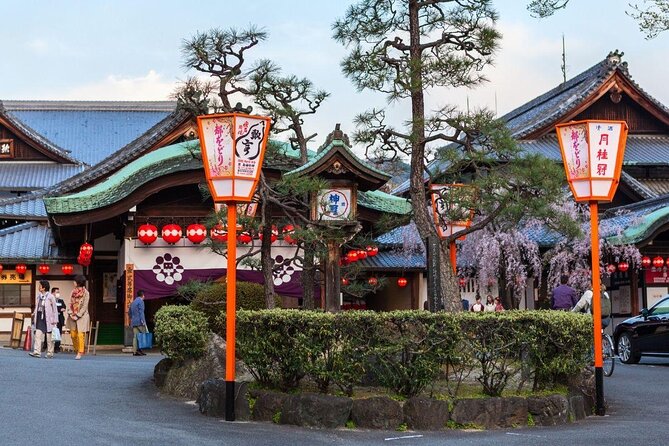
Pontocho Alley is one of the strongest possible starting points for a Kyoto introduction. This narrow, car-free lane runs beside the Kamo River and has traditional wooden façades, intimate restaurants, and a quiet old-city feel, particularly when you visit outside the busiest hours.
Your host can explain how the area fits into Kyoto’s food and evening culture. Do not expect every doorway to be open to casual visitors, and remember that Pontocho is more atmospheric than inexpensive. It is a fine place to see, but not necessarily the best spot for a spontaneous budget meal.
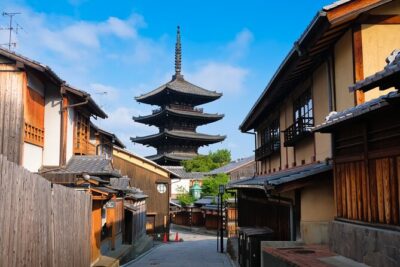
Nearby Gion gives you a different view of old Kyoto. Hanami-koji Street, Tatsumi Bridge, and the Shimbashi area feature wooden buildings, tea houses, small lanes, and carefully preserved streets. Your host can add context about traditional entertainment and local customs without turning the walk into a lecture.
Gion is also one of Kyoto’s busiest sightseeing districts. Streets can feel crowded, and respectful behavior matters around private homes and working businesses. A guide is useful here because they can help you appreciate the setting without treating it like a stage set.
Kennin-ji and Yasaka Shrine: art, ritual, and calm
Kennin-ji is Kyoto’s oldest Zen temple and offers a change of mood from the narrow commercial lanes. Its best-known features include the twin dragon mural and gilded screens showing the wind and thunder gods. The temple can give you a clearer sense of how religious practice, painting, and architecture fit together.
Entry fees are not included, so confirm the current cost with your host before adding the temple. The site may not suit a rushed itinerary. If you have only two hours, you may prefer to see the exterior and focus on nearby streets, or choose one major temple rather than several.
Yasaka Shrine is another logical addition near Gion. With a history of about 1,350 years and a close connection to the Gion Matsuri festival, it offers an easy introduction to Shinto customs. Your guide can show you how to approach the shrine and explain the rituals in plain language.
The shrine is also convenient because it connects naturally with Maruyama Park and the old streets toward Kiyomizu-dera. That makes this section practical for a half-day outing, though the route involves considerable walking and some uphill stretches.
Maruyama Park and Kyoto’s changing seasons
Maruyama Park provides breathing room between the shrine district and the temple streets. It is especially well known for cherry blossoms in spring, but it remains a pleasant pause at other times of year, with trees, paths, and a more relaxed setting.
I like this kind of stop because it keeps the day from becoming a march between famous buildings. You can slow down, ask questions, take photos, or simply notice how Kyoto’s public spaces are used.
The park is not a major attraction by itself for everyone. If your priority is checking off famous temples, your host may keep the visit brief. If you prefer gardens, seasonal scenery, or a less hurried rhythm, it may be one of the more worthwhile parts of the route.
Ninenzaka, Sannenzaka, and Kiyomizu-dera
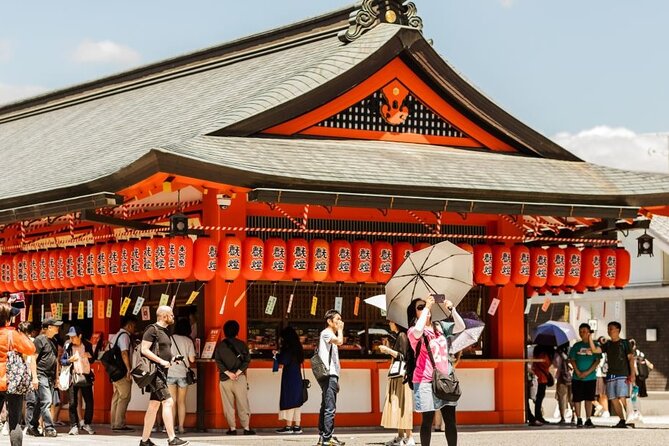
The lanes of Ninenzaka and Sannenzaka offer the old-Kyoto picture many visitors hope to see. Wooden buildings, pottery shops, craft stores, sweets, and small food stops line the narrow streets. This is a good place to browse, but it is also a popular area, so expect crowds and uneven paving.
Wear comfortable shoes. The streets can be tiring, and the approach to Kiyomizu-dera includes slopes and steps. The walking format is part of the appeal, but it is not the right choice if you want a vehicle-based tour or have difficulty with extended walking.
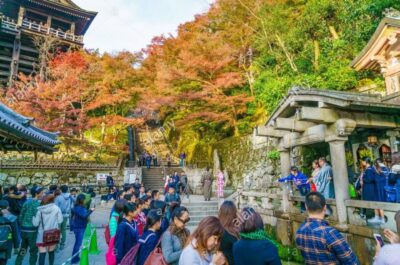
Kiyomizu-dera is one of Kyoto’s major sights, with a historic wooden stage and broad views over the city. The Otowa Waterfall is associated with blessings for longevity, success, and love. Your host can explain the traditions and help you understand what you are seeing rather than simply pointing out the most photographed parts.
Because Kiyomizu-dera is so popular, time management matters. A guide may suggest visiting at a quieter time or balancing it with nearby streets instead of spending the entire outing in one crowded temple complex. Admission is extra, and the route can take up much of a three-hour tour.

Fushimi Inari when you want one unforgettable walk
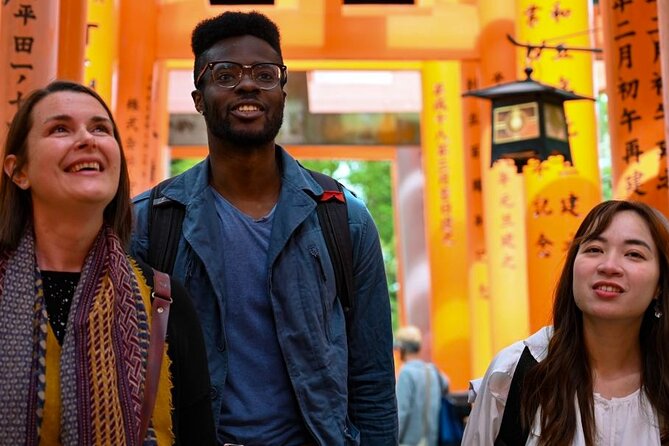
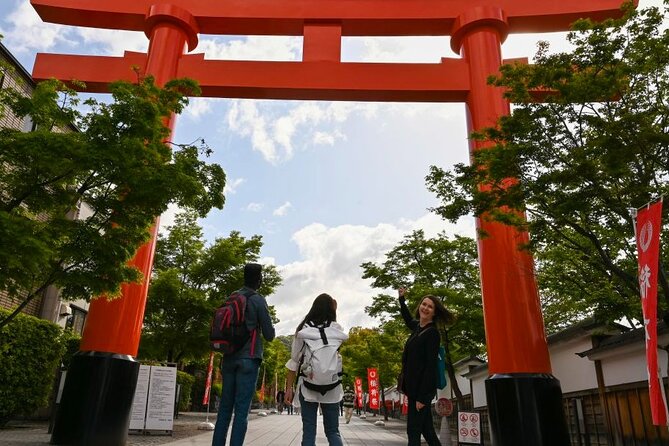
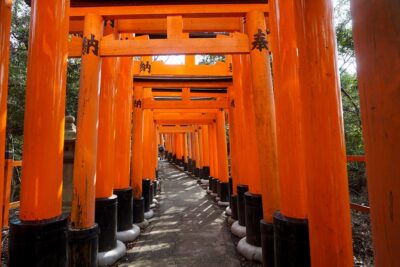
Fushimi Inari-taisha is offered as an optional stop, and it can become the main event rather than a quick add-on. Its vermilion torii gates climb the wooded slopes of Mount Inari, with fox statues and smaller shrines along the way.
You do not need to complete the full mountain route to enjoy the site. Guides have built shorter visits around the lower gates and partway hikes, which can work well when time is tight. If you want to walk farther for views and a quieter atmosphere, tell your host early because this choice affects the rest of the day.
Fushimi Inari and Kiyomizu-dera are not close enough to treat as neighboring stops on foot. Public transport or a taxi may be used, with the cost discussed separately with your host. A guide who knows the rail and subway system can save you some confusion, but the tour price does not cover these fares.
One useful strength of this experience is that the host can help you decide if Fushimi Inari fits your schedule. A short visit may be worthwhile for the gates, while a longer visit is better if you want the mountain walk.
Kiyamachi Street and local food advice
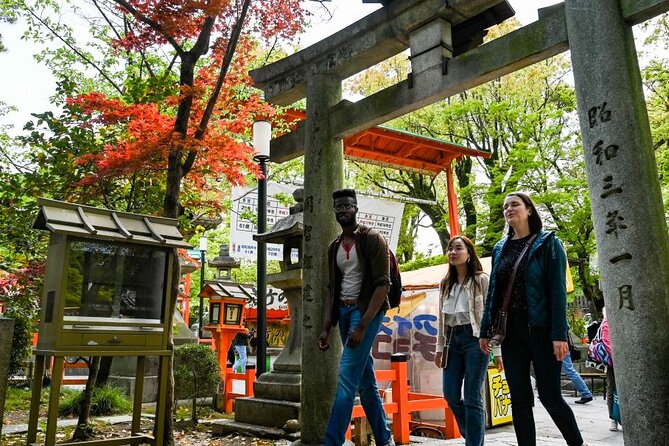
Kiyamachi Street is a possible finish for an outing focused on food or evening atmosphere. The area has bars, cafes, and restaurants, with choices ranging from traditional meals to a simple drink or snack.
Food and drinks are not included. That is a drawback if you prefer one all-inclusive price, but it also lets you choose what suits your budget and appetite. Your host can recommend places and may join you for a meal if you arrange it together, though the supplied details do not guarantee a specific restaurant or dining experience.
Several hosts have also offered restaurant suggestions for later in the trip. This may be one of the most useful parts of the tour because a good recommendation can save you from choosing at random in a busy restaurant district.
What the guides add to the day
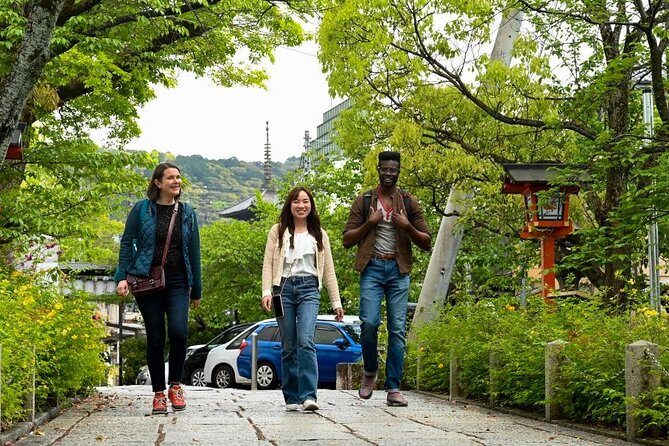
Guide quality is central to this experience. Amy has been praised for fitting Fushimi Inari and Kiyomizu-dera into a short outing, explaining Japanese history, and taking photos. Alex has helped visitors cover Gion in three hours while discussing culture, religion, and geography.
Miki has been noted for asking about interests ahead of time, fitting in a lunch experience, and helping first-time visitors get oriented. Hiro has planned unusual stops such as a tea visit connected with a shogun’s wife and an art gallery. Kokoro has combined quieter temples with guidance on buses, subways, restaurants, and Kyoto history.
Other named hosts include Shaan, Afifa, Ceci, Taiga, Masaya, Emi, Milo, Kenta, and Cici. The range of feedback points to a useful pattern: the strongest days come when the guide’s style matches your needs. Families may appreciate Ceci’s ability to keep children engaged. History fans may prefer Taiga or Cici. Visitors who need transport help may value Kokoro or Emi.
You cannot assume a particular guide unless the booking process allows you to request one. It is wise to state your priorities clearly in the questionnaire and in your pre-tour messages.
Two to five hours: choosing a sensible route
The duration is listed as approximately two to five hours, so the length makes a major difference.
For two hours, keep the route compact. Gion, Yasaka Shrine, Maruyama Park, and part of Pontocho make more sense than trying to reach Fushimi Inari and Kiyomizu-dera. Use the time to get your bearings and ask for advice for the rest of your stay.
For three hours, you can cover a good section of Gion and perhaps one major temple or shrine. One guide managed a broad Gion walk in an afternoon while still explaining religion, culture, and geography. That is a realistic model for this length.
Four to five hours gives you more room for transport and major sights. You might combine Fushimi Inari with Kiyomizu-dera, or spend longer among eastern Kyoto’s old streets. Do not treat the tour as a race. Every transfer, ticket line, photo stop, and uphill section reduces the number of places you can enjoy.
The itinerary is flexible, not guaranteed. Think of the suggested places as a menu. Your host will help you choose what fits the time, weather, energy level, and interests on the day.
Price, transport, and what is not included
At $102.03 per person, this is not a cheap orientation walk, but it can be good value for a private group that wants personal planning and practical help. The price is easier to justify for a couple, family, or small group than for a solo visitor on a tight budget.
Included are the private walking experience, questionnaire, pre-tour communication, a meeting at your accommodation or a central location where accessible, flexible pacing, and local recommendations. The standard meeting point is the Starbucks Coffee at Kyoto Sanjo-ohashi Bridge, and the activity ends there unless another arrangement is made.
Food, drinks, temple admission, and transport are extra. Public transit or local taxis may be needed between distant districts. Ask about likely costs once your route is set, especially if Fushimi Inari is paired with eastern Kyoto.
Pickup is offered, but accommodation pickup depends on access and the final arrangement. Confirmation arrives at booking, service animals are allowed, and most people can participate. Free cancellation is available up to 24 hours before the start time, while later cancellations and changes are not accepted.
Who will get the most from this Kyoto experience
I would choose this tour if you are visiting Kyoto for the first time and want help making sense of a large, spread-out city. It is also a strong option if you have only one afternoon, want to ask many questions, or prefer local food and neighborhood advice over a formal lecture.
Families can benefit from the private format because the pace can change when children need a break. Couples and friends may enjoy the freedom to focus on photos, temples, crafts, or restaurants. History fans should explain how much detail they want, since several guides are comfortable discussing Japanese history and current cultural perspectives.
I would hesitate if you want a guaranteed list of sights, a private vehicle, or all admissions and meals bundled into one price. You should also reconsider if you dislike walking or want to spend the day moving quickly between every famous site.
Should you book this private Kyoto tour?
Book it if your ideal Kyoto day sounds like an informed friend showing you around, with room to change plans and stop for questions. The strongest value comes from the planning before the tour, the private attention, and the practical help with transport, customs, restaurants, and what to do next.
Before paying, decide your top two priorities and your comfortable walking distance. Tell your host if you want Fushimi Inari, Kiyomizu-dera, Gion, food, quiet temples, or photography, then let the route be built around those choices. If you accept the extra costs and flexible itinerary, this is a useful way to make a short Kyoto visit feel personal rather than hurried.
FAQ
How long does the private Kyoto tour last?
The experience lasts approximately two to five hours. The best route depends on your chosen duration and interests.
How much does the tour cost?
The listed price is $102.03 per person. Food, drinks, entry fees, and transportation are not included.
Is this a private tour?
Yes. Only your group participates in the activity.
Can I customize the itinerary?
Yes. You receive a questionnaire after booking, and your host uses your interests, preferences, and must-see places to shape the experience. The route is flexible and not fixed or guaranteed.
Which Kyoto sights may be included?
Possible stops include Pontocho Alley, Kennin-ji, Gion, Yasaka Shrine, Maruyama Park, Ninenzaka, Sannenzaka, Kiyomizu-dera, Fushimi Inari-taisha, and Kiyamachi Street. The final selection depends on your preferences and available time.
Where does the tour start?
The standard meeting point is Starbucks Coffee at Kyoto Sanjo-ohashi Bridge, 113 Nakajimacho, Nakagyo Ward, Kyoto 604-8004, Japan.
Can the host meet me at my accommodation?
Pickup at your accommodation is offered where accessible. You can also meet at a convenient central location.
Is transportation included?
No. This is mainly a walking experience. Public transportation or local taxis may be used at an additional cost.
Are temple admission fees included?
No. Entry fees are not included and can be chosen together with your host on the day.
What is the cancellation policy?
You can cancel up to 24 hours before the experience start time for a full refund. Cancellations or changes made less than 24 hours before the start time are not accepted or refunded.
More Private Tours in Kyoto
More tours in Kyoto we've reviewed



Private, compared.
 ★ 5.0Fushimi Inari Hidden Hiking Tour (Private Option Available)From $63
 ★ 5.0Kyoto 6hr Private Tour with Government-Licensed GuideFrom $155
 ★ 5.010 Must-see Spots in Kyoto One Day Private Tour (up to 7 people)From $179
 ★ 5.0Kyoto 4hr Private Tour with Government-Licensed GuideFrom $109
 ★ 4.8Kyoto: Private Tour with Local Licensed GuideFrom $1064 - 8 hours
 ★ 5.0Private Kyoto Tour with Licensed Guide & Vehicle (Max 15 persons)From $634