
Reviewed · GION & GEISHA WALKS
Kyoto Geisha District Walking Tour in Gion
Gion is best understood on foot, especially with someone who can explain what you are seeing beyond the wooden facades and paper lanterns. This small-group walk takes you from Yasaka Shrine through narrow lanes, quiet waterways, and the traditional entertainment quarter where geiko and maiko work.
I like the modest group size, capped at 10 people, and the strong focus on stories rather than simply checking off sights. Guides including Takuma, Yuko, Tom, Yuji, and Hide have been praised for their warmth, humor, and clear explanations. The main caution is guide consistency: a few people found the commentary basic or the walk disorganized, so your experience may depend heavily on who leads it.
In This Review
- Key points to know before you book
- What this Gion walk is really about
- Yasaka Shrine gives the walk its cultural footing
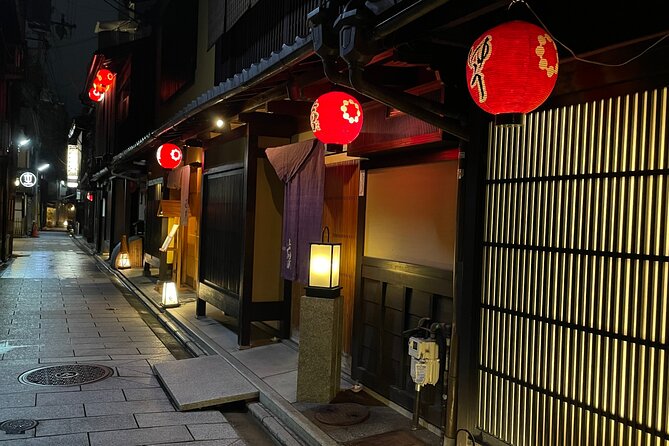
- Gion’s lanes reveal more after sunset
- Tatsumi Daimyojin and Tatsumi Bridge slow the pace
- Gion Shirakawa is the prettiest photo stop
- Hanamikoji Street shows Gion at its most polished
- The guide makes or breaks the experience
- A practical walk for families and first-time Kyoto visitors
- How to get the best value from two hours
- Who should book the Gion walking tour?
- FAQ
- How long does the Kyoto Geisha District Walking Tour last?
- Where does the tour begin and end?
- What places are included in the walking route?
- Is admission included?
- How large is the group?
- Can I see a geisha during the walk?
- What happens if it rains?
Key points to know before you book
- See Gion in a small group: The maximum of 10 people makes it easier to ask questions and keep up in narrow lanes.
- Start at Yasaka Shrine: The walk connects Shinto customs with the story of Kyoto’s geiko and maiko districts.
- Walk beside Gion Shirakawa: The canal, machiya houses, and seasonal trees provide some of the prettiest photographs.
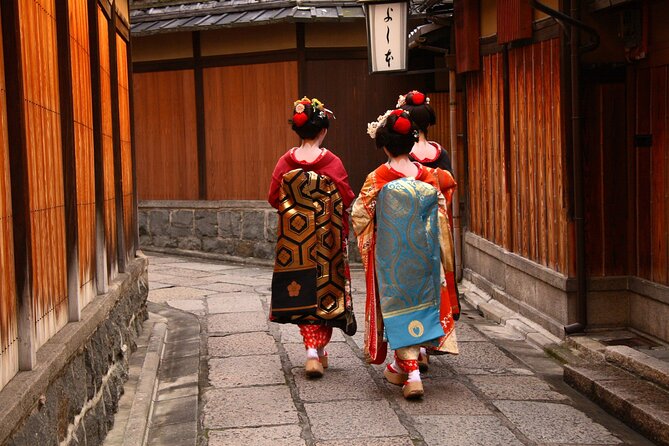
- Geisha sightings are possible, not promised: Evening departures may give you a chance to see maiko or geiko heading to appointments.
- Expect about two hours on foot: Comfortable shoes matter, and stairs may make the tour unsuitable for some people with mobility limits.
- Pay $29.85 for interpretation, not admission: The sights are free, so the value rests in the guide’s explanations and route planning.
What this Gion walk is really about
This is not a theater show, a private meeting with a geisha, or a ticketed cultural performance. It is a guided introduction to Gion, one of Kyoto’s best-known traditional districts, with the emphasis on context.
You walk through areas associated with geiko and maiko, learn how the entertainment quarter developed, and get help reading the clues around you: shrine architecture, old wooden townhouses, tea houses, canals, bridges, and narrow back streets. That matters because Gion can look like a pretty film set if you do not know what you are seeing.
The tour lasts about two hours and begins and ends at Gion Kōbu Kaburenjō, at 570-2 Gionmachi Minamigawa. The guide helps you return to the starting point at the end. Since the meeting point is near public transportation, you can fit the walk into a larger Kyoto day without arranging a hotel transfer.
The price is $29.85 per person. Since there are no paid admission tickets included, you are paying for the guide’s time, route, translation, and local explanation. I consider that fair if you want to understand Gion rather than simply photograph it. If you prefer to wander alone and have already read about geiko culture, the cost may feel less necessary.
A few more Kyoto tours and experiences worth a look

Yasaka Shrine gives the walk its cultural footing
The first major stop is Yasaka Shrine, where the tour spends about 40 minutes. Admission is free, but the shrine is far more than a quick photo stop. Its lanterns, buildings, and open spaces give your guide a useful place to explain Shinto practices and the role shrines have played in Kyoto life.
This is also where the tour moves beyond a narrow focus on geisha culture. Several guides have been praised for explaining Shinto religion, shrine customs, and local history along with the Gion district. That wider setting helps you see the quarter as part of Kyoto, not as an isolated attraction built for outside interest.
Forty minutes is a generous portion of a two-hour walk. If you have already visited Yasaka Shrine, you may find the pace slow. If this is your first Kyoto visit, the extra time gives you a chance to ask questions and get your bearings before moving into the tighter streets of Gion.
Gion’s lanes reveal more after sunset
The walk then enters Gion itself, with one section scheduled for about 20 minutes and another Gion area later in the route. The district is known for traditional wooden machiya houses, tea houses, restaurants, and lanes where the architecture changes quickly from broad public streets to quieter passages.
Evening timing can make a big difference. As daylight fades, paper lanterns begin to glow and the district takes on a more subdued mood. Several people found the night walk especially enjoyable, and some happened to see maiko or geiko moving between appointments.
Keep your expectations sensible. A geisha sighting is luck, not part of the guaranteed program. If you do see one, give her space, keep the walkway clear, and follow the guide’s example. The value of the walk should not depend on spotting someone in traditional dress.
The two separate Gion sections suggest that the guide uses different parts of the district rather than keeping you on one street. That is useful because the most famous lanes can be busy, while the quieter side streets give you a better sense of the area’s everyday layout.
Tatsumi Daimyojin and Tatsumi Bridge slow the pace
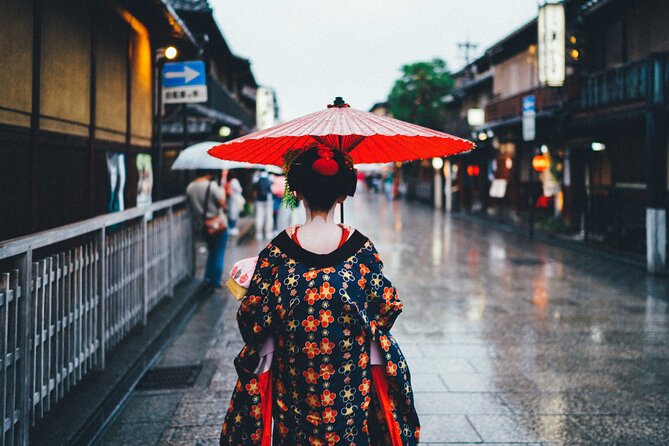
Tatsumi Daimyojin Shrine is a brief five-minute stop. It is a small Shinto shrine associated with protection, good fortune, and safety, including protection for people on journeys. The stop is short, but it adds another layer to the walk and shows how religious places appear among Gion’s commercial and residential buildings.
Next comes Tatsumi Bridge, with about 10 minutes set aside for photographs and explanation. This small traditional bridge is surrounded by wooden machiya houses and tea houses. It is one of those places where a guide can help you notice details you might otherwise pass without a second look.
The drawback is space. Bridges and narrow lanes do not leave much room for a group to spread out, especially when other people are taking pictures. Stay close to the guide and be ready to move when asked. The walk is easy to follow in a group of 10, but it is not a relaxed, open-air stroll at every point.
Gion Shirakawa is the prettiest photo stop
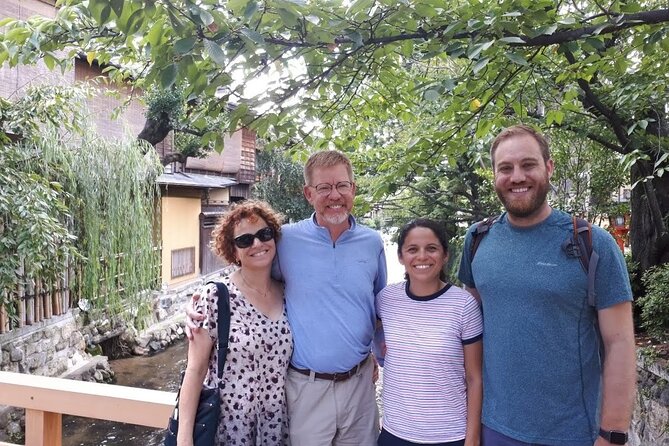
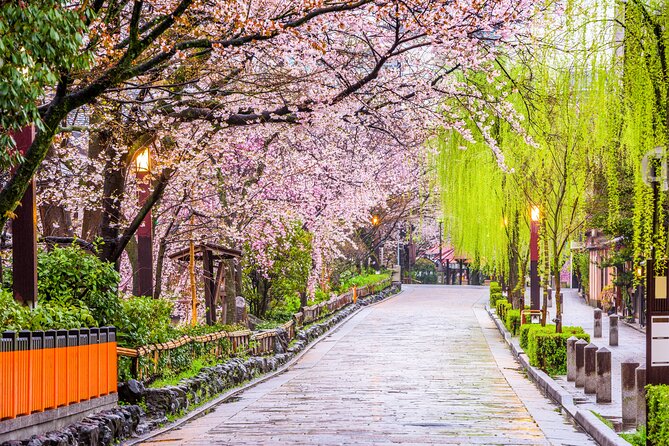
Gion Shirakawa follows the canal beside well-preserved wooden houses and weeping cherry trees. The waterway brings a quieter feel to the route, and it is likely to be one of the best places for photographs.
The canal is attractive in every season, but the trees make spring particularly appealing. Still, the charm does not depend only on blossoms. Reflections in the water, traditional facades, and the narrow scale of the street give the area a strong sense of place.
This is also a good section for listening. Instead of rushing from one landmark to the next, you can use the canal as a pause while the guide explains how the district functions. The itinerary does not promise entry into private tea houses or access to geiko establishments, so the experience remains respectful and public.
Other walking tours we've reviewed in Kyoto



Hanamikoji Street shows Gion at its most polished
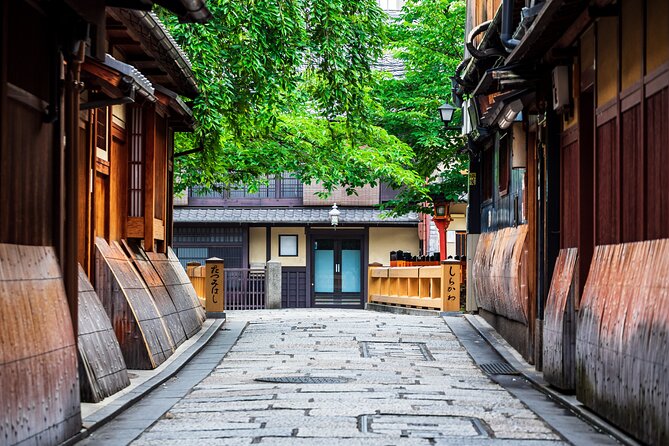
Hanamikoji Street is another 10-minute stop. It is one of Gion’s main streets, lined with machiya houses, tea houses, shops, and restaurants. Compared with the canal and side lanes, it feels more formal and public.
The street is visually striking, but a short stop means you will not spend much time browsing. Think of it as part of a walking introduction, not a shopping visit or restaurant crawl. Your guide can point out how the old buildings fit into Gion’s entertainment district and explain where geiko and maiko work.
The route also refers to Gion Corner, a cultural venue that presents several traditional Japanese art forms. This tour does not list a performance ticket or admission as part of the $29.85 price, so you should not assume that the walk includes a show. Treat the venue as a cultural reference point unless your booking details say otherwise.
The guide makes or breaks the experience
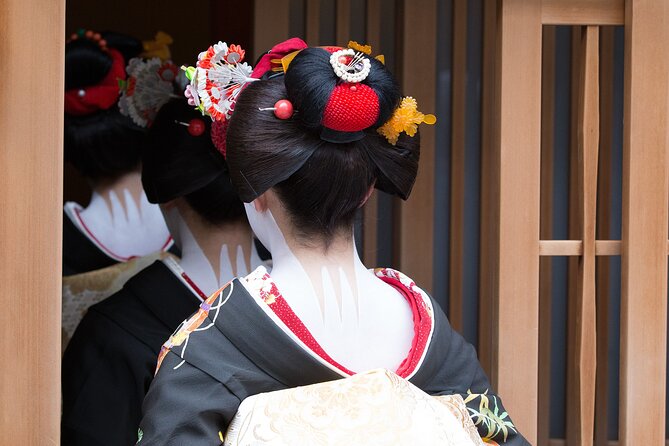
The strongest part of this tour is the human explanation. Guides such as Takuma have been praised for being funny, polite, and passionate about geisha customs. Yuko and Yoko have been described as pleasant and informative, while Tom has been noted for explaining shrines, religions, and Gion’s old buildings in an accessible way.
Yuji has been praised for a warm and patient approach, and Hide for taking the group through quieter back streets and timing a fortunate geiko sighting. One guide even tried speaking a little Spanish, which made the walk more comfortable for that particular group.
English ability may vary. Most available feedback is highly positive, with a 4.8 rating from 232 reviews and 98 percent recommendation, but a few people found one guide’s English difficult to follow. One person also felt the information was too basic and that the guide focused too much on group photographs.
That is the central risk here. A two-hour walk can be fascinating with a strong storyteller and underwhelming with a distracted guide. The tour company has said it addressed concerns about organization, commentary, and photo taking, but you should still book this as a general introduction rather than an advanced seminar on geiko culture.
A practical walk for families and first-time Kyoto visitors
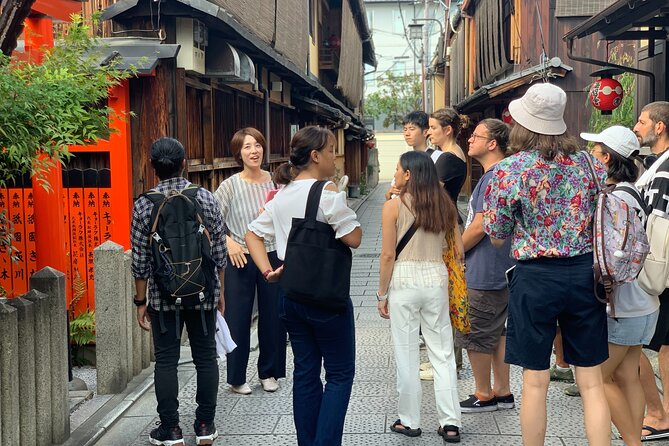
The route suits first-time visitors who want a simple way to meet Gion. It also works well for families. A family with children aged 10 and 13 found the small group and itinerary manageable, and another family said an 11-year-old enjoyed the historical information.
Children must be accompanied by an adult. You should also wear comfortable walking shoes. The tour takes place in rain or shine, so bring suitable clothing and protection for the forecast. The description notes that it is not suitable for people who have difficulty going up and down stairs, so check your own mobility needs before booking.
The walk does not include hotel pickup, drop-off, transport to the meeting point, food, drinks, or personal expenses. Plan your route to Gion in advance and allow a little extra time to find Gion Kōbu Kaburenjō. A mobile ticket is provided, which is useful when you are moving around Kyoto with only your phone.
Because the tour returns to its starting point, it is easy to continue with dinner or another evening activity nearby. The guide can also help you get back to the meeting point, which is handy after walking through a maze of narrow lanes.
How to get the best value from two hours
I would choose an evening departure if the schedule gives you that option. Lantern light and the possibility of seeing maiko or geiko add atmosphere, though you should never treat a sighting as the main goal.
Arrive ready to walk, not dressed for a formal cultural performance. Keep your group compact, listen when the guide explains local etiquette, and ask questions. The people who enjoyed this tour most seem to have used the guide as a source of interpretation rather than expecting access behind closed doors.
If photography matters to you, charge your phone before starting. Yasaka Shrine, Tatsumi Bridge, Gion Shirakawa, and Hanamikoji Street each offer different subjects, from religious architecture to water, woodwork, and lanterns. The tour may include group photos, so make your preference clear if you do not want your picture taken or used for promotional purposes. Photo permission is presented as optional, not required.
You can cancel for a full refund if you do so at least 24 hours before the local start time. Cancellations or changes made within 24 hours are not refunded or accepted.
Who should book the Gion walking tour?
Book it if you want a well-paced first look at Gion, enjoy asking questions, or would rather not decode Kyoto’s old streets alone. The price is reasonable for a two-hour small-group walk, especially when the guide brings the district’s religious and cultural background to life.
It is also a good choice for families and for an evening in Kyoto when you want something more useful than simply taking pictures. The chance to see a maiko or geiko is a pleasant bonus, not a promise.
Skip it if you want a private, expert-level study of geiko life, guaranteed sightings, a performance, or entry into tea houses. You may also prefer an independent walk if you dislike group photos or basic question-and-answer activities.
My call: this is a worthwhile introduction to Gion, with a very good record and a small-group format that keeps the experience personal. Book it for the route and cultural explanation, then consider any geisha sighting a lucky extra.
FAQ
How long does the Kyoto Geisha District Walking Tour last?
The tour lasts approximately two hours.
Where does the tour begin and end?
It begins and ends at Gion Kōbu Kaburenjō, 570-2 Gionmachi Minamigawa, Higashiyama Ward, Kyoto. A guide will help you return to the meeting point.
What places are included in the walking route?
The route includes Yasaka Shrine, Gion, Tatsumi Daimyojin Shrine, Tatsumi Bridge, Gion Shirakawa, Hanamikoji Street, and the area around Gion Corner.
Is admission included?
The listed stops have free admission. The tour price does not include services or expenses not specifically listed, including food, drinks, transport to the meeting point, or personal purchases.
How large is the group?
The tour has a maximum of 10 participants.
Can I see a geisha during the walk?
You may see a geiko or maiko, particularly during an evening walk, but sightings are not guaranteed.
What happens if it rains?
The tour operates rain or shine. Wear comfortable walking shoes and dress for the weather.
More Walking Tours in Kyoto
More Gion & Geisha Walks in Kyoto
More tours in Kyoto we've reviewed




Gion & Geisha Walks, compared.
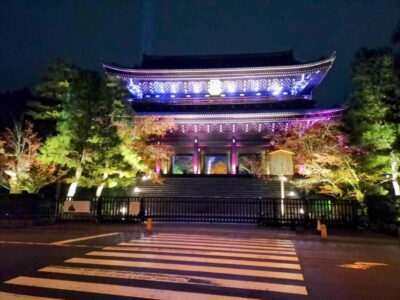 ★ 4.7Kyoto Geisha Walking Tour: Gion District & Hidden GemsFrom $252 hours
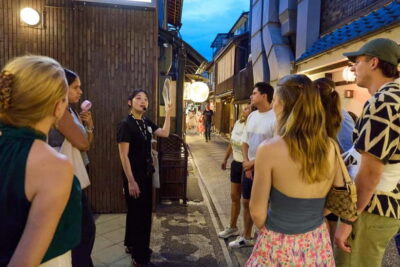 ★ 4.7Kyoto: Gion Geisha District Walking Tour – Stories of GeishaFrom $202 hours
 ★ 4.9Best of Kyoto: Gion, Geisha, Pagodas & CobblestonesFrom $242 hours
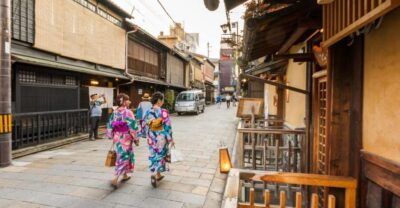 ★ 4.5Night Walk in Gion: Kyoto’s Geisha DistrictFrom $211h 40m
 ★ 5.0Kyoto Night Foodie Tour in Gion (9+ dishes + 6 Sake tastings)From $163
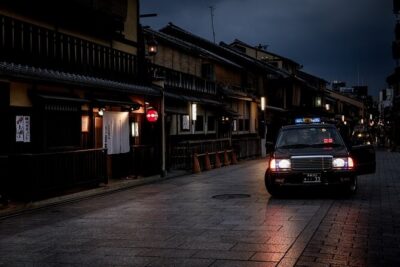 ★ 5.0Kyoto Gion Geisha District Walking Tour – The Stories of GeishaFrom $25