
Reviewed · GION & GEISHA WALKS
Kyoto: Gion Geisha District with Souvenir and Snack
Gion is most appealing after dark, when the streets grow quieter and the tea-house lanes feel less like a sightseeing stage. This walking tour takes you from the Disney Store at Shijo Dori and Kawaramachi across the Kamo River, then into Kyoto’s famous geisha quarter with a local guide.
I like the small price and the personal advice. At $12, you get a guided introduction, a Japanese snack, and an omiyage souvenir, while guides such as Simon, Cameron, Joshua, and Josh add restaurant tips and local context. I also like that the walk looks beyond photo stops, explaining how Geiko and Maiko differ and how the district works today.
The main caution is the amount of walking. Expect hills and steps, and at least one guide is known for a brisk pace. There are no listed water or bathroom stops, and the route may change with weather, season, or access conditions.
In This Review
- Key points to know before booking
- Starting at Kawaramachi and crossing the Kamo River
- Entering Gion after dark
- Geiko, Maiko, and Kyoto’s tea-house culture
- Edo-period stories and the shogun connection
- Local routes, Ninenzaka, and quieter corners
- The snack and omiyage souvenir
- What the guide adds for $12
- How to prepare for the evening
- Who should book this Gion walking tour?
- Should you book it?
- FAQ
- Where does the Gion walking tour meet?
- Where does the tour end?
- What languages are available?
- Is food included?
- Is public transportation included?
- Is the tour suitable for people with mobility impairments?
Key points to know before booking
- Cross the Kamo River at night: The river offers a calm opening view before the tour turns toward Gion’s older streets.
- Learn the difference between Geiko and Maiko: The guide explains their roles, training, appearance, and place in Kyoto’s tea-house culture.
- See more than the usual photo corners: Guides may take quieter routes through Gion and Higashiyama, including areas around Ninenzaka.
- Get practical food advice: Guides share favorite restaurants and may point you toward places used mainly by locals.
- Receive a small Japanese treat: The package includes a traditional snack and an omiyage souvenir, though it is not a full meal.
- Plan for an active evening: Comfortable shoes are essential, and the tour is not suitable for people with mobility impairments.
Starting at Kawaramachi and crossing the Kamo River
The meeting point is in front of the Disney Store on the corner of Shijo Dori and Kawaramachi. Look for the guide holding a sign. This is a useful central location, but it is also a busy city intersection, so arrive with enough time to find the correct corner.
The walk begins with introductions and then heads across the Kamo River. That first crossing gives you a quick change of mood. The commercial streets around Kawaramachi give way to open water, river views, and the softer atmosphere that makes an evening in Kyoto memorable.
The Kamo River is not just scenery. It is part of daily Kyoto life, and the guide uses the area to explain how residents enjoy the river and how modern Kyoto fits around its older customs. You may see people sitting along the banks, including young couples spending time by the water. This simple local habit becomes more interesting once you understand the setting.
The route then turns toward Gion. At this point, the guide’s role matters more than a printed map. Gion can look beautiful but confusing, with narrow lanes, private buildings, restaurants, and traditional tea houses close together. A local guide helps you understand what you are seeing without treating the district as a collection of isolated photo stops.
A few more Kyoto tours and experiences worth a look
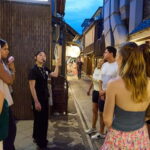

Entering Gion after dark
Gion is best approached with some care. It is a working neighborhood, not an open-air show built for visitors. The tour explains the local community and the traditional people who still live and work in the area, while also showing how modern Geiko and Maiko fit into present-day Kyoto.
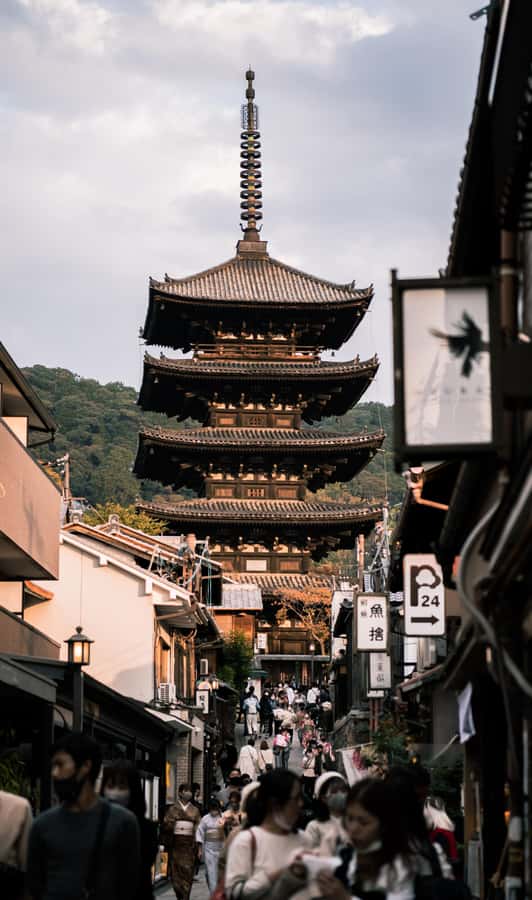
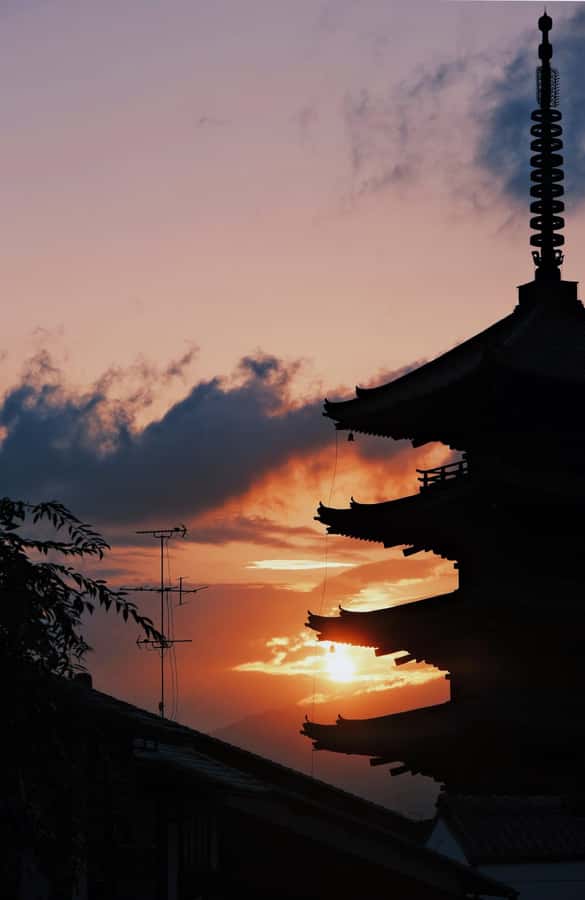
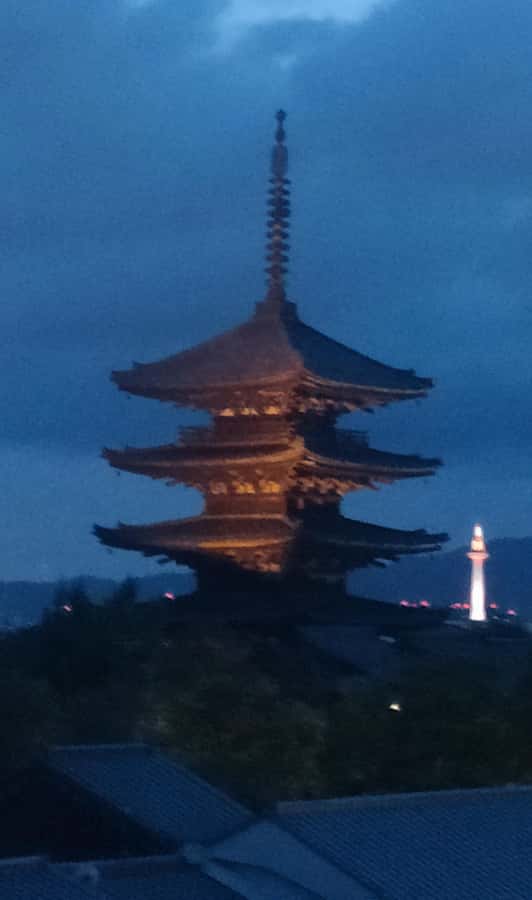
The nighttime timing has clear advantages. Streets can be less crowded, and the atmosphere is quieter than during the daytime rush. Several routes described by participants included less busy parts of Gion and nearby Higashiyama. One guide took a group up toward the pagoda area in Ninenzaka, where the lack of crowds made evening photographs easier.
That said, darkness changes what you can see. One person found the scenery difficult to photograph and enjoy fully because of the low light. If your priority is bright architectural detail, a daytime temple visit may serve you better. If you want mood, quieter streets, and stories that bring the area alive, the evening setting makes good sense.
Do not expect to enter tea houses or see a guaranteed Geiko or Maiko appearance. The experience is a walking introduction to the district and its culture. The value comes from learning how the area functions, not from treating its residents as a photo opportunity.
Geiko, Maiko, and Kyoto’s tea-house culture
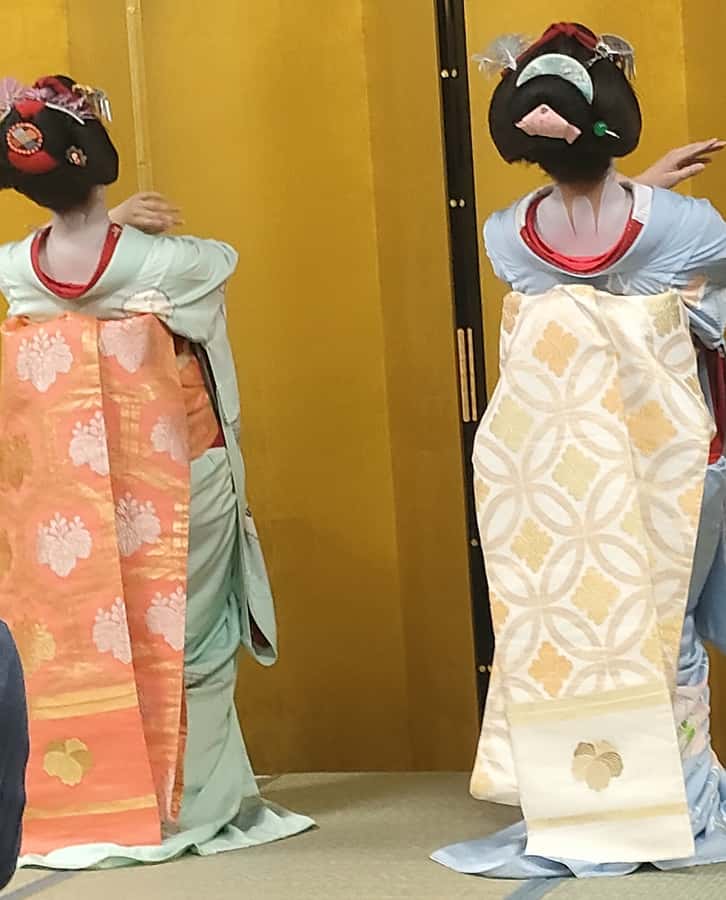
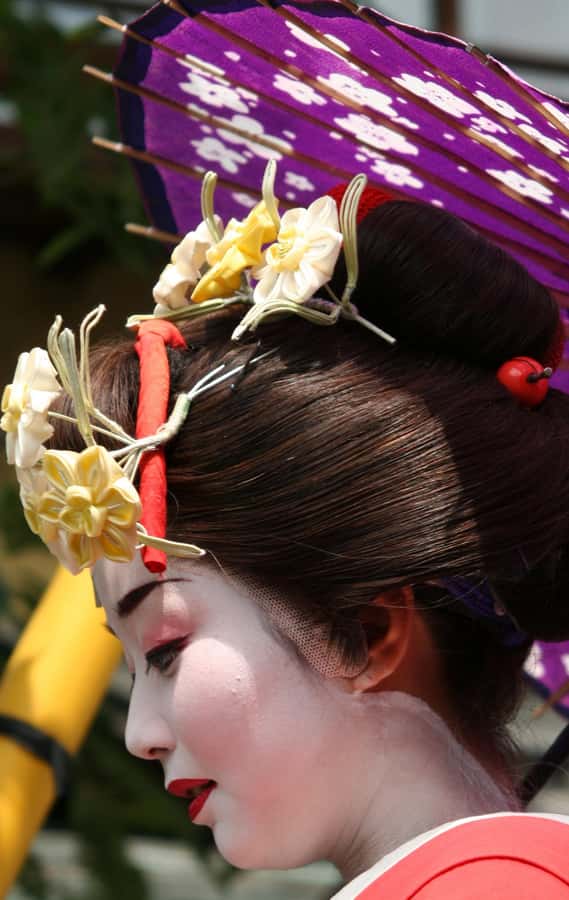
The central cultural lesson is the difference between Geiko and Maiko. In Kyoto, Geiko is the local term for a geisha, while Maiko are apprentices. The guide explains the distinction and places both within the traditions of the tea-house, or flower, districts.
This is one of the strongest parts of the walk because the subject is easy to misunderstand. Popular images often reduce Geiko and Maiko to clothing, makeup, and performances. The tour adds the working structure behind those images, including the systems that support hosting, training, and social entertainment in Gion.
A good guide also helps you see the difference between a traditional district and a museum. Gion still has residents, restaurants, businesses, and working tea houses. The tour presents the area as part of living Kyoto, not simply as a preserved set for photographs.
Simon receives particularly strong praise for explaining how the Geiko and Maiko systems work. He has lived in Japan for many years and is described as patient, engaging, and easy to understand in English. Cameron is also singled out for bringing the stories behind Gion’s places to life. Other tours have been led by Joshua, Josh, Jose, and Jose’s wife, so the exact style depends on who leads your departure.
That variation is worth noting. Simon’s style appears especially personal and flexible, while Josh is described as relaxed and attentive to individual interests. The common thread is a willingness to answer questions and adapt the walk when possible. You should still expect an active route rather than a slow, formal lecture.
Edo-period stories and the shogun connection
The walk also reaches back to the Edo period and the shogun clan that shaped Japanese history. This broader context helps explain why Kyoto’s customs, social spaces, and old neighborhoods developed as they did.
The tour does not appear to be a full political history lesson. Instead, the guide connects major historical themes to the streets around you. That approach works well for a first evening in Kyoto because you get enough background to understand the district without spending the entire night in a classroom.
I would treat the historical material as a useful framework rather than the sole reason to book. If you want a detailed study of the Edo period, you will need a more specialized museum or history tour. If you want to know why Gion has its particular traditions and social rules, the information should add real value.
The best guides make these stories conversational. Simon is described as happy to follow questions in different directions, and several participants appreciated being able to ask about Japanese culture in general. That flexibility is helpful if this is your first visit and you are still trying to make sense of everyday customs.
Local routes, Ninenzaka, and quieter corners
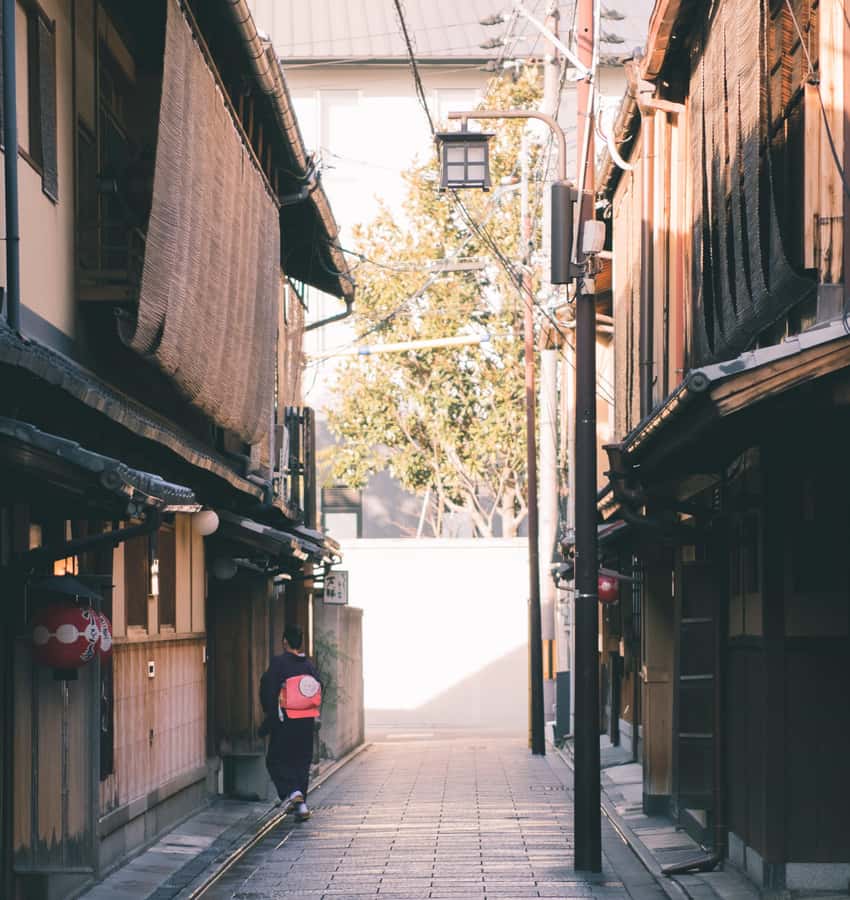
One reason to choose this walk over a simple Gion photo stroll is the route choice. Guides may avoid the most crowded streets and show side lanes or nearby neighborhoods that are difficult to find on your own.
The exact route can change. Weather, the time of year, and access conditions may require adjustments. That is sensible in a district with narrow streets and many private spaces, but it means you should not book with a fixed checklist of landmarks in mind.
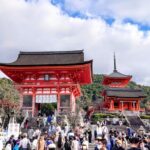
Some walks include Higashiyama and the Ninenzaka area, with a possible view of the pagoda. These streets are among Kyoto’s most attractive, but they can also involve slopes and steps. The route is not suitable for people with mobility impairments, and baby carriages are not allowed.
The pace is another practical issue. One guide openly walks quickly, which worked well for some people but was too fast for others. Another group of older participants found the pace comfortable, so the experience may depend on the guide and the makeup of the group. Wear shoes with good support and tell the guide early if you need a slower pace.
There are no public transportation tickets included. You reach the meeting point independently, and the activity ends back there. That makes planning simple, but you should account for your own transport before and after the walk.
The snack and omiyage souvenir
The tour includes a Japanese snack and a traditional omiyage souvenir. The snack is a pleasant touch, especially during an evening walk, and the small gift gives you something tangible to take away.
Keep your expectations measured. This is not a food tour, and it does not replace dinner. The package information also says food is not included, so the safest reading is that you receive the advertised small snack, not a meal or a series of tastings.
Plan to eat beforehand or afterward. The walk can leave you hungry, especially if the route includes hills and steps. Guides are happy to recommend restaurants, and this may be one of the most useful extras in the whole experience.
Simon is repeatedly praised for restaurant advice. In one case, a recommended ramen shop had a long queue, so he directed the group to another local spot that became a favorite meal in Kyoto. He also gave several suggestions for places where visitors would not usually eat. Treat those recommendations as a practical bonus, but remember that restaurants and queues can change.
What the guide adds for $12
At $12 per person, this is priced as an accessible introduction rather than a premium private tour. You are paying mainly for orientation, conversation, and local interpretation. The snack and souvenir make the package feel more complete, but the real value is the time saved finding your way through Gion.
If your alternative is wandering alone with a guidebook, the price is easy to justify. You may learn the basic difference between Geiko and Maiko, understand why tea houses matter, hear Edo-period stories, and collect restaurant suggestions in one evening.
The value is also strong for solo visitors. A solo participant can join a group, ask questions, and get a sense of the district without having to plan a route. Families and couples can benefit too, especially if they want an introduction before exploring Kyoto on their own.
The tour is less suitable if you want a quiet private experience, a gourmet meal, or guaranteed encounters with Geiko or Maiko. You also need to accept some uncertainty in the route and guide style. At this price, that is a reasonable trade-off.
The overall rating of 4.3 from 228 ratings suggests a strong experience with some uneven moments. The lower-scoring comments focus on walking speed, limited stops, occasional rushing, and difficulty hearing a masked guide who had a cold. Those are useful warnings, not reasons to dismiss the tour.
How to prepare for the evening
Wear comfortable shoes and clothes that let you walk freely. The route may include hills and steps, so this is not the night for new shoes or hard-soled dress footwear.
You may want to carry water, since there are no listed water stops. The same applies to bathroom planning. Use facilities before meeting the group, then arrange dinner after the tour if you prefer not to stop during the walk.
Bring a phone or camera, but do not expect every street to be brightly lit. Night photography can be difficult, and the guide’s explanations are more important than collecting photographs of every corner.
Most importantly, approach Gion respectfully. Listen to instructions about photography and private spaces, stay with the group, and remember that the district is a neighborhood where people work and live.
Who should book this Gion walking tour?
I would recommend it to first-time Kyoto visitors who want a quick cultural orientation and a local voice. It is also a good choice for solo visitors, couples, and families who prefer stories and practical advice over a formal historical lecture.
You will get the most from it if you enjoy walking, asking questions, and adjusting your plans as the guide points out places worth seeing. The tour is especially useful early in a Kyoto visit, since restaurant suggestions and neighborhood advice can improve the rest of your stay.
I would choose another activity if you have difficulty walking, need regular rest stops, want a fully accessible route, or are mainly interested in food. I would also avoid booking it with the expectation of meeting a Geiko or Maiko. The tour explains that world, but it does not promise a sighting.
Should you book it?
For $12, this is an appealing way to get your bearings in Gion after dark. I like the mix of Kamo River views, tea-house history, Geiko and Maiko explanations, local routes, a small Japanese treat, and restaurant advice.
Book it if you want an affordable, active introduction with a guide who may tailor the evening to your questions. Skip it if hills, steps, brisk walking, or nighttime sightseeing would make the experience uncomfortable. For most mobile visitors seeking context rather than a staged show, the price makes this a sensible Kyoto add-on.
FAQ
Where does the Gion walking tour meet?
Meet in front of the Disney Store on the corner of Shijo Dori and Kawaramachi. The guide will be holding a sign.
Where does the tour end?
The activity ends back at the meeting point.
What languages are available?
The tour is offered in English.
Is food included?
A Japanese snack and an omiyage souvenir are advertised as part of the experience. Food is also listed as not included, so you should plan to buy your own meal separately.
Is public transportation included?
No. Public transportation tickets are not included.
Is the tour suitable for people with mobility impairments?
No. The tour is not suitable for people with mobility impairments, and baby carriages are not allowed. Expect walking, hills, and steps.
More Gion & Geisha Walks in Kyoto
More tours in Kyoto we've reviewed


Gion & Geisha Walks, compared.
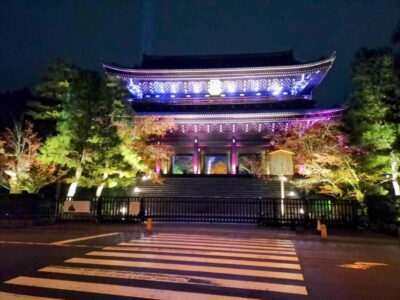 ★ 4.7Kyoto Geisha Walking Tour: Gion District & Hidden GemsFrom $252 hours
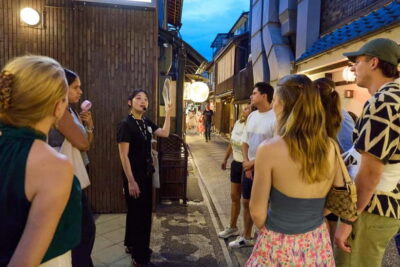 ★ 4.7Kyoto: Gion Geisha District Walking Tour – Stories of GeishaFrom $202 hours
 ★ 4.9Best of Kyoto: Gion, Geisha, Pagodas & CobblestonesFrom $242 hours
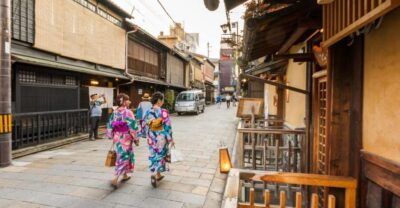 ★ 4.5Night Walk in Gion: Kyoto’s Geisha DistrictFrom $211h 40m
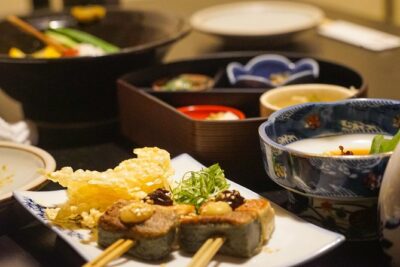 ★ 5.0Kyoto Night Foodie Tour in Gion (9+ dishes + 6 Sake tastings)From $163
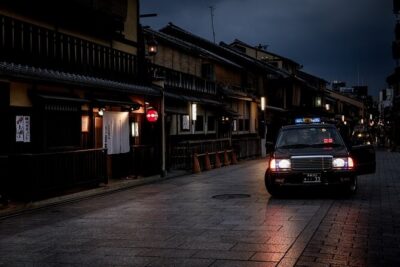 ★ 5.0Kyoto Gion Geisha District Walking Tour – The Stories of GeishaFrom $25