
Reviewed · GION & GEISHA WALKS
Kyoto: Gion Geisha District & Yasaka Shrine Walking Tour
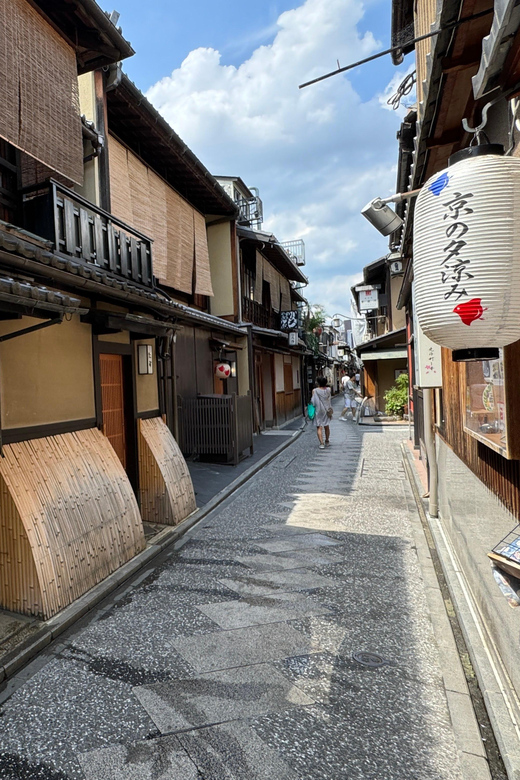
Gion is best understood on foot, and this 90-minute walk takes you beyond the postcard views. You’ll pass wooden machiya townhouses on Hanamikoji Street, follow the willow-lined Shirakawa Canal, and visit Yasaka Shrine, the religious center of the district.
I like the private format, which lets the guide adjust the pace and answer your questions. I also like the tour’s respectful approach to geiko and maiko, focusing on their training and artistic roles instead of treating them as photo subjects. The main drawback is its short length, so you’ll see a thoughtful slice of Gion rather than the whole quarter.
In This Review
- Key points
- Why Gion makes a good walking tour
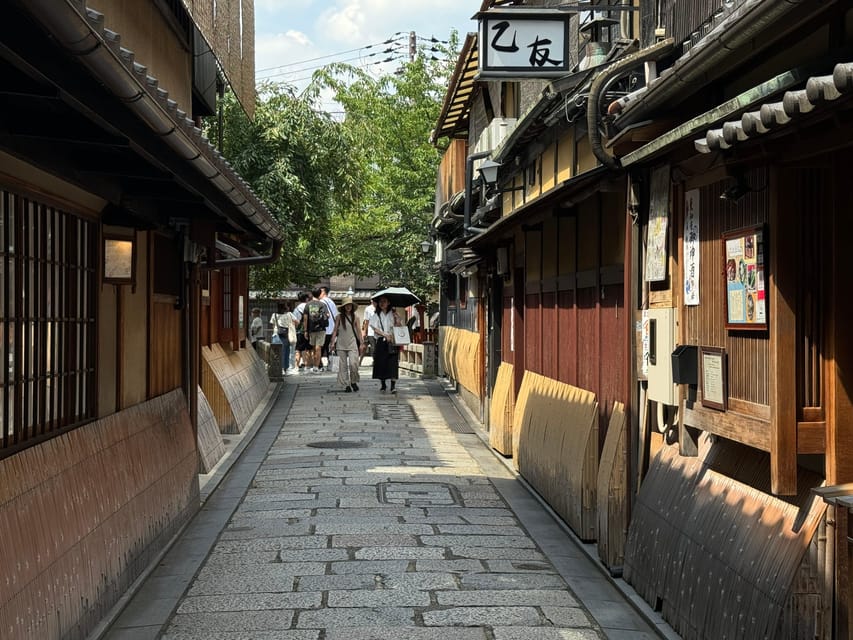
- Hanamikoji Street and Kyoto’s machiya houses
- Shirakawa Canal’s quieter Kyoto
- Yasaka Shrine, Gion’s spiritual center
- What geiko and maiko really represent
- What the private format adds
- Is $38 a fair price?
- Who will enjoy this Gion walk?
- Weather, timing, and practical expectations
- Should you book the Gion walking tour?
- FAQ
- How long does the Gion walking tour last?
- What places are included in the walk?
- Is the tour private?
- What languages are available?
- Is the tour available during the day?
- Does the tour include a meal or drinks?
- Is transportation included?
- Can I cancel for a full refund?
- Can I reserve now and pay later?
Key points
- Hanamikoji Street: See Kyoto’s best-known row of machiya townhouses and traditional ochaya tea houses.
- Shirakawa Canal: Walk beside willow trees, small bridges, and carefully preserved facades in quieter surroundings.
- Yasaka Shrine: Visit a Shinto shrine with more than a thousand years of connection to Gion.
- Private guiding: Your group receives direct commentary in English or Japanese, with room for questions.
- Geiko and maiko context: Learn about the discipline, performance, and customs behind Kyoto’s traditional entertainment district.
- Helpful pacing: Guide Yozo adjusted the walk for a senior using a walking stick, while guide Peco was praised for friendly, clear explanations.
Why Gion makes a good walking tour
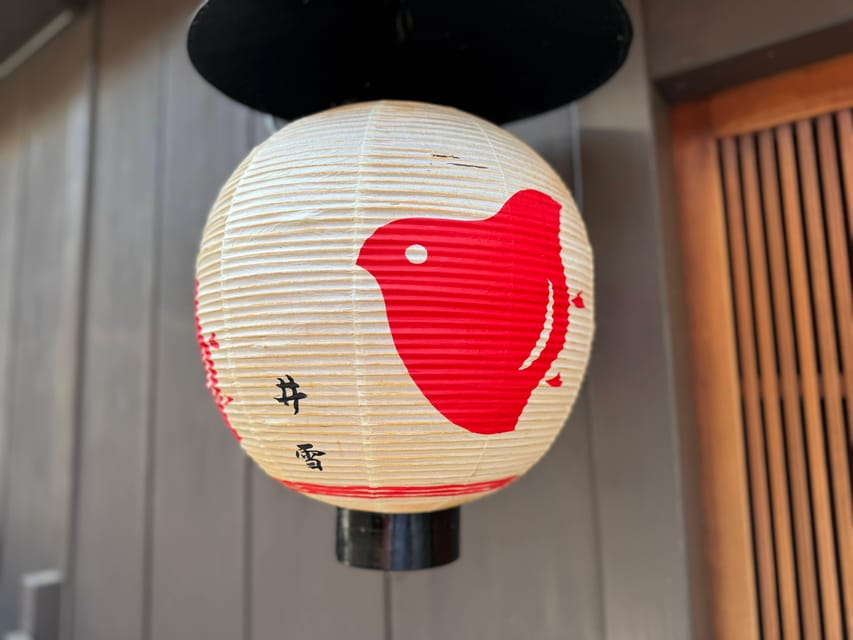
Gion can look simple at first glance: a few attractive streets, old wooden buildings, and plenty of people taking pictures. Yet the district makes much more sense when someone explains what you are seeing.
The architecture is part of the story. The narrow machiya townhouses, tiled roofs, wooden fronts, and discreet entrances reflect a neighborhood shaped by tea houses, performers, merchants, religious activity, and seasonal festivals. Without context, you may simply see a pretty street. With a guide, you begin to understand why the buildings look the way they do and how the area developed around them.
This tour gives you that context without asking you to commit half a day. At $38 per person, the price is reasonable if you want a focused introduction to Gion and prefer a private group over a large scheduled walk. You are paying mainly for interpretation, not admission tickets or food, so the value depends on how much you want to learn from the setting.
If you already know Kyoto well, 90 minutes may feel brief. If this is your first visit, the compact format helps you get your bearings before exploring more of the city on your own.
A few more Kyoto tours and experiences worth a look

Hanamikoji Street and Kyoto’s machiya houses
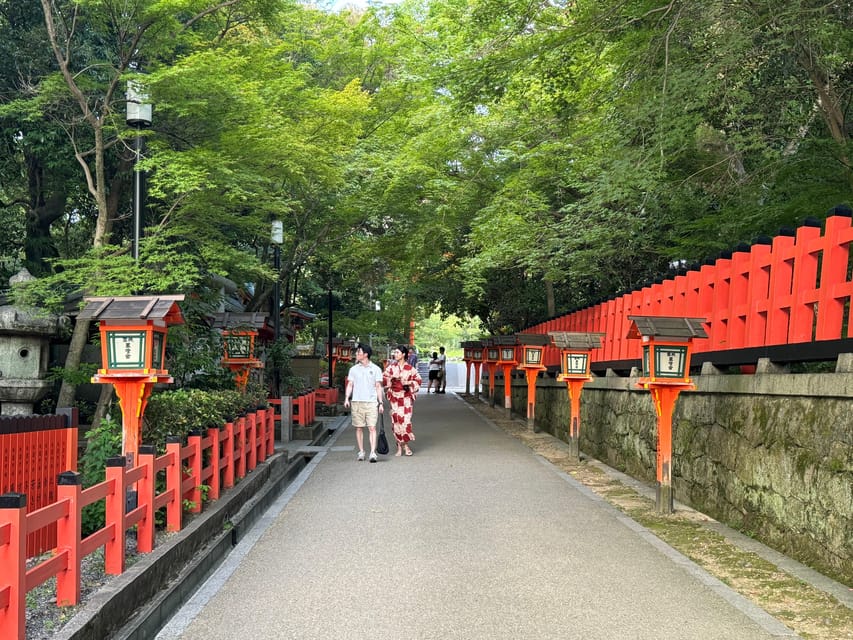
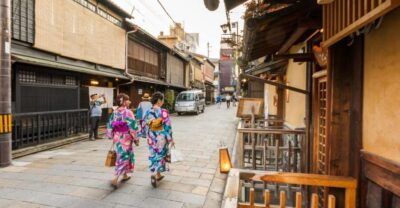
Hanamikoji Street is one of Gion’s most recognizable routes. Its stone-paved surface and traditional wooden facades create the image many people carry in their heads before arriving in Kyoto.
The street is lined with machiya townhouses and ochaya tea houses. An ochaya is not simply a casual cafe. It is associated with private entertainment by geiko and maiko, and many of these establishments are not places you enter casually from the street. A guide can help you understand the difference between a public sightseeing area and a working cultural district.
I appreciate that the walk treats Hanamikoji as a living neighborhood rather than a stage set. You’ll see elegant architecture, but you should also remember that people work and live here. Keep your voice down, stay on public paths, and follow any local signs about photography or access.
This is also where the tour’s daytime timing matters. In daylight, you can inspect details on the wooden fronts, entrances, rooflines, and narrow lanes more easily than you might at night. The famous evening glow of Gion has its appeal, but low light can hide the very features that make the district worth understanding.
The street can be one of the busier parts of the walk, depending on the time of day. A private guide may lead you into nearby back streets when appropriate. Karan specifically appreciated being taken through lanes that were easy to miss alone, which is one of the strongest reasons to book a guided walk instead of simply following a map between famous addresses.
Shirakawa Canal’s quieter Kyoto
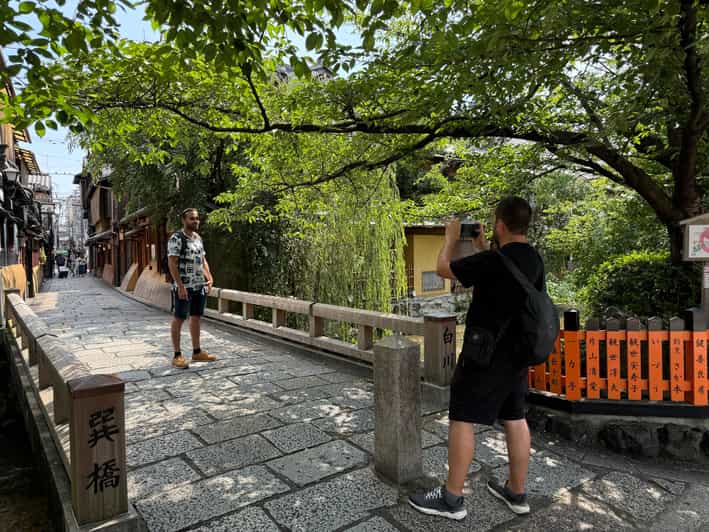
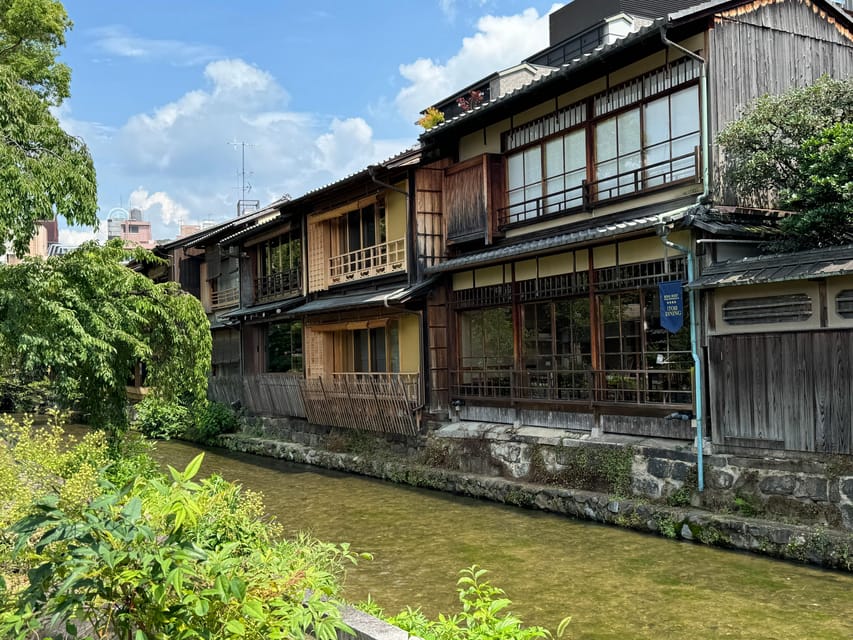
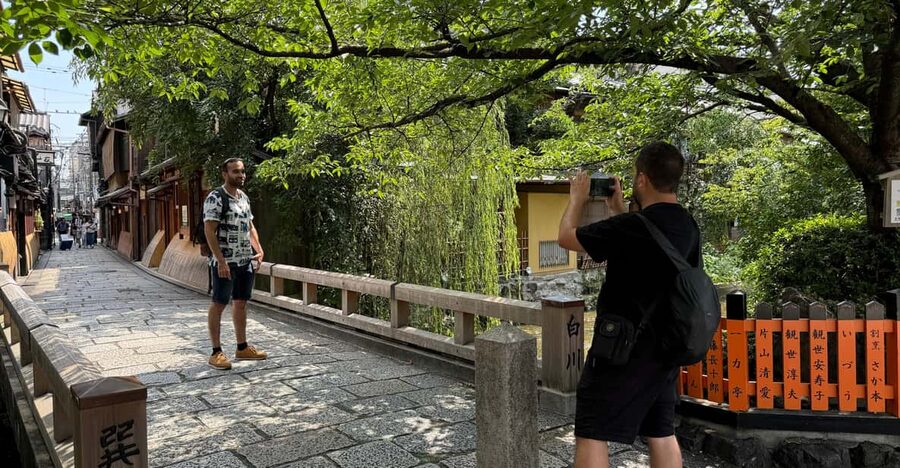
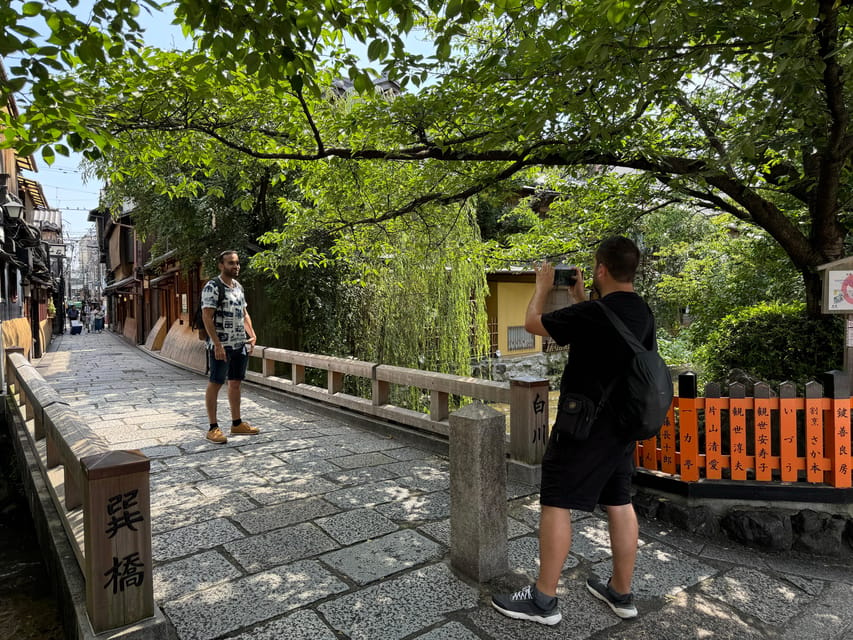
The walk continues to the Shirakawa Canal, one of Gion’s most photogenic stretches. Willow trees line the water, and small bridges connect the narrow streets around it. Preserved facades give this part of the district a calmer, more refined feel.
Here, the scenery does much of the work. The canal, trees, bridges, and wooden buildings form a compact view of old Kyoto without the need for a long journey across the city. Still, a guide adds useful detail by pointing out how the buildings and streets relate to Gion’s traditional arts.
I would plan to slow down here. The canal is not a place to rush through while checking off an itinerary. Look at the layers of the facades, the proportions of the buildings, and the way the narrow waterway shapes the street. You’ll have chances to take photographs, but the best use of the stop is to notice how restrained the design is.
The route remains a walking tour, not a sightseeing bus excursion. You should be comfortable standing and walking for the full 90 minutes. That said, the private format can help if your group needs a gentler pace. Yozo was especially accommodating with a group that included seniors and one person using a walking stick. He adjusted the speed, helped carry a bag, and took photographs when asked. That is a useful sign for groups with mixed walking abilities, though you should still discuss any specific needs when booking.
Yasaka Shrine, Gion’s spiritual center
Yasaka Shrine brings a different side of Gion into view. The district is famous for performing arts and tea houses, but its identity is also tied closely to Shinto worship and seasonal religious events.
The shrine has a history spanning more than a thousand years and remains connected to the development of Gion. It is also central to the Gion Matsuri, one of Kyoto’s major festivals. That connection helps explain why the neighborhood is more than an entertainment quarter. Religion, commerce, architecture, and performance have grown together here over many centuries.
At the shrine, your guide provides cultural and historical commentary rather than rushing you through for a quick photograph. You can ask questions about what you are seeing and how the shrine relates to the surrounding streets. For visitors who have already photographed Gion’s wooden buildings, this stop adds needed balance.
The shrine also changes the rhythm of the walk. Hanamikoji and Shirakawa Canal focus on streets and architecture. Yasaka Shrine gives you a place associated with ritual and community life. In a short tour, that contrast is valuable because it shows how different parts of Gion fit together.
What geiko and maiko really represent
Many people book a Gion tour hoping to see a geisha. That can lead to poor behavior if the focus becomes chasing performers through the streets. This experience takes a better approach by explaining the traditions instead.
In Kyoto, geiko are highly trained professional entertainers, while maiko are apprentices. Their work involves performance, music, dance, conversation, and formal presentation. The guide explains their role in Kyoto society and the discipline behind the public image.
That background matters because geiko and maiko are not simply people in elaborate costumes available for tourist photographs. They belong to a long artistic tradition linked to the tea houses and cultural life of the district. Understanding that distinction helps you behave respectfully if you happen to see one during your stay.
I also like that the tour does not promise sightings. Sightings depend on timing and chance, and a good Gion visit should not depend on them. You receive more reliable value from learning about the people, spaces, and customs that define the district.
Peco was praised for making the area more understandable through friendly explanations. A strong guide can connect an unfamiliar term or custom to the street in front of you, which is exactly what makes a short walking tour worthwhile.
Other walking tours we've reviewed in Kyoto

What the private format adds
The private group setup is one of the clearest advantages. You are not trying to hear a guide over a large crowd, and your group can ask questions that match its interests. If you care more about architecture than performance, you can spend more time on buildings. If you want cultural background, you can ask for more explanation about geiko and maiko.
A private tour also allows some flexibility in pace. This matters in Gion, where stopping to look at a detail can be more rewarding than moving quickly from one named place to another. The guide can also help you notice side streets and quieter corners that you might miss when following a standard route.
Still, private does not mean fully custom. The advertised walk lasts 90 minutes and centers on Gion, Hanamikoji Street, Shirakawa Canal, and Yasaka Shrine. If you want a long photography session, extended shrine worship, or a visit to additional Kyoto sights, you’ll need more time elsewhere.
The available guides speak English or Japanese. Peco and Yozo are names connected with especially positive experiences, but the assigned guide may vary. The important point is that the tour provides live commentary rather than an audio guide or printed route.
Is $38 a fair price?
At $38 per person, this is not the cheapest way to see Gion. You can walk through the public streets without paying for entry, and Yasaka Shrine is part of the neighborhood’s open sightseeing experience. The cost here buys you organization, interpretation, and a private guide for your group.
That is fair value if you want to understand what you are seeing. A guide can explain the difference between a machiya and an ochaya, place Yasaka Shrine within Gion’s story, and discuss geiko and maiko without reducing the district to a hunt for photographs.
The value is less convincing if you only want scenic pictures or prefer to wander silently. You may also want a longer tour if Gion is one of your main Kyoto interests. Ninety minutes gives you a strong introduction, but it will not cover every lane or provide a full evening of entertainment.
No food, drinks, transportation, or personal expenses are included. You’ll need to reach the meeting point yourself, and that point can vary according to the option you book. Check the exact meeting details before setting out, especially if you are coming from another part of Kyoto.
Who will enjoy this Gion walk?
I would recommend this tour to first-time Kyoto visitors who want a clear introduction to Gion without spending an entire day on one neighborhood. It also suits you if you like architecture, religion, local customs, and traditional performance more than a checklist of photo stops.
Families and mixed-age private groups may appreciate the adjustable pace. Yozo’s care with a senior using a walking stick is encouraging, and the private setup gives your group more control than a large public tour. Even so, this is still a walking experience, so comfortable shoes and realistic expectations about standing are sensible.
The tour is also useful for visitors who worry about behaving poorly around geiko and maiko. Its emphasis on cultural understanding gives you a better basis for respectful sightseeing.
I would choose something else if you want a food tour, a night experience, or a performance. Food and drinks are not included, and the focus is historical and cultural commentary. You should also skip it if you dislike guided walks or prefer to explore at your own speed.
Weather, timing, and practical expectations
The walk operates as an outdoor experience, so weather can affect your comfort. One guest still found the route worthwhile in rain, but you should bring suitable clothing and footwear when conditions look uncertain. Wet stone and narrow streets call for a steady pace.
Daytime is a practical choice if you want to see architectural details. The canal, wooden fronts, and shrine grounds are easier to study in natural light. If you are hoping for the lantern-lit mood often associated with Gion, this tour may not provide that particular atmosphere.
Because the meeting point may vary by booking option, confirm it before leaving your hotel. Transportation to and from the meeting point is not included. The tour itself is 90 minutes, so allow extra time if you want to linger at Yasaka Shrine or continue exploring after the guide says goodbye.
Cancellation is flexible up to 24 hours before the tour for a full refund, and you can reserve now and pay later. Those terms are useful if your Kyoto schedule is still changing.
Should you book the Gion walking tour?
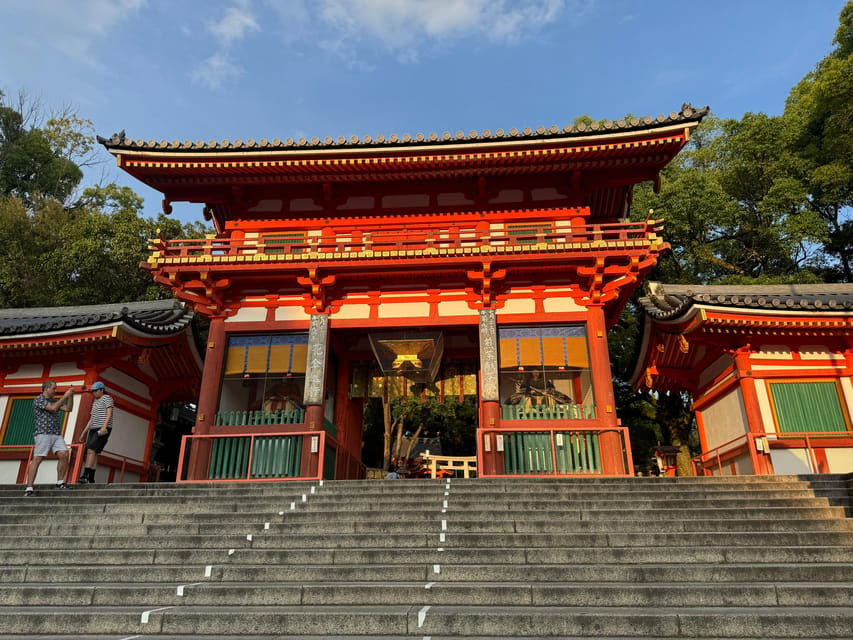
Book it if you want Gion explained rather than merely photographed. The private group, direct English or Japanese commentary, and compact route make it a practical first look at Hanamikoji Street, Shirakawa Canal, and Yasaka Shrine.
The best reasons to go are the respectful explanation of geiko and maiko traditions, the chance to notice side streets and architectural details, and the adaptable pace. The main limitation is simple: 90 minutes goes quickly, and the experience does not include food, transportation, or a performance.
At $38 per person, I see this as a good introductory tour for curious visitors, seniors, families, and anyone who wants a local guide’s help making sense of Gion. If you already know the district or prefer completely independent walks, spend the money on another experience. Otherwise, this is a sensible way to begin your time in Kyoto’s most famous traditional quarter.
FAQ
How long does the Gion walking tour last?
The tour lasts 90 minutes.
What places are included in the walk?
The route includes Hanamikoji Street, the Shirakawa Canal area, and Yasaka Shrine, along with other streets in Gion.
Is the tour private?
Yes. The experience is arranged for a private group.
What languages are available?
Live guiding is available in English and Japanese.
Is the tour available during the day?
The experience is described as a daytime walking tour. Check the available starting times when booking.
Does the tour include a meal or drinks?
No. Food and drinks are not included.
Is transportation included?
No. Transportation to and from the meeting point is not included.
Can I cancel for a full refund?
Yes. You can cancel up to 24 hours in advance for a full refund.
Can I reserve now and pay later?
Yes. The reserve now and pay later option lets you hold a place without paying at the time of booking.
More Walking Tours in Kyoto
More Gion & Geisha Walks in Kyoto
More tours in Kyoto we've reviewed




Gion & Geisha Walks, compared.
 ★ 4.7Kyoto Geisha Walking Tour: Gion District & Hidden GemsFrom $252 hours
 ★ 4.7Kyoto: Gion Geisha District Walking Tour – Stories of GeishaFrom $202 hours
 ★ 4.9Best of Kyoto: Gion, Geisha, Pagodas & CobblestonesFrom $242 hours
 ★ 4.5Night Walk in Gion: Kyoto’s Geisha DistrictFrom $211h 40m
 ★ 5.0Kyoto Night Foodie Tour in Gion (9+ dishes + 6 Sake tastings)From $163
 ★ 5.0Kyoto Gion Geisha District Walking Tour – The Stories of GeishaFrom $25