
Reviewed · ARASHIYAMA & BAMBOO TOURS
KYOTO: Golden Pagoda, Bamboo Forest, Arashiyama (Italian)
Kyoto’s two most recognizable sights make a sensible half-day pair: the Golden Pagoda gives you temple beauty and imperial-era history, while Sagano’s Bamboo Forest offers a quiet walk through one of the city’s most famous natural settings. An Italian-speaking Kyoto guide connects the sights to daily life, samurai culture, aristocratic retreats, and modern Japan.
I like the use of public transport, since trains, buses, and the subway show you how Kyoto works instead of keeping you behind a tour-bus window. I also like the flexibility: the tour finishes at Kyoto Station, but you can leave partway if you want more time in Arashiyama. The main consideration is price. At $117 per person, this makes the most sense if you value Italian commentary, included admissions, and help with Kyoto’s transport system.
In This Review
- Key points at a glance
- Why this Kyoto half-day works
- Starting at Kyoto Station
- Walking through Sagano Bamboo Forest
- From Sagano to Kinkaku-ji
- Seeing Kinkaku-ji, Kyoto’s Golden Pavilion
- The return to Kyoto Station
- What the guide adds in Italian
- Is $117 a fair price?
- Who should book this experience?
- Should you book the Kyoto Golden Pagoda and Bamboo Forest tour?
- FAQ
- Where does the tour start?
- Where exactly is the meeting point at Kyoto Station?
- Where does the tour end?
- How long does the tour last?
- Which sights are included?
- Is transportation included?
- Are entrance fees included?
- What language is the tour conducted in?
- Can I leave the tour early?
- Is the activity wheelchair accessible?
- Can I cancel for a full refund?
- Do I have to pay when I reserve?
Key points at a glance
- Two major Kyoto sights in five hours: Visit Kinkaku-ji and the Sagano Bamboo Forest in one organized outing.
- Italian-speaking local guidance: The guide explains Kyoto’s history, culture, aristocratic past, samurai traditions, and present-day life.
- Public transport is part of the experience: The route uses trains, a bus or coach, and the subway rather than private touring vehicles.
- Entry fees and transport are included: You do not need to sort out tickets for the scheduled monuments or navigate each connection alone.
- Flexible ending: The planned return is Kyoto Station, but you may leave during the tour if your day changes.
- A highly rated guide style: Italian guest feedback especially highlights the cordial atmosphere and guide Omae’s polished Italian, humor, and unusual historical details.
Why this Kyoto half-day works
This is not simply a photo stop at the Golden Pagoda followed by a walk under bamboo. The route links two very different sides of Kyoto. Kinkaku-ji presents the formal world of religious buildings, imperial connections, and refined taste. Sagano presents wooded paths and the former retreat country of nobles, literati, and members of the imperial family.
That contrast gives the morning or afternoon a useful rhythm. You get a major landmark, a walking section, several short rides, and a guide who can explain how the old capital still functions today. For a first visit to Kyoto, that balance is valuable because the city’s sights can otherwise feel scattered across a wide area.
The tour is conducted in Italian and can be arranged as a group or individual experience. That matters if you want to ask questions in your own language rather than rely on a printed guide. Italian feedback gives particular praise to the guide’s warmth and substance. Stefano described the guide as prepared and far from ordinary, while Daniele singled out Omae for culture, humor, polished Italian, and memorable curiosities.
Those details suggest the strongest reason to book is not just transport. It is the conversation between the sites. The pagoda and bamboo are easy to photograph on your own. The guide’s value lies in explaining why these places mattered, who used them, and how they fit into Japanese life.
A few more Kyoto tours and experiences worth a look

Starting at Kyoto Station
The meeting point is outside Kyoto Station at the north entrance, also called the Karasuma-guchi. Look for the open space between the four escalators in front of the taxi terminal, not the bus terminal. Kyoto Tower should be visible in front of you, toward the top left from this position.
This is a practical meeting point, but Kyoto Station is large and can be confusing. Read the meeting instructions carefully before setting out. The final confirmation sent by the day before the tour gives the current details, so keep that message easy to find.
Starting here makes good sense. Kyoto Station is the city’s main transport hub, and the tour returns there at the end. You can continue to another part of Kyoto, catch a train, or simply use the station as your next point of orientation.
The first train ride takes about 20 minutes. That short journey begins the shift from central Kyoto toward the northwestern part of the old capital. Since transportation is included, you can focus on the guide’s explanation instead of working out fares and transfers.
Walking through Sagano Bamboo Forest
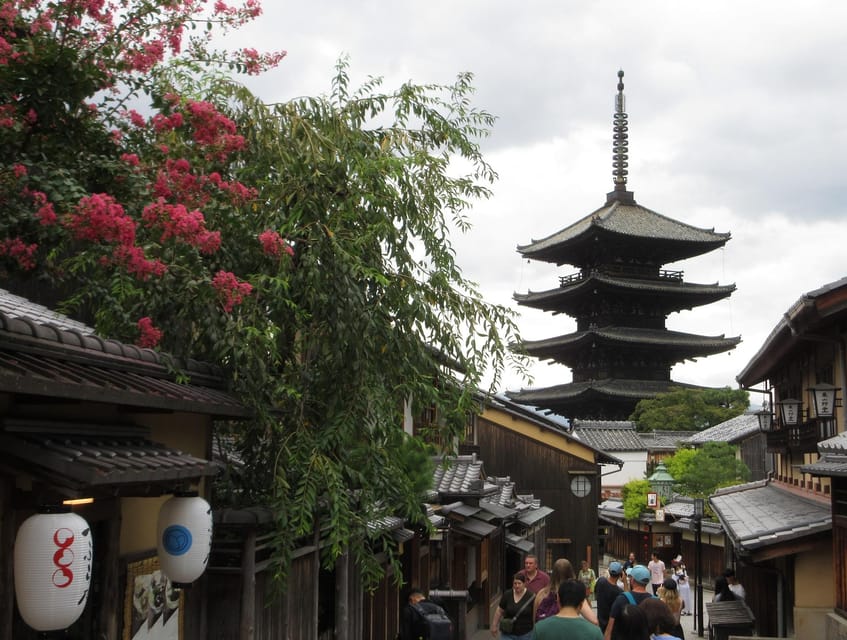
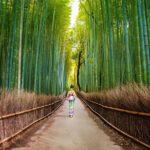
The bamboo portion lasts about an hour and includes a guided visit, sightseeing, and time for shopping. The Sagano area is one of Kyoto’s most recognizable settings, with tall bamboo rising along the paths and a strong sense of being outside the city even though you are still within the Kyoto area.
The appeal here is visual and atmospheric. The bamboo gives you a very different experience from a temple courtyard or city street. Your guide can also place the area within the older pattern of Kyoto life, when aristocrats, imperial relatives, and writers used the northwestern suburbs as places for holidays, retirement, and quiet reflection.
An hour is enough for a focused visit, but it is not an unlimited wander. You should expect to follow the planned route and keep an eye on the meeting time. If you want to explore every side street, browse at length, or linger for a slow photographic walk, you may prefer to return to Arashiyama separately.
Shopping is included as part of the stop, but the information provided does not specify particular shops or purchases. Think of it as a chance to look around rather than a dedicated shopping tour. The main purpose is the guided walk and the setting.
One practical point is worth keeping in mind: bamboo paths can be busy, and the experience depends on the pace of the group and the timing of your visit. The tour does not promise an empty forest. Its advantage is that you do not need to organize the route yourself, and an Italian-speaking guide can explain more than a quick independent visit would.
From Sagano to Kinkaku-ji
After the bamboo visit, you take another train for about 20 minutes. A bus or coach ride of roughly 15 minutes follows, bringing you to Kinkaku-ji, the Golden Pavilion.
These connections are not wasted time. They show the geographic spread of Kyoto’s famous sights and give your guide room to answer questions. If you have been wondering about Japanese customs, the old capital, samurai society, or ordinary modern life, this is the kind of tour where those questions can become part of the experience.
The mixed transport also means you should wear comfortable shoes and stay aware of the group. There is a train, a bus or coach, and later a subway ride. The schedule is organized, but this is still a moving half-day rather than a single-site visit.
Seeing Kinkaku-ji, Kyoto’s Golden Pavilion
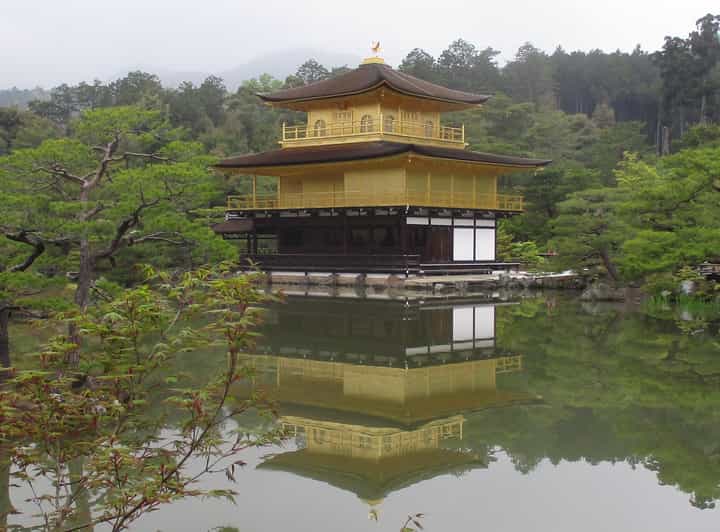
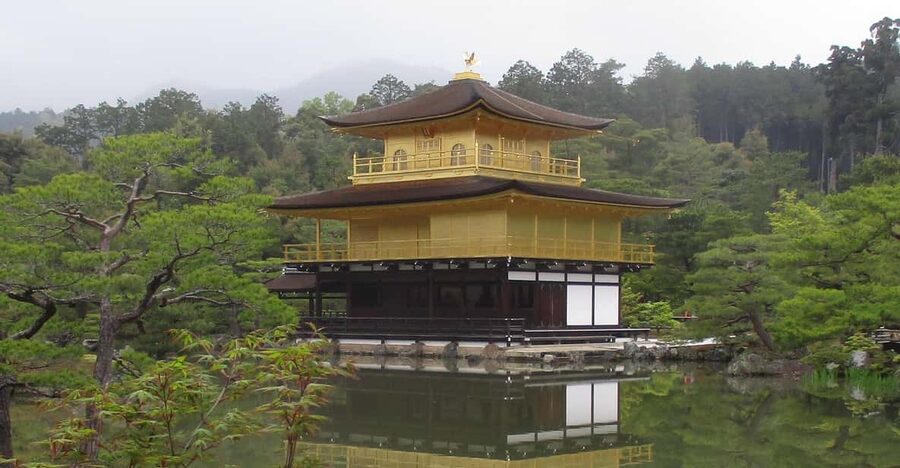
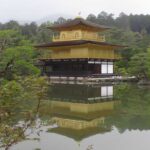
Kinkaku-ji is the visual high point of the tour. The pavilion is famous for its gold-covered exterior and its position beside the pond, a setting designed for reflection and carefully framed views. The visit includes admission and a guided tour, with about an hour at the site.
The broader story is just as important as the photograph. This part of Kyoto reflects the tastes and leisure of powerful people connected to the imperial court, along with the refined culture of aristocrats and writers. The guide’s role is to explain how the buildings, gardens, and setting relate to the old capital rather than leaving you with a beautiful image but little context.
An hour gives you enough time to see the principal setting and hear the explanation without turning the visit into an all-day stop. It also keeps the half-day manageable. Still, the schedule may feel brisk if you want to study every detail or take many photographs.
Kinkaku-ji can be an especially good stop for first-time visitors because it is immediately legible. You do not need specialist knowledge to appreciate the gold pavilion, but the guide can add the cultural and historical layers that make the visit more than a quick look.
A few more Kyoto tours and experiences worth a look


The return to Kyoto Station
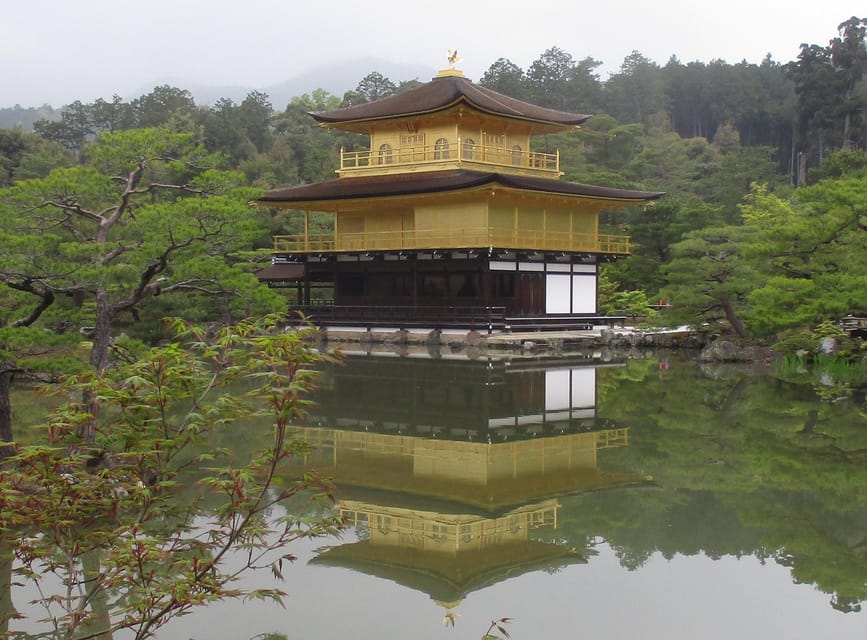
From Kinkaku-ji, the route includes another bus or coach ride of about 15 minutes, followed by a subway ride of roughly 15 minutes. You then arrive back at Kyoto Station, the original starting point.
A planned return is useful in a city where attractions sit far apart. You do not have to guess which line to take back, and you can make afternoon plans with a clear endpoint. The total duration is five hours, so you should keep the rest of your day flexible enough to allow for the full route.
You are also free to leave partway through the tour. The information does not specify the exact procedure or best point for leaving, so ask the guide at the start if you already know you may split off. This option is handy if you want to stay in Arashiyama after the bamboo visit or make your own plans near Kinkaku-ji.
The tour’s transport plan is one of its practical strengths. You use the same systems that residents use, but with a guide handling the route. For many visitors, that balance feels more connected to Kyoto than a private vehicle would.
What the guide adds in Italian
The guide is the heart of this experience. The tour is designed around a native Kyoto guide who speaks Italian and answers questions about the historical capital, Japanese culture, and everyday life.
The best guide-led sightseeing does not stop at dates and names. It helps you understand how old Japan’s nobles, imperial relatives, literati, and samurai fit into society, then connects those older customs to present-day life. The supplied feedback places strong emphasis on that style. Stefano praised a guide who was prepared without being predictable and created a friendly mood. Daniele specifically praised Omae’s culture, humor, polished Italian, and hard-to-miss curiosities.
If Omae is leading your departure, you can expect a guide whose appeal comes from personality as well as information. Guide assignments can vary, so the safest reason to book is the promise of live Italian guidance, not a guarantee of one named person.
This format suits you if you like to ask questions. It is less useful if you prefer to move silently at your own pace and read every explanation independently. The tour gives you structure, but the guide gives you the chance to shape the discussion.
Is $117 a fair price?
At $117 per person, this is not a budget sightseeing option. The price includes public transportation during the scheduled itinerary, entrance fees for the monuments visited, and an Italian-speaking guide for five hours.
To judge the value, compare it with what you would otherwise arrange yourself. You would need to plan the train connections, bus ride, subway return, admissions, and timing between two major sights. You would also lose the Italian commentary, which is the main reason to choose this particular tour over an independent visit.
The value is strongest for a first Kyoto visit, for anyone uncomfortable navigating Japanese transport, and for Italian speakers who want detailed explanations. It is weaker for repeat visitors who already know the route or for people who want long, unstructured time at either site.
The group or individual format may also affect how the experience feels, though no group-size details are provided. Ask about the format when booking if that is important to you. The tour is wheelchair accessible, which adds practical value for visitors who need an accessible option, but the supplied information does not describe the exact conditions of every path or transfer.
You can reserve now and pay later, and cancellation is free up to 24 hours before the tour for a full refund. Those policies make it easier to fit the outing into a changing Kyoto schedule.
Who should book this experience?
I would recommend this tour to you if you want to see two major sights without spending a full day on organized sightseeing. It also suits you if you want to understand the old capital through an Italian-speaking guide rather than simply collect photographs.
Families and mixed-age groups may appreciate the clear five-hour structure. People who enjoy history, social customs, and questions about daily Japanese life will get more from the guide than someone interested only in scenery.
You should think twice if you want to spend most of the day in Arashiyama, shop extensively, or linger at Kinkaku-ji. The one-hour visit at each main stop keeps the route moving. The option to leave partway helps, but it does not turn the tour into a fully independent outing.
The strongest praise centers on the guide’s preparation, friendliness, cultural depth, and humor. That is the real selling point. The bamboo and Golden Pavilion are famous enough to visit alone, but the Italian commentary and organized transport make the half-day more useful and less stressful.
Should you book the Kyoto Golden Pagoda and Bamboo Forest tour?
Book it if Italian guidance matters to you and you want a compact route through two very different Kyoto sights. The included transport and admissions help justify the price, while the return to Kyoto Station keeps your wider plans simple.
Skip it if you already know Kyoto’s transport system, prefer slow independent visits, or want to spend several hours in one neighborhood. For everyone else, this is a well-shaped introduction to Kyoto’s northwestern sights, with enough history and local perspective to make the scenery stick in your mind.
FAQ
Where does the tour start?
It starts at Kyoto Station’s north entrance, called Karasuma-guchi.
Where exactly is the meeting point at Kyoto Station?
Meet in the space between the four escalators in front of the taxi terminal, not the bus terminal. Kyoto Tower should be visible in front of you toward the top left from this location.
Where does the tour end?
The planned endpoint is Kyoto Station.
How long does the tour last?
The full tour lasts five hours.
Which sights are included?
The tour visits Sagano Bamboo Forest and Kinkaku-ji, also known as the Golden Pagoda or Golden Pavilion.
Is transportation included?
Yes. The scheduled route includes train, bus or coach, and subway transportation.
Are entrance fees included?
Yes. Entrance fees for the monuments scheduled during the route are included.
What language is the tour conducted in?
The live tour guide speaks Italian.
Can I leave the tour early?
Yes. You are free to leave partway through the tour.
Is the activity wheelchair accessible?
Yes, the activity is described as wheelchair accessible. Information about the accessibility of each individual path and transfer is not provided.
Can I cancel for a full refund?
Yes. You can cancel up to 24 hours in advance for a full refund.
Do I have to pay when I reserve?
No. The reserve-now, pay-later option lets you book without paying immediately.
More Golden Pavilion & Temple Tours in Kyoto
More Arashiyama & Bamboo Tours in Kyoto
More tours in Kyoto we've reviewed



Arashiyama & Bamboo Tours, compared.
 ★ 4.8Kyoto: Fushimi Inari, Kinkakuji, Bamboo Grove 1 Day Bus TourFrom $122510 minutes - 9 hours
 ★ 4.1Osaka/Kyoto:Kinkakuji,Arashiyama,FushimiInariShrine,NaraParkFrom $66
 ★ 4.7Kyoto/Osaka: Nara, Fushimi Inari Taisha, Arashiyama Bus TourFrom $529 - 10 hours
 ★ 5.0Kyoto Arashiyama Walking Tour: Bamboo, Monkeys, Gardens & SecretsFrom $65
 ★ 4.8Arashiyama Bamboo, Temple, Monkeys, or Secret Sake BreweryFrom $875 hours - 330 minutes
 ★ 4.4Osaka/Kyoto: Arashiyama, Nara & Fushimi Inari Shrine w/LunchFrom $61