
Reviewed · GOLDEN PAVILION & TEMPLE TOURS
Kyoto: Zen Experience in a Hidden Temple
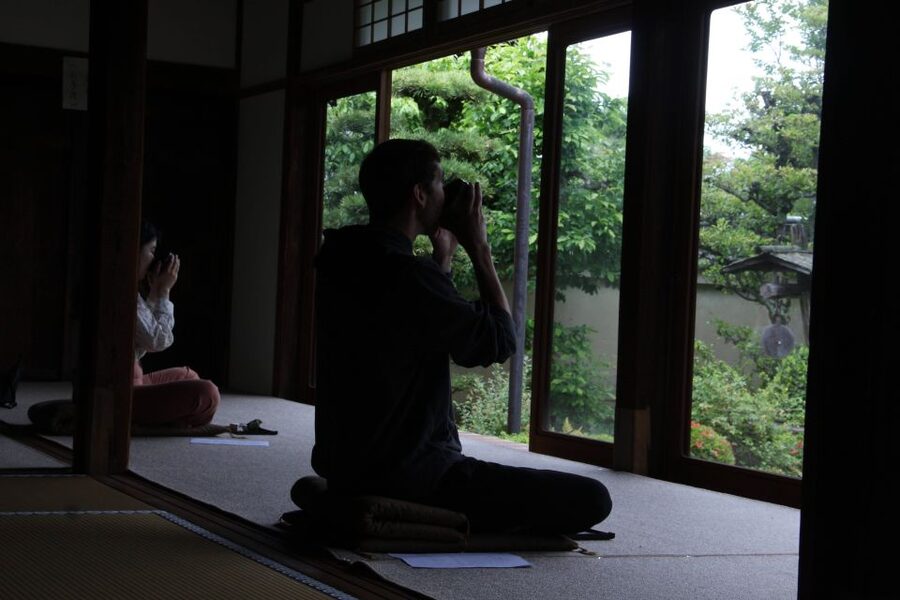
At Jusho-in, a sub-temple within Kyoto’s vast Myoshin-ji complex, you sit quietly with the garden open before you and learn meditation from Eitetsu Nishida, the temple’s 16th-generation abbot. This is not a quick photo stop. It gives you two 20-minute zazen sessions, a talk on Zen, and a careful matcha lesson in a temple closed to the general public.
I like the way the meditation is split into two sessions, with time to stretch and ask questions between them. I also like the thoughtful tea pairing: powdered green tea is served with seasonal Japanese sweets in a garden created about 400 years ago. The chief priest is known for a cheerful manner and sense of humor, which helps beginners relax.
The main consideration is physical comfort. Sitting upright for 20 minutes can be tough if you are not used to it, though chairs and blankets are available. The temple is not wheelchair accessible, and the doors may remain open to the garden, so cool weather can be part of the experience.
In This Review
- Key details at a glance
- Why this Kyoto Zen experience feels different
- Meeting at Myoshin-ji’s north gate
- Two zazen sessions with Eitetsu Nishida
- Zen philosophy beyond the meditation cushion
- Matcha, wagashi, and the Zen connection
- A historic garden that changes with the calendar
- The small-group atmosphere and included photographs
- Is the $112 price good value?
- Who should book this experience?
- Practical advice before you go
- Should you book the Jusho-in Zen experience?
- FAQ
- Where does the experience begin?
- Where does the experience end?
- How long does the experience last?
- Who teaches the Zen meditation?
- How long are the meditation sessions?
- Do I need meditation experience?
- Is the temple open to the general public?
- Is the experience wheelchair accessible?
- Is matcha included?
- Are photographs included?
- Is transportation included?
- What happens if it rains?
- Can I cancel for a refund?
Key details at a glance
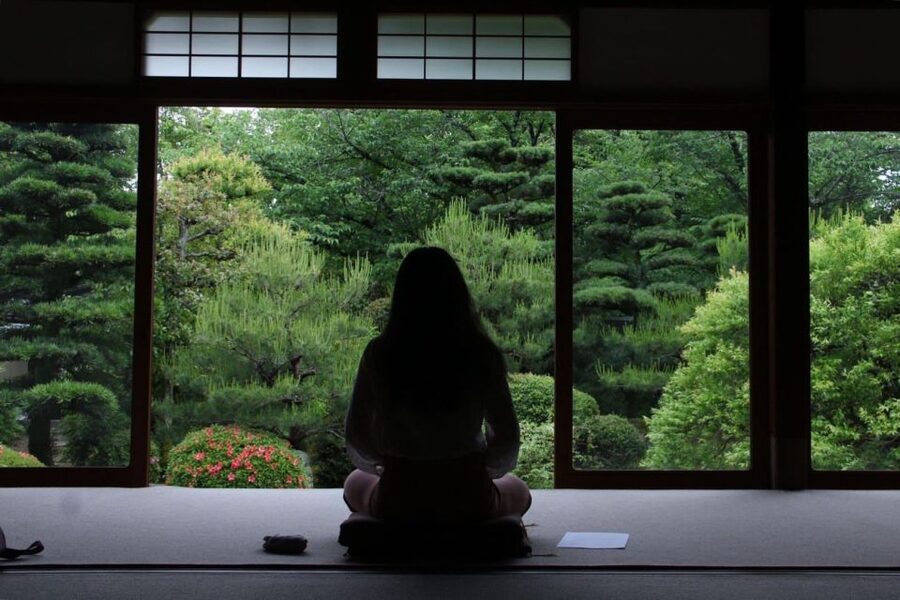
- Meditate with a temple abbot: Eitetsu Nishida leads the zazen instruction and explains Zen in accessible terms.
- Two 20-minute sessions: The format gives you a genuine period of stillness without asking beginners to sit for one long stretch.
- A 1599 temple setting: Jusho-in is one of 46 sub-temples within Myoshin-ji, one of Japan’s largest Zen temple complexes.
- Tea and sweets in a historic garden: Matcha is paired with seasonal wagashi, traditional Japanese confectionery selected for the occasion.
- Professional photographs included: A photographer uses a single-lens reflex camera, allowing you to focus on the meditation instead of taking pictures.
- Small-group or private format: This is a quieter choice than a large cultural demonstration and is available with an English-speaking guide.
Why this Kyoto Zen experience feels different
Kyoto has no shortage of temples, but many are crowded, fast-moving places where you admire a gate, snap a picture, and keep walking. Jusho-in offers a slower encounter. The temple is normally closed to the public, so the setting feels personal rather than arranged around a steady stream of visitors.
The experience takes place inside Myoshin-ji, a large Zen complex in Kyoto’s Kansai region. You meet at the north gate, then walk with a guide to Jusho-in. That short walk matters. It helps you shift from city sightseeing into the quieter rhythm of a temple precinct.
Jusho-in was founded in 1599 and has about 420 years of history. Its garden is attributed to Eitoku Kano, a celebrated 16th-century painter, and its basic design has remained unchanged since it was created. You see a different mood depending on the season: cherry blossoms in spring, fresh greenery in summer, autumn leaves, or snow in winter.
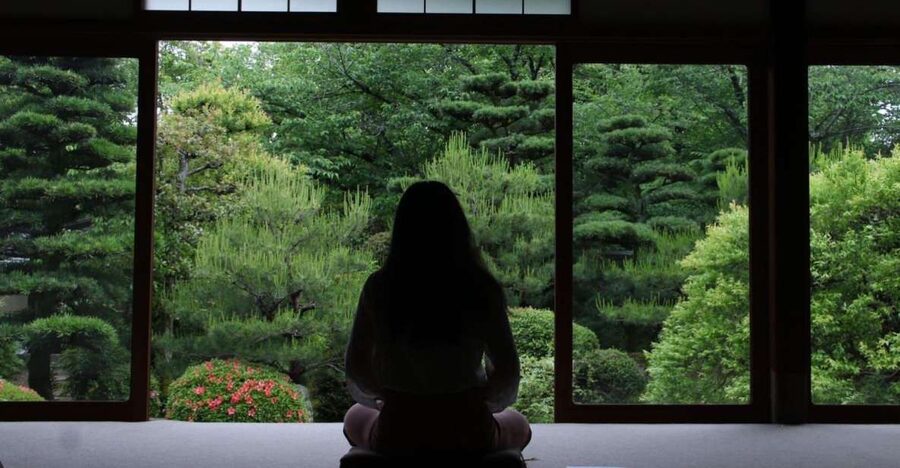
The garden is not just scenery placed behind the meditation room. It gives your eyes a calm point to rest on when your mind wanders. That simple connection with weather, plants, and changing light is one of the experience’s strongest features.
A few more Kyoto tours and experiences worth a look

Meeting at Myoshin-ji’s north gate
The listed meeting point is the north gate of Myoshin-ji at 18 Taniguchisonomachi. Since the exact starting point can vary with the option you book, check your confirmation carefully before setting out.
A guide meets you there and walks with you to Jusho-in. Hotel pickup and drop-off are not included, so you need to reach Myoshin-ji independently. The activity ends back at the meeting point after the temple visit.
Myoshin-ji is a substantial temple complex, not a single compact building. Allow enough time to find the north gate without rushing. Starting the experience flustered or late would work against the quiet mood you are paying for.
The experience runs for about two hours, with starting times shown according to availability. It takes place rain or shine. Since part of the appeal is the garden, rainy weather may actually add to the atmosphere, but you should dress for the conditions.
Two zazen sessions with Eitetsu Nishida
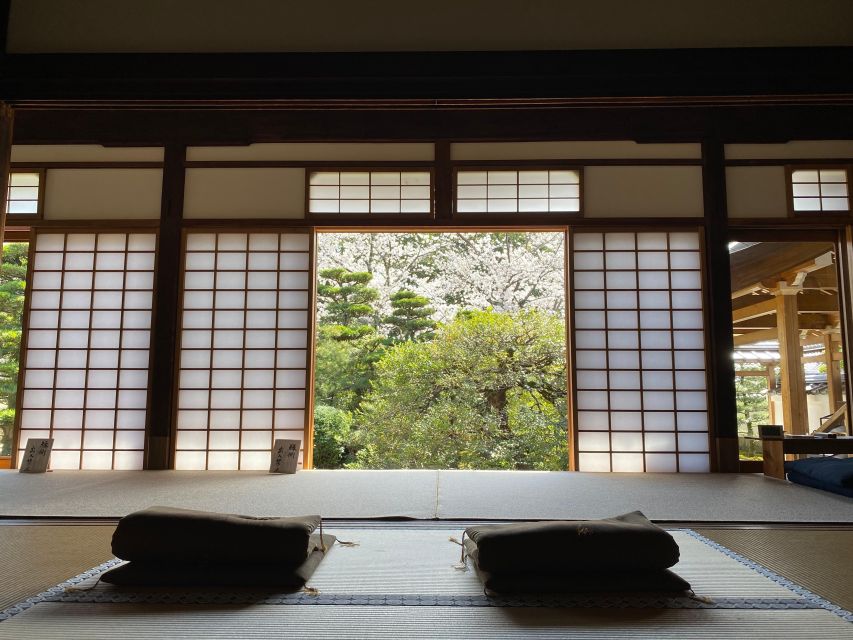
Once inside Jusho-in, the central activity is zazen, seated meditation associated with Zen Buddhism. Eitetsu Nishida teaches the basic posture and explains how to approach the practice. He is the 16th-generation abbot of Jusho-in and spent 10 years working as a national public servant before becoming a monk.
Nishida completed three and a half years of demanding monastic training. His personality, however, is described as cheerful and warm rather than stern. That balance is useful here. You receive serious instruction, but you are not expected to arrive with prior knowledge or a polished meditation routine.
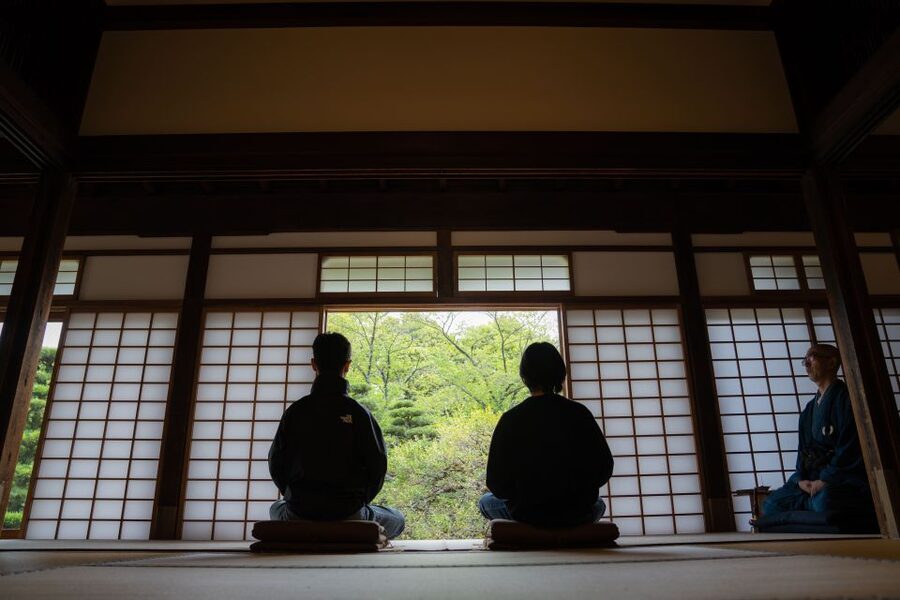
The group sits for two 20-minute sessions. Between them, there is a chance to stretch, ask questions, and absorb what you have just tried. I prefer this structure to a single long session because it gives your legs and back a break without turning the meditation into a token sample.
For a first-time meditator, 20 minutes may sound like a long time. The split format makes it manageable, and the instruction helps you understand what to do when your thoughts keep arriving. You are not being tested. The point is to sit, notice, and return your attention to the practice.
Physical posture is the one part that deserves honest preparation. Sitting cross-legged or upright may become uncomfortable, especially if you are stiff from a day of sightseeing. Chairs are available for people who need them, and one participant specifically found this option helpful. Blankets can also be offered if the room feels cold.
The temple doors may be open toward the garden. That gives you fresh air and a direct view of nature, but it also means the temperature may reflect the season. Bring a light layer if you tend to get cold.
Zen philosophy beyond the meditation cushion
Zazen is tied to Zen, a branch of Mahayana Buddhism that places strong value on meditation and direct experience. Rather than asking you to work through a long set of religious texts, the practice points you toward what happens in the present moment.
Jusho-in follows the Rinzai tradition of Zen Buddhism. Rinzai Zen reached Japan in the 12th century and is associated with intense practice and sudden insight, often called satori. You do not need to master those ideas during a two-hour visit. The useful part is seeing how philosophy, posture, silence, and daily rituals connect.
Nishida’s sermon and explanations give the meditation a cultural frame. You can ask questions, and the format leaves room for discussion rather than presenting a one-way lecture. That makes the activity suitable for someone curious about Buddhism, as well as someone who already practices meditation or yoga.
I would not book this expecting a dramatic spiritual breakthrough. Its value is quieter. You receive a practical introduction to sitting meditation, learn why the practice matters in Zen, and spend time in a place built for concentration.
Matcha, wagashi, and the Zen connection
After zazen, the focus shifts to tea. Eitetsu Nishida explains matcha and its history, then guides you through how to receive and drink the powdered green tea.
This is more than simply being handed a cup. You learn the etiquette around the tea and the role of attention in the process. The movement from silent meditation to tea makes sense: both ask you to slow down and give your full attention to a small series of actions.
The matcha is served with seasonal Japanese sweets, known as wagashi. The sweets are chosen to pair with the tea, and the selection may change with the season. The care put into matching the tea and confectionery is one of the experience’s finer touches.
You eat and drink while appreciating Jusho-in’s garden. This is a good time to notice details you may have missed during meditation: the arrangement of stones, the garden’s changing colors, and the way the temple frames the view. The tea portion also gives you a natural chance to speak with the monk and guides.
If you have visited a formal tea ceremony before, you may recognize some of the etiquette. If not, the instruction keeps the ritual approachable. You are learning a cultural practice, not trying to perform for an examination panel.

A historic garden that changes with the calendar
The garden is one of the strongest reasons to choose this experience over a meditation class in a modern setting. It has remained unchanged since its creation and is attributed to Eitoku Kano, a major painter of the 16th century.
The seasonal differences are clear:
- Spring brings cherry blossoms.
- Summer brings fresh green foliage.
- Autumn brings colored leaves.
- Winter may bring snow and a more spare, quiet view.
No season is guaranteed to produce a particular sight on your date, of course. The garden’s appeal is its changing character rather than one fixed postcard view. Rain, cold, and bare branches can suit the quiet practice just as well as bright blossoms.
The garden is also a reminder that Zen is not limited to the meditation cushion. The way you look at a garden, handle a tea bowl, or accept a sweet can become part of the same effort to pay attention.
The small-group atmosphere and included photographs
The experience is offered as a private or small-group activity. That is important in a temple setting. A crowded room would change the mood and make it harder to ask questions or hear the abbot clearly.
The English-speaking guide supports the visit, while the monk handles the Zen instruction and tea explanation. The team may include additional staff, such as a tea specialist and photographer. Past participants have particularly appreciated the friendly organization and the willingness of the guides to help with practical problems.
A photographer takes pictures with a single-lens reflex camera during the experience. You receive the photo data afterward as a keepsake. This is a useful inclusion because phones and cameras would distract from the meditation, and photography inside a quiet temple can feel intrusive.
The photographs are not the main reason to book. Think of them as a bonus: a few professional memories of the garden, temple space, tea, and group experience. The photos are sent after the visit rather than handed over immediately, so do not expect an instant download before leaving.
Photography rules elsewhere in the Myoshin-ji complex may differ. One nearby visitor noted that photographs are not allowed inside a separate main temple area, so follow signs and staff instructions once you continue exploring on your own.
Is the $112 price good value?
At $112 per person, this costs more than a standard temple admission or a casual matcha stop. The price makes better sense when you look at what is bundled into the two hours: temple entry, an English-speaking guide, the chief priest’s sermon, two meditation sessions, matcha, traditional sweets, and professional photography.
You are also paying for access to a temple that is closed to the public. That private setting is central to the experience. If you only want to see a garden, you can find cheaper options around Kyoto. If you want instruction from the abbot, time for questions, and a calm cultural encounter in a working Zen environment, the comparison changes.
The value is strongest for people who want a meaningful pause in a busy Japan itinerary. You are not racing between several attractions. You spend the full two hours on one subject, with enough time to understand the practice rather than just watch it.
A small group or private format also helps justify the cost. The experience is designed for conversation and personal guidance, not for moving a large crowd through a room. Reserve now and pay later is available, and cancellations made up to 24 hours in advance receive a full refund, which gives you some useful flexibility.
Who should book this experience?
I would recommend it to you if you fit one or more of these descriptions:
- You want to learn meditation from a practicing Zen monk.
- You are interested in Japanese Buddhism beyond temple photographs.
- You practice yoga or meditation and want to understand zazen in its original cultural setting.
- You need a quiet morning or afternoon away from Kyoto’s busiest sights.
- You enjoy tea, Japanese sweets, gardens, and small cultural rituals.
- You are traveling with several generations and want an activity that can welcome children and adults.
The activity is open to all ages, and the warm teaching style makes it approachable for beginners. You do not need previous meditation experience.
I would think twice if you have serious mobility limitations, since Jusho-in is not wheelchair accessible. Sitting for two 20-minute periods may also be difficult, though chairs are available for those who need them.
This is not the best choice if you want a packed sightseeing schedule, a large-scale tea ceremony, or extensive access to the entire temple complex. It is deliberately focused and slow.
Practical advice before you go
Wear comfortable clothing that allows you to sit without restriction. There are no special clothing requirements, but a light layer is sensible because the temple may open toward the garden.
Do not bring weapons or sharp objects, alcohol, or drugs. The activity operates in all weather, so check the forecast and carry rain protection if needed.
Plan your route to the north gate in advance. Myoshin-ji is large, and the meeting point may vary according to the option you select. Since there is no hotel transfer, build in time to arrive calmly.
Afterward, you can consider spending more time in the Myoshin-ji complex. One participant noted that a separate main temple area charges 500 yen for entry and contains a dragon on the ceiling, with no photography allowed inside. That visit is separate from the Jusho-in experience, so confirm opening conditions locally rather than assuming it is included.
The activity ends back at the meeting point. It lasts two hours, but your total outing will be longer if you explore Myoshin-ji before or after.
Should you book the Jusho-in Zen experience?
Book it if you want Kyoto to offer more than famous buildings and busy lanes. The combination of two guided meditation sessions, a friendly chief priest, carefully paired matcha and wagashi, and a garden with centuries of continuity gives the visit real substance.
The strongest reason to go is the chance to slow down in a private temple while learning directly from Eitetsu Nishida. The main caution is comfort: this is a seated practice in a historic building, not a polished spa session.
For first-time meditators, the experience is gentle enough to try. For experienced practitioners, it provides cultural context and a rare chance to practice in a Zen temple with the abbot. At $112, it is a considered purchase, but a worthwhile one if quiet, personal instruction matters more to you than checking another famous sight off your list.
FAQ
Where does the experience begin?
You meet at the north gate of Myoshin-ji Temple, listed at 18 Taniguchisonomachi. The exact meeting point may vary according to the option you book, so check your booking details.
Where does the experience end?
The activity ends back at the meeting point at the north gate of Myoshin-ji.
How long does the experience last?
The experience lasts about two hours, including explanations of zazen, meditation practice, and the tea portion.
Who teaches the Zen meditation?
Eitetsu Nishida, the 16th-generation abbot of Jusho-in, leads the main instruction and explains Zen philosophy.
How long are the meditation sessions?
You take part in two zazen sessions of 20 minutes each, with a break between them for stretching and questions.
Do I need meditation experience?
No. The activity is open to beginners, and the instruction explains how to practice zazen. Chairs are available for people who need help during meditation.
Is the temple open to the general public?
Jusho-in is described as a temple closed to the public, giving this activity access that ordinary sightseeing does not provide.
Is the experience wheelchair accessible?
No. Jusho-in is not wheelchair accessible.
Is matcha included?
Yes. Matcha, traditional Japanese seasonal sweets, and instruction about tea are included.
Are photographs included?
Yes. A photographer takes pictures with a single-lens reflex camera, and you receive the photo data as a keepsake after the experience.
Is transportation included?
No. Hotel pickup and drop-off are not included. You must make your own way to the meeting point.
What happens if it rains?
The experience takes place rain or shine. Since the garden is part of the setting, dress for the weather.
Can I cancel for a refund?
You can receive a full refund if you cancel up to 24 hours before the activity. Cancellations after that period are not refundable.
More Golden Pavilion & Temple Tours in Kyoto
More tours in Kyoto we've reviewed



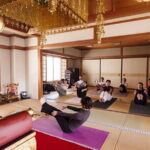

Golden Pavilion & Temple Tours, compared.
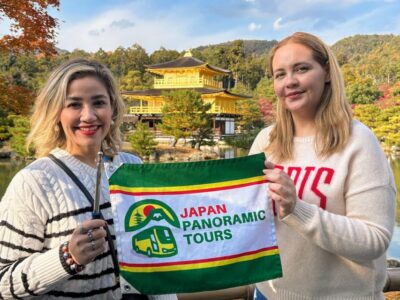 ★ 4.8Kyoto: Fushimi Inari, Kinkakuji, Bamboo Grove 1 Day Bus TourFrom $122510 minutes - 9 hours
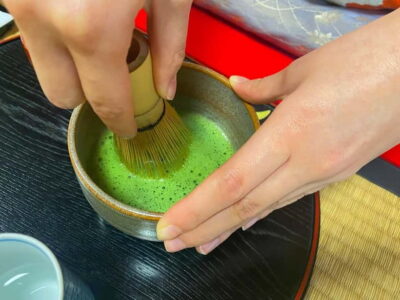 ★ 4.9Kyoto: Tea Ceremony in a Traditional Tea House in KiyomizuFrom $4945 min
 ★ 4.9Kyoto: Tea Ceremony Ju-An at Jotokuji TempleFrom $291h 10m
 ★ 4.1Osaka/Kyoto:Kinkakuji,Arashiyama,FushimiInariShrine,NaraParkFrom $66
 ★ 4.8Arashiyama Bamboo, Temple, Monkeys, or Secret Sake BreweryFrom $875 hours - 330 minutes
 ★ 5.0Kyoto: Nijo, Kinkaku-ji, Arashiyama, Kiyomizu & Fushimi InariFrom $51