
Reviewed · FUSHIMI INARI TOURS
Kyoto: Hidden Gem Food Tour in Fushimi
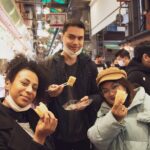
Fushimi’s Otesuji shopping street gives you a very different taste of Kyoto: small food stops, local shops, and everyday neighborhood life instead of a procession between the city’s best-known temples. In 150 minutes, you sample Japanese favorites such as taiyaki, karaage, kare pan, izakaya-style meats, and matcha sweets.
I like two things here. First, the small group, limited to eight people, gives guide Nick room to explain how each dish is made and why it matters. Second, the tour reaches Fushimi-Momoyama, an area many Kyoto itineraries skip. The main consideration is timing: the make-your-own matcha or green tea activity is not available on tours starting after 5:15 p.m.
In This Review
- Key points to know
- Why Fushimi Otesuji makes a good food-tour setting
- Meeting guide Nick beside Fushimi-Momoyama Station
- Taiyaki brings a sweet or savory start
- Karaage shows how much flavor fried chicken can carry
- Kare pan adds a warm, savory bakery stop
- Izakaya-style meats and regional dishes broaden the menu
- Matcha sweets finish the route on a Kyoto note
- What six or seven tastings really mean
- Why the $95 price may be worthwhile
- Timing, walking, and access
- Who will enjoy this Fushimi food walk
- Should you book the Fushimi food tour?
- FAQ
- Where does the Fushimi food tour meet?
- Where does the tour start and finish?
- How long does the experience last?
- What foods are included?
- Is a drink included?
- Is the matcha-making activity available on every tour?
- Is the tour wheelchair accessible?
Key points to know
- Fushimi Otesuji: Walk a local shopping street rather than staying around Kyoto’s busiest sights.
- Six or seven tastings: Expect a mix of savory and sweet foods, with stops varying slightly.
- Guide Nick: His conversations cover both the food and the wider Fushimi area.
- Small group format: A maximum of eight people makes it easier to ask questions and keep the group together.
- Tea timing: The matcha or green tea activity is available only on tours beginning by 5:15 p.m.
- Easy meeting point: Find the guide outside Doutor Cafe beside Fushimi-Momoyama Station.
Why Fushimi Otesuji makes a good food-tour setting
Most first visits to Kyoto focus on temples, gardens, and the lanes around Gion. Those places deserve their fame, but they can leave you with a narrow idea of the city. Fushimi offers another angle, one shaped by shopping streets, casual eateries, neighborhood routines, and food bought for immediate pleasure.
The tour begins around Fushimi-Momoyama and stays in that area from start to finish. That keeps the experience simple. You are not spending half the tour moving across Kyoto, and you get time to notice the local streets between tastings.
I especially like the choice of Fushimi Otesuji. A shopping street gives the guide plenty to point out, while the food provides a clear reason to keep walking. You are not just sitting at one restaurant and calling it a food tour. Instead, the experience links several stops and lets you compare different forms of Japanese cooking.
The area also helps with crowd levels. The tour is designed to show you Kyoto away from its most heavily visited routes. That does not mean the street will be empty, but it should feel more like a working neighborhood than a major sightseeing corridor.
A few more Kyoto tours and experiences worth a look
Meeting guide Nick beside Fushimi-Momoyama Station
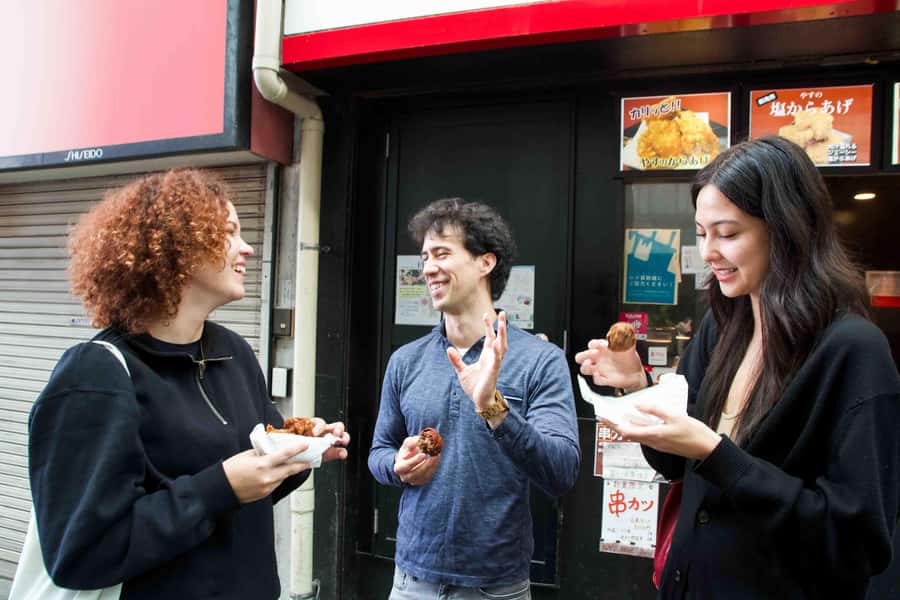
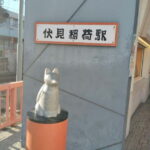
Your meeting point is outside Doutor Cafe, next to Fushimi-Momoyama Station. Look for a guide holding a Food Tours Kyoto sign. This is a useful detail because the tour begins at a busy transport point, not inside a hard-to-find restaurant or tucked-away alley.
Guide Nick leads the experience. His role goes beyond handing out samples. He explains local ingredients, cooking methods, and the cultural background of the foods you try. His conversation also covers Kyoto and the Fushimi area, so you can ask broader questions as you walk.
That matters on a food tour. A snack tastes better when you understand what makes it familiar in Japan, how it is prepared, or when people commonly eat it. Nick’s relaxed conversation is also valuable if you want help making sense of Kyoto beyond the standard temple circuit.
The group limit is eight people. That is a practical size for narrow shopping-street paths and small food counters. It also gives you a better chance to hear the guide and ask about dishes, ingredients, or places you notice along the way.
One especially useful detail comes from the tour’s family-friendly flexibility. Nick took extra care with a baby during hot weather, so parents may find the small-group format easier to manage than a large food walk. Still, the tour includes several tastings and walking, so families should consider their child’s routine and comfort.
Taiyaki brings a sweet or savory start
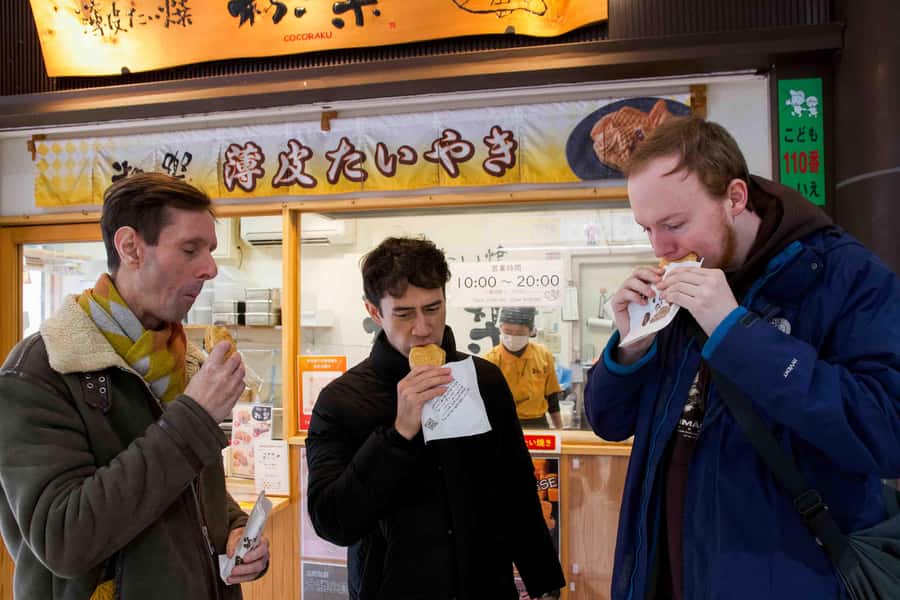
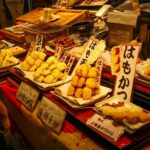
One of the likely first tastes is taiyaki, a fish-shaped Japanese pastry. It may be sweet or savory, which makes it more interesting than a simple dessert stop. The shape is part of the fun, but the filling is what changes the experience.
A sweet version gives you a classic Japanese snack. A savory version shows how the same pastry form can work as a small meal or substantial bite. Since the exact stops can vary, the tour does not promise one fixed filling, so you should treat the stop as a chance to see what is available that day.
Taiyaki is also a good introduction to the tour’s approach. You are sampling food that is recognizable across Japan, but you are tasting it in a local setting rather than from a formal restaurant menu. The guide can then connect the dish to cooking methods and everyday food culture.
If you have a strong sweet tooth, this stop may set the tone for the rest of the walk. If you prefer savory food, the possible savory option helps keep the tour balanced.
Karaage shows how much flavor fried chicken can carry
The karaage stop focuses on crispy Japanese fried chicken. You may have up to four flavor options, giving you a chance to compare seasonings rather than eating one standard piece and moving on.
Karaage is familiar enough to be approachable, but it still tells you something about Japanese cooking. The contrast between crisp coating and seasoned meat is central to its appeal, while the flavor choices let you notice how a small change in seasoning affects the whole bite.
This is one of the more filling parts of the tour, which is useful because the walk includes several samples. You should not expect six or seven full meals. Think of the food as a series of well-sized tastings that add up over the afternoon or evening.
The variety also helps if you are eating with someone who has different preferences. One person can choose a stronger flavor while another keeps things mild, depending on what the stop offers.
Kare pan adds a warm, savory bakery stop
Kare pan is Japanese curry bread, usually associated with a crisp outside and a savory curry filling. It is a smart addition to this route because it gives you a different texture from taiyaki and karaage.
The appeal is direct: bread, fried exterior, and Japanese curry in one hand-held snack. It is the kind of food that works well during a walk because you can eat it without committing to a long restaurant meal.
This stop also helps show how Japanese food culture borrows, adapts, and makes familiar ideas its own. The guide can explain the dish’s ingredients and preparation, rather than leaving you with only a name and a quick bite.
Because the tour includes several foods, you may want to pace yourself here. It is easy to eat the first few dishes quickly, then find the later sweets harder to fit in. Small portions are part of the design, but appetite still matters.
A few more Kyoto tours and experiences worth a look


Izakaya-style meats and regional dishes broaden the menu
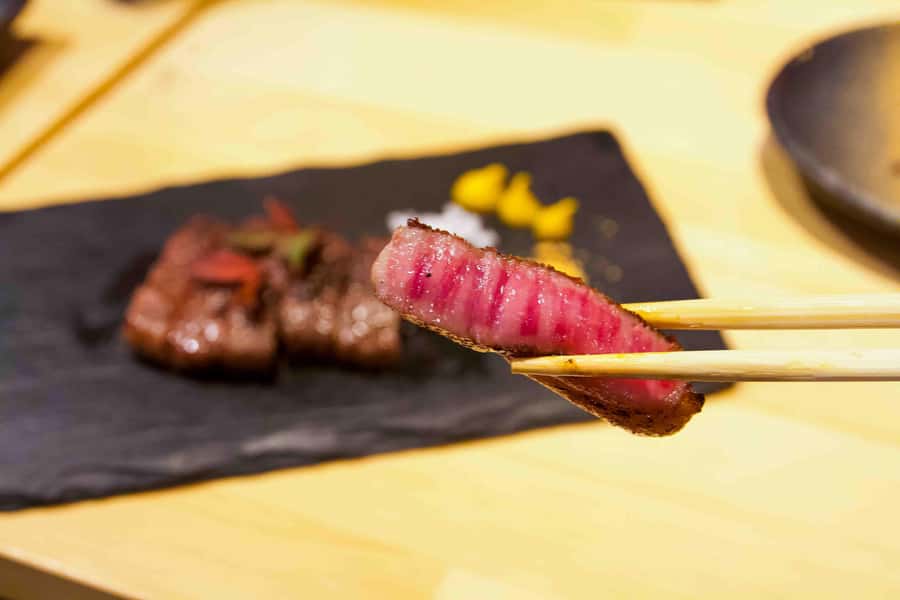
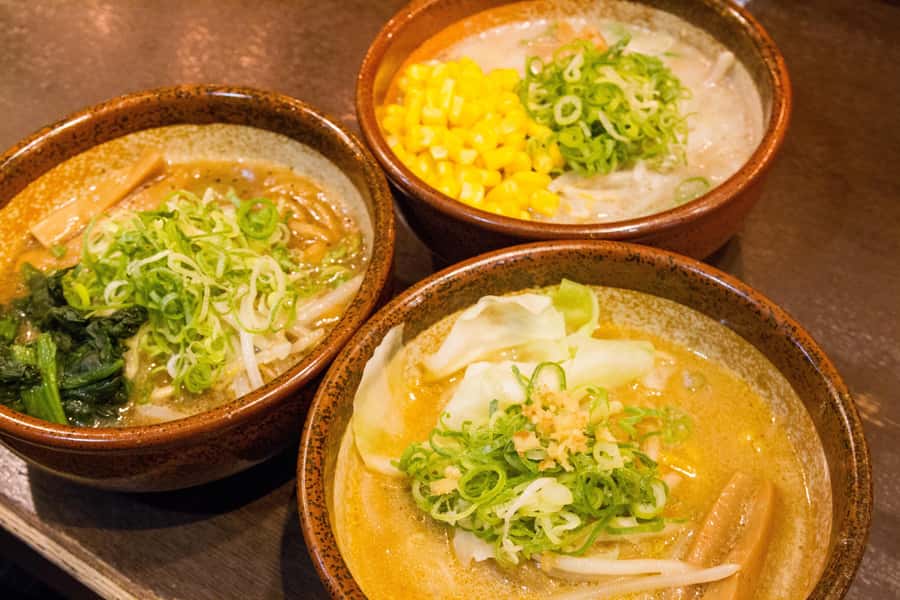
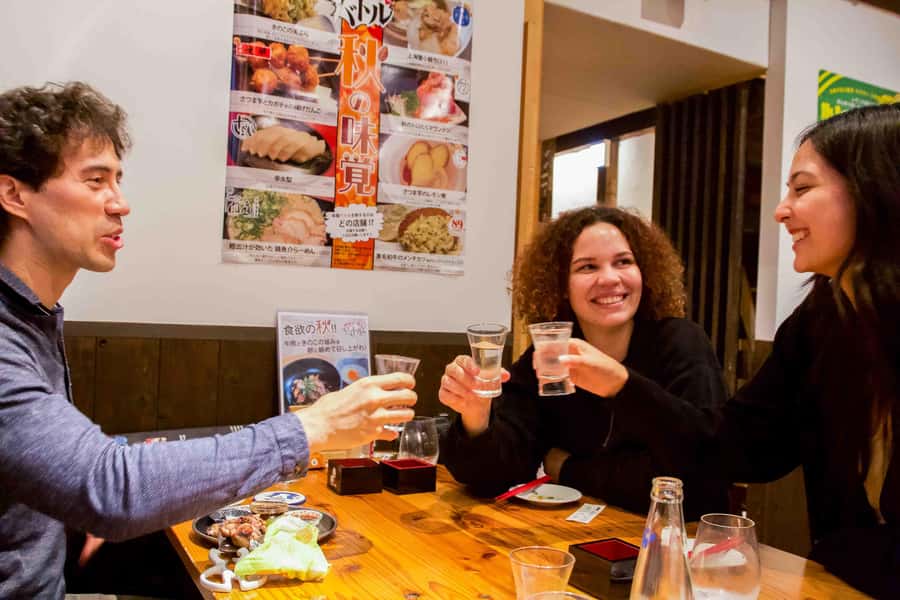
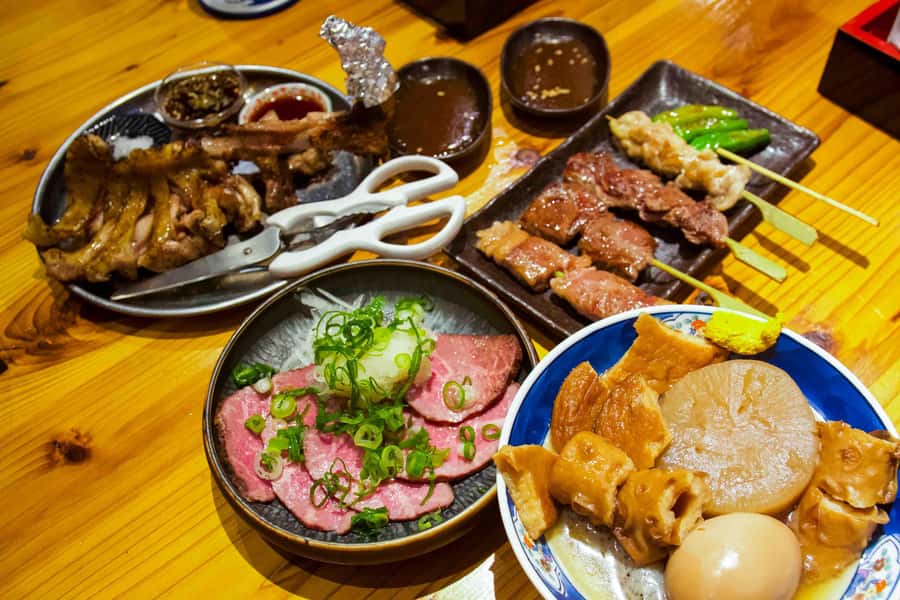
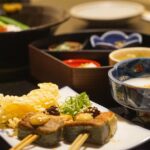
The tour also includes izakaya-style meats and regional specialties. These stops move the experience away from snack-only food and toward the casual dishes served with drinks in Japanese dining culture.
Izakaya food is often made for sharing, tasting, and conversation. That suits a small walking group. You can ask how a dish is normally served, what ingredients are used, and how it fits into a typical evening out.
The regional element is important in Fushimi. The tour is not only using the neighborhood as a backdrop. It aims to connect the food with the place, giving you a better reason to spend time here instead of treating the district as a quick detour.
The exact dishes can change. That is useful if you like a tour that responds to local availability, but less useful if you need a rigid menu in advance. People with allergies or strict dietary limits should ask for details before booking, since the supplied information does not specify substitutions.
Matcha sweets finish the route on a Kyoto note
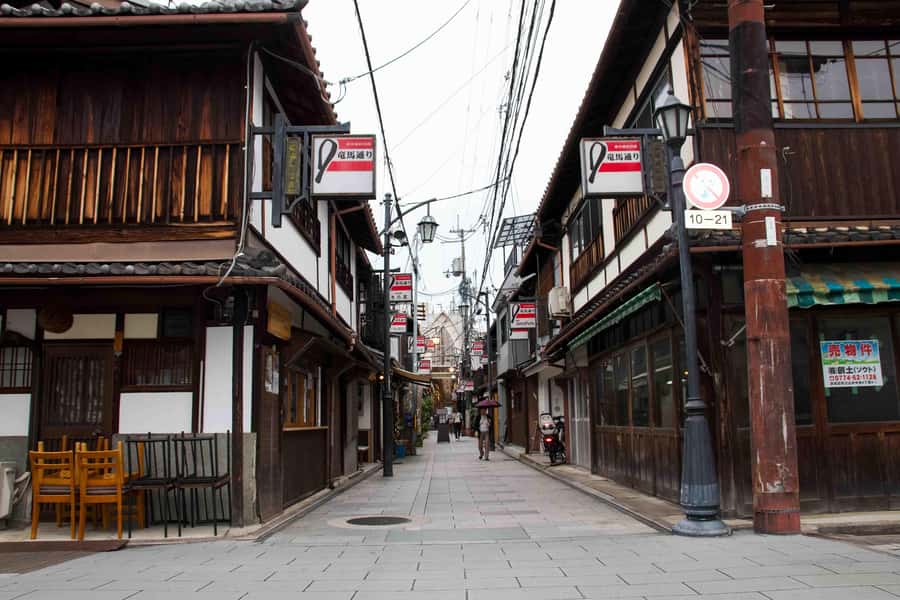
Matcha sweets provide the sweet course. Matcha is closely tied to Kyoto’s food identity, and ending with a green tea flavored treat gives the tour a clear local touch.
There is also an option to make your own matcha or green tea with an expert instructor. This turns the tea stop into more than a dessert tasting. You get a chance to take part in preparation and learn about the drink from someone who specializes in it.
Timing matters here. The tea activity is not available for tours that start after 5:15 p.m. If making your own matcha is one of your main reasons for booking, check the starting time carefully before reserving. An evening tour may still include matcha sweets, but you should not assume it includes the hands-on tea portion.
The tea stop also gives the route a quieter finish after several savory foods. It can be a welcome change of pace, especially if you enjoy learning through small practical activities rather than only listening to explanations.
What six or seven tastings really mean
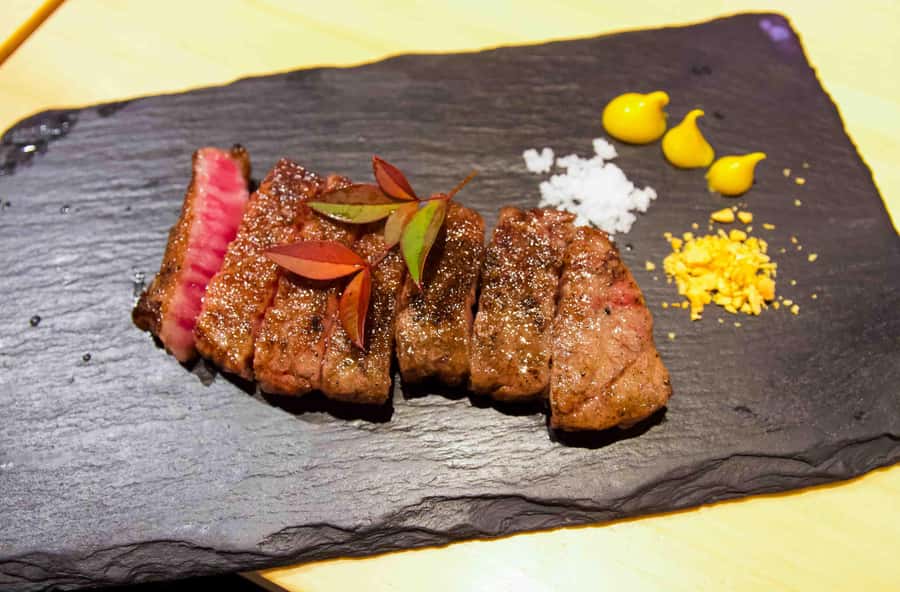
The tour includes six or seven types of Japanese food, plus one beverage. That is a substantial amount for a 150-minute walk, but the experience is best understood as a tasting route, not a replacement for breakfast, lunch, or dinner.
You will get a broad sample of Japanese flavors: sweet pastry, fried chicken, curry bread, meats, regional foods, matcha sweets, and a drink. The mix is useful if you are still learning what you like. It also gives you ideas for what to order later in your Kyoto stay.
The stops may vary slightly. That flexibility can be a strength because local shops may have different offerings, but it means you should not book expecting every single bite to follow a fixed sequence.
I would plan a light meal beforehand, especially if you are joining later in the day. Arriving extremely hungry may sound sensible, but food tours work better when you leave space for each sample and do not rush through the early stops.
Why the $95 price may be worthwhile
At $95 per person, this is not a cheap snack crawl. The value depends on what you want from a food experience.
You are paying for more than the food itself. The price covers six or seven food types, one beverage, a 150-minute guided walk, an English-speaking guide, and access to a small group capped at eight people. The guide’s explanations and neighborhood knowledge are a major part of the cost.
For someone who wants to taste several Japanese favorites without researching individual shops, the price can make sense. You also avoid the guesswork of reading menus, ordering unfamiliar items, and finding your way between stops.
The value is weaker if you only want the largest possible meal for the lowest price. You could spend less by buying snacks on your own, but you would not get the same structure, conversation, or context.
I see the tour as a good first or second day activity in Kyoto. It can introduce foods you may want to seek out again, while the Fushimi walk helps you get oriented in a part of the city you might otherwise miss.
Timing, walking, and access
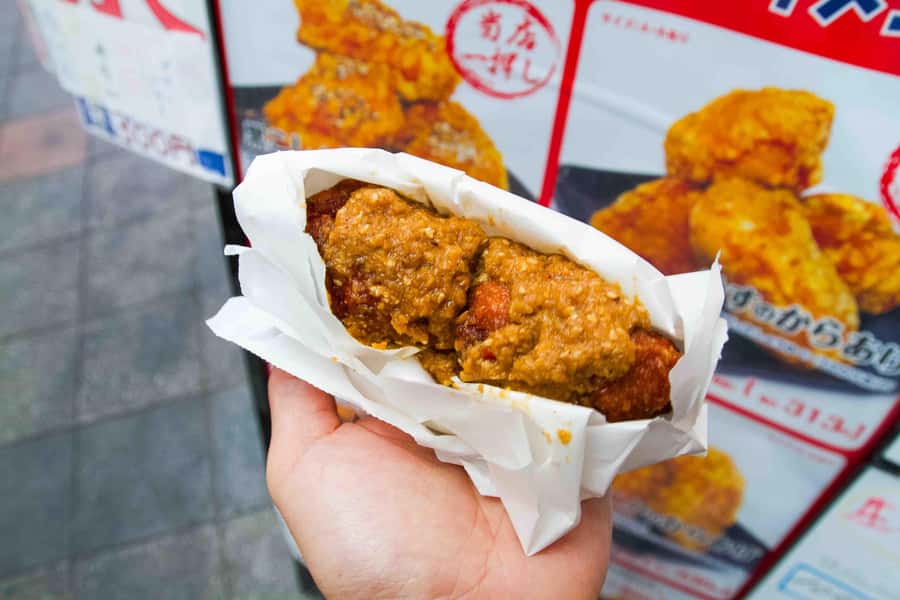
The experience lasts 150 minutes and both starts and ends around Fushimi-Momoyama. That makes it easier to fit into a day without crossing Kyoto several times.
Starting times vary, so check availability when booking. If the matcha preparation matters to you, choose a start time no later than 5:15 p.m. The tour is in English and led as a small group.
The experience is listed as wheelchair accessible. Since the route uses a shopping street and food stops, it is still sensible to tell the operator about any specific mobility needs before the tour. The available information confirms access, but it does not describe the exact surfaces or restroom arrangements.
Free cancellation is available up to 24 hours before the start time, and you can reserve now and pay later. Those policies help if your Kyoto schedule is still shifting, though you should still check the final booking terms for your selected date.
Who will enjoy this Fushimi food walk
I would recommend this tour to first-time visitors who want an easy introduction to Japanese street foods and casual dishes. It is also a good fit if you have already seen Kyoto’s famous temples and want a neighborhood experience with a different pace.
Food lovers who enjoy asking questions will get the most from Nick’s guidance. The tour is not just a checklist of samples, so curiosity adds real value.
It suits couples, solo visitors, and small families. The group size and the reported care shown to a baby in hot weather are encouraging for parents, though the length and number of tastings still require some planning with very young children.
You may want to skip it if you need a guaranteed menu, avoid fried foods, or have serious dietary restrictions. The information provided does not give a full allergen guide or a confirmed list of substitutions.
Should you book the Fushimi food tour?
Book it if you want to combine Japanese food with a look at an overlooked Kyoto neighborhood. The strongest reasons are the small group, the range of tastings, the English guidance from Nick, and the chance to learn about Fushimi while you eat.
Choose an earlier start if the hands-on matcha or green tea activity is important. Bring a moderate appetite, wear comfortable walking shoes, and remember that this is a guided tasting route rather than a single large meal.
At $95, the tour is best for you if conversation, context, and access to several local stops matter as much as the food. If that sounds right, it offers a useful and flavorful break from Kyoto’s famous temple routes.
FAQ
Where does the Fushimi food tour meet?
The guide meets you outside Doutor Cafe, next to Fushimi-Momoyama Station. Look for a guide holding a Food Tours Kyoto sign.
Where does the tour start and finish?
The tour starts and ends around Fushimi-Momoyama.
How long does the experience last?
The food tour lasts 150 minutes.
What foods are included?
You receive six or seven types of Japanese food, including savory and sweet items. Typical tastings include taiyaki, karaage, kare pan, izakaya-style meats, regional foods, and matcha sweets.
Is a drink included?
Yes. One beverage is included.
Is the matcha-making activity available on every tour?
No. The option to make your own matcha or green tea with an instructor is not available for tours starting after 5:15 p.m.
Is the tour wheelchair accessible?
Yes. The activity is listed as wheelchair accessible.
More Food Experiences in Kyoto

More Kyoto Food Tours in Kyoto
More Fushimi Inari Tours in Kyoto
More tours in Kyoto we've reviewed

Fushimi Inari Tours, compared.
 ★ 4.8Kyoto: Fushimi Inari, Kinkakuji, Bamboo Grove 1 Day Bus TourFrom $122510 minutes - 9 hours
 ★ 5.0Fushimi Inari Hidden Hiking Tour (Private Option Available)From $63
 ★ 4.7Kyoto/Osaka: Nara, Fushimi Inari Taisha, Arashiyama Bus TourFrom $529 - 10 hours
 ★ 4.4Osaka/Kyoto: Arashiyama, Nara & Fushimi Inari Shrine w/LunchFrom $61
 ★ 5.0Kyoto: Nijo, Kinkaku-ji, Arashiyama, Kiyomizu & Fushimi InariFrom $51
 ★ 5.0Kyoto Fushimi-Inari Night Walking TourFrom $43