
Reviewed · WORKSHOPS
Kyoto: Japanese Calligraphy Class
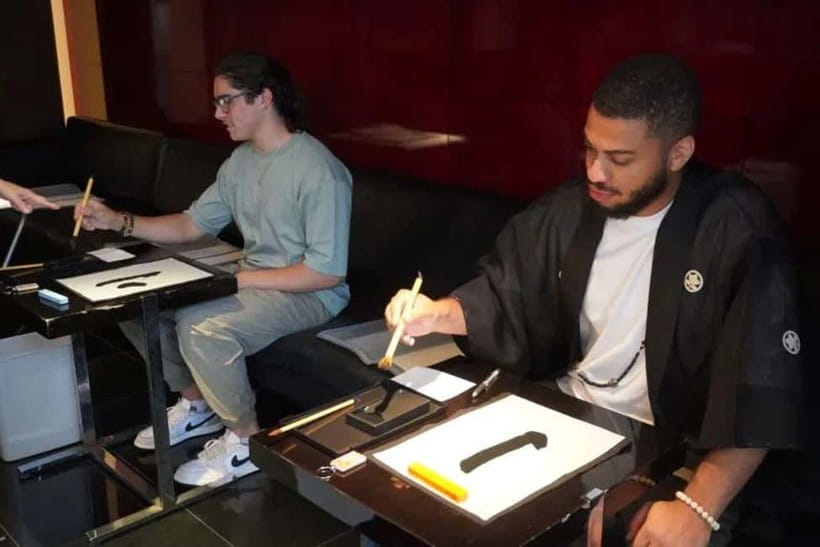
Japanese calligraphy becomes much more personal when you write your own name in kanji. In this one-hour class near Kyoto Station, you learn brush control, ink use, and the meaning behind the characters chosen for you.
I like the patient, one-to-one help from instructors such as Rena, Lana, Waka, Yoshia Kobayashi, and Kou. I also like that you leave with real souvenirs, including a scroll, fan, postcard, stationery, or picture frame. The main limitation is time: one hour goes quickly, so you may need to choose which projects to finish.
In This Review
- Key points to know before booking
- A hands-on introduction near Kyoto Station
- Learning brush control before writing characters
- Turning practice strokes into a scroll
- Choosing kanji for your name and favorite word
- Making a fan, card, or picture frame
- Why the instructors matter
- Is one hour enough?
- Price and the value of the keepsakes
- Who will enjoy this class most?
- Booking flexibility and useful planning notes
- Should you book the Kyoto calligraphy class?
- FAQ
- Where does the Japanese calligraphy class take place?
- How long does the class last?
- Is instruction available in English?
- Do I need previous calligraphy experience?
- What materials are included?
- What can I take home?
- Can I write my own name?
- Are young children allowed to join?
- Can I cancel the booking?
Key points to know before booking
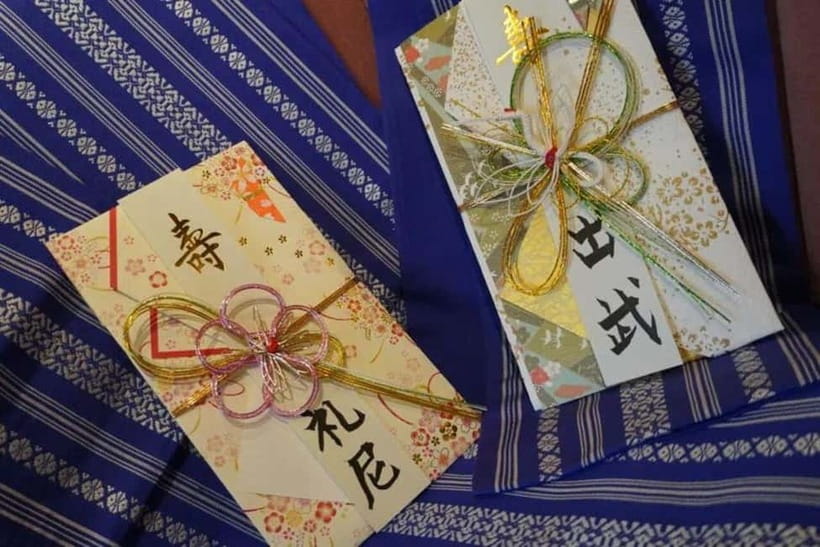
- Write your name in kanji: Staff help create characters that reflect your name and explain their meanings.
- English instruction included: You receive guidance on brush use, ink, strokes, and Japanese writing culture.
- Make several keepsakes: Depending on the activity, you can create a scroll, fan, postcard, stationery, or picture frame.
- Convenient Kyoto location: The class takes place in front of Kyoto Station, though the exact meeting point depends on your chosen option.
- Good for beginners: No previous calligraphy experience is needed, and children must be at least five years old.
- Private or small groups: The format allows for personal help and a calmer pace than a large class.
A hands-on introduction near Kyoto Station
This is not a lecture about Japanese calligraphy followed by a quick photo opportunity. You sit down with brush, ink, and washi paper and learn by doing. The setting near Kyoto Station makes the class easy to fit into a day of sightseeing, especially if you want a quiet hour between temples, shopping, or train connections.
The location is in front of Kyoto Station, but check the exact meeting point attached to your booking. That detail matters in this busy part of Kyoto, where a few minutes spent searching for the right entrance can eat into a short class.
The activity is taught in English. That makes a real difference here because the class is not only about making attractive marks on paper. You also learn why particular kanji can suit a name, what the characters mean, and how the writing connects to Japanese culture.
I would not expect a formal art-school lesson. This is a friendly introduction designed for beginners, families, couples, and curious first-timers. The instructors explain the basics, watch your hand position, and help correct your strokes as you work.
A few more Kyoto tours and experiences worth a look


Learning brush control before writing characters
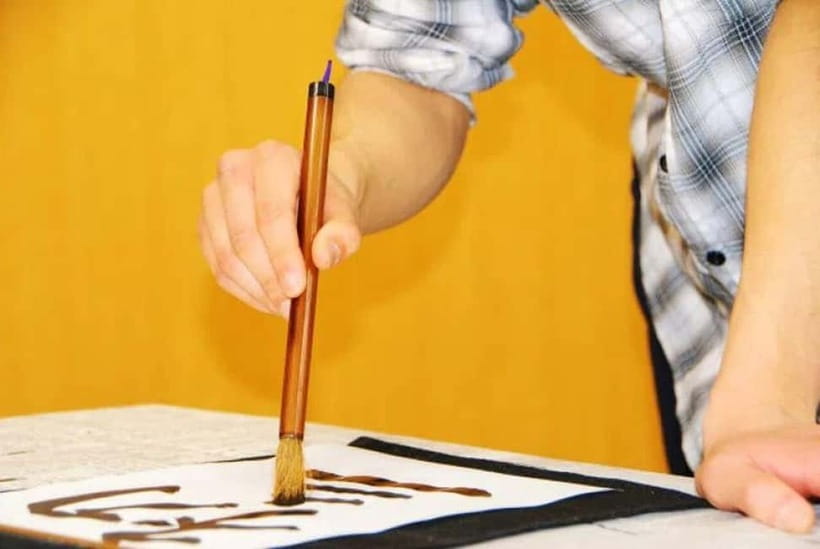
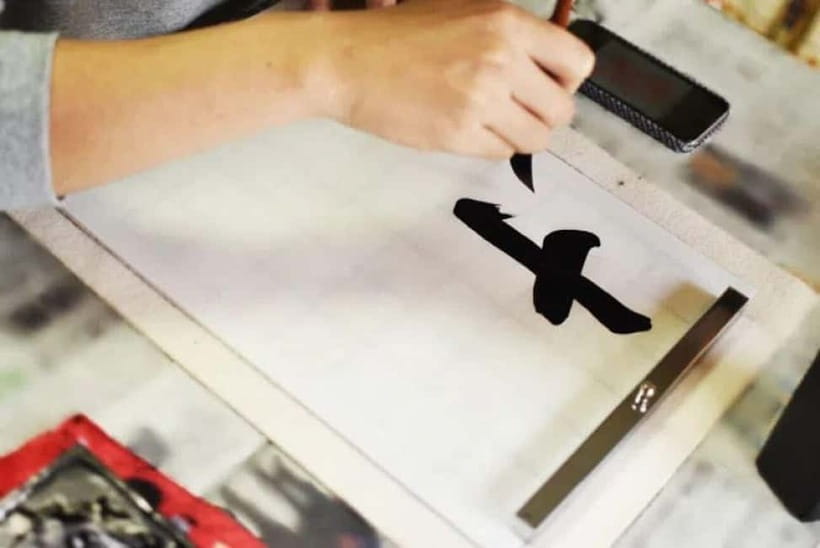
The class begins with a practical lesson on the brush and ink. You learn how to hold the brush, how to apply ink, and how pressure changes the shape of a stroke. These small details are the foundation of calligraphy, and they also explain why Japanese writing looks so different from ordinary handwriting.
Your first attempts are basic characters. This is the sensible way to begin. Instead of asking you to produce a complicated phrase at once, the instructor breaks the process into manageable movements. You can practice the direction and order of strokes before working on a finished piece.
The pace is one of the strongest parts of the class. The instructors are described as patient and encouraging, with individual explanations when questions come up. If you have never studied Japanese writing, you should still be able to get started without feeling lost.
I like this kind of teaching because it gives you room to make mistakes. Calligraphy has a calm, deliberate rhythm, and several people found that the quiet concentration offered a welcome break from the speed of sightseeing. You are not rushed from one station to another.
That said, the class lasts about one hour, and the exact time can vary depending on how quickly you complete each activity. You will learn the basics, but you will not become a trained calligrapher in one session. Think of it as a meaningful first lesson and a creative souvenir workshop.
Turning practice strokes into a scroll
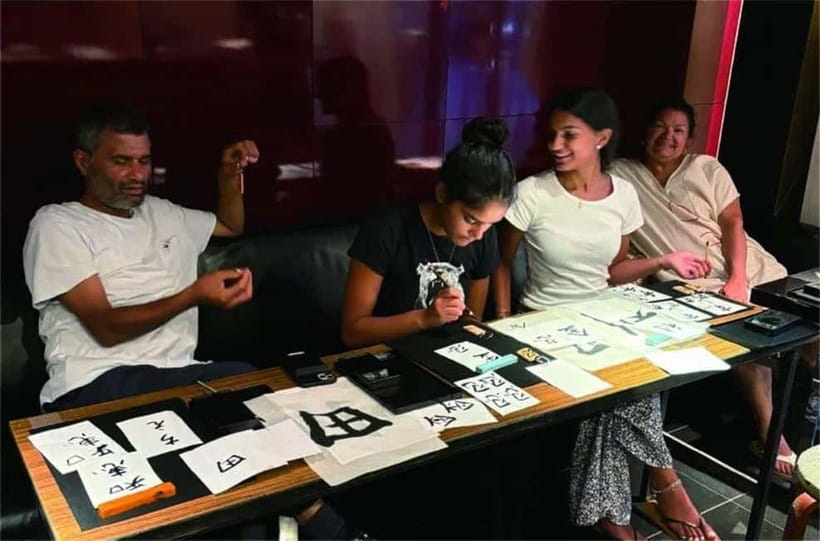
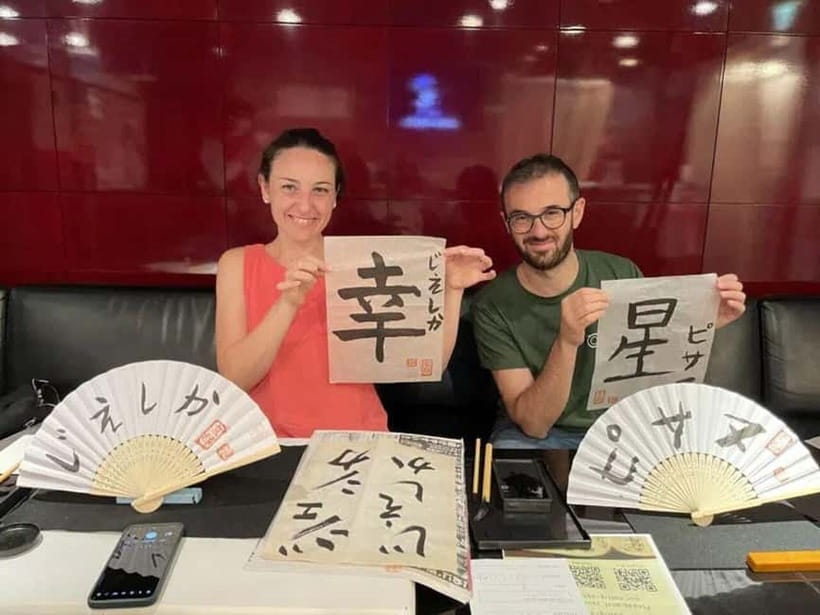
After practicing basic characters, you can make a scroll from the kanji you write. This is one of the most satisfying parts of the class because your practice becomes something you can display or pack in your luggage.
A scroll also gives the writing some context. You are not simply taking home a loose sheet of paper with a few uncertain marks. You create a finished item that records the class and the effort you put into learning each stroke.
The use of washi paper adds to the experience. The paper is part of the traditional writing process, and it feels different from ordinary stationery. You use the provided brushes, ink, and paper, so you do not need to bring art supplies.
Your finished calligraphy may not look perfect, and that is part of its charm. The point is not to produce a museum piece. It is to make something with your own hand after learning a little about the writing system.
If you care most about producing one polished scroll, tell the instructor early. The class also includes opportunities to make other souvenirs, and the hour can pass quickly. A clear idea of your priority will help you avoid leaving several half-finished items.
Choosing kanji for your name and favorite word
The most personal section comes when you write your own name and a favorite word in kanji and alphabets. The staff help suggest possible kanji characters and explain what they mean.
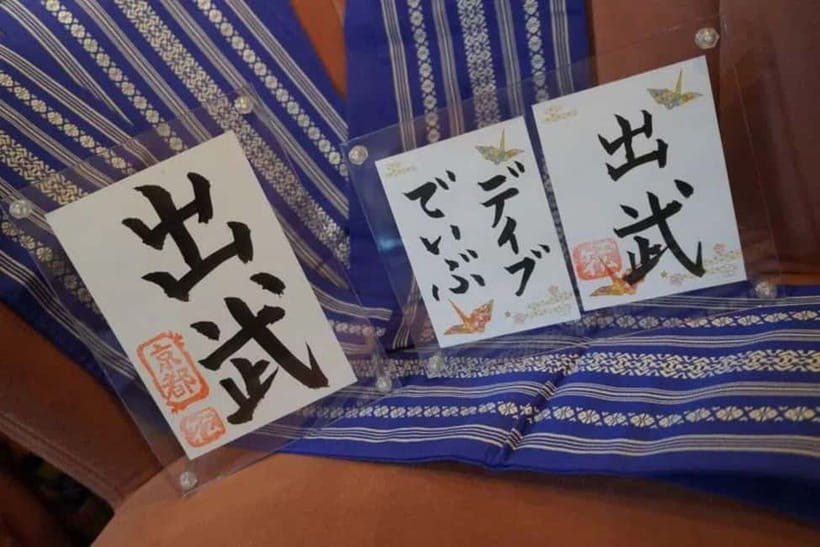
The examples show how creative this can be. Brian can become 武礼安, with characters linked to ideas such as bravery, politeness, gratitude, and peace. Liz can become 梨図, using characters connected with pear and painting. These are not simple letter-for-letter translations. They are character choices built around sound and meaning.
That distinction is worth understanding. Japanese names written in kanji can carry an added layer of interpretation, and the instructor helps you see how each character contributes to the result. You can also write your name in the alphabet, which gives you a direct comparison between familiar lettering and Japanese brushwork.
You may also choose a favorite word. The supplied information does not promise a set list of words, so ask the instructor what will work best during the class. Staff can assist with the possible characters and their meanings, which is especially useful if you have no Japanese language background.
I would treat this as a cultural conversation as much as an art exercise. Ask why a character was suggested and what its individual parts mean. The instructors are there to answer questions about Japanese writing and language culture, and this is where the lesson becomes more than a craft activity.
Making a fan, card, or picture frame
The final stage turns your calligraphy into souvenirs. Examples include a Japanese fan, picture frame, postcard, and stationery. The precise selection can vary, so do not assume every booking includes every item.
This variety is useful for families and small groups. One person may prefer a fan, another may want a framed piece, and a child may be happiest with a postcard or card. The class gives you more than one way to use your writing.
You can take your finished products home. That is a practical advantage over many short cultural demonstrations, where the experience ends with photographs and nothing to pack. Here, the souvenirs preserve your own work and the meaning attached to your name or chosen word.
The word souvenir can sometimes suggest a mass-produced trinket. These pieces are different because you make them during the class. Their value comes from the personal connection, not from flawless technique.
Still, keep your expectations sensible. The class provides the materials and some items to take home, but the information does not specify the exact number of souvenirs for every booking. Check the option details if the finished items are a major reason you are booking.

Why the instructors matter
Calligraphy is easy to make intimidating. A brush that looks simple can produce a very different mark when you change the angle or pressure. Friendly instruction makes the difference between an enjoyable lesson and an hour spent worrying about every stroke.
The teaching team receives especially strong praise for patience, warmth, and clear explanations. Rena is singled out for balancing the complexity of the language with an approachable teaching style. Lana and Waka are noted for one-to-one guidance on stroke placement. Yoshia Kobayashi and Kou are also named as helpful instructors.
You may not be taught by a particular person, so do not book on the assumption that one named instructor will lead your session. The useful point is that the class has a strong emphasis on personal assistance.
I would ask questions as you go. You can ask about the history of calligraphy, Japanese writing, or the meaning of your chosen characters. The class is short, but the staff can add cultural detail when you show interest.
The English instruction is another practical strength. You do not need to know Japanese to take part, and the class is structured so that beginners can follow the explanations. That makes it a good choice if you want a cultural activity without having to prepare vocabulary in advance.
Is one hour enough?
One hour is enough for an introduction, practice, and at least one finished souvenir. It is also short enough to fit neatly into a crowded Kyoto schedule.
The trade-off is that you cannot do everything at a leisurely pace. You learn the brush basics, practice characters, work on your name and favorite word, and make souvenirs. If your group spends a long time asking language questions or practicing, the finishing stage may feel tight.
I would arrive ready to begin and decide which item matters most to you. If your priority is the scroll, focus on that first. If you are visiting with children, the fan, card, or stationery may provide a more immediate and playful project.
The class can work well for a family, and children under five are not permitted. The supplied information does not give a maximum age or group size, but private and small-group options are available. Those formats should suit people who want more direct help or prefer not to work in a large room.
Price and the value of the keepsakes
At $51 per person, this is not the cheapest one-hour activity in Kyoto. The value depends on what you want from it.
If you are comparing it with a short craft demonstration, the price is easier to justify because you receive instruction, materials, and handmade items to take home. You are paying for the time with an instructor, the use of brushes, ink, and washi paper, plus the chance to create a personal piece based on your name.
The class is also convenient. A location in front of Kyoto Station can save transport time, and the one-hour format leaves room for other plans. That matters in Kyoto, where long transfers across the city can take more time than expected.
I would consider it good value for anyone who wants a cultural activity with a physical result. It is less appealing if you only want a quick introduction to Japanese culture or if you dislike crafts and careful handwork.
The private or small-group format may also affect the value. Personal help is important when learning brush technique, and the class is designed around questions, corrections, and encouragement rather than a one-size-fits-all demonstration.
Who will enjoy this class most?
I would recommend it to first-time visitors who want something beyond temple visits. Kyoto offers endless visual sights, but a calligraphy lesson lets you take part in one small piece of Japanese culture instead of simply looking at it.
It suits couples, families, solo visitors, and small groups. Families can make different kinds of souvenirs, while couples can choose names or words with personal meaning. Solo participants may appreciate the calm pace and close instruction.
It is also a good rainy-day plan. The activity takes place indoors, uses a compact amount of time, and does not depend on weather. The exact venue details are not provided here, so confirm the meeting point when you book.
I would be more cautious about booking it for a large group unless a small-group option is available. The value of the class comes from personal instruction, and the supplied details emphasize private or small groups rather than a large workshop.
Anyone under five should not book. Older children can enjoy it, especially if they like drawing, writing, or making things with their hands, though the one-hour pace may require some adult help.
Booking flexibility and useful planning notes
You can cancel up to 24 hours before the activity for a full refund. You can also reserve now and pay later, which helps if your Kyoto schedule is still changing.
Check availability for starting times because the class runs for about one hour, with the possibility of some variation as activities are completed. Build a little breathing room around it if you have a train, meal reservation, or timed entry afterward.
The meeting point may vary by booking option. Since the activity is near Kyoto Station, do not rely only on the broad location. Use the specific instructions provided for your selected option.
Bring your curiosity rather than previous calligraphy experience. Brushes, ink, and washi paper are included, and English instruction is provided.
Should you book the Kyoto calligraphy class?
I would book this class if you want a personal Kyoto souvenir, clear English guidance, and a relaxed cultural activity close to the station. The strongest reasons are the patient one-to-one help, the chance to understand the meaning of your name in kanji, and the handmade items you take home.
I would skip it if you want a long, advanced art lesson or a fully open-ended workshop. One hour gives you a pleasant introduction, not mastery, and the number of finished projects may depend on your pace.
For most first-time visitors, families, and couples, the balance works well. You learn enough to understand the craft, make something with your own hands, and leave with a souvenir that carries more meaning than a shop purchase.
FAQ
Where does the Japanese calligraphy class take place?
The class location is in front of Kyoto Station in Kyoto, Japan. The exact meeting point may vary depending on the option you book.
How long does the class last?
The class takes about one hour. The total time may vary depending on how quickly you complete the activities.
Is instruction available in English?
Yes. English instruction is included, and English is listed as the language for the activity.
Do I need previous calligraphy experience?
No previous experience is required. The staff first explain how to use the brush and apply ink, then guide you through basic characters.
What materials are included?
Brushes, ink, and washi paper are included in the activity.
What can I take home?
You can create souvenirs and take them home. Examples include a scroll, Japanese fan, postcard, stationery, and picture frame. The exact items may depend on the selected option.
Can I write my own name?
Yes. You can write your name and a favorite word in kanji and alphabets. Staff help suggest possible kanji characters and explain their meanings.
Are young children allowed to join?
Children under five years old are not permitted to take part.
Can I cancel the booking?
You can cancel up to 24 hours in advance for a full refund. A reserve-now, pay-later option is also available.
More Workshops & Classes in Kyoto
More tours in Kyoto we've reviewed






Workshops, compared.
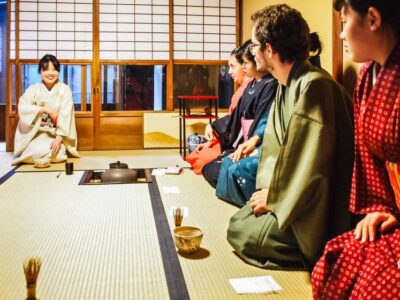 ★ 4.3Kyoto: 45-Minute Tea Ceremony Lesson ExperienceFrom $2245 min
 ★ 5.0Ramen Cooking Class at Ramen Factory in KyotoFrom $131
 ★ 4.9Kyoto: Ramen Cooking Class at a Ramen Factory with SouvenirFrom $1271h 30m
 ★ 4.9Kyoto: Samurai Class, Become a Samurai WarriorFrom $70
 ★ 5.0Ninja 1-hour Hands-on Lesson by Japanese master in Kyoto -EntryFrom $80
 ★ 5.0Kyoto: Ramen, Gyoza, and Onigiri Cooking ClassFrom $901h 30m