
Reviewed · SAMURAI & KENDO EXPERIENCES
Kyoto: Kendo and Samurai Experience with Uniform and Gear
The best part of this Kyoto activity is that it takes place in a more than 100-year-old machiya, not a modern costume studio. You put on training clothes and armor, learn the manners and movements behind kendo, and handle safe swords under close instruction. Taka, also called Takato by some participants, brings decades of practice and a warm sense of humor.
I like the blend of hands-on training and Japanese history. I also like that the instructor takes photos and videos while you are dressed for the part, so you leave with more than a quick souvenir snapshot. The main drawback is the location: it is in a residential area reached by a winding route, and the old dojo can feel cold and a little worn, especially in winter.
In This Review
- Key points to know before you book
- Entering a 120-year-old Kyoto machiya
- Changing into kendo clothing and armor
- Learning the samurai code before the sword work
- Holding a sword with control and respect
- Practicing strikes, blocks, and partner movements
- Taking samurai photographs and videos
- How much value do you get for $103?
- Who should book this Kyoto activity?
- Practical advice for a smooth two hours
- Should you book the kendo and samurai experience?
- FAQ
- How long does the Kyoto kendo and samurai experience last?
- How much does the experience cost?
- Is the activity taught in English?
- Do I need previous kendo or sword experience?
- What is included in the price?
- Can children participate?
- Can I buy a replica sword?
Key points to know before you book
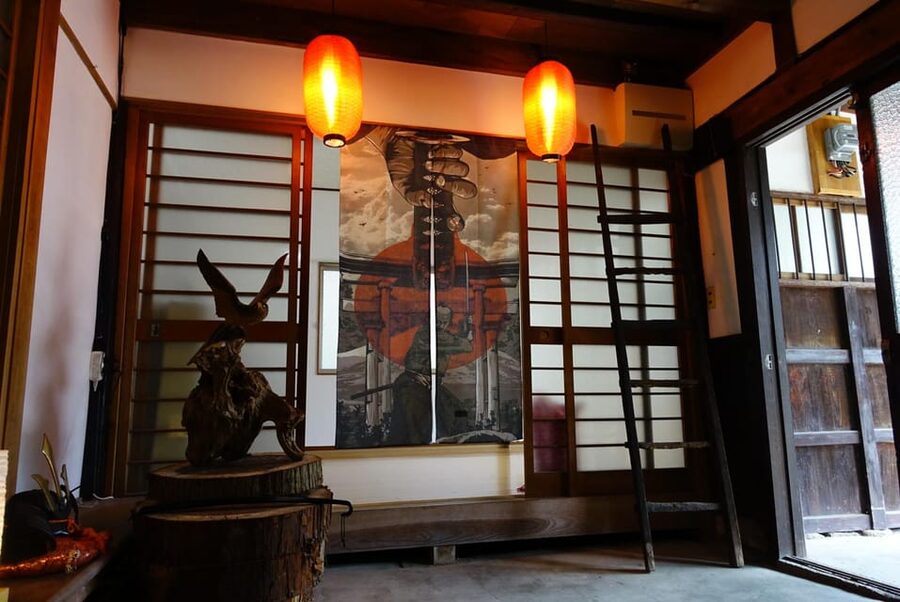
- A real old Kyoto setting: Train inside a traditional Japanese house dating back roughly 120 years.
- Taka leads with patience and humor: English instruction covers sword handling, etiquette, samurai history, and kendo basics.
- You wear the full outfit: Uniform, footwear, armor, and training equipment are included.
- The lesson is active: Expect practice with bamboo, foam, or other safe training swords, plus partner work and a light sparring session.
- Photos and videos are part of the memory: Your instructor helps capture samurai-style images during the session.
- Plan your route carefully: The meeting point has a large gate in a residential area, and a taxi from the station may save you time.
Entering a 120-year-old Kyoto machiya
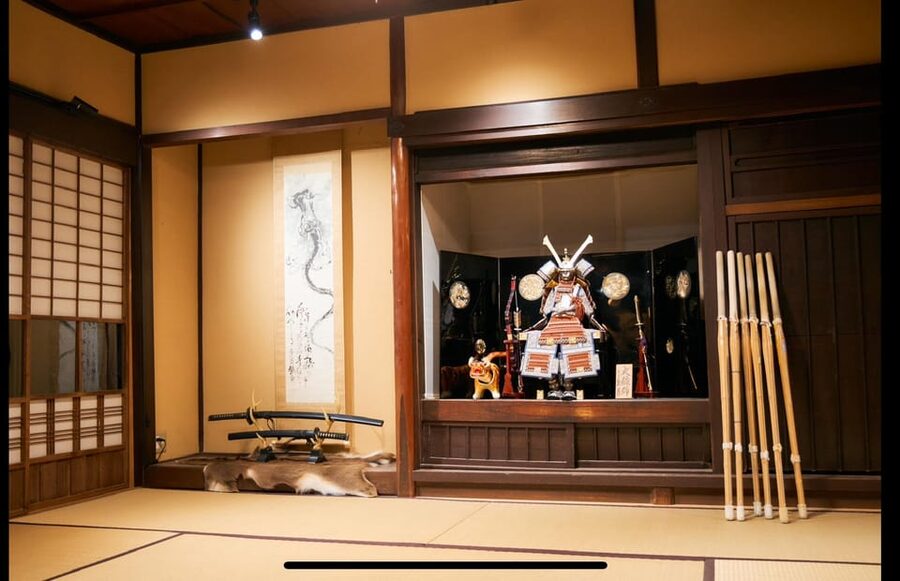
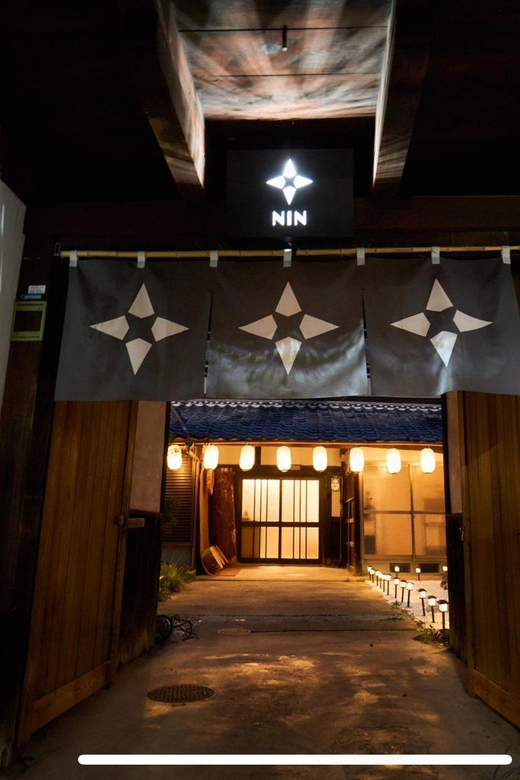
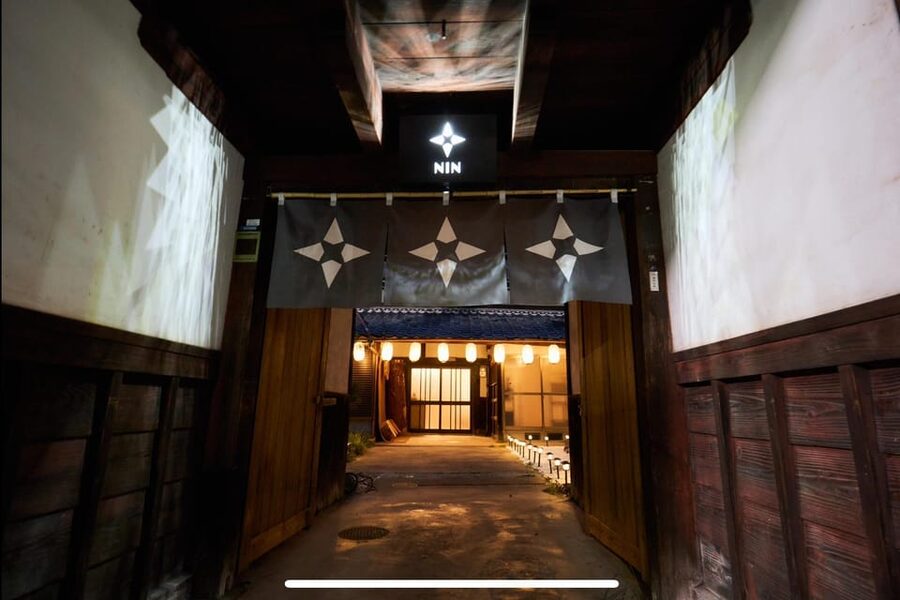
You meet at an old Japanese house marked by a large gate. That detail matters. Kyoto has no shortage of activities where you put on a costume, pose for a picture, and leave with a shallow idea of the past. Here, the building gives the lesson a more convincing sense of place.
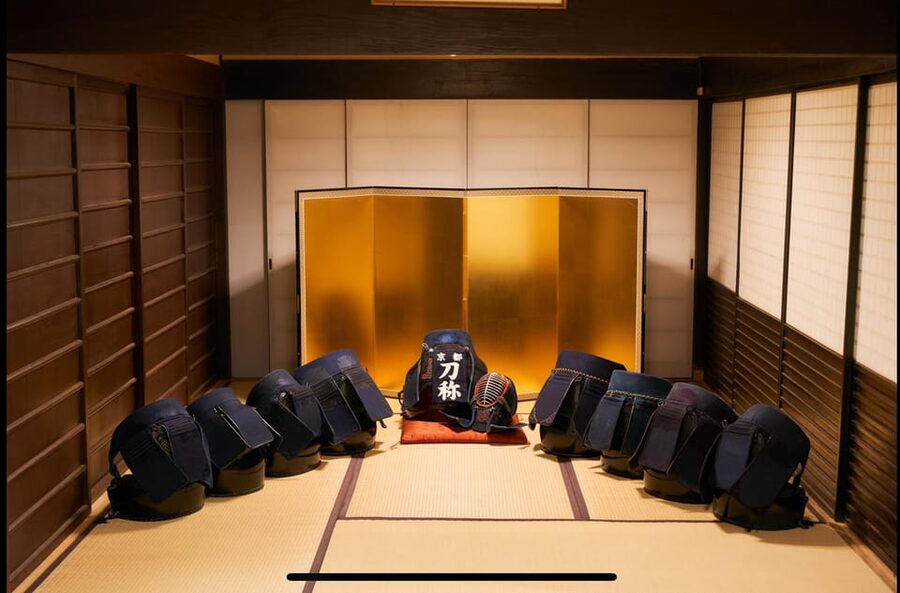
The house is used as a kendo dojo and training studio. Its age and traditional design are part of the appeal, though you should not expect a polished museum interior. One participant found the room dusty and worn, while another appreciated the dojo atmosphere and the feeling of stepping into an old training space.
The setting may be especially striking in cold weather. One January session took place partly in the courtyard as snow began to fall, creating the sort of scene that feels almost too well timed. That is a wonderful possibility, but winter also brings a practical concern: the dojo can be chilly, and some exercises take place outdoors. Wear a warm base layer and thick socks under the supplied clothing.
Finding the entrance may take more effort than finding a major Kyoto attraction. The building is in a residential area along a winding path, and one participant found the location somewhat far out. Give yourself plenty of time. If you are coming by train, taking a taxi from the station to the front gate may be the simplest choice.
A few more Kyoto tours and experiences worth a look
Changing into kendo clothing and armor
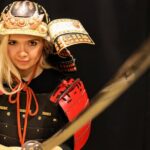
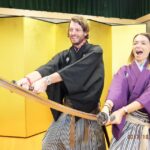
After arrival, you receive the clothing and equipment needed for the lesson. The change of clothes is not just a photo opportunity. It helps shift the tone from sightseeing to practice.
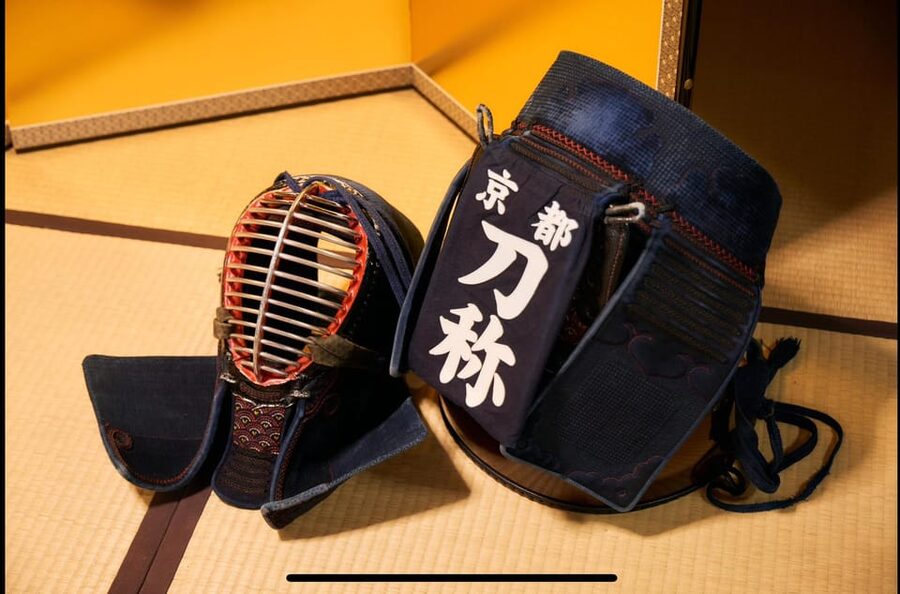
You learn how the traditional outfit is worn and get familiar with the equipment before handling a sword. The activity includes uniform rental, gear rental, equipment rental, and shoe rental, so you do not need to arrange anything in advance.
The clothing and protective equipment also make the session feel more substantial than a quick demonstration. You are not simply holding a blade for a staged pose. You are learning how posture, movement, and etiquette work together.
The fitting process can take a little time, so avoid arriving late. One participant noted that late arrivals disrupted the class. Since the lesson lasts only two hours, every part of the schedule matters. Arrive early enough to find the gate and get changed without rushing.
The activity is open to beginners. No prior kendo experience is required, and the instructor adjusts the pace so that people can follow along. The teaching style appears friendly rather than strict, with plenty of encouragement and room for questions.
Learning the samurai code before the sword work
The introductory talk gives the physical practice some context. You learn about samurai history, the place of the warrior class in Japan, and the development of kendo. The lesson also covers etiquette, customs, discipline, and the mindset connected with the sword.
This is where the experience earns its price. At $103 per person for two hours, it is not a cheap photo stop. But the fee includes an instructor, the uniform, shoes, protective gear, and the practical lesson. You are paying for teaching and participation, not just access to a costume rack.
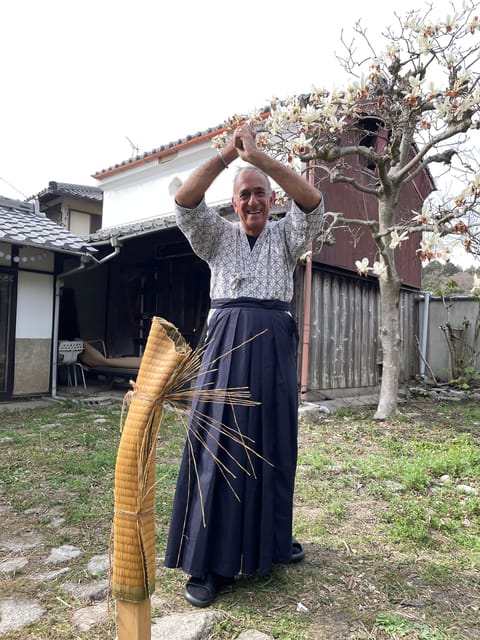
Taka is the key personality in many sessions. He is described as having more than 50 years of kendo practice, and his approach combines clear explanations with a playful sense of humor. He speaks English well, answers questions, and takes care to include people who are nervous or unfamiliar with martial arts.
The history portion is kept connected to the activity. You learn why certain movements matter, how respect shapes training, and how kendo relates to older sword traditions. It is not a university lecture, and it does not try to cover every period of Japanese history. That is a good thing for a two-hour class. You receive enough background to understand what you are doing without losing the chance to practice.
Families can take part, though children under seven are not permitted. The activity can work well for mixed-interest groups because one person can focus on history, another on movement, and another on the photographs. An account of a family session also describes extra patience and support for an autistic child, suggesting that the instructor is attentive to individual needs.
Holding a sword with control and respect
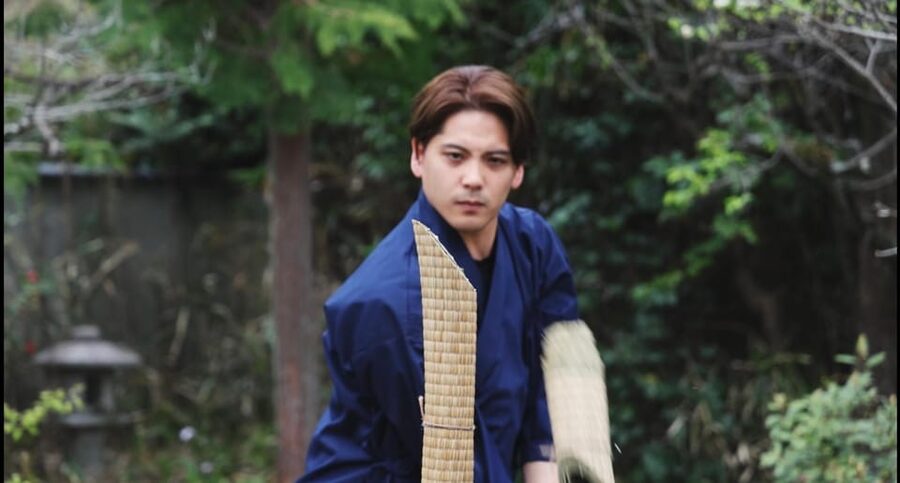
The first practical section covers the basics of sword handling. You work on grip, stance, posture, footwork, and simple movements. The swords are safe training versions, but they are designed to feel like serious equipment rather than plastic toys.
The exact tools can vary. The session may use bamboo swords, foam swords, or refined replica blades for different parts of the lesson. The equipment lets you practice without the danger of using a sharp katana.
Safety comes first. The instructor explains how to handle the sword, how to move around other participants, and how to maintain control. You are guided through the actions step by step, so even a complete beginner can follow.
You should expect more repetition than theatrical sword swinging. Kendo depends on form, timing, balance, and discipline. The movements may look simple at first, but doing them correctly takes attention. That is the useful lesson: the sword is not merely an object to wave around. It is part of a system of behavior and controlled movement.
The instructor demonstrates the motions, then gives you time to try them. This hands-on structure keeps the class moving. You listen, copy the action, adjust your stance, and try again.
Practicing strikes, blocks, and partner movements
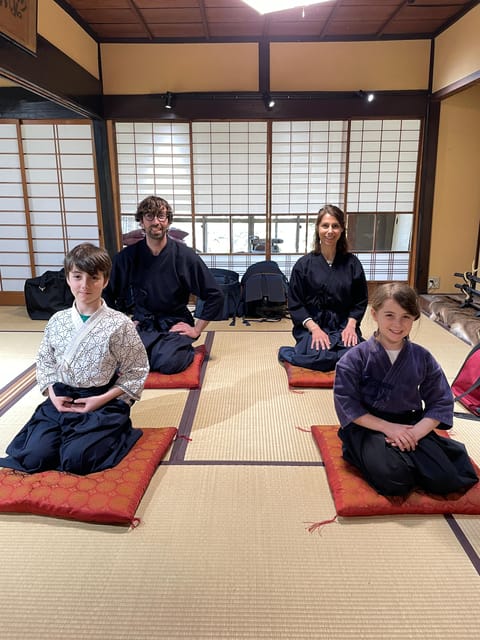
Once everyone understands the basic handling, the class moves into more active work. You practice controlled strikes, blocks, and footwork, then use what you have learned with another participant.
Some sessions include a short sparring lesson or a friendly competition with foam katanas. This is usually the most playful part of the activity, and it gives you a reason to use the techniques instead of simply repeating them in the air.
The sparring is not a serious martial arts bout. It is a supervised, beginner-friendly exercise using safe equipment. The instructor keeps the tone light while still emphasizing control and respect. That balance is important. You get the excitement of a mock fight without being pushed into something beyond your ability.
This section also helps solo visitors. You do not need to arrive with a friend or partner. The activity brings participants together for paired practice, and the instructor works to keep everyone involved.
Some people book this experience expecting to cut tatami mats with a katana. That is not part of the current activity. Slicing tatami is no longer offered because it is illegal, so book this for kendo instruction, sword handling, cultural background, and safe sparring, not for cutting demonstrations.

Taking samurai photographs and videos
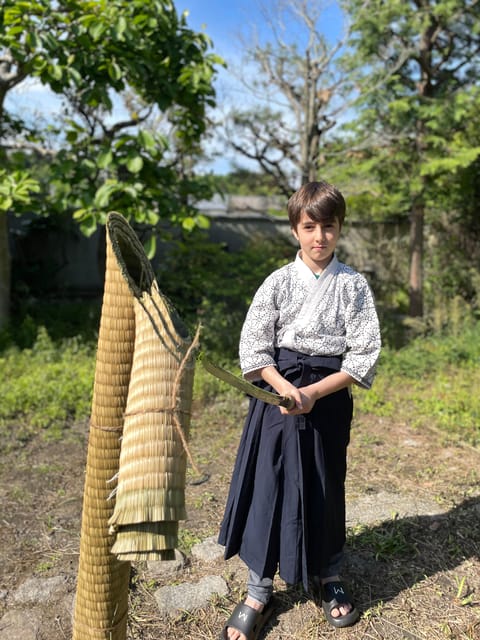
The photo session comes after you have put on the uniform and learned the basic movements. That timing works well. You already know how to stand and hold the equipment, so the photographs can look more natural than a quick dress-up pose.
Your instructor takes photos and videos during the experience. The aim is to give you memorable samurai-style images, including action poses and formal stances. The supplied information does not promise a separate professional photographer or a fixed number of files, so think of this as instructor-assisted documentation rather than a full commercial photo shoot.
Still, it is a valuable inclusion. A two-hour physical activity can be hard to capture if everyone is busy taking pictures. Having the instructor handle the camera lets you concentrate on the lesson.
The old house, dojo, courtyard, clothing, and equipment provide the setting. If you attend in winter, the outdoor courtyard may add atmosphere, though it can also be cold. Bring a warm layer that will fit beneath the training clothes.
How much value do you get for $103?
At $103, this sits in the middle to upper range of Kyoto cultural activities, but the contents justify the cost for the right person. You receive two hours of instruction, all required clothing and gear, shoes, training swords, cultural explanation, practice time, and instructor-shot photos and videos.
You are not paying for transportation, a meal, or a sharp replica sword. Replica swords are available to purchase separately if you want one, but they are not included. That distinction is worth noting before you book.
I would compare this with the cost of a short samurai show or a basic costume rental. Those options may be cheaper, but they often give you less to do. This session asks you to listen, move, practice, and take part in a partner exercise.
The value is strongest if you care about Japanese martial arts or want an activity that breaks up temple visits and sightseeing. If all you want is a quick photograph in samurai clothing, you can probably find a simpler and less expensive option.
The high rating of 4.9 from 815 bookings suggests that the format works for a wide range of visitors. The most consistent strengths are the instructor, the clear English explanations, the active practice, and the mix of history with humor. Those are also the parts that determine your enjoyment more than the building or equipment.
Who should book this Kyoto activity?
I would recommend it to adults, families with children seven and older, solo visitors, and anyone interested in Japanese culture beyond the usual shrine and temple route.
It is a particularly good choice for:
- First-time visitors who want a guided introduction to kendo.
- People who enjoy hands-on activities more than passive sightseeing.
- Families looking for something all ages can discuss and practice together.
- Fans of samurai history who want more than a staged performance.
- Visitors who want photos in traditional clothing but also want genuine instruction.
- Solo visitors who are comfortable practicing with other participants.
You should think twice if you dislike changing clothes, physical participation, or group instruction. The lesson is gentle for beginners, but you will still be standing, moving, handling equipment, and working with a partner.
You should also avoid booking if you expect to use a sharp sword or cut tatami. That is not what this session provides. The training equipment is safe, and the focus is on technique, etiquette, history, and controlled practice.
Practical advice for a smooth two hours
Wear comfortable clothes that fit under the supplied uniform. In colder months, add a warm base layer and thick socks because the old dojo and courtyard may be cold.
Arrive early. The meeting point is an old house with a large gate, not a major tourist landmark, and the route can be winding. A late arrival can interrupt the lesson, especially during the clothing and safety briefing.
Keep alcohol and drugs out of the experience. They are not allowed, and sword training requires full attention.
The activity is conducted in English. Taka and the other instructors explain the movements, history, and customs in English, making this a practical choice if you do not speak Japanese.
You can cancel free of charge up to 24 hours before the start time, and the reserve-now, pay-later option gives you some flexibility while planning your Kyoto days. Check the available starting times when booking, since the duration is fixed at two hours.
Should you book the kendo and samurai experience?
Book it if you want to learn while having fun. The old dojo, complete clothing and gear, English instruction, cultural explanation, partner practice, and friendly sparring give you far more substance than a costume photograph.
The strongest reason to go is Taka. His long experience, patience, humor, and clear English help beginners feel comfortable quickly. The old building and the instructor-shot photos add atmosphere, but the teaching is what makes the session worthwhile.
Skip it if you are looking for a sharp-blade demonstration, tatami cutting, or a quiet museum-style presentation. Also allow extra travel time and dress warmly in winter.
For most visitors, $103 is fair for two active hours with all equipment provided. If you want one Kyoto activity that lets you learn, move, laugh, and take home memorable images, this is a strong pick.
FAQ
How long does the Kyoto kendo and samurai experience last?
The activity lasts two hours.
How much does the experience cost?
The listed price is $103 per person.
Is the activity taught in English?
Yes. The instructors provide English-language instruction.
Do I need previous kendo or sword experience?
No. The session is designed for beginners, and the instructor teaches the basic movements and safety rules step by step.
What is included in the price?
Instruction, uniform rental, equipment rental, shoe rental, and gear rental are included.
Can children participate?
Children under seven are not permitted. Children aged seven and older may take part.
Can I buy a replica sword?
Replica swords are available for purchase separately, but they are not included in the activity price.
More Samurai & Kendo Experiences in Kyoto
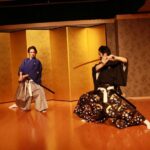
More tours in Kyoto we've reviewed






Samurai & Kendo Experiences, compared.
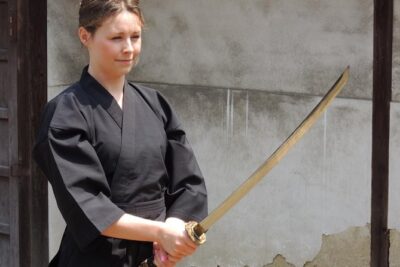 ★ 5.0Kyoto Samurai ExperienceFrom $119
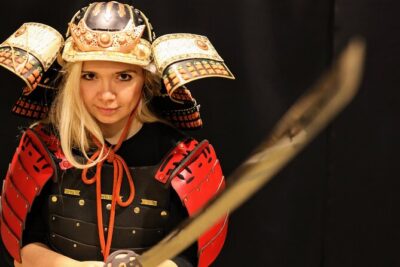 ★ 4.5Skip the lines Basic Ticket at SAMURAI NINJA MUSEUM KYOTOFrom $28
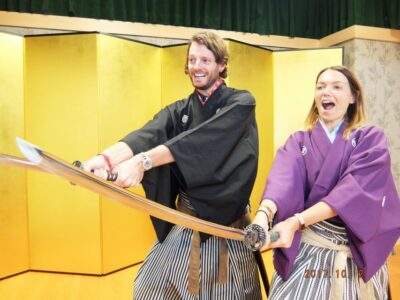 ★ 4.9Kyoto: Samurai Class, Become a Samurai WarriorFrom $70
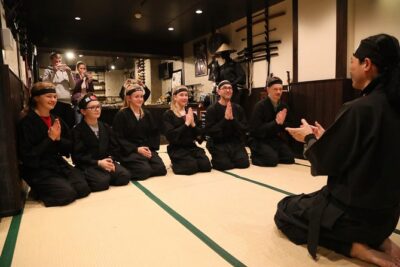 ★ 5.0Ninja 1-hour Hands-on Lesson by Japanese master in Kyoto -EntryFrom $80
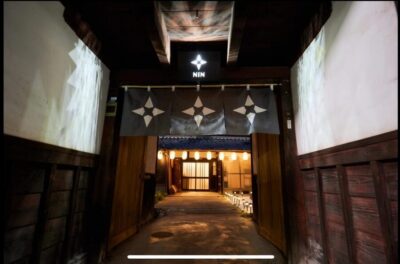 ★ 4.8Kyoto: Ninja Weapon Forging ExperienceFrom $1482h 30m
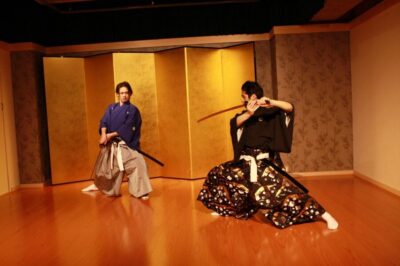 ★ 4.5Kyoto: Samurai Kenbu Traditional Sword Dancing ShowFrom $321 hour