
Reviewed · SAMURAI & KENDO EXPERIENCES
Kyoto: Kendo Samurai Experience Tour
The most exciting part comes near the end, when you put on full kendo armor and take part in a controlled sword-fighting practice. This is not a staged samurai photo session. You learn basic movement, etiquette, and strikes, then use that training in a real kendo-style match with a bamboo sword.
I like the serious instruction and the friendly pace. Hayashi-sensei, a 7th Dan master, teaches with clear demonstrations, patience, and humor. I also like the setting: a clean, quiet dojo where the ritual matters as much as the physical work. The drawback is the location. JR Hanazono Station is about 15 minutes from Kyoto Station, so you need to allow extra time beyond the two-hour class.
In This Review
- Key points
- What This Kyoto Kendo Class Really Offers
- From JR Hanazono Station to the Dojo
- Your First Lesson: Etiquette, Posture, and Footwork
- Learning to Strike With a Bamboo Sword
- Putting on the Full Kendo Armor
- The Final Match With Armor and Shinai
- How Good Is the Instruction?
- The Physical Side: What You Should Expect
- Is $116 a Fair Price?
- Who Should Book This Experience?
- Booking and Timing Tips for Kyoto
- Should You Book the Kyoto Kendo Samurai Experience?
- FAQ
- Where does the Kyoto kendo experience meet?
- How far is JR Hanazono Station from Kyoto Station?
- How long does the kendo activity last?
- Is kendo equipment provided?
- What languages does the instructor speak?
- What should I provide before booking?
- Is hotel transportation or food included?
Key points
- Real beginner combat practice: You do not only pose with a sword. You learn enough technique to take part in controlled fighting.
- 7th Dan instruction: Hayashi-sensei and the teaching team bring serious kendo experience while keeping explanations accessible.
- Full armor included: Rental equipment lets you experience the weight, sound, and form of kendo without buying anything.
- Etiquette comes first: Bowing, posture, footwork, and discipline help you understand why kendo is more than hitting with a bamboo sword.
- A good family activity: Parents and children, siblings, and friends can finish with a safe match against one another.
- Easy rail access: Meet at the north exit of JR Hanazono Station, around 15 minutes from Kyoto Station on the JR Sagano Line.
What This Kyoto Kendo Class Really Offers
Kendo is often introduced to visitors as samurai sword fighting, but that description only gets you halfway there. The bamboo sword, called a shinai, is designed for practice, and the class combines physical training with strict etiquette and controlled movement.
That combination makes this activity different from a costume experience. You are not simply handed a sword and asked to swing it for a photograph. You learn how to stand, move, bow, hold the shinai, and make basic strikes. Even beginners are treated as participants in a genuine training session.
The advertised duration is two hours. That gives enough time for an introduction, instruction, equipment, and a practice match without making the class feel like a rushed demonstration. One account described a session lasting about 90 minutes, so the exact pace may vary, but you should plan your day around the stated two-hour duration.
A few more Kyoto tours and experiences worth a look
From JR Hanazono Station to the Dojo
Your meeting point is the north exit of JR Hanazono Station, written as JR 花園駅北口 in Japanese. From Kyoto Station, take the JR Sagano Line. The ride takes about 15 minutes, though you should still allow time to find the correct exit and arrive ready for the class.
This is useful to know when planning a Kyoto day. Hanazono is not right beside the central Kyoto sights, so the activity works best when you pair it with other stops in the same general part of the city rather than trying to squeeze it between distant appointments.
The station meeting point also means there is no hotel pickup or drop-off. You arrange your own rail travel and make your own way to the dojo. That keeps the price lower than a private transport experience, but you need to pay attention to the meeting instructions.
Before booking, provide the genders and heights of everyone in your party. The instructors use this information to prepare suitable armor and equipment sizes. This is a small step, but it matters when you are dealing with protective gear that needs to fit properly.
Your First Lesson: Etiquette, Posture, and Footwork
The class begins with the foundations of kendo rather than immediate sword combat. Expect instruction in etiquette, basic exercises, movement, and rules. That opening may feel formal compared with a typical tourist activity, but it gives the experience its character.
Kendo training asks you to control your body before you worry about speed. Your stance, balance, grip, and footwork all affect the quality of a strike. The instructor demonstrates each movement, then guides you as you repeat it.
This is where clear demonstrations matter. Hayashi-sensei has been praised for explaining techniques logically and showing what to do when language becomes a barrier. The class is available in English and Japanese, but much of the instruction can also be followed through demonstration.
If your Japanese is limited, do not expect a long English lecture for every point. Instead, expect a mix of spoken guidance, visible examples, and correction during practice. That approach can work well for a physical activity, since you need to copy movement rather than memorize a large amount of vocabulary.
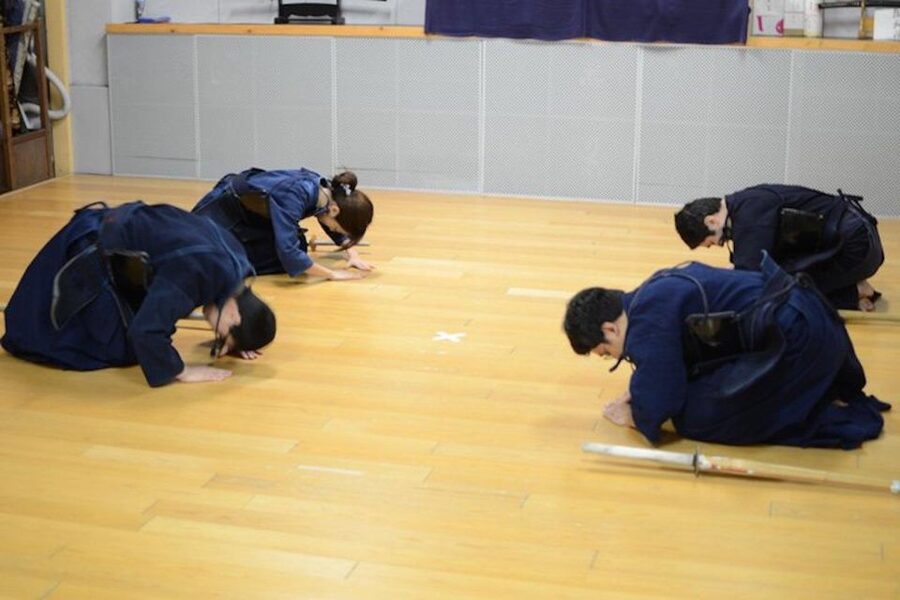
The etiquette is not decoration. Bowing and respectful conduct explain how a dojo functions. You learn that the sword is handled with care, the training space has rules, and the other person is a practice partner rather than an enemy.
Learning to Strike With a Bamboo Sword
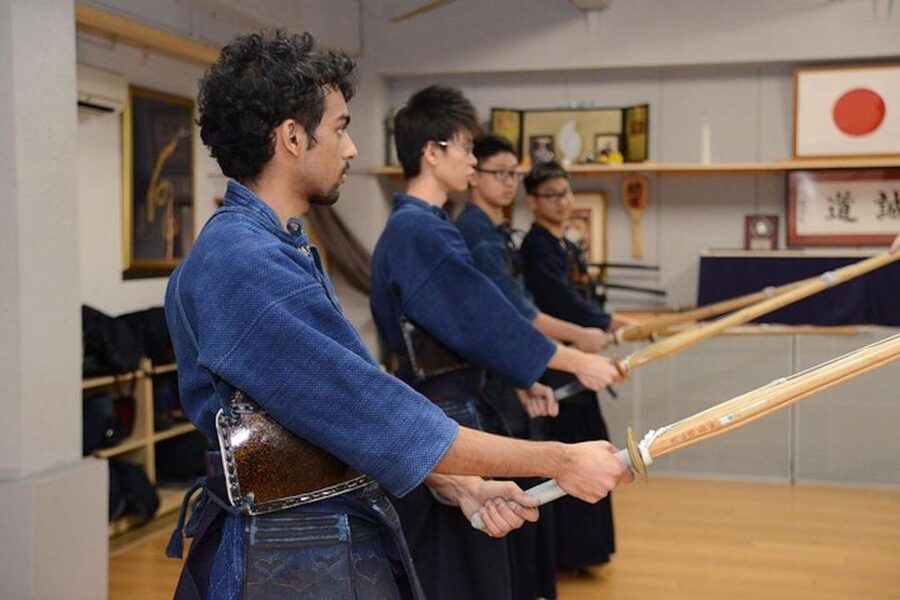
Once you have the basic stance and movement, the class turns toward striking technique. The shinai is made for safe practice, but it is not weightless or flimsy. Repeated swings and footwork require effort, especially when you are trying to maintain correct form.
The description of this class is honest about the workout. You will not spend two hours sitting and listening. Training can leave you warm and tired, and the armor later adds another physical challenge.
The teaching style is aimed at first-timers. You are guided through the motions step by step, and the instructors keep the session safe and controlled. That makes it suitable for someone with no martial arts background, provided you are comfortable with physical activity.
I would not book this expecting to master kendo in one visit. Two hours can give you a meaningful introduction, a few basic techniques, and a feel for the discipline. It cannot replace regular training. The value is in getting a clear first look at the art and understanding how much precision sits behind a single strike.
Putting on the Full Kendo Armor
The equipment is a major part of the appeal. You receive rental kendo armor and equipment, so you do not need to purchase or bring specialist gear. You also receive mineral water and a free kendo towel.
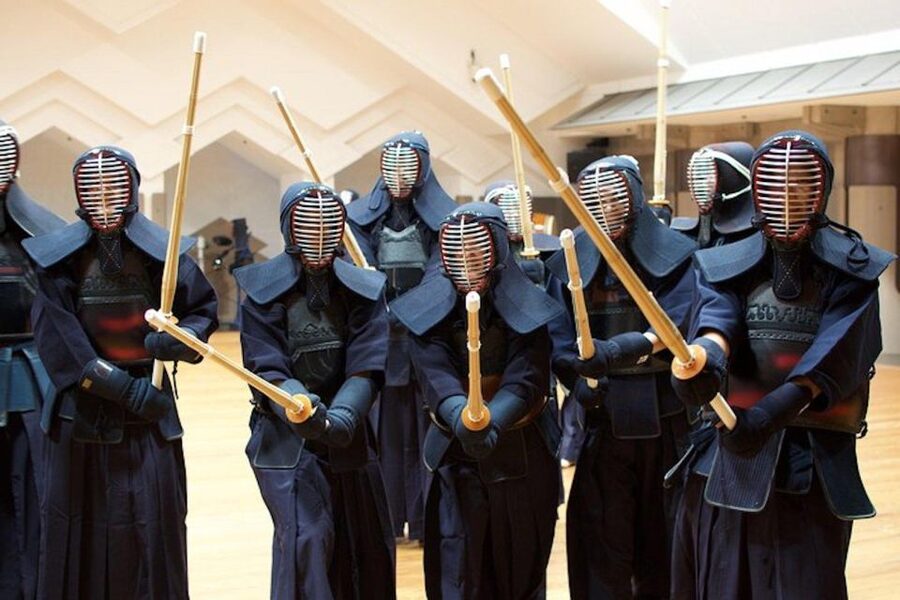
Putting on the armor changes the experience. The clothing and protective pieces make the activity feel less like a casual lesson and more like a training session. The mask and armor also affect your movement, breathing, and awareness. You begin to understand why kendo requires practice before the equipment feels natural.
The gear is one reason the $116 price can make sense. You are paying for instruction from an experienced teacher, use of a complete set of equipment, access to a dojo, and a guided practice match. It is not cheap compared with a simple cultural demonstration, but it offers much more participation.
The supplied experiences describe the dojo as neat and clean, with equipment in excellent condition. That is important here. You are wearing protective gear and handling equipment used for close physical practice, so a well-kept space adds comfort and confidence.
You should share accurate height information in advance. The organizers specifically request genders and heights so the right sizes can be prepared. Arriving with suitable equipment is especially helpful when the class is short and you do not want to lose practice time.

The Final Match With Armor and Shinai
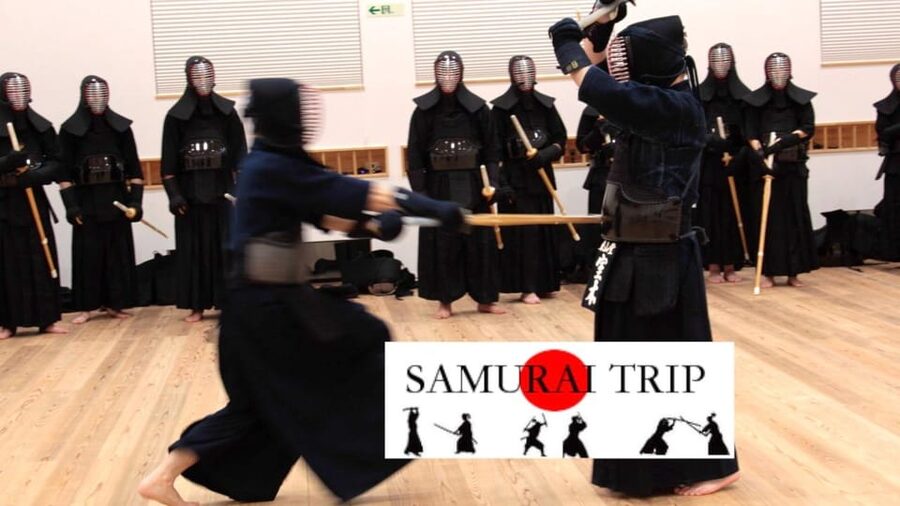
The class builds toward a controlled match. This is the moment when the earlier lessons become useful. You have learned how to move, how to hold the shinai, and how kendo rules shape the exchange. Now you get to apply those basics against another person.
The match is presented as safe and controlled, including friendly contests between fathers and sons or brothers. That makes it a natural choice for families and small groups. You can train together, laugh at the awkward moments, and finish with a shared challenge.
Do not expect a free-for-all. Kendo is governed by rules and etiquette, and the instructor controls the session. The point is not to hurt your opponent or swing wildly. It is to experience the timing, discipline, and concentration involved in a proper exchange.
This final section also gives the class its emotional payoff. Without it, the lesson might feel like a series of drills. With it, you get a short taste of how technique works under pressure, even at beginner level.
The experience can also become a friendly family competition. That is a useful feature if you are booking for children and adults together, though the activity is not suitable for pregnant women or people with pre-existing medical conditions.
How Good Is the Instruction?
The instructor is the heart of this experience. Hayashi-sensei is identified as a 7th Dan master, and the class is backed by more than 40 years of kendo history. That level of experience matters because beginners need more than enthusiasm. They need someone who can spot unsafe movement, explain a technique simply, and adjust the pace.
The teaching style appears particularly strong for mixed-language groups. English and Japanese are offered, and the demonstrations do much of the work. Hayashi-sensei has been described as friendly, patient, clear, and humorous, qualities that make a formal martial art less intimidating.
A small group can make the class even better. When only two people attend, the instructor can give near-private tuition and correct technique more often. You should not assume that every date will have a tiny group, but a small booking can be a pleasant surprise.
The class also seems to work well for families. Parents and children can learn side by side, and the final match gives everyone a common goal. Children should still be comfortable with instructions, protective equipment, and a physical workout. The supplied information does not state a minimum age, so confirm suitability before booking for very young children.
The Physical Side: What You Should Expect
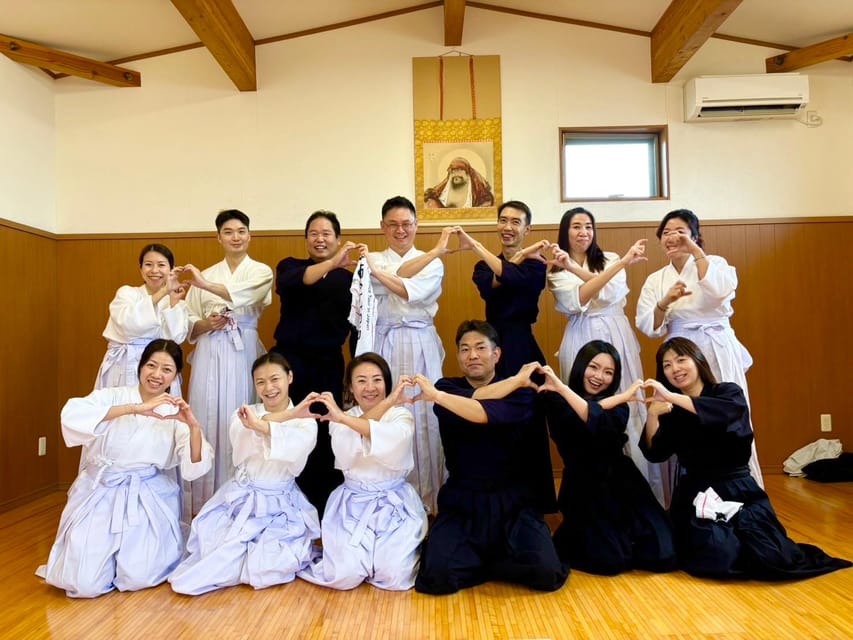
Kendo is active, even for beginners. You will practice footwork, hold and swing a shinai, wear armor, and take part in a match. The training is controlled, but it is not passive.
Wear clothing that allows you to move comfortably. The tour provides the kendo armor and equipment, but no food is included, so eat beforehand if you tend to get hungry during exercise. Mineral water is provided.
You should also be realistic about medical limits. The experience is not suitable for pregnant women or people with pre-existing medical conditions. If you have concerns about physical exertion, ask the provider before reserving rather than treating this as a light sightseeing stop.
The workout is part of the value. You learn about kendo through your body, not just through an explanation. The weight of the armor, the rhythm of footwork, and the need to stay focused give you a more useful sense of the art than a short sword-handling demonstration would.
Is $116 a Fair Price?
At $116 per person, this sits in the premium range for a two-hour activity. The price is easier to justify if you want active participation rather than a cultural talk or photo opportunity.
Your fee covers a professional instructor, rental armor and equipment, mineral water, and the kendo towel. You also receive access to a real dojo setting and instruction from a 7th Dan master. Food, hotel transport, and train fare are extra.
I see the strongest value for people who have long wanted to try kendo in Japan. You get the formal elements, the physical training, and a controlled match in one compact session. If you are only curious about samurai culture and dislike exercise, a less expensive museum or performance may suit you better.
The value also improves for families and pairs. A parent and child or two friends can share the training and final match, making the class a memorable joint activity rather than a solo lesson.
Who Should Book This Experience?
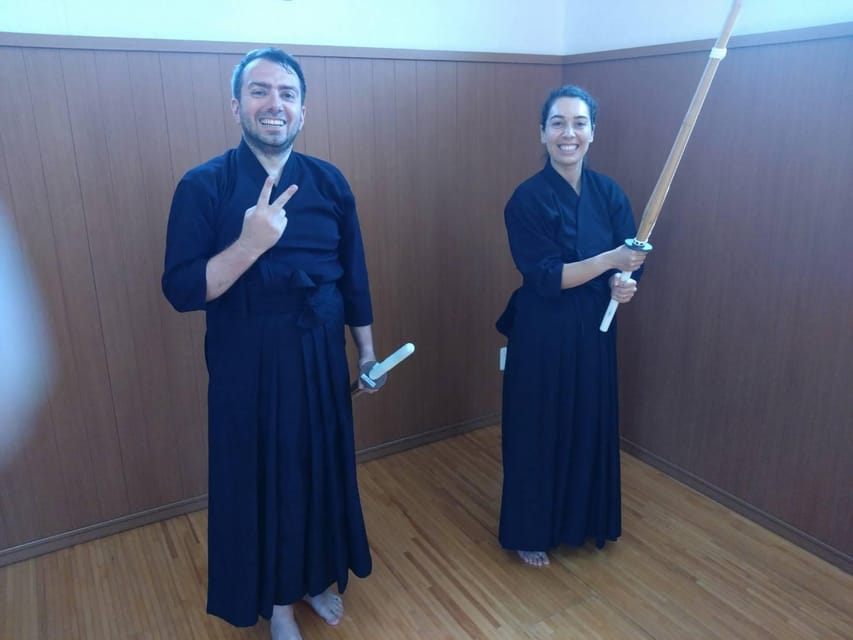
I would recommend this class to you if you want to do something active in Kyoto and prefer learning a skill over watching a show. It is especially well suited to:
- First-time martial arts students
- Visitors interested in Japanese etiquette and discipline
- Families with older children who can follow instructions
- Couples, friends, and small groups
- Anyone who has wanted to try kendo in Japan
- People comfortable with a physical workout
The class may not suit you if you want a relaxed cultural activity, have a medical condition that limits exercise, or are pregnant. It is also less convenient if your Kyoto plans are concentrated around the eastern temples, since Hanazono requires a separate rail trip from the central station area.
Booking and Timing Tips for Kyoto
Check the available start times before planning the rest of your day. The activity lasts two hours, and the rail trip from Kyoto Station takes about 15 minutes, so allow additional time for transfers, finding the north exit, and getting settled.
Give the provider the height and gender details for every participant when you reserve. That helps the team prepare equipment sizes and reduces delays at the dojo.
The activity offers free cancellation up to 24 hours before the start time, and you can reserve now and pay later. Those options help if your Kyoto schedule is still changing, but they do not remove the need to arrive at the correct station exit on time.
The provider is Park for us Co., Ltd. Instruction is offered in English and Japanese. No hotel pickup is included, and no food is supplied.
Should You Book the Kyoto Kendo Samurai Experience?
Book it if you want an authentic, hands-on introduction to kendo rather than a samurai costume photo. The strongest parts are the experienced instruction, the careful introduction to etiquette and technique, the full armor, and the final controlled match.
At $116, it is a considered purchase, especially for a short activity. Still, the complete equipment, expert teaching, and chance to practice rather than watch make it a fair choice for kendo enthusiasts and active families.
My practical advice is simple: check the train route, share accurate heights, eat before class, and leave room in your schedule. If you can handle a workout and want a sharper understanding of Japanese swordsmanship, this is one of Kyoto’s more memorable hands-on options.
FAQ
Where does the Kyoto kendo experience meet?
The meeting point is the north exit of JR Hanazono Station, written as JR 花園駅北口.
How far is JR Hanazono Station from Kyoto Station?
The station is about 15 minutes from Kyoto Station by the JR Sagano Line.
How long does the kendo activity last?
The stated duration is two hours. Starting times vary, so check availability when booking.
Is kendo equipment provided?
Yes. Rental kendo armor and equipment are included in the activity.
What languages does the instructor speak?
Instruction is available in English and Japanese.
What should I provide before booking?
Provide the genders and heights of everyone in your group so the organizers can prepare appropriate equipment sizes.
Is hotel transportation or food included?
No. Hotel pickup and drop-off are not included, and food is not provided. Mineral water and a free kendo towel are included.
More Samurai & Kendo Experiences in Kyoto
More tours in Kyoto we've reviewed




Samurai & Kendo Experiences, compared.
 ★ 5.0Kyoto Samurai ExperienceFrom $119
 ★ 4.9Kyoto: Kendo and Samurai Experience with Uniform and GearFrom $1032 hours
 ★ 4.5Skip the lines Basic Ticket at SAMURAI NINJA MUSEUM KYOTOFrom $28
 ★ 4.9Kyoto: Samurai Class, Become a Samurai WarriorFrom $70
 ★ 5.0Ninja 1-hour Hands-on Lesson by Japanese master in Kyoto -EntryFrom $80
 ★ 4.8Kyoto: Ninja Weapon Forging ExperienceFrom $1482h 30m