
Reviewed · WORKSHOPS
Kyoto Michelin Ramen Workshop or Painting Ramen Essentials
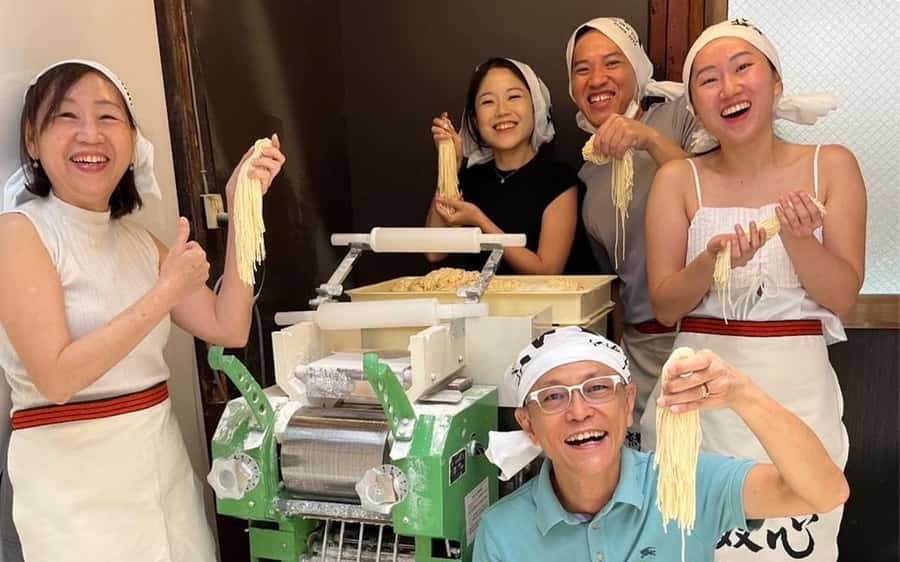
Kyoto’s Musoshin ramen workshop gives you something most food tours do not: you make the noodles by hand, then eat a carefully prepared bowl at the restaurant that taught you how ramen comes together. The Toronto branch has received Michelin recognition, and the Kyoto shops use the same house-made recipes.
I especially like the hands-on noodle work, including mixing ingredients, rolling dough, and using the noodle machine. I also like the painting option, which lets you design a ramen bowl or spoon and, in the case of a bowl, have it fired in a kiln for free.
The main drawback is space. The workshop room is small, and a full group can feel cramped around the equipment. Families with young children should also know that the noodles you make may need to rest overnight, so the meal you eat afterward is prepared by the restaurant rather than made from that fresh dough.
In This Review
- Key points to know before booking
- Why Musoshin’s ramen workshop is different
- Mixing, rolling, and cutting the noodles
- Painting a ramen bowl or spoon
- The restaurant meal after class
- How family-friendly is the class?
- Dietary choices and special requests
- What the $54 price includes
- Timing, meeting points, and language
- Who will enjoy this most?
- Should you book Musoshin’s ramen workshop?
- FAQ
- Where does the Musoshin ramen workshop take place?
- How much does the experience cost?
- What languages are available?
- How long does the noodle-making portion take?
- Do I eat the noodles I make?
- Is a meal included?
- Are vegetarian and vegan ramen options available?
- Can I paint my own ramen bowl?
Key points to know before booking
- Make ramen from the first dough step: You mix ingredients, work the dough, roll it, and watch it become noodles.
- Eat at the Musoshin restaurant afterward: Your included ramen is prepared with the shop’s long-cooked soup and house-made ingredients.
- Paint a bowl or spoon: A custom bowl can be kiln-fired for free and collected the next day.
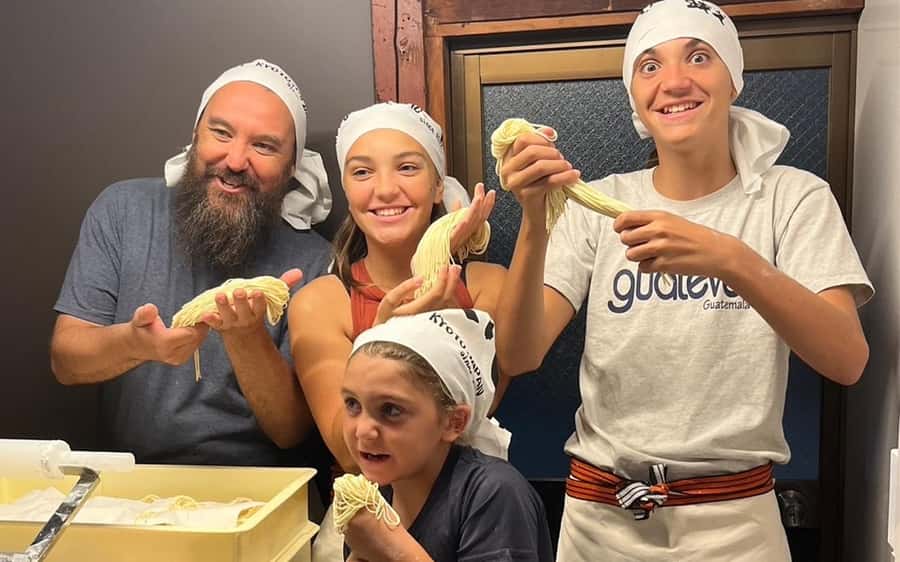
- Good for children: Four-year-olds, nine-year-olds, teenagers, and adults can all take part, though the compact room may feel tight.
- Vegetarian and vegan choices are available: Tell the workshop team your dietary needs when booking.
- English and Japanese are offered: Guides such as Shin, Patty, Yaya, Koki, and Makoto have led sessions.
Why Musoshin’s ramen workshop is different
Kyoto has plenty of cooking activities, but this one is tied directly to a working ramen business. Musoshin began in Kyoto in 2022 and now has six restaurants across Kyoto and Toronto. Its Toronto branch has been nominated for Michelin recognition for three consecutive years, and the company says the Kyoto and Toronto restaurants use the same recipe.
That connection matters. You are not simply making noodles from a generic kit and eating an unrelated meal at the end. You learn inside the Musoshin operation, then walk to the restaurant to taste the finished style of ramen.
The company makes its main ramen components in-house. Noodles are produced each morning and rested overnight for use the next day. The soup cooks for 12 hours, while the ramen soy sauce and roast pork are also made by the shop. You will not recreate all of that work during a short class, but the workshop helps you understand why a good bowl involves much more than noodles and broth.
I like this setup because the class has a clear purpose. You work with the basic recipe, learn the stages, and then taste what those ingredients can become when handled by a professional kitchen.
A few more Kyoto tours and experiences worth a look

Mixing, rolling, and cutting the noodles
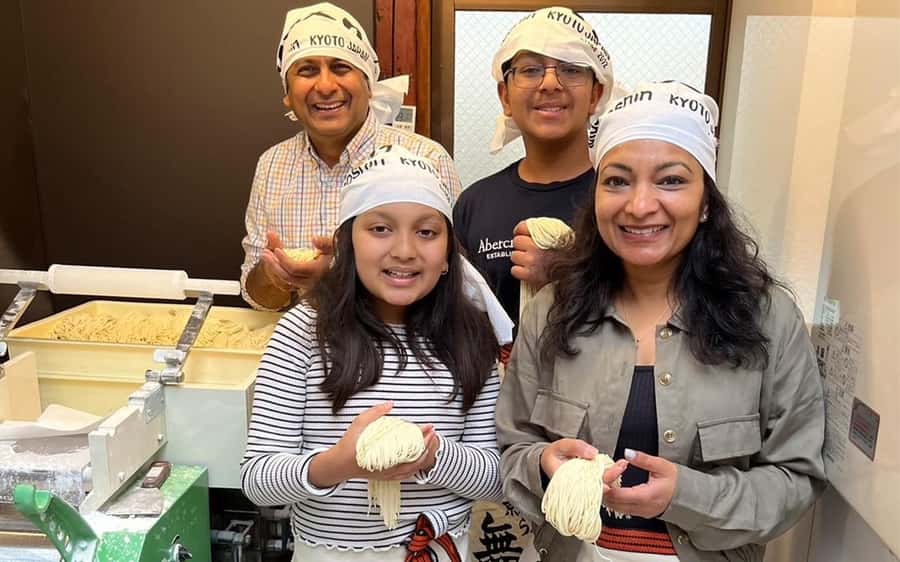
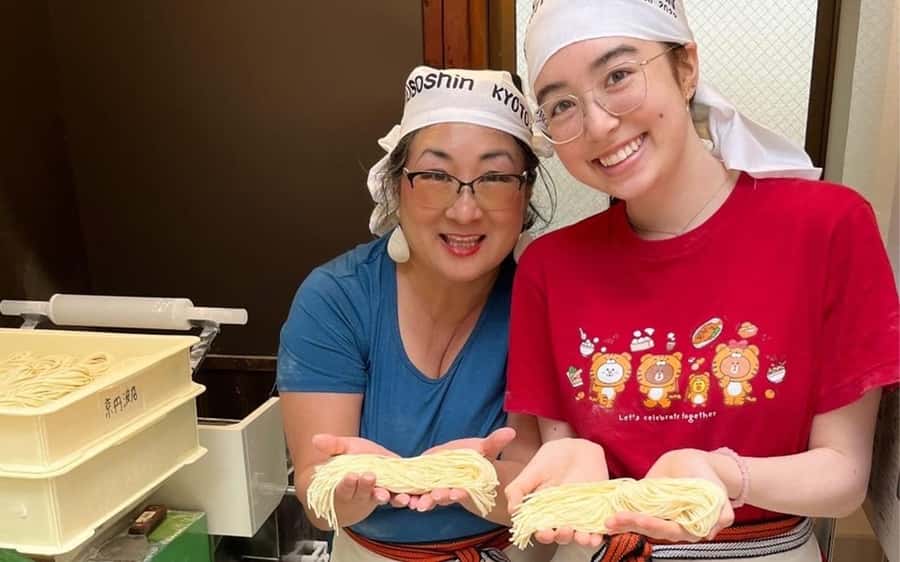
The practical heart of the activity is the noodle session, which takes about an hour according to the experience schedule and recent timing. Instructors explain the process in English or Japanese and guide you through each stage rather than leaving you to watch from the side.
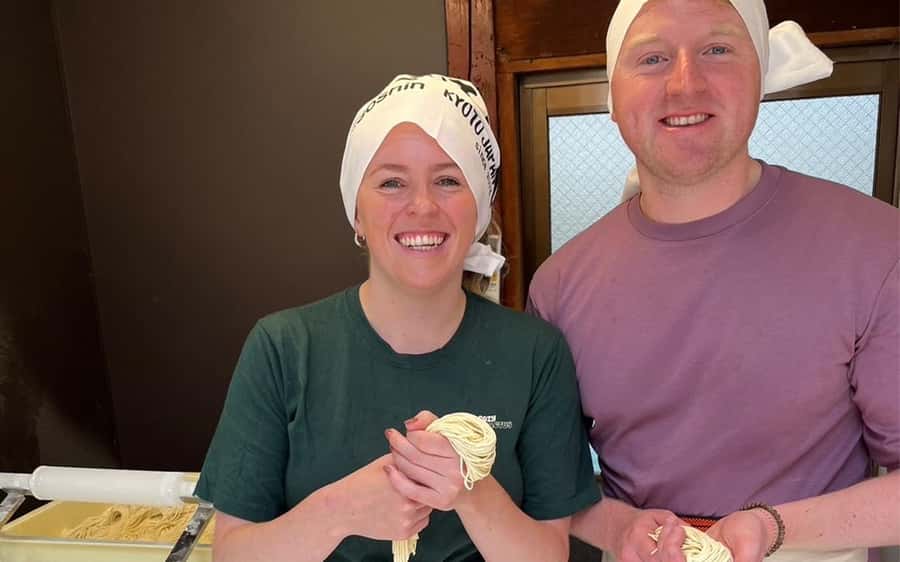
You can expect to help mix the ingredients, handle the dough, roll it out, and use the noodle machine. The process has several steps, so it feels more like a small food workshop than a quick demonstration. You also receive the ingredient list, which makes the activity more useful if you want to try ramen at home.
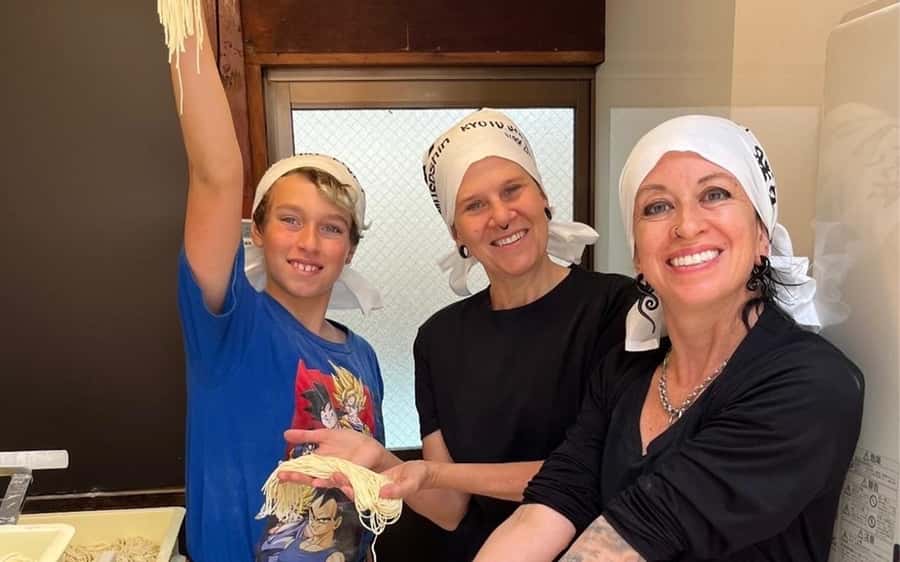
The noodle machine is a hit with children because it gives them a clear job. Younger participants can use their hands, help with the dough, and take part in the process instead of waiting for an adult to finish everything. The instructors adjust their help as needed, and the teaching style is patient and playful.
The guides are a major part of the experience. Shin, the owner, sometimes leads the class, while Patty, Yaya, Koki, Makoto, Momo, Shima, Rose, Pati, and others have also guided sessions. Names and staff assignments can change, but the consistent pattern is English support, frequent explanations, and plenty of help with photos.
One practical point is easy to miss: the noodles you prepare need to rest overnight before they are ready for the restaurant’s usual service. That means you generally do not eat the exact noodles you made during the class. Instead, the restaurant prepares your included ramen after the workshop. For some people, this is a minor disappointment. For me, it is also a useful lesson in how ramen production works.
Painting a ramen bowl or spoon
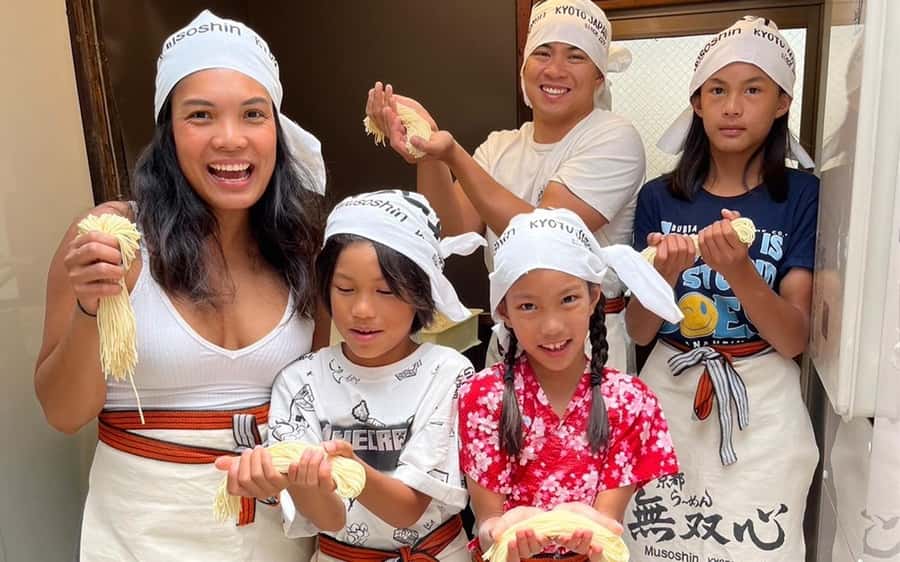
The painting portion gives the class a calmer change of pace. Depending on the option you book, you may paint a ramen bowl or spoon, adding your own colors and design before the item is finished.
A custom bowl can be baked in a kiln for free, with pickup the next day. This is a nice Kyoto souvenir because it is useful, personal, and connected to an activity you actually did. You need to plan your schedule carefully, though. If you leave Kyoto immediately after the class, the next-day collection may not work.
One small painting tip comes from the workshop experience: pale colors may not show clearly after firing. If you use pink, apply it fairly thickly so the color remains visible. That kind of advice is helpful because the finished piece may look different from the wet paint in the workshop.
Some options also include a Musoshin ramen spoon, ramen bowl, or apron. Check the exact option before paying, since these extras are not all included in every booking. An apron may also be available to buy separately, and workshop participants have purchased Musoshin shirts as souvenirs.
The painting option is especially useful for families. Children who are less interested in food preparation still get a creative activity, while adults can enjoy a quieter half hour. Couples and friends can also turn the bowl or spoon into a shared keepsake.
The restaurant meal after class
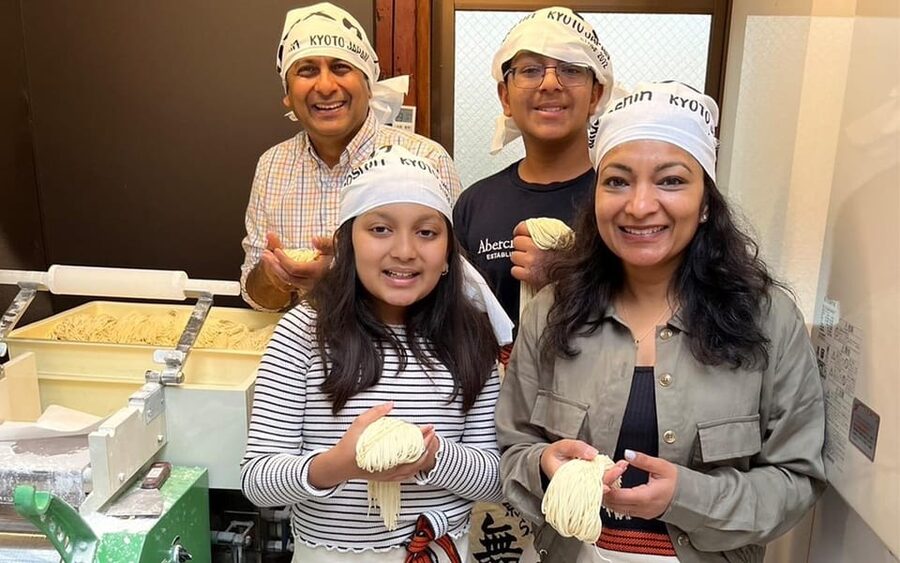
After the workshop, you go to Musoshin’s ramen restaurant for the meal included in the price. Several people have found this to be the best part of the experience, particularly after learning how much work goes into the broth, noodles, soy sauce, and toppings.
The restaurant’s ramen uses soup cooked for 12 hours and ingredients prepared by the Musoshin team. You can choose from the available ramen options, with vegetarian and vegan choices offered. The exact choices can depend on the restaurant and the option you book, so it is sensible to state your needs before the meal begins.
Black ramen and the shop specialty have both been popular choices, and fried chicken is also available at the restaurant. A drink is included as part of the activity. Since the class ends with a proper meal rather than a small tasting, this package can replace one lunch or dinner during your Kyoto stay.
The timing also makes sense. You learn about ramen first, then sit down and taste the result of the methods the restaurant uses every day. The meal gives the lesson a satisfying finish, even though it is not made from the noodles you rolled during the class.
How family-friendly is the class?
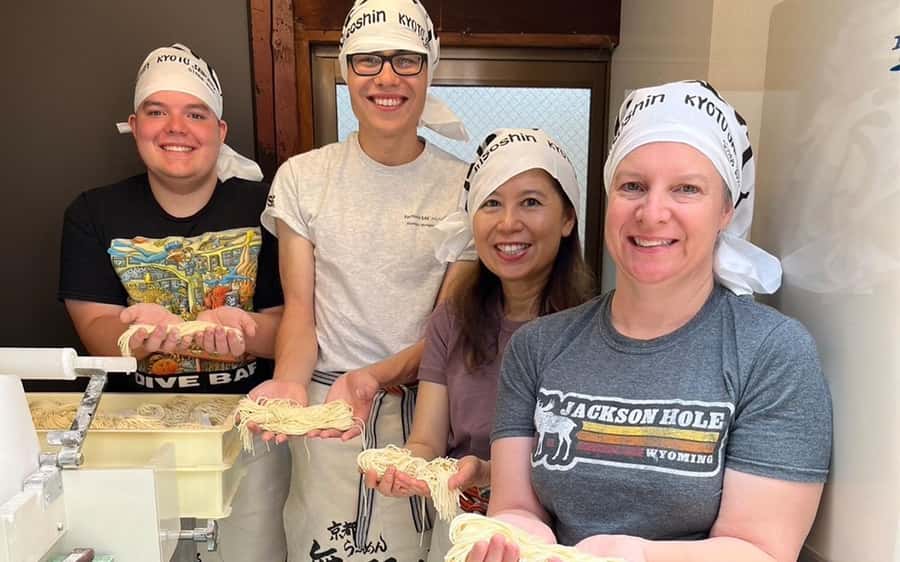
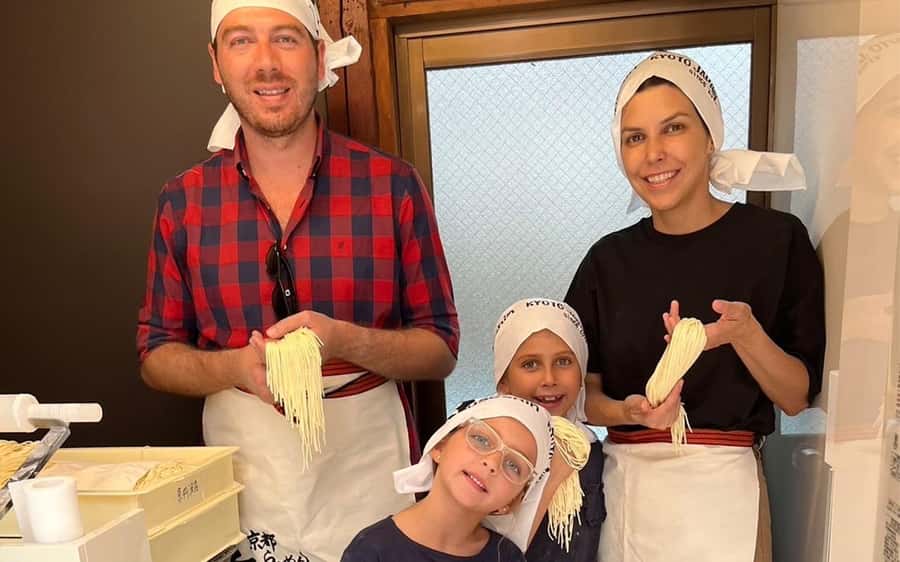
This is one of the better Kyoto food activities for families because children have real tasks. A four-year-old can participate in painting, while older children and teenagers can help with the dough and noodle machine. The activity does not depend on long explanations or advanced cooking skills.
The instructors are used to keeping children involved. They take photos, give clear directions, and help each person move through the steps. Adults are not left out, either. Parents and teenagers can work together, and the class has enough structure to keep the hour moving.
Still, the small room is worth taking seriously. One family of four found that adding two more people made the space feel cramped and suggested a smaller cap. The compact setting helps create a close, practical class, but it leaves less room to move around or step aside.
If your children are young, expect some shared equipment and close working conditions. That is not a safety warning based on a stated restriction, just a practical note about comfort. The activity is best for families who enjoy doing things together rather than those looking for a spacious cooking studio.


Dietary choices and special requests
Vegetarian and vegan ramen options are available, making this a more flexible food activity than many ramen-focused experiences. Tell the provider about dietary needs when you reserve, and confirm the meal choice at the workshop.
A family once discovered just before the class that one child had celiac disease. The staff arranged special gluten-free noodles and prepared a separate gluten-free soup, allowing the child to join in. This is encouraging, but it should not be treated as an automatic guarantee for every date. Contact Musoshin in advance if gluten is a serious medical concern.
The class involves flour and food preparation in a small restaurant setting. If cross-contact matters to you, ask specific questions before booking. Vegetarian and vegan availability is stated, while other dietary arrangements may require advance planning.
What the $54 price includes
At $54 per person, the workshop is not the cheapest ramen meal in Kyoto. It is also more than a standard cooking demonstration because you receive instruction, hands-on noodle making, a restaurant meal, a drink, and the cultural context behind the dish.
The value improves if you use the activity as one of your main meals. You are not paying for a class and then adding an expensive dinner afterward. Your ramen is included, and the meal is served at the Musoshin restaurant rather than being a token sample.
The bowl option adds further value if you can collect it the next day. A handmade souvenir, a meal, and an hour of instruction make the price reasonable for families, couples, and food-focused visitors. If you only want to eat ramen, skip the workshop and find a less costly bowl elsewhere. If you want to understand how ramen is made and take part in the process, the package makes more sense.
Check what is included in your selected option. The bandana used in the workshop is included, while the spoon, bowl, and apron may be listed as optional additions. The kiln firing is free for a designed bowl, but the next-day pickup requirement still applies.
Timing, meeting points, and language
The meeting point can vary depending on the option you choose, and the activity ends back at the meeting point. Check the booking details carefully rather than assuming every version begins at the same Musoshin location.
The workshop itself is generally about an hour of noodle making, with painting sometimes taking another half hour or forming an approximately equal part of the session. Exact timing can differ by option and group. The class starts on time, so allow enough time to reach the correct location.
English and Japanese are available. English-speaking guides have explained the process clearly, answered questions, taken photographs, and kept the mood light. That makes the class workable even if you know little Japanese.
Reserve now and pay later is available, which helps if you are still arranging a Kyoto schedule. Cancellation is free up to 24 hours in advance. Those policies are useful, but the key planning issue is the bowl pickup, which requires a second visit the next day.
Who will enjoy this most?
I would recommend this to:
- Families wanting a Kyoto activity that includes both food and craft work
- Couples or friends who enjoy making something together
- Visitors who want a meal with a story behind it
- Ramen fans interested in dough, broth, and restaurant technique
- People seeking vegetarian or vegan ramen options
- Anyone with a free next day who wants a custom bowl souvenir
I would be more cautious if you dislike group activities, need lots of personal space, or only want a fast meal. The workshop has a social, hands-on format, and the room can feel tight when the group is full.
It is also not a full professional ramen course. You receive the basic recipe and take part in key steps, but the 12-hour soup, handmade soy sauce, roasted pork, and overnight noodle resting are explained rather than completed from start to finish by you. That is the right level for a holiday activity, not a replacement for culinary school.
Should you book Musoshin’s ramen workshop?
Book it if you want more than another restaurant meal in Kyoto. The strongest combination is the hands-on noodle making, the friendly English support, and the included bowl of Musoshin ramen afterward. Children have genuine jobs to do, adults learn useful details, and the restaurant meal gives the class a clear payoff.
Choose the painting option if you have time to collect a bowl the next day. If your schedule is tight, painting a spoon or simply taking part in the noodle class may be more practical.
At $54, this is a good-value choice for a family or food-loving couple, especially when you count the meal and drink. Just expect a small workshop room, confirm your dietary needs in advance, and remember that your freshly made noodles need to rest before use. For an activity that connects Kyoto food culture with something you can make, eat, and remember, Musoshin is an easy recommendation.
FAQ
Where does the Musoshin ramen workshop take place?
The activity takes place in Kyoto, on Honshu, Japan. The exact meeting point may vary depending on the option you book.
How much does the experience cost?
The listed price is $54 per person.
What languages are available?
The workshop is offered in English and Japanese.
How long does the noodle-making portion take?
The noodle-making portion is designed as about one hour of hands-on activity. Options that include painting may add roughly another half hour or divide the time between painting and ramen preparation.
Do I eat the noodles I make?
Usually, no. The noodles made during the class need to rest overnight, so the restaurant prepares the ramen served after the workshop.
Is a meal included?
Yes. A ramen meal at the Musoshin restaurant and a drink are included.
Are vegetarian and vegan ramen options available?
Yes. Vegetarian and vegan ramen options are available.
Can I paint my own ramen bowl?
Yes, some booking options include bowl painting. Musoshin will bake your designed bowl in a kiln for free, and you can pick it up the next day. Check that your selected option includes the bowl activity.
More Workshops & Classes in Kyoto

More tours in Kyoto we've reviewed





Workshops, compared.
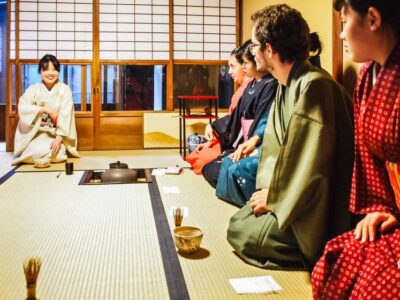 ★ 4.3Kyoto: 45-Minute Tea Ceremony Lesson ExperienceFrom $2245 min
 ★ 5.0Ramen Cooking Class at Ramen Factory in KyotoFrom $131
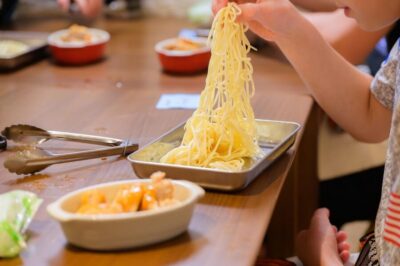 ★ 4.9Kyoto: Ramen Cooking Class at a Ramen Factory with SouvenirFrom $1271h 30m
 ★ 4.9Kyoto: Samurai Class, Become a Samurai WarriorFrom $70
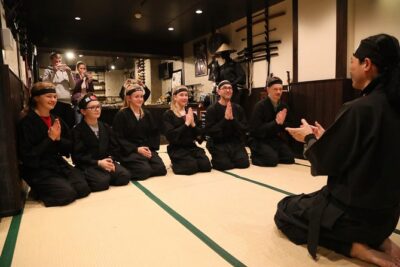 ★ 5.0Ninja 1-hour Hands-on Lesson by Japanese master in Kyoto -EntryFrom $80
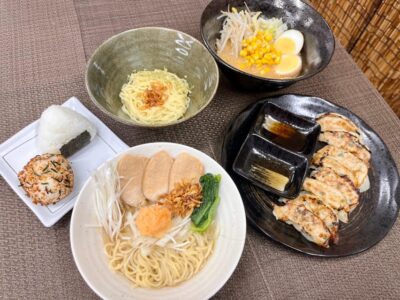 ★ 5.0Kyoto: Ramen, Gyoza, and Onigiri Cooking ClassFrom $901h 30m